Does Cramping During Ovulation Mean Pregnancy? A Complete Medical Guide

If you have been tracking your menstrual cycle and suddenly notice a sharp, twinging, or dull ache in your lower abdomen right around the middle of your month, it is completely natural to wonder what it means. Many individuals actively trying to conceive find themselves asking a very specific question: does cramping during ovulation mean pregnancy is already happening? The short, medically accurate answer is no. Mid-cycle cramping is a physiological signal that your body is actively releasing an egg, not that a fertilized embryo has implanted. Understanding the biological timeline, hormonal shifts, and clinical differences between these two distinct reproductive events is essential for anyone navigating fertility, family planning, or general gynecological wellness. In this comprehensive guide, we will break down the science behind ovulation pain, explain why conception takes days to establish, provide tracking strategies, and clarify when pelvic discomfort warrants professional medical evaluation.
Understanding Ovulation Cramping: The Science of Mittelschmerz
Ovulation cramping is medically referred to as mittelschmerz, a German term that literally translates to "middle pain." This phenomenon is widely recognized in reproductive medicine as a benign, self-limiting symptom that occurs approximately midway through a typical 28-day menstrual cycle, though it can appear anywhere between days 10 and 18 depending on individual cycle length. The underlying mechanism involves the dynamic physiological changes that occur within the ovary as a mature follicle prepares to release an egg (oocyte).
Free calculatorOvulation CalculatorCalculate ovulation periodOpen the calculatorWhat Exactly Causes Mid-Cycle Pain?
During the follicular phase of the menstrual cycle, follicle-stimulating hormone (FSH) stimulates the development of several ovarian follicles. One of these becomes dominant and continues to mature under the influence of rising estrogen levels. When the follicle reaches maturity, the pituitary gland releases a surge of luteinizing hormone (LH), which triggers a cascade of enzymatic and structural changes in the follicular wall. The follicle thins, creates a stigma (a weakened spot), and eventually ruptures to expel the mature egg into the fallopian tube. This rupture is the primary source of mittelschmerz. As the follicle bursts, it releases a small volume of follicular fluid and occasionally traces of blood into the peritoneal cavity. These fluids irritate the sensitive peritoneal lining, triggering localized pain signals. Additionally, the rupture process stimulates the release of prostaglandins, which cause smooth muscle contractions in the fallopian tubes and uterus, further contributing to the cramping sensation. Some individuals also experience a temporary stretch of the ovarian capsule, adding to the discomfort.
Prevalence and Demographic Variations
Research indicates that mittelschmerz affects approximately 20 to 40 percent of menstruating individuals. The pain is typically unilateral, meaning it is felt on one side of the lower abdomen or pelvis, corresponding to the ovary that is actively releasing an egg. Interestingly, the side often alternates from month to month, though some people consistently experience ovulation on the same side due to anatomical or physiological variations. The sensation can range from a mild, brief twinge to a more intense, dull ache that lasts anywhere from a few minutes to 48 hours. Associated symptoms often include light mid-cycle spotting, a noticeable shift in cervical mucus to a clear, stretchy, egg-white consistency, mild breast tenderness, and a slight elevation in basal body temperature following the LH surge. Because ovulation cramping coincides with peak fertility, many fertility specialists recognize it as a valuable natural marker, provided it is interpreted correctly within the broader context of cycle tracking.
The Biological Timeline of Conception vs. Ovulation
One of the most persistent misconceptions in reproductive health is the assumption that pain at the time of egg release immediately correlates with pregnancy. To understand why does cramping during ovulation mean pregnancy is biologically inaccurate, we must examine the precise sequence of events that must occur for conception to establish. Human reproduction is a carefully timed cascade of cellular, hormonal, and anatomical processes that simply cannot happen instantaneously.
The Fertile Window and Sperm Longevity
Ovulation marks the peak of the fertile window, but it is only one component of conception timing. Once the egg is released, it remains viable for fertilization for approximately 12 to 24 hours. During this narrow window, sperm must travel through the cervix, uterus, and into the fallopian tubes to penetrate the egg's outer layers. Sperm can survive in the female reproductive tract for up to five days under optimal cervical mucus conditions, which is why intercourse in the days leading up to ovulation is often just as effective as intercourse on the day of ovulation itself. However, the mere presence of an egg does not guarantee fertilization. Countless biological variables, including sperm quality, tubal motility, cervical environment, and immune responses, influence whether sperm and egg successfully unite.
Fertilization and the Journey to Implantation
Assuming fertilization does occur, the newly formed zygote begins a complex journey that spans nearly a week. The zygote undergoes rapid cellular division as it travels down the fallopian tube toward the uterine cavity. This journey takes approximately 6 to 10 days. During this transit period, the developing embryo is entirely floating and has not yet attached to the maternal tissue. It relies on the nutrient-rich fluid within the reproductive tract for survival. Only after reaching the blastocyst stage does it begin the implantation process, where it burrows into the thickened, progesterone-primed endometrial lining of the uterus. Until this attachment occurs, there is no physiological pregnancy. The embryo is not connected to the mother's bloodstream, no placenta is forming, and pregnancy-specific hormones are not being produced.
Why Timing Matters: The hCG Threshold
Human chorionic gonadotropin (hCG) is the definitive biochemical marker of pregnancy. This hormone is secreted exclusively by the syncytiotrophoblast cells of the developing placenta after the blastocyst successfully embeds into the endometrium. It takes an additional 2 to 3 days post-implantation for hCG levels to rise sufficiently to be detected in urine or blood. This explains why home pregnancy tests remain negative if taken during ovulation or in the days immediately following it. Even if fertilization and implantation proceed flawlessly, the hormonal environment during mid-cycle cramping is dominated by estrogen and LH, not hCG or elevated progesterone. Therefore, asking if does cramping during ovulation mean pregnancy can be definitively answered by recognizing the 10 to 14-day gap between ovulation pain and accurate pregnancy detection.
Implantation Cramping vs. Ovulation Cramping: A Detailed Breakdown
While both types of pelvic discomfort occur in the lower abdomen, they represent entirely different biological milestones. Differentiating between the two requires attention to timing, sensation, duration, and accompanying symptoms. Many individuals confuse early pregnancy signals with regular cycle variations, leading to unnecessary stress or false expectations.
Sensation and Location Differences
Ovulation cramping (mittelschmerz) is characteristically sharp, sudden, or achy, and it is frequently localized to one side of the lower pelvis. The unilateral nature of the pain aligns directly with the anatomy of the releasing ovary. In contrast, implantation cramping tends to be milder, duller, and more centralized or diffuse. It is often described as a light pulling, tingling, or subtle menstrual-like pressure that sits lower in the uterus rather than specifically near the ovaries. Because implantation involves the embryo burrowing into the endometrium and triggering localized vascular changes and mild inflammatory responses, the sensation is generally less intense than follicular rupture.
Duration and Associated Symptoms
Mittelschmerz typically lasts from a few minutes to 48 to 72 hours, resolving as the peritoneal irritation from follicular fluid dissipates. It may occur alongside a slight rise in basal body temperature (post-ovulation phase), increased libido, and the characteristic clear cervical mucus shift. Implantation cramping, when noticeable, usually spans 1 to 3 days and is often accompanied by light pink or brown spotting, commonly referred to as implantation bleeding. This spotting occurs as tiny blood vessels in the endometrium are disrupted during embryo attachment. Other early pregnancy indicators like fatigue, nausea, or significant breast fullness typically do not manifest until hCG levels rise substantially, which is generally 10 to 14 days after ovulation.
The Hormonal Shift Explained
The endocrine environment during ovulation versus implantation is fundamentally different. Mid-cycle pain coincides with the LH surge, peak estrogen, and the initial conversion of the ruptured follicle into the corpus luteum, which then begins producing progesterone. This progesterone rise is what causes post-ovulation symptoms like mild bloating or breast tenderness. Implantation cramping occurs days later, when progesterone is already elevated to maintain the uterine lining, and the newly developing embryo begins secreting hCG. The hCG hormone essentially "rescues" the corpus luteum, preventing menstruation and sustaining pregnancy. Tracking these hormonal transitions through symptom charting and testing at the appropriate window is the only clinically sound way to distinguish cycle phases.
| Symptom Feature | Ovulation Cramping (Mittelschmerz) | Implantation/Early Pregnancy Cramping |
|---|---|---|
| Typical Timing | Mid-cycle (~14 days before next period) | 6-12 days post-ovulation |
| Pain Location | Often unilateral (left or right lower quadrant) | Central, diffuse, or deep pelvic/lower uterine |
| Sensation | Sharp twinge, sudden ache, or mild to moderate dull pain | Light pulling, mild tingling, subtle menstrual-like pressure |
| Duration | Minutes to 2-3 days | 1-3 days, often intermittent |
| Key Associated Signs | Egg-white cervical mucus, unilateral spotting, BBT rise | Light pink/brown spotting, delayed period, rising fatigue |
| Dominant Hormones | LH surge, peak estrogen, early progesterone | High progesterone, rising hCG |
Clinical Evidence: Why Ovulation Cramping Does Not Indicate Pregnancy
Medical organizations and reproductive endocrinology specialists consistently emphasize that mid-cycle pain is a marker of follicular activity, not embryonic development. The American College of Obstetricians and Gynecologists (ACOG) explicitly states that mid-cycle symptoms correlate with ovulation and should be interpreted within the framework of fertility tracking rather than early pregnancy confirmation. Clinical guidelines reinforce that physiological pregnancy establishment requires fertilization, successful tubal transport, endometrial receptivity, and eventual hCG secretion. None of these processes are complete at the moment ovulation occurs.
Expert Consensus and Medical Guidelines
Reproductive medicine relies on precise biochemical and temporal markers. As noted by clinical endocrinology consensus statements, cramping at the time of ovulation reflects luteinizing hormone mechanics and follicular rupture dynamics. It does not reflect embryonic growth because conception has not yet been finalized. The Office on Women's Health (U.S. HHS) further clarifies that mid-cycle physiological changes are strictly related to the menstrual cycle's hormonal shifts. Even if intercourse occurs immediately before or after ovulation, the biological reality of a developing pregnancy cannot manifest until well into the luteal phase. Patients are consistently advised to view mittelschmerz as a fertility signpost, not a conception notification.
The Diagnostic Reality of Early Testing
Attempting to confirm pregnancy during ovulation cramping is clinically futile. Home pregnancy tests and even serum quantitative hCG assays rely on detecting a hormone that does not exist in measurable quantities until after implantation. Testing at day 0 (ovulation day), day 1, day 3, or day 5 post-ovulation will universally return negative results, regardless of whether fertilization occurs. False negatives during this window can cause unnecessary emotional distress. Medical professionals universally recommend waiting until at least 10 to 14 days post-ovulation, or until a menstrual period is missed, before relying on home testing. This waiting period aligns with the natural biological timeline of hCG production and ensures diagnostic accuracy. Understanding this reality helps individuals reframe the question: does cramping during ovulation mean pregnancy is present, and redirects focus toward cycle tracking and patience.
How to Track Your Cycle for Accurate Symptom Interpretation
Relying on cramping alone is an insufficient method for predicting either ovulation or pregnancy. Modern reproductive health emphasizes multi-modal tracking, which combines symptom observation with objective physiological data. By integrating several tracking methods, individuals can pinpoint their fertile window with greater accuracy, avoid symptom confusion, and time family planning efforts effectively.
Basal Body Temperature and Ovulation Predictor Kits
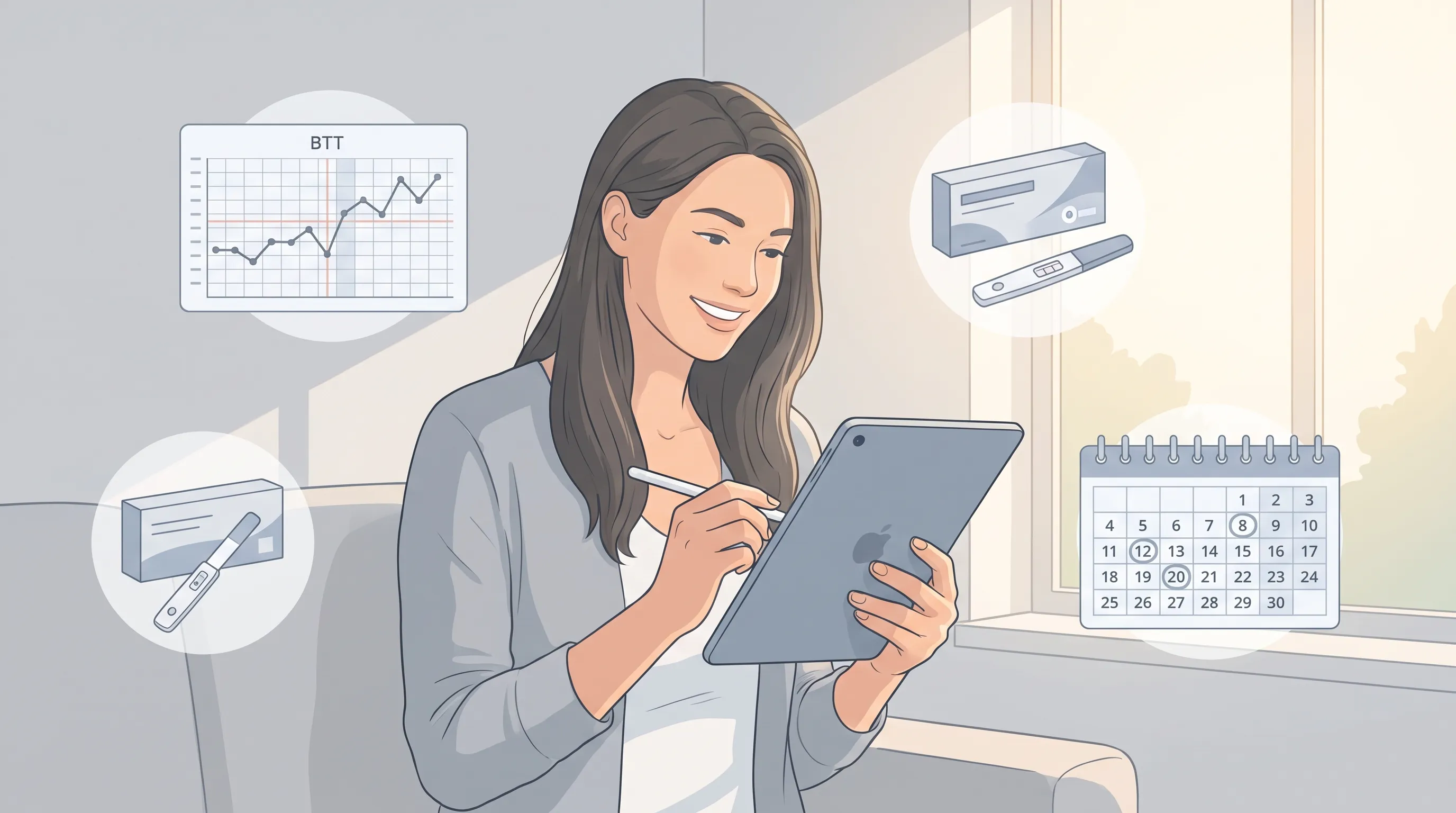
Basal body temperature (BBT) tracking involves taking your temperature immediately upon waking, before any physical activity. Estrogen dominance during the follicular phase keeps BBT slightly lower. Following ovulation, the corpus luteum secretes progesterone, which has a thermogenic effect, typically raising BBT by 0.5 to 1.0 degrees Fahrenheit. This temperature shift confirms that ovulation has already occurred, providing a reliable retrospective marker. Ovulation predictor kits (OPKs), on the other hand, measure LH levels in urine. Because the LH surge precedes ovulation by 24 to 36 hours, OPKs offer a prospective fertility alert. Combining BBT confirmation with OPK forecasting creates a highly accurate cycle tracking system that eliminates guesswork.
Cervical Mucus Monitoring and Calendar Tracking
Cervical mucus undergoes predictable changes throughout the cycle under the influence of estrogen and progesterone. As ovulation approaches, estrogen levels rise, transforming mucus into a thin, slippery, stretchy consistency that facilitates sperm survival and transport. This "egg-white" discharge is one of the most reliable natural fertility indicators. Tracking this alongside calendar methods (which predict ovulation based on historical cycle length averages) provides a holistic view of your reproductive rhythm. However, calendar tracking alone is often unreliable for individuals with irregular cycles, stress fluctuations, or postpartum/hormonal adjustments. When combined with symptothermal methods (BBT + cervical mucus + cervical position), accuracy improves significantly. Learning to interpret these signs reduces the likelihood of misattributing mid-cycle discomfort to early pregnancy and helps individuals answer does cramping during ovulation mean pregnancy with scientific confidence rather than speculation.
Managing Mid-Cycle Discomfort and When to Seek Care
While mittelschmerz is generally benign, it can occasionally disrupt daily activities, affect intimacy, or cause anxiety for individuals trying to conceive or manage pain. Understanding safe, evidence-based management strategies is crucial for maintaining reproductive comfort and overall well-being.
Safe Pain Relief Strategies
For mild to moderate ovulation cramping, conservative self-care measures are typically sufficient. Nonsteroidal anti-inflammatory drugs (NSAIDs) such as ibuprofen or naproxen are highly effective because they directly inhibit prostaglandin synthesis, reducing both pain and inflammation at the site of follicular rupture. Acetaminophen can also be used for pain relief, though it lacks anti-inflammatory properties. Applying a low-temperature heating pad to the lower abdomen or pelvis increases blood flow, relaxes smooth muscle, and alleviates cramping. Staying well-hydrated and engaging in gentle stretching or light walking can also promote pelvic circulation and reduce tension. Importantly, if you are actively trying to conceive, consult your healthcare provider before taking NSAIDs immediately after suspected ovulation. While evidence is mixed, some clinicians recommend limiting prostaglandin inhibitors during the implantation window as a precautionary measure, favoring acetaminophen or heat therapy instead.
Red Flag Symptoms Requiring Medical Attention
Not all mid-cycle or luteal-phase pain is physiological mittelschmerz. Certain symptoms warrant prompt clinical evaluation to rule out more serious gynecological or gastrointestinal conditions. Sudden, severe, or debilitating pelvic pain may indicate ovarian cyst rupture, endometriosis flare-ups, pelvic inflammatory disease (PID), or ovarian torsion. If cramping is accompanied by heavy vaginal bleeding, foul-smelling discharge, dizziness, fainting, fever, nausea, vomiting, or pain that radiates to the shoulder or back, seek immediate medical care. These could be signs of an ectopic pregnancy, ruptured cyst, appendicitis, or infection. Additionally, if mittelschmerz becomes increasingly painful, lasts longer than three days, or occurs consistently alongside intermenstrual bleeding, schedule a pelvic examination with an OB/GYN. Transvaginal ultrasound and pelvic exams can effectively differentiate normal ovulation pain from pathological conditions. The Mayo Clinic staff recommendation emphasizes that persistent, severe, or atypical pelvic pain should never be ignored, as early diagnosis significantly improves treatment outcomes and preserves reproductive health.
Practical Fertility and Family Planning Tips
Understanding the distinction between ovulation discomfort and pregnancy signals empowers individuals to make informed decisions about conception timing, contraception, and reproductive wellness. Here are actionable strategies to integrate into your routine.
Optimizing Timing for Conception
If you are actively trying to conceive, use mittelschmerz as a supplementary fertility cue rather than a primary tracking method. Recognize that the pain signals the egg's release, meaning you are at the very end of your peak fertile window. The most fertile days are actually the two to three days before ovulation occurs. Aligning intercourse with positive OPK results, abundant fertile-quality cervical mucus, and pre-ovulation BBT patterns maximizes your chances of successful fertilization. Maintain a relaxed approach, as stress can subtly impact cycle regularity and hormonal balance. Track symptoms consistently for at least three to six cycles to establish your personal baseline and identify predictable patterns.
Avoiding Misinterpretation in Natural Family Planning
For individuals using natural family planning or fertility awareness-based methods (FABMs), accurately distinguishing cycle phases is essential. Assuming mid-cycle cramping means pregnancy could lead to unprotected intercourse during highly fertile days or misalignment of cycle tracking data. Always cross-reference physical sensations with objective markers like temperature shifts and mucus observations. Remember that does cramping during ovulation mean pregnancy is a question rooted in timing confusion, not biological fact. Educate yourself thoroughly on FABM protocols, and consider working with a certified instructor to ensure proper interpretation of your unique cycle markers.
Frequently Asked Questions
Does cramping during ovulation mean pregnancy is guaranteed?
No. Mid-cycle cramping, known as mittelschmerz, is a normal physiological response to follicular rupture and egg release. It indicates fertility and the timing of ovulation, but it does not confirm that fertilization or implantation has occurred. Pregnancy can only be biologically established 6-10 days after ovulation following successful implantation.
How can you tell the difference between ovulation cramps and early pregnancy cramps?
Ovulation cramps typically occur mid-cycle, are often one-sided, last from minutes to three days, and coincide with an LH surge and peak estrogen. Implantation or early pregnancy cramping occurs 6-12 days after ovulation, tends to be more diffuse or central, is usually milder, and is often accompanied by rising progesterone and eventual hCG production. Timing relative to your expected period is the most reliable differentiator.
Can you take a pregnancy test if you feel ovulation cramping?
Taking a pregnancy test during ovulation cramping will not yield an accurate result. Pregnancy tests detect human chorionic gonadotropin (hCG), which is only produced by the placenta after implantation. This process typically takes 8-14 days post-ovulation. Testing earlier will likely return a false negative, regardless of whether cramping is present.
Is severe ovulation pain normal or a cause for concern?
Mild to moderate mittelschmerz is considered normal and affects 20-40% of menstruating women. However, severe, sudden, or debilitating pelvic pain, especially when accompanied by fever, heavy bleeding, dizziness, or vomiting, requires prompt medical evaluation. These symptoms may indicate ovarian cysts, endometriosis, pelvic inflammatory disease, or ovarian torsion rather than typical mid-cycle ovulation.
Does experiencing ovulation cramps increase my chances of conceiving?
Ovulation cramps simply indicate that ovulation is actively occurring, which means the fertile window is open. While this does not directly increase biological fertility, recognizing the symptom can help you time intercourse optimally. Since the egg survives only 12-24 hours after release, identifying mittelschmerz can improve the likelihood of successful conception when paired with proper cycle tracking.
Key Takeaways
Navigating reproductive symptoms requires a clear understanding of physiological timelines and hormonal mechanics. To directly address whether does cramping during ovulation mean pregnancy: it does not. Ovulation cramping is a normal, benign indicator of follicular rupture and egg release, occurring approximately midway through your menstrual cycle. Conception is a multi-step process that requires fertilization, a 6-10 day journey through the fallopian tube, and eventual endometrial implantation before pregnancy is biologically established or detectable via hCG. By differentiating the unilateral, mid-cycle nature of mittelschmerz from the later, diffuse, and milder sensation of implantation cramping, you can track your fertility more accurately and avoid common diagnostic confusion. Always pair symptom observation with objective tracking methods like BBT charting, OPK usage, and cervical mucus monitoring. Manage discomfort safely with heat, hydration, and appropriate OTC analgesics, and never hesitate to consult a healthcare provider if pain is severe, prolonged, or accompanied by alarming systemic symptoms. Evidence-based cycle awareness, patience, and professional guidance remain the most reliable foundations for reproductive health and successful family planning. For further reading, explore authoritative resources such as the Mayo Clinic's guidance on ovulation pain, the ACOG early pregnancy signs overview, and the Cleveland Clinic's explanation of implantation symptoms.
How we work
Researched and drafted with AI assistance, then reviewed by a human editor against the cited sources.
This article is general health information, not medical advice. Consult a qualified healthcare professional about your own situation.