Is Mozzarella Cheese Gluten Free? Complete Medical Guide for Celiac & Gluten Sensitivity

If you manage celiac disease or live with non-celiac gluten sensitivity, navigating grocery aisles and restaurant menus can feel like walking a dietary tightrope. One of the most common and persistent questions dietitians receive from newly diagnosed patients and long-term followers of restrictive diets alike is whether everyday staples align with a strict gluten-free protocol. Specifically, many individuals wonder, is mozzarella cheese gluten free, or does its processing introduce hidden risks that could trigger an autoimmune response or uncomfortable gastrointestinal symptoms. The straightforward medical answer is reassuring: in its pure, traditional form, mozzarella is completely safe for individuals avoiding gluten. However, the modern food supply chain introduces variables that require careful label reading, supply chain awareness, and informed consumer habits. Understanding the precise intersection between dairy science, food manufacturing practices, and clinical gastroenterology guidelines ensures that you can enjoy this versatile Italian cheese without compromising your digestive health or long-term intestinal healing.
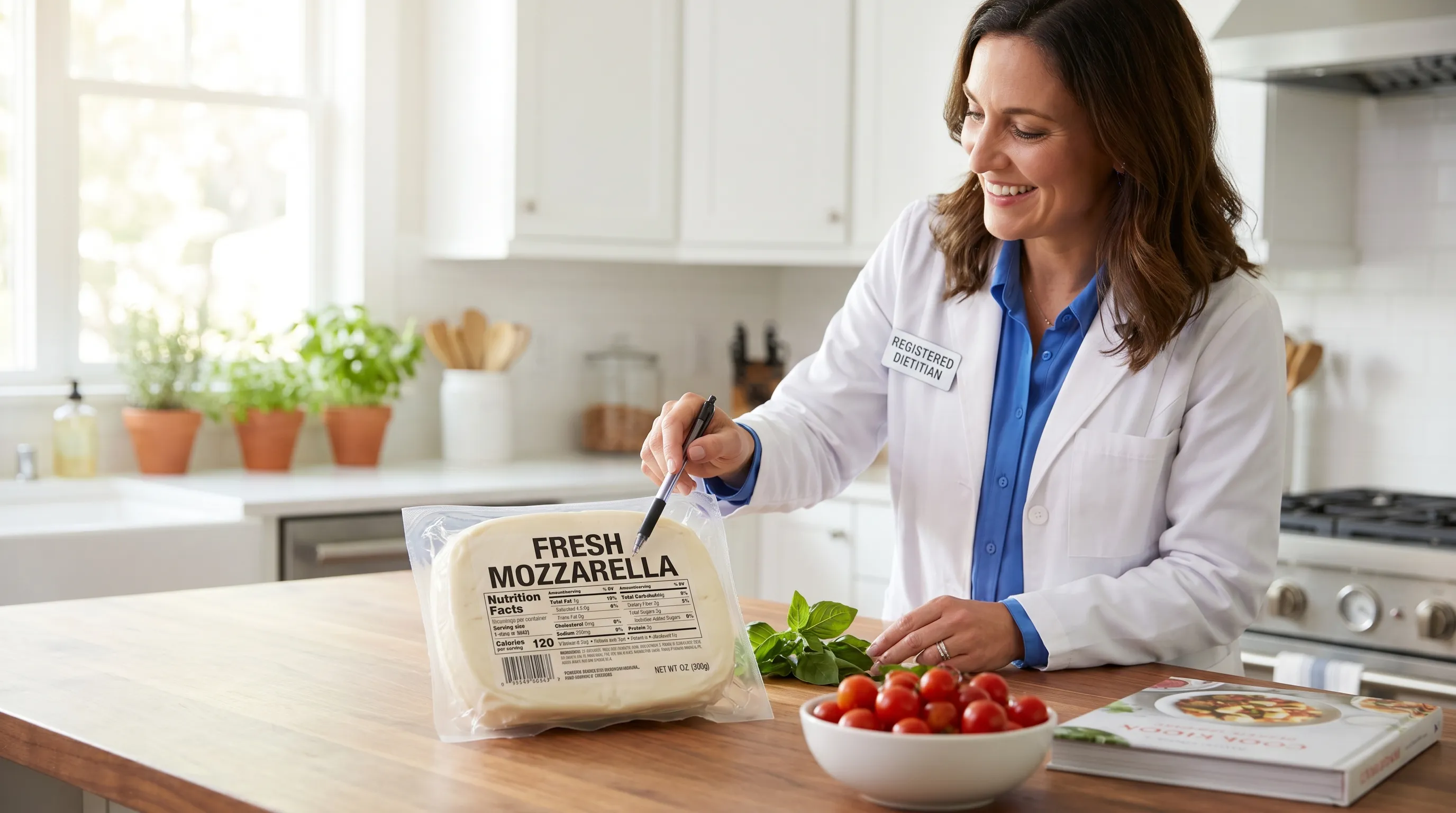
The Fundamental Composition of Mozzarella Cheese
To definitively answer whether a food contains gluten, clinical nutritionists and gastroenterologists always begin with an ingredient-level analysis. Understanding the foundational components of mozzarella clarifies why it is widely recognized as a safe dairy choice for gluten-sensitive populations. When you ask yourself is mozzarella cheese gluten free, examining the traditional cheesemaking process provides the most accurate starting point.
Free calculatorHigh-Fiber Foods ChartChart of high-fiber foods for digestive healthOpen the calculatorTraditional Ingredients and Production Process
Authentic mozzarella, classified as a pasta filata or "stretched-curd" cheese, follows a centuries-old Italian methodology that relies on four primary components: pasteurized milk (or raw milk in traditional European contexts), salt, specific bacterial starter cultures, and coagulating enzymes such as animal-derived rennet or microbial alternatives. During production, acidification is carefully monitored as the starter cultures convert lactose into lactic acid. Once the curds reach a specific pH threshold, they are heated in hot water or whey and mechanically stretched to develop mozzarella's signature elastic texture. At no point in this traditional process are grains, wheat flour, barley malt, or rye derivatives introduced. Consequently, when evaluating pure, unadulterated mozzarella, is mozzarella cheese gluten free becomes a straightforward affirmation. The absence of cereal proteins in the base formulation guarantees that naturally crafted mozzarella remains inherently compatible with medical gluten avoidance protocols.
Cow’s Milk Versus Water Buffalo Mozzarella
The dairy source further influences the nutritional profile but does not impact gluten status. Fresh mozzarella di bufala, crafted from water buffalo milk, originates from Campania and surrounding Italian regions. This variety contains a higher fat content and a richer concentration of fat-soluble vitamins, particularly vitamin A and conjugated linoleic acid. Fior di latte, made from pasteurized cow's milk, offers a slightly milder flavor and a firmer texture when aged briefly. Both varieties rely exclusively on dairy lipids, milk proteins (casein and whey), and standard fermentation agents. Since neither water buffalo nor cow milk contains gluten-forming proteins, and since traditional aging and stretching processes utilize only heat, water, salt, and cultures, the botanical and zoological origins of the milk do not alter the gluten-free classification. Patients with celiac disease can confidently select either variety, provided the manufacturer adheres to strict contamination controls throughout processing and packaging.
Why Dairy Proteins Are Naturally Free of Gluten
Gluten specifically refers to a family of storage proteins known as prolamins and glutelins found exclusively in certain cereal grains. Wheat contains gliadin and glutenin, barley contains hordein, and rye contains secalin. Dairy proteins, conversely, are categorized entirely differently. Casein, a phosphoprotein complex, and whey, a globular protein fraction, share zero structural homology with cereal-based gluten proteins. Extensive immunological research confirms that casein and whey do not cross-react with the transglutaminase enzyme system in individuals with celiac disease, meaning they do not trigger the same autoimmune cascade. This biochemical distinction reinforces the clinical consensus that unprocessed dairy products, including fresh and whole-milk mozzarella, remain fundamentally gluten-free. When patients explore dietary modifications post-diagnosis, recognizing the clear biological separation between dairy matrices and cereal proteins eliminates unnecessary fear and supports adequate calcium and protein intake during intestinal mucosal repair.

Understanding Gluten and Its Medical Implications
Before addressing commercial variations of cheese, it is essential to establish a clear medical framework regarding gluten itself. The severity of gluten-related disorders demands a rigorous understanding of molecular triggers, immune responses, and diagnostic criteria. Only with this foundation can individuals accurately assess is mozzarella cheese gluten free within the broader context of gastrointestinal health.
The Molecular Structure and Dietary Sources of Gluten
Gluten is a composite prolamin protein characterized by repetitive amino acid sequences rich in proline and glutamine. This structural configuration makes gluten highly resistant to complete enzymatic breakdown in the human gastrointestinal tract. In susceptible individuals, partially digested gluten peptides resist gastric and pancreatic proteolysis, allowing them to traverse the intestinal epithelial barrier. Common dietary sources encompass wheat (including spelt, farro, durum, kamut, and einkorn), barley, rye, and their crossbreeds such as triticale. The FDA defines gluten-containing ingredients as any grain derived from these botanical families unless explicitly processed to reduce gluten content below regulatory thresholds. Recognizing these primary sources allows consumers to quickly identify high-risk categories when reading food labels, while simultaneously highlighting why naturally occurring foods like fresh vegetables, meats, eggs, and unprocessed dairy remain inherently safe.
Celiac Disease Versus Non-Celiac Gluten Sensitivity
Celiac disease represents a well-documented, HLA-DQ2/DQ8 genetically predisposed autoimmune enteropathy. Upon gluten exposure, affected individuals mount an aberrant immune response characterized by autoantibody production against tissue transglutaminase (tTG). This cascade leads to lymphocytic infiltration of the intestinal epithelium, crypt hyperplasia, and characteristic villous atrophy. Clinical manifestations extend far beyond digestive distress, encompassing iron-deficiency anemia, dermatitis herpetiformis, neurological complications, osteoporosis, and fatigue. Non-celiac gluten sensitivity (NCGS), by contrast, lacks autoimmune markers and intestinal structural damage. Patients experience symptomatic relief upon gluten withdrawal but do not exhibit the same immunological or histopathological findings. Both conditions require strict dietary avoidance, yet the clinical monitoring and nutritional rehabilitation protocols differ significantly. Understanding whether is mozzarella cheese gluten free takes on heightened importance for celiac patients, as even trace exposures can perpetuate mucosal inflammation and delay long-term remission.
The Pathophysiology of Intestinal Damage from Gluten
When gluten peptides enter the lamina propria of genetically susceptible individuals, antigen-presenting cells display deamidated gluten fragments to CD4+ T-cells, initiating a robust Th1-mediated inflammatory response. Cytokine release, including interferon-gamma and interleukin-15, triggers intraepithelial lymphocyte activation and enterocyte apoptosis. The resulting flattening of intestinal villi drastically reduces the absorptive surface area, leading to malabsorption of iron, calcium, folate, vitamin D, and fat-soluble vitamins. Chronic villous blunting compromises gut barrier integrity, potentially allowing secondary antigens and microbial translocation that exacerbate systemic symptoms. Because the small intestine requires months to years of strict gluten avoidance to regenerate, patients must vigilantly scrutinize every dietary component. This pathophysiological reality underscores why asking is mozzarella cheese gluten free extends beyond simple ingredient verification to encompass manufacturing environments, processing equipment, and potential cross-reactive additives that could inadvertently reignite intestinal inflammation.
When Mozzarella Cheese May Contain Gluten
While traditional mozzarella remains inherently safe, modern food engineering and commercial scalability introduce formulation variables that complicate the dietary equation. Understanding the specific product categories that deviate from traditional recipes ensures patients can navigate grocery stores with confidence. When questioning whether is mozzarella cheese gluten free, the answer depends entirely on product format and manufacturing intent.
Anti-Caking Agents in Pre-Shredded Varieties
Pre-shredded mozzarella dominates the convenience market due to its time-saving utility in home cooking and food service operations. To prevent individual cheese strands from fusing into solid clumps during storage and transportation, manufacturers incorporate anti-caking agents. Common additives include cellulose, potato starch, corn starch, and occasionally modified food starch. While potato and corn derivatives remain entirely gluten-free, modified food starch sourced from wheat introduces a direct contamination vector. The FDA permits wheat-derived modified food starch to be labeled simply as "modified food starch" if the allergen disclosure follows it, but this regulatory allowance creates confusion for celiac consumers. Furthermore, some facilities process both corn-based and wheat-based starches on shared equipment, increasing cross-contact potential. Therefore, when evaluating packaged grated cheese, the question is mozzarella cheese gluten free requires careful examination of the ingredient panel. Opting for brands that explicitly state "gluten-free" or utilizing whole-block mozzarella that you grate yourself eliminates this risk entirely.
Flavored, Marinated, and Pre-Seasoned Blends
The culinary landscape increasingly features marinated mozzarella pearls, herb-infused blocks, and seasoned cheese snacks. These products often contain spice blends, flavor enhancers, and anti-foaming agents that may introduce gluten-containing ingredients. For example, barbecue seasoning, malt vinegar flavoring, soy sauce derivatives, and certain dried herb mixes utilize wheat-based fillers or barley-derived maltodextrin. Even trace amounts of hydrolyzed wheat protein, used to enhance texture or flavor depth, can exceed the 20 ppm threshold considered unsafe for celiac management. Medical guidelines from the Mayo Clinic consistently advise patients to treat flavored dairy products with heightened scrutiny. When a cheese product undergoes secondary formulation, the baseline safety of natural mozzarella becomes secondary to the additive profile. Reading the allergen statement for "Contains: Wheat" remains essential, though relying solely on allergen disclosures overlooks trace cross-contact. Certified gluten-free labeling or direct manufacturer communication provides the most reliable verification method for these value-added products.
Breaded, Stuffed, and Deep-Fried Preparations
The most obvious gluten-containing mozzarella preparations appear in restaurant appetizer menus and frozen food aisles. Mozzarella sticks, breaded cheese curds, fried ravioli, and stuffed-crust pizza edges rely on wheat flour, semolina, breadcrumbs, and tempura batter to create a crispy exterior. These products are categorically unsafe for individuals managing celiac disease or severe gluten sensitivity unless specifically engineered and labeled as gluten-free alternatives. Additionally, the frying process introduces a secondary contamination layer. Shared fryer oil acts as a highly efficient cross-contact vector, as gluten proteins from breaded items degrade into microscopic fragments that suspend in the oil and transfer to otherwise gluten-free foods. Clinical nutritionists strongly advise against consuming fried mozzarella in standard restaurant kitchens due to the impossibility of verifying dedicated fryer protocols without direct staff confirmation. Even if a menu lists gluten-free mozzarella sticks, patients must confirm separate frying equipment and dedicated preparation surfaces before ordering.
Navigating Cross-Contamination Risks
Beyond intentional ingredients, environmental contamination represents one of the most insidious barriers to maintaining a strictly gluten-free diet. Manufacturing plants, grocery delis, and commercial kitchens operate with shared infrastructure, making proactive risk assessment mandatory for patients with autoimmune enteropathies. The question of whether is mozzarella cheese gluten free ultimately extends beyond ingredient lists to encompass facility-wide sanitation protocols and supply chain transparency.
Deli Counter Slicing and Shared Equipment Protocols
Retail grocery deli counters frequently process gluten-containing products such as breaded meats, wheat-based sausages, and pre-sliced sandwiches using identical rotary slicers. Residual flour dust and crumb accumulation embed into machine crevices, creating persistent contamination reservoirs that standard wiping procedures fail to eliminate. When requesting sliced mozzarella, patients should communicate clearly with deli staff, asking whether a dedicated gluten-free slicer exists or if they can sanitize equipment using hot water, detergent, and fresh sanitizing solution prior to slicing. Alternatively, requesting a fresh, unopened block of cheese from behind the counter guarantees that no cross-contact has occurred on retail-facing equipment. Medical dietitians emphasize that visual cleanliness does not equate to molecular cleanliness, as microscopic gluten fragments can trigger symptoms in highly sensitive individuals.
Restaurant Kitchens and Shared Fryer Oil Contamination
Restaurant food preparation introduces multiple cross-contact vectors beyond shared fryers. Grilling surfaces, toasters, cutting boards, pasta water, and even shared utensil storage containers can harbor gluten residues. When dining out, mozzarella served as part of a caprese salad, fresh margherita pizza, or grilled appetizer remains theoretically safe only if prepared on sanitized surfaces with dedicated tools. Patients should request gluten-free preparation protocols, which include changing gloves, using clean utensils, and avoiding shared prep stations near gluten-containing ingredients. The Celiac Disease Foundation consistently recommends communicating dietary needs directly to management rather than frontline servers, as kitchen supervisors better understand cross-contact mitigation strategies. Asking is mozzarella cheese gluten free when ordering becomes less relevant than verifying whether the kitchen environment maintains segregated gluten-free preparation zones.
Manufacturing Facilities and Cross-Contact Mitigation
Commercial cheese production operates within large-scale facilities that may simultaneously process wheat-based snacks, pasta, or bakery items. Airborne flour particles, shared conveyor belts, and bulk storage silos introduce facility-level cross-contact risks. Reputable manufacturers implement Hazard Analysis Critical Control Point (HACCP) protocols, allergen scheduling, dedicated production lines, and rigorous environmental swab testing to prevent contamination. However, not all facilities adhere to these stringent measures. When evaluating packaged mozzarella, patients should look for "manufactured in a facility that also processes wheat" statements. While this advisory label is voluntary and does not confirm contamination, it signals that individuals with celiac disease may prefer products manufactured in dedicated gluten-free facilities or those bearing third-party certification to ensure rigorous testing standards.
How to Verify Gluten-Free Status When Shopping
Empowered consumers rely on systematic verification strategies rather than assumptions when purchasing dairy products. Implementing a disciplined approach to label interpretation, certification recognition, and retailer communication transforms grocery shopping from a stressful guessing game into a confident, medically sound practice. When determining is mozzarella cheese gluten free, applying these evidence-based verification steps guarantees dietary compliance and intestinal safety.
Decoding Nutrition Labels and Hidden Ingredient Names
The FDA's Food Allergen Labeling and Consumer Protection Act (FALCPA) mandates clear disclosure of the top nine allergens, including wheat. However, gluten can appear under less obvious nomenclature that bypasses standard allergen alerts. Patients should scan ingredient lists for hydrolyzed wheat protein, wheat starch, barley malt extract, malt vinegar, brewer's yeast, rye flour, and modified food starch (unless specified as corn, potato, or tapioca). Additionally, natural flavorings, caramel color, and dextrin occasionally derive from gluten-containing grains. Developing a mental checklist of high-risk terms enables rapid package screening. When uncertainty arises, contacting the manufacturer directly via customer service portals provides definitive clarification regarding sourcing, testing protocols, and facility conditions.
Recognizing and Trusting Third-Party Certifications
Third-party gluten-free certifications represent the gold standard for product verification. Organizations such as the Gluten-Free Certification Organization (GFCO), administered by the Gluten Intolerance Group (GIG), establish stringent thresholds that exceed regulatory baselines. The GFCO seal certifies products containing ≤10 parts per million (ppm) gluten, verified through independent laboratory testing, facility audits, and ongoing compliance monitoring. This standard offers optimal protection for celiac patients, as it accounts for analytical variability and manufacturing inconsistencies. Other reputable programs include the National Celiac Association's certification and the Beyond Celiac recognized standards. When comparing similar mozzarella brands, prioritizing certified options eliminates label-reading ambiguity and provides clinically validated assurance. Always verify certification logos on packaging rather than relying on marketing claims like "naturally gluten-free," which lack independent testing verification.
Practical Strategies for Dining Out Safely
Dining outside the home requires proactive communication and strategic menu selection. Before visiting a restaurant, patients should review online menus, research establishment gluten-free protocols, and consider calling ahead to confirm kitchen capabilities. Upon arrival, clearly state the medical necessity of avoiding gluten, distinguishing it from lifestyle preferences. Request simple preparations featuring fresh mozzarella, such as caprese salads, grilled vegetable platters, or plain margherita pizzas with verified gluten-free crusts. Avoid shared fryers, toasted buns, pasta water, and pre-made sauces. Carrying a gluten-free dining card translated into relevant languages, when traveling internationally, further ensures kitchen staff understand cross-contact risks. Ultimately, asking is mozzarella cheese gluten free at a restaurant must be paired with questions about preparation surfaces, utensil segregation, and frying practices to guarantee true dietary compliance.
Comparison of Mozzarella Formats for Gluten-Free Diets
| Product Format | Typical Ingredients | Gluten Risk Level | Recommended Action |
|---|---|---|---|
| Fresh Mozzarella (Balls in Brine) | Milk, cultures, salt, enzymes | None | Safe; no additives or processing |
| Whole Block Mozzarella | Milk, salt, rennet | None | Safe; ideal for home shredding |
| Pre-Shredded Mozzarella | Milk, anti-caking agents | Low to Moderate | Verify starch source; prefer certified brands |
| Flavored/Herb-Infused Mozzarella | Milk, seasoning blends, preservatives | Moderate to High | Check for malt, soy, or wheat fillers |
| Breaded/Frozen Mozzarella Sticks | Milk, wheat flour, breadcrumbs, fry oil | High | Avoid unless specifically certified gluten-free |
| Vegan/Plant-Based Mozzarella | Cashews, coconut oil, wheat starch, gums | Variable to High | Scrutinize labels; wheat often used for texture |
Nutritional Considerations and Dairy Alternatives
Beyond gluten safety, patients managing celiac disease must address broader nutritional rehabilitation strategies. Intestinal healing demands adequate macronutrient and micronutrient intake, making dairy a valuable dietary component when tolerated. Understanding how mozzarella fits into comprehensive gluten-free meal planning supports long-term gastrointestinal resilience and metabolic health.
Health Benefits and Macro-Micronutrient Profile of Fresh Mozzarella
Fresh mozzarella delivers a robust nutritional matrix that supports bone density, muscle maintenance, and immune function. A standard two-ounce serving provides approximately 14 grams of complete protein, containing all nine essential amino acids necessary for tissue repair and enzyme synthesis. Calcium content ranges from 200 to 250 milligrams, fulfilling roughly 15-20% of daily requirements for adults, which proves crucial for celiac patients at elevated risk of osteopenia due to historical malabsorption, according to NIH Office of Dietary Supplements guidelines. Mozzarella also contains phosphorus, zinc, vitamin B12, and riboflavin, nutrients frequently deficient in newly diagnosed patients experiencing intestinal villous blunting. The presence of probiotics in traditionally fermented varieties supports gut microbiome diversity, although pasteurization reduces viable bacterial counts. Incorporating whole-block, low-sodium mozzarella into balanced meals featuring vegetables, lean proteins, and gluten-free grains optimizes nutrient density while maintaining dietary compliance.
Navigating Plant-Based and Vegan Mozzarella Substitutes
The rising demand for dairy-free alternatives has expanded plant-based mozzarella options, yet these products require careful gluten screening. Manufacturers frequently utilize tapioca starch, potato starch, coconut oil, and cashew protein to replicate meltability and stretch. However, achieving cheese-like texture sometimes necessitates wheat flour, vital wheat gluten, or barley-derived flavor enhancers. Cross-contact risks increase further in facilities that produce gluten-containing bakery items or pasta alongside vegan cheese. Patients adhering to gluten-free and dairy-free diets simultaneously must prioritize products explicitly labeled "gluten-free and dairy-free" or seek certifications that verify both parameters. Reviewing third-party laboratory reports, when available, provides additional assurance. Substituting verified plant-based mozzarella in gluten-free pizza crusts or dairy-free caprese salads enables dietary flexibility without compromising safety protocols.
Temporary Lactose Intolerance Following a Celiac Diagnosis
A common misconception conflates gluten sensitivity with lactose intolerance, yet these conditions operate through entirely distinct mechanisms. In active celiac disease, damaged intestinal villi reduce lactase enzyme production, causing secondary lactose malabsorption. Patients may experience bloating, gas, diarrhea, or abdominal cramping when consuming fresh mozzarella, mistakenly attributing symptoms to gluten exposure. Cleveland Clinic gastroenterology research documents that lactase production typically recovers within 6 to 24 months of strict gluten avoidance as the mucosa regenerates. During the healing phase, patients can opt for aged mozzarella (which contains lower lactose), lactose-free dairy versions, or introduce small tolerated portions gradually. Clarifying this physiological timeline prevents unnecessary dietary restriction and ensures adequate calcium intake during critical bone remodeling periods. When patients ask is mozzarella cheese gluten free during early remission, addressing concurrent lactose tolerance provides a more comprehensive clinical picture and supports sustainable dietary adaptation.
Frequently Asked Questions
Is fresh mozzarella cheese naturally gluten-free?
Yes, traditional, unprocessed mozzarella is inherently gluten-free. It is made exclusively from pasteurized milk (cow or water buffalo), bacterial starter cultures, salt, and coagulating enzymes like rennet. None of these foundational ingredients contain wheat, barley, or rye derivatives, making it a safe staple for celiac management when sourced from reputable manufacturers.
Can shredded mozzarella contain hidden gluten?
Pre-shredded or grated mozzarella sometimes contains anti-caking agents to prevent clumping. While most manufacturers use potato or corn starch, a small percentage may utilize modified food starch derived from wheat. Always verify the ingredient list, check for allergen disclosures, or choose certified gluten-free brands to ensure complete safety.
Is breaded or fried mozzarella safe for individuals with celiac disease?
No. Traditional breaded mozzarella sticks, fried cheese appetizers, and stuffed-crust pizza edges contain wheat flour or breadcrumbs. They are not gluten-free unless explicitly formulated with certified gluten-free breading and cooked in a dedicated gluten-free fryer to prevent cross-contact from shared cooking oil.
How can I avoid cross-contamination at the grocery store deli counter?
Ask the deli staff to thoroughly sanitize their slicer and cutting surfaces before processing your cheese, or request a fresh block sliced from a new, unopened package. Alternatively, purchasing whole blocks or fresh mozzarella balls in sealed brine packaging eliminates deli counter cross-contact risks entirely.
What does the GFCO certification on mozzarella packaging mean?
The Gluten-Free Certification Organization (GFCO) seal indicates the product has undergone rigorous third-party testing and contains 10 parts per million (ppm) or less gluten. This standard is significantly stricter than the FDA's 20 ppm threshold, offering optimal protection for highly sensitive celiac patients who require minimal exposure to prevent mucosal inflammation.
Can vegan or dairy-free mozzarella contain gluten?
Absolutely. Many plant-based mozzarella alternatives rely on wheat flour, vital wheat gluten, or barley-derived malt extract to achieve a stretchy, melt-like texture. Individuals following a strict gluten-free diet must carefully scrutinize vegan cheese ingredient lists or seek products with explicit gluten-free certification to avoid inadvertent exposure.
Conclusion
Navigating a gluten-free diet requires precision, education, and proactive consumer habits, particularly when managing celiac disease or severe gluten sensitivity. The foundational question of whether is mozzarella cheese gluten free receives a clear clinical affirmation: traditional, unprocessed mozzarella remains completely safe, naturally devoid of gluten-forming proteins, and nutritionally beneficial when tolerated. The true risks emerge not from the cheese itself, but from commercial processing practices, additive inclusion, facility cross-contact, and restaurant preparation protocols. By understanding the distinction between whole-block mozzarella and value-added commercial products, recognizing hidden gluten vectors in anti-caking agents and seasoning blends, and prioritizing third-party certifications like the GFCO seal, patients can confidently incorporate this versatile dairy staple into their dietary regimen. Implementing rigorous label-reading strategies, requesting sanitized equipment at deli counters, verifying dedicated preparation zones in restaurants, and monitoring temporary lactose tolerance during intestinal healing transforms theoretical knowledge into practical, sustainable health management. Ultimately, informed dietary choices empower individuals to maintain strict gluten avoidance while enjoying a diverse, nutrient-dense, and flavorful culinary experience that supports long-term gastrointestinal resilience and overall well-being.
How we work
Researched and drafted with AI assistance, then reviewed by a human editor against the cited sources.
This article is general health information, not medical advice. Consult a qualified healthcare professional about your own situation.