Beet Gummies: Science-Backed Benefits, Dosage, and Safety Guide

The modern wellness landscape has witnessed a remarkable transformation in how we consume functional nutrients, with chewable formats rapidly gaining favor over traditional pills and powders. Among these innovations, beet gummies have emerged as a highly accessible delivery system for the potent bioactive compounds historically associated with whole beetroot. Once relegated to juice bars and specialty health food stores, concentrated beet extracts are now formulated into convenient, palatable supplements that seamlessly integrate into daily routines. This evolution addresses longstanding consumer complaints about the earthy taste of raw beet juice and the inconvenience of mixing powdered supplements. Yet, beyond the convenience factor lies a robust body of clinical research examining how dietary nitrates and betalains influence cardiovascular physiology, exercise metabolism, and cognitive vascularization. Understanding the science behind these red, chewable supplements is essential for consumers seeking evidence-based interventions that align with contemporary health goals, as outlined in comprehensive clinical guidelines by the National Institutes of Health. This comprehensive guide explores the biochemical mechanisms, clinical applications, dosing considerations, and safety parameters surrounding beet gummies, empowering readers to make informed, medically sound decisions about supplementation.
The Rise of Beet Gummies: From Root to Supplement
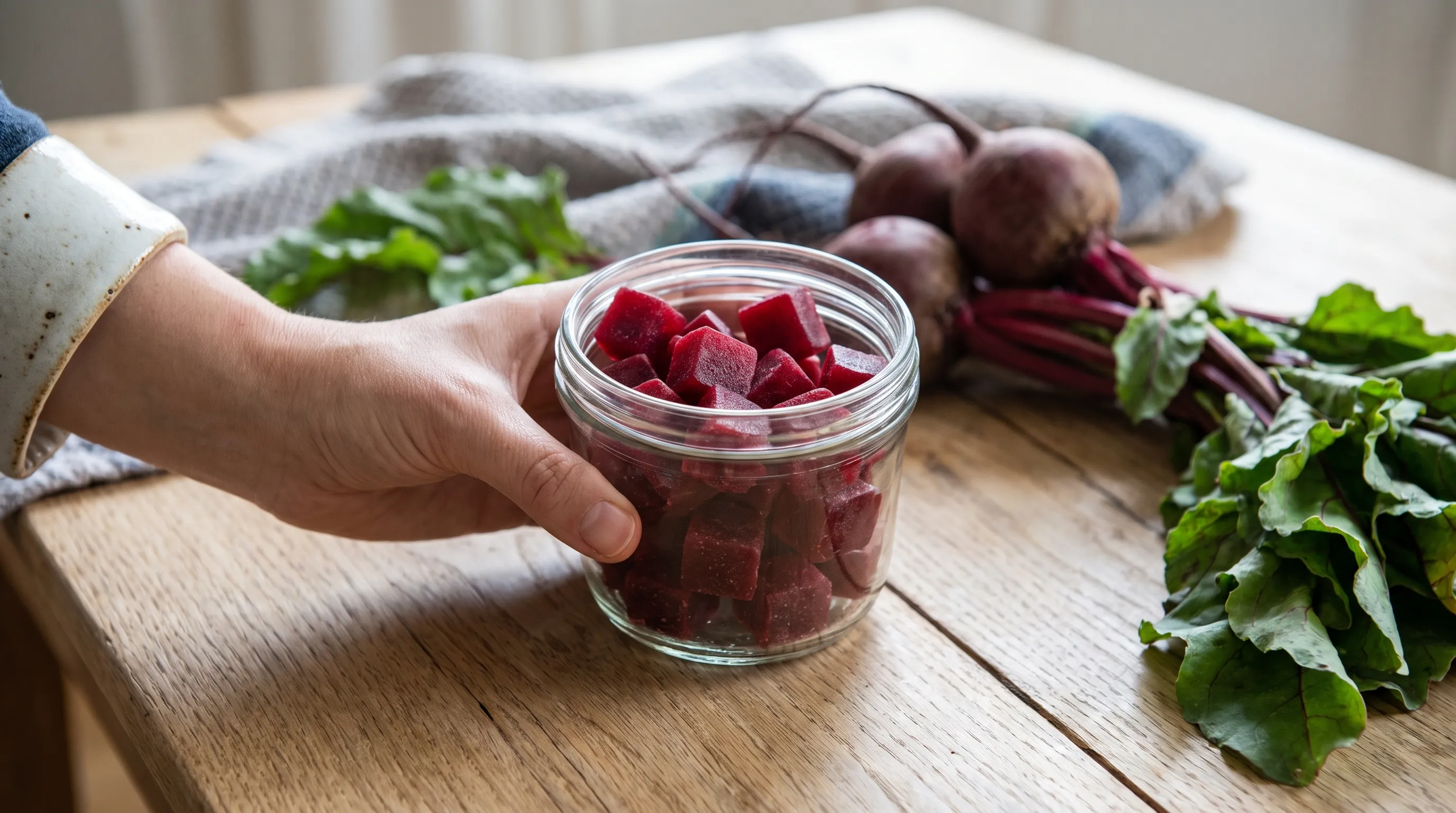
The transition from consuming whole vegetables to utilizing standardized botanical extracts reflects a broader shift in nutritional science and consumer behavior. Historically, populations in agricultural societies consumed beets primarily as a culinary staple, unknowingly harnessing their cardiovascular benefits through traditional diets rich in root vegetables. Modern nutritional research eventually isolated the specific phytochemicals responsible for these historical observations, revealing that the therapeutic properties of beetroot extend far beyond basic micronutrient provision. The development of concentrated formulations was driven by the need for consistent dosing, improved bioavailability, and standardized active compound levels that whole foods simply cannot guarantee due to agricultural variability. When manufacturers began compressing beet extract into gummy matrices, they addressed a fundamental barrier to supplement adherence: palatability. Traditional beet juice contains geosmin, a naturally occurring organic compound that imparts an intense earthy flavor many consumers find unpalatable. By masking this flavor profile while preserving the therapeutic nitrate and antioxidant content, producers created a product that bridges the gap between clinical efficacy and everyday compliance.
The Evolution from Whole Beets to Chewable Formulations
The manufacturing process behind modern beet supplements begins with the selection of high-nitrate beet cultivars, which are harvested, cleaned, and subjected to controlled dehydration or extraction techniques. Cold-press extraction and low-temperature vacuum drying are preferred methods, as they preserve the structural integrity of heat-sensitive compounds like vitamin C, betalain pigments, and enzymatic nitrates. The resulting powder or liquid concentrate is then standardized to ensure each batch contains a predictable concentration of dietary nitrates before being incorporated into a gelling matrix composed of pectin, gelatin, or plant-based alternatives. This standardization process is critical because soil composition, seasonal growing conditions, and agricultural practices cause dramatic fluctuations in the natural nitrate content of raw beets. Without standardized extraction, a consumer might receive a highly potent dose one month and a negligible amount the next, undermining the reproducibility required for meaningful physiological adaptation. The gummy format also introduces additional formulation challenges, as manufacturers must balance moisture content, shelf stability, and active compound preservation without relying on excessive artificial preservatives. Advances in encapsulation technology and moisture-control packaging have significantly improved the longevity of nitrate-rich gummies, ensuring that consumers receive the full therapeutic potential with every dose.
Understanding the Active Compounds in Beet Gummies
The physiological effects of beet supplementation are primarily driven by three distinct classes of bioactive molecules that work synergistically to support systemic health. Dietary nitrates represent the most extensively researched component, undergoing a fascinating two-step reduction process once ingested. In the oral cavity, commensal bacteria on the posterior tongue convert nitrates (NO3-) into nitrites (NO2-), which then travel through the digestive tract into the bloodstream. Upon entering acidic environments or hypoxic tissues, nitrites are further reduced into nitric oxide (NO), a potent endogenous signaling molecule that mediates vasodilation, modulates mitochondrial respiration, and influences platelet aggregation. Cardiovascular specialists at the Cleveland Clinic emphasize that this nitrate-nitrite-NO pathway represents a vital alternative to the traditional endothelial nitric oxide synthase (eNOS) pathway, offering a reliable mechanism to boost systemic NO levels even in individuals with compromised vascular function. Alongside nitrates, betalains serve as the primary antioxidant drivers. These nitrogen-containing pigments, classified into red-violet betacyanins and yellow betaxanthins, exhibit remarkable free-radical scavenging capabilities and have demonstrated the ability to inhibit cyclooxygenase-2 (COX-2) expression in vitro, consistent with Mayo Clinic research on dietary antioxidants and cellular protection. Finally, beetroot naturally provides essential cofactors including potassium, magnesium, and folate, which support neuromuscular transmission, cellular methylation cycles, and homocysteine metabolism. When evaluating beet gummies, consumers should recognize that the true therapeutic value lies not in any single isolated compound, but in the synergistic interaction between nitrates, antioxidants, and supporting micronutrients.
Science-Backed Health Benefits

The clinical validation of beetroot supplementation has expanded significantly over the past decade, transitioning from niche sports nutrition applications to mainstream cardiovascular and metabolic health recommendations. Researchers have consistently demonstrated that controlled intake of dietary nitrates yields measurable physiological improvements across multiple organ systems. The most robust evidence centers on hemodynamic regulation, exercise efficiency, and neurovascular coupling, with emerging data pointing toward immunomodulatory and cellular protective effects. Understanding the magnitude of these benefits requires careful examination of randomized controlled trial outcomes, systematic review conclusions, and physiological dose-response relationships. Importantly, the gummy delivery format does not inherently alter the pharmacokinetics of the active compounds, provided the formulation maintains adequate nitrate concentration and avoids degradation during storage or digestion. Clinical protocols typically evaluate standardized extracts or freshly prepared juices, but the biochemical pathways activated remain identical regardless of delivery vehicle.
Cardiovascular Support and Blood Pressure Regulation
Hypertension remains one of the most prevalent modifiable risk factors for atherosclerotic disease, stroke, and chronic kidney dysfunction worldwide, with the World Health Organization identifying it as a leading global health priority. The integration of dietary nitrates into blood pressure management protocols has gained traction as research consistently demonstrates that inorganic nitrate supplementation produces acute and sustained reductions in both systolic and diastolic pressures. A landmark meta-analysis published in cardiovascular pharmacology journals evaluated dozens of randomized trials and concluded that daily intake of 300 to 600 milligrams of dietary nitrate typically lowers systolic blood pressure by 4 to 10 millimeters of mercury within hypertensive cohorts. The hemodynamic mechanism is straightforward: elevated nitric oxide bioavailability triggers guanylyl cyclase activation in vascular smooth muscle cells, increasing cyclic GMP levels and inducing relaxation. This vasodilatory response reduces peripheral vascular resistance, easing the mechanical workload on the left ventricle and improving arterial compliance. Beyond acute pressure modulation, long-term nitrate consumption has been associated with improved endothelial function, as evidenced by enhanced flow-mediated dilation (FMD) responses in forearm brachial artery studies. For individuals managing borderline hypertension or those seeking non-pharmacological adjuncts, as recommended by public health initiatives from the CDC, beet gummies offer a practical, food-derived approach to supporting optimal arterial health.
Enhancing Athletic Performance and Exercise Endurance
Sports physiology research has extensively documented the ergogenic properties of dietary nitrates, particularly in endurance-based activities where oxygen efficiency dictates performance ceilings. When athletes consume nitrate-rich supplements, mitochondrial oxygen consumption decreases at submaximal workloads, meaning the cardiovascular system requires less oxygen delivery to sustain the same mechanical output. This metabolic efficiency translates directly into extended time-to-exhaustion, with multiple peer-reviewed studies reporting performance improvements ranging from 15 to 20 percent during prolonged aerobic exercise. The underlying mechanism involves a shift in mitochondrial coupling efficiency, where nitric oxide modulates cytochrome c oxidase activity and reduces proton leakage across the inner mitochondrial membrane. Consequently, muscle fibers produce the same adenosine triphosphate (ATP) yield using fewer oxygen molecules, delaying the onset of metabolic acidosis and perceived exertion. For recreational runners, cyclists, and fitness enthusiasts, incorporating beet gummies into pre-workout nutrition can meaningfully improve pacing consistency and recovery capacity. Research suggests that optimal ergogenic effects manifest when supplementation occurs 60 to 90 minutes before activity, aligning with established exercise physiology guidelines for timing aerobic endurance support.
Cognitive Function and Neurovascular Support
Emerging neuroimaging and hemodynamic studies indicate that systemic nitric oxide elevation positively influences cerebral perfusion, particularly in older adults experiencing age-related vascular stiffening. Functional magnetic resonance imaging (fMRI) investigations have revealed that dietary nitrate intake enhances blood flow to the frontal and parietal lobes, brain regions critically involved in executive function, working memory, and decision-making processes. The neurovascular coupling mechanism operates similarly to peripheral vasodilation, with nitric oxide diffusing across the blood-brain barrier and relaxing cerebral arterioles to improve oxygen and glucose delivery to active neural circuits. Preliminary clinical trials have observed modest improvements in reaction time, cognitive flexibility, and mental endurance following consistent nitrate supplementation, especially in populations with mild cognitive impairment or early-stage vascular dementia. Ongoing neurological research from the NIH National Institute on Aging highlights that optimizing cerebral blood flow through dietary interventions represents a promising preventive strategy for healthy cognitive aging. While beet gummies are not classified as therapeutic interventions for neurodegenerative conditions, their capacity to support optimal cerebral hemodynamics remains a validated area of clinical investigation.
Anti-Inflammatory and Cellular Protection
Systemic inflammation underlies the pathophysiology of numerous chronic diseases, ranging from metabolic syndrome to autoimmune dysregulation. The betalain pigments concentrated in beetroot extracts have demonstrated significant in vitro and in vivo anti-inflammatory activity, primarily through the downregulation of pro-inflammatory cytokine expression and the inhibition of nuclear factor-kappa B (NF-κB) signaling pathways. Animal models subjected to oxidative stress or chemically induced inflammation exhibit reduced tissue edema, decreased lipid peroxidation, and preserved organ function when supplemented with standardized beetroot extracts. Human clinical data, while less extensive than cardiovascular research, supports the notion that regular consumption of nitrate-rich botanical supplements correlates with lower circulating levels of high-sensitivity C-reactive protein (hs-CRP) and interleukin-6 (IL-6). For individuals managing chronic inflammatory conditions or seeking dietary antioxidants to counter environmental oxidative stress, beet gummies provide a concentrated source of bioavailable betalains that complement standard anti-inflammatory protocols.
Beet Gummies vs. Traditional Supplement Formats
The supplement industry offers multiple delivery mechanisms for dietary nitrates, including capsules, effervescent tablets, liquid drops, powdered extracts, and freshly pressed juices. Each format presents distinct advantages and limitations regarding stability, dosing precision, gastrointestinal tolerance, and long-term adherence. Evaluating beet gummies within this broader context requires an objective analysis of pharmacokinetic equivalence, manufacturing standards, and real-world usability. Consumers frequently question whether the convenience of a chewable format compromises therapeutic efficacy or introduces unnecessary additives. Addressing these concerns involves examining comparative absorption studies, ingredient transparency, and clinical dosing protocols established by sports nutrition and cardiovascular research communities.
Bioavailability, Absorption, and Delivery Mechanisms
Bioavailability refers to the proportion of an active compound that reaches systemic circulation and becomes available at target tissues. For dietary nitrates, oral absorption is exceptionally efficient regardless of formulation, with studies demonstrating absorption rates exceeding 70 percent within 30 to 60 minutes post-ingestion. The primary differentiator between delivery formats is not absorption efficiency, but rather dose consistency and preservation of heat-sensitive cofactors. Capsules often utilize encapsulated beet powder that may undergo oxidation during manufacturing if moisture control is inadequate. Liquid extracts provide rapid absorption but require refrigeration and precise measuring tools to ensure accurate dosing. Beet gummies utilize hydrocolloid matrices that protect active compounds from atmospheric oxidation, and because each gummy is manufactured to contain a predetermined nitrate concentration, they eliminate the guesswork associated with scooping powders or pouring liquids. Clinical trials comparing standardized nitrate sources consistently show equivalent physiological outcomes when total daily nitrate intake remains constant, confirming that format selection should prioritize adherence, stability, and personal preference over hypothetical absorption advantages.
Cost, Convenience, and Daily Adherence
Long-term supplement success heavily depends on user adherence, which is frequently compromised by unpleasant taste, complex preparation routines, or gastrointestinal discomfort. Beet gummies excel in convenience metrics, offering pre-portioned servings that travel well, require no mixing equipment, and mask the characteristic earthy flavor of raw beetroot. While the per-serving cost often exceeds bulk powders, the reduction in product waste and improved compliance frequently justify the premium for busy professionals, athletes, and older adults. Powdered formats, though economical, frequently suffer from moisture clumping, inaccurate dosing, and rapid oxidation when exposed to light and air. Capsules provide precise dosing but often contain large fillers and require swallowing multiple units to achieve research-backed nitrate thresholds. Gummy formulations streamline the supplementation process into a single, enjoyable daily habit, significantly improving consistency over extended periods. This psychological and practical advantage cannot be overstated, as physiological adaptation to nitrate supplementation requires sustained, uninterrupted use over weeks to months.
| Feature | Beet Gummies | Beet Juice | Powdered Extract | Capsules |
|---|---|---|---|---|
| Nitrate Standardization | High (pre-measured) | Variable (depends on crop) | High (if certified) | High |
| Palatability | Excellent | Low to Moderate | Poor (unless flavored) | Neutral |
| Portability | Excellent | Poor | Moderate | Excellent |
| Cost Per Serving | Moderate to High | Moderate | Low | Low |
| Shelf Stability | 12-24 months | Days to weeks | 12+ months | 18+ months |
| Ideal Use Case | Daily adherence, travel | Post-workout, acute dosing | Budget-focused users | Swallowing preference |
How to Select High-Quality Beet Gummies
Navigating the dietary supplement marketplace requires critical evaluation of labeling practices, third-party testing, and formulation transparency. Unlike pharmaceutical products, dietary supplements operate under the Dietary Supplement Health and Education Act (DSHEA), which places responsibility for safety and efficacy verification primarily on manufacturers rather than federal regulators. Consequently, consumers must independently verify product quality to ensure they receive therapeutic doses of active compounds without unnecessary excipients or contaminants. Selecting premium beet gummies involves scrutinizing nitrate certification, sweetener profiles, manufacturing standards, and independent laboratory verification.
Decoding Supplement Labels and Nitrate Standardization
The most critical metric for evaluating any nitric oxide supplement is the explicit declaration of dietary nitrate content per serving. Reputable manufacturers will list milligrams of nitrate (NO3-) or provide a standardized beet extract ratio with verified nitrate percentages. Products that merely state "beetroot powder" without quantifying nitrate levels fail to meet clinical dosing benchmarks and may deliver subtherapeutic amounts. Consumers should calculate total daily intake by multiplying the nitrate per gummy by the recommended serving size, aiming for 300 to 600 milligrams daily to align with peer-reviewed protocols. Additionally, label inspection should reveal the specific source material used, whether it is organic or conventionally grown, and whether the extraction method preserves heat-sensitive compounds. Certifications from independent testing organizations such as NSF International, USP, or Informed Choice provide additional assurance that the product contains labeled amounts without heavy metal contamination or microbial pathogens.
Identifying Clean Formulations and Avoiding Additives
Gummy matrices inherently require sweeteners, gelling agents, and flavoring compounds to achieve desirable texture and taste profiles. While these ingredients are generally recognized as safe, excessive added sugars can undermine metabolic goals, particularly for individuals managing insulin resistance or weight optimization. High-quality formulations utilize low-glycemic sweeteners such as allulose, stevia leaf extract, or monk fruit concentrate, and explicitly avoid high-fructose corn syrup, artificial food dyes, and hydrogenated oils. Consumers with dietary restrictions should verify whether pectin or gelatin is used as the primary gelling agent, as this determines vegan compatibility and digestive tolerance. Additionally, the inclusion of synergistic cofactors like vitamin C can enhance nitric oxide stability by preventing oxidative degradation during digestion, while avoiding unnecessary proprietary blends ensures transparency. Prioritizing brands that publish third-party certificates of analysis (COAs) guarantees that the gummies meet stringent purity standards and deliver consistent therapeutic value.
Safety Profile, Side Effects, and Medical Considerations
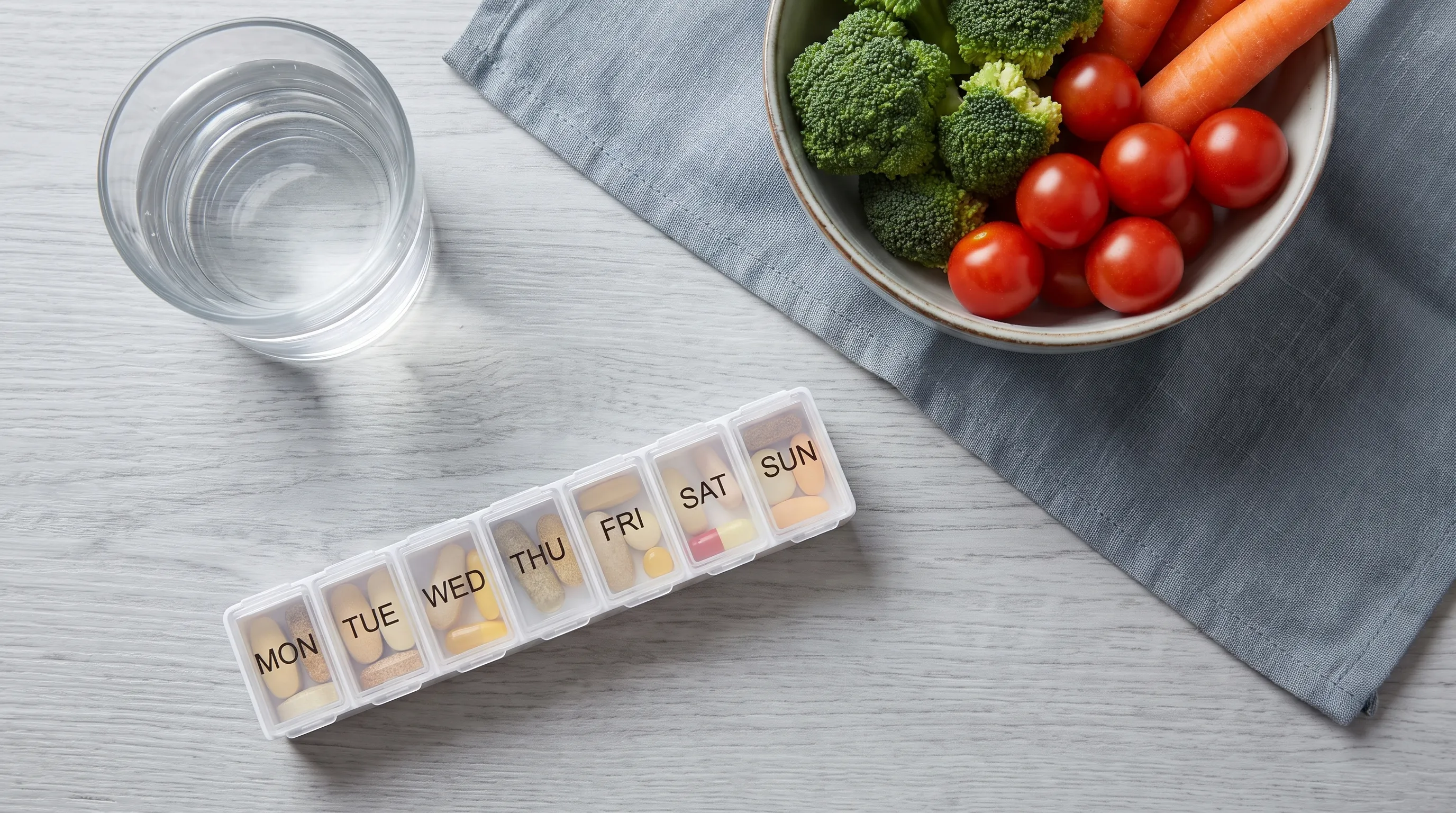
Despite the overwhelmingly positive safety profile of dietary nitrates from whole-food sources, certain physiological and pharmacological interactions warrant careful consideration. Most adverse reactions associated with beet supplementation are mild, transient, and easily distinguishable from genuine clinical contraindications. Understanding individual risk factors, medication interactions, and proper dosing escalation strategies ensures that consumers can harness the therapeutic benefits while minimizing unnecessary discomfort or complications.
Understanding Beeturia and Common Physiological Responses
Approximately 10 to 14 percent of individuals experience beeturia, a benign condition characterized by pink or reddish discoloration of urine and occasionally stool. This phenomenon occurs when genetic variations or gut pH levels reduce the metabolic breakdown of betalain pigments, allowing them to be excreted unchanged through renal filtration. While initially alarming to uninformed consumers, clinical guidelines classify beeturia as a harmless, self-limiting response that resolves upon discontinuation of the supplement. Gastrointestinal effects are similarly mild, with occasional reports of transient bloating or mild laxation during initial use, particularly when doses are rapidly escalated. These symptoms typically subside within three to five days as the microbiome adapts to increased nitrate and fiber derivatives. Starting with half the recommended dose and gradually increasing to the full protocol significantly improves digestive tolerance without compromising therapeutic adaptation.
Drug Interactions and Contraindications
The vasodilatory properties of nitric oxide precursors create potential pharmacodynamic interactions with antihypertensive medications, nitrates prescribed for angina, and phosphodiesterase-5 inhibitors used for erectile dysfunction. Concurrent use may precipitate excessive blood pressure reduction, dizziness, or syncope, particularly during positional changes. Individuals managing chronic kidney disease or calcium oxalate nephrolithiasis should exercise caution, as beetroot contains moderate levels of oxalates that can concentrate in renal tissue if hydration is inadequate. Pregnant and lactating women should consult obstetric providers before initiating supplementation, as clinical safety data for concentrated nitrate intake during gestation remains limited. Diabetic patients should verify carbohydrate content and monitor glycemic responses when initiating gummy formulations, though most modern products utilize non-glycemic sweeteners that preserve metabolic stability.
Practical Integration and Optimal Usage Guidelines
Maximizing the physiological benefits of nitric oxide supplementation requires strategic timing, appropriate dosing progression, and alignment with supportive lifestyle behaviors. Unlike acute stimulants that produce immediate effects, dietary nitrates function as metabolic modulators that require consistent daily exposure to establish sustained hemodynamic improvements. Implementing a structured integration protocol ensures that consumers achieve clinical efficacy while maintaining long-term adherence.
Timing, Dosing Strategies, and Synergistic Pairings
Clinical research consistently demonstrates that nitrate supplementation yields optimal results when consumed 60 to 120 minutes before anticipated physiological demand. For blood pressure management, morning or early afternoon consumption aligns nitric oxide peaks with natural circadian blood pressure rhythms. Athletes should time intake to precede training sessions, allowing systemic nitrite accumulation to coincide with exercise initiation. Dosing should follow a gradual escalation protocol, beginning at 150 to 300 milligrams daily for the first week, then increasing to 400 to 600 milligrams once gastrointestinal tolerance is confirmed. Pairing nitrate supplementation with vitamin C-rich foods or co-administering antioxidant cofactors preserves nitrite stability and prevents premature oxidation. Importantly, avoiding strong antiseptic mouthwashes immediately before consumption preserves oral commensal bacteria essential for the initial nitrate-to-nitrite conversion step.
Lifestyle Modifications to Amplify Benefits
Nutritional supplementation functions most effectively when integrated into a comprehensive wellness framework emphasizing whole-food nutrition, regular physical activity, and stress management. Diets rich in leafy greens, legumes, and cruciferous vegetables provide complementary nitrate sources that synergize with concentrated beet gummies, while minimizing sodium intake and processed food consumption reduces counterproductive vascular constriction. Consistent aerobic exercise upregulates endothelial nitric oxide synthase expression, creating a positive feedback loop that amplifies exogenous nitrate utilization. Adequate hydration supports optimal blood viscosity and nutrient delivery, while quality sleep regulates autonomic nervous system balance and reduces cortisol-mediated vascular resistance. By treating beet gummies as a component of a broader health optimization strategy rather than an isolated solution, consumers achieve compounding physiological improvements that extend well beyond cardiovascular metrics.
Frequently Asked Questions
How long does it take for beet gummies to lower blood pressure?
Clinical studies indicate that the nitrate-to-nitric oxide conversion process typically begins within 30 to 90 minutes after ingestion. Peak vasodilation effects and measurable blood pressure reductions generally occur between two to three hours post-consumption, making timing crucial for optimal cardiovascular support. Sustained reductions require daily supplementation over several weeks to establish vascular remodeling and improved endothelial responsiveness.
Can I take beet gummies if I am on prescription blood pressure medication?
Because dietary nitrates naturally promote vasodilation, they can have an additive effect with prescribed antihypertensive medications. Individuals on ACE inhibitors, beta-blockers, or calcium channel blockers should consult their physician to prevent excessive blood pressure drops or orthostatic hypotension. Regular blood pressure monitoring during the initial supplementation phase helps clinicians adjust prescription dosages safely.
Are beet gummies effective for athletic performance compared to beet juice?
Both formats deliver dietary nitrates effectively, though whole beet juice often contains higher nitrate concentrations per serving. However, high-quality standardized gummies provide pre-measured doses that improve adherence and portability, making them a highly effective alternative for endurance training when nitrate content meets the 300-600 mg daily research benchmark. Consistency ultimately matters more than the delivery vehicle.
Why do some people experience pink or red urine after taking beet supplements?
This harmless condition is known as beeturia and occurs when betalain pigments from beetroot are not fully metabolized and are excreted through the kidneys. It affects approximately 10 to 14 percent of the population and is considered a normal physiological response rather than an adverse reaction. Increasing fluid intake accelerates pigment clearance and reduces discoloration intensity.
Do sugar-free beet gummies affect ketosis or blood glucose levels?
Most sugar-free formulations use stevia, monk fruit, or sugar alcohols like erythritol, which typically have negligible impacts on blood glucose and insulin. However, individuals on strict ketogenic protocols should verify the carbohydrate content per serving and choose products certified as low-net-carb to maintain metabolic ketosis. Always review nutrition labels to confirm absence of maltodextrin or dextrose fillers.
Conclusion
The emergence of beet gummies represents a meaningful advancement in dietary supplementation, merging rigorous nutritional science with consumer-centric formulation strategies. By delivering standardized dietary nitrates, potent betalain antioxidants, and essential vascular cofactors in a highly palatable format, these supplements successfully overcome historical barriers to consistent use. Clinical evidence robustly supports their role in modulating systemic blood pressure, enhancing metabolic efficiency during endurance activities, and supporting neurovascular health across adult populations. While they are not replacements for comprehensive medical treatment or balanced whole-food diets, beet gummies serve as highly effective adjuncts for individuals pursuing proactive cardiovascular maintenance, athletic optimization, and healthy aging strategies. Selecting transparent, third-party verified products and adhering to evidence-based dosing protocols ensures that consumers safely harness the physiological benefits documented in peer-reviewed literature. As nutritional research continues to refine optimal intake parameters and explore novel synergistic applications, the integration of nitrate-rich botanical supplements will remain a cornerstone of modern preventive wellness. For those ready to elevate their health regimen with a clinically validated, convenient, and naturally derived intervention, beet gummies offer a scientifically sound pathway toward improved vitality, sustained endurance, and long-term cardiovascular resilience.
How we work
Researched and drafted with AI assistance, then reviewed by a human editor against the cited sources.
This article is general health information, not medical advice. Consult a qualified healthcare professional about your own situation.