Life Expectancy for a Person with Esophageal Varices: Clinical Insights and Prognosis

Receiving a diagnosis of esophageal varices can feel overwhelming, especially when questions about longevity and future health arise. Understanding the life expectancy for a person with esophageal varices requires a clear look at the underlying causes of the condition, the effectiveness of modern medical interventions, and the critical role that patient compliance plays in long-term outcomes. Varices are not a standalone disease but rather a serious anatomical consequence of portal hypertension, most frequently driven by progressive liver cirrhosis. While the initial prognosis may appear daunting, clinical data consistently demonstrates that proactive management, timely prophylaxis, and multidisciplinary care can significantly alter the disease trajectory. Patients and caregivers who understand the physiological mechanisms, recognize early warning signs, and adhere to evidence-based treatment protocols often experience extended, higher-quality lives. This article provides a comprehensive, clinically grounded exploration of survival statistics, therapeutic options, and actionable strategies designed to empower those navigating this complex gastrointestinal and hepatic condition.
Understanding Esophageal Varices and Their Impact on Health
What Are Esophageal Varices?
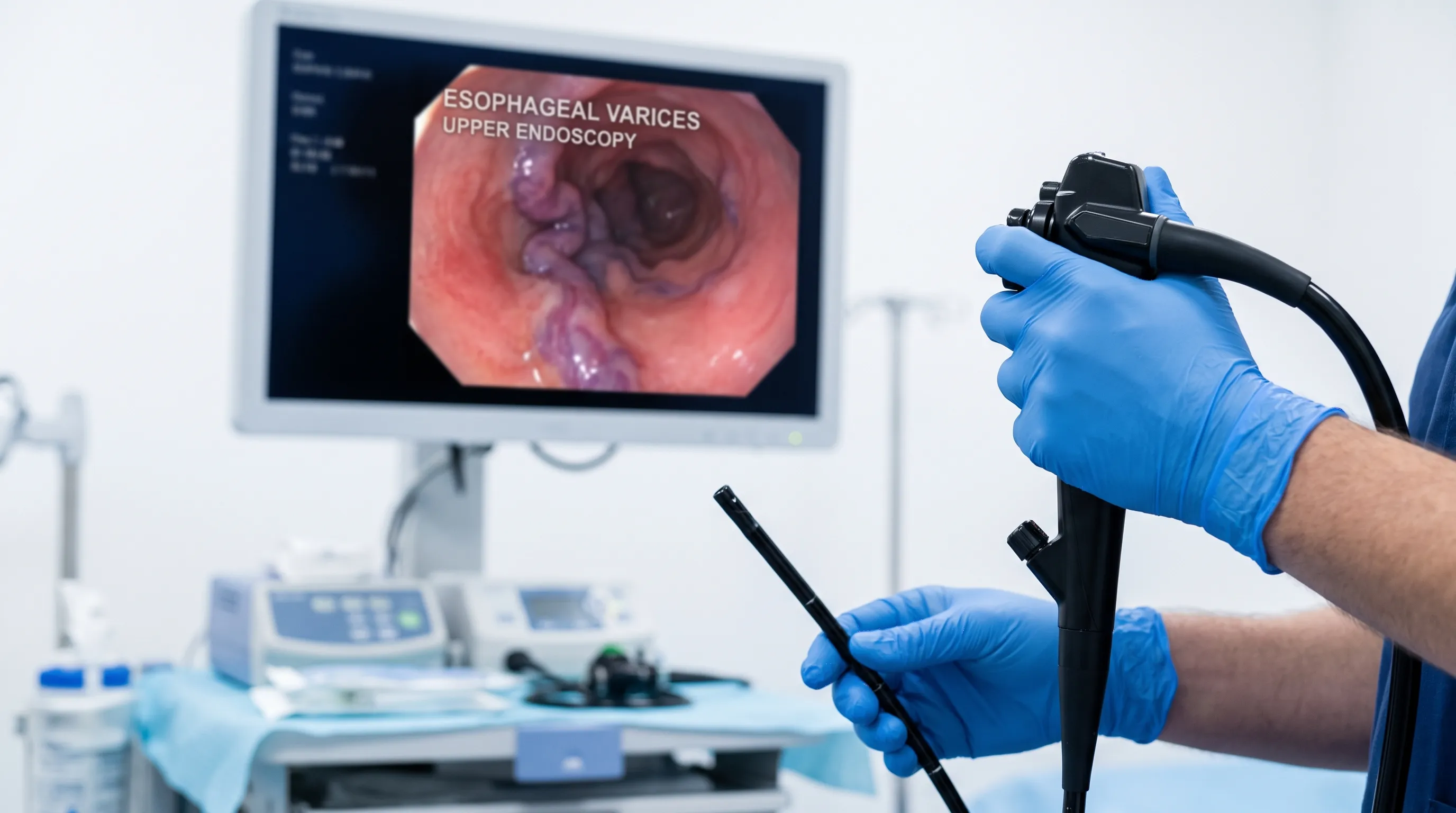
Esophageal varices are abnormally dilated and fragile veins located primarily in the lower portion of the esophagus. Under normal physiological conditions, blood flows from the digestive organs through the portal vein into the liver, where it is filtered, metabolized, and returned to the systemic circulation via the hepatic veins. When liver architecture becomes severely compromised by fibrosis and scarring, blood flow encounters substantial resistance. This backup of pressure forces blood to reroute through collateral venous pathways, including the left gastric, short gastric, and posterior esophageal veins. Over time, the constant hemodynamic stress causes these smaller vessels to enlarge, thin their walls, and become highly susceptible to rupture. The presence of varices itself does not typically cause noticeable symptoms until they reach a critical size or begin to bleed. However, their existence serves as a clinical marker of significant portal hypertension and often indicates advanced liver pathology. Recognizing this anatomical reality is essential when evaluating the life expectancy for a person with esophageal varices, as it underscores the need for continuous monitoring and preventive care.
Free calculatorHigh-Fiber Foods ChartChart of high-fiber foods for digestive healthOpen the calculatorHow Do They Develop?
The development of esophageal varices follows a predictable hemodynamic cascade. Chronic liver injury from viral hepatitis, prolonged alcohol misuse, non-alcoholic fatty liver disease (NAFLD), or autoimmune conditions triggers an inflammatory response that activates hepatic stellate cells. These cells deposit excessive collagen and extracellular matrix proteins, gradually replacing healthy hepatocytes with non-functional scar tissue. As portal vein pressure rises above 10-12 mmHg (the threshold for clinically significant portal hypertension), the splanchnic vascular bed undergoes vasodilation, increasing blood volume returning to the liver. This dual mechanism of increased resistance and heightened inflow creates a high-pressure state that forces blood into the portosystemic collaterals. The submucosal veins of the esophagus lack the thick muscular walls of systemic veins, making them particularly vulnerable to expansion. Genetic predisposition, ongoing liver inflammation, and lifestyle factors further accelerate variceal formation. Clinical guidelines recommend endoscopic screening for individuals diagnosed with cirrhosis, as early detection allows for primary prophylaxis before life-threatening hemorrhage occurs. Understanding this pathophysiological pathway provides context for why managing underlying liver health directly influences the life expectancy for a person with esophageal varices.
Key Factors That Influence Survival and Long-Term Outcomes
The Role of Liver Disease Severity (Child-Pugh and MELD Scores)
Survival timelines are rarely determined by varices alone. Instead, clinicians rely on validated prognostic scoring systems to assess overall hepatic function and predict long-term outcomes. The Child-Pugh classification evaluates five parameters: serum bilirubin, serum albumin, prothrombin time (or INR), presence of ascites, and occurrence of hepatic encephalopathy. Patients scoring in Child-Pugh Class A typically demonstrate compensated cirrhosis and significantly better survival rates compared to those in Class B or C. Alternatively, the Model for End-Stage Liver Disease (MELD) score provides a numerical scale based on serum bilirubin, creatinine, and INR. A higher MELD score correlates with increased short-term mortality and prioritization for liver transplantation. When evaluating the life expectancy for a person with esophageal varices, these scores serve as foundational metrics. A patient with well-compensated cirrhosis, stable laboratory values, and small varices may maintain near-normal longevity with appropriate surveillance. Conversely, those with decompensated disease, recurrent encephalopathy, or declining renal function face steeper survival curves that require aggressive multidisciplinary intervention.
Bleeding Events vs. Non-Bleeding Scenarios
The occurrence of variceal hemorrhage represents a major prognostic turning point. Patients diagnosed with esophageal varices who have never experienced a bleed generally have a much more favorable outlook. Primary prophylaxis with non-selective beta-blockers or endoscopic variceal ligation (EVL) effectively reduces the risk of initial hemorrhage by up to 60%. However, once a bleeding episode occurs, the clinical landscape shifts dramatically. Acute variceal hemorrhage carries a substantial in-hospital mortality rate, largely due to hypovolemic shock, aspiration pneumonia, and subsequent hepatic decompensation. Even after successful endoscopic hemostasis, the rebleeding rate within the first 12 months can exceed 50% without secondary prophylaxis. Long-term survival heavily depends on the patient's ability to stabilize portal pressure, prevent recurrent bleeding, and avoid additional decompensating events such as spontaneous bacterial peritonitis or hepatorenal syndrome. Consequently, the distinction between compensated, non-bleeding varices and decompensated, hemorrhagic disease fundamentally dictates clinical trajectories and directly impacts the life expectancy for a person with esophageal varices.
Underlying Cause and Comorbid Conditions
The etiology of liver disease plays a crucial role in survival projections. Viral hepatitis-related cirrhosis may respond favorably to antiviral therapies that halt disease progression. Alcoholic cirrhosis, however, requires complete and sustained alcohol abstinence to prevent rapid deterioration. Non-alcoholic steatohepatitis (NASH) driven by metabolic syndrome often progresses alongside cardiovascular disease, type 2 diabetes, and chronic kidney disease, which collectively compound mortality risks. Additionally, age, nutritional status, and presence of hepatocellular carcinoma significantly modify survival expectations. Patients with concurrent renal impairment or severe cardiovascular limitations often tolerate beta-blockers poorly and may require alternative management strategies. A comprehensive approach that addresses not only the varices but also the systemic comorbidities ensures that therapeutic decisions are optimized for individual patient profiles. Recognizing these interconnected variables is essential when calculating the life expectancy for a person with esophageal varices in clinical practice.
Medical Data on Life Expectancy for a Person with Esophageal Varices
Survival Rates After Initial Diagnosis
Clinical studies and longitudinal cohort data provide a clearer picture of survival trajectories. In patients with compensated cirrhosis and small, untreated varices, the one-year survival rate generally exceeds 90%. When varices are medium to large but managed prophylactically with beta-blockers or band ligation, five-year survival rates range between 50% and 80%, depending heavily on liver function preservation. Data from the American Association for the Study of Liver Diseases indicates that patients who maintain compensated status for over five years after diagnosis often continue to experience stable disease progression, with annual mortality rates dropping below 10%. Regular endoscopic surveillance, strict medication adherence, and routine laboratory monitoring are strongly associated with improved longevity. These statistics reinforce the idea that early intervention and consistent follow-up care dramatically shift survival curves in a positive direction. When evaluating the life expectancy for a person with esophageal varices, it is vital to recognize that population averages cannot predict individual outcomes with absolute certainty. Personalized medical management remains the most reliable pathway to extended survival.
How Bleeding Changes the Prognosis
Hemorrhage fundamentally alters the statistical landscape. Historical data shows that without acute medical intervention, the initial bleeding episode carries a mortality rate approaching 20-30% within the first six weeks. Even with modern resuscitation protocols, vasoactive medications, and emergency endoscopy, one-year mortality post-bleeding ranges from 15% to 40%, heavily influenced by baseline hepatic reserve. Recurrent hemorrhage exponentially increases mortality, with survival rates dropping below 30% at five years for patients experiencing multiple episodes. However, contemporary therapeutic algorithms have substantially improved these figures. The implementation of the Baveno VII criteria for early endoscopy, combined with antibiotic prophylaxis, terlipressin or octreotide administration, and timely EVL, has reduced acute mortality significantly. Long-term studies from the National Center for Biotechnology Information demonstrate that patients who survive the acute phase and transition to secondary prophylaxis achieve five-year survival rates comparable to those who never bled, provided they avoid further decompensation. This data underscores the critical importance of rapid emergency response and sustained secondary prevention in shaping the life expectancy for a person with esophageal varices.
| Clinical Status | 1-Year Survival Rate | 5-Year Survival Rate | Key Influencing Factors |
|---|---|---|---|
| Compensated Cirrhosis, Small Varices | >90% | 70-85% | Stable liver function, no bleeding, adherence to prophylaxis |
| Compensated Cirrhosis, Large Varices | 80-85% | 55-70% | Response to beta-blockers or banding, regular surveillance |
| Post-First Bleeding Event | 70-80% | 40-60% | Prompt hemostasis, secondary prophylaxis, MELD score |
| Decompensated with Recurrent Bleeds | <50% | 20-35% | Hepatorenal syndrome, encephalopathy, transplant eligibility |
Evidence-Based Treatments That Improve Prognosis
Primary Prophylaxis and Medications
The foundation of variceal management rests on preventing the first hemorrhage. Non-selective beta-blockers (NSBBs) such as nadolol and propranolol remain the cornerstone of pharmacologic prophylaxis. These medications reduce portal pressure through dual mechanisms: decreasing cardiac output via beta-1 receptor blockade and inducing splanchnic vasoconstriction through beta-2 inhibition. When dosed to achieve a target heart rate of 55-60 beats per minute, NSBBs significantly lower bleeding risk and improve survival. For patients who cannot tolerate beta-blockers due to asthma, severe peripheral vascular disease, or refractory hypotension, carvedilol offers an alternative with additional alpha-blocking activity that further reduces intrahepatic resistance. Clinical trials have consistently demonstrated that appropriate NSBB therapy decreases the incidence of first variceal bleeding by approximately 45%. Additionally, statins have emerged as potential adjunct therapies due to their antifibrotic and portal pressure-lowering properties, though routine use requires careful liver function monitoring. When properly implemented, these pharmacological strategies directly enhance the life expectancy for a person with esophageal varices by maintaining hemodynamic stability and delaying decompensation.
Endoscopic Band Ligation and Sclerotherapy
Endoscopic variceal ligation (EVL) represents the procedural gold standard for both primary and secondary prophylaxis. During an upper endoscopy, the gastroenterologist deploys small elastic bands around the variceal columns, inducing local thrombosis, ischemia, and subsequent fibrosis. The treated varices eventually slough off, leaving behind scarred tissue less prone to rupture. EVL sessions are typically scheduled every two to four weeks until variceal obliteration is achieved, followed by surveillance endoscopies at three, six, and twelve-month intervals. Compared to older sclerotherapy techniques, band ligation carries a significantly lower risk of complications such as ulceration, stricture, or perforation. Meta-analyses confirm that EVL reduces rebleeding rates by up to 60% and lowers all-cause mortality compared to no intervention or medication alone. For patients experiencing acute bleeding, emergency EVL combined with vasoactive drugs achieves hemostasis in over 80% of cases. The procedural precision of modern endoscopy ensures that anatomical abnormalities are addressed systematically, directly contributing to extended survival. Understanding these interventional benefits provides crucial insight into how the life expectancy for a person with esophageal varices continues to improve with advancing gastrointestinal medicine.
TIPS and Liver Transplantation
When medical and endoscopic therapies fail, or when varices are refractory, transjugular intrahepatic portosystemic shunt (TIPS) placement offers a definitive hemodynamic solution. TIPS creates an artificial channel between the portal vein and a hepatic vein, effectively bypassing the fibrotic liver parenchyma and rapidly decompressing the portal system. This procedure drastically reduces variceal size and bleeding risk, making it a life-saving intervention for recurrent hemorrhage or refractory ascites. However, TIPS diverts portal blood away from the liver, increasing the risk of hepatic encephalopathy in approximately 20-30% of patients. Careful patient selection, pre-procedural neurocognitive screening, and post-procedural lactulose/rifaximin regimens help mitigate these risks. For eligible candidates, liver transplantation remains the only curative option for both portal hypertension and end-stage liver disease. Successful transplantation normalizes portal pressures, eliminates varices entirely, and restores hepatic synthetic function. Five-year post-transplant survival rates now exceed 75-85% at high-volume centers. The availability of TIPS and transplantation has fundamentally reshaped prognosis, ensuring that the life expectancy for a person with esophageal varices is no longer dictated solely by irreversible hepatic decline.
Practical Lifestyle and Self-Care Strategies to Extend Longevity
Dietary Modifications for Liver Health
Nutritional management plays an underappreciated but vital role in stabilizing portal hypertension and preserving hepatic reserve. Patients with esophageal varices must prioritize a sodium-restricted diet, typically capped at 2,000 milligrams daily, to prevent fluid accumulation, ascites formation, and subsequent increases in intra-abdominal pressure that could stress variceal walls. High-protein intake is equally essential to prevent sarcopenia, a common complication in cirrhosis that independently predicts mortality. Lean proteins such as poultry, fish, eggs, and plant-based sources like legumes and tofu provide necessary amino acids without excessive metabolic strain. Complex carbohydrates from whole grains, vegetables, and fruits supply sustained energy while supporting gut microbiome diversity, which is increasingly linked to reduced endotoxemia and liver inflammation. Small, frequent meals are recommended over large portions to minimize postprandial portal pressure spikes. Consulting a registered dietitian specializing in hepatology ensures that caloric and micronutrient requirements are met while accommodating variceal precautions. Consistent dietary adherence directly supports metabolic homeostasis and significantly influences the long-term life expectancy for a person with esophageal varices.
Avoiding Alcohol, NSAIDs, and High-Risk Supplements
Eliminating hepatotoxic substances is non-negotiable for disease stabilization. Complete alcohol cessation halts further hepatocellular injury, reduces portal pressure, and decreases systemic inflammation. Even moderate drinking can accelerate fibrosis progression and precipitate variceal hemorrhage in susceptible individuals. Non-steroidal anti-inflammatory drugs (NSAIDs) such as ibuprofen, naproxen, and aspirin must be strictly avoided unless explicitly prescribed by a hepatologist. NSAIDs impair renal prostaglandin synthesis, increasing the risk of acute kidney injury, which can rapidly escalate into hepatorenal syndrome. They also interfere with platelet function, exacerbating bleeding risks. Many herbal supplements, including green tea extract, kava, comfrey, and high-dose vitamin A, contain compounds that induce direct hepatotoxicity or alter hepatic metabolism of essential medications. Patients should maintain an open dialogue with their prescribing physician before initiating any over-the-counter product, natural remedy, or alternative therapy. By systematically removing avoidable toxins, patients create a physiological environment conducive to tissue repair and portal pressure management. This disciplined approach is a cornerstone of extending the life expectancy for a person with esophageal varices.
Monitoring Symptoms and Emergency Preparedness
Vigilant symptom tracking empowers patients to intervene before minor changes become life-threatening crises. Early indicators of variceal strain include increasing abdominal girth, unexplained weight gain, peripheral edema, fatigue, jaundice, and subtle changes in mental clarity. Black, tarry stools (melena) or vomiting blood (hematemesis) demand immediate emergency medical attention, as they signal active hemorrhage. Patients and household members should be educated on emergency protocols: calling emergency services, keeping a list of medications and allergies readily accessible, and avoiding oral intake during suspected bleeding. Home blood pressure monitors and digital scales can track hemodynamic shifts and fluid retention daily. Maintaining a medical alert bracelet or wallet card identifying portal hypertension and esophageal varices ensures that first responders can provide targeted, rapid care during acute episodes. Regular self-advocacy, combined with a structured monitoring routine, drastically reduces delay times during critical events. This proactive mindset not only improves acute survival but also contributes meaningfully to the overall life expectancy for a person with esophageal varices.

Navigating Follow-Up Care and Multidisciplinary Management
The Importance of Regular Endoscopic Surveillance
Endoscopic surveillance is not a one-time diagnostic tool but a continuous therapeutic strategy. After initial variceal eradication, scheduled follow-up endoscopies detect early regrowth, assess mucosal healing, and identify red wale markings that predict future hemorrhage. Current guidelines recommend surveillance every six to twelve months for patients with compensated disease, with frequency increasing if cirrhosis progresses to decompensated stages. During these procedures, gastroenterologists can simultaneously perform therapeutic interventions if high-risk features are observed, seamlessly transitioning from monitoring to treatment. This cyclical approach of surveillance-intervention-surveillance prevents catastrophic bleeding events by catching anatomical changes before they reach a critical threshold. Patients who adhere strictly to recommended endoscopic timelines consistently demonstrate superior survival outcomes compared to those with irregular or delayed follow-ups. The discipline of routine surveillance fundamentally alters disease progression and remains a critical determinant of the life expectancy for a person with esophageal varices.
Working with Hepatologists and Dietitians
Managing portal hypertension effectively requires a coordinated, multidisciplinary team. Hepatologists specialize in advanced liver pathology, optimizing medication regimens, managing complications like encephalopathy and ascites, and evaluating transplant candidacy. Registered dietitians translate complex nutritional science into practical, sustainable meal plans tailored to variceal precautions and metabolic demands. Clinical pharmacists review drug interactions, adjust dosages for hepatic clearance, and monitor for adverse effects from NSBBs or diuretics. Psychosocial support from counselors or patient advocacy groups addresses the anxiety, depression, and caregiver fatigue frequently associated with chronic liver disease. When these specialists communicate through shared electronic health records and regular case conferences, care becomes highly personalized and proactive. Patients who actively engage with this multidisciplinary framework experience fewer hospitalizations, better medication adherence, and enhanced quality of life. This collaborative model of care represents the modern standard for optimizing survival and directly shapes the realistic life expectancy for a person with esophageal varices.
Frequently Asked Questions
What determines the life expectancy for a person with esophageal varices?
The prognosis depends primarily on the severity of underlying liver disease (measured by Child-Pugh and MELD scores), whether variceal bleeding has occurred, response to medical therapy, and overall kidney and cardiovascular function. Patients without bleeding and stable cirrhosis often live for many years with proper management.
Can life expectancy improve after treatment for esophageal varices?
Yes. Evidence-based interventions like non-selective beta-blockers, endoscopic variceal ligation, TIPS placement, and ultimately liver transplantation significantly reduce rebleeding risks and hepatic decompensation. Consistent adherence to prophylaxis and lifestyle modifications can substantially improve long-term survival.
How does variceal bleeding affect survival rates?
A first-time variceal bleed carries an acute mortality risk of approximately 15-20%. Even after successful initial control, patients face a 40-60% rebleeding rate within one year without secondary prophylaxis. Prompt medical intervention and strict follow-up are critical to improving long-term outcomes after a bleeding episode.
Are esophageal varices curable without a liver transplant?
Esophageal varices are a complication of portal hypertension, usually caused by cirrhosis. While the varices themselves can be effectively managed and obliterated with banding, medications, or TIPS, the underlying liver disease often remains. A liver transplant addresses both the portal hypertension and advanced cirrhosis, offering the most definitive long-term resolution.
What lifestyle changes help extend life expectancy for someone with varices?
Complete alcohol cessation, maintaining a sodium-restricted diet (under 2,000 mg daily), avoiding NSAIDs and unverified supplements, receiving vaccinations for hepatitis A and B, attending scheduled endoscopic surveillance, and managing weight and comorbidities like diabetes are all proven strategies to stabilize liver function and improve survival.
Conclusion
Navigating a diagnosis of portal hypertension and subsequent venous dilation in the esophagus requires a careful balance of medical intervention, patient education, and disciplined self-care. While the initial prognosis can seem daunting, modern hepatology and gastroenterology have transformed what was once considered a terminal progression into a highly manageable chronic condition. The life expectancy for a person with esophageal varices is no longer dictated solely by anatomical vulnerability but is actively shaped by early prophylaxis, precise endoscopic management, advanced pharmacotherapy, and access to definitive interventions like TIPS and transplantation. By understanding the physiological mechanisms, recognizing early warning signs, adhering strictly to surveillance protocols, and collaborating closely with multidisciplinary specialists, patients can significantly extend their longevity and maintain a meaningful quality of life. Empowerment through knowledge remains the most powerful tool in this journey. With consistent adherence to evidence-based guidelines, a proactive approach to lifestyle modification, and unwavering commitment to regular medical follow-up, individuals can confidently navigate this condition and achieve favorable, long-term health outcomes.
How we work
Researched and drafted with AI assistance, then reviewed by a human editor against the cited sources.
This article is general health information, not medical advice. Consult a qualified healthcare professional about your own situation.