Why Does Water Give Me Heartburn? Science-Backed Causes & Expert Relief Strategies

You pour yourself a refreshing glass of water, expecting hydration and relief, only to feel that familiar burning sensation rise behind your sternum. For millions of people dealing with gastrointestinal discomfort, this paradoxical reaction raises a frustrating question: why does water give me heartburn when it should be one of the gentlest beverages I consume? Water is universally recognized as essential for digestion, nutrient absorption, and overall wellness, yet for those with sensitive digestive tracts, even the simplest liquid can trigger uncomfortable reflux episodes. Understanding the underlying physiological mechanisms, recognizing common drinking habits that exacerbate symptoms, and implementing evidence-based adjustments can transform how you hydrate without triggering acid backup. This comprehensive guide explores the medical science behind water-induced heartburn, separates clinical facts from common myths, and provides actionable strategies endorsed by gastroenterologists to help you stay comfortably hydrated. If you have been avoiding adequate fluid intake because of reflux fear, the information ahead will empower you to drink safely, optimize gastric function, and reclaim your digestive comfort.
Understanding the Science Behind Water and Acid Reflux
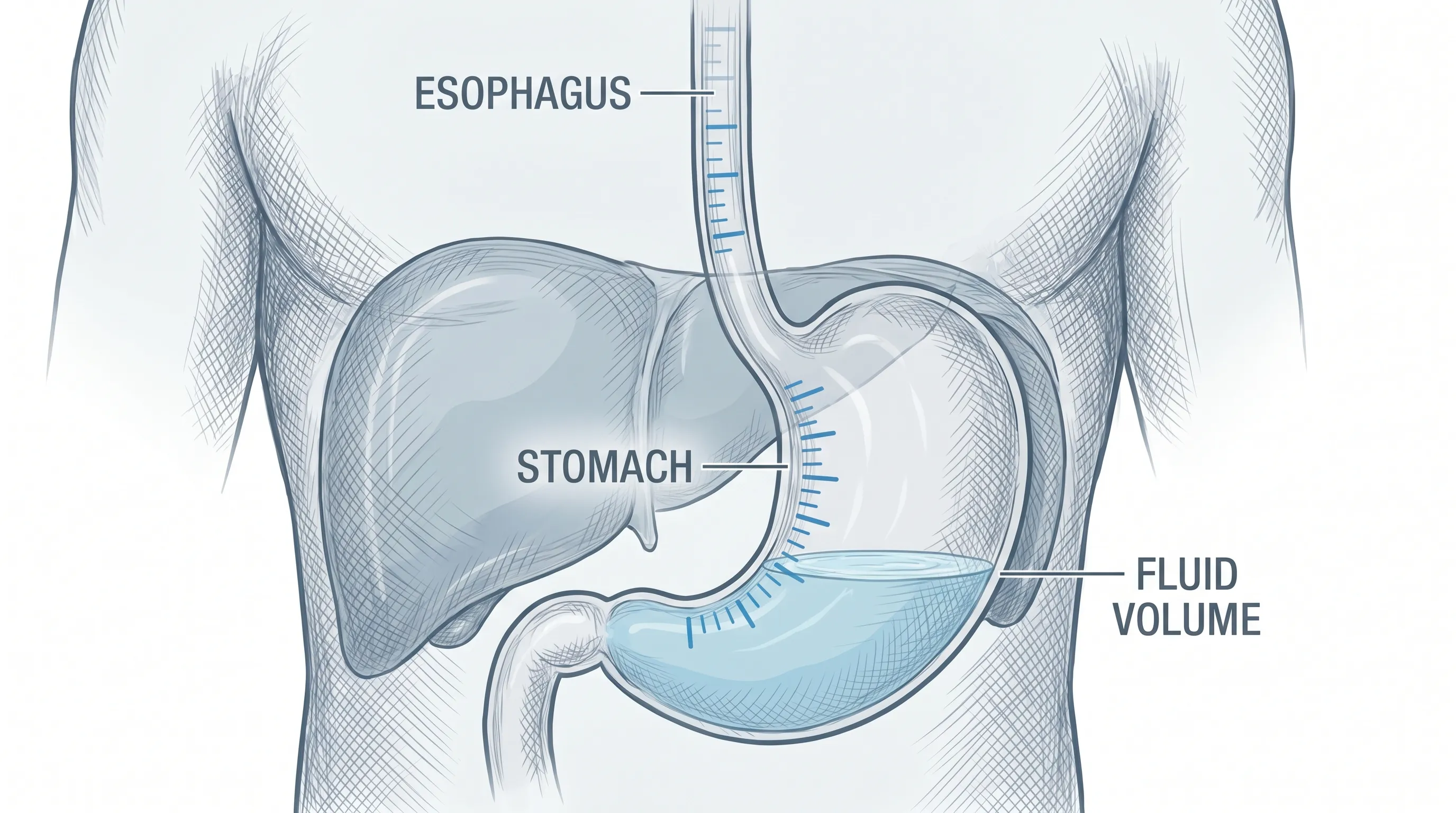
To fully comprehend why does water give me heartburn in certain individuals, we must first examine how the upper gastrointestinal tract processes liquids. The human stomach operates within a highly acidic environment, typically maintaining a pH between 1.5 and 3.5 to efficiently break down proteins and eliminate pathogens. When you swallow water, it bypasses extensive digestion and travels directly to the stomach, where it rapidly expands the gastric chamber. This sudden volume increase triggers mechanoreceptors in the stomach wall, signaling the vagus nerve and influencing gastric motility, acid secretion patterns, and sphincter coordination. For healthy individuals, this process remains seamless. However, when the lower esophageal sphincter (LES) exhibits compromised pressure, altered tone, or delayed closure timing, the added fluid volume can easily overcome the natural barrier that prevents stomach contents from flowing backward. Clinical research consistently demonstrates that liquid volume directly impacts intragastric pressure, and even neutral pH substances can provoke reflux when consumed improperly or in the presence of underlying gastrointestinal dysfunction. The American College of Gastroenterology emphasizes that reflux is rarely about the pH of the ingested substance alone; rather, it is a mechanical and neuromuscular coordination issue that becomes evident when fluid dynamics interact with weakened anatomical structures.
Free calculatorWater Intake CalculatorCalculate daily water needsOpen the calculatorHow Water Affects Stomach pH and Gastric Acid Secretion
The relationship between hydration and gastric acidity is more complex than simple dilution. While many assume that drinking water immediately neutralizes stomach acid, the reality involves sophisticated regulatory feedback loops. When water enters the empty stomach, it temporarily raises the local pH, which signals parietal cells to temporarily reduce hydrochloric acid output. However, this suppression is short-lived. Within minutes, compensatory mechanisms activate to restore optimal acidic conditions for digestion. In individuals prone to hyperacidity or functional dyspepsia, this rebound effect can overshoot, leading to a rapid resurgence of acid that irritates the esophageal lining if gastric pressure forces it upward. Furthermore, osmotic balance plays a critical role. Pure, hypotonic water is quickly absorbed through the gastric mucosa into the bloodstream, but larger volumes linger briefly, altering the consistency of gastric contents and potentially triggering transient LES relaxations. Studies published in peer-reviewed gastroenterology journals highlight that rapid gastric distension, even with non-caloric fluids, activates stretch receptors that can override normal sphincter tone. This explains why the question of why does water give me heartburn often correlates with consumption speed and volume rather than water composition alone. Understanding these physiological responses helps patients recognize that hydration itself is rarely the enemy; rather, timing, quantity, and gastric sensitivity dictate the outcome.
The Role of the Lower Esophageal Sphincter (LES)
The lower esophageal sphincter serves as the primary anatomical gatekeeper between the esophagus and the stomach. Under normal conditions, this specialized muscle ring maintains a resting pressure of 15 to 30 mmHg, effectively sealing the stomach unless swallowing or belching occurs. When functioning optimally, the LES relaxes briefly during food passage and immediately resumes closure. However, numerous factors can compromise its integrity, including dietary habits, hormonal fluctuations, structural abnormalities, and neurological signaling disruptions. When water enters the stomach in significant amounts, intragastric pressure rises, and if the LES exhibits reduced resting tone or experiences frequent transient relaxations, the pressure gradient favors upward movement. This mechanical phenomenon is the cornerstone of gastroesophageal reflux disease pathophysiology. Research from Harvard Medical School and the Cleveland Clinic confirms that even neutral fluids can trigger reflux when the sphincter fails to maintain adequate closure pressure. Additionally, the presence of gastric acid, digestive enzymes, and partially processed food particles means that any regurgitated fluid carries irritant potential, regardless of the liquid consumed. Patients who repeatedly experience why does water give me heartburn symptoms often have underlying sphincter dysfunction that remains asymptomatic until volume, posture, or timing tips the pressure balance into the reflux zone.
Common Reasons Why Drinking Water Triggers Heartburn
While water remains chemically benign, several practical and physiological variables determine whether it supports digestion or provokes discomfort. Identifying these triggers allows individuals to modify their hydration routines strategically. The interplay between consumption habits, beverage characteristics, and individual gastrointestinal sensitivity creates the perfect storm for reflux episodes. By isolating each contributing factor, patients can systematically adjust their approach and often eliminate symptoms without restrictive dietary overhauls. Below, we explore the most prevalent mechanisms that transform a simple act of drinking into a source of esophageal irritation.
Drinking Too Much Too Quickly
Rapid fluid consumption is one of the most overlooked yet highly preventable triggers of reflux. When large volumes of water are ingested in a short timeframe, the stomach undergoes sudden distension. The gastric chamber has remarkable accommodative capacity, but it requires time to adjust via receptive relaxation and coordinated motility. Bypassing this adaptation process forces the stomach to accommodate fluid rapidly, which significantly elevates intragastric pressure. This pressure directly challenges the LES, and when it exceeds sphincter holding capacity, backflow occurs. Clinical observations show that consuming more than eight ounces within five minutes increases the likelihood of transient LES relaxations by up to forty percent. Additionally, rapid drinking often introduces swallowed air, further compounding gastric volume and promoting belching, which can inadvertently open the esophageal junction. The solution is simple but requires mindful practice: sip slowly, pause between glasses, and allow the stomach to process fluid at a physiological pace. Patients who transition from gulping to deliberate sipping frequently report a dramatic reduction in post-hydration heartburn.
Water Temperature and Its Impact on the Esophagus
Temperature plays a surprisingly influential role in gastrointestinal comfort. Ice-cold water can induce esophageal and gastric muscle contractions, a response rooted in the body's thermoregulatory reflexes. Cold exposure causes transient vasoconstriction and slows smooth muscle motility, delaying gastric emptying and altering digestive rhythm. For individuals with sensitive esophageal nerves, sudden temperature drops can trigger spasms or heightened nerve sensitivity that mimics heartburn. Conversely, extremely hot beverages may relax smooth muscle tissue, including the LES, reducing its resting pressure and facilitating reflux. Room-temperature or slightly warm water tends to be the most physiologically compatible, as it aligns closely with core body temperature and requires minimal energy for thermal adjustment. This temperature harmony supports optimal motility and sphincter coordination. Many patients investigating why does water give me heartburn discover that switching from chilled tap water to moderate-temperature alternatives resolves their symptoms entirely, demonstrating how minor adjustments can yield substantial clinical improvements.
Carbonated and Sparkling Water vs. Still Water
The rise in popularity of sparkling and flavored carbonated waters has introduced a significant reflux trigger into daily hydration routines. Carbonation involves dissolving carbon dioxide gas under pressure, which releases rapidly upon entering the warmer, lower-pressure environment of the stomach. This gas expansion dramatically increases intragastric volume, stretches the gastric wall, and frequently induces spontaneous LES relaxations to accommodate belching. Each release of gas carries micro-aerosols of gastric acid into the esophagus, creating the burning sensation associated with reflux. Peer-reviewed studies in the American Journal of Gastroenterology consistently identify carbonated beverages as independent risk factors for symptom exacerbation in GERD populations. Even plain sparkling water, devoid of sugars or artificial additives, retains the mechanical disadvantage of gas volume. Individuals seeking hydration without reflux should prioritize still, non-carbonated water and reserve effervescent options for rare occasions. Recognizing why does water give me heartburn often reveals that carbonation, not the liquid itself, is the true culprit behind post-drinking discomfort.
Lifestyle and Physiological Factors That Amplify Symptoms
Hydration habits do not exist in a vacuum. Underlying medical conditions, chronic physiological states, and external factors interact with water consumption to determine whether reflux occurs. When the digestive system is already operating under stress, even benign liquids can push symptoms past the threshold of tolerance. Evaluating these broader contexts helps patients understand that water-induced heartburn is rarely an isolated phenomenon but rather a reflection of systemic digestive vulnerability.
Existing GERD or Hiatal Hernia
Individuals diagnosed with gastroesophageal reflux disease or structural abnormalities such as a hiatal hernia possess a compromised anti-reflux barrier. In GERD, the LES exhibits chronic hypotension or frequent inappropriate relaxations, reducing the pressure gradient needed to prevent backflow. A hiatal hernia further disrupts this mechanism by allowing a portion of the stomach to migrate through the diaphragm, weakening the external diaphragmatic crura support that normally reinforces sphincter closure. When water enters a stomach already operating under anatomical disadvantage, even modest volume increases can overwhelm the weakened junction. Clinical guidelines from the American College of Gastroenterology stress that fluid management becomes a critical component of conservative GERD therapy. Patients with these conditions often notice why does water give me heartburn more prominently after meals or when lying down, as gravity and positional pressure compound the existing mechanical deficiency. Targeted lifestyle modifications, including upright posture during hydration and strict volume control, become essential daily practices for maintaining esophageal comfort.
Dehydration and Compensatory Acid Production
Paradoxically, chronic dehydration can set the stage for water-induced reflux. When the body experiences prolonged fluid deficit, gastric mucus production diminishes, leaving the esophageal and gastric linings more vulnerable to irritation. Additionally, mild dehydration can slow gastric motility, causing delayed emptying and prolonged gastric retention. Upon rehydration, the sudden influx of water triggers rapid absorption and compensatory physiological responses, including temporary acid surge as the stomach attempts to restore optimal digestive conditions. This rebound effect can irritate a sensitized esophageal lining that lacks adequate mucosal protection. Patients who alternate between dehydration and aggressive rehydration often cycle through irritation and reflux episodes. Consistent, distributed hydration throughout the day prevents these drastic physiological shifts and maintains stable gastric function, as noted in guidelines from the National Institutes of Health. Understanding this pattern clarifies why does water give me heartburn in some individuals who skip fluids for hours and then drink large amounts rapidly.
Medication Interactions and Digestion
Pharmaceutical treatments significantly influence gastrointestinal physiology. Certain medications, including bisphosphonates, NSAIDs, antibiotics, and iron supplements, can directly irritate the esophageal mucosa if they remain in contact too long or if insufficient water accompanies ingestion. Pill-induced esophagitis presents symptoms nearly identical to acid reflux, leading to confusion about the true trigger. Additionally, medications that delay gastric emptying or relax smooth muscle tissue can alter how water is processed and retained in the stomach. For example, calcium channel blockers, certain antidepressants, and antihistamines may reduce LES pressure or slow motility, creating an environment where even moderate fluid intake promotes backflow. Patients managing chronic conditions should review their medication schedules with a pharmacist or gastroenterologist to identify potential reflux-aggravating interactions. Taking medications with adequate water while remaining upright, spacing doses appropriately, and adjusting hydration timing can mitigate unnecessary symptoms. This intersection of pharmacology and hydration explains why does water give me heartburn for patients undergoing complex medical regimens.
How to Drink Water Without Triggering Reflux (Practical Advice)
Implementing sustainable hydration habits requires strategic adjustments aligned with digestive physiology. The goal is to support systemic hydration while minimizing gastric stress and sphincter overload. By applying clinical insights to daily routines, individuals can transform water from a symptom trigger into a digestive ally. The following evidence-based recommendations provide a structured approach to safe hydration.
Pacing, Portion Control, and Sipping Techniques
Controlling volume and speed remains the most effective intervention for water-induced reflux. Instead of consuming twelve to sixteen ounces in a single sitting, divide daily intake into smaller, spaced portions of six to eight ounces every two to three hours. This approach maintains steady hydration without triggering sudden gastric distension. Adopt a deliberate sipping technique rather than swallowing large gulps. Allow each mouthful to settle for a few seconds before taking another, giving the stomach time to initiate accommodative relaxation. Using a straw may seem convenient, but it often introduces excess swallowed air, so direct sipping from a standard glass is preferable. Track fluid intake using a marked bottle to maintain awareness of volume and timing. Patients who adopt paced hydration frequently report significant symptom reduction, demonstrating why does water give me heartburn is often resolved through simple behavioral modification.
Optimal Timing: Before, During, and After Meals
Meal-associated hydration significantly impacts gastric processing and reflux risk. Drinking large amounts immediately before or during meals increases total stomach volume, dilutes digestive enzymes, and prolongs gastric residence time. This combination elevates intragastric pressure and challenges sphincter integrity. Instead, consume eight to twelve ounces thirty minutes before eating to prime hydration without competing with food volume. During meals, limit intake to two to four ounces to assist swallowing without overwhelming the stomach. After eating, wait thirty to sixty minutes before resuming normal hydration, allowing the initial digestive phase to progress and gastric emptying to initiate. This structured timing respects physiological digestion cycles and minimizes pressure fluctuations. Many individuals discover why does water give me heartburn primarily occurs around mealtimes, and adjusting timing eliminates the majority of symptoms without restricting overall fluid consumption.
Choosing the Right Type and Temperature
Selecting appropriate water characteristics enhances digestive compatibility. Prioritize room-temperature or slightly warm still water for daily consumption. Avoid ice-cold beverages, especially when the stomach is empty or recently filled with food. Filtered water reduces exposure to chlorine and heavy minerals that can mildly irritate sensitive mucosa. Alkaline water with a pH of 8.8 or higher may offer additional benefits, as clinical research indicates it can deactivate pepsin, a proteolytic enzyme responsible for esophageal tissue damage during reflux episodes. While alkaline water is not a standalone cure, it serves as a supportive adjunct for symptom management. Individuals should avoid heavily mineralized waters with high magnesium or sulfate content if they experience laxative effects or motility changes, which can indirectly influence reflux patterns. Testing different water sources systematically helps identify the most comfortable option, clarifying why does water give me heartburn and enabling personalized optimization.
| Water Type | Approximate pH | Gastric Impact | Reflux Risk Level | Recommended Use |
|---|---|---|---|---|
| Room-Temperature Still Water | 6.5–7.0 | Minimal volume stress, compatible with motility | Low | Daily primary hydration |
| Ice-Cold Tap Water | 6.5–7.0 | Triggers smooth muscle contraction, slows emptying | Moderate-High | Limited use, avoid on empty stomach |
| Carbonated/Sparkling Water | 3.0–4.0 (with CO2) | Gas expansion increases gastric pressure | High | Avoid during active reflux or GERD |
| Alkaline Water (pH ≥8.8) | 8.8–9.5 | Deactivates pepsin, neutralizes surface acid | Very Low | Supportive hydration during flare-ups |
| Mineral-Rich Hard Water | 7.5–8.5 | May alter motility, heavy minerals can irritate | Low-Moderate | Use cautiously, monitor tolerance |

When Water-Related Heartburn Signals Something Serious
While most water-induced reflux resolves with habit modification, persistent symptoms may indicate underlying gastrointestinal pathology requiring professional evaluation. Recognizing warning signs and understanding diagnostic pathways ensures timely intervention and prevents long-term esophageal damage.
Warning Signs That Require Medical Evaluation
Reflux occurring exclusively after drinking water is uncommon in isolation. When accompanied by dysphagia (difficulty swallowing), unexplained weight loss, chest pain radiating to the back or jaw, vomiting, or black tarry stools, immediate medical assessment becomes necessary. These symptoms suggest complications such as esophageal strictures, Barrett's esophagus, peptic ulcer disease, or motility disorders. Nocturnal reflux that disrupts sleep, chronic hoarseness, or recurrent respiratory symptoms also warrant clinical investigation, as silent reflux can cause significant tissue damage without classic burning sensations. Patients who continue experiencing why does water give me heartburn despite implementing dietary and lifestyle changes should consult a gastroenterologist to rule out structural or functional abnormalities. Early diagnosis prevents progression to chronic inflammation and reduces the risk of severe complications.
Diagnostic Tools Doctors Use
Gastroenterologists employ multiple diagnostic modalities to evaluate persistent reflux symptoms, as outlined by the National Institute of Diabetes and Digestive and Kidney Diseases (NIDDK). Upper endoscopy allows direct visualization of the esophageal lining, identifying inflammation, erosions, strictures, or cellular changes. Ambulatory pH monitoring measures acid exposure over twenty-four hours, confirming reflux frequency and correlation with symptoms. Esophageal manometry assesses muscle coordination and sphincter pressure, identifying motility disorders or hiatal hernias. Barium swallow imaging provides structural assessment of the upper gastrointestinal tract, revealing anatomical variations that contribute to symptom generation. These tools work synergistically to create a comprehensive clinical picture, guiding personalized treatment plans that extend beyond hydration management. Understanding these diagnostic pathways empowers patients to engage in informed discussions with healthcare providers.
Frequently Asked Questions
Can alkaline water help reduce heartburn symptoms?
Alkaline water with a pH of 8.8 or higher has demonstrated the ability to neutralize pepsin, an enzyme activated during reflux episodes that damages esophageal tissue. While it does not cure underlying sphincter dysfunction, alkaline water can provide temporary symptom relief and serve as a supportive hydration choice for individuals managing GERD. Clinical trials indicate that consistent consumption alongside standard reflux therapies may enhance mucosal recovery, though it should never replace prescribed medications without physician guidance.
Should I drink water before, during, or after meals to avoid acid reflux?
Optimal timing significantly influences reflux risk. Consuming water thirty minutes before meals supports hydration without competing with food volume. During meals, limit intake to two to four ounces to assist swallowing without distending the stomach. After eating, wait thirty to sixty minutes before resuming hydration, allowing initial gastric processing to progress and reducing pressure on the lower esophageal sphincter. This structured approach minimizes mechanical stress and supports efficient digestion.
Why does cold water trigger more heartburn than warm or room-temperature water?
Ice-cold water induces transient esophageal and gastric muscle contractions through thermoregulatory reflexes. This sudden temperature change slows smooth muscle motility, delays gastric emptying, and can disrupt normal sphincter coordination. Additionally, cold exposure may increase nerve sensitivity in the esophagus, amplifying discomfort during minor reflux events. Switching to room-temperature or mildly warm water often resolves this issue by maintaining physiological thermal harmony and supporting optimal digestive rhythm.
How long does it take for water to leave the stomach and stop triggering reflux?
Plain water typically exits the stomach within fifteen to twenty minutes under normal conditions, as it requires minimal digestion and is rapidly absorbed through the gastric mucosa. If heartburn persists beyond this window, it may indicate delayed gastric emptying, underlying GERD, or simultaneous consumption with heavy or fatty foods that prolong gastric residence time. Pacing intake and avoiding large volumes can help align hydration with natural emptying cycles.
Is bottled water safer than tap water for acid reflux?
The safety of bottled versus tap water depends on regional water quality and individual sensitivity. Some municipal water supplies contain high chlorine levels, heavy minerals, or trace contaminants that may mildly irritate the esophageal lining in highly sensitive individuals. Bottled spring or filtered water often reduces these variables. However, the primary factor in reflux prevention remains consumption volume, timing, and temperature rather than the water source itself. Testing different options while monitoring symptoms helps identify the most comfortable choice.
Key Takeaways
Understanding why does water give me heartburn requires looking beyond the liquid itself and examining gastric mechanics, sphincter function, consumption habits, and underlying digestive conditions. Water remains an essential component of health, but improper timing, excessive volume, extreme temperatures, or carbonation can easily transform hydration into a reflux trigger. By adopting paced sipping techniques, aligning fluid intake with natural digestive rhythms, selecting room-temperature still water, and recognizing when professional evaluation is necessary, individuals can maintain optimal hydration without compromising esophageal comfort. Persistent or severe symptoms warrant clinical assessment to rule out structural abnormalities or progressive gastrointestinal disease. Implementing these evidence-based strategies empowers patients to take control of their digestive wellness, ensuring that every glass of water supports health rather than disrupts it. With mindful adjustments and consistent practice, safe hydration becomes a sustainable, symptom-free routine.
How we work
Researched and drafted with AI assistance, then reviewed by a human editor against the cited sources.
This article is general health information, not medical advice. Consult a qualified healthcare professional about your own situation.