Does Drinking Water Help Heartburn? Science-Backed Strategies for Acid Reflux Relief

If you have ever experienced that familiar, burning sensation rising from your stomach into your chest, you already know how disruptive and uncomfortable acid reflux can be. Many people instinctively reach for a glass of water at the first sign of discomfort, wondering whether this simple, universally accessible remedy actually provides meaningful relief. The question of does drinking water help heartburn is one that gastroenterologists, dietitians, and everyday sufferers ask frequently. While water is essential for overall digestive health, its role in managing gastroesophageal reflux disease (GERD) is nuanced. Proper hydration can support esophageal clearance, dilute irritating gastric contents, and promote optimal gastrointestinal motility. However, drinking large volumes too quickly, choosing the wrong temperature, or hydrating at inappropriate times can inadvertently trigger or worsen reflux symptoms. Understanding the physiological mechanisms behind acid reflux, recognizing how different types of water interact with stomach chemistry, and implementing strategic hydration habits can transform water from a potential trigger into a powerful ally for digestive comfort. In this comprehensive guide, we will explore the clinical evidence, debunk common hydration myths, and provide actionable, science-backed protocols to help you manage heartburn safely and effectively.
Understanding Heartburn and Gastroesophageal Reflux Disease (GERD)
Heartburn is not merely an occasional annoyance; it is a symptom that reflects a complex interplay between digestive anatomy, muscle function, and gastric chemistry. To truly understand how hydration impacts reflux, we must first examine the underlying mechanisms that allow stomach acid to travel backward into the esophagus. The American College of Gastroenterology (ACG) defines GERD as a condition in which the backward flow of stomach contents causes troublesome symptoms or complications. While occasional reflux is normal and occurs in healthy individuals, chronic or severe episodes indicate a disruption in the protective barriers of the upper gastrointestinal tract.
Free calculatorSleep CalculatorCalculate sleep cyclesOpen the calculatorThe Anatomy of the Lower Esophageal Sphincter
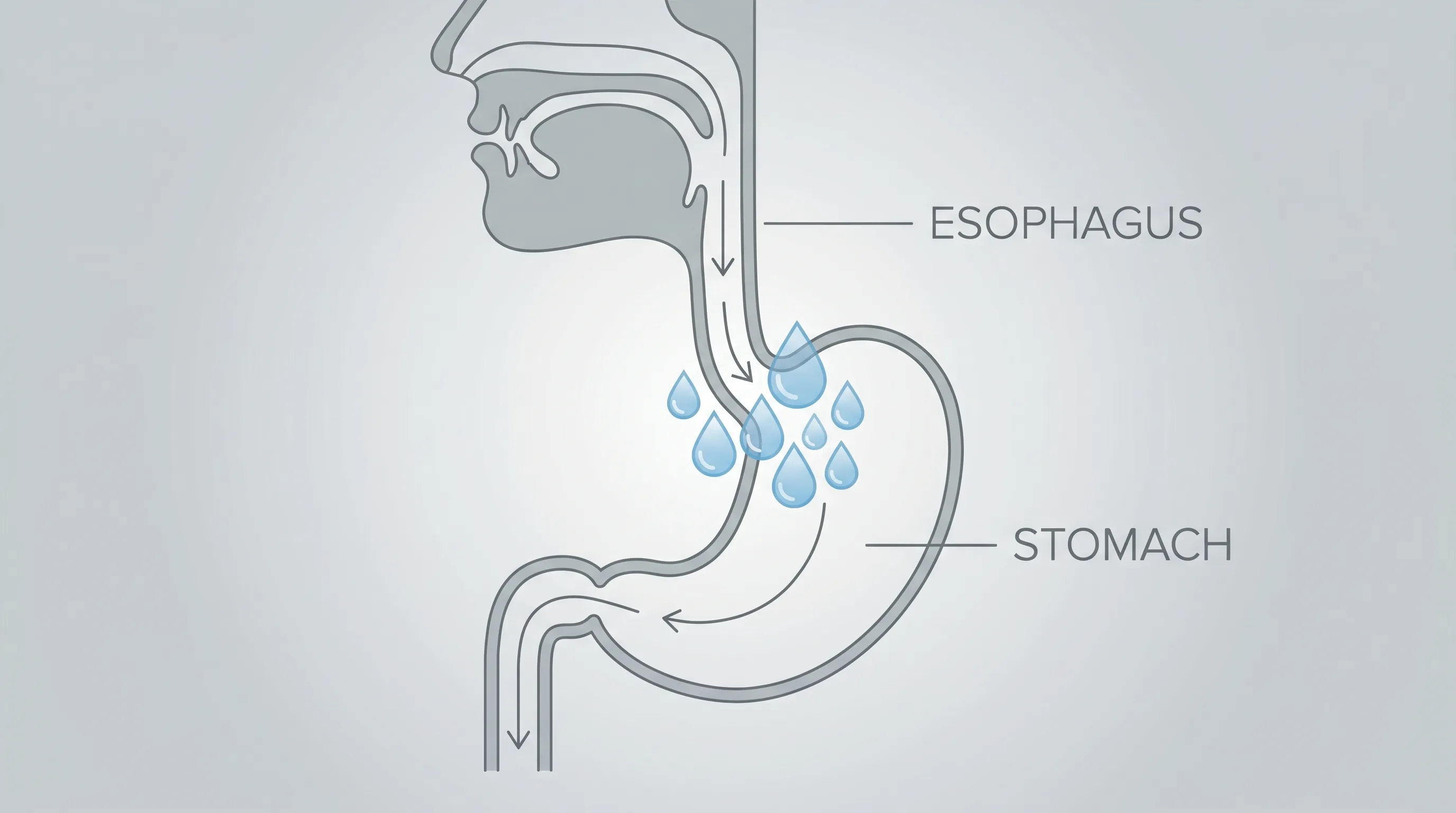
At the junction of the esophagus and the stomach lies the lower esophageal sphincter (LES), a ring of specialized smooth muscle that acts as a one-way valve. Under normal conditions, the LES remains tightly closed to prevent stomach acid from escaping upward, opening only briefly during swallowing to allow food and liquid to pass into the stomach. When the LES weakens, relaxes inappropriately, or experiences excessive pressure from above or below, gastric contents can reflux into the esophagus. Unlike the stomach lining, which is protected by a thick layer of mucus and bicarbonate, the esophageal mucosa is highly susceptible to damage from acidic and enzymatic exposure. Even brief contact with stomach acid and pepsin can cause inflammation, pain, and the characteristic burning sensation associated with heartburn. Chronic exposure can lead to complications such as esophagitis, Barrett’s esophagus, and in rare cases, esophageal adenocarcinoma. This is why managing reflux early and effectively is crucial for long-term digestive health.
Common Triggers and Risk Factors
GERD does not develop in isolation. Multiple physiological and lifestyle factors contribute to LES dysfunction and increased gastric pressure. Obesity is one of the most significant risk factors, as excess abdominal fat exerts continuous upward pressure on the stomach, forcing contents past the LES. According to the World Health Organization (WHO), weight management is a cornerstone of reducing GERD severity. Hiatal hernias, where a portion of the stomach pushes through the diaphragm, also compromise the anatomical positioning that normally supports sphincter closure. Certain foods and beverages are well-documented triggers, including caffeine, alcohol, chocolate, mint, fatty meals, and highly acidic fruits like citrus and tomatoes. Pregnancy, smoking, and specific medications such as calcium channel blockers, nitrates, and antihistamines can further relax the LES. Understanding these triggers is essential when considering hydration strategies, because water consumed alongside or immediately after heavy meals, carbonated drinks, or known reflux-inducing foods may fail to provide relief and could potentially exacerbate symptoms if volume or timing is mismanaged.
The Science Behind Water Consumption and Gastric Health
Hydration plays a foundational role in nearly every physiological process, and the digestive system is no exception. Water is required for saliva production, enzyme activation, nutrient absorption, and the movement of waste through the intestines. The Centers for Disease Control and Prevention (CDC) emphasizes that consistent, moderate hydration supports systemic and gastrointestinal health. However, its direct impact on the upper gastrointestinal tract and reflux mechanisms requires careful analysis. The question of does drinking water help heartburn cannot be answered with a simple yes or no; instead, it depends on volume, composition, timing, and individual gastric sensitivity. Research from the National Institute of Diabetes and Digestive and Kidney Diseases (NIDDK) indicates that proper hydration supports mucosal integrity and digestive motility, which can indirectly reduce reflux frequency.
How Water Affects Stomach pH and Digestion
The stomach maintains an extremely acidic environment, typically with a pH between 1.5 and 3.5, which is necessary for breaking down proteins, activating digestive enzymes like pepsin, and neutralizing ingested pathogens. When water enters the stomach, it temporarily dilutes gastric acid, causing a mild, transient rise in pH. In healthy individuals, the stomach quickly compensates by secreting additional hydrochloric acid to restore optimal digestive conditions. For people experiencing mild heartburn, this brief dilution effect may provide soothing relief by reducing the immediate acidity of the refluxate washing over the esophageal lining. However, excessive fluid intake can temporarily overwhelm the stomach’s regulatory mechanisms, potentially delaying digestion and prolonging gastric residence time. This delay increases the window during which reflux can occur, especially in individuals with already compromised LES function. Therefore, moderation and mindful consumption are key to harnessing water’s benefits without triggering secondary digestive issues.
The Role of Hydration in Esophageal Clearance
One of the most compelling reasons why hydration supports reflux management is its role in esophageal clearance. After a reflux event, the esophagus relies on peristaltic waves and saliva to neutralize and wash residual acid back into the stomach. Saliva is naturally alkaline, containing bicarbonate that helps neutralize gastric acid. Chronic dehydration reduces saliva production, leaving the esophagus vulnerable to prolonged acid exposure. Drinking adequate water throughout the day ensures optimal salivary gland function and supports the mechanical clearance of refluxed contents. Additionally, maintaining proper systemic hydration prevents esophageal mucosal dryness, which can heighten pain perception and delay tissue healing. Clinical guidelines consistently recommend consistent, moderate hydration as part of a comprehensive GERD management strategy. You can read more about esophageal clearance mechanisms on the Mayo Clinic website.
Does Drinking Water Help Heartburn? Examining the Evidence
When patients ask does drinking water help heartburn, they are usually looking for practical, immediate relief backed by clinical research. The scientific literature reveals a nuanced picture: water can be highly beneficial when used strategically, but it is not a substitute for medical treatment in moderate to severe GERD. Multiple studies have investigated hydration’s impact on reflux frequency, symptom severity, and esophageal healing. The consensus suggests that while water alone does not cure acid reflux, it serves as an important supportive tool within a broader lifestyle and medical management plan.
Clinical Studies and Expert Opinions
A pivotal study published in the journal Clinical Gastroenterology and Hepatology examined the effects of alkaline water on pepsin activity, revealing that water with a pH of 8.8 or higher effectively denatures pepsin, an enzyme that remains active even in mildly acidic environments and contributes to tissue damage in reflux patients. Another observational study found that individuals who consumed 6-8 glasses of water daily, spaced evenly throughout the day, reported fewer nocturnal reflux episodes compared to dehydrated counterparts. Gastroenterologists emphasize that hydration supports gastric motility and reduces the concentration of irritants in the esophagus, but they caution against using water as a primary treatment. For chronic or erosive GERD, proton pump inhibitors, H2 receptor antagonists, and lifestyle modifications remain the standard of care. Water should complement, not replace, these interventions. You can explore comprehensive clinical guidelines at the NCBI PMC clinical guidelines.
The Alkaline Water Debate
Alkaline water has gained significant popularity as a natural remedy for acid reflux, but its efficacy requires careful scrutiny. Unlike standard tap or bottled water, which typically has a neutral pH of around 7, alkaline water is processed or naturally sourced to achieve a pH of 8.0 or higher. Proponents argue that higher pH water neutralizes stomach acid upon contact, providing rapid symptom relief. The scientific reality is that the stomach’s acid-buffering capacity is highly efficient, meaning alkaline water will not permanently raise gastric pH. However, its ability to deactivate pepsin in the esophagus and oral cavity is well-documented and clinically relevant. For patients with laryngopharyngeal reflux (LPR), where reflux reaches the throat and vocal cords, sipping alkaline water between meals may reduce irritation and promote mucosal healing. It is important to note that alkaline water should not be consumed during or immediately after meals, as it could interfere with normal digestive processes. Moderation and timing remain critical factors.
Timing and Temperature: Best Practices
When addressing does drinking water help heartburn, the context of consumption matters immensely. Drinking large volumes of water right before or during a meal increases gastric volume, which raises intragastric pressure and may force the LES open. Instead, experts recommend sipping 4-6 ounces of room-temperature or slightly warm water 30 minutes before eating to prepare the digestive tract without overloading it. During meals, limit fluids to small sips, and save larger hydration windows for between meals. Post-meal water intake should be delayed by at least 30 minutes to allow initial digestion to proceed without excessive dilution. Temperature also plays a role: cold water can trigger transient esophageal spasms in sensitive individuals, while excessively hot liquids may irritate inflamed mucosa. Room-temperature water provides the most consistent, gentle hydration without triggering muscular contractions or thermal irritation. You can find additional guidance on hydration and digestion at the National Institute of Diabetes and Digestive and Kidney Diseases (NIDDK).
Potential Downsides of Overhydration for Acid Reflux
While adequate hydration is essential, excessive or poorly timed fluid intake can inadvertently worsen reflux symptoms. Understanding these pitfalls is just as important as recognizing the benefits. Many patients unknowingly trigger heartburn by following generalized hydration advice without considering their individual gastrointestinal sensitivity.
Gastric Distension and LES Relaxation
The stomach has a remarkable ability to expand, but excessive fluid volume creates mechanical stress. When the stomach stretches beyond its comfortable resting state, it sends pressure signals upward toward the diaphragm. This increased intra-abdominal pressure can overcome the LES’s resting tone, causing transient relaxation episodes that allow acid and fluid to escape into the esophagus. Chugging water rapidly, especially when combined with meals, exacerbates this distension effect. Instead, adopt a paced hydration strategy: sip slowly, allow time for gastric emptying, and avoid consuming more than 8 ounces of liquid at any single sitting if you are prone to reflux. Spreading fluid intake across the entire day minimizes sudden volume spikes and maintains steady, gentle hydration.
Dilution of Stomach Acid: Fact vs. Fiction
A persistent myth in digestive health circles suggests that drinking water with meals dangerously dilutes stomach acid, impairing digestion and worsening reflux. Scientific evidence does not support this claim. The human stomach dynamically adjusts acid secretion based on volume and nutrient composition. While large volumes of water can temporarily raise gastric pH, compensatory acid production occurs within minutes. However, for individuals with delayed gastric emptying (gastroparesis) or severe GERD, excessive fluid intake alongside meals can prolong digestion and increase reflux risk. The solution is not to restrict hydration but to separate drinking from eating. Consume most of your daily water between meals, and reserve only minimal sips during food consumption. This approach supports efficient digestion without overwhelming the stomach’s regulatory systems. Research from the Cleveland Clinic confirms that strategic hydration timing significantly improves digestive comfort in reflux patients.

Comprehensive Lifestyle and Dietary Strategies for Heartburn Management
Hydration alone cannot resolve chronic heartburn, but when integrated with evidence-based lifestyle modifications, it becomes a powerful component of comprehensive reflux management. Clinical guidelines consistently emphasize that dietary habits, meal timing, sleep posture, and stress management collectively determine symptom frequency and severity. Implementing a structured daily routine that aligns hydration with digestive rhythms can dramatically reduce heartburn episodes and improve overall gastrointestinal health.
Meal Timing and Portion Control
Eating patterns have a direct impact on lower esophageal sphincter function and gastric emptying. Large meals require extended digestion time, increase stomach volume, and promote LES relaxation. Instead of three large meals, aim for four to five smaller, balanced meals spaced evenly throughout the day. Chew food thoroughly to reduce the workload on the stomach and minimize the need for prolonged acid secretion. Avoid eating within three hours of bedtime to allow the stomach to empty significantly before lying down. When you do drink water with meals, keep portions small and avoid carbonated or highly sugary beverages that can ferment and increase gas production.
Sleep Positioning and Elevation Techniques
Gravity is a natural ally in preventing reflux. When lying flat, the anatomical barrier between the stomach and esophagus is eliminated, making it easier for acid to flow upward during sleep. Elevating the head of your bed by 6 to 8 inches using bed risers or a specially designed wedge pillow keeps the esophagus above the stomach level. This simple intervention has been shown in multiple clinical trials to reduce nocturnal reflux by over 40 percent. Avoid stacking multiple pillows, which can bend the neck and actually increase abdominal pressure. Maintain a neutral spinal alignment to ensure comfortable, uninterrupted sleep while minimizing reflux risk.
Foods and Beverages to Embrace and Avoid
Dietary choices play a decisive role in heartburn frequency. Trigger foods should be limited or eliminated based on individual tolerance. Common culprits include fried foods, high-fat dairy, spicy dishes, citrus fruits, tomatoes, chocolate, mint, caffeine, and alcohol. Instead, prioritize lean proteins, whole grains, non-citrus fruits, steamed vegetables, and fermented foods like yogurt and kefir that support a healthy gut microbiome. Incorporate ginger tea or chamomile infusions as soothing, non-caffeinated alternatives to traditional beverages. When planning hydration, pair water with fiber-rich meals to support regular bowel movements and reduce intra-abdominal pressure. Consistency in dietary choices, combined with mindful hydration, creates a sustainable foundation for long-term reflux control.
Practical Daily Routine for Optimal Digestive Comfort
Translating research into daily habits requires a structured approach. The following protocol integrates optimal hydration timing, dietary awareness, and lifestyle adjustments into a cohesive routine designed specifically for individuals seeking heartburn relief.
Morning Hydration Protocol
Begin each day with 8 to 10 ounces of room-temperature or slightly warm water consumed 15 to 20 minutes before breakfast. This gentle fluid intake stimulates salivary production, hydrates the esophageal mucosa after overnight fasting, and prepares the digestive tract for incoming food. Avoid drinking coffee or acidic juices immediately upon waking, as the stomach lining is most sensitive after prolonged inactivity. If alkaline water is part of your routine, reserve it for mid-morning sips rather than the first drink of the day to maintain natural gastric acidity for breakfast digestion.
Midday Adjustments and Post-Meal Habits
Between lunch and dinner, aim for consistent, moderate hydration. Keep a reusable water bottle at your desk and sip throughout the afternoon rather than consuming large volumes during short breaks. After meals, remain upright for at least 60 minutes. Light walking can enhance gastric motility and promote comfortable digestion. Avoid reclining, bending, or engaging in heavy lifting immediately after eating. If you experience mild heartburn, try slow, deliberate sips of water combined with gentle diaphragmatic breathing to relax the LES and encourage natural esophageal clearance.
Evening Wind-Down and Bedtime Preparations
The final hours before bed are critical for preventing nocturnal reflux. Finish your last meal by 6:00 or 7:00 PM, and limit fluid intake after dinner to prevent overnight gastric distension. If thirsty, restrict yourself to 4 ounces of water. Elevate the head of your bed, avoid tight-fitting pajamas, and practice relaxation techniques such as progressive muscle relaxation or guided meditation to reduce stress-induced gastric acid secretion. Maintain a consistent sleep schedule to support circadian regulation of digestive enzymes. You can watch this helpful guide on nighttime reflux management at the Cleveland Clinic video resource.
Comparison of Hydration Strategies and Heartburn Interventions
| Approach | Primary Mechanism | Best Use Case | Limitations |
|---|---|---|---|
| Room-Temperature Water | Gentle hydration, supports esophageal clearance | Daily maintenance, mild symptoms | Does not neutralize severe acid exposure |
| Alkaline Water (pH 8.8+) | Pepsin deactivation, mucosal soothing | LPR, post-reflux relief | Not recommended during meals, higher cost |
| Over-the-Counter Antacids | Rapid acid neutralization | Acute symptom relief | Short duration, rebound acidity possible |
| Proton Pump Inhibitors | Long-term acid suppression | Chronic GERD, erosive esophagitis | Requires medical supervision, potential long-term effects |
| Posture & Elevation | Gravity-assisted reflux prevention | Nighttime symptoms, hiatal hernia | Requires lifestyle adjustment, not immediate |
| Dietary Modification | Trigger elimination, LES support | Preventive management | Requires consistency, individual variation |
This comparison highlights why a multi-faceted approach yields the best results. While medications provide targeted relief, hydration and lifestyle strategies address the root causes of reflux without suppressing essential digestive functions. Integrating these elements creates a sustainable, evidence-based path to lasting digestive wellness.
Frequently Asked Questions
Does drinking water help heartburn immediately?
While water can provide mild, temporary relief by diluting stomach acid and washing it back down into the stomach, it is not a rapid-acting antacid. Drinking small sips of room-temperature or alkaline water may soothe mild irritation, but it will not neutralize active reflux as quickly as over-the-counter medications. Consistent, mindful hydration combined with posture adjustments offers the most reliable short-term comfort.
What type of water is best for acid reflux relief?
Research suggests that naturally alkaline water with a pH of 8.8 or higher may be particularly beneficial because it permanently deactivates pepsin, an enzyme responsible for tissue damage in acid reflux. Mineral water rich in magnesium and calcium can also support digestion and lower esophageal sphincter tone. Avoid highly carbonated water, as the trapped gas can increase gastric pressure and trigger reflux episodes.
Can drinking too much water worsen heartburn symptoms?
Yes, consuming excessive volumes of water, especially during or immediately after meals, can lead to gastric distension. When the stomach expands beyond its comfortable capacity, it exerts upward pressure on the lower esophageal sphincter, potentially forcing it open and allowing acid to escape into the esophagus. Sipping small amounts slowly throughout the day is far more effective than chugging large glasses at once.
How long before bed should I drink water to prevent nighttime heartburn?
To minimize nighttime acid reflux, finish your last significant fluid intake at least two to three hours before bedtime. If you need hydration closer to sleep, limit yourself to one or two small sips (approximately 4-6 ounces) of room-temperature water. Elevating the head of your bed by six to eight inches using a wedge pillow or bed risers also significantly reduces gravity-dependent reflux during sleep.
Should I drink cold or warm water for heartburn?
Room-temperature or slightly warm water is generally recommended over ice-cold beverages for acid reflux management. Cold liquids can temporarily constrict the esophageal and stomach muscles, potentially slowing digestive motility and increasing discomfort. Warm water promotes smooth muscle relaxation, supports efficient esophageal clearance, and aids in gentle digestion without triggering spasms or additional reflux episodes.
Conclusion
The relationship between hydration and digestive comfort is both fascinating and highly individualized. When patients wonder does drinking water help heartburn, the answer lies not in the water itself, but in how it is consumed, when it is consumed, and how it integrates with broader digestive health practices. Evidence clearly shows that mindful hydration supports esophageal clearance, maintains mucosal integrity, and can even deactivate damaging enzymes when alkaline water is utilized correctly. However, volume overload, poor timing, and inappropriate temperatures can inadvertently trigger or amplify reflux episodes. By adopting a structured approach that prioritizes paced sipping, meal separation, posture optimization, and consistent lifestyle adjustments, individuals can transform water from a passive beverage into an active tool for symptom management. For those experiencing frequent or severe heartburn, consulting a gastroenterologist remains essential to rule out complications and develop a personalized treatment plan. Ultimately, sustainable digestive wellness is achieved through the careful balance of hydration, nutrition, and mindful daily habits that honor the natural rhythms of the gastrointestinal system.
How we work
Researched and drafted with AI assistance, then reviewed by a human editor against the cited sources.
This article is general health information, not medical advice. Consult a qualified healthcare professional about your own situation.