Lemon Cucumber Water: Science-Backed Hydration Benefits & Preparation Guide

Discover the refreshing, science-backed power of lemon cucumber water, a simple hydration strategy that has captured the attention of wellness experts worldwide. Far beyond a trendy spa beverage, this infused drink combines two nutrient-dense botanicals to enhance daily fluid intake, support metabolic processes, and deliver measurable physiological benefits. In an era where chronic mild dehydration affects nearly 75% of adults, finding palatable, low-calorie alternatives to plain water is essential for long-term health compliance. By understanding how citrus compounds and vegetable-derived minerals interact at the cellular level, you can transform a basic glass of water into a functional wellness tool. This comprehensive guide explores the evidence-based mechanisms, optimal preparation techniques, and clinical considerations of incorporating lemon cucumber water into your daily routine, ensuring you maximize hydration efficiency while safeguarding your overall well-being.
The Science Behind Hydration and Infused Waters
Hydration is not merely about consuming fluids; it is a complex physiological process governed by osmotic gradients, hormonal regulation, and cellular membrane permeability. When you drink plain water, it passes rapidly through the digestive tract, but without adequate solutes, it may not be efficiently absorbed into intracellular spaces. The addition of botanical ingredients like cucumber and lemon introduces trace electrolytes and organic acids that facilitate water transport across intestinal epithelial cells.
Free calculatorWater Intake CalculatorCalculate daily water needsOpen the calculatorUnderstanding Cellular Osmosis and Fluid Distribution
Water distribution in the human body occurs primarily through osmosis, where fluid moves from areas of lower solute concentration to areas of higher solute concentration. Cucumber naturally contains potassium, magnesium, and phosphorus, while lemon provides citrate and small amounts of calcium. These micronutrients create a mild electrolyte gradient that encourages water to move into cells rather than remaining extracellularly. This process is particularly important for muscle function, nerve transmission, and maintaining blood volume. Clinical research published by the National Institutes of Health demonstrates that even a 1 to 2 percent decrease in total body water can impair cognitive performance and physical endurance, highlighting why strategic hydration matters.
Why Infusion Enhances Compliance
Behavioral studies consistently show that taste is the primary barrier to adequate fluid intake. Plain water lacks flavor cues that stimulate the brain's reward pathways, making it difficult for many individuals to meet recommended daily intake goals. Infused waters provide subtle, natural flavor compounds that activate taste receptors without triggering insulin spikes or caloric surplus. By making hydration more enjoyable, lemon cucumber water serves as a sustainable behavioral intervention. The Harvard T.H. Chan School of Public Health emphasizes that flavor-enhanced, calorie-free beverages are among the most effective strategies for increasing daily fluid consumption across all demographics.
Nutritional Breakdown of Key Ingredients
The efficacy of lemon cucumber water lies in the complementary nutrient profiles of its two primary components. Neither ingredient functions as a standalone miracle cure, but together they create a synergistic effect that supports multiple physiological pathways.
Lemon: Vitamin C and Bioactive Flavonoids
Citrus limon is renowned for its high ascorbic acid content, with a single medium lemon providing approximately 45 milligrams of vitamin C. This essential micronutrient acts as a potent aqueous antioxidant, neutralizing free radicals generated during metabolic respiration and environmental exposure. Beyond its immune-modulating properties, vitamin C is a required cofactor for prolyl hydroxylase, an enzyme responsible for stabilizing the triple-helix structure of collagen. Adequate collagen synthesis directly impacts skin elasticity, joint connective tissue integrity, and vascular strength.
Additionally, lemons contain hesperidin and naringenin, two flavonoids that exhibit anti-inflammatory and vasoprotective properties. Research indicates that these compounds may improve endothelial function, which is critical for maintaining healthy blood pressure and circulatory efficiency. The mild acidity also stimulates salivary amylase production, preparing the digestive tract for nutrient breakdown before food even enters the stomach.
Cucumber: Water Density, Potassium, and Silica
Cucumis sativus is composed of approximately 95 percent water, making it one of the most hydrating vegetables available. Despite its high moisture content, it retains valuable minerals, particularly potassium, which counteracts the sodium-loading effects of modern diets and helps regulate fluid balance. A typical medium cucumber provides roughly 295 milligrams of potassium, supporting neuromuscular coordination and renal excretion pathways.
Cucumbers are also a natural source of dietary silica, a trace mineral increasingly recognized for its role in connective tissue resilience and skin hydration. Silica contributes to glycosaminoglycan formation in the dermal matrix, which helps retain moisture at the cellular level. Furthermore, cucumbers contain cucurbitacin B and C, compounds under investigation for their mild diuretic and anti-edema properties. The Cleveland Clinic notes that these phytonutrients work in tandem to support healthy tissue turnover and mild detoxification through renal filtration.
| Component | Key Nutrients | Primary Physiological Function | Clinical Relevance |
|---|---|---|---|
| Lemon | Vitamin C, Citric Acid, Hesperidin | Antioxidant defense, collagen synthesis, digestive enzyme activation | Supports skin health, immune modulation, vascular integrity |
| Cucumber | Potassium, Silica, Water, Cucurbitacins | Electrolyte balance, tissue hydration, mild diuresis | Promotes renal function, muscle coordination, dermal elasticity |
| Infused Combination | Trace Electrolytes + Flavonoids | Enhanced cellular osmosis, flavor compliance | Improves daily hydration adherence, metabolic efficiency |
Evidence-Based Health Benefits
When consumed consistently, lemon cucumber water delivers a range of documented wellness advantages. These benefits are not anecdotal but are rooted in nutritional biochemistry and clinical hydration research.
Supports Digestive Health and Gut Microbiome Balance
Digestive efficiency relies heavily on adequate fluid intake. Water acts as a solvent for digestive enzymes and maintains the mucosal lining of the gastrointestinal tract. The citric acid in lemon stimulates gastric hydrochloric acid production, which optimizes protein breakdown and mineral absorption. Meanwhile, cucumber provides trace fiber and water-soluble compounds that support peristaltic movement.
Emerging research suggests that plant-derived polyphenols from both lemon and cucumber may serve as prebiotic substrates for beneficial gut bacteria. A balanced microbiome is directly linked to reduced intestinal permeability, improved nutrient extraction, and systemic inflammation reduction. The Mayo Clinic confirms that flavored, calorie-free beverages support regular bowel function without disrupting natural pH gradients or microbial diversity.
Promotes Healthy Skin and Collagen Synthesis
Skin health is fundamentally tied to hydration status and antioxidant availability. Dehydrated skin appears dull, exhibits increased fine lines, and lacks structural resilience. The vitamin C in lemon directly upregulates fibroblast activity, encouraging the production of collagen and elastin fibers that maintain skin firmness. Cucumber's high water content and silica contribute to intracellular hydration, reducing trans-epidermal water loss.
Clinical observations show that consistent hydration improves microcirculation in the dermal layers, delivering more oxygen and nutrients to epidermal cells. When combined, the antioxidant and hydrating effects of lemon cucumber water create an internal environment conducive to skin repair and radiance. Regular consumption also supports lymphatic drainage, which helps clear metabolic waste that can contribute to inflammation and premature aging.
Aids Weight Management and Satiety Regulation
While no beverage directly burns fat, strategic hydration is a cornerstone of effective metabolic management. Water consumption temporarily increases resting energy expenditure through thermogenesis. When individuals replace high-calorie sugary drinks or artificially sweetened alternatives with lemon cucumber water, they create a sustainable caloric deficit without experiencing flavor deprivation.
The mild acidity and subtle crunch of infused cucumber also trigger early satiety signals in the brain's hypothalamus, reducing the likelihood of mindless snacking. Studies indicate that drinking 500 milliliters of water before meals can decrease caloric intake by up to 13 percent. The National Institutes of Health emphasizes that hydration compliance is consistently correlated with lower BMI trends and improved insulin sensitivity over time.
Preparation Protocols and Best Practices
To extract maximum nutritional value and ensure food safety, proper preparation techniques are essential. The following protocols are based on food science principles and clinical nutrition guidelines.
Ingredient Selection and Sourcing
Quality begins at the source. Opt for organic or locally grown cucumbers and lemons whenever possible to minimize pesticide residue exposure. If conventional produce is used, thorough washing is mandatory. Cucumber peels contain the highest concentration of beneficial nutrients, including silica and dietary fiber, so leaving the skin intact is recommended unless digestive sensitivity requires otherwise.
Choose firm, unblemished cucumbers with a dark green exterior, which indicate peak maturity and nutrient density. For lemons, select heavy, brightly colored fruits with smooth, thin skins, as they yield more juice and contain higher vitamin C concentrations. Avoid pre-sliced or pre-packaged produce, as oxidation and moisture loss degrade active compounds rapidly.
Step-by-Step Infusion Protocol
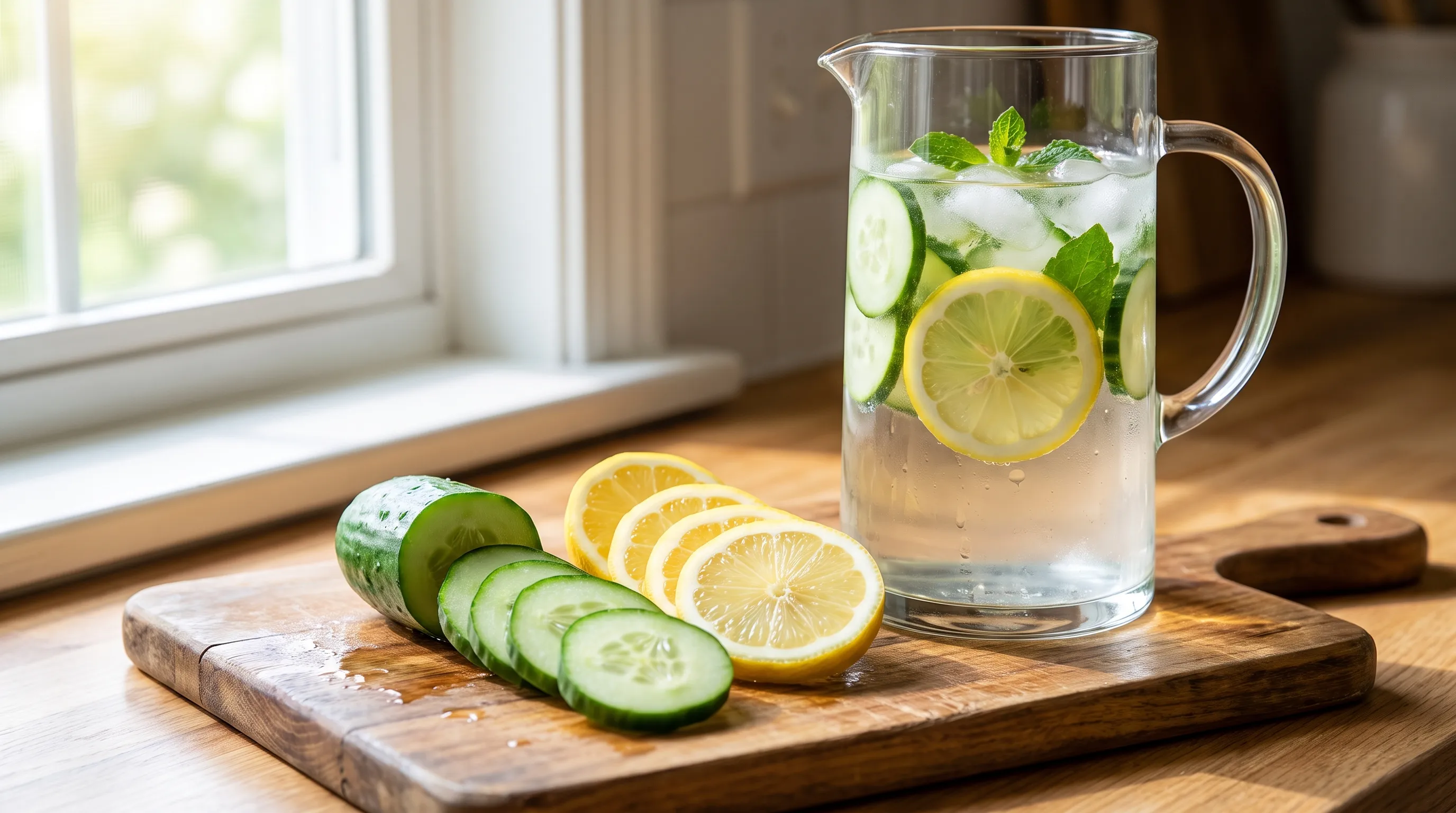
Begin by washing all produce under cool running water, gently scrubbing the surface with a clean brush if the skin will be used. Slice one medium cucumber into quarter-inch rounds and half of a medium lemon into thin wedges, removing any visible seeds to prevent bitterness. Place the slices into a clean glass or BPA-free pitcher and add one liter of filtered, cold water.
Gently muddle the ingredients once with a wooden spoon to release surface oils and initiate nutrient diffusion. Avoid over-mashing, which can cause cloudiness and accelerate spoilage. Cover the pitcher tightly and refrigerate for two to four hours. This timeframe allows water-soluble vitamins, minerals, and flavonoids to migrate into the liquid while preserving texture and freshness. Serve over ice or at room temperature according to preference.
Storage and Shelf-Life Best Practices
Infused waters are perishable and lack the preservatives found in commercial beverages. Store your lemon cucumber water in a glass container with a tight-sealing lid to prevent contamination and odor absorption. Refrigeration is non-negotiable; leaving the infusion at room temperature for more than two hours promotes bacterial proliferation.
Consume within twenty-four hours for optimal nutrient retention and flavor. Beyond this window, vitamin C oxidizes rapidly, and cucumber slices may develop a sour odor or slimy texture, indicating microbial activity. If you must prepare larger batches, store the base water separately and add fresh slices each morning. Always discard the infusion if it develops cloudiness, off-putting aromas, or visible mold.
Maximizing Benefits: Advanced Infusion Strategies
Once you have mastered the foundational recipe, you can experiment with advanced techniques to target specific wellness goals while maintaining safety and efficacy.
Adding Functional Herbs and Spices
Incorporating botanical additives can enhance both flavor and physiological impact. Fresh mint leaves contain menthol, which supports gastrointestinal smooth muscle relaxation and may reduce bloating. Basil adds eugenol, a compound with documented antioxidant and anti-inflammatory properties. For metabolic support, a quarter-inch slice of fresh ginger introduces gingerols that may stimulate digestive enzyme secretion and promote thermogenesis.
When combining ingredients, follow the 80-20 rule: let lemon and cucumber remain the primary components, and use herbs or spices as secondary accents. This ensures the electrolyte balance remains optimal and prevents flavor overwhelm. Always use fresh, clean botanicals and rinse them thoroughly before infusion.
Timing Your Consumption for Optimal Absorption
Hydration timing significantly influences physiological outcomes. Consuming lemon cucumber water upon waking replenishes fluids lost during respiration and perspiration overnight. Drinking it thirty minutes before meals primes the digestive tract, enhances gastric acid secretion, and supports appetite regulation. Post-exercise consumption aids in muscle recovery by delivering potassium to fatigued cells and flushing lactate metabolites through the kidneys.
Avoid consuming large volumes immediately before bed, as frequent nocturnal urination can disrupt sleep architecture and reduce overall restorative benefits. Aim for steady, consistent intake throughout daylight hours rather than binge drinking, which triggers renal diuresis and limits cellular absorption.
Common Mistakes to Avoid
Several preparation errors reduce efficacy and increase safety risks. First, never use hot water for infusion, as heat rapidly degrades vitamin C and volatile flavonoids. Second, avoid adding salt, sugar, or artificial sweeteners, which disrupt the natural electrolyte gradient and negate caloric benefits. Third, never store infusions in direct sunlight or near heat sources, as UV radiation and temperature fluctuations accelerate nutrient oxidation.
Additionally, resist the urge to blend or juice the ingredients rather than infuse them. Whole-food infusion preserves the slow-release mineral extraction process and prevents the blood sugar spikes associated with concentrated fruit juices. The goal of lemon cucumber water is gentle, sustained hydration, not acute metabolic stimulation.
Safety Guidelines and Precautions
While generally recognized as safe by medical professionals, certain populations should exercise caution when incorporating infused citrus waters into their routines.
Dental Enamel Protection
Citric acid has a pH between 2 and 3, which can temporarily soften hydroxyapatite crystals in tooth enamel. While diluted infused water contains significantly lower acid concentration than pure lemon juice, chronic exposure without protective measures may contribute to enamel erosion over years. To mitigate risk, consume through a wide-gauge stainless steel or glass straw, bypassing direct contact with anterior teeth.
Immediately after drinking, rinse your mouth thoroughly with plain water to neutralize residual acidity. Wait at least thirty minutes before brushing, as mechanical abrasion on softened enamel accelerates wear. Consider using fluoride toothpaste to strengthen remineralization processes. Dental professionals recommend regular check-ups to monitor enamel integrity when consuming acidic beverages daily.
Acid Reflux and Gastric Sensitivity Considerations
Individuals with diagnosed GERD, peptic ulcer disease, or gastritis may experience transient symptom exacerbation due to citric acid stimulation. However, clinical evidence suggests that properly diluted lemon water does not significantly lower gastric pH enough to trigger severe reflux in most patients. The key is dilution ratio and individual tolerance.
Start with a quarter lemon per liter of water and monitor symptoms for several days. If discomfort occurs, switch to plain cucumber water or reduce infusion time. Those with active ulcerations should consult a gastroenterologist before adding acidic beverages to their regimen. For the majority of healthy adults, the digestive benefits far outweigh minimal gastric risks.

Pesticide Residue and Washing Protocols
Conventional cucumbers frequently rank high on the Environmental Working Group's Dirty Dozen list due to systemic pesticide application. While infusion does not extract fat-soluble pesticide residues into water in significant quantities, surface contact and handling warrant proper cleaning. Wash all produce using a vegetable wash or a vinegar-water solution (1:3 ratio), followed by thorough rinsing under running water.
Drying produce with a clean microfiber towel removes additional surface contaminants. If budget allows, prioritize organic or locally grown options from certified sustainable farms. Proper sourcing ensures that the wellness benefits of lemon cucumber water are not compromised by environmental toxin exposure. The U.S. Food and Drug Administration recommends consistent washing as a non-negotiable step for all raw botanical consumption.
Frequently Asked Questions
Is lemon cucumber water effective for daily hydration?
Yes, lemon cucumber water significantly improves daily fluid compliance by enhancing palatability without adding sugar or artificial ingredients. The natural electrolytes from cucumber and mild citric acid from lemon support cellular fluid balance and encourage consistent water consumption, which is foundational for metabolic, renal, and cognitive health.
How long should lemon cucumber water sit before drinking?
For optimal flavor and nutrient infusion, let the ingredients steep for two to four hours in the refrigerator. Leaving it beyond twelve hours can cause cucumber slices to become mushy and may encourage microbial growth. For maximum vitamin C retention, consume within twenty-four hours of preparation.
Does lemon cucumber water damage tooth enamel?
Citric acid can temporarily soften tooth enamel, but drinking it diluted in water minimizes risk. To protect enamel, use a straw, rinse your mouth with plain water afterward, and wait at least thirty minutes before brushing. The benefits outweigh the risks when consumed responsibly.
Can I reuse cucumber and lemon slices for multiple batches?
Slices can typically be reused for one additional twenty-four-hour cycle. After the second infusion, most water-soluble nutrients and flavor compounds are depleted, and prolonged exposure increases bacterial risk. Replace slices when they lose firmness or become translucent.
Should people with acid reflux drink lemon cucumber water?
While citrus triggers vary, the low concentration of citric acid in properly diluted infused water is generally well tolerated. However, individuals with severe gastroesophageal reflux disease (GERD) should consult a healthcare provider and may need to limit citrus content or opt for plain cucumber infusion instead.
Conclusion
Incorporating lemon cucumber water into your daily routine represents a simple, scientifically grounded approach to enhancing hydration, supporting metabolic function, and promoting long-term wellness. The synergistic combination of vitamin C, potassium, silica, and bioactive flavonoids creates an internal environment that supports skin integrity, digestive efficiency, and cellular fluid balance. By following evidence-based preparation protocols, respecting storage guidelines, and addressing individual health considerations, you can safely maximize the benefits of this accessible beverage. Hydration is not a luxury; it is a physiological necessity that underpins every major system in the human body. Transforming plain water into a nutrient-rich, palatable infusion ensures consistent compliance without compromising health metrics. Start with one glass daily, observe how your body responds, and gradually build a sustainable hydration habit that supports vitality from the inside out.
How we work
Researched and drafted with AI assistance, then reviewed by a human editor against the cited sources.
This article is general health information, not medical advice. Consult a qualified healthcare professional about your own situation.