10 Cucumber Juice Benefits for Hydration, Skin Health, and More

Key points
- Calories: Approximately 45
- Water: ~95%
- Key Vitamins & Minerals:
- Vitamin K: Essential for blood clotting and bone health. A single cucumber can provide a significant portion of your daily needs.
- Vitamin C: A potent antioxidant that supports the immune system and skin health.
- Potassium: An electrolyte that helps regulate fluid balance and blood pressure.
The phrase "cool as a cucumber" hints at the powerful hydrating and soothing properties of this common fruit. While we treat them as vegetables, cucumbers (Cucumis sativus) pack a refreshing punch, especially when transformed into juice. Historically cultivated in India for over 3,000 years and later introduced to the Mediterranean, Middle Eastern, and European diets, cucumbers have evolved from ancient medicinal remedies to modern nutritional powerhouses. Traditional Ayurvedic and Chinese medicine practitioners have long used cucumber extracts to cool the body, reduce internal heat, and promote digestive harmony. Today, modern nutritional science validates these historical applications, revealing that the liquid form of this vegetable can deliver rapid bioavailability of its water-soluble vitamins, electrolytes, and bioactive phytochemicals.
Cucumber juice is a low-calorie, nutrient-rich beverage that has become a staple in wellness routines. It's more than just green-tinted water; it’s a revitalizing drink that offers a surprising number of health benefits, from glowing skin to better heart health. Let's explore why this simple juice deserves a spot in your glass. When extracted, the cellular matrix of the cucumber breaks down, allowing the body to bypass extensive mechanical digestion and absorb key micronutrients more rapidly. This makes it particularly valuable for individuals with compromised digestive function, athletes requiring swift electrolyte replenishment, or anyone looking to increase their daily hydration without adding metabolic stress.
Nutritional Profile of Cucumber Juice
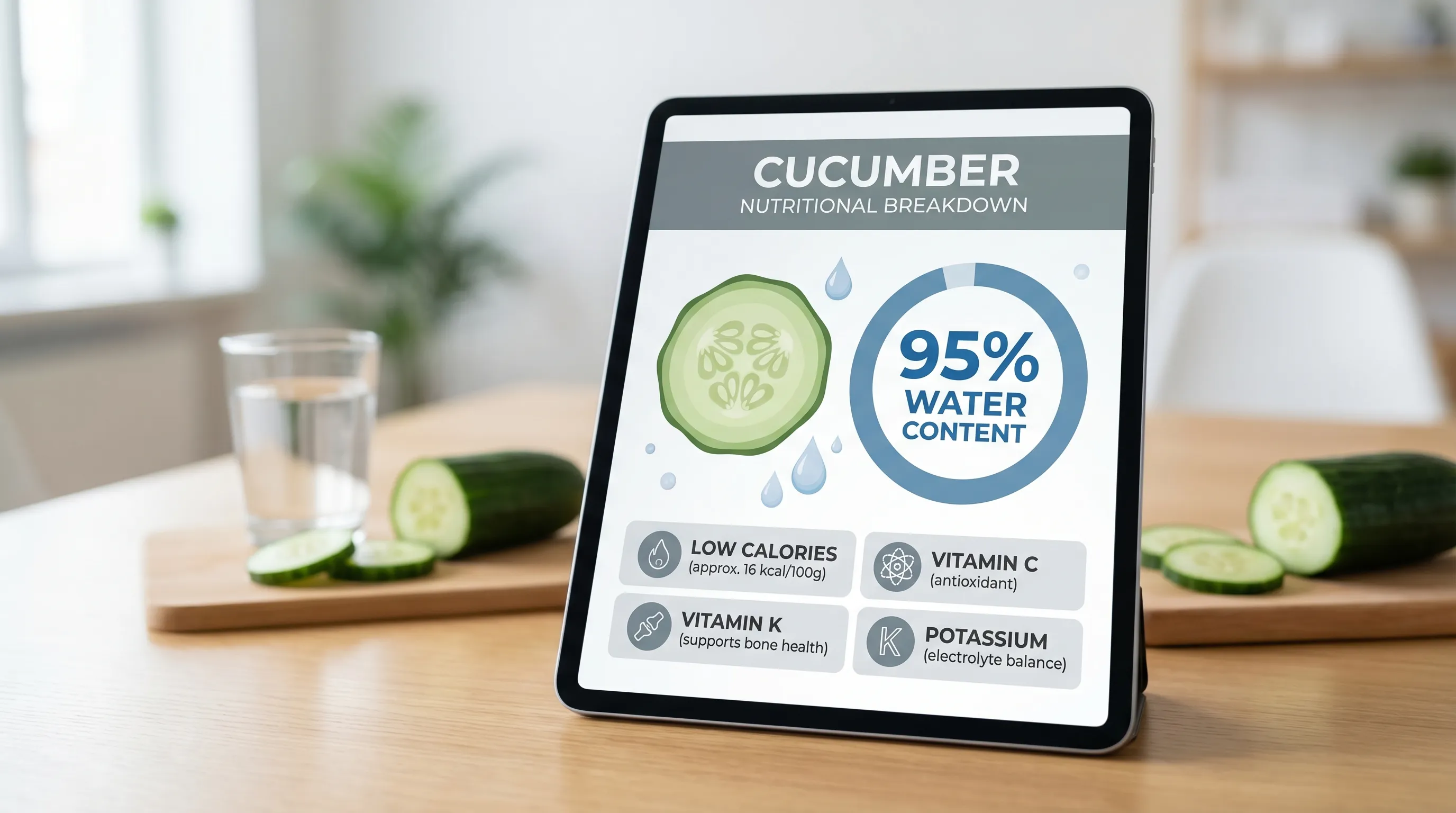
Cucumbers are over 95% water, making their juice incredibly hydrating yet low in calories. A single 8-ounce (240ml) serving of cucumber juice, made from about one medium cucumber, is a powerhouse of nutrients.
Free calculatorA1C CalculatorA1C to average blood glucoseOpen the calculator- Calories: Approximately 45
- Water: ~95%
- Key Vitamins & Minerals:
- Vitamin K: Essential for blood clotting and bone health. A single cucumber can provide a significant portion of your daily needs.
- Vitamin C: A potent antioxidant that supports the immune system and skin health.
- Potassium: An electrolyte that helps regulate fluid balance and blood pressure.
- Magnesium: Crucial for muscle and nerve function.
- Silica: A trace mineral believed to support the health of skin, hair, and nails.
Beyond this foundational list, cucumber juice contains a complex matrix of trace minerals including manganese, molybdenum, and trace amounts of B-complex vitamins that play supportive roles in enzymatic reactions throughout the body. The beverage's electrolyte composition closely mirrors human extracellular fluid, making it highly compatible with physiological hydration pathways. Unlike commercial fruit juices that spike blood glucose due to concentrated fructose, cucumber juice maintains a remarkably low sugar content (typically under 2 grams per serving), ensuring it delivers hydration and micronutrients without triggering insulin resistance or metabolic fatigue.
Cucumbers also contain phytonutrients like flavonoids and lignans, which have antioxidant and anti-inflammatory properties. To maximize nutrient intake, especially fiber and Vitamin K, use unpeeled organic cucumbers. The peel itself harbors a concentrated layer of dietary fiber, beta-carotene, and cucurbitacin—a bitter-tasting compound with documented anti-tumor and anti-microbial potential in preclinical research. When juiced whole, these compounds integrate into the liquid, providing a broader spectrum of plant-derived health support. However, if digestion of raw fiber is sensitive, lightly peeling or blending and straining offers a middle ground that preserves most vitamins while easing gastrointestinal transit.
Top 10 Health Benefits of Cucumber Juice
1. Superior Hydration
With its high water content, cucumber juice is one of the most effective natural hydrators. Proper hydration is essential for regulating body temperature, transporting nutrients, and maintaining organ function. The juice also contains electrolytes like potassium and magnesium, which are crucial for fluid balance, especially after exercise or on a hot day. Cellular hydration relies heavily on osmotic gradients facilitated by these electrolytes, which help pull water into cells rather than allowing it to simply pass through the digestive tract. For athletes, office workers, or elderly individuals (who often experience blunted thirst mechanisms), consuming cucumber juice can correct subclinical dehydration more efficiently than plain water. Studies indicate that even a 1-2% drop in body hydration can impair cognitive function, cause mood fluctuations, and trigger tension headaches. Regular consumption of cucumber-based liquids serves as a preventive strategy, maintaining optimal plasma volume and supporting renal clearance without the artificial additives, excessive sugars, or synthetic dyes found in many sports drinks.
2. Promotes Healthy, Glowing Skin
Cucumber's benefits for skin are well-known, and drinking the juice works from the inside out.
- Hydration: Keeps skin plump, reducing the appearance of fine lines.
- Silica: This mineral contributes to healthy connective tissue, supporting skin elasticity.
- Antioxidants: Vitamins C and other antioxidants fight free radical damage, which can accelerate skin aging.
Dermatological research increasingly supports the concept of "inside-out" skincare, where systemic nutrition directly impacts epidermal integrity and dermal collagen production. Vitamin C in cucumber juice acts as an essential cofactor for prolyl hydroxylase and lysyl hydroxylase, enzymes responsible for stabilizing the triple-helix structure of collagen. Silica, while required in trace amounts, facilitates the cross-linking of collagen and elastin fibers, contributing to skin firmness and wound healing. Furthermore, the high water content improves cutaneous microcirculation, ensuring that oxygen and nutrients reach dermal fibroblasts efficiently. Regular intake has been anecdotally and clinically linked to reduced puffiness, improved skin tone uniformity, and a natural radiance that topical treatments alone cannot achieve. For individuals dealing with inflammatory skin conditions like acne, rosacea, or eczema, the anti-inflammatory phytochemicals and cooling properties of cucumber juice may help modulate systemic inflammation, potentially reducing flare-ups.
3. Aids in Weight Management
As a low-calorie and filling beverage, cucumber juice is an excellent tool for weight management. Replacing sugary sodas or high-calorie juices with cucumber juice can significantly cut your daily calorie intake. Its high water content also promotes a feeling of fullness, which can help prevent overeating. Volume eating, a strategy supported by numerous obesity studies, demonstrates that low-energy-density foods and beverages increase gastric distension without adding substantial calories, thereby activating mechanoreceptors that signal satiety to the brain. When consumed 15-20 minutes before a meal, cucumber juice can reduce overall caloric consumption by curbing appetite-driven hunger. Additionally, maintaining optimal hydration supports lipolysis, the metabolic process of breaking down fat cells for energy, as water is required for triglyceride hydrolysis. The beverage also lacks artificial sweeteners that can disrupt gut microbiota and trigger insulin spikes, making it a metabolically neutral alternative for those following ketogenic, paleo, or calorie-restricted dietary protocols.
4. Rich in Antioxidants
Cucumbers contain several antioxidants, including flavonoids, tannins, and beta-carotene. These compounds help neutralize harmful free radicals in the body, reducing oxidative stress and lowering the risk of chronic diseases such as heart disease and certain cancers. Oxidative stress occurs when reactive oxygen species (ROS) overwhelm the body's endogenous defense systems, damaging cellular DNA, proteins, and lipid membranes. Cucumber juice delivers a targeted dose of apigenin, a flavonoid with potent neuroprotective and anti-anxiolytic properties, and fisetin, which has demonstrated senolytic potential in preclinical models (helping clear out aged, dysfunctional cells that contribute to tissue degeneration). By integrating cucumber juice into a daily wellness routine, individuals can augment their antioxidant capacity, support phase II liver detoxification pathways, and mitigate the cumulative cellular wear associated with environmental pollutants, UV exposure, and metabolic processes.
5. Supports Heart Health
The potassium in cucumber juice plays a vital role in cardiovascular health. According to the American Heart Association, potassium can help lower blood pressure by lessening the effects of sodium. The juice is also naturally low in sodium and cholesterol-free, making it a heart-smart choice. Potassium acts as a vasodilator, prompting vascular smooth muscle relaxation and reducing peripheral resistance in arterial walls. This mechanism eases the workload on the left ventricle and improves overall endothelial function. Furthermore, the magnesium present in cucumber juice supports proper cardiac rhythm by facilitating the sodium-potassium pump, preventing arrhythmias, and regulating intracellular calcium influx. For individuals adhering to DASH (Dietary Approaches to Stop Hypertension) or Mediterranean dietary patterns, cucumber juice serves as an ideal adjunct beverage that complements heart-healthy whole foods while actively contributing to blood pressure normalization and arterial elasticity preservation.
6. May Help Regulate Blood Sugar
Cucumbers have a low glycemic index, meaning they don't cause a rapid spike in blood sugar. Some animal studies have suggested that cucumber extracts may help reduce blood sugar levels. While more human research is needed, substituting cucumber juice for sugary drinks is a wise move for anyone managing their blood sugar. The fiber matrix (if partially retained through blending) slows carbohydrate absorption in the small intestine, preventing sharp postprandial glucose excursions. Additionally, emerging evidence points to the presence of trace chromium in cucumbers, a mineral known to enhance insulin receptor sensitivity and facilitate glucose transport into cells via GLUT4 transporters. For individuals with prediabetes or type 2 diabetes, maintaining stable glycemic variability is crucial for preventing microvascular complications. Replacing high-fructose commercial juices with cucumber-based blends can dramatically reduce daily sugar load while delivering hydration that supports renal glucose clearance and mitigates polyuria-associated dehydration.
7. Boosts Bone Health
Cucumber juice is an excellent source of Vitamin K, a nutrient critical for bone metabolism. Vitamin K helps activate proteins that are essential for building and maintaining strong bones. A diet rich in Vitamin K is linked to a lower risk of fractures. Specifically, Vitamin K2 (menaquinone) and K1 (phylloquinone) act as coenzymes for gamma-glutamyl carboxylase, an enzyme responsible for carboxylating osteocalcin. Carboxylated osteocalcin binds calcium effectively and deposits it into the bone matrix, preventing calcium from accumulating in soft tissues like arteries or kidneys. Alongside vitamin K, the magnesium in cucumber juice regulates parathyroid hormone (PTH) and vitamin D metabolism, creating a synergistic environment for optimal calcium homeostasis. Postmenopausal women, older adults, and individuals with conditions predisposing them to osteopenia or osteoporosis can benefit significantly from consistent cucumber juice consumption as part of a broader bone-supportive nutritional strategy that includes weight-bearing exercise and adequate protein intake.
8. Enhances Digestion
Proper hydration is key to a healthy digestive system, and cucumber juice delivers. If you make the juice in a blender and don't strain out all the pulp, the added fiber can help promote regular bowel movements and prevent constipation. Cucumbers also contain an enzyme called erepsin, which helps in protein digestion. Beyond fiber, the high water content of cucumber juice maintains the mucosal lining of the gastrointestinal tract, ensuring smooth peristaltic wave movement and preventing stool desiccation in the colon. The liquid's alkaline-forming nature can also help neutralize excess gastric acid, offering relief for individuals prone to mild heartburn or acid reflux when consumed between meals. Furthermore, the hydration and trace minerals in the juice support a balanced gut microbiome by providing an optimal environment for beneficial bacterial proliferation. For those recovering from gastrointestinal illnesses or managing irritable bowel syndrome (IBS), cucumber juice offers a gentle, easily digestible source of nutrients that avoids common irritants like gluten, dairy, and high-FODMAP compounds.
9. Supports Natural Detoxification
Cucumber juice acts as a natural diuretic, helping the body flush out toxins and excess water through increased urination. This process supports kidney function and can help prevent the formation of kidney stones by diluting minerals in the urine. While the term "detox" is often misused in wellness marketing, cucumber juice genuinely supports the body's intrinsic filtration systems. The kidneys process roughly 180 liters of plasma daily, and adequate hydration is non-negotiable for maintaining glomerular filtration rate (GFR). The diuretic effect, primarily driven by potassium and cucurbitacin, encourages mild diuresis without stripping essential electrolytes, unlike pharmaceutical loop diuretics. This gentle flushing action helps maintain optimal urine pH and reduces the concentration of uric acid, calcium oxalate, and struvite crystals that precipitate into kidney stones. Additionally, the antioxidants in cucumber juice reduce hepatic oxidative load, allowing the liver's phase I and phase II conjugation pathways to efficiently metabolize endogenous hormones, medications, and environmental toxins.
10. Freshens Breath
Holding a slice of cucumber against the roof of your mouth can help combat bad breath. The phytochemicals in cucumbers kill odor-causing bacteria. Drinking the juice can provide a similar effect by cleansing the mouth and hydrating it, which reduces the bacteria that thrive in a dry environment. Halitosis frequently originates from anaerobic bacteria residing in oral biofilms, particularly on the posterior tongue and gingival margins, which break down proteins into volatile sulfur compounds (VSCs). Saliva is the body's primary mechanical and chemical defense against these microbes, but xerostomia (dry mouth) drastically accelerates bacterial proliferation. Cucumber juice stimulates salivary flow through its mild acidity and high water volume, naturally diluting VSCs and washing away food debris. The cucumber-derived phytochemicals possess mild antimicrobial properties that disrupt bacterial cell membranes, reducing microbial load without the harsh alcohol or synthetic detergents found in many commercial mouthwashes that can further dry oral tissues.
How to Make Cucumber Juice at Home
Making fresh cucumber juice is simple. You can use either a juicer or a blender.
Ingredients:
- 2 large organic cucumbers
- 1/2 cup of cold water (for blender method)
- Optional: Juice of half a lemon, a small piece of ginger, or a handful of fresh mint.
Blender Method:
- Wash and Chop: Thoroughly wash the cucumbers. Since the skin contains nutrients, it's best to leave it on if they're organic. Chop them into 1-inch pieces.
- Blend: Place the cucumber chunks, water, and any optional ingredients into a blender. Blend on high until the mixture is smooth.
- Strain (Optional): For a smooth, pulp-free juice, pour the mixture through a fine-mesh sieve or nut milk bag into a pitcher. Press on the solids to extract all the liquid. For more fiber, you can drink it unstrained.
- Serve: Pour into a glass over ice and enjoy immediately.
For optimal food safety and nutrient preservation, select firm, dark green cucumbers without soft spots or yellowing patches, which indicate overripeness and nutrient degradation. If organic options are unavailable, soak conventional cucumbers in a solution of one part distilled white vinegar to three parts water for 10 minutes before rinsing thoroughly; this method removes up to 98% of surface pesticide residues and microbial contaminants. When storing freshly made cucumber juice, use airtight glass containers with minimal headspace to limit oxidation, as exposure to air rapidly degrades vitamin C and chlorophyll. Consume within 24-48 hours if refrigerated, though freezing in ice cube trays allows for preservation up to three months with minimal nutrient loss. Avoid using copper or reactive metal blending vessels, as they can interact with the cucumber's natural acids and alter flavor profiles. For individuals with dental sensitivity, using a straw can bypass enamel contact, though the low acidity and neutral pH of cucumber juice make it significantly less erosive than citrus or carbonated beverages.
Nutritional Benefits of Cucumbers and Cucumber Juice](https://www.youtube.com/watch?v=WcWb3mwv66U)
Delicious Cucumber Juice Recipes
Cucumber's mild flavor makes it a versatile base for countless juice combinations.
1. Classic Cucumber Lime & Mint Refresher
- Ingredients: 2 cucumbers, 1 lime (juiced), 10 fresh mint leaves.
- Method: Juice or blend all ingredients. Serve over ice for an incredibly cooling and hydrating drink.
This combination leverages the synergistic effects of menthol from mint and citric acid from lime to stimulate digestive enzyme secretion and enhance nutrient absorption. Lime juice also provides a concentrated dose of vitamin C that prevents the rapid oxidation of the cucumber's chlorophyll, maintaining the vibrant green color and antioxidant potency of the beverage.
2. Green Detox Power Juice
- Ingredients: 1 cucumber, 1 green apple, 1 cup spinach, 1/2 lemon (juiced), 1-inch piece of ginger.
- Method: Juice all ingredients together. This drink is packed with antioxidants, vitamins, and anti-inflammatory compounds.
Spinach introduces additional magnesium, folate, and lutein, supporting ocular and cardiovascular health, while ginger provides potent gingerols and shogaols that enhance gastrointestinal motility and reduce nausea. The green apple adds a touch of natural pectin and quercetin, further supporting gut barrier integrity and immune modulation without overwhelming the beverage's low-glycemic profile.
3. Cucumber Ginger Energizer
- Ingredients: 2 cucumbers, 2 celery stalks, 1-inch piece of ginger.
- Method: Juice the ingredients for a zesty beverage that aids digestion and provides a natural energy boost.
Celery contributes natural sodium, apigenin, and phthalides, which work alongside cucumber's potassium to maintain optimal electrolyte ratios. This recipe is particularly effective post-workout or during early morning routines, as the mild stimulatory effect of gingerol combined with rapid cellular rehydration can alleviate fatigue and improve mental clarity without the cortisol spikes associated with excessive caffeine consumption.
Mayo Clinic Guide to Healthy Juicing and Recipe Tips](https://www.youtube.com/watch?v=z3R2pZuKf5E)
Potential Side Effects and Precautions
While cucumber juice is safe for most people, there are a few things to consider:
- Vitamin K: If you are on blood-thinning medication like warfarin, speak with your doctor before drastically increasing your intake of cucumber juice due to its high Vitamin K content.
- Allergies: Though rare, some people may be allergic to cucumbers.
- Pesticides: If using conventional cucumbers, it's best to peel them to reduce pesticide exposure.
Beyond these primary considerations, individuals with compromised kidney function should consult a nephrologist before regularly consuming high-volume electrolyte-rich beverages, as excessive potassium intake (hyperkalemia) can disrupt cardiac rhythm in those with severely reduced glomerular filtration rates. Additionally, consuming extremely large quantities of raw cucumber juice in a short timeframe may cause transient gastrointestinal discomfort, including bloating or mild diarrhea, due to the rapid influx of water and cucurbitacins. Those with oral allergy syndrome (OAS), particularly individuals sensitive to ragweed pollen, melons, or bananas, may experience cross-reactive symptoms like oral itching or throat swelling when consuming raw cucumbers. Cooking or lightly blanching the vegetables before juicing denatures the offending profilin proteins, mitigating allergic responses. Finally, because raw, unpasteurized juices can theoretically harbor environmental bacteria like Listeria or E. coli if produce is not properly washed or if equipment is contaminated, pregnant individuals, the immunocompromised, and the very young should prioritize strict hygiene protocols, use freshly washed organic produce, and consume the juice immediately after preparation to minimize microbial proliferation.
Conclusion
Cucumber juice is more than just a trendy wellness drink. It's a simple, delicious, and effective way to boost your hydration, load up on essential nutrients, and support your overall health. Easy to make at home and endlessly customizable, it’s a refreshing addition to any healthy lifestyle. By integrating this low-calorie, electrolyte-dense beverage into your daily routine, you can support multiple physiological systems simultaneously, from cardiovascular regulation and metabolic stability to dermatological vitality and gastrointestinal harmony. Whether you are an athlete seeking optimal fluid replacement, someone managing chronic inflammatory conditions, or simply aiming to replace sugary sodas with a cleaner alternative, cucumber juice delivers clinically relevant benefits backed by both traditional use and contemporary nutritional science. As with any dietary modification, consistency and mindful consumption yield the greatest results. Pair your cucumber juice with a balanced diet rich in whole foods, adequate protein, and healthy fats to create a comprehensive foundation for long-term wellness. Start with a single serving per day, monitor your body's response, and adjust volume or ingredient combinations based on your individual health goals and medical guidance.
Frequently Asked Questions
Can I drink cucumber juice every day?
Yes, consuming cucumber juice daily is generally safe and beneficial for most healthy adults. Its low calorie count, high water content, and rich electrolyte profile make it an excellent daily hydrator that supports kidney function, skin health, and metabolic balance. However, moderation remains key. Consuming excessive volumes (more than 16-24 ounces daily over long periods) without balancing your overall diet could theoretically lead to nutrient imbalances, particularly regarding potassium intake for those with underlying renal or cardiac conditions. Most nutrition experts recommend 8-16 ounces daily as part of a varied, whole-food diet to maximize benefits without overwhelming the digestive or renal systems.
Does cucumber juice help with bloating and water retention?
Absolutely. Despite being a liquid, cucumber juice actually helps reduce pathological water retention (edema) and digestive bloating through two primary mechanisms. First, its high potassium content counteracts the effects of dietary sodium, encouraging the kidneys to excrete excess fluid and normalize blood volume. Second, cucumber contains natural diuretic compounds like cucurbitacin that promote gentle diuresis without depleting essential electrolytes. Additionally, the high water volume improves gastrointestinal motility, reducing stool transit time and preventing the fermentation and gas buildup that commonly cause abdominal bloating. For optimal results, consume it on an empty stomach or 30 minutes before meals, and pair it with reduced sodium intake.
Is it better to blend or juice cucumbers?
The choice between blending and juicing depends on your digestive health and nutritional goals. Juicing removes the fibrous pulp, resulting in a clearer liquid that allows for rapid absorption of vitamins, minerals, and phytochemicals, which is ideal for post-workout hydration or individuals with severe digestive sensitivities. Blending retains all the insoluble and soluble fiber, which slows sugar absorption, promotes satiety, and feeds beneficial gut bacteria (acting as a prebiotic). From a medical standpoint, blending is generally superior for long-term gut health, blood sugar stabilization, and cholesterol management, as the intact fiber matrix binds bile acids and supports regular bowel function. If using a blender, adding a small amount of water and avoiding over-processing helps maintain a palatable texture while preserving fiber integrity.
Can cucumber juice interact with medications?
The most clinically significant interaction involves anticoagulant medications, particularly vitamin K-dependent blood thinners like warfarin (Coumadin). Because cucumber juice is rich in vitamin K, suddenly increasing your daily intake can accelerate blood clotting mechanisms, potentially lowering the drug's International Normalized Ratio (INR) efficacy and increasing thrombotic risk. Patients on warfarin should maintain a consistent, moderate intake rather than making drastic dietary changes, and consult their physician before adding daily cucumber juice to their regimen. Additionally, the mild potassium content could theoretically interact with potassium-sparing diuretics (e.g., spironolactone) or ACE inhibitors in patients with advanced kidney disease. Always disclose significant dietary shifts to your prescribing clinician or pharmacist.
How long does homemade cucumber juice last in the fridge?
Homemade cucumber juice lacks commercial preservatives and pasteurization, making it highly perishable. When stored properly in an airtight glass container with minimal air exposure, it remains safe and nutritionally viable for 24 to 48 hours when refrigerated at or below 40°F (4°C). Over time, oxidation rapidly degrades heat-sensitive nutrients like vitamin C and chlorophyll, turning the vibrant green liquid into a dull yellow-brown while diminishing antioxidant potency. If you notice an off-sour odor, visible mold, excessive separation that doesn't reincorporate with gentle shaking, or a slimy texture, discard it immediately. For longer storage, freeze the juice in silicone ice cube trays or BPA-free freezer bags for up to three months; thaw in the refrigerator overnight and consume within 12 hours of thawing to preserve flavor and safety.
How we work
Researched and drafted with AI assistance, then reviewed by a human editor against the cited sources.
This article is general health information, not medical advice. Consult a qualified healthcare professional about your own situation.