Proctectomy: Surgical Procedure, Recovery, and Long-Term Outcomes

Facing major gastrointestinal surgery can feel overwhelming, but understanding the clinical pathway is the first step toward reclaiming your health and confidence. A proctectomy is a highly specialized surgical procedure involving the removal of part or all of the rectum. It represents a cornerstone treatment for localized rectal malignancies and severe, medication-resistant inflammatory conditions of the lower digestive tract. Over the past several decades, advancements in surgical anatomy, minimally invasive techniques, and perioperative care have transformed this once-daunting operation into a highly precise, patient-centered intervention. Modern protocols prioritize not only oncological safety or disease eradication but also long-term functional preservation, quality of life, and accelerated rehabilitation. Whether you are preparing for surgery, supporting a loved one through the process, or seeking to understand the clinical landscape, this comprehensive guide provides evidence-based insights into the procedure, recovery expectations, complication management, and lifestyle adaptations that define the modern proctectomy journey.
Understanding the Procedure and Clinical Indications
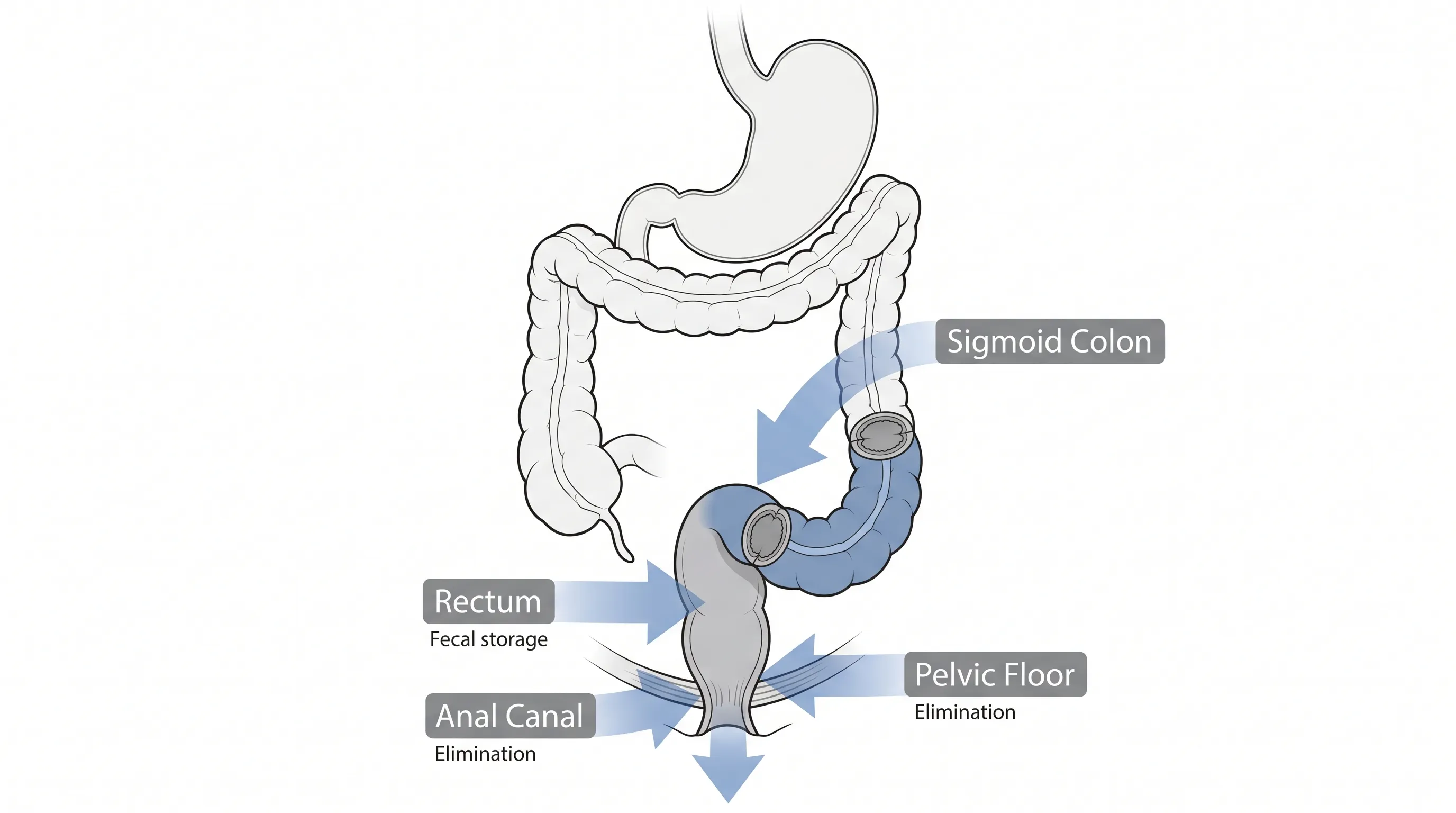
At its core, the rectum serves as a critical anatomical reservoir, storing stool until voluntary evacuation occurs. When disease processes compromise this region, surgical intervention becomes necessary to remove affected tissue, prevent systemic complications, and restore physiological equilibrium. The decision to proceed with surgery is never made in isolation; it requires a multidisciplinary evaluation involving colorectal surgeons, medical oncologists, radiation specialists, and gastroenterologists.
Free calculatorWater Intake CalculatorCalculate daily water needsOpen the calculatorPrimary Types of Surgical Intervention
The specific operative plan depends heavily on disease location, tumor staging, sphincter proximity, and underlying pathology. Surgeons generally categorize these procedures into three distinct approaches:
- Low Anterior Resection (LAR): This technique removes the diseased portion of the rectum while preserving the anal sphincter. The remaining healthy colon is meticulously reconnected to the residual rectum or upper anal canal. A protective diverting ileostomy may be temporarily created to allow the surgical connection to heal safely before reversal.
- Abdominoperineal Resection (APR): Reserved for very low-lying tumors where preserving sphincter function would compromise cancer control, this procedure removes the entire rectum, anus, and surrounding sphincter muscles. Because bowel continuity cannot be restored, a permanent end colostomy is fashioned on the abdominal wall.
- Total Proctocolectomy: This comprehensive approach removes the entire colon and rectum, typically indicated for diffuse inflammatory bowel disease or hereditary polyposis syndromes. Surgeons frequently construct an ileal pouch-anal anastomosis (IPAA), commonly known as a J-pouch, which uses a segment of the small intestine to create an internal reservoir, preserving near-normal bowel habits without an external bag.
When Is Surgery Medically Necessary?
The clinical indications are well-defined and align with strict guideline criteria. Rectal adenocarcinoma remains the predominant reason for intervention, particularly when tumors do not respond adequately to initial chemoradiation. Beyond malignancy, severe ulcerative colitis that progresses to dysplasia or becomes refractory to biologic therapies necessitates surgical management to eliminate cancer risk and restore health. Crohn’s disease with destructive perianal or rectal complications, familial adenomatous polyposis carrying near-100% malignant transformation risk, irreducible rectal prolapse, and significant radiation-induced strictures or fistulas all represent valid indications. Careful patient selection ensures that the benefits of surgical resection consistently outweigh the procedural risks.
The Science Behind Modern Surgical Techniques
Rectal surgery has undergone a profound paradigm shift since the early 1980s, transitioning from radical, function-compromising excisions to precision oncology that respects neurovascular anatomy. Understanding the technical foundations helps patients appreciate why specialized training and high-volume surgical centers yield superior outcomes.
Total Mesorectal Excision and the Surgical "Holy Plane"
The gold standard for rectal cancer removal is total mesorectal excision (TME). Developed by pioneering surgeons like Dr. Bill Heald, TME involves sharp, en bloc dissection within a precise avascular fascial plane that envelops the rectum and its lymphatic drainage basin. This fascial boundary, often referred to as the "holy plane," allows surgeons to remove the rectum along with its surrounding mesorectal fat and lymph nodes in one intact specimen. By maintaining this precise dissection corridor, surgeons dramatically reduce positive circumferential margins, lower local recurrence rates, and preserve the delicate autonomic nerves responsible for bladder and sexual function. Meticulous attention to the pelvic sidewalls, sacral promontory, and anterior Denonvilliers fascia ensures oncological radicalism without unnecessary collateral damage.
Minimally Invasive and Robotic Approaches
While traditional open surgery through a large midline abdominal incision remains appropriate for select complex cases, the vast majority of procedures now utilize advanced visualization technologies. Laparoscopic proctectomy relies on multiple small port incisions, a high-definition camera, and specialized articulating instruments to perform identical oncological dissections with significantly less abdominal wall trauma. Robotic-assisted platforms elevate this further by providing three-dimensional magnification, tremor filtration, and wristed instruments that mimic human hand dexterity but exceed it in range of motion. This technological advantage proves particularly valuable in the narrow confines of the male or obese pelvis, where precise nerve identification and sphincter-sparing dissection demand sub-millimeter accuracy. For highly selected early-stage lesions, transanal minimally invasive surgery (TAMIS) offers an even less invasive route, accessing the tumor through the anal canal using specialized endoscopic equipment, though strict oncological criteria must be met.
Preoperative Preparation and Neoadjuvant Strategies
Surgical success is determined long before the operating room. A structured prehabilitation phase optimizes physiological reserves, reduces surgical stress, and aligns expectations. For malignant indications, the treatment sequence typically integrates systemic therapy before operative intervention.
Chemoradiation and Downstaging Protocols
Locally advanced rectal cancers (Stage II and III) benefit substantially from neoadjuvant therapy. The landmark trials established by Sauer and Kapiteijn demonstrated that preoperative chemoradiation or short-course radiotherapy followed by TME significantly improves local control and sphincter preservation rates compared to postoperative regimens. Modern protocols often incorporate total neoadjuvant therapy (TNT), delivering all planned chemotherapy and radiation before surgery. This approach treats micrometastatic disease early, increases the likelihood of achieving a complete clinical response, and may even allow select patients to pursue a carefully monitored "watch-and-wait" strategy if no residual disease is detectable, though surgical consultation remains mandatory for candidacy determination.
Physiological Optimization and Prehabilitation
Patients undergo comprehensive cardiac, pulmonary, and nutritional assessments. Malnutrition is a major risk factor for anastomotic leakage and delayed healing, so registered dietitians frequently prescribe high-protein supplementation and micronutrient optimization. Smoking cessation is non-negotiable, as nicotine impairs microvascular circulation and tissue oxygenation. Structured prehabilitation programs incorporate moderate aerobic exercise, inspiratory muscle training, and pelvic floor education. Psychological counseling addresses anxiety, depression, and ostomy-related concerns, recognizing that mental resilience directly influences postoperative recovery trajectories. Bowel preparation protocols are tailored to surgical type, often utilizing mechanical laxatives and targeted oral antibiotics to reduce bacterial load and lower infection risk.
Navigating the Recovery Timeline
Recovery from a proctectomy follows a predictable but individualized trajectory. Enhanced Recovery After Surgery (ERAS) pathways have standardized care across institutions, emphasizing multimodal pain control, early mobilization, and rapid nutritional advancement. Understanding the phased milestones empowers patients to recognize normal healing versus warning signs requiring intervention.
Immediate Postoperative Period (Days 1–5)
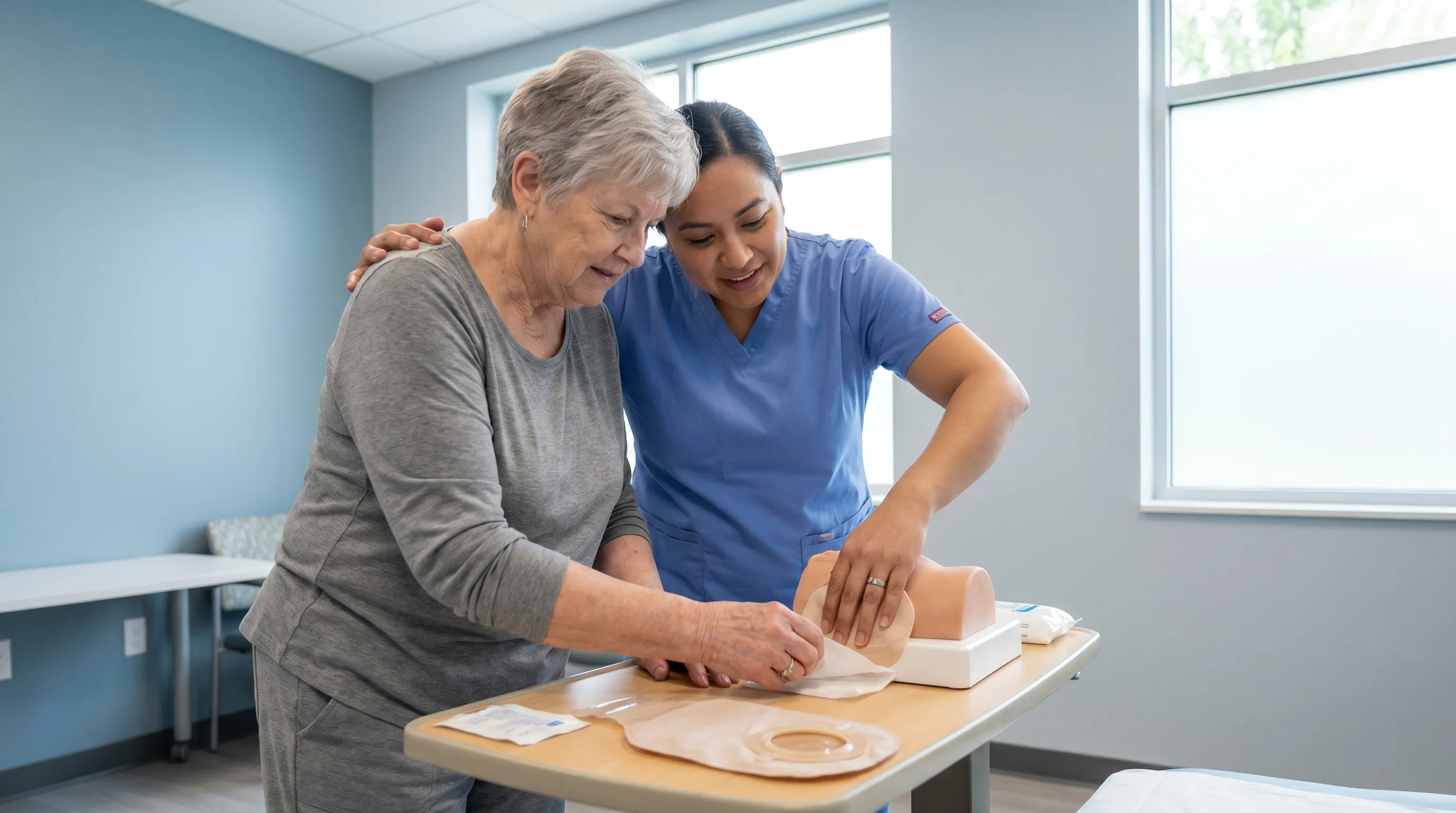
The initial hospital stay typically ranges from three to seven days, depending on surgical complexity and patient baseline health. Epidural analgesia or regional blocks control pain more effectively than systemic opioids alone, minimizing ileus and sedation. Nurses monitor vital signs, fluid balance, and drain outputs closely. Patients begin sitting upright within 24 hours, progress to ambulating hallways on day two, and gradually transition from clear liquids to soft, easily digestible meals. Early ambulation activates diaphragmatic breathing, reduces atelectasis risk, and stimulates return of gastrointestinal peristalsis. Stoma education begins immediately, with enterostomal therapists demonstrating pouching techniques, skin barrier application, and odor management.
Early Convalescence (Weeks 1–6)
Home recovery demands structured pacing. Pain management shifts to scheduled acetaminophen, NSAIDs if appropriate, and short-acting breakthrough medications. Wound care focuses on keeping incisions clean and dry, recognizing that minor drainage or localized erythema is often normal inflammatory response. Bowel habits begin to reorganize. Patients with ileostomies or colostomies learn to monitor output consistency and volume, adjusting oral rehydration solutions to prevent dehydration. Dietary progression introduces low-residue, easily fermentable foods. Fatigue peaks during weeks two and three as the body redirects energy toward tissue remodeling. Light household tasks are permissible, but lifting restrictions of 10–15 pounds remain strictly enforced to protect abdominal wall integrity and prevent incisional hernias.
Intermediate Rehabilitation (Months 2–3)
By this phase, most patients return to sedentary employment and resume driving once off opioid analgesics and capable of emergency braking. Adjuvant chemotherapy may commence during this window, coordinated closely with surgical and oncology teams. Bowel frequency typically stabilizes, though urgency and clustering may persist. Pelvic floor physical therapy becomes invaluable at this stage, teaching coordinated contraction, diaphragmatic breathing, and biofeedback techniques that retrain sphincteric control. Gradual reintroduction of moderate exercise, including walking programs, stationary cycling, and gentle resistance training, supports cardiovascular health, preserves lean muscle mass, and combats treatment-related fatigue.
Long-Term Adaptation (Months 6–12 and Beyond)
Full physiological maturation takes up to two years. Nerve regeneration, scar remodeling, and pelvic floor conditioning continue slowly. Most patients report substantial quality-of-life improvements as disease anxiety dissipates and new routines solidify. Surveillance colonoscopies, tumor marker testing, and pelvic imaging follow standardized oncological schedules. Ongoing dietary personalization, psychological support, and sexual health counseling ensure holistic recovery. Patients are encouraged to join survivorship networks, where shared experiences normalize ongoing challenges and celebrate milestones.
Managing Life After Surgery: Bowel Function and Quality of Life
Altered gastrointestinal anatomy necessitates lifelong awareness, but it does not dictate diminished life satisfaction. Proactive management of functional changes preserves independence and dignity.
Understanding and Managing LARS
Low anterior resection syndrome represents the most common functional sequela following sphincter-preserving surgery. The neorectum, created from colon tissue, lacks the innate compliance and storage capacity of native rectal mucosa. This anatomical reality manifests as frequent, small-volume stools, urgency, fragmentation, and occasional incontinence. The LARS score helps clinicians quantify severity. Management is highly individualized: dietary fiber modulation (soluble fiber like psyllium absorbs excess fluid, while insoluble fiber adds bulk), scheduled toilet times leveraging the gastrocolic reflex, and medications like loperamide or codeine reduce transit speed. Transanal irrigation systems and neuromodulation devices offer refractory cases meaningful improvement. Patience and pelvic floor retraining yield substantial gains over 12–18 months.
Stoma Care and Skin Integrity
For patients with permanent or temporary ostomies, modern pouching systems provide discreet, odor-free containment. WOCN-certified nurses teach critical skills: accurate wafer sizing, proper adhesive application, and early recognition of peristomal dermatitis or fungal infections. Output management involves consistent hydration monitoring, especially with ileostomies that excrete sodium and bicarbonate-rich fluid. Dietary experimentation identifies trigger foods like high-sulfur items, carbonated beverages, or excessive simple sugars. Showering, swimming, and intimate activities are fully compatible with modern ostomy supplies, and specialized support garments provide comfort and confidence.
Preserving Sexual and Urinary Function
Pelvic dissection places autonomic nerve plexuses at risk. Contemporary nerve-sparing techniques meticulously preserve the hypogastric nerves, pelvic plexus, and cavernous nerves during anterior and lateral dissection. Despite optimal technique, temporary neuropraxia or mild dysfunction may occur, presenting as erectile difficulties, reduced lubrication, delayed ejaculation, or urinary hesitancy. Most cases resolve gradually as edema subsides and nerves recover. Urologists and sexual medicine specialists offer phosphodiesterase inhibitors, vacuum devices, pelvic floor electrostimulation, and vaginal dilators when necessary. Open communication with partners and professional counseling significantly improve emotional intimacy and relationship resilience during recovery.
Nutritional Optimization and Hydration Strategies
Postoperative nutrition transitions from healing-focused to maintenance-focused. Small, frequent meals prevent early satiety and dumping syndromes. Prioritizing lean proteins, healthy fats, and complex carbohydrates supports sustained energy. Soluble fiber regulates stool consistency, while probiotic-rich foods may support microbiome restoration. Caffeine and alcohol moderation prevents bladder irritation and dehydration. Electrolyte monitoring remains crucial for high-output stomas, with oral rehydration salts or broths preventing deficiency symptoms like muscle cramps or orthostatic hypotension. Dietitians provide personalized plans addressing lactose intolerance, bile acid malabsorption, or fat-soluble vitamin needs.
Complications to Monitor and When to Seek Care
Despite meticulous technique, major gastrointestinal surgery carries inherent risks. Early recognition transforms potential emergencies into manageable events.
Common Postoperative Complications
The table below outlines frequently encountered complications, their clinical presentation, and evidence-based management strategies.
| Complication | Typical Onset | Clinical Signs | Management Approach |
|---|---|---|---|
| Anastomotic Leak | Days 3–7 post-op | Fever, tachycardia, pelvic/abdominal pain, foul drainage, leukocytosis | Immediate imaging (CT with contrast), broad-spectrum antibiotics, percutaneous drainage, possible surgical revision |
| Surgical Site Infection | Days 5–14 | Erythema, purulent drainage, localized warmth, increased pain | Wound culture, targeted antibiotics, open dressing care, possible incision and drainage |
| Bowel Obstruction/Ileus | Days 2–5 or months later | Nausea, vomiting, abdominal distension, absent bowel sounds, inability to pass gas/stool | NPO status, nasogastric decompression, IV hydration, electrolyte correction, surgical evaluation if adhesive |
| Deep Vein Thrombosis | Weeks 1–4 | Unilateral leg swelling, calf pain, warmth, redness | Prophylactic compression stockings, LMWH prophylaxis, diagnostic ultrasound, therapeutic anticoagulation if confirmed |
| Urinary Retention | Immediate post-op | Difficulty voiding, suprapubic fullness, high post-void residual | Temporary catheterization, alpha-blocker therapy, bladder training, urology consultation |
| Stoma Ischemia/Necrosis | First 48–72 hours | Dusky purple/black stoma mucosa, foul odor, lack of bleeding on gentle touch | Emergency surgical reassessment, possible stoma revision or relocation |
Red flags requiring immediate emergency evaluation include persistent fever above 101.5°F (38.6°C), uncontrollable abdominal pain, inability to keep fluids down, complete cessation of ostomy output for over 12 hours with bloating, chest pain, shortness of breath, or sudden unilateral leg swelling. Proactive communication with the surgical team prevents complications from escalating.
Outcomes, Survival Statistics, and Long-Term Surveillance
Oncological outcomes for rectal malignancies have improved dramatically with standardized TME technique and multimodal therapy. According to data compiled by major oncological organizations including the National Cancer Institute and American Cancer Society, five-year survival rates correlate strongly with staging at diagnosis. Stage I disease exceeds 90% survival, Stage II ranges from 70% to 85%, and Stage III achieves 50% to 75% with contemporary chemoradiation and surgery protocols. Metastatic Stage IV disease requires systemic therapy approaches, with survival hovering around 15%, though molecular profiling and immunotherapy for mismatch repair-deficient tumors continue to expand horizons.
Local recurrence rates have plummeted from historical 20–30% to under 10% at specialized centers practicing standardized TME and utilizing neoadjuvant protocols. This success stems from meticulous surgical technique, pathological specimen grading, and rigorous surveillance. Follow-up care involves scheduled physical examinations, carcinoembryonic antigen (CEA) testing every three to six months for the first two years, annual CT scans, and colonoscopy at one year post-resection to monitor for metachronous lesions.
Quality of life metrics consistently show that patients recover baseline or improved functioning within 12–24 months. Initial bowel alterations and adjustment periods gradually stabilize. Psychological support groups, pelvic floor rehabilitation, and sexual health counseling ensure that survivors thrive rather than merely survive. The integration of survivorship care plans into routine oncology follow-up addresses late effects, cardiovascular health, bone density preservation, and secondary cancer screening.
Frequently Asked Questions
What is the difference between a proctectomy and a colectomy?
A proctectomy specifically removes part or all of the rectum, while a colectomy removes a portion or the entirety of the colon. These procedures are frequently combined into a single operation, such as a total proctocolectomy, depending on the location and extent of the disease.
Will I need a permanent colostomy after surgery?
Not always. Whether a permanent colostomy is required depends on the surgical technique and tumor location. Low anterior resection preserves bowel continuity, while an abdominoperineal resection typically requires a permanent colostomy. Temporary ostomies are often created to protect healing anastomoses and reversed later.
How long does full recovery take after a proctectomy?
Initial recovery typically spans 6 to 8 weeks, allowing patients to resume most daily activities. However, complete physiological adaptation, including optimal bowel control and pelvic floor strength, can take 12 to 24 months. Multidisciplinary follow-up and pelvic rehabilitation significantly accelerate this timeline.
What is Low Anterior Resection Syndrome (LARS)?
LARS is a common cluster of symptoms following rectal preservation surgery. It includes increased bowel movement frequency, urgency, fragmented bowel habits, and occasional incontinence. It occurs because the rectum's natural storage capacity is altered. Dietary management, pelvic floor therapy, and targeted medications effectively manage most cases.
Can I return to work and normal physical activity after surgery?
Yes, most patients return to light or desk work within 4 to 6 weeks and resume heavier physical labor or exercise by 8 to 12 weeks. Gradual progression, core strengthening, and avoiding heavy lifting initially are critical to prevent hernias and support abdominal wall healing.
Conclusion
A proctectomy represents a profound medical intervention that balances disease eradication with functional preservation. Modern surgical standards, grounded in total mesorectal excision, minimally invasive platforms, and multimodal therapy, deliver exceptional oncological control while minimizing long-term morbidity. Recovery demands patience, structured rehabilitation, and proactive management of altered bowel habits, stoma care, and pelvic floor function. With comprehensive preoperative preparation, enhanced recovery protocols, and dedicated survivorship care, patients consistently achieve meaningful quality-of-life restoration. Engaging with board-certified colorectal specialists, registered dietitians, pelvic floor therapists, and certified ostomy nurses ensures a supported, informed journey. For ongoing clinical guidance and patient resources, consult the National Cancer Institute, Mayo Clinic, Cleveland Clinic, and American Cancer Society. Surgical innovation continues to refine techniques, and emerging research into nerve preservation, immunotherapy, and personalized rehabilitation promises even brighter outcomes for future patients navigating this transformative procedure.
How we work
Researched and drafted with AI assistance, then reviewed by a human editor against the cited sources.
This article is general health information, not medical advice. Consult a qualified healthcare professional about your own situation.