Gluten Free Protein Drinks: Science, Selection, and Daily Optimization

Navigating the modern supplement aisle can feel overwhelming, especially when dietary restrictions intersect with performance nutrition goals. For millions of individuals managing celiac disease, non-celiac gluten sensitivity, or wheat allergies, finding safe, effective protein supplementation requires more than just reading the front label. The market is saturated with products claiming to support digestion, recovery, and daily wellness, yet not all formulations meet the stringent standards necessary to prevent adverse gastrointestinal reactions. Understanding how gluten intersects with protein metabolism, how to decode complex ingredient lists, and which certifications actually guarantee safety forms the foundation of informed supplementation. Whether you are recovering from athletic training, supporting a clinical dietary protocol, or simply optimizing daily macronutrient intake, selecting high-quality gluten free protein drinks demands attention to sourcing, processing methods, and independent testing protocols. This comprehensive guide explores the science behind gluten-free supplementation, breaks down ingredient categories, explains certification standards, and provides actionable strategies for integrating these products into your daily routine safely and effectively. By the end of this resource, you will possess the clinical knowledge and practical frameworks needed to make confident purchasing decisions and maximize nutritional outcomes.
The Science of Gluten and Protein Metabolism
What Is Gluten and How Does It Affect the Digestive System?
Gluten refers to a family of storage proteins found in wheat, barley, rye, and their hybrid grains, primarily composed of gliadin and glutenin. In individuals with celiac disease, ingestion of even trace amounts triggers an autoimmune response that damages the villi lining the small intestine, impairing nutrient absorption. For those with non-celiac gluten sensitivity or wheat allergy, gluten exposure can provoke systemic inflammation, bloating, fatigue, and neurological symptoms without the autoimmune villous atrophy characteristic of celiac disease. The protein structure of gluten is highly resistant to complete enzymatic breakdown in the human digestive tract, meaning partially digested peptides can interact with immune cells in the gut mucosa. This interaction is why gluten avoidance remains a medical necessity rather than a lifestyle preference for certain populations. When evaluating protein supplementation, understanding that gluten is fundamentally a grain-derived protein helps clarify why dairy, egg, legume, and seed-based protein sources are naturally free from gluten. However, manufacturing practices often introduce cross-contact, which is why processing transparency becomes critical.
Free calculatorTDEE CalculatorCalculate Total Daily Energy ExpenditureOpen the calculatorWhy Protein Supplementation Matters for Gluten-Free Diets
Individuals following strict gluten-free protocols frequently encounter nutritional gaps, particularly in iron, B vitamins, fiber, and complete proteins. Whole grains are commonly removed without adequate substitution, leading to reduced dietary protein intake over time. Protein plays a foundational role in tissue repair, enzyme synthesis, immune modulation, and hormonal balance. Clinical research consistently demonstrates that inadequate protein intake delays recovery, compromises muscle maintenance, and weakens metabolic resilience. For those relying on rice, corn, or potato-based gluten-free staples, the amino acid profile is often incomplete, lacking sufficient lysine, methionine, or tryptophan. Incorporating gluten free protein drinks bridges this nutritional deficit efficiently. These beverages deliver concentrated, bioavailable amino acids without triggering gastrointestinal distress, allowing the gut lining time to heal while supporting daily physiological demands. Strategic protein timing post-exercise or between meals further enhances metabolic efficiency, making supplementation a clinically relevant intervention rather than merely a convenience.
Gut Health and the Microbiome Connection
The human gut microbiome consists of trillions of microorganisms that influence nutrient extraction, immune regulation, and barrier integrity. Chronic gluten exposure in susceptible individuals disrupts microbial diversity, promoting pro-inflammatory pathways and reducing beneficial bacterial populations like Bifidobacterium and Lactobacillus. Transitioning to a certified gluten-free regimen, supplemented with high-quality protein sources, has been shown to gradually restore microbial balance. Protein itself provides nitrogenous compounds that certain commensal bacteria utilize to produce short-chain fatty acids, which nourish colonocytes and strengthen tight junctions between intestinal cells. When selecting gluten free protein drinks, opting for formulations that include prebiotic fibers, digestive enzymes, or probiotic spores can synergistically support microbiome recovery. Evidence from peer-reviewed gastroenterology journals indicates that patients who combine gluten elimination with targeted nutritional support experience faster symptom resolution and improved mucosal healing compared to those using dietary restriction alone.
Understanding the Composition of Gluten Free Protein Drinks
Defining the Product Category
Gluten free protein drinks encompass a broad spectrum of liquid or powder-based nutritional products formulated without wheat, barley, rye, or cross-contact derivatives. They are typically classified by protein source, processing method, and functional additives. The most common categories include whey protein isolate, plant-based blends (pea, rice, hemp, pumpkin seed), collagen peptides, and egg white derivatives. Each category offers distinct absorption rates, amino acid profiles, and digestive tolerability. Unlike standard protein shakes, gluten-free variants undergo stringent raw material screening and dedicated manufacturing lines to eliminate gluten traces. Consumers must recognize that 'natural' or 'clean label' marketing does not automatically guarantee gluten-free status. Only products bearing third-party certification or explicitly stating gluten-free processing protocols meet medical safety standards for sensitive individuals.
Nutritional Bioavailability and Amino Acid Profiles
Bioavailability refers to the proportion of ingested protein that reaches systemic circulation intact and becomes available for tissue utilization. Whey protein isolate demonstrates the highest bioavailability (often exceeding 90%), followed by egg white protein, then plant-based blends. The leucine threshold for stimulating muscle protein synthesis hovers around 2.5 to 3 grams per serving, which high-quality gluten free protein drinks easily exceed. Plant proteins traditionally lack complete amino acid profiles but modern blending techniques combine complementary sources to achieve PDCAAS (Protein Digestibility Corrected Amino Acid Score) ratings approaching 1.0. For individuals managing celiac disease, rapid digestion is crucial because compromised villi initially struggle with complex nutrient breakdown. Hydrolyzed or pre-digested protein powders break peptide bonds before ingestion, reducing enzymatic workload and minimizing post-consumption discomfort. Reading clinical nutrition studies reveals that consistent intake of easily assimilable protein accelerates intestinal repair and supports lean mass preservation during dietary transitions.
Plant-Based vs. Dairy-Derived Formulations
The choice between plant and dairy proteins depends heavily on digestive tolerance, ethical preferences, and fitness objectives. Whey isolate undergoes microfiltration to remove lactose and fat, making it virtually lactose-free and highly compatible with most gluten-sensitive individuals who also tolerate dairy well. Conversely, plant-based blends rely on mechanical separation, fermentation, or enzymatic processing to extract protein from legumes and seeds. These formulations naturally align with vegan diets and often contain higher fiber content, which can support regularity but may cause temporary bloating in newly transitioned individuals. Some gluten free protein drinks combine both categories to balance absorption speed with sustained amino acid release. Understanding your baseline digestive capacity, allergy history, and metabolic response guides optimal selection. Clinical trials comparing whey and pea protein demonstrate comparable hypertrophy outcomes when protein intake and resistance training are controlled, indicating that source matters less than consistency, dosage, and total daily protein distribution.
How to Evaluate Ingredients and Third-Party Certifications
GFCO, NSF Certified for Sport, and Testing Protocols
Not all gluten-free labels are created equal. Understanding current gluten-free standards helps clarify regulatory thresholds, as the FDA requires less than 20 ppm for packaged foods labeled gluten-free, but dietary supplements fall under slightly different enforcement frameworks, creating variability in compliance. Reputable manufacturers seek independent verification through organizations like the Gluten-Free Certification Organization (GFCO), which mandates testing at 10 ppm or lower, facility audits, and annual product verification. NSF Certified for Sport adds another layer, confirming the absence of banned substances, heavy metals, and undeclared allergens. When reviewing gluten free protein drinks, prioritize products displaying these certification marks alongside transparent testing documentation. Relying solely on manufacturer claims without third-party validation increases the risk of accidental exposure. Clinical guidelines recommend consulting certified databases and verifying batch-specific lab reports, especially for individuals with severe celiac disease where microscopic gluten fragments can trigger symptom recurrence.
Hidden Sources of Gluten in Supplement Formulas
Gluten rarely appears as wheat flour in protein powders, yet it infiltrates formulations through thickeners, flavoring agents, and anti-caking compounds. Identifying hidden sources of gluten is crucial for safe supplementation. Maltodextrin, when derived from wheat, may retain gluten peptides unless highly refined. Modified food starch, natural flavors, and caramel color sometimes originate from gluten-containing grains. Even oat-based protein additions must be certified gluten-free due to cross-contact during field growth and milling. Reading ingredient panels requires attention to source origin and processing notes. Phrases like 'processed in a shared facility' or 'may contain wheat' signal unverified manufacturing environments. Medical nutritionists advise maintaining a running log of tolerated brands, noting ingredient changes, and rotating between certified manufacturers to minimize long-term exposure risks. Cross-referencing formulations with databases like https://www.celiac.org/gluten-free-living/diet/ ensures alignment with established safety thresholds.
Sweeteners, Emulsifiers, and Digestive Tolerance
Sugar alcohols, artificial sweeteners, and synthetic gums frequently appear in protein drinks to improve texture and palatability. Understanding the digestive tolerance for ingredients like xylitol, sorbitol, and maltitol is important, as they can trigger osmotic diarrhea and gas, particularly in individuals recovering from gluten-induced enteropathy. Natural alternatives like stevia, monk fruit extract, and erythritol offer lower gastrointestinal irritation profiles but still vary by individual tolerance. Emulsifiers such as xanthan gum and guar gum stabilize liquid formulations but may exacerbate bloating during gut healing phases. Opt for minimally processed gluten free protein drinks with transparent ingredient lists, avoiding unnecessary additives that complicate digestive adaptation. Peer-reviewed gastroenterology research suggests that simple formulations with whole-food flavorings and minimal stabilizers yield higher compliance rates and fewer adverse reactions over extended supplementation periods. Tracking personal responses over two to four weeks establishes baseline tolerance before adjusting product selection.
Practical Guidelines for Choosing the Right Product
Matching Protein Types to Fitness and Health Goals
Different physiological objectives require distinct protein kinetics. Optimizing muscle recovery post-workout benefits from rapidly digestible sources like whey isolate or hydrolyzed pea protein, which spike blood amino acid levels within thirty minutes. Overnight muscle preservation responds better to slow-release proteins like casein or hemp-based blends, which maintain steady amino acid delivery during fasting periods. For individuals focusing on digestive rehabilitation, hydrolyzed collagen or pre-digested plant proteins reduce enzymatic demand while supplying structural amino acids like glycine and proline. Aligning your gluten free protein drinks with circadian metabolic rhythms and training schedules maximizes utilization efficiency. Clinical sports nutrition protocols emphasize distributing 0.25 to 0.4 grams of protein per kilogram of body weight across three to five daily feedings, making strategic supplementation essential for consistent progress.
Dietary Restrictions and Cross-Allergy Verification
Gluten sensitivity frequently coexists with dairy intolerance, soy allergy, or egg hypersensitivity. Reading allergen statements extends beyond gluten verification. Individuals with multiple food sensitivities should prioritize single-source proteins or extensively tested blends that disclose cross-contamination safeguards. Sunflower lecithin replaces soy lecithin in many modern formulations, while coconut-derived MCT powder substitutes dairy-based creamers. Always verify that flavoring systems avoid natural extracts derived from gluten-containing substrates. Maintaining an updated allergy matrix helps filter incompatible products before purchase. Registered dietitians recommend introducing one new protein product at a time, monitoring symptoms for ten to fourteen days, and documenting tolerance markers before integrating it into a long-term supplementation strategy.
Cost-Effectiveness and Long-Term Supplementation Sustainability
Premium certification, rigorous testing, and transparent sourcing increase manufacturing costs, but they also reduce long-term medical complications and unnecessary product cycling. Evaluating cost per serving rather than container price provides accurate budget forecasting. Subscription models, bulk powder formats, and multi-pack discounts improve affordability without compromising quality. Avoid chasing marketing trends or limited-edition flavors that lack clinical validation. Sustainable supplementation relies on consistency, not novelty. Financial planning for monthly protein intake prevents erratic purchasing patterns that disrupt nutritional balance. When calculating return on investment, factor in reduced digestive distress, improved training adherence, and faster recovery timelines, which collectively offset higher upfront costs.
| Protein Source | Gluten-Free Status | Amino Acid Completeness | Absorption Speed | Best Clinical Use Case |
|---|---|---|---|---|
| Whey Protein Isolate | Naturally free (verify certification) | Complete (9 essential AA) | Rapid (30-60 min) | Post-workout recovery, lean mass preservation |
| Pea Protein Concentrate | Naturally free | Nearly complete (low methionine) | Moderate (1-2 hrs) | Vegan diets, dairy intolerance |
| Hemp Seed Protein | Naturally free | Nearly complete (low lysine) | Moderate to slow | Gut healing, omega-3 supplementation |
| Hydrolyzed Collagen | Naturally free | Incomplete (lacks tryptophan) | Very rapid (15-30 min) | Joint support, intestinal barrier repair |
| Soy Protein Isolate | Naturally free (verify processing) | Complete | Moderate | Vegetarian muscle maintenance |
Crafting Your Own Gluten Free Protein Drinks at Home
Base Liquid Selection and Hydration Synergy
The liquid component determines absorption rate, electrolyte balance, and overall digestive comfort. Almond milk, oat milk (certified gluten-free), coconut water, and filtered dairy milk serve as excellent carriers. Coconut water naturally replenishes potassium and sodium lost during training, enhancing muscle rehydration. Oat milk provides beta-glucan fiber that supports bile acid metabolism and cholesterol clearance, provided it carries a gluten-free certification due to agricultural cross-contact. Water remains the simplest option for individuals prioritizing rapid digestion without caloric density. Mixing your base with electrolyte minerals or a pinch of sea salt improves cellular hydration, particularly in warm climates or during endurance training phases. Understanding osmolarity principles ensures your homemade blends deliver nutrients efficiently without causing gastrointestinal fluid shifts that trigger cramping or bloating.
High-Quality Protein Powder Integration Techniques
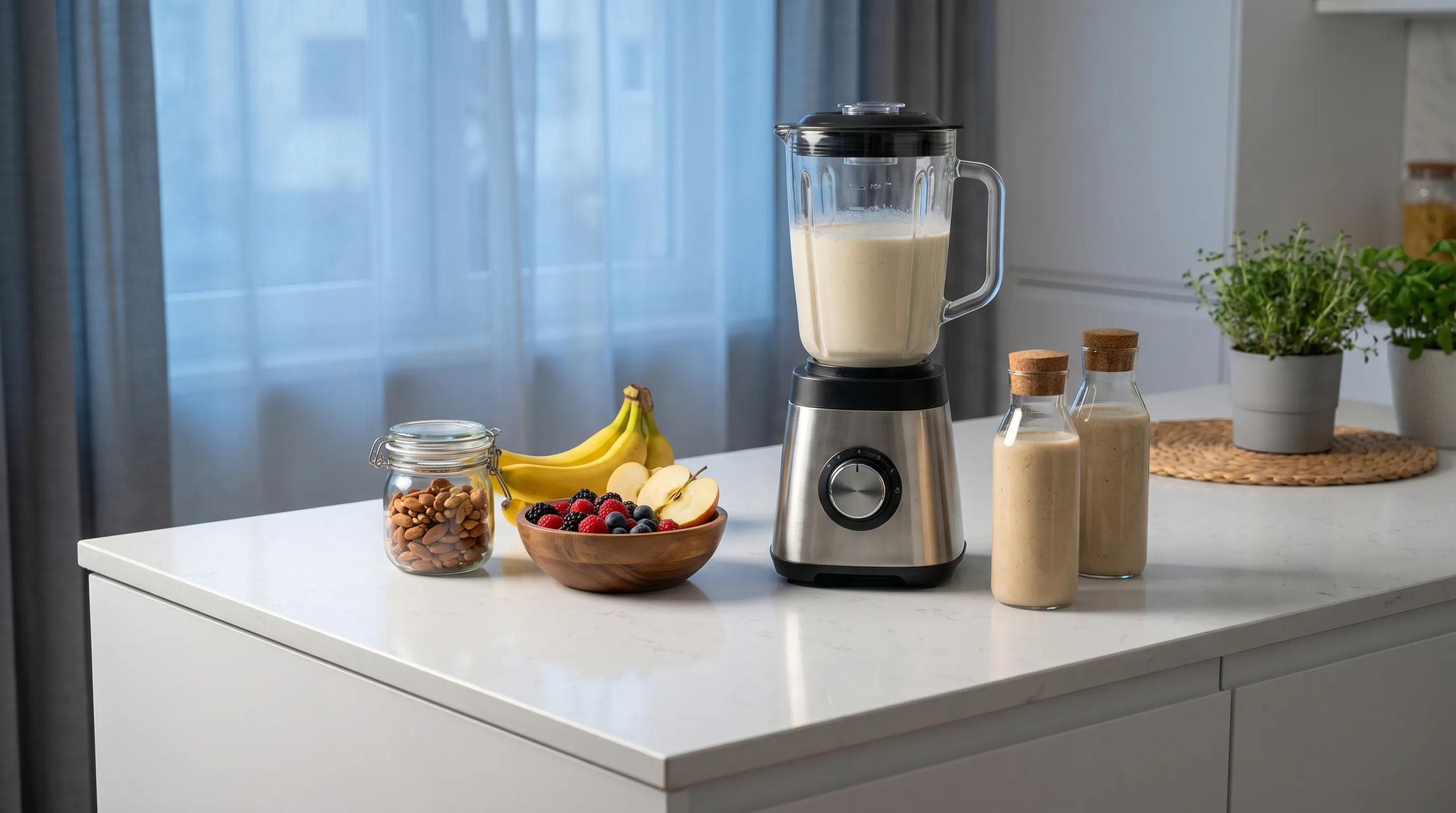
Adding protein powder to liquids requires proper blending mechanics to prevent clumping, uneven mixing, and inconsistent dosing. The 'liquid first, powder second' method creates a vortex that disperses particles uniformly. Using a shaker bottle with a wire whisk ball or a high-speed blender yields smoother textures. For heat-sensitive nutrients like probiotics or vitamin C blends, avoid blending with hot liquids, as temperatures above 120°F degrade active compounds. If you notice consistent separation, incorporating a small amount of soluble fiber like psyllium husk or chia seeds stabilizes emulsification while adding prebiotic benefits. Always measure powder using the provided scoop rather than estimating, ensuring accurate amino acid delivery and preventing excessive intake that stresses renal filtration pathways.
Nutrient-Boosting Additions and Recipe Templates
Transforming basic protein shakes into functional meals requires strategic macronutrient layering and phytonutrient inclusion. Adding half a banana, frozen berries, or spinach increases potassium, antioxidants, and soluble fiber without spiking insulin responses. Incorporating one tablespoon of almond butter, sunflower seeds, or flax oil introduces healthy fats that slow digestion and prolong satiety. For individuals focusing on mitochondrial health and cellular repair, adding a teaspoon of cocoa powder, maca root, or spirulina provides trace minerals and adaptogenic compounds. Consistency in recipe templates allows predictable nutrient tracking and digestive adaptation. Clinical nutrition guidelines recommend consuming 20 to 40 grams of high-quality protein per serving, paired with 30 to 50 grams of complex carbohydrates during the post-exercise anabolic window for optimal glycogen replenishment and muscle protein synthesis.
Common Pitfalls, Myths, and Medical Considerations
The 'Gluten-Free Equals Healthier' Misconception
Marketing frequently equates gluten-free status with overall nutritional superiority, which lacks scientific backing. Many gluten-free products contain higher sugar content, refined starches, and fewer fiber sources than their conventional counterparts. Removing gluten does not automatically improve metabolic health if replacement calories derive from processed ingredients. Evaluating gluten free protein drinks requires analyzing complete macronutrient profiles, micronutrient density, and additive load rather than relying on single-label claims. Peer-reviewed dietary studies consistently show that whole-food-based nutrition, combined with targeted supplementation, yields superior clinical outcomes compared to processed gluten-free alternatives. Focus on ingredient transparency, protein quality, and independent verification rather than trend-driven branding.
Digestive Adaptation and the Transition Period
Shifting from whole-food protein sources to concentrated powders introduces a temporary adaptation phase, particularly for individuals with compromised villi or dysbiosis. Initial bloating, mild nausea, or altered bowel movements often reflect gut microbiome recalibration rather than product intolerance. Gradually increasing serving size over seven to ten days allows enzymatic pathways and bacterial populations to adjust. Pairing protein intake with digestive enzymes containing amylase, protease, and lipase accelerates adaptation. Staying hydrated, maintaining consistent meal timing, and avoiding concurrent high-fat or high-fiber meals during initial supplementation smooths the transition. If symptoms persist beyond two weeks or worsen, consult a gastroenterologist to rule out underlying malabsorption disorders or undiagnosed food hypersensitities.
When to Consult a Healthcare Provider
While over-the-counter protein supplementation remains generally safe, specific clinical scenarios warrant professional oversight. Individuals with chronic kidney disease, hepatic impairment, or unexplained metabolic disorders should verify protein tolerance through laboratory testing. Pregnant or lactating individuals require adjusted amino acid ratios and micronutrient co-factors that standard protein drinks may not provide. Anyone experiencing persistent abdominal pain, unexplained weight loss, or nutrient deficiency symptoms despite strict gluten-free adherence requires comprehensive evaluation to rule out microscopic colitis, pancreatic insufficiency, or refractory celiac disease. Integrating dietary supplements with medical treatment plans ensures safe, synergistic outcomes without compromising therapeutic protocols.
Frequently Asked Questions
What exactly qualifies a protein drink as truly gluten-free?
A product must contain fewer than 20 parts per million of gluten and undergo independent laboratory verification. Certification from organizations like GFCO or NSF ensures manufacturing environments prevent cross-contact and raw materials are sourced from verified gluten-free supply chains. Always look for explicit testing documentation rather than relying solely on packaging claims.
Can people with celiac disease safely consume whey-based protein shakes?
Yes, provided the whey undergoes rigorous microfiltration and originates from certified gluten-free facilities. Pure whey protein isolate naturally contains no gluten, but flavoring agents, processing aids, or shared equipment can introduce contamination. Verified third-party testing guarantees medical-grade safety for celiac patients.
Are gluten free protein drinks effective for muscle recovery?
Absolutely. High-quality formulations deliver complete essential amino acids that stimulate muscle protein synthesis, repair exercise-induced microtears, and reduce recovery time. Clinical evidence confirms that protein timing, dosage, and consistent intake directly correlate with improved strength metrics and lean mass retention.
How do I identify cross-contamination risks on supplement labels?
Scrutinize allergen warnings for phrases like 'manufactured in a shared facility' or 'may contain wheat.' Avoid products lacking third-party certification, as self-declared gluten-free status does not guarantee independent testing. Cross-reference ingredients with verified databases and contact manufacturers directly when processing details remain unclear.
Is it better to blend your own drinks or buy pre-mixed bottled versions?
Blending provides complete ingredient control, fresher nutrient profiles, and customizable macronutrient ratios without preservatives. Pre-mixed options offer convenience but often contain stabilizers, higher sodium, and diluted protein concentrations. Choose based on lifestyle demands, digestive tolerance, and precision nutrition goals.
Conclusion
Integrating safe, high-performance nutrition into a gluten-free lifestyle requires deliberate product selection, ingredient literacy, and ongoing self-monitoring. The proliferation of gluten free protein drinks offers unprecedented convenience for individuals managing celiac disease, non-celiac sensitivity, or general digestive wellness goals. By prioritizing third-party certification, understanding amino acid kinetics, avoiding unnecessary additives, and aligning supplementation with physiological demands, consumers can confidently navigate the supplement landscape. Clinical evidence consistently supports targeted protein intake as a cornerstone of tissue repair, metabolic stability, and long-term health optimization. Whether you blend your own formulations at home or rely on commercially verified powders, the principles remain constant: transparency matters, dosage consistency drives results, and gut health forms the foundation of nutrient absorption. Equip yourself with reliable knowledge, verify product credentials independently, and adjust formulations based on personal tolerance markers. When applied strategically, high-quality protein supplementation becomes a sustainable, medically sound practice that enhances daily vitality, supports physical performance, and reinforces digestive resilience.

How we work
Researched and drafted with AI assistance, then reviewed by a human editor against the cited sources.
This article is general health information, not medical advice. Consult a qualified healthcare professional about your own situation.