After Root Canal Headache: Causes, Relief Strategies, and When to Worry

Key points
- Mild to moderate throbbing: This is usually most intense in the first 24-48 hours and gradually decreases.
- Sensitivity to pressure: Biting down on the treated tooth may feel tender for a few days.
- Gum soreness: The gums around the tooth may be swollen or tender due to the rubber dam clamp or instrumentation.
- Temporary headache: A tension-type headache that responds well to over-the-counter pain medication and rest.
Undergoing a root canal is a significant dental procedure designed to save a severely damaged or infected tooth. While the primary goal is to alleviate the intense pain caused by pulp infection, many patients are surprised to experience a new type of discomfort afterward: a headache. An after root canal headache is a relatively common complaint that can range from a dull, persistent ache to a sharp, throbbing pain. Understanding why this happens, how long it lasts, and when it signals a problem is crucial for a smooth recovery.
The connection between oral health and head pain is complex, involving a network of nerves, muscles, and blood vessels that are intricately linked. When you undergo endodontic therapy, the trauma to the tissues, the effects of local anesthesia, and the physical strain of keeping your mouth open for an extended period can all contribute to cephalic pain. For many, this is a transient issue that resolves with simple home care. However, for others, it may indicate underlying issues such as temporomandibular joint (TMJ) strain or a lingering infection. This article provides a comprehensive, evidence-based guide to navigating post-root canal headaches, offering practical strategies for relief and clear guidelines on when to seek professional help.
Understanding the Link Between Dental Procedures and Headaches
To effectively manage an after root canal headache, it is essential to understand the physiological mechanisms at play. The head and neck region is densely populated with nerves, particularly the trigeminal nerve, which is the largest cranial nerve. This nerve has three branches that supply sensation to the face, including the teeth, jaws, and much of the scalp. Because of this extensive neural network, pain originating in the teeth or jaw can easily radiate to the head, resulting in what is known as referred pain. According to the National Institute of Dental and Craniofacial Research, understanding facial pain pathways is critical for diagnosing and treating oral health issues.
Free calculatorHeadache Location ChartIdentify headache types by locationOpen the calculatorDuring a root canal, the dentist removes the infected or inflamed pulp from inside the tooth. This process involves cleaning, shaping, and filling the root canals. While this eliminates the source of the original toothache, the procedure itself is a form of controlled trauma to the surrounding tissues. The body responds to this trauma with an inflammatory response, which is a natural part of the healing process. However, inflammation can put pressure on nearby nerves, leading to headaches. Furthermore, the psychological aspect of dental visits cannot be overlooked. Dental anxiety is widespread, and the stress associated with the procedure can lead to muscle tension in the neck, shoulders, and jaw, which are primary contributors to tension-type headaches.
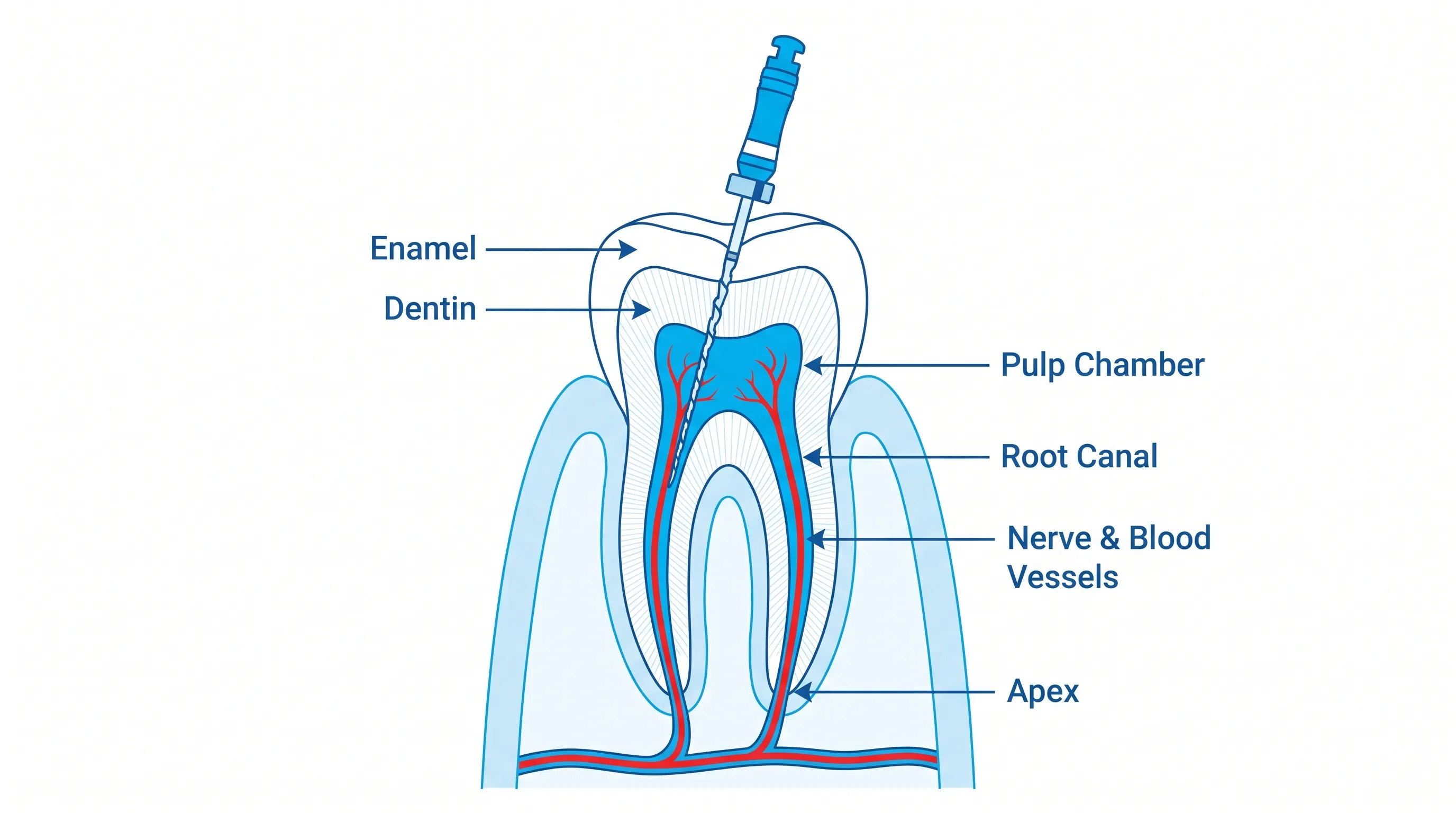
It is also important to differentiate between normal post-operative discomfort and signs of complications. Most patients experience some level of soreness for a few days. This is typically manageable with over-the-counter pain relievers. However, if the pain is severe, worsening, or accompanied by other symptoms like swelling or fever, it may indicate a problem that requires further evaluation. By understanding the root causes of these headaches, patients can take proactive steps to minimize discomfort and ensure a successful recovery.
Common Causes of Headaches After Root Canal Therapy
Identifying the specific cause of your after root canal headache is the first step toward effective treatment. While each patient's experience is unique, several common factors contribute to post-procedural head pain. These causes can be broadly categorized into procedural factors, physiological responses, and pre-existing conditions exacerbated by the treatment.
Local Anesthesia and Injection Site Trauma
One of the most immediate causes of post-root canal headaches is the administration of local anesthesia. Dentists use injections to numb the area around the affected tooth. The needle penetration can cause minor trauma to the tissues and blood vessels, leading to localized inflammation. In some cases, the anesthetic solution itself can cause a temporary increase in pressure within the tissues, triggering a headache. Additionally, if the injection is given near a major nerve bundle, it may cause temporary irritation that radiates to the head. This type of headache usually subsides as the anesthesia wears off and the injection site heals, typically within 24 hours.
Muscle Strain and TMJ Stress
Keeping your mouth open wide for an extended period, which is necessary during a root canal, places significant strain on the temporomandibular joint (TMJ) and the surrounding muscles. The masseter and temporalis muscles, which are involved in chewing, can become fatigued and spasmodic. This muscle tension is a leading cause of tension headaches. Patients who already suffer from TMJ disorders or bruxism (teeth grinding) are particularly susceptible to this type of pain. The Mayo Clinic notes that TMJ disorders can cause pain in the jaw joint and in the muscles controlling jaw movement, often radiating to the head. The strain can manifest as a dull, band-like pressure around the forehead or temples, often on the same side as the treated tooth. This mechanical stress is a very common reason for an after root canal headache and can persist for several days until the muscles relax.
Inflammatory Response and Healing
The body’s natural healing process involves inflammation. After the removal of the pulp and cleaning of the root canals, the tissues around the root tip (periapical tissues) may become inflamed. This inflammation can irritate the nerve endings in the surrounding bone and gum tissue, sending pain signals to the brain. This is often felt as a throbbing headache that coincides with the tooth sensitivity. This type of pain is generally a sign that the body is working to heal the area, but it can be uncomfortable. Anti-inflammatory medications are typically effective in managing this symptom.
Sinus Proximity and Referred Pain
For upper teeth, particularly the molars and premolars, the roots are located very close to the maxillary sinuses. During a root canal on these teeth, the instrumentation and filling materials can sometimes irritate the sinus lining, or the inflammation from the tooth can extend into the sinus cavity. This can lead to sinusitis-like symptoms, including pressure and pain in the cheeks, forehead, and behind the eyes. This referred pain is often mistaken for a standard headache but is actually sinus-related. Recognizing this distinction is important for choosing the right treatment, which may include decongestants in addition to pain relievers.
Differentiating Normal Recovery from Complications
While an after root canal headache is often a normal part of the recovery process, it is vital to distinguish between expected discomfort and signs of potential complications. Knowing the difference can prevent unnecessary anxiety and ensure timely intervention if something goes wrong.
Normal Post-Operative Symptoms
In the majority of cases, post-root canal pain is mild to moderate and improves steadily over time. Typical symptoms include:
- Mild to moderate throbbing: This is usually most intense in the first 24-48 hours and gradually decreases.
- Sensitivity to pressure: Biting down on the treated tooth may feel tender for a few days.
- Gum soreness: The gums around the tooth may be swollen or tender due to the rubber dam clamp or instrumentation.
- Temporary headache: A tension-type headache that responds well to over-the-counter pain medication and rest.
These symptoms are indicative of the body’s normal inflammatory response and should not cause alarm. They typically peak within the first two days and then subside. If your headache follows this pattern, it is likely part of the normal healing trajectory.
Red Flags Indicating Complications
Certain symptoms suggest that the headache may be caused by a complication rather than normal healing. These red flags warrant immediate contact with your dentist or endodontist:
- Severe, unrelenting pain: Pain that is not relieved by prescribed or over-the-counter medication and continues to worsen after 48 hours.
- Visible swelling: Significant swelling in the face, cheek, or gums that spreads or does not improve.
- Fever: A temperature above 100.4°F (38°C) may indicate a systemic infection. The CDC advises seeking care for signs of infection such as fever and swelling.
- Bad taste or odor: A persistent bad taste in the mouth or foul odor could suggest that the seal has failed or an infection is present.
- Allergic reaction: Symptoms such as rash, itching, or difficulty breathing, though rare, require emergency care.
If you experience any of these symptoms alongside your after root canal headache, do not wait for it to resolve on its own. Prompt professional evaluation is necessary to rule out issues such as a missed canal, vertical root fracture, or persistent infection.
Effective Home Remedies and Self-Care Strategies
Managing an after root canal headache effectively often begins with simple, actionable self-care strategies. These methods can help reduce inflammation, relieve muscle tension, and promote overall comfort during the recovery phase.
Cold Compress Therapy
Applying a cold compress to the outside of your cheek near the treated area is one of the most effective ways to reduce swelling and numb pain. The cold constricts blood vessels, which helps to limit inflammation and provides a soothing effect on the irritated nerves. To use this method safely:
- Wrap an ice pack or a bag of frozen peas in a thin towel to protect your skin.
- Apply it to the affected area for 15-20 minutes at a time.
- Remove the compress for at least 20 minutes before reapplying.
- Repeat this cycle several times a day for the first 48 hours.
Avoid applying ice directly to the skin, as this can cause ice burns. Consistent use of cold therapy in the first two days can significantly reduce the severity of post-procedural headaches.
Hydration and Nutrition
Dehydration can exacerbate headaches, making it crucial to stay well-hydrated after your procedure. Drinking plenty of water helps flush out toxins and supports the body’s healing processes. Additionally, maintaining stable blood sugar levels through proper nutrition can prevent hunger-induced headaches. Opt for soft, cool foods that do not require vigorous chewing, such as yogurt, smoothies, mashed potatoes, and soups. Avoid extremely hot or cold foods initially, as the tooth may be sensitive. Also, steer clear of hard, crunchy, or sticky foods that could dislodge the temporary filling or irritate the treated area.
Rest and Stress Reduction
Physical and mental rest is vital for recovery. Stress can tighten the muscles in the jaw and neck, worsening tension headaches. Try to engage in relaxing activities such as reading, listening to calming music, or practicing deep breathing exercises. Ensure you get adequate sleep, as rest allows the body to repair tissues more efficiently. Elevating your head with an extra pillow while sleeping can also help reduce blood flow to the head, potentially decreasing throbbing pain.

Over-the-Counter Medications
Non-prescription pain relievers are the first line of defense against post-root canal pain. Non-steroidal anti-inflammatory drugs (NSAIDs) like ibuprofen (Advil, Motrin) or naproxen (Aleve) are particularly effective because they target both pain and inflammation. Acetaminophen (Tylenol) can also be used for pain relief, though it does not reduce inflammation. It is important to follow the dosage instructions on the label or those provided by your dentist. Do not exceed the recommended dose, and avoid taking NSAIDs if you have certain medical conditions, such as stomach ulcers or kidney issues, without consulting your doctor. The Cleveland Clinic provides detailed guidance on the safe use of NSAIDs.
Medical Interventions and Professional Treatments
While home remedies are sufficient for most cases, some instances of after root canal headache may require professional medical intervention. If self-care measures do not provide relief, or if complications are suspected, your dentist or endodontist may recommend specific treatments.
Prescription Pain Management
For severe pain that does not respond to over-the-counter medications, your dentist may prescribe stronger analgesics. These might include higher doses of NSAIDs or, in rare cases, short-term opioid medications. It is crucial to use these medications exactly as prescribed to avoid side effects and dependency. Your dentist may also prescribe antibiotics if there is evidence of a bacterial infection spreading beyond the tooth.
Adjustment of Bite
Sometimes, a headache after a root canal is caused by a "high" filling or temporary restoration. If the material placed in the tooth is slightly too high, it can change your bite, causing excessive pressure on the tooth and surrounding structures every time you close your mouth. This uneven pressure can lead to significant muscle strain and headaches. A simple adjustment by your dentist to reshape the filling can resolve this issue almost immediately. If you feel like your teeth do not fit together properly after the procedure, inform your dentist right away.
Treatment for TMJ Disorders
If your headache is primarily due to TMJ strain, your dentist may recommend additional therapies. These can include muscle relaxants, physical therapy exercises for the jaw, or the use of a night guard if bruxism is a contributing factor. In some cases, referral to a specialist in temporomandibular disorders may be necessary for comprehensive management.
Retreatment or Apicoectomy
In rare cases where the headache and pain persist due to a failed root canal (e.g., missed canal, persistent infection), further surgical intervention may be required. This could involve retreatment of the root canal or an apicoectomy, which is a surgical procedure to remove the tip of the root and any infected tissue. These procedures are considered only when conservative measures have failed and diagnostic imaging confirms a persistent problem.
Preventing Headaches During and After Root Canal
Prevention is always better than cure. While you cannot control every aspect of the procedure, there are steps you can take to minimize the risk of developing an after root canal headache.
Choosing an Experienced Endodontist
The skill and experience of the practitioner play a significant role in the outcome of the procedure. An experienced endodontist uses advanced techniques and technology, such as dental dams and microscopes, to perform the root canal with greater precision and less trauma to the surrounding tissues. This can reduce the likelihood of post-operative complications and pain.
Managing Anxiety and Muscle Tension
Before the procedure, discuss your anxiety levels with your dentist. They may offer sedation options, such as nitrous oxide (laughing gas) or oral sedatives, to help you relax. Being relaxed during the procedure reduces muscle tension in the jaw and neck, which is a key factor in preventing tension headaches. Practice relaxation techniques beforehand, such as deep breathing or progressive muscle relaxation.
Following Post-Operative Instructions
Adhering strictly to your dentist’s aftercare instructions is crucial. This includes taking prescribed medications on schedule, avoiding chewing on the treated side until the permanent restoration is placed, and maintaining good oral hygiene. Ignoring these guidelines can lead to complications that result in prolonged pain and headaches.
Addressing Pre-existing Conditions
If you have a history of migraines, TMJ disorders, or chronic headaches, inform your dentist before the procedure. They can take extra precautions, such as using bite blocks to reduce jaw strain or prescribing prophylactic medication to prevent a migraine attack. Being proactive about your medical history allows for a more tailored and comfortable treatment experience.
Frequently Asked Questions
How long does a headache last after a root canal?
Most post-root canal headaches are temporary and resolve within 24 to 48 hours as the anesthesia wears off and inflammation subsides. However, mild discomfort can persist for up to a week. If the headache persists beyond this period or worsens, it is advisable to consult your dentist.
Can a root canal cause migraines?
While a root canal itself does not directly cause migraines, the stress, anxiety, and physical strain associated with the procedure can trigger migraine episodes in individuals who are prone to them. Additionally, referred pain from the jaw muscles may mimic migraine symptoms.
Is it normal to have a fever and headache after a root canal?
A low-grade fever can sometimes occur due to the body's inflammatory response to the procedure. However, a high fever accompanied by a severe headache, swelling, or pus discharge may indicate an infection that requires immediate dental attention.
What is the best medication for a headache after a root canal?
Over-the-counter non-steroidal anti-inflammatory drugs (NSAIDs) like ibuprofen are typically recommended as they reduce both pain and inflammation. Acetaminophen can also be used for pain relief. Always follow your dentist's specific dosage instructions.
Why do I have a headache on one side after a root canal?
One-sided headaches are common after a root canal because the procedure is localized to one area of the mouth. The inflammation, nerve irritation, and muscle tension from keeping the mouth open often affect the same side as the treated tooth, leading to unilateral head pain.
Conclusion
Experiencing an after root canal headache is a common and often manageable part of the recovery process. While it can be uncomfortable, understanding the underlying causes—such as inflammation, muscle strain, and referred pain—empowers you to take effective action. By utilizing home remedies like cold compresses, staying hydrated, and taking appropriate over-the-counter medications, most patients find significant relief within a few days.
However, it is crucial to remain vigilant for red flags that may indicate complications, such as severe swelling, fever, or unrelenting pain. In such cases, prompt communication with your dental provider is essential to ensure proper treatment and prevent further issues. Remember that open dialogue with your dentist about your pain levels and concerns is key to a successful outcome. With proper care and attention, you can navigate the recovery phase smoothly and enjoy the long-term benefits of a saved, healthy tooth. Prioritize your rest, follow your aftercare instructions diligently, and do not hesitate to seek professional advice if your symptoms deviate from the normal healing path.
How we work
Researched and drafted with AI assistance, then reviewed by a human editor against the cited sources.
This article is general health information, not medical advice. Consult a qualified healthcare professional about your own situation.