Will Ice Help a Toothache? A Comprehensive Guide to Relief and Safety

Key points
- Post-Extraction Pain and Swelling: After a tooth extraction, swelling is a natural inflammatory response. Ice is highly recommended in the first 24-48 hours to minimize this swelling and manage pain.
- Trauma or Injury: If you have been hit in the face or bitten your cheek/tongue, causing swelling and bruising, ice is the gold standard for initial treatment. It reduces hematoma formation and numbs the area.
- Gingivitis and Periodontal Abscesses: Inflammation of the gums (gingivitis) or a localized gum abscess can cause significant swelling. External ice application can help reduce the edema in the gum tissues, providing relief.
- Temporomandibular Joint (TMJ) Disorders: Pain originating from the jaw joint rather than the tooth itself often responds well to ice, as it reduces inflammation in the joint capsule and surrounding muscles.
There are few sensations more universally dreaded than the sudden, piercing onset of a toothache. It can strike at any hour—during a crucial business meeting, in the middle of a peaceful night’s sleep, or while enjoying a meal with friends. The pain ranges from a dull, persistent throb to a sharp, electric shock that seems to radiate through the entire jaw and even up into the temple. In these moments of acute distress, the immediate instinct for many is to seek rapid, accessible relief without necessarily rushing to a clinic immediately. This is where the question "will ice help a toothache" becomes one of the most searched and debated topics in home dental care.
The allure of using ice is understandable. It is readily available in almost every household, inexpensive, and widely recognized for its ability to reduce swelling and numb pain in other parts of the body, such as sprained ankles or bruised knees. But does this logic translate effectively to the complex anatomy of the mouth? The answer is nuanced. While ice can be a powerful tool in managing dental pain, it is not a cure-all solution, and improper use can sometimes exacerbate the problem. Understanding the physiological mechanisms behind cold therapy, knowing exactly how to apply it safely, and recognizing when it is merely a band-aid rather than a fix are critical steps in managing oral health emergencies.
This comprehensive guide delves deep into the science of cold therapy for dental pain. We will explore whether ice helps a toothache by examining its effects on inflammation, nerve transmission, and blood flow. Furthermore, we will provide step-by-step instructions on safe application, highlight common mistakes to avoid, and discuss alternative remedies. Most importantly, we will clarify when home remedies end and professional dental intervention must begin. By the end of this article, you will have a clear, evidence-based understanding of how to manage tooth pain effectively and safely.
The Science Behind Cold Therapy for Dental Pain
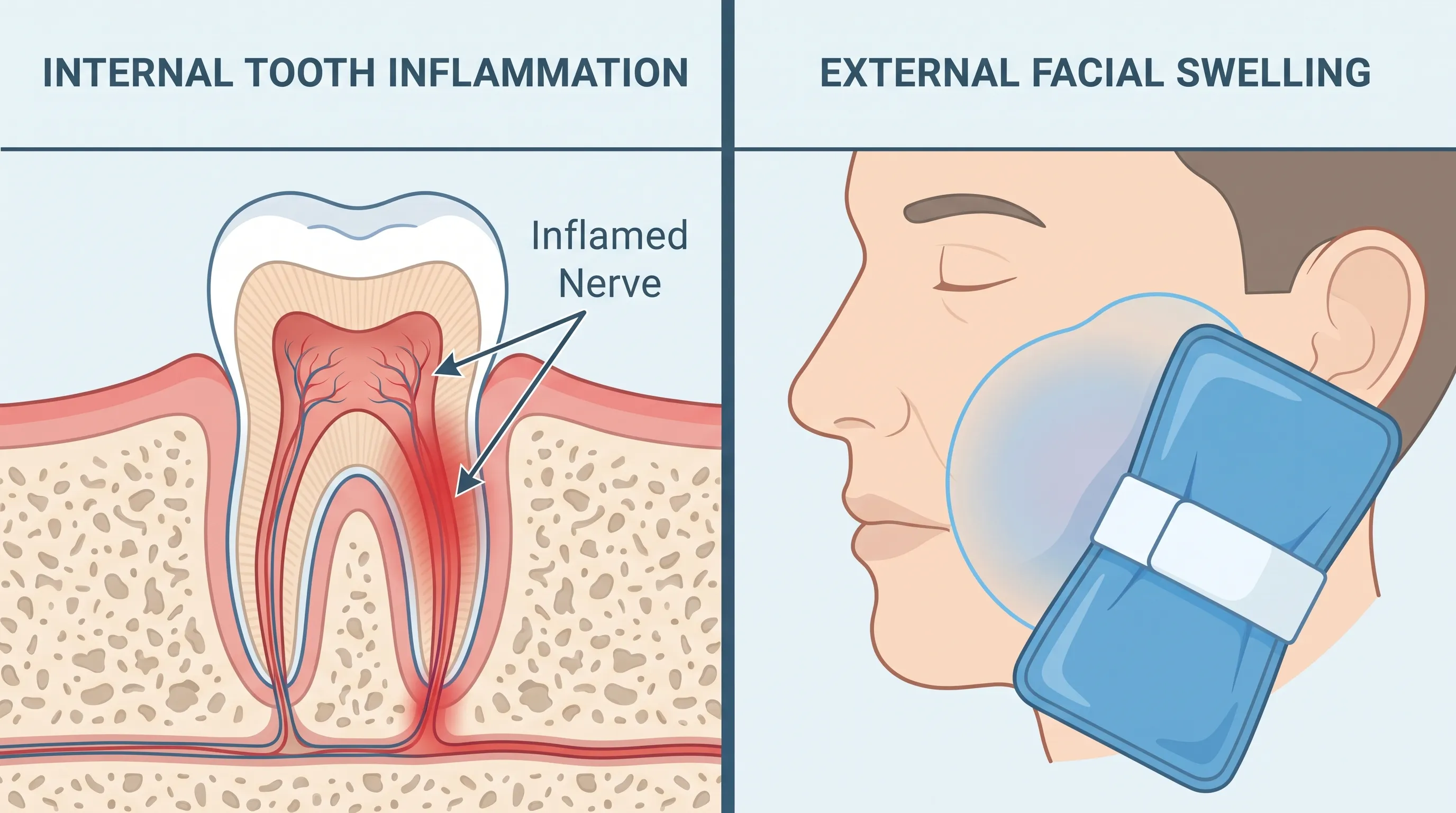
To understand if ice will help a toothache, we must first look at the biological processes occurring during dental pain. Toothaches are typically caused by inflammation of the pulp (the innermost part of the tooth containing nerves and blood vessels), infection, or trauma to the surrounding gums and bone. When these tissues become inflamed, they swell. Because the tooth is encased in hard enamel and dentin, there is limited space for this swelling to expand. This creates intense pressure on the nerve endings, resulting in the characteristic throbbing pain.
Free calculatorHeadache Location ChartIdentify headache types by locationOpen the calculatorVasoconstriction and Reduced Inflammation
The primary mechanism by which cold therapy works is vasoconstriction. When cold is applied to the skin and underlying tissues, the blood vessels constrict, or narrow. This reduction in vessel diameter decreases blood flow to the affected area. In the context of a toothache, particularly one accompanied by facial swelling or gum inflammation, this reduced blood flow helps to limit the accumulation of fluid and inflammatory mediators in the tissues. By reducing the volume of swelling, the pressure on the sensitive nerve endings is alleviated, leading to a decrease in pain perception.
Research supports the efficacy of cryotherapy (cold therapy) in reducing post-operative pain and swelling in dental procedures, suggesting its utility in acute inflammatory states. However, it is important to note that while ice reduces external swelling effectively, its ability to penetrate the hard structures of the tooth to reach the internal pulp is limited. Therefore, its effectiveness is largely dependent on the source of the pain being related to peripheral inflammation rather than deep internal pulpitis alone. According to the Mayo Clinic, cold packs are effective for reducing swelling and numbing pain in acute injuries.
Numbing Effect on Nerve Endings
Beyond reducing swelling, cold temperatures have a direct analgesic (pain-relieving) effect on the nervous system. Cold slows down the conduction velocity of nerve fibers. Essentially, it acts as a local anesthetic by temporarily blocking the signals that transmit pain from the site of injury to the brain. This numbing effect is why applying an ice pack to the cheek can provide a sense of immediate relief. The cold sensation overrides the pain signal, a phenomenon known as "gate control theory," where non-painful input closes the "gates" to painful input, which prevents pain sensation from traveling to the central nervous system.

Limitations of Cold Penetration
While the science supports the use of ice for superficial inflammation and nerve numbing, there are physical limitations. The human skull, jawbone, and tooth enamel are dense structures that act as insulators. Consequently, the cold from an external ice pack takes time to penetrate to the deeper tissues. This is why ice is often more effective for pain associated with gum disease, recent extractions, or trauma to the jaw, rather than deep decay that has reached the nerve inside the tooth. When considering if ice will help a toothache, one must manage expectations: it is a symptom manager, not a curative treatment for deep structural damage.
How to Safely Apply Ice for Toothache Relief
Knowing that ice can be beneficial is only half the battle; applying it correctly is crucial to avoid further injury. Improper application can lead to ice burns, skin damage, or increased sensitivity. Here is a detailed protocol for using cold therapy safely and effectively for dental pain.
Step-by-Step Application Guide
- Prepare the Cold Pack: You do not need specialized equipment. A bag of frozen peas, a commercial gel ice pack, or even ice cubes wrapped in a towel work well. If using ice cubes, place them in a plastic bag to prevent melting water from dripping.
- Create a Barrier: Never apply ice directly to the skin. Direct contact can cause frostbite or ice burns within minutes. Wrap the ice pack or bag in a thin, clean cloth or towel. This barrier ensures that the cold is distributed evenly and protects the delicate skin of the face.
- Identify the Source: Try to locate the general area of the pain. Is it the upper or lower jaw? Left or right? Place the wrapped ice pack on the outside of your cheek, directly over the area where the pain is originating. If the pain is diffuse, placing it on the jawline near the angle of the mandible is often effective.
- Timing is Key: Apply the ice for 15 to 20 minutes. Do not exceed this duration in a single session. Prolonged exposure can damage skin tissues and cause reactive vasodilation, where blood vessels widen excessively after the cold is removed, potentially increasing swelling.
- Take a Break: After 15-20 minutes, remove the ice pack and allow your skin to return to normal temperature for at least 20 minutes. This break is essential to prevent tissue damage.
- Repeat as Necessary: You can repeat this cycle every hour or so as needed for pain relief. However, if the pain persists despite regular icing, it is a sign that professional intervention is required.
What Not to Do: Common Mistakes
One of the most dangerous misconceptions is the idea of placing ice directly inside the mouth on the painful tooth. Do not put ice directly on the tooth. This can cause severe thermal shock to the tooth structure, leading to micro-cracks in the enamel. More importantly, if the nerve is already exposed or inflamed, direct extreme cold can trigger excruciating pain rather than relieving it. Additionally, holding ice against the gums can cause soft tissue necrosis or ulceration.
Another mistake is using heat when ice is indicated. While warm salt water rinses are beneficial for cleaning and soothing gums, applying a hot compress to the outside of the face when there is active infection or acute inflammation can increase blood flow and worsen swelling. Always start with cold for acute pain and swelling, as recommended by dental health guidelines from the Cleveland Clinic.
When Will Ice Help a Toothache and When It Won't
Understanding the specific conditions under which ice is effective helps in making informed decisions about pain management. Not all toothaches are created equal, and the etiology of the pain determines the efficacy of cold therapy.
Scenarios Where Ice Is Effective
- Post-Extraction Pain and Swelling: After a tooth extraction, swelling is a natural inflammatory response. Ice is highly recommended in the first 24-48 hours to minimize this swelling and manage pain.
- Trauma or Injury: If you have been hit in the face or bitten your cheek/tongue, causing swelling and bruising, ice is the gold standard for initial treatment. It reduces hematoma formation and numbs the area.
- Gingivitis and Periodontal Abscesses: Inflammation of the gums (gingivitis) or a localized gum abscess can cause significant swelling. External ice application can help reduce the edema in the gum tissues, providing relief.
- Temporomandibular Joint (TMJ) Disorders: Pain originating from the jaw joint rather than the tooth itself often responds well to ice, as it reduces inflammation in the joint capsule and surrounding muscles.
Scenarios Where Ice May Be Ineffective or Harmful
- Deep Pulpitis: When decay has penetrated deep into the tooth and infected the pulp, the pain is internal. While ice might numb the surface nerves, it often fails to relieve the deep, throbbing pressure. In some cases of irreversible pulpitis, cold stimuli can actually trigger intense, lingering pain.
- Cracked Tooth Syndrome: A cracked tooth may react unpredictably to temperature changes. While some find relief with cold, others experience sharp pain upon release of the cold stimulus (a diagnostic sign known as "rebound pain").
- Sinus-Related Tooth Pain: Sometimes, pain in the upper teeth is referred from sinus infections. Ice on the cheek may provide minor comfort but will not address the sinus pressure causing the tooth sensation.
| Condition | Efficacy of Ice | Primary Benefit | Precaution |
|---|---|---|---|
| Post-Extraction Swelling | High | Reduces edema and bleeding | Do not suck on ice chips immediately after extraction (dislodges clot) |
| Gum Abscess | Moderate | Reduces facial swelling | Does not treat infection; antibiotics needed |
| Deep Cavity/Pulpitis | Low | Temporary numbing | May trigger sharp pain; avoid direct contact |
| TMJ Pain | High | Reduces joint inflammation | Combine with rest and soft diet |
| Trauma/Bruise | High | Limits hematoma size | Apply immediately after injury |
Alternative Home Remedies to Complement Ice Therapy
While asking "will ice help a toothache" is a great starting point, combining cold therapy with other evidence-based home remedies can enhance relief. These methods address different aspects of dental pain, such as bacterial load, chemical irritation, and muscle tension.
Salt Water Rinses
A warm salt water rinse is one of the most recommended adjunctive therapies by dentists. Dissolving half a teaspoon of salt in a glass of warm water creates a hypertonic solution that helps draw out fluid from inflamed tissues, reducing swelling. Furthermore, salt has mild antiseptic properties that can help clean the area and reduce bacterial load. Rinse gently for 30 seconds and spit out. This can be done several times a day, especially after meals. The National Institute of Dental and Craniofacial Research highlights the importance of maintaining a clean oral environment to support healing.
Clove Oil (Eugenol)
Clove oil contains eugenol, a natural anesthetic and antibacterial agent. It has been used in dentistry for centuries. Applying a small amount of clove oil to a cotton ball and dabbing it gently on the affected gum (not directly into a deep cavity without caution) can provide significant numbing relief. However, eugenol can be irritating to the gums if used in high concentrations, so it should be diluted with a carrier oil like olive oil if you have sensitive tissues.
Over-the-Counter Pain Relievers
Non-prescription medications such as ibuprofen (Advil, Motrin) or acetaminophen (Tylenol) are often more effective than ice alone for moderate to severe pain. Ibuprofen is particularly useful because it is a non-steroidal anti-inflammatory drug (NSAID), meaning it tackles both the pain and the inflammation systemically. Combining ibuprofen with external ice application can provide a synergistic effect. Always follow the dosage instructions on the label and consult a pharmacist if you have underlying health conditions.
Elevating the Head
When lying flat, blood pressure in the head and neck increases, which can exacerbate the throbbing sensation of a toothache. Sleeping with your head elevated on extra pillows can help reduce this pressure and improve drainage, potentially reducing pain intensity during the night.
Recognizing the Signs: When to See a Dentist Immediately
It is vital to emphasize that while ice provides symptomatic relief, it does not treat the underlying pathology. Toothaches are rarely self-resolving if they are caused by decay or infection. Ignoring the root cause can lead to serious complications, including the spread of infection to the jaw, neck, or even the brain.
Red Flags Requiring Emergency Care
You should seek immediate professional dental care if you experience any of the following symptoms, regardless of whether ice provides temporary relief:
- Swelling of the Face or Neck: This indicates that an infection may be spreading beyond the tooth. Facial swelling can compromise airways and is a medical emergency.
- Fever: A fever suggests a systemic response to infection. This is a sign that your body is fighting a bacterial invasion that requires antibiotics.
- Difficulty Breathing or Swallowing: If swelling presses on the throat or airway, call emergency services immediately.
- Pus or Discharge: A bad taste in the mouth or visible pus indicates an abscess that needs drainage.
- Persistent Pain: If pain lasts more than 1-2 days despite home remedies, or if it wakes you from sleep, it signifies advanced decay or nerve damage.
- Trauma with Loose or Knocked-Out Teeth: Time is critical in saving a knocked-out tooth. Keep it moist (in milk or saliva) and see a dentist within an hour.
The Risk of Delayed Treatment
Delaying treatment because ice "makes it bearable" can result in the need for more extensive and expensive procedures later. A simple filling can turn into a root canal, and a root canal can turn into an extraction if the infection destroys too much bone structure. Moreover, untreated dental infections have been linked to broader health issues, including cardiovascular disease and diabetes complications, due to the chronic inflammatory burden on the body. For more information on the systemic impacts of oral health, visit the CDC's Oral Health page.
Preventive Measures to Avoid Future Toothaches
The best way to deal with the question "will ice help a toothache" is to ensure you never have to ask it. Preventive oral hygiene is the cornerstone of avoiding dental pain.
Daily Oral Hygiene Routine
Brushing twice a day with fluoride toothpaste and flossing daily removes plaque, the sticky film of bacteria that produces acids causing decay. Pay special attention to the gumline and hard-to-reach back molars. Using an antimicrobial mouthwash can further reduce bacterial load.
Dietary Choices
Limit sugary and acidic foods and beverages. Sugar feeds the bacteria that cause cavities, while acid erodes enamel. Drinking water throughout the day helps neutralize acids and wash away food particles. Chewing sugar-free gum stimulates saliva production, which is nature’s way of remineralizing teeth and neutralizing acid.
Regular Dental Check-ups
Visit your dentist every six months for professional cleanings and examinations. Dentists can detect early signs of decay, gum disease, and cracks before they become painful emergencies. X-rays can reveal problems between teeth or below the gum line that are not visible to the naked eye.
Protective Gear
If you play contact sports, wear a mouthguard to prevent trauma. If you grind your teeth at night (bruxism), ask your dentist about a night guard to prevent wear and tear that can lead to sensitivity and cracks.
Frequently Asked Questions
Will ice help a toothache immediately?
Ice can provide relatively quick relief, often within 10 to 15 minutes of application, by numbing the nerve endings and reducing blood flow to the area. However, it is a temporary measure and does not cure the underlying cause of the pain. The speed of relief depends on the severity of the inflammation and the proximity of the pain source to the surface.
Can I put ice directly on my tooth?
No, you should never place ice directly on the tooth or gum tissue. Direct contact can cause ice burns, damage sensitive enamel, and potentially worsen sensitivity. Always wrap ice in a cloth or use a commercial cold pack applied to the outside of the cheek. Direct application can also trigger sharp pain in teeth with exposed nerves.
How long should I keep ice on a toothache?
Apply the cold compress for 15 to 20 minutes at a time, followed by a break of at least 20 minutes. This cycle prevents skin damage and allows tissues to return to normal temperature before re-application. Continuous application can lead to tissue injury and reduced effectiveness due to nerve adaptation.
Does ice help with a dental abscess?
Ice can help reduce the external swelling and pain associated with a dental abscess, but it cannot treat the infection itself. An abscess requires immediate professional dental treatment, such as drainage and antibiotics, to prevent serious complications. Relying solely on ice for an abscess is dangerous and can allow the infection to spread.
Why does my tooth hurt more after using ice?
If your tooth hurts more after using ice, you may have severe dentin hypersensitivity or exposed nerve roots. Cold stimuli can trigger sharp pain in these cases. If this occurs, discontinue use immediately and consult a dentist, as heat might be more appropriate or specific desensitizing treatments are needed. This reaction is a key diagnostic clue for your dentist.
Is it better to use ice or heat for a toothache?
For acute pain, swelling, and trauma, ice is generally better as it reduces inflammation and numbs the area. Heat can increase blood flow and potentially worsen swelling if an infection is present. However, for muscle tension related to TMJ disorders, moist heat may be more soothing. When in doubt, start with ice for acute dental pain.
Conclusion
So, will ice help a toothache? The answer is a qualified yes. Ice is a valuable, safe, and effective tool for managing the symptoms of dental pain, particularly when it involves swelling, inflammation, or trauma. By inducing vasoconstriction and numbing nerve endings, cold therapy can provide significant temporary relief, allowing you to function while awaiting professional care. However, it is crucial to apply ice correctly—externally, with a barrier, and in timed intervals—to avoid tissue damage.
It is equally important to recognize the limitations of this remedy. Ice does not cure cavities, eliminate infections, or repair cracked teeth. It is a palliative measure, not a curative one. If you find yourself relying on ice repeatedly, it is a clear signal that an underlying dental issue requires attention. Ignoring persistent pain can lead to severe health complications and more complex treatments down the line.
By combining ice therapy with other home remedies like salt water rinses and over-the-counter pain relievers, you can manage discomfort effectively in the short term. But remember, the ultimate solution to a toothache lies in the dentist's chair. Prioritize preventive care, maintain rigorous oral hygiene, and seek professional help at the first sign of persistent pain. Your teeth are designed to last a lifetime, but only with proper care and timely intervention. Don't let the temporary relief of ice delay the permanent solution of professional dental treatment.
How we work
Researched and drafted with AI assistance, then reviewed by a human editor against the cited sources.
This article is general health information, not medical advice. Consult a qualified healthcare professional about your own situation.