Tooth Erosion at Gum Line: Causes, Symptoms, and Proven Treatments

Key points
- Use of abrasive toothpastes: Some whitening toothpastes contain harsh silica particles that act like sandpaper on the tooth surface.
- Habitual biting of objects: Chewing on pens, fingernails, or pipe stems can create localized wear.
- Occupational hazards: Workers exposed to airborne abrasives (like stone cutters) may experience accelerated wear.
Have you ever noticed small, shallow dents or notches forming right where your teeth meet your gums? Perhaps you feel a sharp zing of sensitivity when drinking ice water or eating something sweet. These are not just minor cosmetic quirks; they are often signs of tooth erosion at gum line, a condition that affects millions of adults worldwide. While many people associate tooth decay with cavities in the chewing surfaces of molars, the destruction of tooth structure at the cervical margin—the neck of the tooth—is a distinct and increasingly common dental issue.
This specific type of damage can be confusing because it doesn't always look like traditional decay. It might appear as a smooth, shiny depression, a wedge-shaped notch, or simply as yellowing near the gum tissue. Understanding the root causes is critical because the treatment for acid-induced erosion differs significantly from the management of stress-related fractures. Ignoring these early warning signs can lead to increased sensitivity, aesthetic concerns, and even the loss of tooth structure that compromises the integrity of the entire tooth.
In this comprehensive guide, we will delve deep into the mechanics of tooth erosion at gum line. We will explore the multifactorial nature of this condition, distinguishing between chemical erosion, mechanical abrasion, and biomechanical abfraction. You will learn evidence-based strategies to halt progression, practical home care tips to protect your enamel, and an overview of professional restorative options available today. Whether you are dealing with mild sensitivity or noticeable notching, this article provides the knowledge you need to take control of your oral health and preserve your smile for years to come.
Understanding the Anatomy of Tooth Erosion
To fully grasp why tooth erosion at gum line occurs, we must first understand the unique anatomy of the tooth in this region. A tooth is not made of uniform material throughout. The crown, the part visible above the gum line, is covered in enamel, the hardest substance in the human body. Enamel is highly mineralized and resistant to wear, but it has no living cells and cannot regenerate once lost.
Free calculatorHeadache Location ChartIdentify headache types by locationOpen the calculatorBelow the gum line lies the root, which is covered in cementum. Cementum is much softer than enamel and offers less protection. The junction where the enamel meets the cementum is called the cemento-enamel junction (CEJ). This area is inherently weaker and more susceptible to various forms of damage. When gums recede due to periodontal disease or aggressive brushing, the root surface becomes exposed. Unlike enamel, cementum wears away rapidly when subjected to acid or friction.
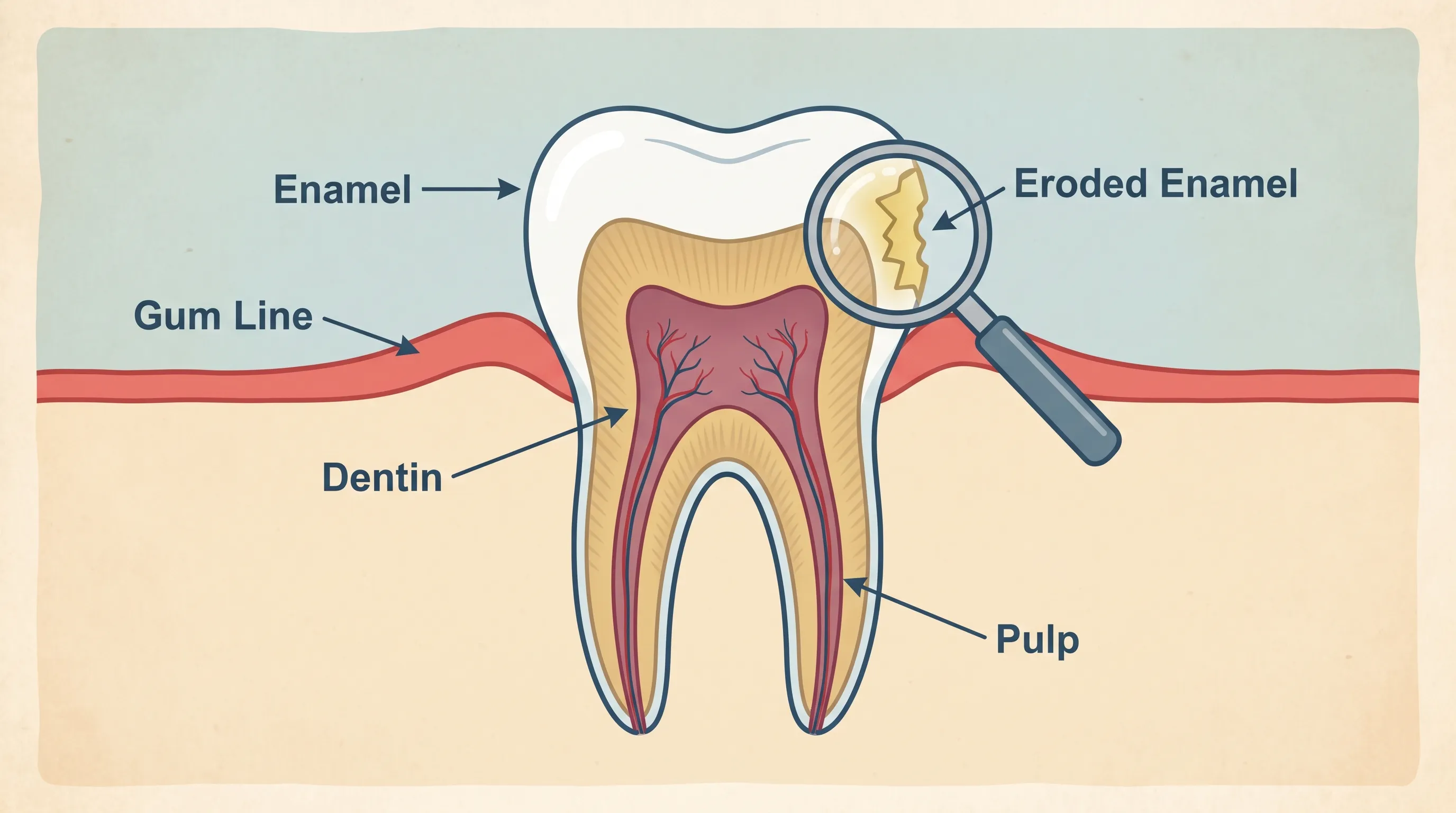
Furthermore, the dentin lies beneath both the enamel and cementum. Dentin is porous and contains microscopic tubules that connect directly to the pulp chamber, where the nerve and blood vessels reside. When tooth erosion at gum line progresses deep enough to expose dentin, these tubules become open channels for stimuli. This is why sensitivity is such a prevalent symptom. The loss of protective hard tissue at this critical junction creates a vulnerability that can accelerate further damage if not addressed promptly.
It is also important to note that the shape of the tooth at the gum line creates a natural trap for plaque and acids. If oral hygiene is inadequate, bacterial biofilms accumulate here, producing acids that demineralize the tooth structure. Conversely, if hygiene is too aggressive, the mechanical force can strip away the already vulnerable cementum and enamel. This delicate balance makes the gum line a focal point for dental pathology.
The Three Main Culprits: Erosion, Abrasion, and Abfraction
When patients present with notches at the gum line, dentists often use three specific terms to describe the etiology: erosion, abrasion, and abfraction. While they may look similar to the untrained eye, their causes are distinct, and accurate diagnosis is essential for effective treatment. In many cases, tooth erosion at gum line is a result of a combination of these factors, known as multifactorial tooth wear.
Dental Erosion: The Chemical Attack
Dental erosion is the irreversible loss of tooth structure due to chemical processes involving acids that are not of bacterial origin. This is a crucial distinction from dental caries (cavities), which are caused by bacterial metabolism of sugars. Erosion is driven by pH levels. When the pH in the mouth drops below 5.5, enamel begins to demineralize.
There are two primary sources of these acids:
- Extrinsic Erosion: This comes from external sources, primarily diet. Frequent consumption of acidic beverages such as sodas, sports drinks, fruit juices (especially citrus), and wine can bathe the teeth in acid. Even "healthy" habits like drinking lemon water or apple cider vinegar can contribute significantly to tooth erosion at gum line if done frequently throughout the day. According to the National Institute of Dental and Craniofacial Research, dietary acids play a major role in tooth wear.
- Intrinsic Erosion: This originates from within the body. Gastroesophageal reflux disease (GERD), acid reflux, and bulimia nervosa bring stomach acid into the mouth. Stomach acid has a pH of around 1.5 to 3.5, which is extremely potent and can dissolve enamel rapidly. Patients with untreated GERD often show severe erosion on the inner surfaces of the upper teeth, but it can affect the gum lines of all teeth over time. Learn more about how acid reflux affects oral health from the Mayo Clinic.
Dental Abrasion: The Mechanical Wear
Abrasion refers to the physical wearing away of tooth substance by friction from foreign objects. The most common cause of abrasion at the gum line is improper toothbrushing technique. Many individuals believe that brushing harder cleans better, but this is a dangerous misconception. Using a hard-bristled toothbrush or applying excessive pressure can scrub away enamel and cementum, particularly at the neck of the tooth where the tissue is thinner.
Other contributors to abrasion include:
- Use of abrasive toothpastes: Some whitening toothpastes contain harsh silica particles that act like sandpaper on the tooth surface.
- Habitual biting of objects: Chewing on pens, fingernails, or pipe stems can create localized wear.
- Occupational hazards: Workers exposed to airborne abrasives (like stone cutters) may experience accelerated wear.
When abrasion combines with erosion, the damage is synergistic. Acid-softened enamel is much easier to brush away, meaning that brushing immediately after consuming acidic foods can double the rate of tooth erosion at gum line.
Abfraction: The Biomechanical Stress Fracture
Abfraction is perhaps the most misunderstood cause of gum line lesions. It is defined as the loss of tooth structure at the cervical area caused by biomechanical loading forces. When you clench or grind your teeth (bruxism), tremendous forces are placed on the teeth. These forces cause the tooth to flex slightly at the neck, near the gum line.
Over time, this repeated flexing leads to micro-fractures in the enamel and cementum. Small pieces of tooth structure chip away, creating characteristic wedge-shaped notches. Research suggests that abfraction lesions are often deeper and sharper than those caused by abrasion alone. Importantly, abfraction is not caused by brushing or acid; it is caused by stress on the tooth structure itself. However, once the lesion forms, it can trap plaque and become susceptible to secondary erosion and abrasion.
Identifying whether your tooth erosion at gum line is due to abfraction requires a dental professional to evaluate your bite, check for signs of bruxism (such as worn chewing surfaces or jaw muscle tenderness), and assess the shape of the lesions. Treating abfraction often requires addressing the underlying bite issues rather than just changing brushing habits. For more information on bruxism and its effects, visit the American Dental Association.
Recognizing the Symptoms and Signs
Early detection of tooth erosion at gum line is key to preventing severe damage. Because enamel has no nerves, the early stages of erosion are often painless and visually subtle. However, as the condition progresses, several signs and symptoms become apparent.
Visual Changes
The most obvious sign is a change in the shape and color of the teeth near the gums. You may notice:
- Yellowing: As the white enamel thins or disappears, the underlying yellow dentin becomes visible. This is often mistaken for staining, but it is actually the exposure of deeper tooth layers.
- Notches or Dips: Running your tongue along the gum line may reveal a smooth dip or a sharp V-shaped notch. These depressions can catch food debris and plaque.
- Rounded Edges: Instead of a sharp transition from tooth to gum, the edge may appear rounded or cupped out.
- Translucency: The edges of the teeth may appear transparent or grayish, indicating significant thinning of the enamel.
Sensitivity and Pain
As mentioned earlier, exposure of dentin leads to hypersensitivity. You may experience:
- Sharp, transient pain when consuming hot, cold, or sweet foods and drinks.
- Discomfort when breathing in cold air.
- Pain when touching the area with a fingernail or toothbrush bristle.
If the erosion is severe and reaches close to the pulp, the pain may become spontaneous or linger long after the stimulus is removed, indicating potential nerve inflammation.
Structural Weakness
Advanced tooth erosion at gum line can compromise the structural integrity of the tooth. The neck of the tooth is a critical stress-bearing area. Significant loss of structure here can make the tooth more prone to fracture under normal chewing forces. In extreme cases, the tooth may break off at the gum line, requiring extraction or complex restorative work.

Risk Factors and Lifestyle Contributors
Certain lifestyle habits and medical conditions significantly increase the risk of developing tooth erosion at gum line. Being aware of these risk factors allows you to take proactive steps to mitigate them.
Dietary Habits
Your diet plays a pivotal role in oral health. Frequent snacking on acidic foods keeps the mouth in a state of low pH, preventing saliva from neutralizing acids and remineralizing enamel. Common culprits include:
- Carbonated soft drinks (including diet varieties)
- Citrus fruits and juices (lemons, oranges, grapefruits)
- Sports and energy drinks
- Wine (both red and white)
- Pickled foods and vinegar-based dressings
The frequency of exposure is more damaging than the total amount. Sipping an acidic drink over several hours is far worse than drinking it quickly with a meal, as it prolongs the acid attack.
Medical Conditions
Several systemic conditions contribute to erosion:
- GERD and Acid Reflux: Chronic exposure to stomach acid is a major cause of intrinsic erosion. Nighttime reflux is particularly damaging because saliva flow decreases during sleep, reducing the mouth's natural buffering capacity.
- Dry Mouth (Xerostomia): Saliva is essential for washing away acids and providing minerals for remineralization. Conditions like Sjogren's syndrome, diabetes, or side effects from medications (antihistamines, antidepressants) can reduce saliva flow, accelerating erosion. Learn more about dry mouth from the Cleveland Clinic.
- Eating Disorders: Bulimia nervosa involves frequent self-induced vomiting, exposing teeth to harsh stomach acids.
Oral Hygiene Practices
Paradoxically, overly zealous oral hygiene can cause harm. Brushing too hard, using a hard-bristled brush, or brushing immediately after vomiting or consuming acidic foods can strip away softened enamel. Additionally, failing to floss allows plaque to build up at the gum line, leading to gum recession and exposing the vulnerable root surface to erosion.
Bruxism and Stress
Chronic stress often manifests as clenching or grinding of the teeth, especially during sleep. This parafunctional habit generates forces far greater than normal chewing, leading to abfraction lesions at the gum line. If you wake up with jaw soreness, headaches, or flattened teeth, bruxism may be a contributing factor to your tooth erosion at gum line.
Diagnosis and Professional Assessment
If you suspect you have tooth erosion at gum line, it is essential to see a dentist for a proper diagnosis. Self-diagnosis can be misleading, as different types of wear require different treatments. During your visit, the dentist will perform a comprehensive examination.
Clinical Examination
The dentist will visually inspect your teeth for signs of wear, noting the location, shape, and depth of the lesions. They will use a dental probe to check for softness in the dentin and assess the extent of gum recession. Photographs may be taken to document the current state and monitor progression over time.
Diagnostic Tools
- Bite Analysis: To determine if abfraction is a factor, the dentist may analyze your bite using special paper or digital sensors to identify high spots or uneven force distribution.
- Medical History Review: A thorough review of your medical history helps identify intrinsic causes like GERD or medication-induced dry mouth.
- Dietary Diary: You may be asked to keep a log of your food and drink intake to identify extrinsic acid sources.
Differential Diagnosis
It is crucial to distinguish erosion from dental caries. Cavities are usually localized, soft, and sticky, while erosion affects broader surfaces and feels hard and smooth. Misdiagnosing erosion as decay could lead to unnecessary drilling, whereas treating decay as erosion could allow the cavity to worsen.
Treatment Options for Tooth Erosion
Treatment for tooth erosion at gum line depends on the severity of the damage and the underlying cause. The primary goal is to stop the progression and restore function and aesthetics.
Preventive and Non-Invasive Measures
For mild cases, the focus is on prevention and remineralization:
- Fluoride Therapy: High-concentration fluoride varnishes or gels applied by the dentist can strengthen remaining enamel and dentin, reducing sensitivity and slowing erosion.
- Desensitizing Agents: Products containing potassium nitrate or stannous fluoride can block the dentinal tubules, alleviating sensitivity.
- Behavioral Modifications: Changing brushing techniques, adjusting diet, and managing acid reflux are fundamental to stopping further damage.
Restorative Dentistry
When significant structure is lost, restorative interventions are necessary:
| Treatment Option | Description | Best For | Durability | Cost Estimate |
|---|---|---|---|---|
| Dental Bonding | Application of composite resin to fill notches and cover exposed roots. | Mild to moderate erosion, aesthetic improvement. | 5-7 years | Low to Moderate |
| Dental Fillings | Placement of glass ionomer or composite material in deeper lesions. | Deeper notches, structural support. | 5-10 years | Moderate |
| Veneers | Thin porcelain shells bonded to the front of teeth. | Severe erosion affecting multiple teeth, major aesthetic concerns. | 10-15 years | High |
| Dental Crowns | Full coverage caps that protect the entire tooth. | Severe structural loss, weakened teeth. | 10-15+ years | High |
| Gum Grafting | Surgical procedure to cover exposed roots with tissue from the palate. | Severe gum recession accompanying erosion. | Long-term | High |
Dental Bonding is a popular choice for tooth erosion at gum line because it is minimally invasive. The dentist roughens the surface slightly, applies a bonding agent, and sculpts composite resin to match the natural tooth shape. This restores the contour, covers sensitive dentin, and improves appearance.
For more extensive damage, crowns may be required to protect the tooth from fracture. If gum recession is severe, a periodontist may recommend gum grafting to cover the exposed roots, providing a biological barrier against further erosion and abrasion.
Managing Underlying Causes
Restoration is futile if the underlying cause is not addressed. Patients with bruxism may need a custom night guard to protect teeth from grinding forces. Those with GERD should work with a gastroenterologist to manage acid reflux. Dietary counseling can help patients reduce acid intake without compromising nutrition.
Prevention Strategies and Home Care Tips
Preventing tooth erosion at gum line is far easier and cheaper than treating it. Here are actionable, evidence-based tips to protect your teeth.
Optimize Your Brushing Technique
- Use a Soft-Bristled Brush: Hard bristles are too abrasive for the gum line. Choose a brush with soft or extra-soft bristles.
- ** Gentle Pressure:** Let the bristles do the work. Do not scrub. Consider using an electric toothbrush with a pressure sensor that alerts you if you are brushing too hard.
- Wait Before Brushing: After consuming acidic foods or drinks, wait at least 30 minutes before brushing. This allows saliva to neutralize the acid and re-harden the enamel. Brushing immediately spreads the acid and removes softened enamel.
- Non-Abrasive Toothpaste: Avoid whitening toothpastes with high RDA (Relative Dentin Abrasivity) values. Look for toothpastes labeled as "enamel safe" or those containing stannous fluoride, which offers protection against erosion and sensitivity.
Dietary Adjustments
- Limit Acidic Drinks: Reduce consumption of sodas, sports drinks, and citrus juices. When you do drink them, use a straw to bypass the teeth.
- Rinse with Water: After eating or drinking anything acidic, rinse your mouth with water to wash away acids.
- Cheese and Milk: Consuming dairy products after an acidic meal can help neutralize pH and provide calcium and phosphate for remineralization.
- Chew Sugar-Free Gum: Chewing gum stimulates saliva flow, which is nature's best defense against acid erosion. Look for gum containing xylitol, which also helps inhibit bacteria.
Manage Medical Conditions
- Treat GERD: If you suffer from acid reflux, follow your doctor's advice regarding medication and lifestyle changes. Elevate the head of your bed to prevent nighttime reflux.
- Address Dry Mouth: Stay hydrated. Use saliva substitutes or moisturizing gels if recommended by your dentist. Avoid alcohol-based mouthwashes, which can dry out the mouth further.
Regular Dental Visits
Visit your dentist every six months for cleanings and check-ups. Early detection of tooth erosion at gum line allows for simple, non-invasive interventions. Your dentist can apply professional fluoride treatments and monitor any existing lesions for changes.
Frequently Asked Questions
Can tooth erosion at the gum line be reversed?
No, once tooth enamel is lost, it cannot grow back. Enamel is acellular and does not have the ability to regenerate. However, the progression of erosion can be halted, and the symptoms can be managed. Dentists can restore the lost structure using bonding, fillings, or crowns, and preventive measures can protect the remaining tooth structure from further damage.
What is the difference between abrasion and abfraction?
Abrasion is the physical wearing away of tooth structure, often caused by aggressive brushing, hard-bristled toothbrushes, or abrasive toothpastes. Abfraction, on the other hand, is the loss of tooth structure at the gum line caused by biomechanical loading forces. When you clench or grind your teeth, the tooth flexes at the neck, causing micro-fractures and chipping of the enamel and cementum. While abrasion is external friction, abfraction is internal stress.
Does acidic food cause erosion at the gum line specifically?
Acidic foods and beverages cause general dental erosion across all tooth surfaces. However, the gum line is particularly vulnerable if gum recession is present. The root surface (cementum) is much softer than enamel and erodes significantly faster when exposed to acid. Therefore, while acid affects the whole tooth, the visual and structural damage is often most pronounced at the gum line where the protective enamel layer is thinner or absent.
How do I stop my teeth from eroding at the gum line?
To stop erosion, adopt a multi-pronged approach: switch to a soft-bristled toothbrush and use gentle circular motions; avoid brushing immediately after consuming acidic foods; rinse with water or chew sugar-free gum after meals to neutralize acids; use fluoride toothpaste to strengthen enamel; and address underlying issues like acid reflux or teeth grinding with the help of healthcare professionals. Regular dental check-ups are also crucial for monitoring and early intervention.
Is tooth erosion at the gum line painful?
It can be. In the early stages, it may be painless. However, as erosion progresses and exposes the underlying dentin, you may experience sensitivity to hot, cold, sweet, or acidic stimuli. This happens because dentin contains microscopic tubules that lead to the nerve. If the erosion becomes severe and approaches the pulp, it can cause significant pain and increase the risk of tooth fracture or infection.
Conclusion
Tooth erosion at gum line is a complex condition influenced by chemical, mechanical, and biomechanical factors. It is not merely a cosmetic issue but a sign of underlying habits or health conditions that need attention. From the silent damage of acid reflux to the forceful impact of bruxism and the inadvertent harm of aggressive brushing, multiple pathways can lead to the loss of precious tooth structure.
The good news is that with early detection and proper management, the progression of erosion can be stopped. By understanding the causes—whether it's erosion, abrasion, or abfraction—you can tailor your prevention strategy effectively. Simple changes in your daily routine, such as switching to a soft toothbrush, waiting to brush after acidic meals, and managing stress, can make a profound difference.
If you notice notches, yellowing, or sensitivity at your gum line, do not ignore it. Consult your dentist for a thorough evaluation. Modern dentistry offers excellent restorative options, from bonding to crowns, that can restore both function and aesthetics. More importantly, addressing the root cause ensures that your treatment lasts and your smile remains healthy. Take charge of your oral health today, and protect your teeth for a lifetime of confident smiles.
How we work
Researched and drafted with AI assistance, then reviewed by a human editor against the cited sources.
This article is general health information, not medical advice. Consult a qualified healthcare professional about your own situation.