Does Dental Cleaning Hurt? A Comprehensive Guide to Pain-Free Hygiene

Key points
- Use a desensitizing toothpaste containing potassium nitrate or stannous fluoride. These ingredients block the transmission of pain signals from the tooth surface to the nerve.
- Avoid extreme temperatures in food and drinks for the first 24-48 hours.
- Rinse with warm salt water to soothe the gums and reduce inflammation.
Walking into a dental office often triggers a mix of emotions, ranging from routine indifference to palpable anxiety. For many individuals, the primary source of this apprehension is the fear of pain. Specifically, the question "does dental cleaning hurt" is one of the most common concerns patients hesitate to voice until they are already seated in the chair. This fear is understandable; after all, our mouths are sensitive areas, and the idea of having metal tools scrape against our teeth and gums can sound inherently uncomfortable. However, modern dentistry has evolved significantly, prioritizing patient comfort alongside clinical efficacy.
Understanding what actually happens during a professional dental cleaning can demystify the process and alleviate unnecessary fear. While experiences vary based on individual oral health status, pain threshold, and the skill of the dental hygienist, the majority of routine cleanings are far less painful than popular culture suggests. In fact, for many people, the relief of having hardened tartar removed outweighs any minor discomfort experienced during the procedure. This comprehensive guide aims to provide an evidence-based, detailed look at the dental cleaning process, addressing the nuances of pain, sensitivity, and comfort measures. By exploring the factors that influence discomfort and offering practical tips for a smoother experience, we hope to empower you to approach your next dental visit with confidence rather than dread. Whether you are due for a routine check-up or have been avoiding the dentist for years due to fear, understanding the reality of "does dental cleaning hurt" is the first step toward better oral health.
Understanding the Dental Cleaning Process
To accurately assess whether dental cleaning hurts, it is essential to first understand what the procedure entails. A professional dental cleaning, also known as oral prophylaxis, is performed by a dental hygienist or a dentist. It is a preventive measure designed to remove plaque and tartar that cannot be eliminated by regular brushing and flossing at home. The process is systematic and typically follows a specific sequence of steps, each with its own sensation profile.
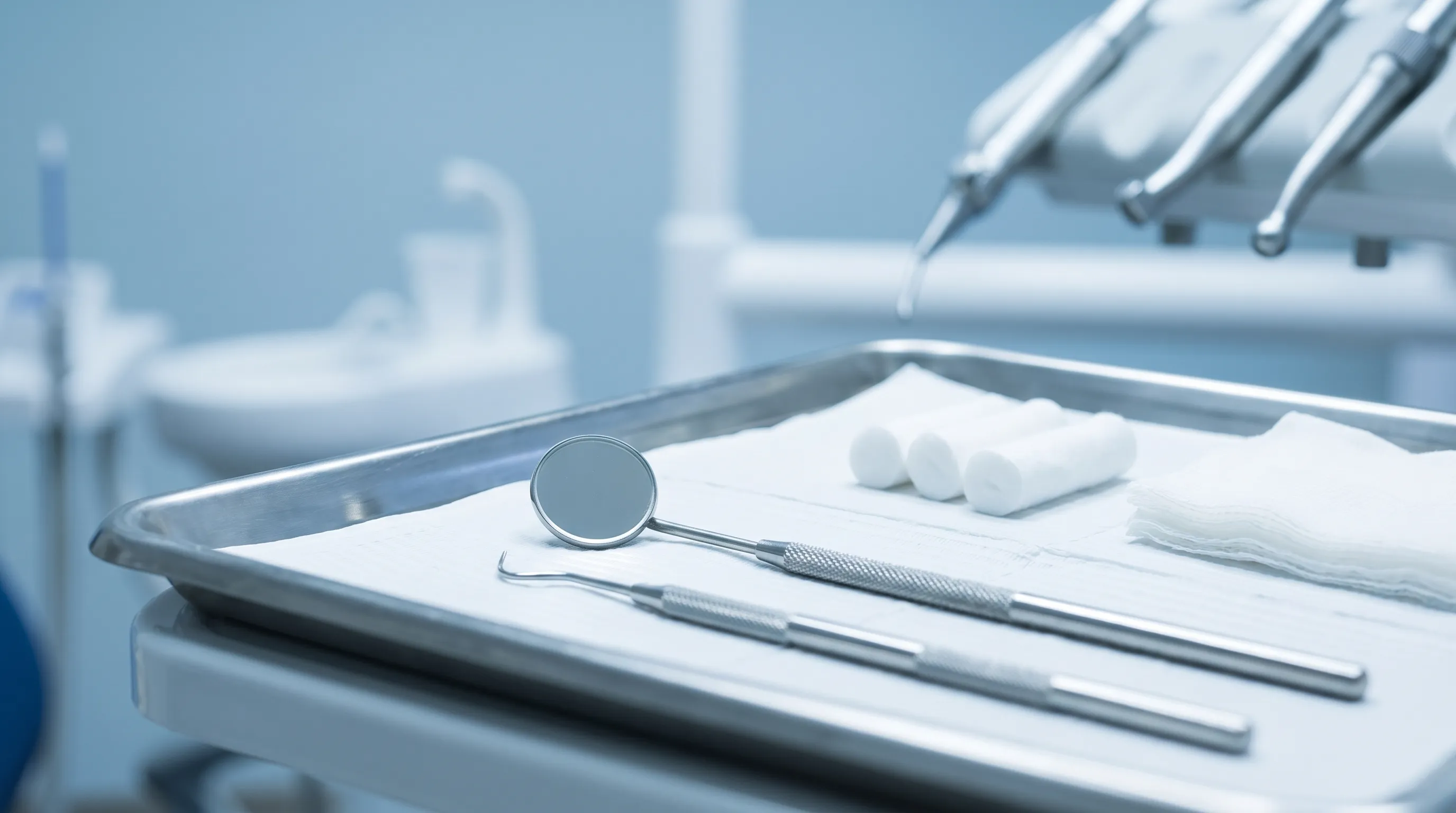
Free calculatorHeadache Location ChartIdentify headache types by locationOpen the calculatorThe first step usually involves a physical examination. Before any cleaning begins, the hygienist will likely examine your teeth and gums, possibly using a small mirror to check for signs of inflammation, cavities, or other issues. This step is painless and serves as a diagnostic baseline. Following the exam, the actual cleaning begins with scaling. Scaling is the process of removing plaque and tartar (calculus) from the tooth surfaces, both above and slightly below the gumline. Dental professionals use specialized instruments, such as manual scalers or ultrasonic devices, to break up and remove these deposits.
Ultrasonic scalers use high-frequency vibrations to loosen tartar, often accompanied by a water spray to keep the area cool and wash away debris. Patients often describe the sensation of an ultrasonic scaler as a gentle vibrating tickle rather than pain. Manual scalers, on the other hand, involve a scraping motion. While this sounds aggressive, skilled hygienists use controlled, precise movements that should not cause pain if the gums are healthy. However, if there is significant tartar buildup or gum inflammation, this step may cause some discomfort or minor bleeding.
After scaling, the teeth are polished using a gritty paste and a rotating rubber cup or brush. This step removes surface stains and smooths the tooth enamel, making it more difficult for plaque to adhere in the future. The polishing process is generally pleasant and feels similar to using an electric toothbrush, though with more pressure. Finally, the hygienist will floss between your teeth to remove any remaining paste or debris and may apply fluoride treatment to strengthen the enamel. Throughout this entire process, communication with your provider is key. If you feel pain, it is not something you must endure silently; adjustments can often be made to increase your comfort.
Factors Influencing Pain and Discomfort
When patients ask "does dental cleaning hurt," the answer is rarely a simple yes or no. Instead, it depends on a variety of physiological and situational factors. Understanding these variables can help you predict your own experience and take proactive steps to minimize discomfort.
Gum Health and Inflammation
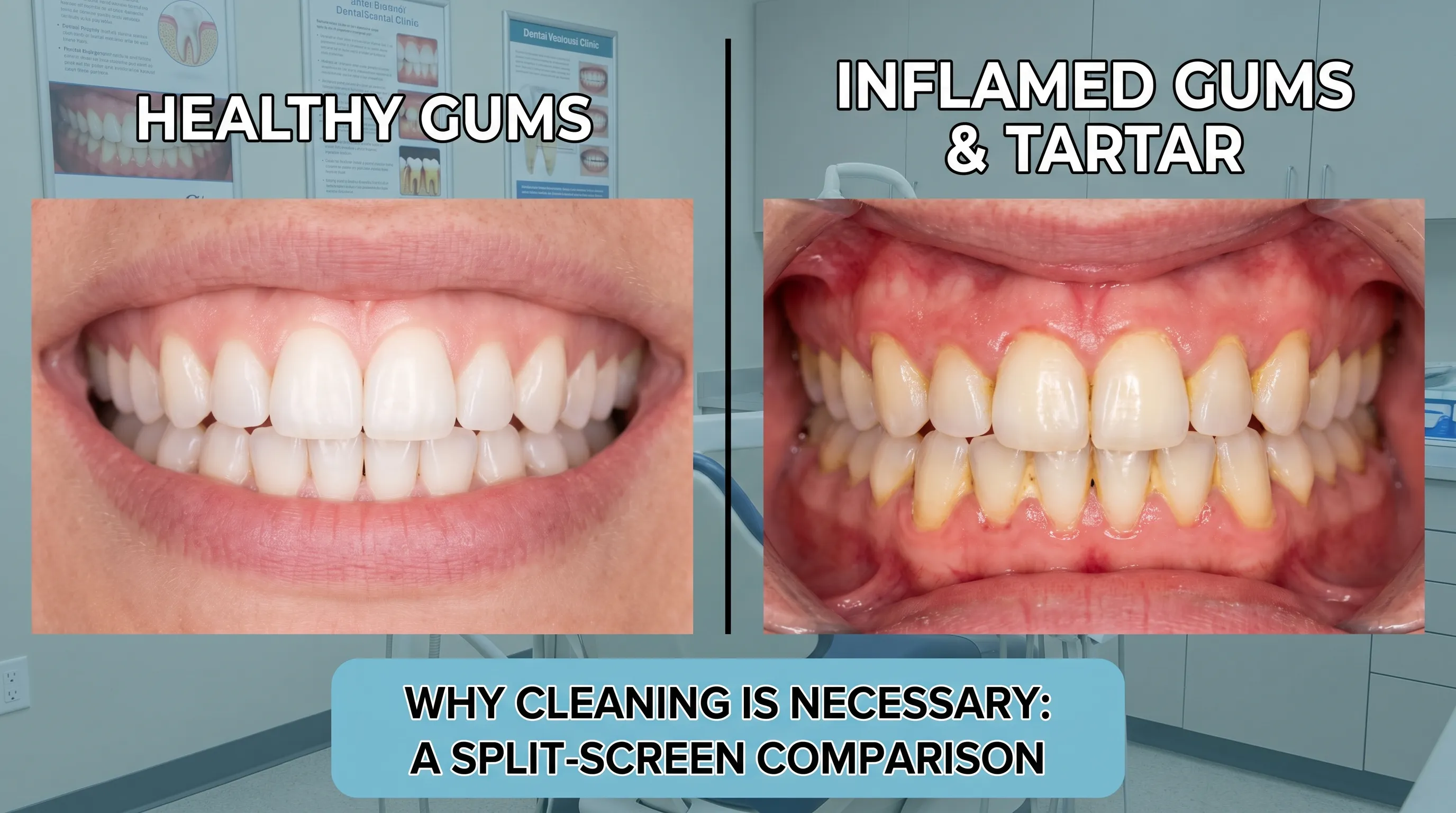
The condition of your gums is the single most significant factor determining whether a cleaning will be painful. Healthy gums are firm, pink, and do not bleed easily. If you have good oral hygiene habits and visit the dentist regularly, your gums are likely healthy, and the cleaning process should be virtually painless. You might feel pressure, but not sharp pain.
Conversely, if you suffer from gingivitis (early gum disease) or periodontitis (advanced gum disease), your gums are inflamed, swollen, and tender. Inflamed gum tissue is highly sensitive to touch. When the hygienist works around these areas to remove tartar, it can cause discomfort and bleeding. The presence of subgingival tartar (tartar below the gumline) requires deeper cleaning, which can be more uncomfortable than cleaning above the gumline. In cases of severe periodontal disease, the cleaning may transition into a deep cleaning procedure, which often requires local anesthesia to manage pain effectively. According to the Mayo Clinic, untreated gum disease can lead to serious complications, making early intervention crucial despite potential temporary discomfort.
Frequency of Dental Visits
How often you visit the dentist plays a crucial role in your comfort level. Plaque hardens into tartar within 24 to 72 hours if not removed. Over time, this tartar accumulates and becomes harder and more adherent to the tooth structure. If you visit the dentist every six months, the amount of tartar buildup is minimal, and removal is quick and easy. However, if it has been several years since your last cleaning, the buildup may be extensive. Removing large amounts of hardened tartar requires more time and mechanical force, which can lead to increased soreness during and after the procedure. Therefore, consistency is key to pain-free cleanings.
Tooth Sensitivity
Some individuals naturally have more sensitive teeth than others. This sensitivity can be due to thin enamel, exposed dentin, or receding gums. During a cleaning, the exposure of tooth roots or the vibration from ultrasonic tools can trigger sharp, transient pains in sensitive teeth. Cold water sprays used during scaling can also exacerbate this sensitivity. If you know you have sensitive teeth, informing your hygienist beforehand allows them to use warm water and gentler techniques.
Anxiety and Tension
Psychological factors significantly influence pain perception. Dental anxiety can cause patients to tense their jaw muscles, making it harder for the hygienist to work and potentially causing jaw fatigue or pain. Furthermore, anxiety lowers the pain threshold, making minor sensations feel more intense. Techniques such as deep breathing, listening to music, or even requesting a stress ball to squeeze can help relax the body and mind, thereby reducing the perceived pain of the cleaning.
Types of Dental Cleanings and Associated Pain Levels
Not all dental cleanings are created equal. The type of cleaning you receive depends on your oral health status, and each type has a different potential for discomfort. Understanding these distinctions helps clarify the question of "does dental cleaning hurt" for your specific situation.
Routine Prophylaxis
This is the standard cleaning most people receive every six months. It is preventive in nature and focuses on removing plaque, tartar, and stains from the crown of the tooth (the part visible above the gumline). For patients with healthy gums, routine prophylaxis is generally painless. Any discomfort is usually mild and stems from the pressure of the tools or the taste of the polishing paste. Bleeding is minimal or non-existent. Most patients do not require anesthesia for this procedure.
Scaling and Root Planing (Deep Cleaning)
If you have been diagnosed with periodontal disease, your dentist may recommend scaling and root planing. This is a therapeutic procedure rather than a preventive one. It involves removing plaque and tartar from deep within the periodontal pockets (the space between the tooth and gum) and smoothing the root surfaces to prevent bacterial re-attachment. Because this procedure goes below the gumline where nerve endings are more exposed, it is significantly more likely to cause discomfort.
Local anesthesia is commonly used for scaling and root planing to ensure the patient remains comfortable. The hygienist or dentist will numb the area before beginning the work. While you may feel pressure, you should not feel sharp pain. After the anesthesia wears off, some soreness and sensitivity are normal for a few days. This deeper intervention is crucial for halting the progression of gum disease, and the temporary discomfort is a small price to pay for long-term oral health. The Centers for Disease Control and Prevention (CDC) notes that periodontal disease is common among adults, making this therapeutic cleaning a vital part of maintaining overall health.
Gross Debridement
In cases where a patient has not visited the dentist for many years and has massive amounts of tartar buildup, a gross debridement may be necessary. This is an initial, extensive cleaning to remove heavy deposits so that a proper evaluation of the teeth and gums can be performed. Due to the volume of tartar and the likely presence of significant inflammation, this procedure can be uncomfortable. Anesthesia is often recommended or required to manage pain during gross debridement.
| Cleaning Type | Target Area | Pain Level (Typical) | Anesthesia Needed? | Best For |
|---|---|---|---|---|
| Routine Prophylaxis | Above gumline | Low / None | No | Healthy gums, regular maintenance |
| Scaling & Root Planing | Below gumline | Moderate (managed) | Yes (usually) | Gingivitis, Periodontitis |
| Gross Debridement | Heavy buildup | Moderate to High | Often | Long-term neglect, heavy calculus |
Managing Pain and Anxiety During Your Visit
Knowing that discomfort is possible does not mean you must suffer through it. Modern dental practices offer a variety of strategies to manage pain and anxiety. Being proactive about your comfort can transform a dreaded appointment into a manageable, even positive, experience.
Communication is Key
The most effective tool for pain management is open communication. Before the cleaning begins, tell your hygienist if you have sensitive teeth, a history of gum disease, or dental anxiety. Establish a signal, such as raising your left hand, to indicate if you need a break or if you are feeling pain. This gives you a sense of control, which can significantly reduce anxiety. Most dental professionals are trained to adjust their technique, pressure, or tools based on patient feedback.
Topical Anesthetics and Desensitizers
If you are worried about pain, ask about topical anesthetics. These are gels or liquids applied directly to the gums before the cleaning begins. They contain ingredients like benzocaine or lidocaine that numb the surface tissue, reducing the sensation of the scaler touching the gums. While not as powerful as injectable anesthesia, topical agents can make a significant difference for patients with mild to moderate sensitivity. Additionally, some offices offer desensitizing agents that can be applied to the teeth to reduce sensitivity to cold air and water during the procedure.
Nitrous Oxide (Laughing Gas)
For patients with severe dental anxiety or low pain tolerance, nitrous oxide sedation is an excellent option. Administered through a mask placed over the nose, nitrous oxide induces a state of relaxation and euphoria. It wears off quickly after the procedure, allowing you to drive yourself home. This form of sedation does not eliminate pain entirely but raises the pain threshold and reduces anxiety, making the cleaning feel much less intrusive.
Laser Dentistry
Some advanced dental practices use lasers for cleaning and gum therapy. Laser cleaning can be less invasive and painful than traditional scaling because it targets bacteria and diseased tissue with precision, often without the need for drilling or scraping. While not yet available everywhere, laser dentistry represents a frontier in pain-free dental care. If traditional cleaning methods have been painful for you in the past, inquire if your dentist offers laser alternatives.
Post-Cleaning Care and Recovery
Even if the cleaning itself was painless, you may experience some after-effects. Knowing what to expect and how to care for your mouth post-cleaning can minimize any lingering discomfort. Common post-cleaning symptoms include tooth sensitivity, gum tenderness, and minor bleeding.
Managing Tooth Sensitivity
It is common to experience increased sensitivity to hot, cold, or sweet stimuli for a few days after a cleaning. This occurs because the removal of tartar exposes parts of the tooth that were previously covered, and the polishing process may have temporarily opened microscopic tubules in the enamel. To manage this:
- Use a desensitizing toothpaste containing potassium nitrate or stannous fluoride. These ingredients block the transmission of pain signals from the tooth surface to the nerve.
- Avoid extreme temperatures in food and drinks for the first 24-48 hours.
- Rinse with warm salt water to soothe the gums and reduce inflammation.
Addressing Gum Tenderness
If your gums were inflamed before the cleaning, they may remain tender for a few days. This is part of the healing process. As the inflammation subsides, your gums will become firmer and healthier. To aid healing:
- Continue to brush and floss gently. Do not avoid cleaning your teeth because of tenderness; keeping the area clean is crucial for healing.
- Use a soft-bristled toothbrush to avoid irritating the gums further.
- Avoid hard, crunchy, or sticky foods that could traumatize the gum tissue.
When to Call Your Dentist
While mild discomfort is normal, severe pain is not. If you experience throbbing pain, excessive bleeding that does not stop with pressure, or swelling that worsens after 24 hours, contact your dentist immediately. These could be signs of an infection or an adverse reaction to the procedure. Additionally, if sensitivity persists for more than two weeks, it may indicate an underlying issue such as a cavity or cracked tooth that was masked by the tartar buildup.
The Long-Term Benefits Outweigh Temporary Discomfort
When evaluating "does dental cleaning hurt," it is vital to weigh the temporary, minor discomfort against the long-term benefits of professional oral care. Untreated plaque and tartar are the primary causes of tooth decay and gum disease. Gum disease is not just a local oral issue; it has been linked to systemic health problems, including heart disease, diabetes, and respiratory infections. The National Institute of Dental and Craniofacial Research (NIDCR) highlights the importance of preventing gum disease to protect overall health.
Regular cleanings prevent the progression of gingivitis to periodontitis, a condition that can lead to bone loss and tooth loss. The cost and pain associated with treating advanced gum disease or replacing missing teeth are exponentially higher than the minor discomfort of a routine cleaning. Furthermore, professional cleanings remove surface stains, leaving your teeth brighter and your breath fresher. The psychological boost of a clean, healthy smile can improve self-esteem and social confidence.
Think of a dental cleaning as maintenance for your body's most used entry point. Just as you would not skip an oil change for your car due to the minor inconvenience, you should not skip dental cleanings due to fear of momentary discomfort. The vast majority of patients report that the feeling of cleanliness and the knowledge that they are protecting their health far outweigh any brief sensations of pressure or sensitivity. Moreover, as you maintain a consistent schedule of cleanings, each subsequent visit tends to be quicker and more comfortable than the last, as your gum health improves and tartar buildup is minimized.
Frequently Asked Questions
Does dental cleaning hurt if you have healthy gums?
For most patients with healthy gums, a routine dental cleaning should not be painful. You may experience mild pressure or slight sensitivity, especially if it has been a while since your last visit, but sharp pain is uncommon. The process involves removing plaque and tartar from above the gumline, which is generally well-tolerated without anesthesia. The key is maintaining regular visits to keep gums healthy.
Why do my gums bleed during a dental cleaning?
Bleeding during a cleaning is typically a sign of gingivitis or early gum disease. When plaque and tartar accumulate, they cause inflammation in the gum tissue. When the hygienist removes this buildup, the inflamed tissue may bleed. This is not caused by the hygienist being too rough, but rather by the existing condition of your gums. Regular cleanings reduce this inflammation over time, leading to less bleeding in future visits.
Can I ask for numbing gel before my teeth cleaning?
Yes, you can absolutely request topical numbing gel. Many dental offices offer desensitizing agents or topical anesthetics to apply to the gums before starting the cleaning. This can significantly reduce discomfort for patients with sensitive teeth or mild gum inflammation. It is a simple, non-invasive way to enhance comfort, so do not hesitate to ask your hygienist if this is an option for you.
How long does tooth sensitivity last after a dental cleaning?
Post-cleaning sensitivity usually subsides within a few days to a week. Using a desensitizing toothpaste and avoiding extremely hot or cold foods during this period can help manage the discomfort. If sensitivity persists beyond two weeks, consult your dentist, as it may indicate an underlying issue such as a cavity or exposed root that requires further treatment.
What is the difference between a regular cleaning and deep cleaning?
A regular cleaning (prophylaxis) focuses on removing plaque and tartar from above the gumline and polishing the teeth. It is preventive and generally painless for healthy gums. A deep cleaning (scaling and root planing) is a therapeutic procedure for gum disease that involves cleaning below the gumline and smoothing the root surfaces. Deep cleanings are more likely to require local anesthesia due to the extent of the work and the sensitivity of the root surfaces.
Is it normal to have loose teeth after a cleaning?
It is not normal for teeth to become loose as a result of a cleaning. However, if you have advanced periodontal disease, the removal of heavy tartar buildup might reveal existing looseness that was previously stabilized by the tartar "splinting" the teeth together. This is a sign that the supporting bone and gum tissue have been compromised. If you notice looseness, discuss it with your dentist immediately to create a treatment plan to stabilize your teeth.
Conclusion
The question "does dental cleaning hurt" is a valid concern, but the answer is largely reassuring. For the majority of patients with good oral hygiene and regular dental visits, a professional cleaning is a painless or mildly uncomfortable experience rather than a painful one. Discomfort is usually linked to specific factors such as gum inflammation, infrequent visits, or natural tooth sensitivity, all of which can be managed through communication, topical anesthetics, and proper post-care.
Avoiding dental cleanings due to fear of pain only leads to more complex, painful, and expensive procedures in the future. By understanding the process, recognizing the factors that influence comfort, and utilizing the pain management strategies available, you can take control of your dental experience. Remember, your dental team is there to help you, not hurt you. Open dialogue about your fears and sensitivities allows them to tailor the procedure to your needs. Ultimately, the temporary sensation of a cleaning is a small investment in a lifetime of healthy, pain-free smiles. Schedule your next appointment with confidence, knowing that you are equipped with the knowledge to handle it comfortably.
How we work
Researched and drafted with AI assistance, then reviewed by a human editor against the cited sources.
This article is general health information, not medical advice. Consult a qualified healthcare professional about your own situation.