Stitches After Extraction: Complete Guide to Healing, Care, and Recovery

Key points
- Hemostasis: They help compress the gum tissue against the bone, reducing post-operative bleeding.
- Protection: They cover the exposed bone and nerve endings, reducing sensitivity and pain.
- Clot Stability: They help keep the blood clot in place, which is crucial for preventing dry socket (alveolar osteitis).
- Tissue Alignment: They ensure the gum heals smoothly, minimizing scarring and creating a better aesthetic result.
Undergoing a tooth extraction is a common dental procedure, but the recovery process often raises more questions than the procedure itself. Whether you are having a simple extraction due to severe decay or a surgical removal of impacted wisdom teeth, the presence of stitches after extraction is a standard part of the healing protocol. These sutures play a critical role in closing the wound, minimizing bleeding, and protecting the underlying bone and nerve endings as new tissue forms.
For many patients, the sight of stitches in their mouth can be unsettling. You might wonder how long they will stay in, whether they will dissolve on their own, and how to care for them properly to avoid complications like dry socket or infection. Understanding the biology of oral healing and the specific care requirements for your sutures can significantly reduce anxiety and promote a smoother, faster recovery. This comprehensive guide delves into everything you need to know about managing stitches after extraction, from the immediate post-operative hours to the final stages of gum healing. We will explore the different types of sutures used, practical dietary advice, hygiene protocols, and warning signs that require professional attention. By following evidence-based recommendations, such as those from the Mayo Clinic, you can ensure that your journey to a healed smile is as comfortable and complication-free as possible.
Understanding Dental Sutures: Types and Functions
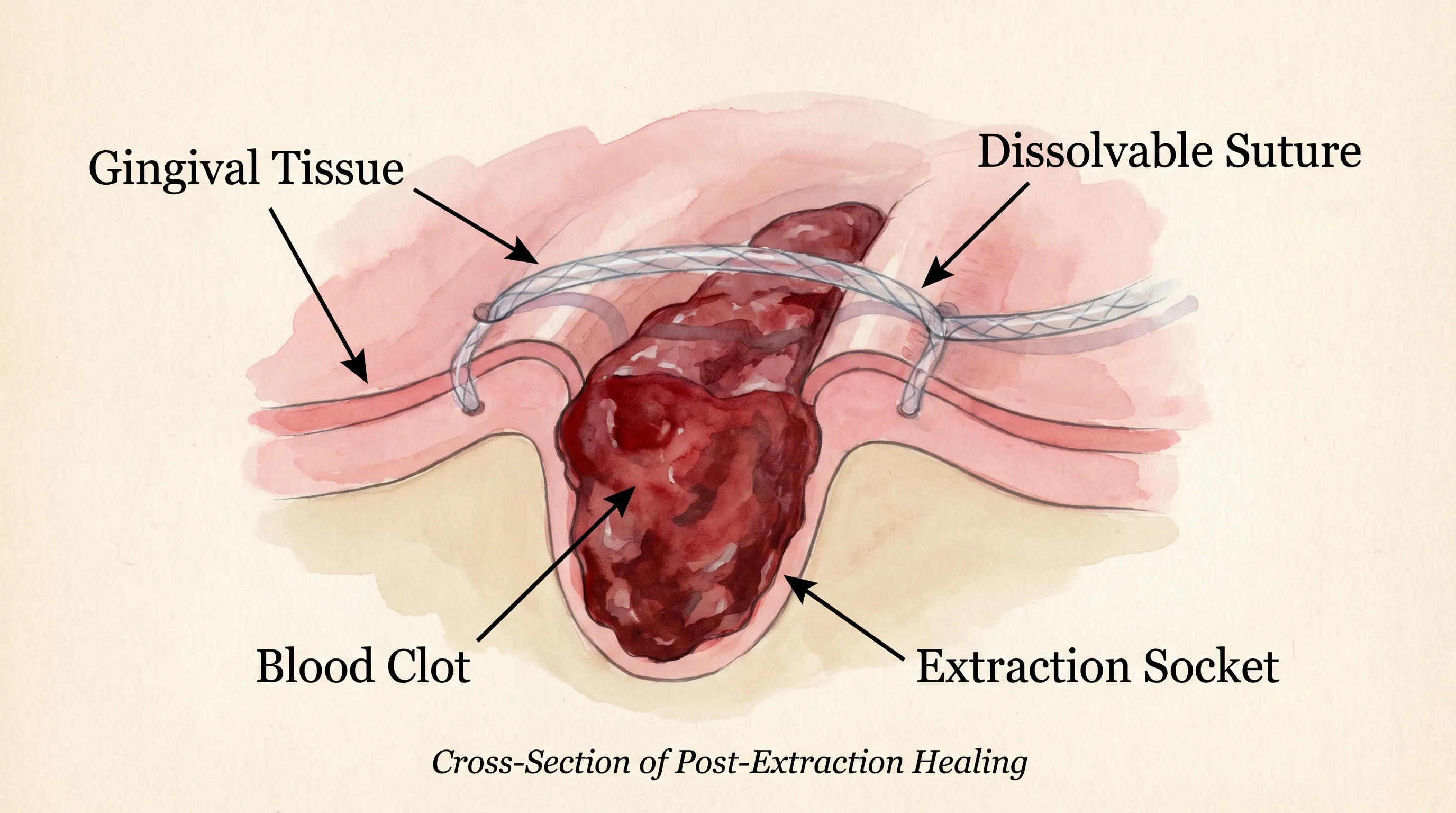
When a tooth is removed, it leaves behind an open socket in the jawbone and gum tissue. This wound needs to be managed carefully to facilitate hemostasis (stopping bleeding) and to guide the growth of new gum tissue over the bone. Dentists and oral surgeons use sutures, commonly known as stitches, to bring the edges of the gum tissue together. This closure helps protect the blood clot that forms in the socket, which is the foundation for new bone and tissue growth. Without proper closure, the risk of complications increases significantly.
Free calculatorHeadache Location ChartIdentify headache types by locationOpen the calculatorDissolvable vs. Non-Dissolvable Stitches
Not all stitches after extraction are created equal. The type of suture your dentist chooses depends on the complexity of the extraction, the location of the tooth, and your individual healing factors. There are two primary categories:
1. Dissolvable (Absorbable) Sutures: These are the most common type used in routine extractions and wisdom teeth removal. Made from materials such as collagen, polylactic acid, or polyglycolic acid, these sutures are designed to break down naturally in the moist environment of the mouth. The body’s enzymes gradually degrade the material, causing the stitches to loosen and eventually disappear. This eliminates the need for a follow-up visit solely for stitch removal. Most dissolvable stitches begin to lose their integrity within 3 to 7 days, though some specialized types may last up to two weeks. Patients often notice small pieces of the suture material falling out or feeling loose in their mouth; this is a normal part of the dissolution process.
2. Non-Dissolvable (Non-Absorbable) Sutures: In cases where the extraction was particularly complex, or if the surgeon wants to ensure the wound remains closed for a longer period to support bone grafting or membrane placement, non-dissolvable sutures may be used. These are typically made from silk, nylon, or polyester. Unlike their absorbable counterparts, these stitches do not break down on their own. They must be manually removed by a dental professional, usually within 7 to 10 days after the procedure. While this requires an additional appointment, it provides greater tensile strength and stability for wounds that are under more tension or require precise alignment during the initial healing phase.
Why Stitches Are Necessary
You might ask if stitches are always necessary. For simple extractions of loose teeth, sometimes no sutures are needed because the gum tissue collapses naturally over the socket. However, for surgical extractions, especially involving wisdom teeth or multiple teeth, stitches after extraction serve several vital functions:
- Hemostasis: They help compress the gum tissue against the bone, reducing post-operative bleeding.
- Protection: They cover the exposed bone and nerve endings, reducing sensitivity and pain.
- Clot Stability: They help keep the blood clot in place, which is crucial for preventing dry socket (alveolar osteitis).
- Tissue Alignment: They ensure the gum heals smoothly, minimizing scarring and creating a better aesthetic result.
Immediate Post-Extraction Care: The First 24 Hours
The first 24 hours after your tooth extraction are the most critical for the success of your healing process. During this window, the blood clot is forming and stabilizing. Any disruption to this clot can lead to prolonged bleeding or dry socket. Therefore, your care routine for stitches after extraction begins immediately after you leave the dental office.
Managing Bleeding and Swelling
It is normal to experience some oozing of blood for the first few hours. Your dentist will likely place a gauze pad over the extraction site before you leave. Keep this gauze in place with firm pressure for about 30 to 60 minutes. If bleeding persists, you can replace the gauze with a fresh, damp piece and continue applying pressure. Avoid changing the gauze too frequently, as this can disturb the forming clot.
Swelling is another common response to surgery. To minimize this, apply an ice pack to the outside of your cheek near the extraction site. Use the ice for 20 minutes on, followed by 20 minutes off. Continue this cycle for the first 24 hours. This vasoconstriction helps reduce inflammation and numbs the area, providing pain relief. Do not apply heat during this initial phase, as heat can increase blood flow and exacerbate swelling and bleeding.
Rest and Positioning
Physical activity increases blood pressure, which can lead to increased bleeding from the extraction site. For the first 24 hours, rest as much as possible. Avoid bending over, lifting heavy objects, or engaging in strenuous exercise. When lying down, keep your head elevated with extra pillows. This position helps reduce blood pressure in the head and neck area, further minimizing bleeding and swelling. Sleeping propped up for the first night or two can make a significant difference in your comfort level.
What to Avoid in the First Day
To protect the stitches after extraction and the blood clot, strictly avoid the following activities for the first 24 hours:
- Rinsing or Spitting: Do not rinse your mouth vigorously or spit forcefully. The suction created by spitting can dislodge the blood clot. If you need to clear your mouth, let saliva drool out gently into a tissue.
- Using Straws: The suction required to drink through a straw is one of the leading causes of dry socket. Drink directly from a cup.
- Smoking or Vaping: Nicotine constricts blood vessels, reducing blood flow to the wound and impairing healing. Additionally, the suction action can pull out the clot. It is highly recommended to avoid smoking for at least 72 hours, but ideally for a week or more.
- Alcohol: Alcohol can interfere with prescribed medications and may increase bleeding risks. Avoid alcoholic beverages for at least 24 hours.
Hygiene and Cleaning: Keeping the Area Safe
Maintaining oral hygiene while having stitches after extraction requires a delicate balance. You need to keep your mouth clean to prevent bacterial buildup and infection, but you must avoid disturbing the surgical site. Poor hygiene can lead to infection, while overly aggressive cleaning can damage the healing tissue.
Brushing Techniques
You can and should continue to brush your teeth, but with modifications. On the day of the extraction, avoid brushing near the surgical site. You can gently brush the teeth farthest from the extraction area. Starting the next day, you can carefully brush your other teeth, using a soft-bristled toothbrush. Be extremely gentle around the stitches. Do not scrub the gums directly over the sutures. Instead, let the bristles lightly sweep over the area or avoid it entirely for the first few days, depending on your dentist's specific instructions.
Avoid using electric toothbrushes near the extraction site for at least one week. The vibrations and rapid movements can be too intense for the healing tissue and may loosen the stitches prematurely. Manual brushing allows for better control and gentler application of pressure.
Rinsing Protocols
After the first 24 hours, you can begin gentle rinsing to help keep the area clean. Your dentist may prescribe a chlorhexidine gluconate mouthwash, which is an antimicrobial rinse that helps reduce bacteria without the need for vigorous swishing. If prescribed, use it exactly as directed, typically twice a day.
If you are not prescribed a medicated rinse, you can use a warm salt water solution. Mix half a teaspoon of salt in a cup of warm (not hot) water. Gently tilt your head to let the solution wash over the area, then let it fall out of your mouth into the sink. Do not swish vigorously. Perform this rinse after meals and before bed to remove food particles and soothe the gums. Continue this practice for at least a week or until the stitches after extraction have dissolved or been removed.
Dealing with Food Traps
As the gums heal, small pockets may form around the stitches where food can get trapped. This is particularly common with lower wisdom teeth extractions. Do not use toothpicks, floss, or water flossers directly on the extraction site for the first week, as these can tear the tissue or dislodge the clot. Instead, rely on gentle salt water rinses after eating to flush out debris. If food remains stuck and causes irritation, contact your dentist for advice rather than trying to dig it out yourself.

Dietary Guidelines: Eating with Stitches
Your diet plays a crucial role in your recovery. The right foods provide the nutrients needed for tissue repair, while the wrong foods can physically damage the stitches after extraction or introduce bacteria into the wound. For the first few days, stick to a liquid or soft-food diet.
Foods to Eat
Focus on foods that require minimal chewing and are cool or lukewarm. Hot foods can increase blood flow to the area and cause discomfort.
- Liquids: Water, diluted fruit juices, broth, and protein shakes. Ensure you are staying hydrated, as dehydration can slow healing.
- Dairy: Yogurt, pudding, custard, and ice cream (without chunks). Dairy products are soothing and provide calcium and protein.
- Grains: Oatmeal, cream of wheat, and well-cooked pasta. Ensure these are cooled down before eating.
- Fruits and Vegetables: Applesauce, mashed bananas, avocado, and pureed soups. These provide essential vitamins and minerals.
- Proteins: Scrambled eggs, tofu, and finely flaked fish. These are easy to chew and digest.
Foods to Avoid
Certain textures and temperatures can be hazardous to your healing mouth.
- Crunchy and Hard Foods: Chips, nuts, seeds, popcorn, and hard candies. These can scratch the gums or get lodged in the extraction site, leading to infection.
- Spicy Foods: Hot peppers and heavily spiced dishes can irritate the open wound and cause stinging pain.
- Acidic Foods: Citrus fruits and tomatoes may sting the sensitive tissue.
- Small Grains: Rice and quinoa can easily get stuck in the socket. Avoid these for at least a week.
- Very Hot Foods: Soups and beverages should be lukewarm. Heat can dissolve the blood clot and increase swelling.
Sample Meal Plan for Days 1-3
| Meal | Option 1 | Option 2 | Option 3 |
|---|---|---|---|
| Breakfast | Lukewarm oatmeal with honey | Smoothie (no seeds) | Scrambled eggs |
| Lunch | Blended tomato soup (cooled) | Mashed potatoes with gravy | Yogurt with pureed fruit |
| Dinner | Pureed lentil soup | Soft pasta with mild sauce | Flaked salmon with mashed avocado |
| Snack | Applesauce | Pudding | Ice cream |
This table provides a framework for ensuring you get adequate nutrition while protecting your stitches after extraction. As healing progresses, you can gradually reintroduce firmer foods, listening to your body's comfort levels.
Recognizing Complications: When to Call the Dentist
While most people recover from tooth extraction without issues, complications can arise. Being aware of the warning signs allows for early intervention, which is key to preventing serious problems. Monitor your healing process closely, especially regarding the status of your stitches after extraction.
Dry Socket (Alveolar Osteitis)
Dry socket occurs when the blood clot is dislodged or dissolves before the wound has healed, exposing the underlying bone and nerves. It is one of the most common complications, affecting about 2-5% of all extractions, but up to 30% of wisdom teeth removals. Symptoms typically appear 2 to 4 days after the extraction and include:
- Severe, throbbing pain that radiates to the ear, eye, or neck.
- Visible bone in the socket.
- Bad breath or a foul odor coming from the mouth.
- Loss of the blood clot.
If you suspect dry socket, contact your dentist immediately. They will clean the socket and place a medicated dressing to relieve pain and promote healing. Note that dry socket is less likely if stitches after extraction are intact and properly cared for, as they help secure the clot. According to the National Institute of Dental and Craniofacial Research (NIDCR), proper post-operative care significantly reduces the risk of such complications.
Infection
Signs of infection include:
- Increasing pain after the first few days (pain should generally decrease).
- Swelling that worsens after 48 hours.
- Fever or chills.
- Pus or discharge from the extraction site.
- Swollen lymph nodes in the neck.
Infections require antibiotic treatment. Do not ignore these symptoms, as oral infections can spread.
Excessive Bleeding
Some oozing is normal, but active bleeding that does not stop with pressure after 30-60 minutes is a concern. If you are soaking through gauze pads rapidly or seeing large clots, seek emergency dental care. This could indicate that a blood vessel was not fully sealed or that the stitches after extraction have failed.
Nerve Injury
Rarely, extraction can affect nearby nerves, leading to numbness or tingling in the lip, chin, or tongue. While often temporary, persistent numbness beyond 24 hours should be reported to your surgeon.
Long-Term Healing and Stitch Removal
The timeline for healing varies from person to person, but understanding the general progression helps manage expectations. The presence of stitches after extraction is temporary, but the healing of the bone and gum takes longer.
The Timeline of Healing
- Days 1-3: Blood clot forms. Swelling and discomfort peak. Stitches are intact and doing their job.
- Days 4-7: Swelling subsides. Dissolvable stitches may start to loosen or fall out. Gum tissue begins to close over the socket. Pain should be manageable with over-the-counter medication.
- Weeks 2-3: Most dissolvable stitches are gone. Non-dissolvable stitches are removed. The gum tissue is mostly healed, though the socket may still feel like a depression. You can usually resume normal brushing and flossing.
- Months 1-6: Bone fills in the socket completely. The gum surface is smooth and fully healed.
Removing Non-Dissolvable Stitches
If you have non-dissolvable sutures, your dentist will schedule a follow-up appointment, usually 7 to 10 days post-surgery. The removal process is quick and virtually painless. The dentist will simply cut the thread and pull it out. You may feel a slight tugging sensation, but no anesthesia is needed. Do not attempt to remove these stitches yourself, as you risk tearing the healed tissue or introducing bacteria.
What If Dissolvable Stitches Don't Dissolve?
Sometimes, dissolvable stitches take longer to break down, or pieces remain irritating the gum. If a stitch is still present after two weeks and causing discomfort, contact your dentist. They can easily trim or remove the remaining fragment. Do not pull on it, as it may still be attached to deeper tissue.
Frequently Asked Questions
How long do stitches stay in after a tooth extraction?
The duration depends on the type of suture used. Dissolvable stitches typically begin to break down within 3 to 7 days and may disappear completely within two weeks. Non-dissolvable stitches usually require removal by a dentist or oral surgeon after 7 to 10 days.
Is it normal for stitches to fall out after extraction?
Yes, it is often normal for dissolvable stitches to loosen and fall out as the gum tissue heals. This usually happens gradually. However, if non-dissolvable stitches come out prematurely or if you experience significant bleeding or pain when a stitch falls out, contact your dentist immediately.
Can I brush my teeth with stitches after extraction?
You should avoid brushing the immediate extraction site for the first 24 hours. After that, you can gently brush your other teeth, but be very careful around the surgical area. Do not use electric toothbrushes or vigorous rinsing near the stitches for at least one week to prevent dislodging the blood clot.
What foods should I avoid with stitches after extraction?
Avoid hard, crunchy, spicy, and extremely hot foods. Specifically, stay away from nuts, seeds, chips, and popcorn, as small particles can get trapped in the extraction site and cause infection or disrupt the healing stitches. Stick to a soft-food diet for the first few days.
How do I know if my extraction site is infected?
Signs of infection include increasing pain after the first few days, swelling that worsens instead of improves, fever, pus discharge from the socket, a foul taste or odor in the mouth that doesn't go away with rinsing, and swollen lymph nodes. If you notice these symptoms, see your dentist promptly.
Conclusion
Navigating the recovery period with stitches after extraction is a manageable process when armed with the right knowledge and care strategies. Whether you have dissolvable sutures that will fade away on their own or non-dissolvable ones that require a quick removal visit, the key to a successful outcome lies in protecting the blood clot and maintaining gentle hygiene. By adhering to a soft-food diet, avoiding disruptive habits like smoking or using straws, and monitoring for signs of complications, you can minimize discomfort and accelerate healing.
Remember that every patient heals differently. While general guidelines provide a solid framework, always prioritize the specific instructions given by your oral surgeon or dentist. They understand the nuances of your specific procedure and medical history. If you have any concerns about your stitches after extraction, such as unusual pain, persistent bleeding, or signs of infection, do not hesitate to reach out to your dental provider. Early communication can prevent minor issues from becoming major complications. With proper care, your gums will heal smoothly, paving the way for a healthy, restored smile. For more information on oral health and recovery, you can visit the American Dental Association.
How we work
Researched and drafted with AI assistance, then reviewed by a human editor against the cited sources.
This article is general health information, not medical advice. Consult a qualified healthcare professional about your own situation.