Understanding Bleeding After Fingering: Causes, Prevention & Expert Care

Intimate health concerns often carry a heavy weight of unspoken anxiety, yet understanding your body's responses is one of the most empowering steps you can take toward holistic wellness. When noticing unexpected spotting following manual stimulation, it is completely natural to feel unsettled or worried. However, bleeding after fingering is actually a relatively common clinical presentation that gynecologists address regularly. According to the Mayo Clinic, while it can sometimes signal minor mechanical friction, it may also reflect underlying physiological factors, hormonal fluctuations, or early signs of an infection that warrants attention. By separating myth from medical reality, you can navigate intimate wellness with confidence, clarity, and proactive care. This comprehensive guide explores the anatomical mechanisms, common triggers, clinical red flags, and evidence-based prevention strategies surrounding vaginal spotting during intimate contact. Whether you are experiencing isolated incidents or recurring concerns, the information presented here aligns with current gynecological standards and prioritizes your long-term reproductive health. Understanding why bleeding after fingering occurs empowers you to make informed decisions, optimize comfort, and maintain open, respectful communication with both partners and healthcare providers. Let us explore the science, safety practices, and clinical guidance you need to protect your intimate well-being.
Understanding Vaginal Anatomy and Tissue Physiology
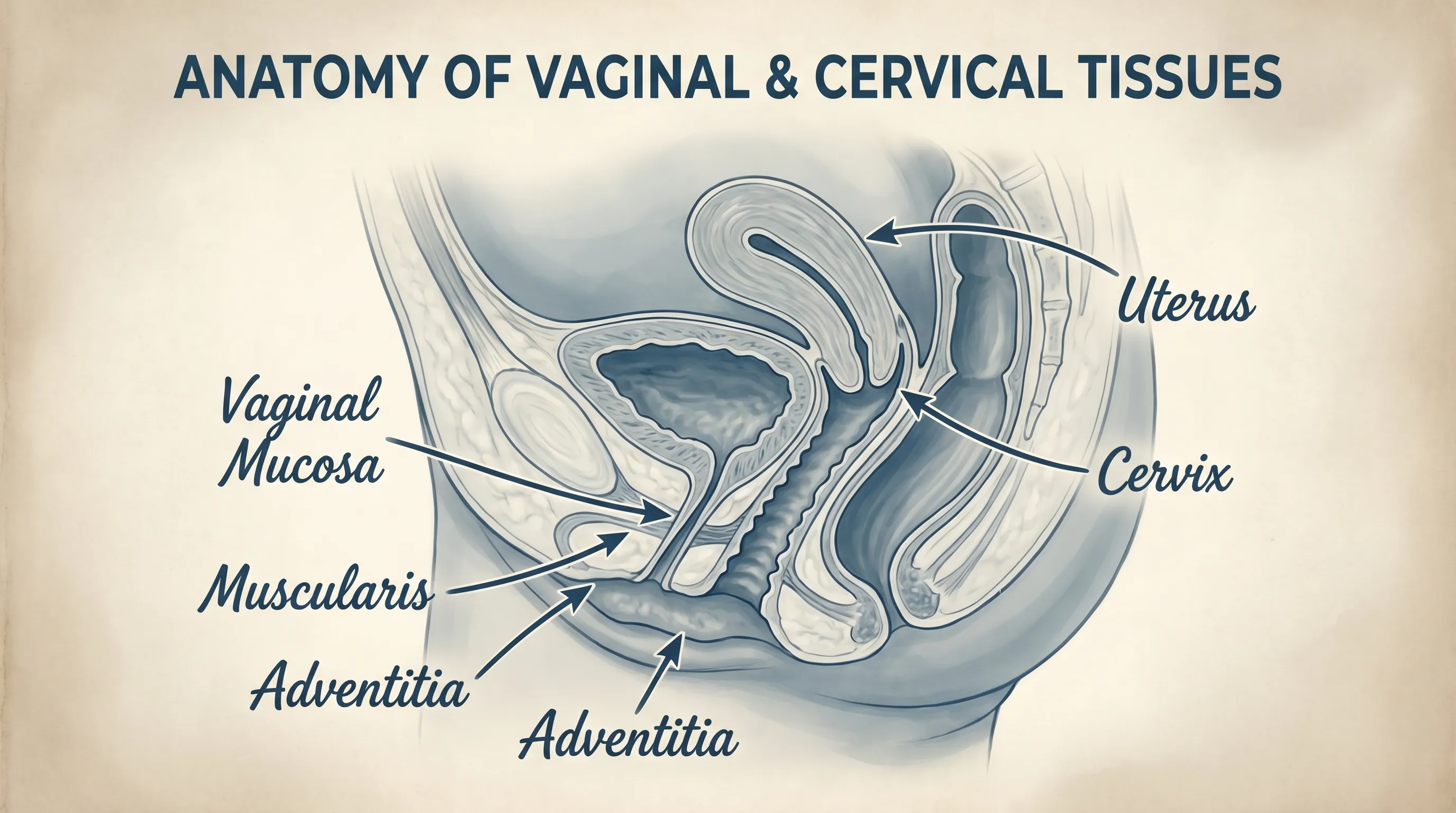
The vaginal canal is a highly dynamic, self-regulating organ designed to maintain balance, facilitate natural lubrication, and support reproductive function. Its inner lining, known as the vaginal epithelium, consists of stratified squamous cells that continuously renew themselves. Unlike many other mucosal surfaces, this tissue contains a rich vascular network just beneath the superficial layers. When stimulated, increased blood flow causes the mucosa to become more pliable and produces transudate that naturally moistens the canal. Understanding this baseline physiology is essential when evaluating why bleeding after fingering might occur (Cleveland Clinic).
Free calculatorOvulation CalculatorCalculate ovulation periodOpen the calculatorThe epithelial thickness and resilience fluctuate throughout the menstrual cycle due to estrogen and progesterone levels. During the follicular phase, rising estrogen promotes cellular proliferation and glycogen storage, which beneficial bacteria convert into lactic acid to maintain an acidic pH. As progesterone rises after ovulation, the tissue becomes slightly less elastic and the pH shifts marginally. These hormonal rhythms directly influence how easily the mucosa responds to touch, friction, or pressure.
Layers of the Vaginal Wall and Vascular Response
The vaginal wall comprises four primary layers: the mucosa, muscularis, adventitia, and surrounding pelvic fascia. The mucosal layer contains numerous blood vessels that dilate during arousal, a process known as vasocongestion. This natural engorgement prepares the tissue for comfortable penetration and reduces the likelihood of micro-injury. However, if stimulation occurs before adequate arousal, the tissue remains relatively dry and fragile. The capillary beds near the surface can easily rupture under sudden pressure or repetitive motion, leading to minor bleeding. This physiological reality underscores why timing, patience, and natural lubrication matter significantly during intimate contact (NIH).
Natural Lubrication Mechanisms and Glandular Function
Lubrication does not originate from a single source. It is a combination of vaginal transudate, cervical mucus, and secretions from the Bartholin glands located near the vaginal opening. Bartholin glands activate during arousal to provide initial moisture at the entrance, while cervical mucus varies in viscosity depending on hormonal phases. When any of these pathways are compromised, friction increases, and tissue vulnerability rises. Factors such as dehydration, chronic stress, certain medications, and hormonal contraceptives can diminish natural moisture production. Recognizing how bleeding after fingering connects to inadequate lubrication helps individuals identify preventable triggers before discomfort escalates (Mayo Clinic).
Common Causes of Bleeding After Fingering
Identifying the root cause requires careful consideration of frequency, volume, timing, and accompanying symptoms. While minor spotting often resolves independently, recurrent or symptomatic bleeding warrants closer examination. Gynecologists categorize these triggers into mechanical, inflammatory, hormonal, and structural factors, as outlined in clinical guidelines (CDC). Each category presents distinct patterns and requires tailored management approaches.
Microtears and Mechanical Friction
The most frequent explanation for light spotting involves microscopic lacerations along the vaginal wall or introitus. These tiny tears occur when tissue is stretched or rubbed without sufficient moisture. Fingertips, particularly those with uneven surfaces, hangnails, or slightly longer edges, can create enough abrasion to disrupt superficial blood vessels. Microtears typically produce bright red spotting that appears immediately or within hours. They heal rapidly under normal conditions, but repeated irritation before complete recovery can prolong sensitivity. Maintaining gentle pacing and avoiding aggressive motions significantly reduces mechanical injury risk.
Vaginal Dryness and Hormonal Imbalances
Dryness extends far beyond inadequate arousal. Estrogen deficiency, whether due to perimenopause, postpartum lactation, extreme exercise, or certain antidepressant medications, directly impacts mucosal hydration. Low estrogen levels thin the vaginal epithelium, a condition historically termed atrophic vaginitis, though modern clinicians prefer genitourinary syndrome of menopause to reduce stigma (Cleveland Clinic). Thinned tissue bleeds more readily under minimal contact. Women experiencing bleeding after fingering alongside dryness, itching, or burning should consider hormonal evaluation and discuss localized estrogen therapy or non-hormonal moisturizers with their provider.
Infections and Inflammatory Conditions
Vaginal flora imbalances and sexually transmitted infections alter tissue integrity, making it friable and prone to contact bleeding. Bacterial vaginosis increases pH and degrades mucosal resilience, while candidiasis causes erythema, micro-fissures, and raw patches. Trichomoniasis and cervicitis from chlamydia or gonorrhea trigger cervical inflammation, often presenting as bleeding after fingering accompanied by unusual discharge or pelvic discomfort. Inflammatory states require targeted medical intervention rather than symptomatic self-management alone (CDC). Prompt diagnostic testing ensures appropriate antimicrobial treatment and prevents ascending complications.
Cervical Sensitivity and Anatomical Variations
The cervix sits at the apex of the vaginal canal and possesses a highly vascular surface. Cervical ectropion, a benign condition where glandular cells extend outward onto the ectocervix, creates a delicate, moist zone that bleeds easily upon touch. This is particularly common in adolescents, pregnant individuals, and those using estrogen-dominant contraceptives. Cervical polyps, which are soft, finger-like growths, also respond to light pressure with noticeable spotting. While typically non-cancerous, persistent cervical bleeding after fingering should be evaluated via speculum examination to rule out abnormal cellular changes or structural irregularities (Mayo Clinic).
Menstrual Cycle Timing and Hormonal Fluctuations
Spotting may simply align with natural cyclical shifts. Perimenstrual discharge often begins with light brown or pink spotting as endometrial tissue sheds gradually. Ovulation can also produce mid-cycle spotting due to temporary estrogen withdrawal and increased follicular activity. If bleeding after fingering consistently occurs within a predictable window, tracking symptoms alongside cycle days helps distinguish physiological patterns from concerning deviations (NIH). Cycle awareness reduces unnecessary anxiety while highlighting genuine abnormalities requiring clinical follow-up.
When to Seek Medical Attention
Distinguishing between benign irritation and clinically significant bleeding requires attention to volume, duration, and associated symptoms. Isolated, light spotting that resolves quickly usually does not demand emergency care. However, certain indicators suggest underlying pathology that warrants professional evaluation.
Red Flags That Require Prompt Clinical Assessment
Seek medical guidance if spotting progresses to steady flow, contains large clots, or persists beyond 48 hours. Accompanying symptoms such as severe pelvic pain, foul-smelling discharge, fever, chills, or pain during urination signal potential infection or inflammatory complications. Individuals with a history of cervical dysplasia, recent pelvic surgery, or compromised immune systems should exercise extra caution. When bleeding after fingering interferes with daily activities or causes recurrent emotional distress, scheduling a routine gynecological visit ensures comprehensive screening and peace of mind (Mayo Clinic).
Differentiating Chronic vs. Isolated Episodes
Occasional spotting related to timing or minor friction typically improves with simple adjustments. Chronic or frequent bleeding suggests persistent tissue vulnerability, unresolved infection, hormonal disruption, or structural changes. Clinicians often recommend a symptom diary tracking cycle days, lubrication use, partner hygiene practices, and bleeding characteristics. This documentation accelerates diagnostic accuracy and guides personalized treatment plans. Consistent communication with your provider transforms uncertainty into actionable health management.
Practical Tips to Prevent Vaginal Bleeding
Proactive care focuses on optimizing tissue health, minimizing unnecessary friction, and establishing consistent intimacy routines. Evidence-based strategies significantly reduce the likelihood of irritation while enhancing overall comfort and pleasure.
Prioritizing Proper Lubrication
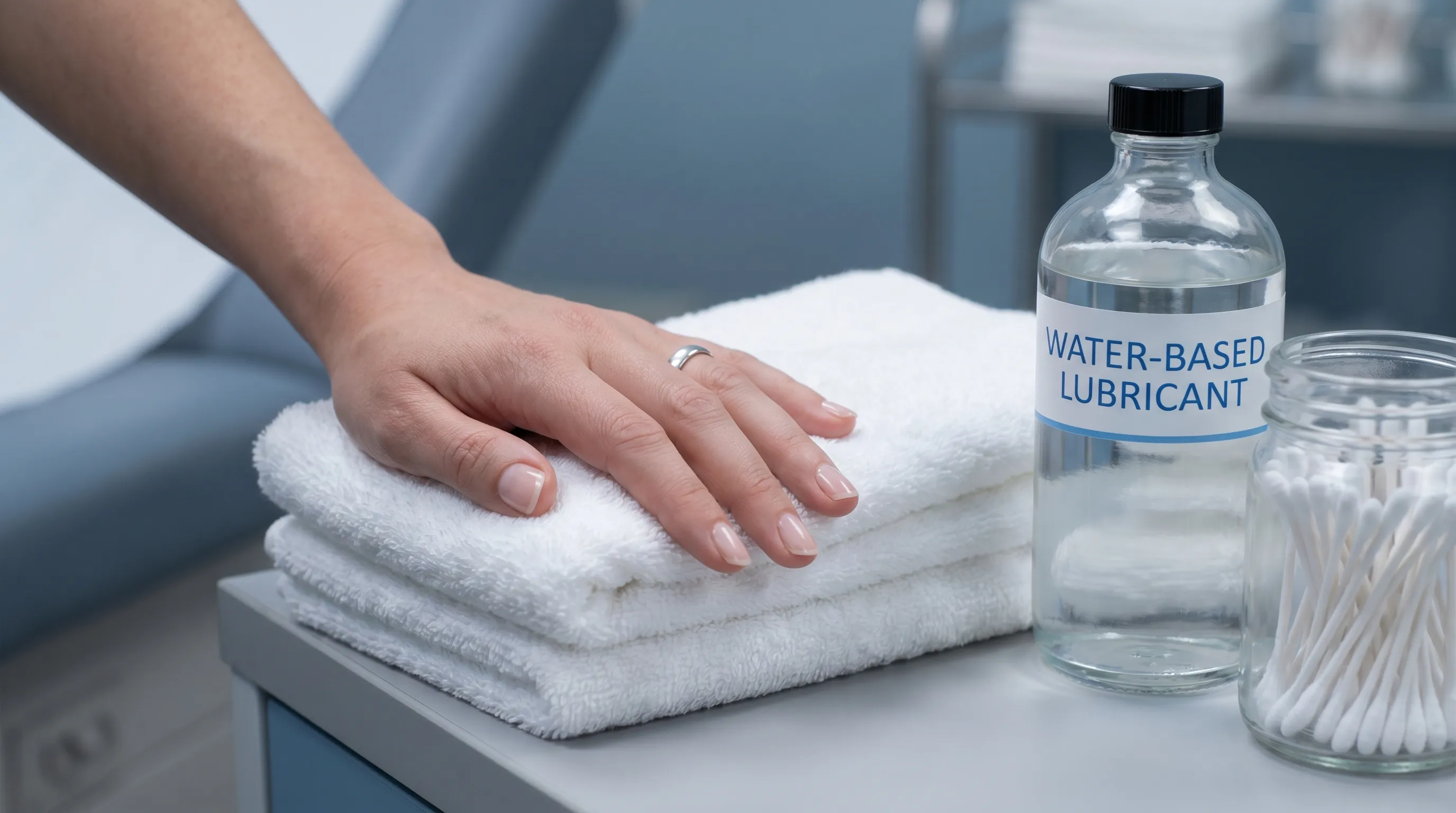
Lubricants serve as essential protective barriers during intimate contact. Water-based formulas closely mimic natural transudate and are safe with latex condoms and silicone toys. Silicone-based alternatives last longer and glide smoothly, though they cannot mix with silicone products. Avoid glycerin-heavy options if prone to yeast overgrowth, as excess sugar can disrupt vaginal pH. Apply liberally before stimulation and reapply as needed. Adequate lubrication remains the single most effective intervention for preventing bleeding after fingering in otherwise healthy tissue (CDC).
Gentle Technique and Mindful Pacing
Speed and pressure dramatically influence tissue response. The vaginal canal requires time to accommodate touch, particularly during low-arousal states or periods of hormonal transition. Begin externally, allow natural moisture to develop, and progress gradually. Pause if discomfort arises and communicate openly about pressure preferences. Mindful intimacy respects physiological limits and reduces the likelihood of microtrauma. Remember that pleasure thrives on patience, not force.
Nail Care, Hand Hygiene, and Glove Use
Hands carry microorganisms, environmental debris, and microscopic skin irregularities that compromise mucosal safety. Wash hands thoroughly with mild, fragrance-free soap before intimate contact. File nails smoothly, trim cuticles carefully, and remove rings that could accidentally scrape tissue. For individuals prone to sensitivity, wearing medical-grade nitrile gloves provides an additional protective layer without diminishing sensation. Simple hygiene rituals significantly lower infection risk and mechanical irritation (WHO).
Medical Evaluation and Treatment Options
When prevention strategies do not resolve recurrent concerns, clinical assessment becomes essential. Gynecologists employ systematic diagnostic approaches to identify underlying causes and implement targeted therapies.
What to Expect During a Comprehensive Pelvic Examination
A standard evaluation begins with a detailed symptom history, menstrual tracking review, and medication assessment. The physical exam includes an external visual inspection, gentle speculum insertion to assess cervical tissue, and bimanual palpation to evaluate uterine and ovarian positioning. Clinicians may collect cervical swabs for STI screening, perform a wet mount to detect yeast or bacterial vaginosis, and order a Pap smear if due. Pelvic ultrasound may be recommended if structural abnormalities or endometrial concerns are suspected. Understanding this process reduces anxiety and fosters collaborative care (Mayo Clinic).
Common Treatments Based on Underlying Cause
Treatment protocols depend entirely on diagnostic findings. Estrogen deficiency often responds to localized vaginal estrogen creams, rings, or tablets that restore mucosal thickness without systemic side effects. Infections require targeted antifungal, antibacterial, or antiprotozoal medications based on culture results. Cervical ectropion typically requires no intervention unless symptomatic, though persistent contact bleeding may be addressed with gentle cryotherapy or silver nitrate cauterization. Polyps are usually removed via simple outpatient procedures. For recurrent mechanical sensitivity, pelvic floor physical therapy can improve muscle coordination and tissue resilience (Cleveland Clinic). When bleeding after fingering stems from medication side effects, dosage adjustments or alternative formulations may be explored under medical supervision.
Sexual Wellness and Communication Strategies
Intimate comfort relies heavily on psychological safety, mutual respect, and open dialogue. Addressing physical symptoms alongside emotional well-being creates a holistic wellness framework that supports long-term satisfaction and trust.
Navigating Comfort, Consent, and Pacing
Bleeding after fingering often resolves when couples prioritize slow progression, continuous check-ins, and non-goal-oriented intimacy. Consent is not a single question but an ongoing conversation (WHO). Discuss boundaries before and during contact, and normalize pausing or stopping at any moment. Exploring external stimulation, massage, or non-penetrative touch while tissue heals maintains connection without compromising safety. Healthy intimacy adapts to the body's current needs rather than forcing compliance.
Addressing Psychological Factors and Performance Anxiety
Fear of discomfort or bleeding can trigger pelvic floor tension, creating a self-fulfilling cycle of dryness and friction. Stress hormones reduce natural lubrication and heighten pain sensitivity. Cognitive reframing, mindfulness practices, and gradual desensitization techniques help rebuild positive associations with intimate touch. If anxiety persists, consulting a certified sex therapist or counselor provides structured guidance. Emotional well-being and physical health remain deeply intertwined, particularly regarding reproductive comfort.
| Common Trigger | Typical Symptoms | Recommended Management |
|---|---|---|
| Mechanical Friction | Bright red spotting, immediate onset, mild discomfort | Rest, apply water-based lubricant, avoid further contact for 48 hours |
| Hormonal Dryness | Recurrent light bleeding, itching, thin tissue appearance | Vaginal moisturizers, localized estrogen therapy, hydration optimization |
| Infection-Related Friability | Abnormal discharge, odor, burning with contact, delayed healing | Targeted antimicrobial treatment, avoid douching, follow-up culture testing |
| Cervical Ectropion | Pink or brown spotting after contact, usually painless | Observation, gentle technique, cauterization only if symptomatic |
| Cycle-Related Spotting | Predictable timing, light volume, no additional discomfort | Symptom tracking, reassurance, monitor for pattern changes |
Frequently Asked Questions
Is light spotting normal the first time experiencing intimate contact?
Light spotting can occasionally occur during initial intimate experiences due to stretching of the vaginal opening or minor mucosal friction. However, it should resolve quickly. Persistent or heavy bleeding requires medical evaluation to ensure tissue integrity and rule out infection or structural concerns (Mayo Clinic).
Can hormonal birth control contribute to bleeding after fingering?
Yes, hormonal contraceptives such as pills, patches, or hormonal IUDs can cause breakthrough bleeding or cervical friability. These medications thin the uterine lining and may make cervical tissue more sensitive to contact. If spotting becomes frequent, discussing alternative formulations with a healthcare provider often yields improved comfort.
How soon should bleeding stop if it is caused by friction?
Friction-related spotting typically resolves within a few hours to a day. If bleeding persists longer than 24 to 48 hours, is accompanied by pain, or increases in volume, it is advisable to consult a healthcare provider. Adequate rest and avoiding further contact allow microtears to heal naturally.
Is it safe to use oil-based products as lubricants during intimate activities?
Oil-based lubricants can disrupt vaginal flora and increase the risk of bacterial vaginosis or yeast infections. Water-based or silicone-based lubricants are generally recommended for safer, mucosa-friendly intimate contact (CDC). Always verify compatibility with condoms or toys before use.
What steps can I take to reduce the risk of vaginal irritation during intimate play?
Prioritize thorough handwashing, keep nails trimmed and smooth, use ample high-quality lubricant, communicate openly with partners about comfort levels, and avoid aggressive movements or prolonged friction without adequate arousal. Tracking symptoms alongside menstrual cycles also helps identify predictable triggers and adjust routines proactively.
Conclusion
Navigating intimate health requires both self-awareness and access to accurate medical guidance. Bleeding after fingering is rarely a cause for panic, yet it deserves thoughtful attention rather than dismissal. By understanding vaginal physiology, recognizing common triggers, implementing evidence-based prevention strategies, and maintaining open communication with both partners and healthcare professionals, you can safeguard your reproductive wellness and enjoy intimacy with confidence. Remember that occasional spotting often reflects temporary friction or hormonal shifts, while recurrent or symptomatic bleeding warrants professional evaluation to address underlying conditions effectively. Prioritize gentle pacing, adequate lubrication, meticulous hygiene, and proactive cycle tracking. When uncertainty persists, consulting a qualified gynecologist ensures personalized care, accurate diagnosis, and appropriate treatment tailored to your unique health profile. Your comfort, safety, and long-term well-being remain the foundation of a healthy, fulfilling intimate life.
How we work
Researched and drafted with AI assistance, then reviewed by a human editor against the cited sources.
This article is general health information, not medical advice. Consult a qualified healthcare professional about your own situation.