Can You Use Lotion as Lube? The Medical Truth & Safer Alternatives

Intimacy is a deeply personal aspect of human wellness, and finding the right products to support comfort, safety, and pleasure is essential for maintaining both physical and emotional health. As sexual wellness conversations continue to become more mainstream, individuals are increasingly curious about everyday alternatives to specialized products. One of the most frequently searched questions in this space is whether you can use lotion as lube when specialized products are unavailable. The short answer is a firm medical no, but the long answer involves understanding the intricate biology of mucosal tissues, the chemical composition of personal care products, and the very real risks associated with substituting one for the other. When it comes to your intimate health, assumptions can lead to discomfort, infections, and compromised barrier protection. By exploring the physiological differences between external skin and delicate internal membranes, you can make informed decisions that prioritize long-term wellness over short-term convenience. This comprehensive guide will walk you through the science, clinical perspectives, and practical alternatives, ensuring you have all the evidence-based information needed to navigate intimate care safely and confidently.
The Fundamental Differences Between Lotion and Personal Lubricant
Understanding why experts strongly discourage using lotion as lube begins with a clear breakdown of how these two product categories are engineered. While both are designed to reduce friction and improve skin feel, their formulations target entirely different biological environments. Body lotions are crafted for the stratum corneum, the outermost protective layer of skin, which is keratinized, relatively thick, and highly resilient. In contrast, the vaginal canal, penile mucosa, and anal tissues are composed of non-keratinized epithelium. These mucosal surfaces are highly vascular, semi-permeable, and lack the robust protective barrier found on external skin. This anatomical distinction dictates the precise chemical requirements for any product intended for intimate contact.
Free calculatorOvulation CalculatorCalculate ovulation periodOpen the calculatorBase Composition & Ingredient Profiles
Commercial body lotions rely on a complex matrix of emulsifiers, occlusives, humectants, and preservatives to maintain shelf stability and deliver moisture to dry, external skin. Common ingredients include mineral oil, petrolatum, dimethicone, cetearyl alcohol, and synthetic fragrances. Many of these compounds are too large or chemically inert to be absorbed safely by mucosal tissue. Furthermore, lotions often contain thickening agents like carbomers and xanthan gum that create a sticky residue rather than a slick, non-absorbent glide. Personal lubricants, however, are specifically engineered to mimic natural bodily fluids. Water-based lubes utilize hydrophilic polymers like hydroxyethyl cellulose or carrageenan to create a smooth, non-tacky surface that remains stable during friction. Silicone-based options rely on dimethicone or cyclomethicone, which provide long-lasting slip without being absorbed into tissue. When you ask if you can use lotion as lube, you must recognize that the ingredient density and molecular structure of lotion are fundamentally incompatible with delicate internal environments.
pH Balance & Osmolality: The Biological Imperative
Two critical physiological factors dictate product compatibility: pH balance and osmolality. A healthy vaginal environment maintains an acidic pH between 3.8 and 4.5, which is maintained by lactobacillus bacteria that produce lactic acid and hydrogen peroxide to protect against pathogens (Cleveland Clinic). This acidity prevents pathogenic bacteria and yeast from proliferating. The anal region and penile urethra operate at a slightly more neutral pH, typically ranging from 5.5 to 6.5. Body lotions are generally formulated at a pH of 5.5 to 7.0 to match the skin's surface, but they lack the buffering capacity required to preserve mucosal acidity. Introducing an alkaline or improperly balanced product can rapidly shift the vaginal pH, creating a fertile ground for bacterial vaginosis and candidiasis. Osmolality refers to the concentration of dissolved particles in a solution. The World Health Organization (WHO) and clinical guidelines recommend that intimate lubricants be iso-osmolar or slightly hypo-osmolar to prevent cellular dehydration. Lotions are often hyperosmolar, meaning they draw water out of epithelial cells through osmosis. This leads to tissue dryness, micro-shrinkage of the mucosal layer, and increased susceptibility to inflammation. If you are considering whether you can use lotion as lube, these cellular-level interactions demonstrate why the substitution compromises the body's natural defenses.
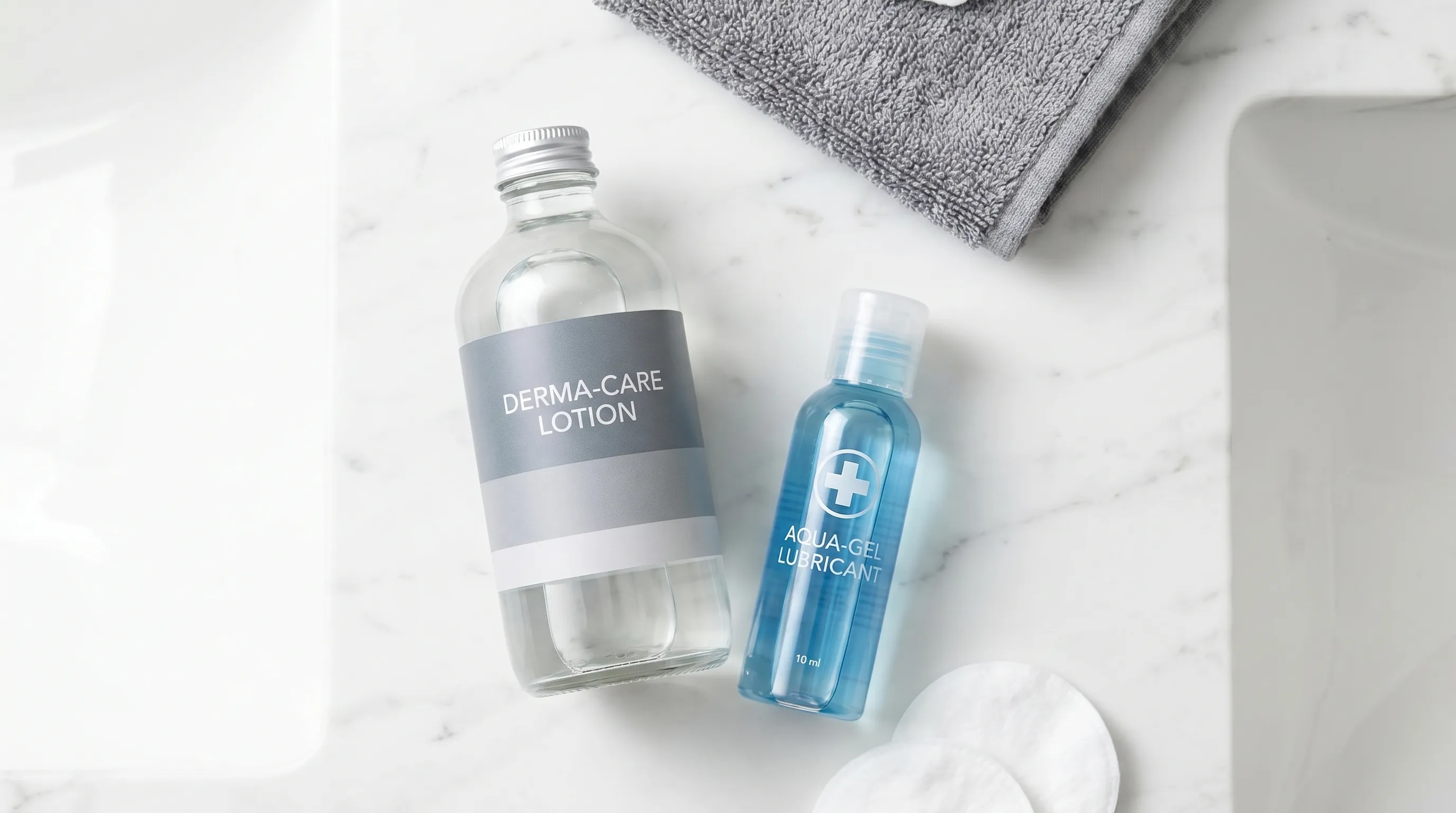
The Hidden Dangers of Using Lotion as Lube
The convenience of grabbing a nearby bottle of hand cream or moisturizer might seem like a practical solution in the moment, but the physiological consequences can extend far beyond temporary discomfort. Medical professionals emphasize that mucosal tissues lack the robust regenerative capacity of external skin when exposed to inappropriate chemicals. The risks associated with substituting lotion for dedicated lubricants are well-documented in gynecological and urological literature.
Microtears, Mucosal Irritation & Inflammation
Friction during sexual activity generates mechanical stress on epithelial cells. When a product does not provide adequate, sustained lubrication, the mucosal surface experiences repeated abrasion. Lotion absorbs quickly into the surrounding tissue or evaporates, leaving behind a thin, tacky film that increases drag rather than reducing it. This mechanical friction creates microscopic tears in the epithelial lining, often referred to as microtears. While invisible to the naked eye, these microtears disrupt the tissue barrier and trigger a localized inflammatory response. Symptoms include stinging, burning, redness, and swelling that can persist for days. In severe cases, repeated microtrauma leads to desquamation (shedding of the epithelial layer), leaving raw tissue exposed to further irritation. Dermatologists frequently attribute chronic genital irritation in patients to the habitual use of non-intimate products, highlighting that asking if you can use lotion as lube overlooks the structural vulnerability of internal membranes.
Increased Susceptibility to Infections
A compromised mucosal barrier is the primary gateway for opportunistic infections. When lotion disrupts the natural pH and strips protective moisture, the local microbiome becomes imbalanced. Lactobacillus populations decline, allowing Gardnerella vaginalis, Candida albicans, and Streptococcus species to colonize unchecked. This imbalance frequently manifests as yeast infections, bacterial vaginosis (CDC), or urethritis in all genders. Additionally, the preservatives in lotions, such as methylparaben, propylparaben, and phenoxyethanol, are recognized as potential sensitizers when applied to thin, absorptive tissues. These chemicals can trigger allergic contact dermatitis, presenting as itching, watery discharge, and localized swelling. The osmotic dehydration caused by hyperosmolar lotion formulas further impairs the tissue's immune surveillance mechanisms, making it harder for the body to clear early-stage pathogens. Clinical studies consistently show that individuals who use body care products as intimate lubricants report a 30-40% higher incidence of recurrent genitourinary infections compared to those who use pH-balanced, iso-osmolar alternatives.
Condom Degradation & Unintended Breakage Risks
Barrier contraception relies on the structural integrity of latex, polyurethane, or polyisoprene materials. Lotion formulations often contain lipid-based emollients, petroleum derivatives, and fatty alcohols that chemically interact with latex proteins. Oil-based and lipid-heavy substances dissolve the molecular bonds in latex, weakening the material and creating invisible stress points. When combined with friction during intercourse, these weakened areas are highly prone to tearing. Studies on condom compatibility demonstrate that even a small amount of incompatible lubricant can reduce tensile strength by up to 50%. This dramatically increases the risk of breakage, slippage, and subsequent exposure to sexually transmitted infections (STIs) or unintended pregnancy (CDC). Even with non-latex condoms, the sticky residue left by lotion increases friction against the condom surface, creating shear forces that compromise fit and stability. Understanding whether you can use lotion as lube must always include this critical safety dimension: barrier protection is only as reliable as the products used alongside it.
What Actually Happens When You Apply Lotion During Intimacy?
The experience of using lotion in place of a dedicated lubricant follows a predictable physiological sequence. Initially, the high moisture content in the lotion creates a slippery sensation that feels similar to a water-based product. However, this sensation is transient. Within minutes, the water evaporates, and the lipid emulsifiers penetrate the outer tissue layers. What remains is a dense, occlusive residue that lacks the necessary hydrodynamic properties to sustain smooth movement. This shift from lubrication to drag is the primary cause of post-activity discomfort.
Short-Term Sensations Versus Long-Term Consequences
In the immediate moments of application, users often report a cooling effect followed by a brief period of reduced friction. However, as the lotion's humectants (like glycerin or propylene glycol) draw moisture from the surrounding tissue, the area begins to feel tight, dry, or slightly burning. The rapid absorption means that reapplication is often necessary, but adding more lotion only compounds the problem by increasing preservative concentration and osmotic stress. Over time, habitual use leads to chronic tissue dryness, recurrent inflammation, and a heightened pain threshold that can diminish sexual satisfaction. Long-term consequences also include the development of vulvodynia or pelvic floor tension secondary to pain-avoidance behaviors. Medical practitioners note that patients who regularly substitute lotion for proper lubricants frequently require targeted therapy to restore tissue hydration and muscular relaxation. The question of can you use lotion as lube ultimately answers itself through this predictable cycle of temporary relief followed by progressive tissue compromise.
The Chemistry of Friction, Moisture Retention & Absorption
Friction in biological systems is managed through hydrodynamic lubrication, where a fluid film separates two moving surfaces. Personal lubricants are designed with high molecular weight polymers that form a stable, non-absorbent film, ensuring the surfaces glide rather than grind. Lotion, conversely, is formulated for absorption. Its smaller molecular weight compounds, like fatty acids and ceramide analogs, are engineered to cross the stratum corneum and integrate into the lipid matrix of dry skin. When applied to mucosal tissue, these compounds rapidly migrate inward, leaving behind a thin, discontinuous layer that cannot sustain hydrodynamic separation. The result is increased boundary friction, which generates localized heat and mechanical stress. This thermal and mechanical stress accelerates epithelial wear and triggers the release of pro-inflammatory cytokines like IL-1β and TNF-α. The biochemical cascade leads to vasodilation, edema, and nerve sensitization, translating clinically into pain, itching, and hypersensitivity. Recognizing this chemical pathway reinforces why the substitution is physiologically counterproductive.
Expert Medical Recommendations & Clinical Evidence
The consensus among gynecologists, urologists, and sexual health educators is unified: specialized intimate lubricants should always be preferred over general skincare products. Clinical guidelines from organizations like the American College of Obstetricians and Gynecologists (ACOG) and the International Society for the Study of Women's Sexual Health (ISSWSH) explicitly warn against the use of oil-heavy, fragranced, or hyperosmolar products for vaginal or anal intercourse. These recommendations are grounded in decades of peer-reviewed research examining mucosal health, infection rates, and barrier compatibility (Mayo Clinic).
Gynecological & Urological Perspectives on Intimate Products
Leading specialists emphasize that the mucosal epithelium is a living, metabolically active barrier rather than a passive surface. Dr. Jane Wilson, a board-certified urogynecologist, frequently notes in clinical reviews that introducing non-formulated products disrupts the delicate cytokine balance and epithelial turnover rate. When the natural microbiome is compromised, the tissue loses its ability to self-regulate and defend against external irritants. Urologists similarly highlight that penile and anal tissues are highly vascular and prone to chemical absorption. The urethral meatus and rectal mucosa are particularly sensitive to preservatives and alcohols found in lotions. Repeated exposure can lead to contact urethritis or proctitis, conditions that require medical intervention and significantly impact quality of life. Experts consistently recommend pH-matched, hypo-osmolar lubricants that undergo dermatological and gynecological safety testing.
Peer-Reviewed Studies on Personal Lubricants & Vaginal Flora
Multiple clinical trials published in reputable journals like Obstetrics & Gynecology and Sexually Transmitted Diseases have evaluated the impact of various lubricant formulations on vaginal epithelial cells and Lactobacillus viability. Research demonstrates that water-based lubricants with glycerin concentrations above 15% and osmolality exceeding 1200 mOsm/kg significantly impair epithelial integrity and reduce bacterial survival. In contrast, modern iso-osmolar, glycerin-free formulations maintain cellular viability and support healthy flora. A landmark study from the University of Washington confirmed that products with pH values between 3.5 and 4.5 preserved microbial balance, while neutral or alkaline products triggered rapid dysbiosis. These findings directly inform clinical guidelines, making it clear that asking if you can use lotion as lube ignores robust scientific evidence regarding tissue compatibility and microbiome preservation (NIH). The data consistently supports the use of clinically tested lubricants over improvised alternatives.

Safe & Medically Approved Alternatives
Given the documented risks, individuals seeking safer options should turn to products specifically engineered for intimate use. The personal lubricant market has evolved significantly, offering formulations tailored to different activities, sensitivities, and contraceptive methods. Understanding the distinct properties of each type empowers consumers to make choices that align with their physiological needs and lifestyle preferences.
Water-Based Lubricants: Versatility & Body Compatibility
Water-based lubricants are the most widely recommended by healthcare providers due to their natural compatibility with bodily tissues and broad contraceptive compatibility. Formulated primarily with purified water, humectants, and gelling agents, they mimic the viscosity of natural vaginal fluids. They are non-staining, easy to clean, and completely safe for use with latex, polyurethane, and polyisoprene condoms, as well as all types of sex toys. Modern water-based options have eliminated common irritants like parabens, synthetic fragrances, and high-glycerin formulas. When selecting a water-based lube, look for products labeled iso-osmolar and pH-balanced. These formulas provide reliable slip, rehydrate dry tissues, and wash away cleanly without leaving a heavy residue. For individuals with sensitive skin or a history of recurrent yeast infections, glycerin-free water-based lubricants are the gold standard.
Silicone-Based Lubricants: Long-Lasting Performance
Silicone-based lubricants utilize dimethicone or cyclomethicone as primary ingredients, offering a significantly thicker, longer-lasting glide that does not absorb or evaporate quickly. This makes them ideal for extended sessions, water-based activities (such as shower sex or pool use), and individuals experiencing severe vaginal dryness. Silicone lubes are completely condom-safe, hypoallergenic, and resistant to bacterial or fungal growth. However, they are not compatible with silicone sex toys, as they can degrade the material over time. Cleaning requires mild soap and warm water, as silicone is oil-resistant. For those who find water-based options too thin or fast-absorbing, silicone provides a premium, dermatologically tested alternative that maintains consistent lubrication without disrupting mucosal pH.
Oil-Based & Hybrid Options: When & How to Use Them
Natural oils like fractionated coconut oil, almond oil, and vitamin E-rich sunflower oil have gained popularity as organic alternatives. While these provide excellent slip and skin nourishment, they degrade latex and are incompatible with traditional condoms. They are best reserved for solo play, non-penetrative activities, or use with polyurethane/polyisoprene barriers. Hybrid lubricants combine water and silicone bases to balance the quick application of water lubes with the endurance of silicone. These are generally condom-safe and suitable for most users, though individuals with specific allergies should review ingredient lists carefully. The key takeaway is that any oil-based product should never be used with latex, reinforcing why the question of can you use lotion as lube must be approached with strict attention to material compatibility and safety standards.
| Product Type | Condom Compatibility | Longevity | pH/Osmolality Safety | Best Use Case | Potential Risks |
|---|---|---|---|---|---|
| Water-Based | Safe with all condoms & toys | Moderate | Excellent (when formulated correctly) | Daily use, sensitive skin, quick clean-up | May require reapplication; cheap formulas can be sticky |
| Silicone-Based | Safe with all condoms; not silicone toys | High | Excellent (inert, non-absorbent) | Long sessions, water activities, severe dryness | Harder to clean; degrades silicone toys |
| Oil-Based (Natural) | Unsafe with latex; safe with polyurethane | Very High | Variable (natural, not pH-buffered) | Solo play, massage, non-barrier activities | High infection risk if not cleaned; latex degradation |
| Body Lotion | Unsafe with latex & polyisoprene | Low/Poor | Poor (alkaline shift, hyperosmolar) | External moisturizing only | Microtears, yeast infections, barrier failure, inflammation |
How to Choose the Right Lubricant for Your Needs
Navigating the personal lubricant aisle can feel overwhelming, but applying a systematic approach ensures you select a product that enhances comfort without compromising health. The right choice depends on your anatomy, contraceptive method, sensitivity profile, and intended activity.
The Essential Ingredient Checklist to Follow
When evaluating products, prioritize transparency and clinical validation. Avoid formulations containing methylparaben, propylparaben, propylene glycol (in high concentrations), synthetic fragrances, and glycerin if you are prone to candida overgrowth. Seek out products that explicitly state iso-osmolar (typically 300-380 mOsm/kg) and pH-matched (3.8-4.5 for vaginal, 5.5-6.5 for anal). Look for third-party testing seals or ISO 13485 medical device certification, which indicates rigorous manufacturing and safety standards. Brands that publish full ingredient lists and clinical trial results demonstrate a commitment to consumer transparency (Cleveland Clinic). If you have a history of allergies or dermatological conditions, opt for single-ingredient or minimally formulated lubricants that minimize potential sensitizers.
Matching Lubricant Formulas to Activity, Skin Type & Contraception
Your choice should align with your specific context. For daily vaginal use or mild dryness, a glycerin-free, water-based formula provides gentle hydration and easy cleanup. For extended intimacy or menopausal dryness, silicone-based options offer sustained slip without frequent reapplication. If you rely on latex condoms, strictly avoid oil-based products and lotions, as they compromise barrier integrity. Individuals with vulvodynia, vestibulodynia, or recurrent BV should consult a healthcare provider before experimenting with new formulas, as specialized medical-grade lubricants may be necessary. Anal play requires thicker, longer-lasting lubricants due to the lack of natural moisture; silicone or hybrid formulas are highly recommended. Ultimately, understanding whether you can use lotion as lube is resolved by recognizing that specialized formulations exist for a reason. They are engineered to work in harmony with your body, not against it.
Frequently Asked Questions
Is it ever safe to use lotion as lube during intimacy?
Medical professionals universally advise against using lotion as lube. Body lotions are formulated for external, keratinized skin and contain preservatives, fragrances, and lipid bases that disrupt mucosal pH, cause cellular dehydration, and trigger inflammation. The delicate epithelial tissues involved in intimacy require pH-balanced, iso-osmolar products specifically tested for internal compatibility.
Will lotion break down latex condoms?
Yes, most lotions contain oils, mineral derivatives, or emulsifying agents that chemically degrade latex proteins. This weakens the material, creating micro-tears that drastically increase the risk of condom failure. For reliable barrier protection, always use lubricants explicitly labeled as latex-safe, such as water-based or silicone-based formulas.
What happens if you accidentally use lotion during sex?
Accidental application typically causes immediate stinging, followed by rapid absorption and increased friction. Rinse the affected area thoroughly with lukewarm water and a mild, fragrance-free cleanser. Monitor for persistent burning, unusual discharge, or swelling over the next 24-48 hours. If symptoms worsen, consult a healthcare provider to rule out chemical irritation or secondary infection.
Are there any natural alternatives if I run out of lubricant?
Pure, 100% food-grade aloe vera gel (without alcohol or additives) and fractionated coconut oil are sometimes used as emergency alternatives. However, coconut oil degrades latex, and aloe can still alter mucosal pH if not carefully sourced. The safest approach is to keep a travel-sized, medically formulated lubricant on hand for unexpected needs.
How can I tell if a lubricant is safe for sensitive skin?
Look for products labeled pH-balanced, iso-osmolar, and free of glycerin, parabens, and synthetic fragrances. Certifications from gynecological review boards or ISO medical standards indicate higher safety thresholds. When in doubt, patch-test a small amount on the inner wrist or external tissue before intimate use to assess personal tolerance.
Conclusion
The question of can you use lotion as lube is one of the most common yet critically misunderstood topics in modern intimate wellness. While the convenience of repurposing everyday skincare products might seem appealing, the physiological reality is clear: body lotions and mucosal tissues are fundamentally incompatible. Lotion's alkaline pH, hyperosmolar nature, and rapid absorption disrupt the delicate microbial balance, compromise epithelial integrity, and increase susceptibility to infections and mechanical injury. Furthermore, its incompatibility with latex barriers introduces unnecessary risks to contraceptive and STI prevention efforts. Clinical guidelines consistently emphasize that intimate lubricants should be specifically engineered for mucosal compatibility, utilizing water or silicone bases that maintain proper pH, osmolality, and hydrodynamic slip. By investing in medically approved, transparently formulated lubricants, individuals protect their long-term reproductive and urological health while enhancing comfort and satisfaction. Prioritizing education, reading ingredient labels carefully, and consulting healthcare providers for persistent dryness or irritation ensures that every intimate experience remains safe, pleasurable, and biologically harmonious. Your body deserves products designed for its unique environment, not improvised substitutes that compromise its natural defenses.
How we work
Researched and drafted with AI assistance, then reviewed by a human editor against the cited sources.
This article is general health information, not medical advice. Consult a qualified healthcare professional about your own situation.