Masturbating Before Sex: Clinical Insights, Benefits & Best Practices

Sexual wellness is deeply personal, yet it remains one of the most universally discussed and misunderstood aspects of human health. Among the many habits that fall under this umbrella, the practice of masturbating before sex has emerged as a widely adopted, clinically recognized behavior that intersects physiology, psychology, and relationship dynamics. While cultural narratives have historically framed solo sexual activity as either taboo or a replacement for partnered intimacy, modern sexual medicine firmly positions it within the spectrum of healthy self-care. As outlined by the World Health Organization (WHO), sexual health requires a positive and respectful approach to sexuality. When approached intentionally, it can serve as a valuable tool for physiological readiness, anxiety management, and deeper connection. Understanding how your body responds, recognizing the clinical benefits, and learning how to integrate this habit respectfully into shared intimacy requires evidence-based guidance rather than anecdotal assumptions. This article explores the physiological mechanisms, expert clinical guidelines, potential considerations, and communication frameworks surrounding the practice. Whether you are navigating performance concerns, exploring your own arousal patterns, or seeking to align expectations with a partner, the information provided here is grounded in sexual medicine research, urological and gynecological guidelines, and established behavioral health principles. The goal is to empower you with factual, compassionate insights that support long-term sexual wellness and relational harmony.
The Science and Physiology of Masturbating Before Sex
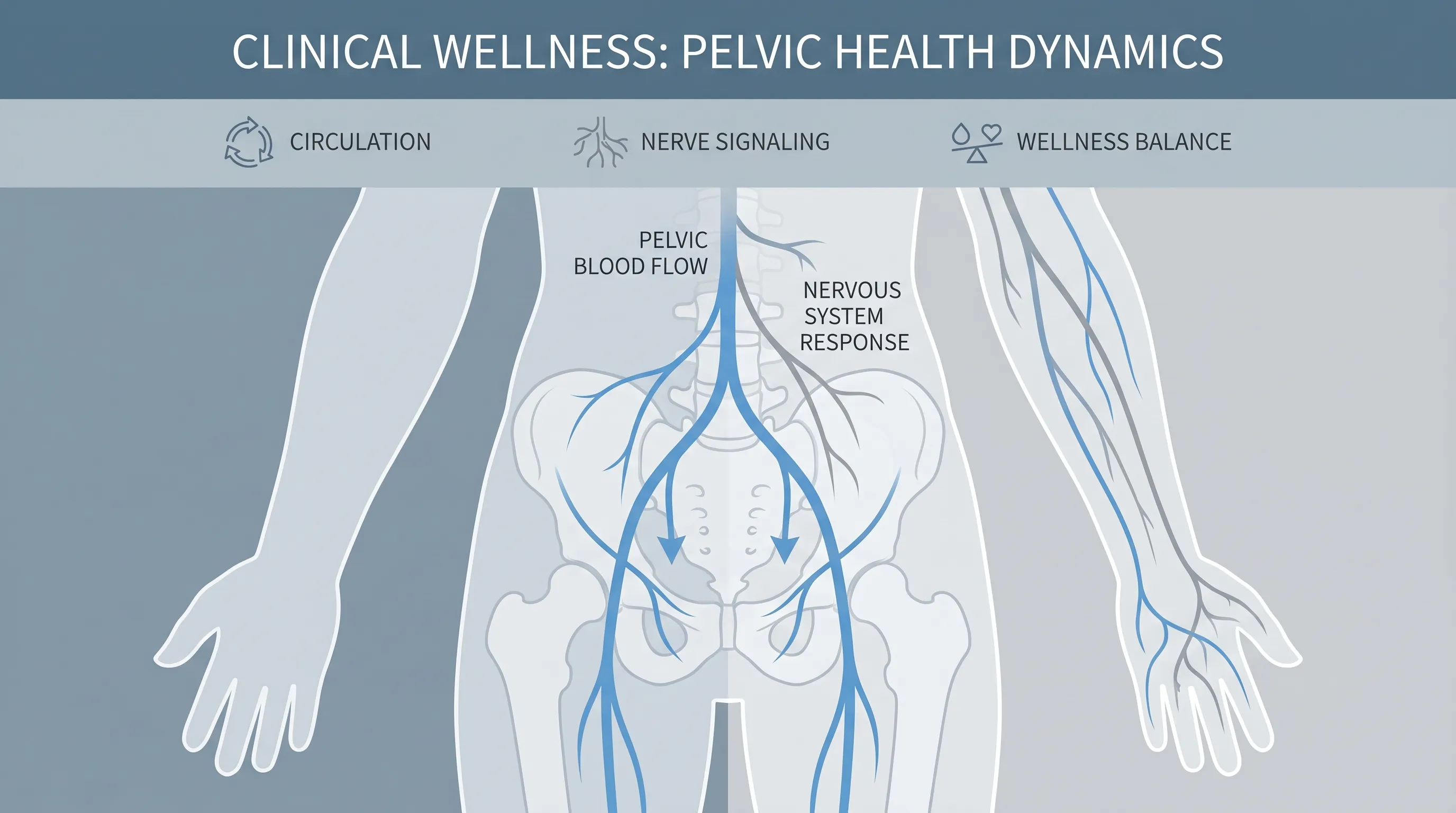
Human sexual response is governed by a complex interplay of vascular, neurological, endocrine, and psychological systems. When engaging in masturbation before sex, several physiological shifts occur that directly influence readiness for partnered intimacy. Understanding these mechanisms helps demystify why timing, technique, and recovery windows matter so much in clinical practice.
Free calculatorBMI CalculatorCalculate Body Mass IndexOpen the calculatorHow Solo Activity Impacts Arousal and Lubrication
For individuals with vulvas, arousal triggers increased blood flow to the pelvic region, stimulating the Bartholin glands and vaginal walls to produce natural lubrication. This process, known as vasocongestion, reduces friction and prepares the vaginal canal for comfortable penetration. Clinical observations from the Cleveland Clinic highlight that solo arousal prior to partnered activity can significantly improve comfort, particularly for those who experience delayed arousal responses or stress-related vaginal dryness. Additionally, the rhythmic nature of self-stimulation encourages the release of nitric oxide, a vasodilator that enhances tissue elasticity and promotes pelvic floor relaxation. These physiological shifts do not occur instantly; they follow a gradual curve that mirrors the body’s natural arousal phases. When masturbating before sex, the body essentially "primes" its lubrication pathways, which can translate to smoother transitions into partnered intercourse and reduced risk of micro-tears or irritation.
Understanding the Refractory Period and Physical Readiness
In individuals with penises, ejaculation triggers a neurochemical cascade that initiates the refractory period. During this phase, prolactin levels rise while dopamine temporarily decreases, making subsequent erections or orgasms physiologically difficult for a variable duration. The refractory period can range from a few minutes to several hours, influenced by age, cardiovascular health, stress levels, and hormonal balance. Masturbating too close to partnered intercourse may temporarily delay readiness, which is why timing becomes a crucial factor. American Urological Association guidelines emphasize that this is a normal biological reset mechanism, not a dysfunction. Allowing adequate recovery time enables neurotransmitters to rebalance, blood vessels to respond appropriately to stimulation, and muscle tension to normalize. Recognizing this window helps individuals align solo habits with partnered expectations without triggering frustration or performance pressure.
Sensory Calibration and Neurological Responses
The nervous system learns through repetition. Regular solo sexual activity helps map individual arousal thresholds, preferred pressure levels, and optimal pacing. This neurological mapping, often referred to in sexual medicine as sensory calibration, allows the brain to process touch more efficiently. When you understand exactly how your body responds to different stimuli, you become better equipped to guide partnered encounters. Research published in the Archives of Sexual Behavior notes that individuals who practice mindful self-stimulation report higher sexual self-efficacy, meaning they feel more confident communicating desires and boundaries. Furthermore, solo activity stimulates the release of oxytocin and endorphins while reducing cortisol. These neurochemical shifts create a calmer physiological baseline, which is particularly valuable when transitioning from solo arousal to shared intimacy. The nervous system essentially moves from a state of self-exploration to one of relational attunement, facilitating smoother integration of solo and partnered experiences.
Clinical Benefits Supported by Sexual Medicine Research
Sexual health professionals increasingly recognize solo sexual practices as valuable components of comprehensive wellness. When integrated thoughtfully, masturbating before sex aligns with several evidence-based clinical benefits that address both physiological function and psychological well-being.
Managing Premature Ejaculation Through Behavioral Techniques
Premature ejaculation (PE) is one of the most common sexual health concerns affecting individuals across age groups. The International Society for Sexual Medicine (ISSM) classifies behavioral interventions as first-line, non-pharmacological approaches for PE management. Techniques such as the start-stop method and the squeeze technique are typically practiced during solo masturbation to train neuromuscular control over ejaculation reflexes. Clinicians often recommend masturbating before sex as part of a broader desensitization protocol, allowing the body to experience a controlled release prior to partnered activity. By allowing a recovery window of one to three hours, individuals can re-engage in intercourse with reduced ejaculatory urgency. Studies consistently show that when combined with pelvic floor awareness and mindful pacing, this approach significantly improves intravaginal ejaculatory latency time (IELT). The American Urological Association supports these behavioral strategies within holistic treatment plans, noting that they empower patients without reliance on medication.
Reducing Performance Anxiety and Stress Hormones
Sexual performance anxiety is fueled by heightened sympathetic nervous system activation, which increases cortisol, elevates heart rate, and diverts blood flow away from genital tissue. This stress response directly interferes with arousal and erection quality. Solo sexual activity acts as a physiological reset by activating the parasympathetic nervous system. The rhythmic breathing, focused touch, and endorphin release associated with masturbation lower systemic stress markers and promote mental clarity. When individuals practice masturbating before sex, they often report feeling more grounded and less preoccupied with "performance expectations." This mental shift is clinically significant because anxiety is one of the leading contributors to erectile difficulties and arousal disorders. By using solo activity as a preparatory tool rather than a compensatory one, individuals can approach partnered intimacy from a state of calm rather than tension. Sexual therapists frequently incorporate this concept into cognitive-behavioral frameworks, helping patients reframe anxiety as a manageable physiological signal rather than a barrier to connection.
Enhancing Sexual Self-Discovery and Partner Intimacy
Intimacy thrives on clarity. When individuals lack awareness of their own arousal patterns, they often struggle to communicate needs, which can lead to mismatched expectations and relational frustration. Masturbation provides a low-pressure environment for exploring touch, rhythm, and stimulation preferences. Journal of Sexual Medicine research consistently correlates sexual self-discovery with higher partnered satisfaction, emphasizing that self-knowledge translates directly into better communication. When practiced thoughtfully, masturbating before sex becomes an extension of that self-awareness, allowing individuals to enter shared encounters with clearer intentions and calibrated responses. Partners benefit as well, as guided intimacy reduces guesswork and increases mutual responsiveness. Clinical sexologists note that couples who discuss solo habits openly report higher emotional safety, which correlates with increased physical satisfaction over time. Ultimately, solo sexual exploration and partnered intimacy are complementary rather than competitive, forming a continuous feedback loop that strengthens both individual confidence and relational trust.
Potential Considerations and When to Adjust Your Approach
While clinical evidence supports numerous benefits, medical professionals also emphasize that context, frequency, and technique matter significantly. Recognizing when a habit shifts from beneficial to problematic ensures that solo sexual practices continue to support overall wellness rather than interfere with it.
Temporary Desensitization and Grip Dynamics
The human body adapts to consistent stimulation patterns. Frequent or vigorous masturbation, particularly with a tight grip, high friction, or intense pacing, can temporarily elevate the threshold required to achieve arousal during partnered sex. This phenomenon, often described as death grip syndrome in popular literature, is not permanent but reflects short-term neural adaptation. When desensitization occurs immediately before intercourse, partnered touch may feel less stimulating until the nervous system recalibrates. Clinicians recommend using water-based or silicone-based lubricants during solo activity to mimic natural partnered friction. Additionally, alternating hand techniques, varying pressure, and avoiding excessive speed help maintain sensory responsiveness. If you notice that masturbating before sex consistently dulls partnered sensation, adjusting your solo technique or extending the recovery window typically resolves the issue. The key is aligning solo stimulation with the sensory environment you expect during shared intimacy.
Navigating Libido Mismatch in Relationships
Sexual desire operates on individual timelines, and couples frequently experience natural fluctuations in libido. When one partner engages in solo sexual activity regularly, it may occasionally reduce spontaneous desire for partnered sex. This is not inherently problematic unless it creates recurring dissatisfaction, avoidance of intimacy, or emotional distance. Sexual health educators stress that libido variation is normal, but persistent mismatch warrants compassionate dialogue rather than blame. If masturbating before sex begins to replace desired shared intimacy, couples can explore scheduling, alternating initiation, or incorporating mutual solo exploration into their routine. The Mayo Clinic emphasizes that moderation and mutual consent remain foundational. When both partners understand that solo habits are complementary rather than competitive, libido differences become manageable through negotiation rather than conflict.
Differentiating Healthy Habits from Compulsive Patterns
All sexual behaviors exist on a spectrum. Healthy masturbation supports stress relief, bodily awareness, and sexual function. Compulsive patterns, however, are characterized by loss of control, interference with daily responsibilities, emotional distress, or use as a primary coping mechanism for anxiety or depression. If you find that masturbating before sex is no longer enhancing intimacy but instead feels obligatory, guilt-inducing, or isolating, consulting a licensed sex therapist or mental health professional is advisable. Cognitive-behavioral therapy and sex-positive counseling are highly effective in addressing compulsive sexual behavior while preserving healthy solo practices. Clinicians recommend evaluating whether the habit aligns with your values, supports relational connection, and enhances overall well-being. Self-reflection and professional guidance ensure that solo sexual activity remains a tool for empowerment rather than a source of distress.
Expert Guidelines and Evidence-Based Timing
Clinical consensus provides clear, actionable frameworks for integrating solo sexual practices into broader sexual wellness routines. These guidelines prioritize physiological readiness, safety, and mutual satisfaction.
Recommended Windows for Optimal Results
Timing significantly influences outcomes. If using masturbation to manage premature ejaculation or reduce pre-intercourse anxiety, allowing a recovery window of 60 to 180 minutes is widely recommended. This duration accommodates the refractory period, restores penile sensitivity, and normalizes hormonal fluctuations. For individuals with vulvas, the window can be shorter, often ranging from 15 to 45 minutes, since vasocongestion and lubrication pathways reset more quickly. Sexual medicine specialists advise experimenting within these ranges while tracking comfort, arousal quality, and partnered satisfaction. Personalized timing often emerges through mindful trial and error, supported by partner feedback and physiological cues.
Technique Adjustments to Preserve Sensitivity
Technique directly impacts sensory retention. Clinicians recommend moderate pressure, full-length strokes, and consistent lubrication during solo activity. Avoiding excessive speed or hyper-focused stimulation on a single nerve cluster helps maintain balanced responsiveness. Incorporating mindfulness techniques, such as paced breathing and body scanning, enhances neurological awareness and prevents overstimulation. If preparing for partnered sex, mimicking the rhythm and touch intensity you anticipate during intercourse helps bridge the gap between solo and shared arousal. This alignment strategy is particularly effective for individuals who experience difficulty transitioning from self-stimulation to partner touch.
Hygiene and Safety Protocols
Maintaining proper hygiene prevents irritation, infections, and cross-contamination. Washing hands before and after solo activity, using body-safe materials for any tools or toys, and keeping genital areas clean and dry are foundational practices. The National Health Service (NHS) UK emphasizes that safe solo habits prevent unnecessary inflammation and support long-term tissue health. Additionally, avoiding shared use of unwashed items and storing materials in clean environments minimizes risk. When transitioning from solo to partnered intimacy, a quick rinse or gentle wipe-down can enhance comfort for both individuals. Safety and hygiene remain non-negotiable pillars of sustainable sexual wellness, aligning with broader public health recommendations from the Centers for Disease Control and Prevention (CDC).
| Practice Factor | Recommended Approach | Clinical Rationale |
|---|---|---|
| Timing Before Partnered Sex | 1–3 hours for penis-owners; 15–45 minutes for vulva-owners | Accounts for refractory period, restores sensitivity, normalizes neurochemical balance |
| Pressure & Grip | Moderate, varied, with adequate lubrication | Prevents temporary desensitization and neural adaptation to high friction |
| Frequency | Aligned with personal wellness and relational goals | Prevents compulsive patterns while maintaining physiological and psychological benefits |
| Hygiene Protocol | Hand washing, body-safe materials, clean storage | Reduces irritation, prevents infections, supports long-term genital tissue health |
| Communication Strategy | Open, non-judgmental dialogue with partners | Aligns expectations, reduces anxiety, fosters mutual consent and relational trust |
Fostering Open Communication With Your Partner
Sexual wellness rarely exists in isolation. When solo practices intersect with partnered intimacy, transparent communication becomes essential for alignment, trust, and long-term satisfaction. Clinical sex therapists consistently identify dialogue as the strongest predictor of relational sexual health.
Starting the Conversation Without Judgment
Discussing solo habits can feel vulnerable, but framing the conversation around wellness rather than secrecy reduces defensiveness. Use neutral language, emphasize shared goals, and avoid blame. Phrases like "I find that solo time helps me feel more relaxed and connected when we’re together" focus on benefit rather than deficit. The Cleveland Clinic notes that couples who approach this topic with curiosity and empathy experience significantly higher relational satisfaction over time. Choosing a relaxed, non-intimate setting for the conversation also prevents misinterpretation and encourages thoughtful exchange.
Aligning Expectations and Introducing Shared Practices
Partners may have different views on frequency, timing, or integration. Establishing mutual boundaries and exploring shared possibilities fosters collaboration. Some couples find value in incorporating mutual solo exploration, guided touch exercises, or synchronized breathing practices into their routine. Others prefer clear boundaries between solo and partnered time. Both approaches are valid when consensually agreed upon. Sexual health educators recommend revisiting these agreements periodically, as needs and comfort levels naturally evolve. Alignment is not static; it is an ongoing process of attunement and respect.
Resolving Misunderstandings About Solo Habits
Cultural conditioning sometimes frames masturbation as betrayal or replacement. Addressing these misconceptions with factual, health-centered information helps neutralize guilt and defensiveness. When both partners understand that solo activity supports nervous system regulation, sensory awareness, and stress reduction, it becomes easier to view it as a wellness tool rather than a relational threat. If misunderstandings persist, a certified sex therapist can provide structured mediation, offering clinical frameworks that honor both individual autonomy and partnership intimacy. Professional guidance ensures that communication remains constructive, evidence-based, and forward-moving.

Frequently Asked Questions
Does masturbating before sex improve lubrication and comfort?
Yes. For individuals with vulvas, solo arousal increases natural vaginal lubrication and pelvic blood flow, which can reduce discomfort and friction during partnered intercourse. Clinicians note this can be particularly helpful for those experiencing mild arousal-based dryness, as supported by gynecological guidelines.
How long should I wait after masturbating before partnered sex?
Sexual health experts generally recommend waiting 1 to 3 hours, depending on individual physiology. This window accounts for the refractory period in male-bodied individuals, allowing erectile readiness to return and temporary desensitization to resolve.
Can masturbating before sex help with premature ejaculation?
Yes. Behavioral strategies like the start-stop and squeeze techniques are often practiced solo and can be incorporated before intercourse. Many urologists recommend masturbating 1 to 2 hours prior to sex as a non-pharmacological method to delay subsequent ejaculation.
Will masturbating before sex reduce sensitivity during intercourse?
Temporary desensitization can occur, especially if vigorous pressure, tight gripping, or dry friction is used. Using adequate lubrication, moderating intensity, and allowing adequate recovery time typically preserves partnered sensitivity.
Is it normal to feel performance anxiety before sex?
Absolutely. Performance anxiety is highly common and driven by cortisol spikes and self-monitoring during intimacy. Solo activity lowers stress hormones, releases endorphins and oxytocin, and helps reset nervous system tension before partnered encounters. For additional resources on managing sexual anxiety, visit the National Institutes of Health (NIH).
Conclusion
The practice of masturbating before sex represents a well-documented, clinically supported approach to enhancing sexual wellness, reducing performance-related stress, and fostering bodily awareness. When guided by physiological understanding, mindful timing, and respectful communication, it aligns seamlessly with broader health objectives and relational intimacy. Clinical guidelines from leading institutions emphasize moderation, technique awareness, and mutual consent as foundational pillars. Recognizing that solo habits complement rather than compete with partnered intimacy shifts the narrative from cultural stigma to evidence-based wellness. Individual physiology varies significantly, so personal experimentation within recommended clinical parameters remains essential. If concerns arise regarding sensitivity changes, libido mismatch, or compulsive patterns, consulting a licensed healthcare provider or certified sex therapist ensures tailored, compassionate guidance. Ultimately, sexual health thrives on education, self-compassion, and open dialogue. By integrating factual medical insights with intentional practice, individuals and couples can cultivate a sustainable, satisfying approach to intimacy that honors both personal autonomy and shared connection. For further reading on evidence-based sexual wellness practices, visit trusted resources such as the Cleveland Clinic, Mayo Clinic, and the International Society for Sexual Medicine.
How we work
Researched and drafted with AI assistance, then reviewed by a human editor against the cited sources.
This article is general health information, not medical advice. Consult a qualified healthcare professional about your own situation.