Cooling Pack for Eyes: Science-Backed Relief for Puffiness, Dry Eye & Allergies

In an era defined by prolonged screen exposure, environmental allergens, and chronic fatigue, periorbital discomfort has become a widespread modern health concern. Whether you are experiencing the gritty sensation of dry eye disease, the irritating itch of seasonal allergies, or the persistent puffiness that accompanies poor sleep, finding immediate and evidence-based relief is a priority for millions of patients. Among the most accessible, cost-effective, and clinically validated interventions available is the strategic use of a cooling pack for eyes. This simple yet powerful therapeutic modality leverages fundamental physiological responses to rapidly reduce inflammation, soothe irritated nerve endings, and restore comfort to fatigued ocular tissues. Ophthalmologists and optometrists routinely recommend cold compress therapy as a first-line, non-pharmacological treatment for a wide spectrum of acute and chronic ocular surface disorders. Unlike prescription medications that carry potential systemic side effects or expensive over-the-counter formulations, cold therapy operates locally, harnessing the body's natural regulatory mechanisms to promote healing and symptomatic relief. Understanding the precise scientific principles behind periorbital cooling, recognizing which conditions benefit most from temperature reduction, and mastering safe application protocols can transform your daily eye care routine. This comprehensive guide explores the clinical foundations of cold compress therapy, details its therapeutic applications across various medical and cosmetic contexts, provides step-by-step implementation strategies, and clarifies critical safety boundaries to ensure you achieve optimal results without compromising ocular health.
How a Cooling Pack for Eyes Actually Works
The therapeutic efficacy of localized cryotherapy around the ocular region is rooted in well-documented physiological pathways. When thermal energy is extracted from superficial tissues through a cooling pack for eyes, a cascade of targeted biological responses occurs at the cellular and vascular levels. These responses work synergistically to interrupt inflammatory signaling, modulate fluid dynamics, and temporarily alter neural transmission. Understanding these mechanisms provides a clear rationale for why cold therapy delivers rapid, noticeable relief across diverse symptom profiles.
Free calculatorLab Values Reference ChartComplete reference chart for medical lab valuesOpen the calculatorThe Science of Vasoconstriction
The most immediate and pronounced effect of cold application on periorbital tissues is vasoconstriction, the physiological process wherein superficial blood vessels narrow in response to lowered temperatures. The microvasculature around the eyes consists of an intricate network of capillaries and small veins that are highly responsive to thermal stimuli. When the skin temperature drops, vascular smooth muscle contracts, reducing the diameter of these vessels and subsequently limiting blood flow to the targeted area. This hemodynamic shift serves multiple therapeutic functions. First, it decreases the delivery of inflammatory mediators such as histamine, prostaglandins, and cytokines to the ocular surface, effectively dampening the localized immune response that causes redness, warmth, and swelling. Second, reduced capillary hydrostatic pressure minimizes the leakage of plasma proteins and fluid into the interstitial spaces, which is the primary driver of acute tissue edema. By mechanically restricting vascular permeability and blood volume, cold therapy acts as a natural anti-inflammatory agent. Clinical observations consistently demonstrate that even a single session of targeted cooling can visibly diminish erythema and soften the firm, swollen texture associated with acute periorbital inflammation. This mechanism is particularly valuable in managing conditions characterized by hyperemic responses, including allergic conjunctivitis, contact dermatitis of the eyelids, and post-surgical or post-traumatic swelling.
Nerve Numbing and Pain Relief
Beyond vascular modulation, cold therapy exerts a direct influence on peripheral sensory nerves. The skin surrounding the eyes is densely innervated by branches of the trigeminal nerve, specifically the ophthalmic division, which transmits pain, itch, and temperature signals to the central nervous system. Lowering tissue temperature slows the conduction velocity of action potentials along these nerve fibers, particularly those classified as C-fibers and A-delta fibers that are responsible for transmitting sharp pain and persistent itching. This neurophysiological suppression occurs through the temperature-dependent gating of transient receptor potential (TRP) channels, most notably TRPM8, which is activated by cool temperatures and initiates inhibitory feedback loops in pain pathways. As nerve signaling diminishes, patients experience a localized anesthetic effect that temporarily overrides discomfort, itching, and the urge to rub the eyes. This is clinically significant because mechanical rubbing exacerbates ocular inflammation, releases additional histamine from mast cells, and can lead to corneal micro-abrasions. By interrupting the itch-pain cycle, a cooling pack for eyes provides a non-pharmacological alternative to antihistamine eye drops or topical steroids, making it an exceptionally safe intervention for daily symptom management. The numbing effect is transient but highly effective, typically lasting for several minutes after removal and providing a crucial window of relief during acute flare-ups.
Fluid Dynamics and Tissue Reduction
The structural composition of the periorbital region makes it uniquely prone to fluid accumulation. The skin here is among the thinnest on the human body, and the underlying loose connective tissue allows interstitial fluid to pool rapidly when lymphatic drainage is compromised or when vascular permeability increases. This fluid retention manifests clinically as under-eye bags, morning puffiness, and the characteristic heaviness associated with allergic reactions or sleep deprivation. Cold therapy directly addresses this issue by slowing lymphatic flow temporarily while simultaneously reducing capillary filtration rates. The lowered temperature decreases the kinetic energy of fluid molecules, making them less likely to migrate across endothelial barriers. Furthermore, cold-induced vasoconstriction creates a mild pressure gradient that encourages the redistribution of excess interstitial fluid back into the venous circulation. Over the course of 10 to 15 minutes, this physiological shift results in a visible reduction of tissue volume, restoring a smoother, more toned contour to the lower eyelid area. This fluid-modulating property explains why cold compresses are frequently recommended not only for acute medical swelling but also for cosmetic concerns such as dark circles exacerbated by visible subdermal vasculature. By reducing both inflammation and fluid retention, cold therapy addresses the dual pathological mechanisms that contribute to periorbital aesthetic fatigue.

Key Medical Conditions Treated by Cold Compress Therapy
The versatility of localized cryotherapy extends across multiple ophthalmic, allergic, and systemic conditions. Clinical practice guidelines consistently endorse cold compress application as a foundational adjunct therapy for acute inflammatory and irritative disorders. By targeting the underlying pathophysiological drivers of each condition, cold therapy provides targeted relief while minimizing the need for aggressive pharmacological interventions.
Dry Eye Disease and Screen-Related Fatigue
Dry eye disease affects approximately 30 million adults in the United States and over 300 million people globally, according to epidemiological data tracked by the National Eye Institute (NEI). It is a multifactorial condition characterized by tear film instability, hyperosmolarity, ocular surface inflammation, and neurosensory abnormalities. In recent years, digital screen time has emerged as a primary exacerbating factor, leading to what clinicians term digital eye strain or computer vision syndrome, a condition extensively reviewed by the Mayo Clinic. Prolonged focusing reduces blink rates by up to 60%, causing the tear film to evaporate rapidly and leaving the corneal epithelium exposed and irritated. While artificial tears remain the cornerstone of dry eye management, research indicates that cold therapy serves as an equally effective complementary strategy. Clinical studies referenced by the National Institutes of Health have demonstrated that cold compress application significantly reduced subjective dry eye symptoms, including burning, foreign body sensation, and ocular fatigue. The cooling mechanism stabilizes the ocular surface by reducing evaporative stress and calming neurogenic inflammation. Patients who integrate a cooling pack for eyes into their daily routine, particularly after extended computer use or reading sessions, report marked improvements in comfort, clarity, and blink frequency. The therapy does not replace tear supplementation but rather addresses the inflammatory component that perpetuates chronic dryness.
Allergic Conjunctivitis and Seasonal Reactions
Allergic conjunctivitis remains one of the most prevalent indications for cold compress therapy. Exposure to pollen, pet dander, dust mites, or mold spores triggers mast cell degranulation in the conjunctival epithelium, releasing massive quantities of histamine, leukotrienes, and prostaglandins. This biochemical cascade produces intense itching, bilateral redness, watery discharge, and periorbital edema. Unlike bacterial or viral infections, allergic reactions do not require antimicrobial treatment but instead demand rapid symptom suppression and barrier stabilization. Cold therapy directly counteracts the histamine-driven vascular dilation and nerve hyperexcitability characteristic of allergic flares. The vasoconstrictive effect limits plasma exudation, while the neuro-inhibitory action reduces the compulsive urge to rub the eyes, which can otherwise introduce secondary bacterial contamination or worsen tissue trauma. Ophthalmologists frequently advise patients with seasonal allergies to apply a cold compress immediately upon returning indoors, combined with preservative-free antihistamine drops if prescribed. This dual approach provides rapid symptomatic control while preventing the progression to chronic vernal or atopic keratoconjunctivitis.
Post-Injury Swelling, Bruising, and Sinus Pressure
Traumatic periorbital injuries, ranging from minor contusions to sports-related impacts, initiate a predictable inflammatory cascade that peaks within 24 to 48 hours. Hemorrhage into the subcutaneous tissues results in the characteristic discoloration of a black eye, accompanied by localized edema and tenderness. The immediate application of cold therapy following blunt ocular trauma is standard emergency protocol, aligning with foundational CDC first aid recommendations for acute soft tissue injuries. By restricting vascular leakage and limiting hematoma expansion, a cooling pack for eyes minimizes the extent of tissue damage and accelerates the natural clearance of extravasated blood. The numbing effect also provides substantial analgesia during the acute phase. Beyond traumatic injuries, cold compresses are highly effective for sinus-related orbital discomfort. The paranasal sinuses sit in close anatomical proximity to the orbital bones, and inflammation of the frontal, ethmoid, or maxillary sinuses frequently manifests as pressure behind the eyes, tearing, and forehead heaviness. Applying cold therapy over the orbital rim and nasal bridge reduces mucosal engorgement and dampens referred pain signals transmitted via the trigeminal nerve. This makes cold compresses a valuable non-opioid intervention for migraine-associated photophobia, sinus congestion, and tension headaches that radiate to the periorbital region.
Cosmetic Benefits: Puffiness and Dark Circles
While primarily a medical intervention, cold compress therapy has gained widespread recognition in dermatological and aesthetic medicine for its ability to address common cosmetic concerns. Morning puffiness, often exacerbated by dietary sodium intake, poor sleep posture, or hormonal fluctuations, responds rapidly to localized cooling. The temperature-induced reduction in capillary permeability and interstitial fluid accumulation smooths the lower eyelid contour and restores a refreshed appearance. Dark circles, particularly those with a vascular component, become less prominent as vasoconstriction diminishes the visibility of dilated superficial venules. Cosmetic professionals and dermatologists frequently recommend keeping gel eye masks chilled in the refrigerator for 15 minutes prior to application, especially before important events or photographs. Unlike topical caffeine or vitamin K creams that require prolonged daily use to show subtle effects, a cooling pack for eyes delivers immediate, measurable aesthetic improvement by targeting the physiological root of periorbital swelling and vascular prominence. This makes it an invaluable tool in integrative skincare regimens that prioritize non-invasive, evidence-based treatments.
Clinical Evidence and Recommendations
The therapeutic application of cold compress therapy is not merely anecdotal; it is firmly supported by clinical research, institutional guidelines, and consensus statements from leading ophthalmological organizations. Medical professionals increasingly recognize non-pharmacological interventions as essential components of comprehensive eye care, particularly in an era where medication costs, preservative toxicity, and antibiotic resistance necessitate alternative strategies.
NEI Findings and Comparative Effectiveness
Data compiled by the National Eye Institute highlights the growing prevalence of ocular surface disorders and the limitations of long-term drop dependency. A pivotal 2013 clinical study demonstrated that patients utilizing cold compress therapy for mild to moderate dry eye disease experienced symptom reduction rates comparable to those using commercial artificial tear formulations. Importantly, the cold compress group reported fewer episodes of rebound hyperemia, reduced ocular burning upon application, and significantly lower out-of-pocket expenses over a 90-day period. The study emphasized that cold therapy avoids the preservatives commonly found in multi-dose artificial tears, such as benzalkonium chloride, which can accumulate in the corneal epithelium and disrupt goblet cell function over time. By eliminating chemical additives while delivering consistent anti-inflammatory effects, cold compress application emerges as a highly sustainable, low-risk alternative. Medical News Today and CorneaCare both reference these findings in their patient education materials, reinforcing the clinical validity of cold therapy as a mainstream treatment rather than a peripheral home remedy.
Ophthalmological Consensus on First-Line Care
Leading optometrists and ophthalmologists routinely incorporate cold compress instructions into post-procedural care, allergic disease management protocols, and dry eye treatment plans. Expert consensus dictates that cold therapy should be initiated at the onset of acute symptoms to prevent inflammatory cascades from progressing. The mechanism of action aligns with the RICE principle widely used in sports medicine and trauma care, adapted specifically for the delicate periorbital anatomy. MD-reviewed publications consistently note that cold compresses do not interfere with concurrent pharmacological treatments, making them an ideal adjunct therapy. Patients using prescription anti-inflammatory drops, such as cyclosporine or lifitegrast, often experience enhanced comfort when combining these medications with cold compress sessions, as the cooling effect mitigates the initial stinging sensation associated with topical immunomodulators. Furthermore, cold therapy promotes compliance; patients who experience immediate relief are more likely to adhere to their overall treatment regimen. The widespread endorsement from clinical authorities underscores that a properly utilized cooling pack for eyes is a medically sound, evidence-based intervention that belongs in every household's first-aid and wellness toolkit.
Step-by-Step Guide to Safe Application
Achieving therapeutic benefits while avoiding complications requires adherence to established application protocols. Improper use can negate the anti-inflammatory effects or introduce new risks, particularly to the sensitive corneal and eyelid tissues. The following guidelines outline best practices for selecting, preparing, and applying cold compresses safely and effectively.
Choosing Between Commercial and DIY Options
The market offers a variety of cooling products specifically engineered for periorbital use, including gel-filled eye masks, weighted ice wraps, and silicone cooling beads. Commercial options are designed with ergonomic curvature to distribute pressure evenly across the orbital ridge without contacting the cornea. High-quality products utilize phase-change materials that maintain a consistent temperature between 40°F and 60°F, which is cool enough to induce vasoconstriction but warm enough to prevent frostbite. When selecting a commercial cooling pack for eyes, prioritize products with smooth, seam-free interiors and medical-grade, hypoallergenic fabric covers. Alternatively, DIY cold compresses remain highly effective and cost-efficient. A clean cotton washcloth soaked in ice water, wrung out to prevent dripping, and placed in a sealed plastic bag provides a reliable, customizable option. Another effective method involves steeping green or black tea bags in warm water, chilling them in the refrigerator, and applying the cold, tannin-rich bags over closed eyes. The tannins possess mild astringent properties that complement the thermal effects by temporarily tightening superficial skin tissue.
Proper Placement and Duration Guidelines
Correct positioning is critical to prevent corneal exposure, pressure-induced injury, and thermal shock. Always ensure your eyes are fully closed before applying any cold compress. Place the pack gently over the upper and lower eyelids, allowing it to rest on the bony orbital rim rather than the soft ocular globe. Avoid applying downward pressure or rolling the compress across the eye, as this can distort the cornea or trigger a vagal response. The optimal duration for each session is strictly 10 to 15 minutes. Extending exposure beyond this window can trigger reactive vasodilation, a physiological rebound where blood vessels rapidly expand to restore tissue temperature, potentially worsening swelling and redness. Frequency of use depends on symptom severity: acute allergic reactions or post-injury swelling may warrant 3 to 4 sessions daily during the first 48 hours, while chronic screen fatigue or mild dry eye typically responds well to 2 sessions spaced throughout the day. Always allow the skin to return to baseline temperature between applications.
Cleaning and Storage Best Practices
Hygiene is paramount when implementing any ocular therapy. Reusable cold packs must be cleaned after each use to prevent bacterial colonization, which can lead to blepharitis or stye formation if transferred to the eyelid margins. Wipe commercial gel masks with a mild, fragrance-free soap solution and allow them to air dry completely before returning them to storage. Fabric wraps should be laundered regularly in hot water. Store reusable packs in a designated refrigerator compartment rather than a freezer unless explicitly rated for frozen use. Freezer temperatures can drop below the safe threshold for periorbital application and may cause micro-tears in certain materials. If using a chilled water compress, prepare it fresh each time rather than reusing pre-moistened cloths that have been sitting at room temperature, as stagnant moisture rapidly becomes a medium for microbial growth.
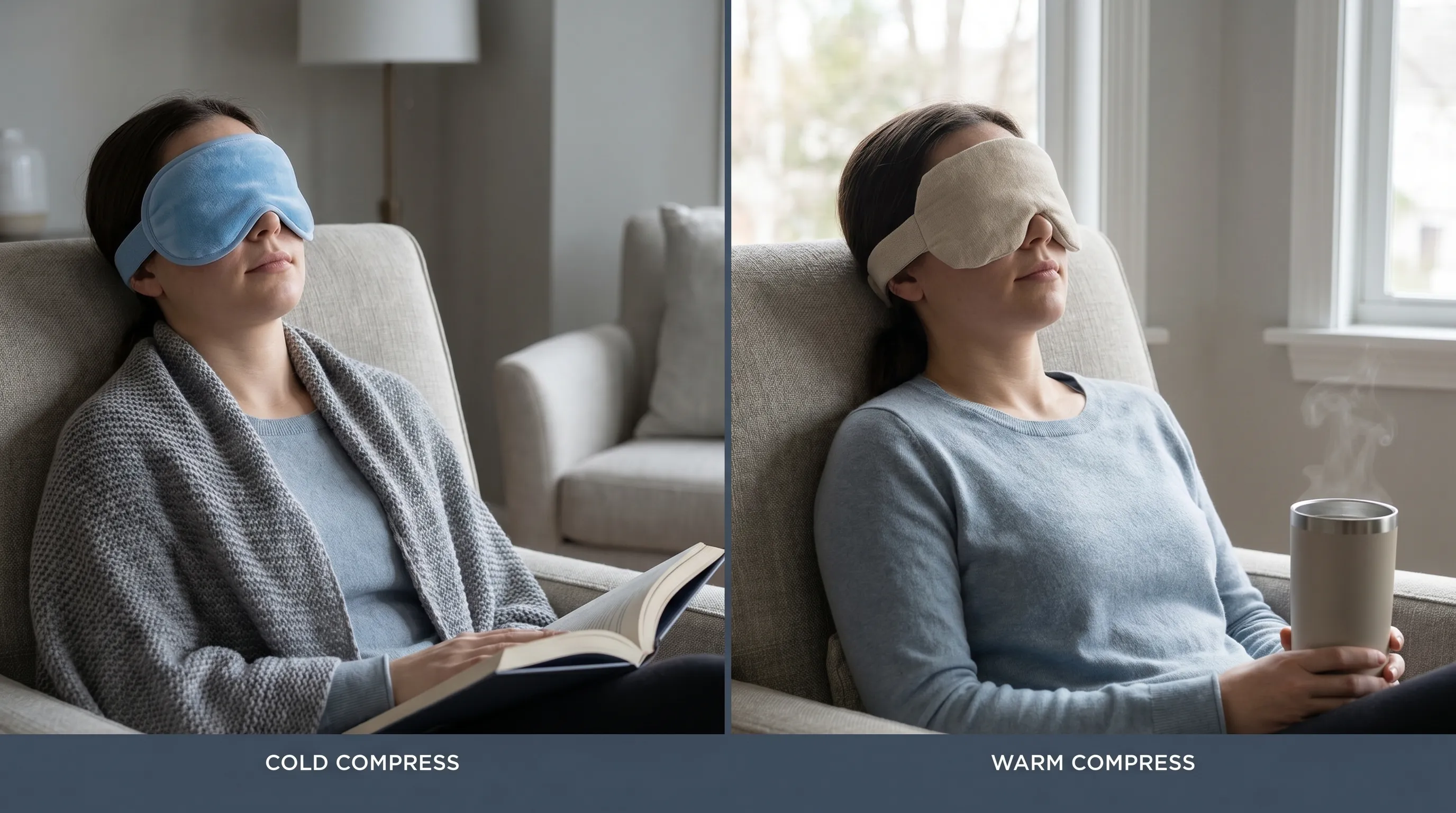
Cold Compress vs. Warm Compress: When to Use Which
Temperature therapy for the eyes is not a one-size-fits-all intervention. The clinical indication for cold versus warm compress application is determined by the underlying pathophysiology of the condition. Misapplication can delay healing or exacerbate symptoms, making proper differentiation essential.
The Clinical Distinction Explained
The fundamental difference lies in how each temperature modality affects ocular tissue. Cold therapy, as previously detailed, restricts blood flow, reduces inflammation, numbs nerve endings, and minimizes fluid accumulation. It is inherently anti-inflammatory and anti-edematous. Warm therapy, typically applied between 104°F and 113°F, produces the opposite hemodynamic effect: vasodilation. Heat increases local blood circulation, softens hardened secretions, and enhances the flow of meibum (lipids) from the meibomian glands. This makes warm compresses the gold standard for evaporative dry eye caused by meibomian gland dysfunction (MGD), blepharitis, and chronic styes where heat liquefies obstructed oils to restore the tear film's lipid layer, as outlined in clinical guidance from the World Health Organization (WHO) on eye health maintenance. Conversely, applying heat to an acutely inflamed or allergic eye will amplify vascular dilation, intensify itching, and worsen redness. Applying cold to an MGD-dominant dry eye may temporarily soothe discomfort but will not address the root cause of tear evaporation and may further solidify waxy gland secretions.
Identifying Your Specific Eye Condition
To determine which therapy is appropriate, evaluate your primary symptoms. If you experience sudden onset redness, intense itching, watery discharge, cold sensitivity, or swelling following allergen exposure or trauma, cold compress therapy is indicated. If your primary complaints include chronic dryness, gritty sensation, crusty eyelid margins in the morning, intermittent blurry vision that improves with blinking, or visible clogged gland pores along the lash line, a warm compress regimen is clinically recommended. In cases of mixed pathology, such as allergic dry eye, alternating therapy may be utilized under professional guidance: cold for acute flare-ups and warm for routine gland maintenance. The following table summarizes the clinical distinctions:
| Feature | Cold Compress Indication | Warm Compress Indication |
|---|---|---|
| Primary Mechanism | Vasoconstriction, nerve inhibition, fluid reduction | Vasodilation, lipid melting, circulation boost |
| Best For | Allergies, acute swelling, itching, post-injury, migraines | Meibomian gland dysfunction, blepharitis, chronic evaporative dry eye |
| Symptom Relief Speed | Rapid (within minutes) | Gradual (requires consistent daily use over weeks) |
| Recommended Duration | 10-15 minutes per session | 10-20 minutes per session |
| Clinical Risk if Misapplied | May solidify glandular oils if used for MGD | Can worsen inflammation, itching, and vascular redness |
Understanding this dichotomy ensures that your cooling pack for eyes is deployed strategically rather than arbitrarily, maximizing therapeutic outcomes while preventing counterproductive thermal application.
Safety Precautions, Contraindications, and Red Flags
While cold compress therapy is overwhelmingly safe, the periorbital region's anatomical vulnerability necessitates strict adherence to safety protocols. Ignoring basic precautions can transform a simple home remedy into a source of tissue damage or delayed medical diagnosis.
Avoiding Frostbite and Chemical Leaks
The most common preventable injury from improper cold therapy is thermal burn or superficial frostbite. Never place ice cubes, frozen gel packs, or refrigerated metal spoons directly against bare skin. Always interpose a thin, dry barrier such as muslin cloth, paper towel, or a dedicated fabric sleeve. Check skin temperature every 3 to 4 minutes; if you experience sharp pain, numbness that does not resolve, or visible whitening of the eyelid skin, remove the pack immediately and allow gradual rewarming with room-temperature air. Additionally, exercise caution with chemical cooling packs. While convenient, these products contain propylene glycol, water, and preservatives sealed in plastic pouches. If the pouch develops a microscopic puncture or tear, the chemical contents can migrate onto the ocular surface. Chemical exposure to the eye causes immediate corneal epithelial toxicity, severe pain, photophobia, and potential vision impairment. If you suspect a leak, discard the product immediately and flush the eyes with sterile saline or lukewarm tap water for at least 15 minutes.
When to Seek Immediate Medical Attention
Cold compress therapy is intended for symptom management, not definitive treatment of underlying ocular pathology. Certain presentations require prompt professional evaluation and should never be masked with home cold therapy. Seek immediate ophthalmological care if you experience severe, unremitting eye pain that does not improve with rest, sudden vision loss or persistent blurred vision, the sensation of a foreign body that cannot be rinsed away, copious yellow or green discharge suggestive of bacterial infection, or symptoms of acute angle-closure glaucoma such as halos around lights, nausea, and a rock-hard eyeball. Furthermore, if swelling or redness fails to improve after 48 hours of consistent cold compress application, or if symptoms worsen despite proper use, discontinue therapy and consult an eye care specialist. Underlying conditions such as orbital cellulitis, corneal ulcers, or systemic autoimmune diseases require targeted pharmacological intervention and cannot be resolved through temperature modulation alone.
Frequently Asked Questions
How long should I leave a cooling pack on my eyes?
For optimal safety and therapeutic effect, limit each cold compress session to 10 to 15 minutes. This duration is sufficient to achieve vasoconstriction and nerve numbing without triggering reactive vasodilation or skin irritation. You can safely repeat the application 2 to 4 times daily, spacing sessions at least one hour apart to allow tissue recovery.
Can I use a frozen ice cube directly on my eyes for swelling?
No. Direct contact with ice is strongly discouraged due to the high risk of frostbite, thermal burns, and corneal trauma. The skin surrounding the eyes is exceptionally thin and lacks substantial subcutaneous fat insulation. Always wrap ice or cold packs in a clean, thin cloth before application, or use purpose-designed gel masks that maintain safe, controlled temperatures.
Is a cold compress better than a warm compress for dry eye disease?
The superiority depends on your specific dry eye subtype. Cold compresses excel at reducing inflammation, soothing allergic components, and providing immediate relief from screen fatigue. However, if your dry eye stems from meibomian gland dysfunction (MGD), where hardened oils block tear film lipid production, a warm compress is clinically indicated to melt secretions and restore gland function. Many patients benefit from alternating both under professional guidance.
Are chemical cooling gel packs safe for eye use?
Commercial gel packs are generally safe when manufactured with medical-grade materials and remain fully intact. However, you must inspect them regularly for cracks, thinning plastic, or seam separation. If a chemical pack leaks, the contents can cause severe ocular chemical burns. When in doubt, switch to water-soaked cloth compresses or pure water-based silicone masks, which eliminate chemical exposure risks entirely.
Can a cooling pack help with migraines and sinus pressure?
Yes. Applying a cooling pack for eyes over the orbital and frontal regions can provide significant relief for migraines and sinus-related discomfort. The cold temperature constricts dilated cranial blood vessels that contribute to throbbing pain and numbs overactive trigeminal nerve endings. Additionally, it reduces inflammation in the adjacent sinus mucosa, alleviating pressure buildup behind the eyes and forehead.
Conclusion
The strategic implementation of a cooling pack for eyes represents a cornerstone of evidence-based, non-invasive ocular care. Backed by clinical studies, institutional endorsements from organizations like the National Eye Institute, and widespread professional consensus, cold compress therapy delivers rapid, reliable relief for a diverse array of conditions ranging from allergic conjunctivitis and dry eye flare-ups to post-traumatic swelling and screen-induced fatigue. By harnessing the physiological power of vasoconstriction, neural inhibition, and fluid regulation, this simple modality addresses both the symptomatic discomfort and the underlying inflammatory drivers of periorbital distress. Success, however, hinges on proper application. Adhering to strict time limits, utilizing appropriate barriers, maintaining rigorous hygiene, and accurately distinguishing between cold and warm indications ensures that patients maximize benefits while minimizing risks. Cold therapy is not a replacement for professional ophthalmological care in acute or progressive disease, but it serves as an invaluable daily management tool that empowers individuals to take proactive control of their eye health. Whether you are seeking immediate relief from seasonal allergies, looking to mitigate the daily toll of digital screen exposure, or aiming to reduce persistent puffiness and vascular dark circles, integrating a high-quality cooling pack for eyes into your routine offers a scientifically validated, cost-effective, and profoundly soothing path to lasting ocular comfort. Always consult your eye care provider to tailor cold compress protocols to your specific clinical presentation, ensuring that your self-care practices align seamlessly with your overall treatment plan.
How we work
Researched and drafted with AI assistance, then reviewed by a human editor against the cited sources.
This article is general health information, not medical advice. Consult a qualified healthcare professional about your own situation.