Root Canal Crown Fell Off: Immediate Steps, Risks, and Repair Guide
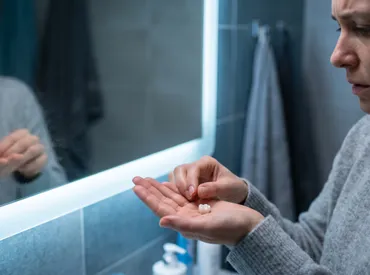
The sudden realization that your dental protection has failed can be startling. You are brushing your teeth, rinsing your mouth, or perhaps biting into a meal, when you feel something hard and loose. Upon inspection, you discover the unsettling truth: your root canal crown fell off. This scenario is more common than many patients realize, yet it often triggers immediate anxiety about pain, cost, and the integrity of the underlying tooth. A dental crown serves as a critical shield for a tooth that has undergone root canal therapy, protecting the brittle, non-living structure from fracture and bacterial invasion. When this shield is compromised, the tooth becomes vulnerable.
Understanding what to do in these moments is crucial for preserving your oral health and minimizing potential complications. While the loss of a crown is rarely a life-threatening emergency, it is a dental urgency that requires prompt attention. The tooth beneath the crown, having had its nerve and blood supply removed, is more prone to cracking because it lacks the sensory feedback that usually warns us when we are biting too hard. Furthermore, without the crown's seal, bacteria can infiltrate the margins, potentially leading to reinfection of the root canal system or decay of the remaining natural tooth structure. This article provides a comprehensive guide on navigating this situation, from immediate first aid steps to understanding the long-term solutions your dentist may propose. We will explore why this happens, how to manage discomfort, and what to expect during the repair process, ensuring you are well-equipped to handle this dental hiccup with confidence and care.
Understanding the Role of a Crown After Root Canal Therapy
To appreciate the significance of a dislodged crown, one must first understand the relationship between root canal therapy and dental crowns. Root canal treatment, or endodontic therapy, is performed to save a tooth that is severely infected or decayed. During this procedure, the dentist removes the inflamed or infected pulp (the soft tissue inside the tooth containing nerves and blood vessels), cleans and shapes the inside of the root canal, and then fills and seals the space. While this procedure eliminates pain and saves the tooth from extraction, it fundamentally changes the tooth's physical properties Mayo Clinic.
Free calculatorHeadache Location ChartIdentify headache types by locationOpen the calculator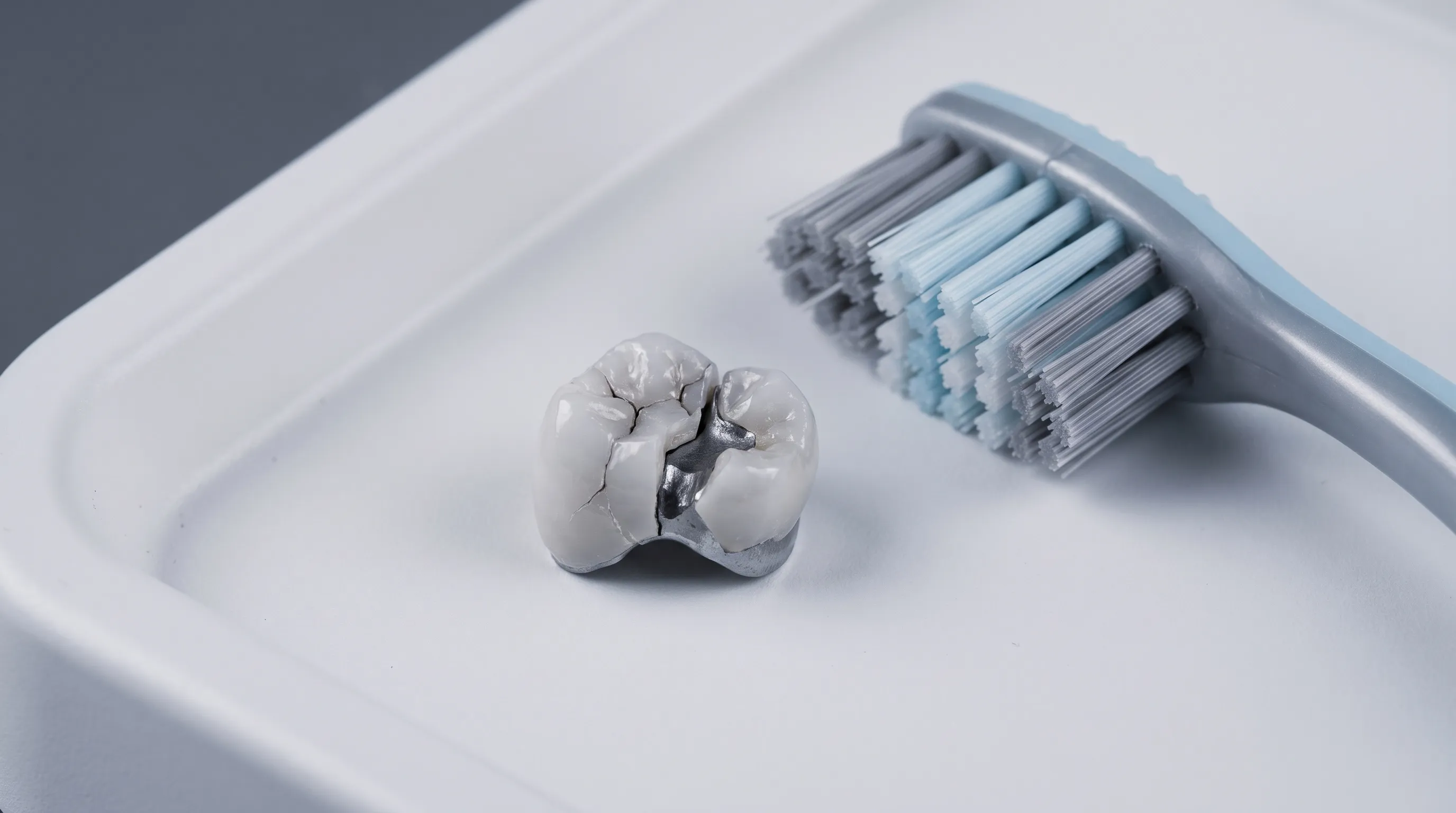
The Structural Vulnerability of Endodontically Treated Teeth
Once the pulp is removed, the tooth loses its source of hydration and nutrition. Over time, this causes the tooth to become dehydrated and more brittle compared to a vital, living tooth. Think of it like a dry branch versus a green one; the dry branch is much more likely to snap under pressure. Because of this increased fragility, a root canal-treated tooth is significantly more susceptible to fracture, especially when subjected to the heavy forces of chewing. A dental crown acts as a protective cap, encasing the entire visible portion of the tooth above the gum line. It distributes biting forces evenly across the tooth structure, preventing cracks and fractures that could otherwise render the tooth unsalvageable Cleveland Clinic.
The Seal Against Bacterial Invasion
Beyond structural support, the crown provides a critical seal. The margin where the crown meets the tooth is sealed with dental cement to prevent bacteria from entering. If a root canal crown fell off, this seal is broken. Even if the root canal filling itself is intact deep within the roots, the exposure of the core buildup material (often made of composite resin or gutta-percha) to the oral environment can lead to leakage. Saliva contains millions of bacteria, and if these microorganisms penetrate the core, they can travel down the root canal system, causing a secondary infection. This reinfection can be silent for months or years, only becoming apparent when an abscess forms at the root tip. Therefore, the speed with which you address a lost crown is directly related to the long-term prognosis of the tooth.
Immediate Actions: What to Do When Your Crown Dislodges
Discovering that your root canal crown fell off can be alarming, but panic is not helpful. Taking calculated, calm steps can protect the tooth and make the eventual repair easier for your dentist. The following protocol outlines the best practices for managing this situation at home before you can reach professional care.
Step 1: Retrieve and Inspect the Crown
First, locate the crown. If you swallowed it, do not panic; dental crowns are small and smooth, and they typically pass through the digestive system without issue. However, if you can find it, retrieve it carefully. Rinse the crown gently with warm water to remove any debris or old cement. Do not use soap or harsh chemicals, and avoid scrubbing the inside surface vigorously, as this might damage any remaining cement or the fit of the crown. Inspect the crown for cracks or breaks. If the crown is shattered, it cannot be reused, and you will need a new one fabricated. If it is intact, save it in a safe container, such as a small pill box or a zip-lock bag, to bring to your dentist.
Step 2: Assess the Underlying Tooth
Look at the tooth that has lost its crown. You may see a dark filling material, a metal post, or just the remaining natural tooth structure. Check for any visible cracks, chips, or signs of decay. Gently run your tongue over the area to feel for sharp edges that might irritate your cheek or tongue. If the tooth feels loose or moves when you touch it, this indicates significant structural compromise, and you should exercise extreme caution when eating or speaking. Avoid touching the area with your fingers to prevent introducing additional bacteria.
Step 3: Manage Sensitivity and Pain
Although the nerve has been removed, the surrounding gums and periodontal ligaments still have nerve endings. You may experience sensitivity to hot, cold, or sweet stimuli because the dentin tubules are exposed. You might also feel discomfort from the air hitting the exposed tooth. To manage this, you can take over-the-counter pain relievers like ibuprofen or acetaminophen if needed. Rinsing with warm salt water can help soothe irritated gums and keep the area clean. Avoid chewing on that side of your mouth entirely to prevent further damage.
Step 4: Temporary Reattachment (If Applicable)
If the crown fits back onto the tooth perfectly and you cannot see a dentist immediately, you may attempt a temporary reattachment. Purchase over-the-counter temporary dental cement from a pharmacy. Clean the inside of the crown and the tooth thoroughly, dry them, and apply a small amount of the temporary cement inside the crown. Place the crown back on the tooth, bite down gently to seat it, and wipe away any excess cement. Crucially, never use super glue, Krazy Glue, or any household adhesive. These substances are toxic, can cause severe irritation to the gum tissue, and make it nearly impossible for the dentist to remove the crown later without damaging the tooth. If the crown does not fit easily, do not force it. Leave it off and keep it safe.
Why Did My Root Canal Crown Fall Off?
Understanding the cause of the failure is essential for preventing recurrence. When a root canal crown fell off, it is rarely due to a single factor. Usually, a combination of biological, mechanical, and behavioral issues contributes to the dislodgement. Identifying the root cause helps your dentist determine the best course of action for repair.
Decay Under the Crown
One of the most common reasons for crown failure is recurrent decay. Even though the tooth itself cannot get a cavity in the traditional sense (since there is no enamel on the core), the margin where the crown meets the natural tooth structure is vulnerable. If oral hygiene is insufficient, plaque can accumulate at this junction, leading to decay in the remaining natural tooth structure. As the tooth structure erodes, the crown loses its foundation and becomes loose. This is particularly insidious because it often happens without pain until the crown falls off or the decay reaches the root canal filling.
Cement Failure
Dental cements are strong, but they are not indestructible. Over time, the bond between the crown and the tooth can weaken due to the constant cycle of expansion and contraction caused by temperature changes in the mouth (thermal cycling). Additionally, if the initial bonding procedure was compromised by moisture contamination or improper technique, the cement may fail prematurely. Certain types of cement are more resistant to washout than others, and the choice of cement can influence the longevity of the restoration.
Bruxism and Occlusal Trauma
Teeth grinding (bruxism) and clenching exert tremendous force on dental restorations. A root canal-treated tooth is already brittle, and excessive lateral forces can break the cement seal or even fracture the tooth underneath. Patients who grind their teeth often wear down their crowns or cause them to loosen over time. If you have a history of bruxism, your dentist may have recommended a night guard. Failing to wear this protective device can significantly increase the risk of crown failure.
Dietary Habits
Chewing on hard objects like ice, popcorn kernels, hard candies, or bones can generate forces that exceed the strength of the dental cement or the tooth structure. Similarly, sticky foods like caramel, taffy, or gummy bears can pull on the crown, gradually loosening it. While modern crowns are durable, they are not designed to withstand extreme abuse. Habitual use of teeth as tools (e.g., opening packages) is another frequent culprit in crown dislodgement.
Inadequate Tooth Structure
For a crown to stay on, there must be enough natural tooth structure remaining to provide retention and resistance. If the tooth was severely broken down before the root canal, or if too much structure was removed during the preparation, the crown may not have enough grip. In such cases, a dentist might use a post and core buildup to anchor the crown. If the post is too short or the core is insufficient, the crown may simply pop off under normal chewing forces.
Risks of Delaying Treatment
It is tempting to ignore a lost crown if there is no pain, especially since the tooth is "dead." However, delaying treatment when your root canal crown fell off carries significant risks that can complicate future care and increase costs. The window for simple repair is often narrow, and procrastination can turn a minor fix into a major reconstruction.
Risk of Tooth Fracture
The most immediate and severe risk is vertical root fracture or crown fracture. Without the protective encasement of the crown, the brittle tooth structure is exposed to direct chewing forces. A crack that starts at the top of the tooth can propagate down into the root. Once a vertical root fracture occurs, the tooth is generally considered unsalvageable and must be extracted. This transforms a restorative problem into a surgical one, requiring extraction and subsequent replacement with an implant or bridge.
Bacterial Reinfection
As mentioned earlier, the loss of the crown breaks the seal against bacteria. Saliva and food particles can infiltrate the core material and the interface between the core and the root canal filling. Bacteria can migrate down the root canal system, leading to apical periodontitis (inflammation at the root tip). This can result in the formation of an abscess, which may require retreatment of the root canal or even apical surgery. Treating a reinfection is more complex and less predictable than the initial treatment National Institute of Dental and Craniofacial Research.
Shifting of Adjacent Teeth
Teeth are dynamic structures that tend to move into empty spaces. When a crown is missing, the opposing tooth may begin to supra-erupt (grow longer) because it no longer has contact to stop it. Similarly, adjacent teeth may tilt into the space. These shifts can alter your bite (occlusion), leading to jaw pain, headaches, and difficulties in placing a new crown later. If the teeth shift significantly, orthodontic treatment might be required before a new crown can be fitted properly.
Increased Cost and Complexity
Addressing a lost crown promptly usually involves cleaning the tooth and recementing the existing crown or fabricating a new one. However, if decay sets in or the tooth fractures, the treatment plan expands. You may need a new core buildup, a longer post, crown lengthening surgery, or even extraction and implant placement. The financial and time investment for these advanced procedures is substantially higher than for a simple crown repair.
Professional Treatment Options for a Lost Crown
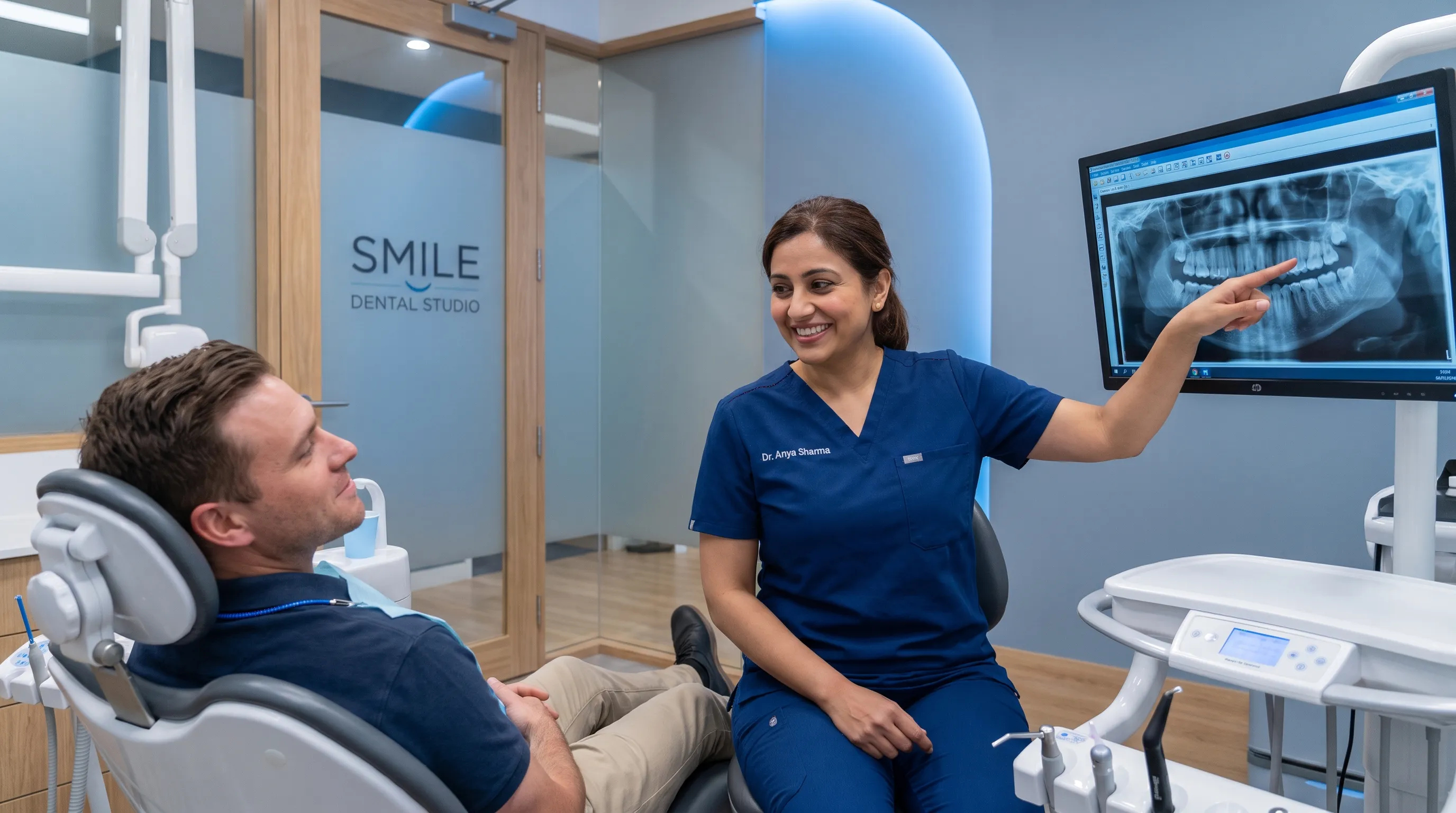
When you visit your dentist after your root canal crown fell off, they will evaluate the condition of the tooth and the crown to determine the best course of action. The treatment plan depends on several factors, including the integrity of the underlying tooth, the condition of the crown, and the presence of any decay or infection.
Recementing the Existing Crown
If the crown is intact, fits well, and the underlying tooth structure is sound, the dentist may simply clean the crown and the tooth and recement it. This is the most conservative and cost-effective option. The dentist will remove all old cement, check for any decay, and ensure the fit is precise. If everything checks out, new permanent cement is applied, and the crown is seated. This process is quick and usually completed in a single visit.
Fabricating a New Crown
If the existing crown is damaged, does not fit properly, or if the tooth structure has changed since the original crown was made, a new crown will be necessary. The dentist will take impressions or digital scans of the tooth and send them to a dental laboratory. While the permanent crown is being fabricated, a temporary crown will be placed to protect the tooth. This process typically requires two visits: one for preparation and impression, and another for cementation of the final crown. Modern materials like zirconia and lithium disilicate offer excellent aesthetics and durability.
Core Buildup and Post Placement
If the tooth structure is insufficient to hold a crown, the dentist may need to build up the core. This involves placing a filling material to restore the shape of the tooth. In cases where very little natural tooth remains, a post may be inserted into the root canal to anchor the core. The post does not strengthen the root; rather, it retains the core material. Once the core is built, the tooth is prepared for a new crown. This adds complexity to the procedure but is often necessary to save the tooth.
Extraction and Replacement
In unfortunate cases where the tooth is fractured below the gum line or has severe decay that compromises its structural integrity, extraction may be the only option. The dentist will discuss replacement options, such as a dental implant, a fixed bridge, or a partial denture. Dental implants are generally considered the gold standard for replacing missing teeth as they preserve bone and do not require altering adjacent teeth.
| Treatment Option | Indication | Pros | Cons | Estimated Cost Range* |
|---|---|---|---|---|
| Recementing | Intact crown, sound tooth | Quick, inexpensive, conservative | May fail again if underlying issue persists | $100 - $300 |
| New Crown | Damaged crown, poor fit | Durable, improved aesthetics, better fit | Higher cost, multiple visits | $1,000 - $2,500 |
| Core/Post Buildup | Insufficient tooth structure | Saves tooth that would otherwise be lost | More invasive, weakens root slightly | $300 - $600 (plus crown) |
| Extraction + Implant | Fractured root, severe decay | Permanent solution, preserves bone | Surgical, lengthy process, highest cost | $3,000 - $6,000+ |
*Costs are approximate and vary widely by location and insurance coverage.
Preventing Future Crown Failure
Prevention is always better than cure. Once your crown is repaired or replaced, adopting specific habits can prolong its lifespan and protect your oral health. Here are actionable tips to prevent your root canal crown fell off scenario from happening again.
Maintain Rigorous Oral Hygiene
Brush twice daily with fluoride toothpaste and floss daily. Pay special attention to the gum line around the crown, as this is where plaque accumulates. Consider using an interdental brush or water flosser to clean hard-to-reach areas. Regular professional cleanings every six months allow your dentist to detect early signs of decay or cement washout before they become serious problems CDC.
Wear a Night Guard
If you grind or clench your teeth, a custom-fitted night guard is essential. This appliance absorbs the forces of grinding, protecting both your natural teeth and your restorations. Over-the-counter guards are available, but custom ones provided by your dentist offer superior fit and protection. Wearing a night guard can double or triple the lifespan of your crowns.
Modify Your Diet
Avoid chewing on hard objects like ice, pens, or fingernails. Be cautious with very sticky or chewy foods. Cut hard foods like apples or carrots into smaller pieces rather than biting into them whole. Being mindful of what you put in your mouth can prevent unnecessary stress on your dental work.
Regular Dental Check-ups
Visit your dentist regularly for examinations and X-rays. X-rays can reveal decay under crowns or issues with the root canal that are not visible to the naked eye. Early detection allows for minimally invasive interventions. Inform your dentist if you notice any changes in your bite or if a crown feels loose, even if it hasn't fallen off yet.
Frequently Asked Questions
What should I do immediately if my root canal crown falls off?
Retrieve the crown, rinse it gently with warm water, and keep it safe. Do not scrub the inside. Contact your dentist immediately for an emergency appointment. If you cannot see a dentist right away, you can use over-the-counter temporary dental cement to reattach it temporarily, but avoid using super glue or household adhesives.
Is it painful if a crown falls off after a root canal?
Since the nerve has been removed during the root canal, you may not feel sharp pain. However, you might experience sensitivity to temperature, pressure, or air due to exposed dentin. If there is throbbing pain, it could indicate a new infection or fracture, requiring urgent care.
Can I put my crown back on myself?
You can temporarily place it back to protect the tooth and maintain spacing, but only if it fits snugly without force. Use temporary dental cement from a pharmacy. Do not force it if it does not fit, as this could damage the underlying tooth structure. This is strictly a temporary measure until you see a professional.
Why did my root canal crown fall off?
Common reasons include decay under the crown, failure of the dental cement, grinding or clenching teeth (bruxism), eating sticky or hard foods, or an improper fit initially. Sometimes, the remaining tooth structure is too weak to hold the crown securely.
How long can I wait to see a dentist after a crown falls off?
You should see a dentist as soon as possible, ideally within a few days. Leaving the tooth exposed increases the risk of fracture, decay, and shifting of adjacent teeth. While it is not always a life-threatening emergency, delaying treatment can lead to more complex and expensive procedures later.
Will my insurance cover the repair of a fallen crown?
Coverage varies by plan. Many dental insurance plans consider crown replacement a major service and may cover 50% of the cost after the deductible is met. However, if the crown falls off within a certain warranty period (often 1-5 years) due to no fault of the patient, some dentists may repair or replace it at no charge. Check with your provider and dentist.
Can a crown be reused if it falls off?
Yes, if the crown is intact and still fits the tooth properly, it can often be cleaned and recemented. However, if the crown is cracked, warped, or if the tooth structure has changed, a new crown will be required. Your dentist will assess the viability of the existing crown during your visit.
Conclusion
Dealing with a situation where your root canal crown fell off is undoubtedly stressful, but it is a manageable dental issue when addressed promptly and correctly. The key takeaway is to act quickly: retrieve the crown, protect the exposed tooth, and schedule an appointment with your dentist without delay. By understanding the reasons behind crown failure—such as decay, cement issues, or bruxism—you can take proactive steps to prevent recurrence. Remember, the tooth beneath the crown is fragile and vulnerable to fracture and infection, so treating this as a priority is essential for long-term oral health.
Whether the solution involves simple recementing, a new crown, or more extensive restoration, modern dentistry offers effective ways to restore function and aesthetics. Maintaining rigorous oral hygiene, wearing a night guard if necessary, and attending regular dental check-ups are your best defenses against future complications. Do not let fear or inconvenience postpone your care; preserving your natural tooth structure is always the best outcome for your smile and your overall health. With the right care and professional guidance, you can ensure that your dental restorations serve you well for many years to come.
How we work
Researched and drafted with AI assistance, then reviewed by a human editor against the cited sources.
This article is general health information, not medical advice. Consult a qualified healthcare professional about your own situation.