Why Do Teeth Turn Yellow After Braces? Causes, Solutions, and Prevention

The moment the orthodontist removes your braces is supposed to be a milestone of pure joy. You anticipate revealing a perfectly aligned, radiant smile that reflects months or even years of patience and discipline. However, for many patients, this moment is accompanied by a surprising and disheartening discovery: their teeth look yellow, dull, or spotted. This phenomenon, known commonly as yellow teeth after braces, is a frequent concern that can dampen the excitement of finishing orthodontic treatment. Understanding why this happens is the first step toward restoring your confidence and achieving the brilliant smile you worked so hard to attain.
The appearance of discoloration is rarely a sign that the orthodontic treatment failed. Instead, it is often a cumulative result of biological processes, dietary habits, and hygiene challenges inherent to wearing fixed appliances. Brackets and wires create numerous nooks and crannies where plaque and food particles can hide, making effective cleaning significantly more difficult than with natural teeth. Over time, this accumulation can lead to enamel demineralization, surface staining, and gum inflammation, all of which contribute to a less-than-stellar aesthetic upon debonding.
Fortunately, yellow teeth after braces are rarely permanent if addressed correctly. With the right knowledge, professional guidance, and consistent home care, you can reverse much of the discoloration and enhance your oral health. This comprehensive guide explores the science behind post-braces discoloration, differentiates between temporary staining and permanent damage, and provides actionable, evidence-based strategies to whiten your smile safely and effectively. Whether you are currently wearing braces and want to prevent future issues, or you have just had them removed and are looking for solutions, this article will serve as your definitive resource for navigating post-orthodontic aesthetics.
Understanding the Causes of Discoloration
To effectively treat yellow teeth after braces, one must first understand the underlying mechanisms causing the discoloration. It is not simply a matter of "dirty teeth"; rather, it involves complex interactions between oral bacteria, dietary acids, and the structural integrity of tooth enamel. The primary culprits can be categorized into extrinsic factors, which affect the surface, and intrinsic factors, which affect the tooth structure itself.
Free calculatorHeadache Location ChartIdentify headache types by locationOpen the calculatorEnamel Demineralization and White Spots
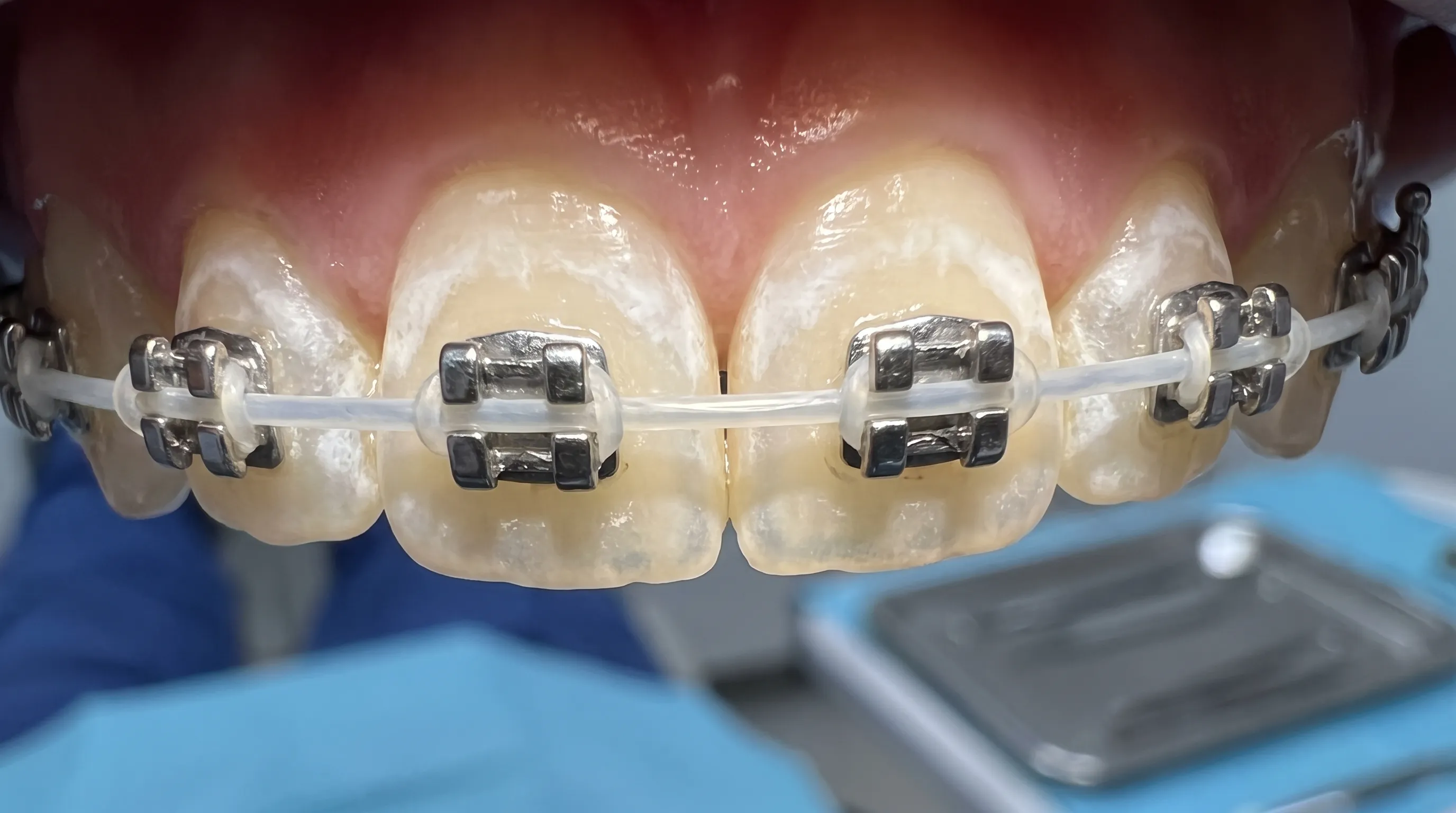
One of the most common causes of apparent yellowing or discoloration is enamel demineralization, often manifesting as white spot lesions. When plaque accumulates around the brackets, the bacteria within the plaque metabolize sugars from food and produce acids. These acids lower the pH level in the mouth, leading to the dissolution of calcium and phosphate minerals from the enamel surface.
Initially, these areas appear as chalky white spots. However, as the demineralization progresses, the porous enamel can absorb stains from food and drink more readily, turning these spots yellow or brown. Furthermore, the contrast between the demineralized areas and the healthy, intact enamel can make the overall tooth appearance look uneven and dull. This structural change is significant because once enamel is lost, it does not regenerate. Therefore, preventing demineralization is crucial, and managing its effects requires specific remineralizing treatments rather than simple bleaching. According to the National Institutes of Health (NIH), white spot lesions are a common iatrogenic effect of orthodontic treatment with fixed appliances.
Plaque Accumulation and Tartar Buildup
Braces act as physical barriers that trap food particles and plaque. Even with diligent brushing, it is challenging to remove all biofilm from around the brackets and under the wires. If this plaque is not removed regularly, it hardens into calculus, or tartar, within 24 to 72 hours. Tartar is porous and has a rough texture, making it highly susceptible to staining from chromogenic foods and beverages.
Unlike soft plaque, tartar cannot be removed by brushing or flossing alone; it requires professional scaling by a dental hygienist. The presence of tartar around the gumline and near brackets contributes significantly to the yellow appearance of teeth after braces removal. This buildup not only affects aesthetics but also poses a risk for gingivitis and periodontal disease, further compromising the health and appearance of your smile. The Centers for Disease Control and Prevention (CDC) emphasizes that removing plaque through regular brushing and flossing is essential to prevent gum disease and tooth decay.
Dietary Stains and Lifestyle Factors
During orthodontic treatment, patients often continue their normal dietary habits, which may include consuming stain-causing substances. Coffee, tea, red wine, cola, curry, and berries contain strong pigments known as chromogens. These pigments adhere to the plaque and tartar that accumulate around braces. Additionally, tobacco use, whether smoking or chewing, introduces tar and nicotine into the oral cavity, leading to stubborn, deep yellow or brown stains.
Because the brackets cover a portion of the tooth surface, the area directly underneath remains protected from these stains, while the exposed enamel becomes discolored. When the braces are removed, this contrast can be stark, leaving a grid-like pattern of discoloration that highlights the yellowing of the exposed surfaces. Understanding the impact of diet is essential for both prevention during treatment and management after removal.
Immediate Post-Removal Care and Cleaning
The period immediately following the removal of braces is critical for setting the stage for effective whitening and long-term oral health. The teeth have been under constant mechanical pressure, and the enamel surface may be temporarily dehydrated and sensitive. Proper immediate care can mitigate some of the visible discoloration and prepare the teeth for further treatment.
Professional Polishing and Adhesive Removal
When braces are removed, the orthodontist uses specialized tools to detach the brackets and then polish the teeth to remove the residual adhesive composite. This polishing step is vital. Often, what appears to be yellow staining is actually leftover glue or a thin layer of plaque that has hardened over time. A thorough professional prophylaxis (cleaning) performed by a dental hygienist shortly after debonding can remove surface stains, tartar, and residual adhesive, instantly brightening the smile.
It is important to request a full cleaning if it is not automatically included in your debonding appointment. The hygienist will use ultrasonic scalers and hand instruments to remove calculus from above and below the gumline, followed by polishing with a prophylactic paste. This process eliminates extrinsic stains and provides a clean baseline for assessing the true color of your enamel. For many patients, this single session resolves a significant portion of the yellow teeth after braces concern.
Enamel Rehydration and Sensitivity Management
After the removal of brackets and the subsequent cleaning, teeth often appear lighter simply because they begin to rehydrate. During orthodontic treatment, the constant presence of appliances and the potential for mouth breathing can lead to dehydration of the enamel, making it appear more opaque and yellowish. Once the appliances are gone and normal saliva flow covers the tooth surfaces evenly, the enamel rehydrates, which can naturally improve translucency and brightness.
However, this period is also marked by heightened sensitivity. The enamel may be slightly porous from demineralization, and the gums may be inflamed from the removal process. Using desensitizing toothpaste containing potassium nitrate or stannous fluoride can help soothe nerve endings and strengthen the enamel. Avoiding extremely hot or cold foods and drinks for the first few weeks can also reduce discomfort. It is advisable to wait at least one month before attempting any aggressive whitening treatments to allow the teeth to stabilize and to ensure that any whitening agent applied will work uniformly across the rehydrated enamel. The Mayo Clinic notes that sensitive teeth can often be managed with special toothpastes and proper oral hygiene.
Effective Whitening Strategies for Post-Braces Smiles
Once the initial healing and cleaning phase is complete, you can begin active whitening treatments. It is essential to approach this phase with caution, as the enamel may still be vulnerable. There are several methods available, ranging from over-the-counter products to professional dental procedures. Choosing the right method depends on the severity of the discoloration, your budget, and your sensitivity levels.
Professional In-Office Whitening
For those seeking rapid and dramatic results, professional in-office whitening is the gold standard. Dentists use high-concentration hydrogen peroxide or carbamide peroxide gels, often activated by a special light or laser, to break down stain molecules quickly. This procedure is highly controlled, allowing the dentist to protect the gums and soft tissues from irritation.
Professional whitening is particularly effective for treating yellow teeth after braces because it can penetrate deeper into the enamel to address intrinsic staining. Additionally, dentists can customize the treatment to ensure even coverage, addressing any patchiness caused by previous bracket placement. While more expensive than home kits, the results are immediate, and the supervision ensures safety, minimizing the risk of severe sensitivity or gum damage. Most patients see an improvement of several shades in a single visit, providing a significant confidence boost.
At-Home Custom Tray Whitening
Another highly effective option is custom tray whitening provided by your dentist. Your dentist takes impressions of your teeth to create custom-fitted trays that hold the whitening gel against the tooth surfaces evenly. You fill these trays with a lower-concentration peroxide gel and wear them for a specified period each day, typically for two to four weeks.
Custom trays offer a balance between efficacy and convenience. They are more effective than over-the-counter strips because the gel stays in contact with the teeth longer and more uniformly, reducing the chance of missed spots or uneven whitening. This method is ideal for patients who experienced uneven staining due to braces, as the custom fit ensures that the gel reaches all surfaces, including the areas previously covered by brackets. It also allows for better control over sensitivity, as you can adjust the frequency of use based on your comfort level.
Over-the-Counter Whitening Products
Over-the-counter (OTC) whitening strips, toothpastes, and rinses are accessible and affordable options for mild discoloration. Whitening strips contain a thin layer of peroxide gel that adheres to the teeth. While convenient, they may not fit perfectly around the contours of teeth that have just been straightened, potentially leading to uneven results.
Whitening toothpastes primarily work through abrasion to remove surface stains. They contain mild abrasives like silica or calcium carbonate. While helpful for maintaining brightness, they are not effective for deep intrinsic staining. For patients with yellow teeth after braces due to surface plaque or dietary stains, these products can be a good maintenance tool. However, they should be used with caution if enamel erosion is present, as excessive abrasion can worsen sensitivity and damage the enamel further. Always look for products with the American Dental Association (ADA) Seal of Acceptance to ensure safety and efficacy.
Natural Remedies and Home Care Maintenance
While professional treatments offer the most significant results, natural remedies and consistent home care play a crucial role in maintaining whitening results and preventing future discoloration. These methods are generally safer for daily use and support overall oral health, although they should not be expected to produce dramatic whitening effects on their own.
Oil Pulling and Baking Soda
Oil pulling, an ancient Ayurvedic practice, involves swishing coconut oil or sesame oil in the mouth for 10 to 20 minutes. Proponents claim that the lipids in the oil bind to bacteria and toxins, helping to remove plaque and reduce surface stains. While scientific evidence supporting significant whitening is limited, oil pulling can improve gum health and reduce bacterial load, contributing to a cleaner, brighter appearance.
Baking soda is another popular home remedy. It has mild abrasive properties and creates an alkaline environment in the mouth, which can help neutralize acids and remove surface stains. Mixing a small amount of baking soda with water to form a paste and brushing gently once a week can help maintain brightness. However, it should not be used daily, as its abrasive nature can wear down enamel over time, especially if the enamel is already compromised from demineralization during braces treatment.
Dietary Adjustments for Whiter Teeth
Preventing new stains is just as important as removing old ones. After braces removal, adopting a "white-smile diet" can help preserve your results. Limiting consumption of dark-colored foods and beverages such as coffee, tea, red wine, and soy sauce can prevent new extrinsic stains. If you do consume these items, using a straw for drinks can minimize contact with the front teeth.
Incorporating crunchy fruits and vegetables like apples, carrots, and celery into your diet can also help. These foods act as natural toothbrushes, stimulating saliva production and mechanically scrubbing the tooth surface. Saliva is the mouth's natural defense against acid and bacteria, helping to remineralize enamel and wash away food particles. Drinking plenty of water throughout the day also helps rinse away stains and maintains optimal oral hydration.
Preventing Future Discoloration and Maintaining Oral Health
Achieving a white smile after braces is a significant accomplishment, but maintaining it requires ongoing diligence. The habits formed during orthodontic treatment should evolve into a lifelong routine of superior oral hygiene. Preventing future yellowing involves not just cleaning, but also protecting the enamel and monitoring oral health regularly.
Advanced Oral Hygiene Techniques
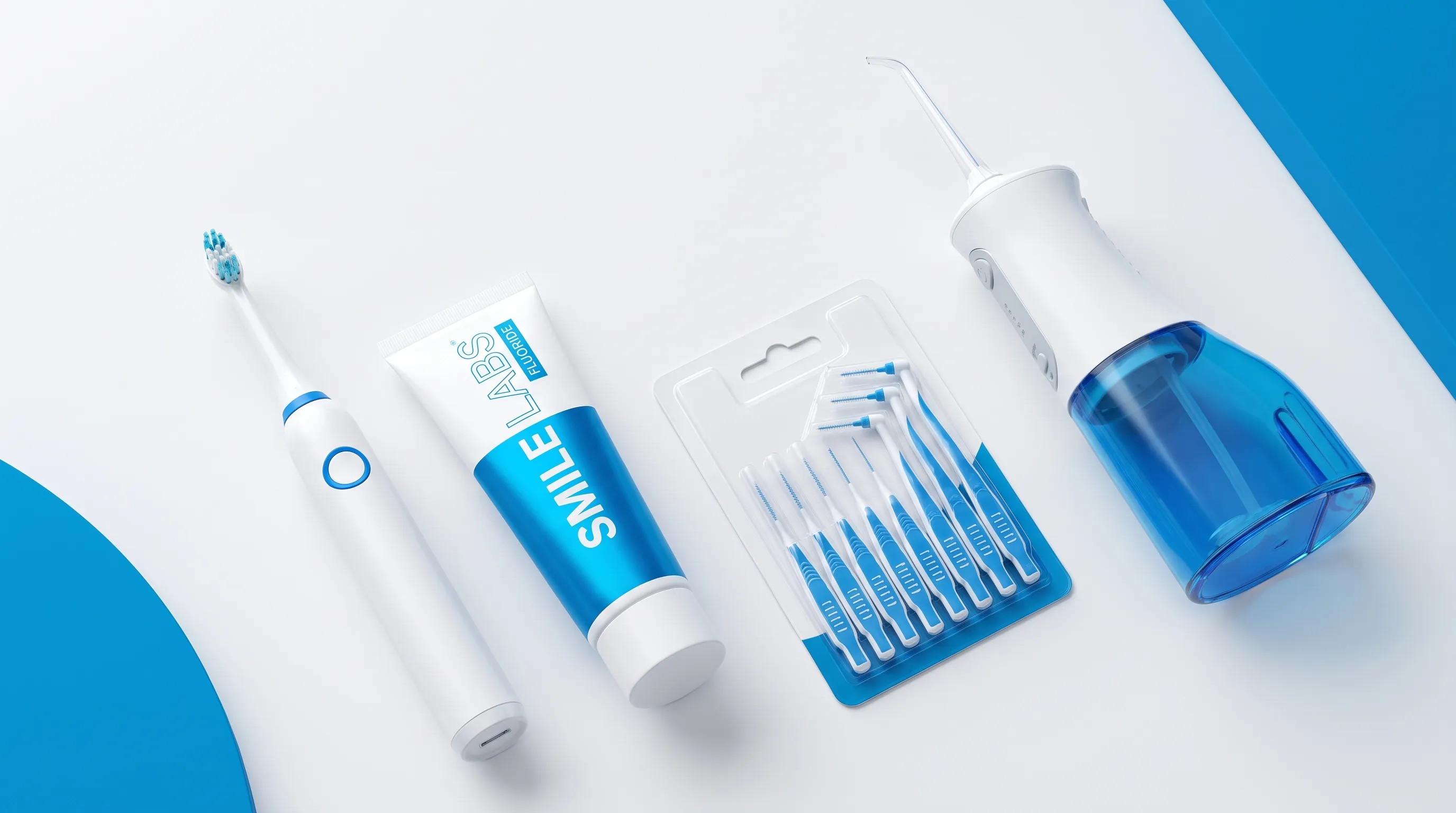
Investing in high-quality oral hygiene tools can make a substantial difference. An electric toothbrush with a pressure sensor ensures that you are brushing effectively without damaging the enamel or gums. Sonic or oscillating-rotating brushes are particularly effective at removing plaque from hard-to-reach areas.
Interdental cleaning is equally critical. Since braces often leave gaps or change the alignment of teeth, food trapping can still occur. Using water flossers, interdental brushes, or traditional floss daily removes plaque from between teeth and along the gumline, preventing the buildup that leads to yellowing and gum disease. Fluoride mouth rinses can provide an additional layer of protection, helping to remineralize enamel and resist acid attacks. The Cleveland Clinic highlights the importance of fluoride in strengthening tooth enamel and preventing decay.
Regular Dental Check-ups and Cleanings
Regular visits to the dentist every six months are essential for maintaining a bright smile. Professional cleanings remove tartar that cannot be removed at home, and regular examinations allow for early detection of any new areas of demineralization or decay. Your dentist can also apply professional fluoride varnishes or sealants to strengthen enamel and protect against future staining.
Discussing your whitening maintenance with your dentist is also beneficial. They may recommend periodic touch-up treatments with custom trays or in-office polishing to keep your smile looking its best. By establishing a partnership with your dental provider, you can address any concerns about yellow teeth after braces promptly and effectively, ensuring long-term oral health and aesthetics.
Addressing Severe Cases and Restorative Options
In some cases, yellow teeth after braces may be due to severe enamel damage or intrinsic staining that does not respond to conventional whitening methods. For these patients, restorative dental options may be necessary to achieve the desired aesthetic outcome. It is important to consult with a cosmetic dentist to evaluate the extent of the damage and discuss appropriate treatments.
Dental Bonding and Veneers
Dental bonding involves applying a tooth-colored composite resin to the surface of the tooth. This material is shaped and polished to match the surrounding teeth, effectively covering white spots, yellow stains, or minor chips. Bonding is a minimally invasive and cost-effective option for correcting localized discoloration.
For more extensive discoloration or structural issues, porcelain veneers may be recommended. Veneers are thin shells of ceramic that are bonded to the front surface of the teeth. They provide a durable, stain-resistant, and highly aesthetic solution. While more expensive and irreversible than bonding, veneers offer a transformative result for patients with severe discoloration or enamel defects resulting from orthodontic treatment.
Microabrasion and Resin Infiltration
Microabrasion is a technique that removes a thin layer of enamel to eliminate superficial stains and white spots. It is often combined with resin infiltration, where a low-viscosity resin is infiltrated into the porous enamel to mask the white spots and restore uniformity to the tooth color. These minimally invasive procedures can be highly effective for treating enamel demineralization without the need for extensive restoration. They preserve the natural tooth structure while improving aesthetics, making them an excellent option for patients with mild to moderate discoloration.
Frequently Asked Questions
Will my teeth naturally whiten after braces are removed?
In many cases, teeth may appear slightly lighter once the adhesive residue is polished off and thorough cleaning is performed. However, if the yellowing is due to enamel demineralization (white spots) or deep intrinsic staining, natural whitening is unlikely without professional intervention or dedicated home care routines. Rehydration of the enamel can also lead to a slight natural brightening effect in the weeks following removal.
How long should I wait to whiten my teeth after getting braces off?
Most dentists recommend waiting at least one month after braces removal before starting any whitening treatment. This allows the enamel to rehydrate and stabilize, ensuring that the whitening results are uniform and reducing the risk of heightened sensitivity. Starting too soon can lead to uneven color distribution and increased discomfort.
Can poor brushing during braces cause permanent yellow stains?
Yes, inadequate oral hygiene during orthodontic treatment can lead to plaque buildup and enamel demineralization, resulting in permanent white or yellow spots. While surface stains can often be removed with professional cleaning or whitening, structural damage to the enamel may require restorative treatments like bonding, microabrasion, or veneers to correct.
Is it safe to use whitening strips immediately after braces removal?
It is generally not recommended to use whitening strips immediately after braces removal. The teeth need time to recover from the mechanical stress of debonding, and the enamel needs to rehydrate. Using strips too soon can cause uneven whitening and increased sensitivity. It is best to consult your dentist for a professional assessment before starting any OTC whitening regimen.
What is the difference between extrinsic and intrinsic staining after braces?
Extrinsic staining occurs on the outer surface of the tooth enamel due to food, drinks, or tobacco and is usually reversible with cleaning and whitening. Intrinsic staining involves changes within the tooth structure, often due to enamel demineralization, trauma, or medication, and is more difficult to treat, often requiring professional dental procedures such as bonding, veneers, or internal bleaching.
Conclusion
Dealing with yellow teeth after braces can be a frustrating experience after a long journey toward a straighter smile. However, it is important to remember that this discoloration is a common and manageable issue. By understanding the causes—ranging from enamel demineralization and plaque buildup to dietary stains—you can take targeted steps to address them. Immediate professional cleaning and polishing can resolve many surface issues, while rehydration of the enamel often leads to natural brightening in the weeks following removal.
For persistent discoloration, a variety of whitening options exist, from professional in-office treatments to custom home trays and careful use of over-the-counter products. Coupled with diligent oral hygiene, dietary adjustments, and regular dental check-ups, you can not only restore the brightness of your smile but also protect it for the future. In cases of severe enamel damage, restorative options like bonding or veneers offer effective solutions. Ultimately, patience and consistency are key. With the right approach, you can transform your post-braces smile into the radiant, confident expression you always envisioned.
How we work
Researched and drafted with AI assistance, then reviewed by a human editor against the cited sources.
This article is general health information, not medical advice. Consult a qualified healthcare professional about your own situation.