Black Around the Gum Line: Causes, Treatments, and When to Worry

Key points
- Brush Twice Daily: Use a soft-bristled toothbrush and fluoride toothpaste. Brush gently in circular motions to avoid damaging the gum tissue. Aggressive brushing can cause recession, exposing darker root surfaces.
- Floss Daily: Flossing removes plaque and food particles from between teeth where a brush cannot reach. This prevents the formation of subgingival tartar, a common cause of black discoloration.
- Use an Antimicrobial Mouthwash: An antibacterial mouthwash can help reduce the bacterial load in the mouth, preventing gingivitis and periodontal disease. Look for products containing chlorhexidine or cetylpyridinium chloride, but use them as directed to avoid staining.
- Quit Smoking: If you smoke, seek help to quit. This is the single most impactful change you can make for your oral and overall health. Resources such as nicotine replacement therapies and counseling can be beneficial.
- Regular Dental Checkups: Visit your dentist every six months for professional cleanings and examinations. Early detection of gum disease or other issues can prevent severe complications.
- Balanced Diet: Eat a diet rich in fruits, vegetables, lean proteins, and whole grains. Limit sugary snacks and drinks that promote plaque formation. Stay hydrated to maintain saliva flow, which naturally cleanses the mouth.
Noticing a change in the appearance of your smile can be unsettling, especially when you spot a dark or black area around the gum line. For many individuals, the gums are expected to be a uniform shade of coral pink, so any deviation from this norm—whether it is a dark spot, a purple hue, or a distinct black border along the teeth—can trigger immediate concern. This visual change is not merely a cosmetic issue; it can be a window into your overall oral health, reflecting habits, underlying medical conditions, or localized dental issues. While the sight of black around the gum line might conjure images of severe decay or disease, the reality is often more nuanced. The causes range from harmless genetic pigmentation and benign metallic stains from old fillings to more serious conditions like periodontal disease or, in rare cases, oral melanoma.
Understanding the root cause of this discoloration is the first step toward effective treatment and peace of mind. In this comprehensive guide, we will explore the multifaceted reasons behind black around the gum line, dissecting the biological mechanisms that lead to pigmentation changes. We will differentiate between temporary staining and permanent tissue changes, examine the impact of lifestyle choices such as smoking, and review how systemic health issues manifest in the mouth. Furthermore, we will provide actionable advice on prevention, professional treatment options, and home care strategies to maintain optimal gum health. Whether you are dealing with a sudden appearance of dark spots or have noticed a gradual darkening over time, this article serves as your evidence-based resource for navigating this common yet complex dental concern.
Understanding Gum Pigmentation and Anatomy
To comprehend why black around the gum line occurs, one must first understand the basic anatomy and physiology of the gingiva (gums). The gums are composed of dense fibrous tissue covered by a mucous membrane. In most people of European descent, healthy gums are pale pink due to the rich supply of capillaries beneath the epithelium and the relatively low amount of melanin pigment. However, gum color is highly variable across different ethnicities and individuals. For people of African, Asian, or Mediterranean descent, darker gum pigmentation is often a normal physiological trait caused by higher levels of melanin, the same pigment responsible for skin color Mayo Clinic.
Free calculatorTattoo Pain ChartTattoo pain levels by body locationOpen the calculator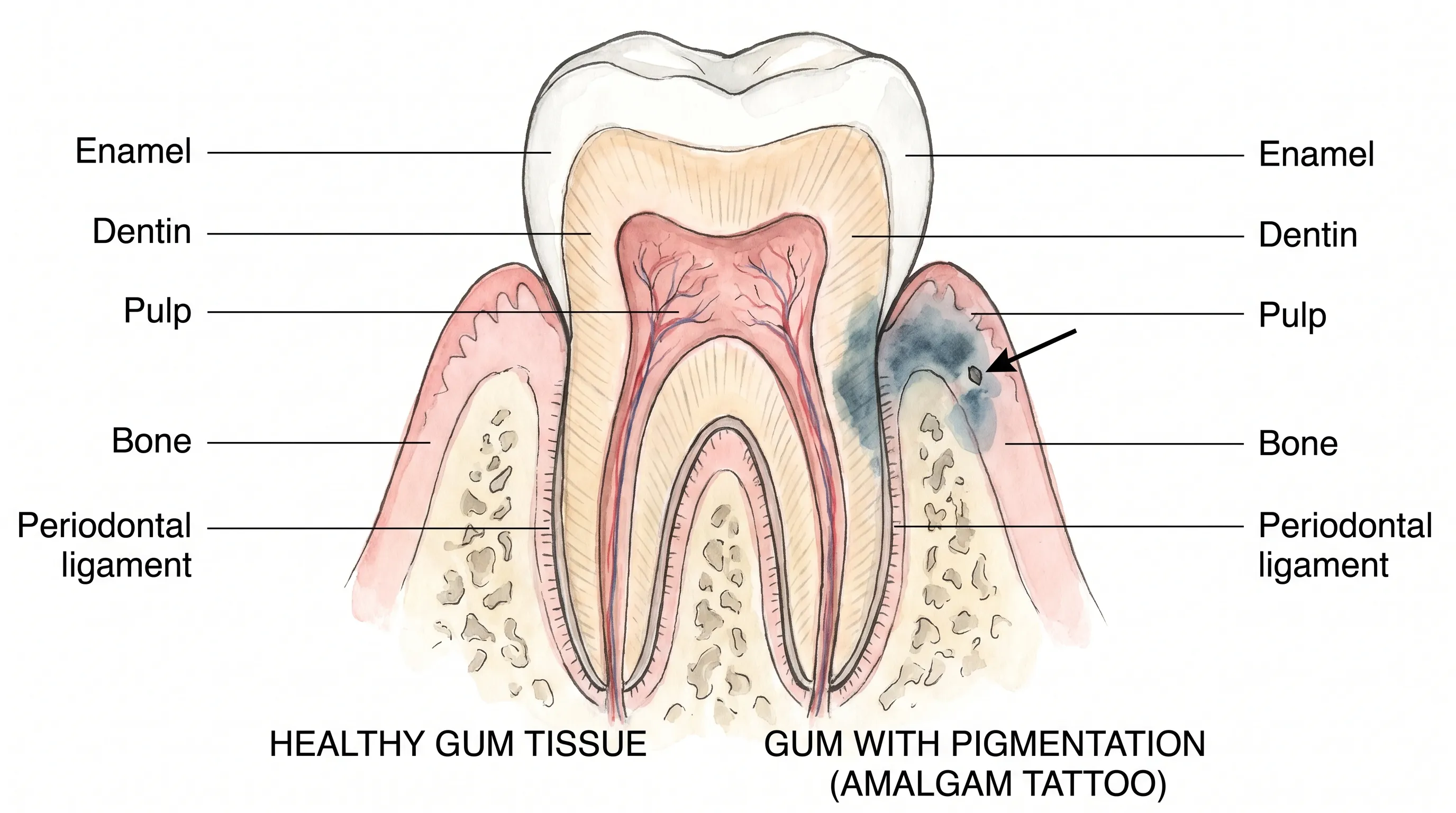
Melanin is produced by cells called melanocytes located in the basal layer of the epithelium. When these cells become overactive or increase in number, they produce excess melanin, leading to hyperpigmentation. This can result in diffuse darkening of the gums or localized patches of black around the gum line. It is crucial to distinguish between physiological pigmentation, which is symmetrical and has been present for a long time, and pathological pigmentation, which may appear suddenly, change in shape, or be accompanied by other symptoms like bleeding or pain.
The gum line itself, or the gingival margin, is the area where the gum tissue meets the tooth. This junction is particularly susceptible to accumulation of plaque and tartar, which can influence the color of the tissue. Additionally, the transparency of the gum tissue varies; thinner gums may reveal the darker root structure of the tooth or underlying blood vessels more clearly, creating an illusion of darkness. Therefore, when evaluating black around the gum line, dentists consider factors such as tissue thickness, blood supply, melanin content, and the presence of external deposits.
Common Causes of Black Around the Gum Line
The appearance of black around the gum line can stem from a variety of sources. Identifying the specific cause is essential for determining the appropriate course of action. Below are the most prevalent causes, ranging from benign cosmetic issues to significant health concerns.
Amalgam Tattoos
One of the most common causes of localized black or blue-gray discoloration on the gums is the amalgam tattoo. This occurs when tiny particles of silver amalgam filling material become embedded in the soft tissue of the mouth during the placement or removal of a filling. Unlike a skin tattoo where ink is intentionally injected, an amalgam tattoo is an accidental implantation of metal particles. These particles remain in the tissue indefinitely, creating a permanent stain that looks like a small bruise or a dark spot.
Amalgam tattoos are harmless and do not require treatment unless they are aesthetically displeasing. They are typically flat, well-defined, and do not change in size or shape over time. If you have had silver fillings placed or removed in the past, and you notice a discrete black spot nearby, this is likely the culprit. Dentists can often diagnose this visually, but in uncertain cases, a biopsy may be performed to confirm the presence of metal particles and rule out other conditions.
Periodontal Disease and Tartar Buildup
Periodontal disease, encompassing both gingivitis and periodontitis, is a leading cause of gum discoloration. According to the Centers for Disease Control and Prevention (CDC), nearly half of adults aged 30 years and older in the United States have some form of periodontal disease. While early-stage gingivitis typically presents as red, inflamed gums, advanced periodontal disease can lead to darker hues. As plaque hardens into tartar (calculus), it can extend below the gum line. Subgingival tartar is often dark brown or black due to the absorption of pigments from blood and bacterial byproducts. This dark deposit can show through the gum tissue, creating the appearance of black around the gum line.
Moreover, severe periodontitis can lead to tissue necrosis (death). In conditions like Acute Necrotizing Ulcerative Gingivitis (ANUG), also known as trench mouth, the gum tissue dies and turns gray or black. This is a painful condition often associated with poor oral hygiene, stress, smoking, or compromised immune systems. The blackened tissue is a sign of significant infection and requires immediate professional intervention to prevent further tissue loss and bone damage.
Smoker’s Melanosis
Smoking is a major risk factor for oral health issues, including gum discoloration. Smoker’s melanosis is a condition characterized by increased melanin production in the oral mucosa as a protective response to the heat and chemicals in tobacco smoke. This results in brown or black pigmentation, most commonly seen on the front lower gums. The discoloration is usually diffuse and symmetric.
Beyond pigmentation, smoking constricts blood vessels, reducing blood flow to the gums. This can mask the typical redness of inflammation, making gums appear paler or darker than they actually are, while simultaneously impairing the healing process. Quitting smoking can sometimes reverse smoker’s melanosis over time, although the timeline varies among individuals. More importantly, quitting reduces the risk of progressing to severe periodontal disease and oral cancer CDC.
Medication-Induced Hyperpigmentation
Certain systemic medications can cause gum discoloration as a side effect. Minocycline, a tetracycline antibiotic used for acne and other infections, is well-known for causing blue-gray or black pigmentation of the skin and gums. This occurs because the drug or its metabolites bind to iron or melanin in the tissues. Other medications, including antimalarials, antipsychotics, and some chemotherapy drugs, can also lead to oral pigmentation.
If you suspect your medication is causing black around the gum line, consult your prescribing physician. Do not stop taking prescribed medication without medical advice. In some cases, switching to an alternative drug may resolve the pigmentation, though existing stains may persist.
Oral Melanotic Macules and Melanoacanthoma
Oral melanotic macules are benign, flat, dark brown to black spots that can appear anywhere in the mouth, including the gums. They are similar to freckles on the skin and are caused by an increase in melanin production. Melanoacanthoma is another benign condition that presents as a dark, slightly raised patch. While these conditions are generally harmless, they must be differentiated from malignant lesions by a healthcare professional.
Oral Cancer (Malignant Melanoma)
Although rare, oral melanoma is a serious form of cancer that can present as a black or dark brown patch on the gums. Unlike benign pigmentation, oral melanoma may change in size, shape, or color, and may be accompanied by bleeding, ulceration, or a lump. Early detection is critical for survival. Any new, irregular, or changing dark spot on the gums should be evaluated promptly by a dentist or oral surgeon to rule out malignancy National Institute of Dental and Craniofacial Research.
The Role of Lifestyle and Hygiene
Lifestyle choices play a pivotal role in the health and appearance of your gums. Poor oral hygiene is the primary driver of plaque accumulation, which leads to tartar formation and gum disease. When plaque is not removed regularly through brushing and flossing, it mineralizes into tartar. As mentioned earlier, subgingival tartar is often black and can cause the gums to appear dark. Additionally, inflammation from untreated gingivitis can lead to tissue changes that alter pigmentation.

Diet also influences gum health. A diet high in sugars and refined carbohydrates promotes bacterial growth, exacerbating plaque formation. Conversely, a diet rich in vitamins C and D, calcium, and antioxidants supports gum tissue integrity and immune function. Vitamin C deficiency, for instance, can lead to scurvy, which causes swollen, bleeding, and potentially discolored gums.
Stress is another often-overlooked factor. High stress levels can weaken the immune system, making the gums more susceptible to infection and slowing down healing. Stress-related behaviors, such as teeth grinding (bruxism), can also damage the gum line and supporting structures, potentially contributing to recession and exposure of darker root surfaces.
Diagnostic Procedures and Professional Evaluation
If you notice black around the gum line, the first step is to schedule an appointment with your dentist. A professional evaluation is necessary to determine the cause and rule out serious conditions. The diagnostic process typically involves several steps:
- Visual Examination: The dentist will inspect the gums for color, texture, and symmetry. They will look for signs of inflammation, bleeding, or ulceration.
- Medical History Review: You will be asked about your medical history, including current medications, smoking habits, and any previous dental work involving amalgam fillings.
- Periodontal Probing: Using a small ruler-like instrument, the dentist will measure the depth of the spaces between your teeth and gums. Deep pockets may indicate periodontal disease.
- X-Rays: Dental radiographs can reveal bone loss associated with periodontitis and help identify any foreign bodies or issues with tooth roots.
- Biopsy: If a lesion looks suspicious or cannot be diagnosed visually, the dentist may perform a biopsy. This involves removing a small sample of tissue for laboratory analysis to check for cancer or other pathological conditions.
Early diagnosis is key. Conditions like amalgam tattoos require no treatment, while periodontal disease needs immediate intervention to prevent tooth loss. Oral cancer, though rare, requires urgent specialized care.
Treatment Options for Dark Gums
The treatment for black around the gum line depends entirely on the underlying cause. There is no one-size-fits-all solution, but various effective options are available.
Professional Dental Cleaning
For discoloration caused by tartar buildup, a professional dental cleaning (scaling and root planing) is the primary treatment. During this procedure, the dentist or hygienist uses specialized tools to remove plaque and tartar from above and below the gum line. Once the dark tartar is removed, the gums may heal and return to a healthier pink color, provided there is no permanent tissue damage. Regular cleanings every six months can prevent recurrence.
Laser Therapy
Laser treatment is an increasingly popular option for removing benign pigmentation, such as amalgam tattoos or melanotic macules. Lasers can precisely target and break down pigment particles without damaging surrounding tissue. This method is minimally invasive, often requires no sutures, and has a faster recovery time compared to traditional surgery. Multiple sessions may be needed depending on the depth and intensity of the pigmentation.
Surgical Excision
In cases where laser therapy is not suitable, or if a biopsy is required, surgical excision may be performed. The dentist or oral surgeon cuts out the pigmented tissue and stitches the area closed. This ensures complete removal of the lesion and provides tissue for pathological examination. While effective, this method may leave a scar and requires a longer healing period.
Gum Grafting
If black around the gum line is due to gum recession exposing dark tooth roots, gum grafting may be recommended. This procedure involves taking tissue from another part of the mouth (usually the palate) and attaching it to the receded area. This covers the exposed root, improves aesthetics, and protects the tooth from sensitivity and decay.
Addressing Underlying Health Issues
If the discoloration is caused by medication or systemic disease, treating the underlying condition is essential. Consult with your physician to discuss alternative medications if drug-induced pigmentation is bothersome. For smokers, cessation programs and support groups can help quit smoking, which may gradually reduce smoker’s melanosis and significantly improve overall gum health.
Prevention and Home Care Strategies
Preventing black around the gum line starts with consistent and effective oral hygiene practices. Here are actionable tips to keep your gums healthy and pink:
- Brush Twice Daily: Use a soft-bristled toothbrush and fluoride toothpaste. Brush gently in circular motions to avoid damaging the gum tissue. Aggressive brushing can cause recession, exposing darker root surfaces.
- Floss Daily: Flossing removes plaque and food particles from between teeth where a brush cannot reach. This prevents the formation of subgingival tartar, a common cause of black discoloration.
- Use an Antimicrobial Mouthwash: An antibacterial mouthwash can help reduce the bacterial load in the mouth, preventing gingivitis and periodontal disease. Look for products containing chlorhexidine or cetylpyridinium chloride, but use them as directed to avoid staining.
- Quit Smoking: If you smoke, seek help to quit. This is the single most impactful change you can make for your oral and overall health. Resources such as nicotine replacement therapies and counseling can be beneficial.
- Regular Dental Checkups: Visit your dentist every six months for professional cleanings and examinations. Early detection of gum disease or other issues can prevent severe complications.
- Balanced Diet: Eat a diet rich in fruits, vegetables, lean proteins, and whole grains. Limit sugary snacks and drinks that promote plaque formation. Stay hydrated to maintain saliva flow, which naturally cleanses the mouth.
| Cause of Black Gums | Typical Appearance | Primary Treatment | Preventability |
|---|---|---|---|
| Amalgam Tattoo | Flat, blue-gray/black spot near filling | Laser or surgical removal (optional) | Difficult to prevent completely during filling removal |
| Tartar Buildup | Dark line along gum edge, hard deposit | Professional scaling and root planing | Highly preventable with good hygiene |
| Smoker’s Melanosis | Diffuse brown/black patches on gums | Smoking cessation | Preventable by not smoking |
| Periodontal Disease | Red/purple/black gums, bleeding, pockets | Deep cleaning, antibiotics, surgery | Preventable with hygiene and regular care |
| Medication Side Effect | Generalized darkening or spots | Consult doctor for alternative meds | Not always preventable |
| Oral Melanoma | Irregular, changing dark patch | Surgical excision, oncology care | Early detection via regular exams |
Frequently Asked Questions
Is black around the gum line always a sign of serious disease?
No, black around the gum line is not always a sign of serious disease. While it can indicate periodontal disease or oral cancer, it is often caused by benign conditions such as amalgam tattoos (from silver fillings), natural melanin pigmentation, or certain medications. However, any new or changing discoloration should be evaluated by a dentist to rule out pathology.
Can smoking cause black gums?
Yes, smoking is a significant contributor to gum discoloration. It can lead to 'smoker's melanosis,' where increased melanin production causes dark patches on the gums. Additionally, smoking restricts blood flow, leading to tissue damage and increasing the risk of periodontal disease, which can manifest as darkening due to necrosis or tartar buildup CDC.
How do I remove an amalgam tattoo from my gums?
Amalgam tattoos are permanent unless removed through dental procedures. Common removal methods include laser therapy, which breaks down the pigment particles, or surgical excision, where the affected tissue is cut out. In many cases, if the tattoo is small and not changing, dentists may recommend monitoring it rather than removal.
What is the difference between gingivitis and periodontitis regarding gum color?
Gingivitis typically causes gums to appear red, swollen, and bleed easily due to inflammation. Periodontitis, a more advanced stage, can lead to dark purple or blackish hues if there is significant tissue death (necrosis) or heavy accumulation of subgingival calculus (tartar) below the gum line. Periodontitis also involves bone loss and pocket formation CDC.
Can certain medications turn my gums black?
Yes, certain medications can cause gum hyperpigmentation. Drugs such as minocycline (an antibiotic), antimalarials, and some chemotherapy agents can deposit pigment in the gum tissue or stimulate melanin production, resulting in blue, gray, or black discoloration around the gum line.
Conclusion
Discovering black around the gum line can be alarming, but it is important to remember that not all causes are dangerous. From benign amalgam tattoos and natural pigmentation to lifestyle-induced changes like smoker’s melanosis, the reasons for gum discoloration are diverse. However, because conditions like periodontal disease and oral cancer can also present with dark gums, professional evaluation is non-negotiable. Early diagnosis allows for timely intervention, whether it involves a simple cleaning, laser treatment, or more complex medical care.
Maintaining excellent oral hygiene, attending regular dental checkups, and making healthy lifestyle choices such as quitting smoking are the best defenses against gum disease and discoloration. By staying vigilant and proactive about your oral health, you can ensure that your smile remains not only bright but also healthy. If you notice any persistent or changing dark spots on your gums, do not hesitate to consult your dentist. Your oral health is a vital component of your overall well-being, and addressing issues like black around the gum line promptly can prevent future complications and preserve your confident smile.
How we work
Researched and drafted with AI assistance, then reviewed by a human editor against the cited sources.
This article is general health information, not medical advice. Consult a qualified healthcare professional about your own situation.