Gum Receding Around Crown: Causes, Treatments, and Prevention Guide

Noticing a change in your smile can be unsettling, especially when it involves the structural integrity of your dental work. One of the most common yet concerning issues patients face is gum receding around crown structures. This phenomenon occurs when the gingival tissue that once snugly hugged the base of your dental crown begins to pull away, exposing the root surface or the margin where the crown meets the natural tooth. While dental crowns are designed to restore function and aesthetics, they are not immune to the biological changes occurring in the surrounding oral environment.
Understanding why this happens is the first step toward effective management. Gum recession is not merely a cosmetic flaw; it is a clinical sign that the supporting structures of your teeth are under stress. Whether due to aggressive brushing, underlying periodontal disease, or the mechanical fit of the restoration itself, gum receding around crown areas requires prompt attention to prevent further complications such as root decay, sensitivity, and even tooth loss. In this comprehensive guide, we will explore the multifaceted causes of this condition, evaluate the latest treatment options, and provide actionable strategies to preserve your oral health. By combining evidence-based medical insights with practical self-care advice, you can take control of your dental wellness and ensure the longevity of your restorations.
Understanding the Anatomy: Why Gums Recede Around Crowns
To fully grasp the implications of gum receding around crown restorations, it is essential to understand the complex relationship between the tooth, the restoration, and the periodontal tissues. A dental crown is a cap-shaped restoration that covers the entire visible portion of the tooth above the gum line. Ideally, the margin of the crown—the edge where the artificial material meets the natural tooth structure—is placed slightly below or at the level of the gum line to ensure a seamless transition and prevent bacterial infiltration.
Free calculatorHeadache Location ChartIdentify headache types by locationOpen the calculatorHowever, the gums are dynamic living tissues that respond to various stimuli. When we observe gum receding around crown areas, we are witnessing a breakdown in the biological width, which is the dimension of the junctional epithelium and connective tissue attachment to the tooth. Several anatomical and physiological factors contribute to this process. According to the National Institute of Dental and Craniofacial Research (NIDCR), maintaining healthy gum tissue is critical for the long-term success of dental restorations.
The Role of Biological Width Violation
One of the primary technical causes of recession is the violation of biological width during the placement of the crown. If the dentist places the margin of the crown too deep into the sulcus (the space between the tooth and the gum), it can impinge on the connective tissue attachment. The body perceives this intrusion as a foreign irritant, triggering a chronic inflammatory response. Over time, this inflammation leads to the destruction of the supporting bone and soft tissue, causing the gums to migrate apically (downward) away from the crown. This results in visible gum receding around crown margins, exposing the root surface and potentially compromising the seal of the restoration.
Material Biocompatibility and Allergic Reactions
The material used for the crown also plays a significant role. While modern ceramics and zirconia are highly biocompatible, older metal alloys or certain types of porcelain-fused-to-metal (PFM) crowns may contain nickel or other metals that can cause allergic reactions or galvanic shocks in some patients. This irritation can manifest as localized inflammation and subsequent recession. Furthermore, if the surface of the crown is rough or poorly polished, it can accumulate plaque more readily than smooth enamel, exacerbating gingival inflammation.
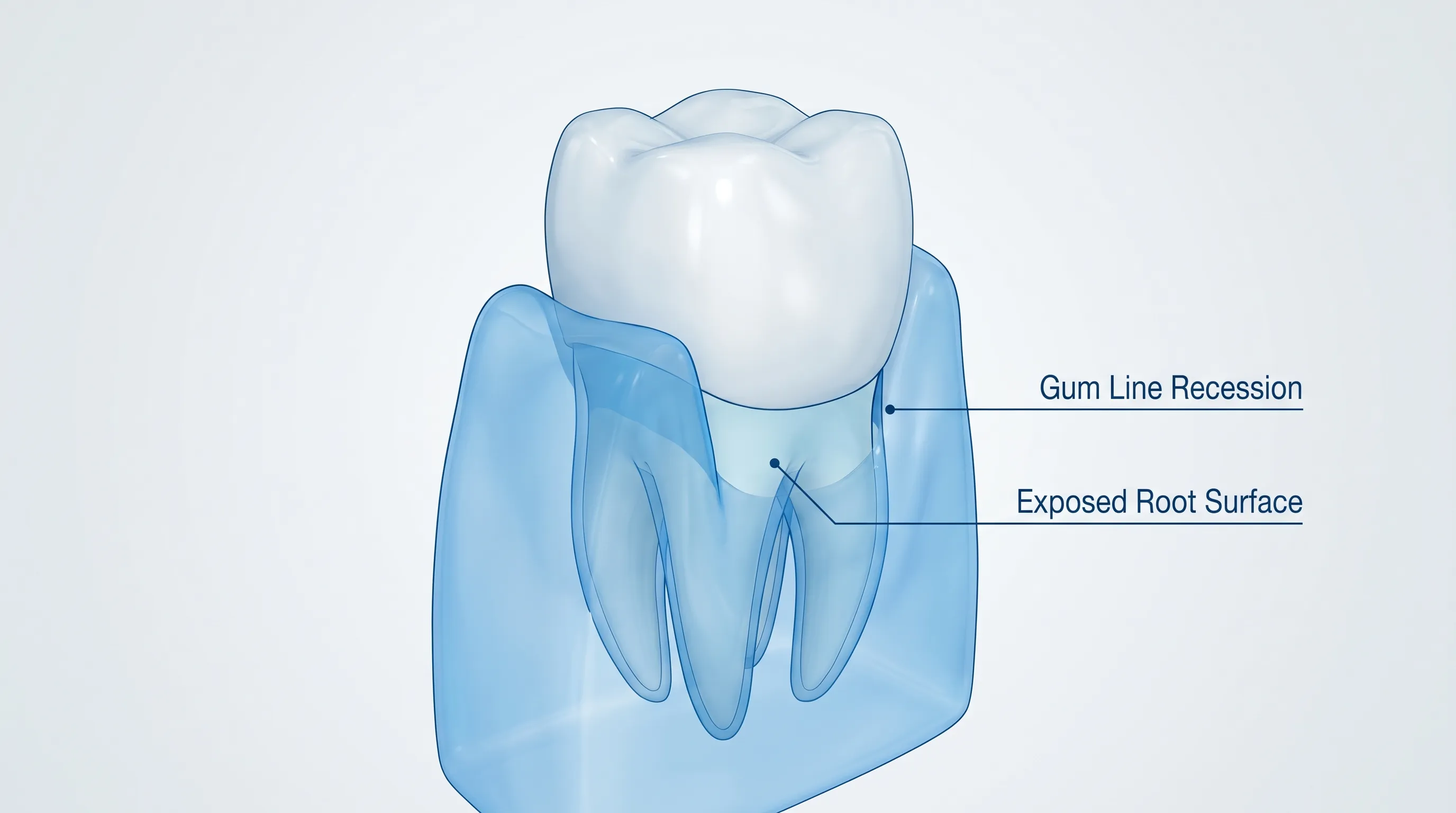
Primary Causes of Gum Recession Around Dental Crowns
Identifying the root cause of gum receding around crown issues is critical for determining the appropriate treatment plan. While each patient's situation is unique, the causes generally fall into three categories: mechanical trauma, biological disease, and restorative errors.
Mechanical Trauma and Brushing Habits
Perhaps the most common cause of gum recession, regardless of whether a crown is present, is traumatic tooth brushing. Many individuals believe that brushing harder cleans teeth better, but this is a dangerous misconception. Aggressive scrubbing with a hard-bristled toothbrush can physically wear away the delicate gingival tissue. When a crown is present, the junction between the hard ceramic or metal and the softer natural root is particularly vulnerable. The abrupt change in texture can create a ledge that traps plaque, but more importantly, the force applied during brushing can accelerate tissue loss at this interface. This leads to noticeable gum receding around crown margins, often accompanied by abrasion lesions on the root surface. The Mayo Clinic notes that aggressive brushing is a leading cause of gum recession and recommends using soft-bristled brushes to mitigate this risk.
Periodontal Disease and Inflammation
Periodontal disease, an infectious disease affecting the gums and bone supporting the teeth, is a major contributor to recession. Plaque buildup around the margins of a crown can lead to gingivitis, characterized by red, swollen, and bleeding gums. If left untreated, gingivitis progresses to periodontitis, where the inner layer of the gum and bone pull away from the teeth, forming pockets. These pockets become infected, and the body's immune response, combined with bacterial toxins, breaks down the bone and connective tissue holding the teeth in place. As the bone level drops, the gums follow suit, resulting in gum receding around crown structures. Patients with a history of periodontal disease are at a higher risk for recurrence around restorations. For more information on the stages of gum disease, refer to the CDC’s Oral Health Resources.
Occlusal Trauma and Teeth Grinding
Bruxism, or teeth grinding, exerts excessive force on the teeth and their supporting structures. This parafunctional habit can cause micro-movements of the tooth within the socket, leading to flexure at the cervical area (the neck of the tooth). This flexure can cause the breakdown of the bone and gum tissue, a phenomenon known as abfraction. When a crown is placed on a tooth subjected to heavy occlusal forces, the stress is transferred to the periodontal ligament and surrounding tissues. Over time, this can lead to bone loss and gum receding around crown margins, particularly on the side of the tooth facing the cheek or tongue, depending on the direction of the grinding force.
Symptoms and Complications of Exposed Crown Margins
Recognizing the early signs of gum receding around crown issues can prevent minor problems from escalating into serious dental emergencies. While recession is often gradual, several symptoms serve as warning signs.
Increased Tooth Sensitivity
One of the earliest and most common symptoms is dentin hypersensitivity. The root surface, once protected by the gum and cementum, is exposed to the oral environment. Dentin contains microscopic tubules that lead directly to the nerve of the tooth. When these tubules are exposed due to gum receding around crown margins, stimuli such as cold air, ice water, or sweet foods can trigger sharp, transient pain. This sensitivity can significantly impact quality of life, making eating and drinking uncomfortable.
Aesthetic Changes and Black Lines
From a cosmetic standpoint, gum recession can be distressing. As the gums pull back, more of the tooth root becomes visible. Since roots are naturally darker and yellower than the enamel-covered crown, this creates an uneven color pattern. In the case of porcelain-fused-to-metal crowns, recession may expose the dark metal margin, creating a visible "black line" at the gum line. This aesthetic discrepancy is a frequent complaint among patients experiencing gum receding around crown restorations, leading to self-consciousness about their smile.
Risk of Root Caries and Restoration Failure
Exposed root surfaces are more susceptible to decay than enamel-covered crowns. Root caries can progress rapidly because the root structure is softer and less mineralized. If decay develops under the margin of the crown, it can compromise the seal, allowing bacteria to infiltrate the interior of the tooth. This can lead to pulpitis (inflammation of the nerve), necessitating root canal therapy or even extraction. Furthermore, if the recession is severe enough, the crown may lose its retention and become loose, requiring replacement. Thus, gum receding around crown areas poses a direct threat to the structural integrity of the restoration.
Diagnostic Procedures: How Dentists Evaluate Recession
When you visit your dentist for concerns about gum receding around crown areas, a thorough evaluation is conducted to determine the extent of the damage and the underlying cause. This diagnostic phase is crucial for formulating an effective treatment plan.
Clinical Examination and Periodontal Charting
The dentist will begin with a visual inspection of the gums, looking for signs of inflammation, bleeding, and recession. Using a periodontal probe, a small ruler-like instrument, the dentist measures the depth of the gum pockets around each tooth. Healthy pockets typically measure 1-3 millimeters. Depths greater than 4 millimeters indicate periodontal disease. The dentist also measures the amount of recession in millimeters from the cementoenamel junction (CEJ) to the current gum margin. This data helps quantify the severity of the gum receding around crown issue.
Radiographic Analysis
X-rays, particularly bitewing and periapical radiographs, are essential for assessing the bone levels around the crowned tooth. Bone loss is a key indicator of periodontal disease and is often associated with gum recession. X-rays can also reveal any decay beneath the crown margin or issues with the fit of the restoration that are not visible to the naked eye. If the bone level has dropped significantly, it confirms that the gum receding around crown is part of a broader periodontal problem.
Assessment of Occlusion and Bite
The dentist will examine your bite to check for signs of bruxism or malocclusion. They may look for wear facets on the crown or adjacent teeth, which indicate grinding. In some cases, a bite analysis using special marking paper or digital sensors is performed to identify high spots or uneven forces that could be contributing to the recession. Addressing these occlusal issues is vital to preventing further gum receding around crown damage.
Treatment Options for Gum Recession Around Crowns
Treating gum receding around crown conditions depends on the severity of the recession, the underlying cause, and the patient's aesthetic goals. Treatment ranges from non-surgical management to advanced surgical interventions. The Cleveland Clinic provides detailed insights into various periodontal treatments available for gum recession.
Non-Surgical Management and Monitoring
For mild cases where the recession is stable and not causing sensitivity or aesthetic concerns, the dentist may recommend a "watch and wait" approach. This involves improving oral hygiene practices, using desensitizing toothpaste, and applying fluoride varnishes to strengthen the exposed root surface. Regular monitoring every six months ensures that the recession does not progress. This conservative approach is often sufficient for managing early-stage gum receding around crown issues.
Surgical Interventions: Gum Grafting
When recession is severe, causing sensitivity, aesthetic concerns, or risk of root decay, surgical intervention is necessary. The gold standard for treating gum receding around crown areas is gum grafting. There are several types of grafts:
- Connective Tissue Grafts: Tissue is taken from the palate and stitched over the exposed root. This is the most common method and provides excellent aesthetic results.
- Free Gingival Grafts: Used primarily in areas with thin gum tissue, this involves taking a thicker layer of tissue from the palate. It is less aesthetically pleasing but highly effective for increasing tissue thickness.
- Pedicle Grafts: Tissue is moved from an adjacent area of the gum to cover the exposed root. This is only possible if there is sufficient healthy gum tissue nearby.
Pinhole Surgical Technique (PST)
A minimally invasive alternative to traditional grafting is the Pinhole Surgical Technique. This procedure involves making tiny holes in the gum tissue and using special instruments to loosen and reposition the existing gum tissue over the exposed roots. No sutures or scalpels are required, leading to faster recovery and less discomfort. PST is particularly effective for treating multiple areas of gum receding around crown restorations in a single session.
Crown Replacement or Modification
In cases where the crown itself is contributing to the recession due to poor fit or material irritation, replacing the crown may be necessary. The new crown will be designed with supragingival margins (above the gum line) or equigingival margins (at the gum line) to facilitate easier cleaning and reduce irritation. Using biocompatible materials like zirconia can also minimize the risk of allergic reactions and inflammation, helping to stabilize the gums and prevent further gum receding around crown issues.
Preventive Strategies and Home Care Tips
Prevention is always better than cure. Implementing rigorous home care routines and lifestyle changes can significantly reduce the risk of gum receding around crown complications.
Proper Brushing Techniques
Switching to a soft-bristled toothbrush is the single most important change you can make. Use gentle, circular motions rather than harsh scrubbing. Consider using an electric toothbrush with a pressure sensor, which alerts you if you are brushing too hard. Focus on cleaning the gum line gently without traumatizing the tissue. This simple adjustment can halt the progression of gum receding around crown areas caused by mechanical trauma.
Effective Flossing and Interdental Cleaning
Plaque accumulation at the crown margin is a primary driver of inflammation. Daily flossing is essential, but it must be done correctly. Avoid snapping the floss into the gums, which can cause injury. Instead, curve the floss around the tooth in a C-shape and slide it gently up and down. For wider spaces around crowns, interdental brushes or water flossers can be more effective at removing debris and massaging the gums, promoting health and preventing gum receding around crown issues.
Regular Professional Cleanings
Professional dental cleanings every six months are crucial for maintaining periodontal health. Dental hygienists can remove tartar buildup that cannot be removed by brushing and flossing alone. They can also monitor the health of your gums around crowns and detect early signs of recession. Early intervention is key to managing gum receding around crown conditions before they become severe.

Managing Bruxism and Stress
If you grind your teeth, wearing a night guard is essential to protect your crowns and gums from occlusal trauma. Custom-fitted night guards distribute the forces evenly and prevent the excessive pressure that leads to bone loss and recession. Additionally, managing stress through relaxation techniques can help reduce the frequency and intensity of grinding, thereby protecting your gums from further gum receding around crown damage.
Comparing Treatment Modalities
Choosing the right treatment for gum receding around crown issues can be daunting. The following table compares the most common treatment options to help you discuss the best choice with your dentist.
| Treatment Option | Invasiveness | Recovery Time | Cost Estimate | Best For |
|---|---|---|---|---|
| Monitoring & Hygiene | Non-invasive | None | Low (Cleaning fees) | Mild, stable recession without sensitivity |
| Desensitizing Agents | Non-invasive | Immediate | Low | Sensitivity management only |
| Pinhole Surgical Technique | Minimally Invasive | 1-2 Days | High | Multiple recessions, aesthetic concerns, quick recovery |
| Connective Tissue Graft | Surgical | 1-2 Weeks | Moderate-High | Severe recession, need for thick tissue augmentation |
| Crown Replacement | Moderate | 1-2 Visits | High | Poorly fitting crowns, material allergy, marginal decay |
Note: Costs vary widely based on geographic location and insurance coverage. Always consult with your dental provider for specific estimates.
Frequently Asked Questions
Can gums grow back after receding around a crown?
No, gum tissue does not naturally regenerate once it has receded. The lost tissue cannot grow back on its own. However, surgical procedures like gum grafting or the Pinhole Surgical Technique can effectively cover the exposed roots and restore the gum line's appearance and function. Early intervention is key to preventing further loss.
Is gum recession around a crown painful?
It can be. While mild recession may be asymptomatic, exposed roots often lead to increased sensitivity to hot, cold, or sweet stimuli. If the recession is caused by active infection or severe inflammation, you may also experience tenderness, swelling, or bleeding during brushing. Managing sensitivity with specialized toothpaste and seeking professional care can alleviate discomfort.
How do I stop my gums from receding further around my crown?
To halt progression, switch to a soft-bristled toothbrush and use gentle circular brushing motions. Floss daily without snapping the floss into the gums. Maintain regular dental cleanings to remove tartar. If you grind your teeth, wear a night guard. Addressing these mechanical and biological factors is crucial to stopping gum receding around crown areas from worsening.
Does insurance cover gum grafting for receding gums around crowns?
Coverage varies significantly by provider and plan. If the procedure is deemed medically necessary to treat periodontal disease, prevent root decay, or save a tooth, it is more likely to be covered. If the procedure is purely cosmetic, coverage is less common. Always check with your insurance provider and get a pre-authorization if possible.
Can a poorly fitted crown cause gum recession?
Yes. If a crown margin is placed too deep under the gum line, has rough edges, or overhangs, it can irritate the gingival tissue. This chronic irritation leads to inflammation, plaque accumulation, and eventual recession. Ensuring your crown is properly fitted and made of biocompatible materials is essential for long-term gum health.
Conclusion
Dealing with gum receding around crown restorations is a complex issue that requires a multidisciplinary approach involving careful diagnosis, targeted treatment, and diligent home care. While the sight of receding gums can be alarming, understanding the underlying causes—whether mechanical, biological, or restorative—empowers you to take proactive steps. From switching to gentler brushing techniques to considering advanced surgical options like gum grafting, there are effective ways to manage and mitigate the effects of recession.
Remember, your oral health is a lifelong journey. Regular communication with your dental team, adherence to preventive care protocols, and prompt attention to any changes in your gums are the best defenses against further complications. By prioritizing the health of the tissues surrounding your crowns, you not only protect your investment in dental restorations but also safeguard your overall oral well-being. Do not ignore the signs of gum receding around crown areas; seek professional advice early to ensure a healthy, confident smile for years to come.
How we work
Researched and drafted with AI assistance, then reviewed by a human editor against the cited sources.
This article is general health information, not medical advice. Consult a qualified healthcare professional about your own situation.