Why Do My Teeth Feel Numb? Causes, Symptoms, and Treatment Options

It starts as a subtle oddity—a slight detachment, a lack of sensation where there should be feedback. You bite into an apple, and instead of the crisp crunch transmitting through your jaw, you feel a muffled, distant pressure. You sip hot coffee, and the usual warning signal of heat is absent. This disconcerting experience leads many patients to ask their healthcare providers a pressing question: why do my teeth feel numb? While teeth are hard, calcified structures, they are very much alive, harboring a complex network of nerves and blood vessels within their core. When these nerves are compromised, irritated, or damaged, the result can be a spectrum of sensory changes, ranging from sharp pain to complete numbness.
Understanding the root cause of this symptom is crucial because it serves as a biological alarm system. Unlike skin numbness, which might be dismissed as a temporary circulation issue, tooth numbness often points to specific underlying pathologies involving the dental pulp, the surrounding bone, or the intricate cranial nerves that govern facial sensation. From the lingering effects of local anesthesia to serious neurological conditions like trigeminal neuralgia, the reasons behind this symptom are diverse. Ignoring it can lead to progressive damage, while addressing it early can save a tooth or prevent broader health complications. This comprehensive guide delves into the anatomy of tooth sensation, explores the myriad causes of dental numbness, and provides actionable steps for diagnosis and treatment, ensuring you have the knowledge to navigate this unusual symptom effectively.
The Anatomy of Tooth Sensation
To understand why do my teeth feel numb, one must first appreciate the intricate biology that allows us to feel anything in our teeth at all. A tooth is not a solid block of inert material; it is a dynamic organ composed of several layers, each with a distinct role in protection and sensation. The outermost layer is the enamel, the hardest substance in the human body. Enamel has no nerves and cannot feel pain or temperature. Beneath the enamel lies the dentin, a porous, bone-like tissue that contains microscopic tubules. These tubules lead directly to the pulp, the soft inner core of the tooth.
Free calculatorHeadache Location ChartIdentify headache types by locationOpen the calculator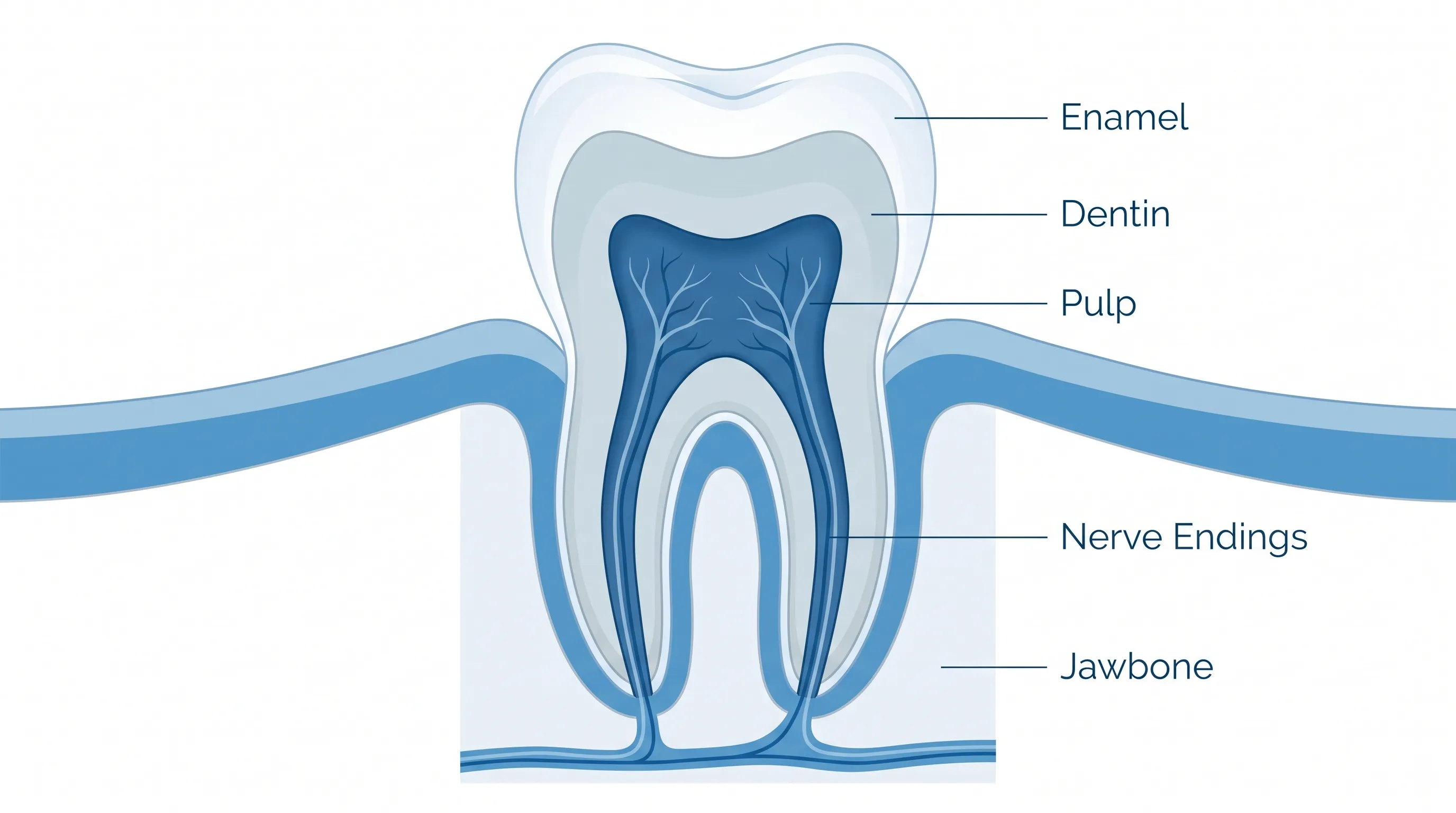
The pulp is the heart of the tooth's sensory system. It contains connective tissue, blood vessels, and, most importantly, the dental nerve. This nerve enters the tooth through the apex of the root and branches out, providing the tooth with proprioception (the sense of position) and nociception (the perception of pain). When we ask why do my teeth feel numb, we are essentially asking about the status of this pulpal nerve or the larger nerve trunks that supply it. The primary nerve responsible for sensation in the upper teeth is the maxillary branch of the trigeminal nerve, while the mandibular branch serves the lower teeth. Any disruption along this pathway—from the tip of the root to the brainstem—can result in altered sensations, including numbness, tingling (paresthesia), or a complete loss of feeling (anesthesia).
Furthermore, the teeth are suspended in the jawbone by the periodontal ligament, which is also richly innervated. This ligament helps us gauge the force of our bite. Damage to these supporting structures can also contribute to strange sensory experiences. Therefore, when evaluating tooth numbness, dental professionals look beyond the tooth itself to the surrounding gums, bone, and nerve pathways. Understanding this anatomy clarifies that "numb teeth" is rarely an isolated event but rather a symptom of a disruption in a complex sensory network.
Common Dental Causes of Tooth Numbness
The most frequent culprits behind tooth numbness are localized dental issues. These conditions directly affect the tooth structure or the immediate surrounding tissues, leading to nerve compromise. Recognizing these causes is the first step in determining why do my teeth feel numb and seeking appropriate care.
Dental Trauma and Injury
Physical trauma is a leading cause of tooth numbness. A blow to the face, whether from a sports injury, a fall, or an accident, can jar the tooth within its socket. This impact can sever the blood supply to the pulp or directly damage the nerve fibers entering the root apex. In some cases, the nerve may go into shock, resulting in temporary numbness. However, if the blood supply is cut off, the pulp tissue will eventually die (necrosis). A dead tooth often loses sensation entirely, becoming numb to hot, cold, and sweet stimuli. Interestingly, a necrotic tooth may not hurt initially, which can be misleading. Patients might think the problem has resolved because the pain stopped, but the infection can spread to the surrounding bone. If you have experienced recent trauma and wonder why do my teeth feel numb, a vitality test by a dentist is essential to determine if the nerve is still alive.
Deep Decay and Pulp Necrosis
Untreated cavities progress through the enamel and dentin until they reach the pulp. As bacteria invade the pulp chamber, they cause inflammation (pulpitis). Initially, this causes sharp pain. However, as the infection worsens, the pressure inside the tooth increases, potentially crushing the nerve fibers and blood vessels. Eventually, the nerve dies. Once the nerve is necrotic, the tooth becomes numb. This is a critical stage because the bacteria continue to multiply, moving out of the tooth and into the jawbone, forming an abscess. The transition from pain to numbness in a decayed tooth is a sign of advanced disease, not healing. Addressing this requires root canal therapy or extraction to remove the dead tissue and prevent systemic infection.
Recent Dental Procedures
It is common to experience numbness after dental work, primarily due to local anesthesia. Dentists use anesthetic agents like lidocaine to block nerve signals during procedures. Typically, this numbness wears off within a few hours. However, if the numbness persists for days or weeks, it may indicate nerve irritation or injury during the procedure. For example, during a root canal, files used to clean the canal can sometimes extend slightly beyond the root tip, irritating the nerve bundle. Similarly, wisdom tooth extraction carries a risk of damaging the inferior alveolar nerve or the lingual nerve, leading to prolonged numbness in the lower teeth, lip, or tongue. If you are asking why do my teeth feel numb long after a dental visit, contact your oral surgeon or dentist immediately, as early intervention with steroids or other therapies can improve recovery outcomes.
Neurological and Systemic Conditions
While dental issues are common, systemic and neurological conditions can also manifest as tooth numbness. These causes are often more complex and require a multidisciplinary approach to diagnosis and treatment. Understanding these possibilities is vital when local dental causes have been ruled out.
Trigeminal Neuralgia
The trigeminal nerve is the fifth cranial nerve and is responsible for sensation in the face. Trigeminal neuralgia is a chronic pain condition characterized by sudden, severe facial pain. However, not all cases present with classic electric-shock pain. Some patients experience atypical trigeminal neuralgia, which can include constant burning, tingling, or numbness in the teeth and gums. This condition is often caused by compression of the nerve by a blood vessel or multiple sclerosis. Because the pain or numbness is felt in the teeth, patients frequently undergo unnecessary dental treatments, such as extractions, before the true neurological cause is identified. If you have had multiple dental procedures without relief and still ask why do my teeth feel numb, a neurologist specializing in facial pain should be consulted. Learn more about trigeminal neuralgia from the Mayo Clinic.
Sinus Infections and Pressure
The maxillary sinuses are air-filled cavities located in the cheekbones, directly above the roots of the upper back teeth. The floors of these sinuses are thin, and the roots of the upper molars often project into the sinus cavity. When you have a sinus infection (sinusitis), the lining of the sinus becomes inflamed and fills with mucus. This buildup creates pressure that pushes down on the dental nerves. This pressure can cause the teeth to feel sensitive, achy, or even numb. The numbness is usually a result of the compressed nerve signals rather than direct nerve damage. Once the sinus infection is treated with decongestants, antibiotics, or time, the sensation in the teeth typically returns to normal. This connection explains why many people experience tooth discomfort during colds or allergy seasons.
Multiple Sclerosis and Other Neurological Disorders
Multiple sclerosis (MS) is an autoimmune disease that affects the central nervous system, damaging the protective covering of nerves (myelin). This damage can disrupt communication between the brain and the rest of the body. Oral symptoms, including numbness in the teeth, lips, and tongue, are reported in a significant number of MS patients. This numbness, known as paresthesia, can be an early sign of the disease or occur during a relapse. Other neurological conditions, such as Bell's palsy or stroke, can also affect facial sensation. If tooth numbness is accompanied by other neurological symptoms like vision changes, balance issues, or weakness, immediate medical attention is required.
Lifestyle Factors and Temporary Causes
Sometimes, the answer to why do my teeth feel numb is found in daily habits and temporary physiological states. These factors are generally reversible and less serious than structural or neurological damage, but they can still cause significant discomfort and concern.
Stress and Bruxism
Stress is a major contributor to oral health issues, primarily through bruxism, or teeth grinding. Many people grind or clench their teeth during sleep or periods of high anxiety. This excessive force can traumatize the periodontal ligament and the pulp of the tooth. Over time, this trauma can lead to inflammation that compresses the nerve, resulting in a dull ache or a sensation of numbness. Additionally, stress can trigger tension headaches and temporomandibular joint (TMJ) disorders, which can refer pain and altered sensations to the teeth. Managing stress through relaxation techniques, wearing a night guard, and practicing good sleep hygiene can alleviate these symptoms.
Vitamin Deficiencies
Nutritional deficiencies can impact nerve health throughout the body, including the nerves in the mouth. Vitamin B12 is crucial for maintaining the myelin sheath that protects nerves. A deficiency in B12 can lead to peripheral neuropathy, which may manifest as tingling or numbness in the hands, feet, and mouth. Similarly, deficiencies in calcium and vitamin D can weaken teeth and bones, potentially leading to increased sensitivity and altered sensations. Ensuring a balanced diet rich in essential vitamins and minerals supports overall nerve health and may resolve unexplained oral numbness.
Allergic Reactions
Allergic reactions to certain foods, medications, or dental materials can cause swelling and inflammation in the oral tissues. This swelling can put pressure on nerves, leading to temporary numbness. For instance, an allergy to a specific ingredient in toothpaste or mouthwash might cause localized irritation and numbness. Identifying and eliminating the allergen usually resolves the symptom. In rare cases, a severe allergic reaction (anaphylaxis) can cause widespread numbness and swelling, which is a medical emergency.
Diagnostic Approaches and Professional Evaluation
Determining the exact cause of tooth numbness requires a thorough professional evaluation. Self-diagnosis can be risky, as the underlying cause may be serious. When you visit a dentist or doctor with the complaint "why do my teeth feel numb," they will employ a variety of diagnostic tools to pinpoint the issue.
Clinical Examination and History
The first step is a detailed medical and dental history. The provider will ask about the onset of symptoms, any recent trauma, dental procedures, or illnesses. They will examine the teeth for signs of decay, cracks, or gum disease. Palpation of the face and jaw can reveal tenderness or swelling indicative of sinus issues or TMJ disorders. The dentist will also check for signs of bruxism, such as worn enamel or enlarged jaw muscles.
Diagnostic Testing
Several tests may be ordered to confirm the diagnosis:
| Test Type | Purpose | What It Detects |
|---|---|---|
| Percussion Test | Tapping on teeth | Inflammation of the periodontal ligament or abscess |
| Thermal Testing | Applying hot/cold stimuli | Pulp vitality (live vs. dead nerve) |
| Electric Pulp Test | Mild electrical current | Nerve response and vitality |
| X-Rays | Imaging of teeth and bone | Decay, abscesses, bone loss, sinus proximity |
| CBCT Scan | 3D Imaging | Complex root structures, nerve position, sinus details |
| MRI/CT Scan | Brain and nerve imaging | Trigeminal neuralgia, tumors, MS lesions |
These tests help differentiate between dental causes (like a dead nerve) and non-dental causes (like nerve compression). For example, a tooth that does not respond to thermal or electric testing likely has a necrotic pulp, whereas a tooth that responds normally may suggest a referred pain source or neurological issue.

Treatment Options and Management Strategies
Treatment for tooth numbness depends entirely on the underlying cause. There is no one-size-fits-all solution, which is why accurate diagnosis is paramount. Below are common treatment pathways based on the etiology of the numbness.
Dental Interventions
If the cause is dental, restorative or endodontic treatment is necessary. For a tooth with pulp necrosis, root canal therapy is the standard of care. This procedure removes the dead nerve tissue, cleans the canal, and seals it to prevent reinfection. In cases of severe trauma or decay where the tooth cannot be saved, extraction may be required. For teeth affected by bruxism, a custom-fitted night guard can protect the teeth from further damage and allow the nerves to heal. If an abscess is present, drainage and antibiotics may be prescribed alongside definitive dental treatment.
Medical and Pharmacological Treatments
For neurological conditions like trigeminal neuralgia, medication is the first line of defense. Anticonvulsants such as carbamazepine or gabapentin are commonly prescribed to stabilize nerve membranes and reduce pain and abnormal sensations. In cases of sinusitis, decongestants, nasal corticosteroids, and antibiotics (if bacterial) can relieve pressure on the dental nerves. If a vitamin deficiency is identified, supplementation with B12, calcium, or vitamin D can restore nerve function over time.
Surgical Options
In refractory cases of trigeminal neuralgia or nerve compression, surgical intervention may be considered. Microvascular decompression surgery involves moving the blood vessel that is compressing the trigeminal nerve away from the nerve. For nerve injuries resulting from dental surgery, microsurgical repair may be an option if caught early. These procedures are specialized and require consultation with a neurosurgeon or oral and maxillofacial surgeon.
Home Remedies and Self-Care
While professional treatment is essential, some self-care measures can provide temporary relief and support healing. Rinsing with warm salt water can reduce inflammation in the gums. Applying a cold compress to the outside of the cheek can numb the area and reduce swelling. Avoiding extremely hot or cold foods can prevent further irritation to sensitive teeth. Practicing stress-reduction techniques like meditation or yoga can help mitigate bruxism-related symptoms. However, these remedies should not replace professional evaluation, especially if the numbness persists.
Frequently Asked Questions
Can a sinus infection cause my teeth to feel numb?
Yes, sinus infections can cause tooth numbness or pain. The maxillary sinuses are located directly above the upper teeth. When these sinuses become inflamed or filled with fluid due to an infection, the pressure can compress the nerves that supply sensation to the upper molars and premolars, leading to a feeling of numbness, tingling, or dull ache.
Is numbness in teeth after a dental filling normal?
Temporary numbness after a dental filling is not typical for the tooth itself, but prolonged numbness in the lip, tongue, or chin is a known side effect of local anesthesia. If the tooth itself feels 'dead' or numb to hot and cold stimuli long after the procedure, it may indicate that the nerve inside the tooth (pulp) has been damaged or died, requiring further evaluation by your dentist.
What is trigeminal neuralgia and how does it affect teeth?
Trigeminal neuralgia is a chronic pain condition affecting the trigeminal nerve, which carries sensation from your face to your brain. It often causes intense, stabbing, or electric-shock-like pain. However, some patients may experience atypical symptoms, including persistent numbness, tingling, or a burning sensation in the teeth and gums, often misdiagnosed as dental problems initially.
Can stress cause my teeth to feel numb?
While stress does not directly cause nerve damage leading to numbness, it can contribute to conditions that mimic these sensations. Stress often leads to bruxism (teeth grinding) or clenching, which can inflame the periodontal ligaments and compress nerves, causing altered sensations. Additionally, stress can exacerbate tension headaches and TMJ disorders, which may radiate strange sensations to the teeth.
When should I see a doctor for numb teeth?
You should see a dentist or doctor immediately if tooth numbness is accompanied by facial drooping, slurred speech, or weakness, as these could be signs of a stroke. Otherwise, seek professional care if the numbness persists for more than a few days after dental work, is accompanied by swelling, fever, or severe pain, or if it interferes with eating and speaking.
Conclusion
The question "why do my teeth feel numb" is more than a query about a peculiar sensation; it is a call to investigate the health of your nervous system and oral cavity. Tooth numbness is a multifaceted symptom that can stem from benign causes like temporary anesthesia or sinus pressure, to serious conditions like nerve damage, pulp necrosis, or neurological disorders. By understanding the anatomy of tooth sensation and the various potential causes, you are better equipped to recognize when a symptom is transient and when it requires urgent professional attention.
Ignoring persistent numbness can lead to irreversible damage, such as the loss of a tooth or the progression of an untreated neurological condition. Conversely, timely intervention can preserve dental health and improve quality of life. Whether the solution involves a simple root canal, a course of antibiotics for sinusitis, or specialized neurological care, the key is accurate diagnosis. Maintain regular dental check-ups, practice good oral hygiene, manage stress, and listen to your body's signals. If you find yourself wondering why do my teeth feel numb, do not hesitate to consult a healthcare provider. Your smile, and your overall health, depend on it.
How we work
Researched and drafted with AI assistance, then reviewed by a human editor against the cited sources.
This article is general health information, not medical advice. Consult a qualified healthcare professional about your own situation.