Understanding 3 DPO Symptoms: What Your Body Is Really Telling You

Navigating the early stages of your menstrual cycle can feel like decoding a complex biological language, especially when you are closely monitoring subtle bodily shifts. Many individuals who are actively tracking their fertility or trying to conceive find themselves intensely focused on the days immediately following ovulation. You may notice changes in energy levels, mild pelvic sensations, breast sensitivity, or shifts in cervical fluid that prompt questions about what is actually happening beneath the surface. Understanding these physiological signals requires looking beyond anecdotal advice and examining the hormonal and anatomical processes at play. When you learn to recognize the difference between normal luteal phase fluctuations and early reproductive events, you gain greater clarity, reduced anxiety, and a more empowered approach to cycle tracking. This comprehensive guide explores the biological timeline, common physical and emotional experiences, evidence-based tracking methodologies, and practical strategies for managing this delicate window of your cycle.
Understanding the 3 DPO Window: What’s Actually Happening Inside Your Body?
To truly interpret what you are experiencing, it is essential to establish a clear biological baseline for where your body sits during this specific timeframe. The term 3 dpo refers to three days post-ovulation, placing you firmly in the early luteal phase of your menstrual cycle. Ovulation is the pivotal event where a mature follicle ruptures, releasing an egg into the fallopian tube. Once released, that egg remains viable for fertilization for approximately twelve to twenty-four hours. By the time you reach day three after this event, the egg is either undergoing fertilization, has successfully been fertilized, or has already begun to degrade naturally if conception did not occur. The corpus luteum, the temporary endocrine structure formed from the remnants of the ruptured follicle, becomes the central hormonal driver during this period. It begins producing substantial quantities of progesterone and a secondary surge of estrogen to prepare the uterine endometrium for potential embryo implantation. This rapid hormonal transition is responsible for nearly every physical sensation you might notice.
Free calculatorOvulation CalculatorCalculate ovulation periodOpen the calculator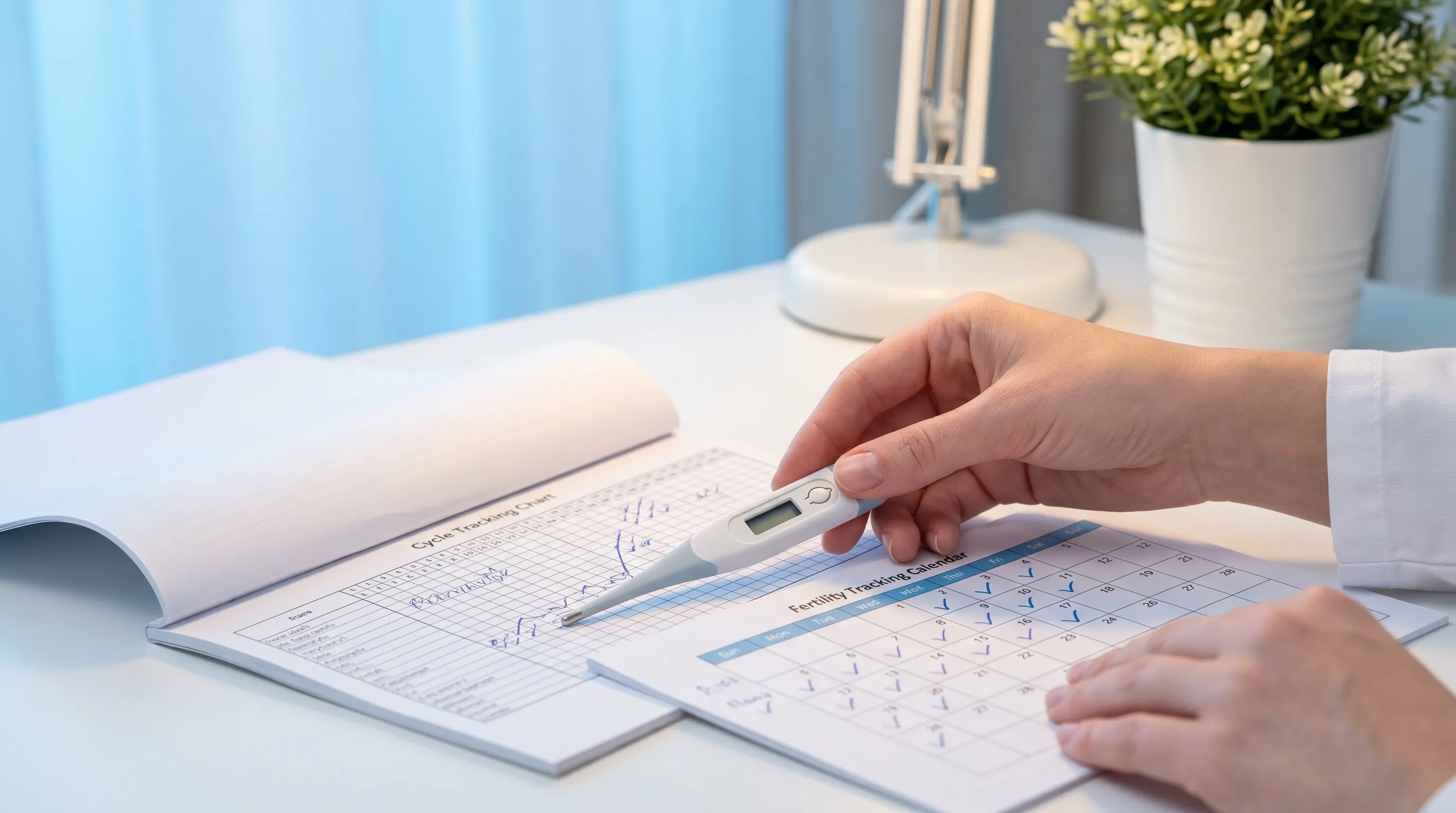
The Timeline of Ovulation and Fertilization
The reproductive timeline is remarkably precise. If sperm have entered the female reproductive tract prior to ovulation, they can survive in the fertile cervical mucus environment for up to five days, waiting for the egg to be released. Fertilization, when it occurs, typically happens in the ampulla of the fallopian tube within hours of ovulation. Once fertilization is complete, the resulting zygote begins a slow journey toward the uterus, undergoing rapid cellular division as it travels through the tube. By 3 dpo symptoms typically begin manifesting due to systemic progesterone rather than the presence of a developing embryo, because implantation does not occur until approximately days six to ten. The zygote is still in transit during this window, floating and dividing into a morula. Therefore, any physical changes you experience at this exact point are almost entirely mediated by ovarian hormone production and the body’s preparation phase, rather than direct pregnancy-related signaling.
Hormonal Shifts That Drive Early Physical Changes
Progesterone is often called the pregnancy hormone, but its influence begins long before conception is confirmed. During the early luteal phase, serum progesterone levels rise steadily, typically reaching between five and twenty nanograms per milliliter. This hormone exerts widespread effects across multiple organ systems. It increases core body temperature, which is why basal thermometry is such a reliable ovulation confirmation tool. Progesterone also acts on the central nervous system, contributing to feelings of fatigue, calmness, or mild brain fog as it enhances the activity of GABA receptors, which have inhibitory, sedative effects. Simultaneously, the secondary estrogen surge supports endometrial proliferation and maintains vaginal mucosal hydration. These combined hormonal forces create the physiological environment that many people interpret as 3 dpo symptoms. Understanding that these sensations are a normal, healthy part of the post-ovulatory transition helps reframe them from worrying mysteries into expected biological processes.
Progesterone vs. Estrogen: The Key Players at 3 DPO
While both hormones are active, progesterone dominates the three-day post-ovulation window. Estrogen peaks just before ovulation to trigger the luteinizing hormone (LH) surge, then briefly dips before stabilizing at a moderate level during the early luteal phase. Progesterone, however, rises sharply and maintains the luteal environment. This dominance explains why symptoms at this stage closely mirror premenstrual signs. Progesterone slows gastrointestinal motility by relaxing smooth muscle tissue, which frequently leads to bloating, mild constipation, or changes in appetite. It also increases metabolic rate slightly, contributing to subtle energy fluctuations. Meanwhile, moderate estrogen maintains breast tissue responsiveness and supports cervical fluid production. The delicate balance between these two hormones dictates whether your luteal phase feels comfortable or challenging. If you are researching 3 dpo symptoms to distinguish between cycle preparation and potential conception, recognizing this hormonal hierarchy provides the scientific clarity needed to avoid premature conclusions.
Common 3 DPO Symptoms Explained: What You Might Feel
The sensations you experience three days after ovulation are highly individualized, yet they generally cluster around a few predictable physiological responses. Tracking these changes with objective awareness allows you to build a reliable personal baseline over multiple cycles. It is important to remember that symptom intensity varies dramatically depending on your hormonal baseline, stress levels, nutritional status, sleep quality, and overall reproductive health. Some individuals notice very few changes, while others experience pronounced physical shifts. Both scenarios fall within the normal range of human physiology.
Cramping and Pelvic Discomfort
Mild to moderate pelvic cramping is one of the most frequently reported sensations during the early luteal phase. Unlike menstrual cramps, which are driven by prostaglandin-induced uterine contractions during endometrial shedding, luteal phase cramping stems from increased blood flow to the pelvic organs, subtle uterine muscle preparation, and occasional ovarian residual activity as the corpus luteum stabilizes. The discomfort is often described as a dull ache, light pulling sensation, or intermittent twinges that remain localized to one side of the lower abdomen. If you are monitoring 3 dpo symptoms, noting the timing, intensity, and duration of these cramps helps differentiate them from dysmenorrhea or conditions like endometriosis. Hydration, gentle movement, and magnesium-rich foods can naturally support smooth muscle relaxation and ease this discomfort.
Breast Tenderness and Swelling
Estrogen and progesterone work synergistically on mammary tissue, and three days post-ovulation is often when initial sensitivity emerges. Estrogen stimulates the growth of milk ducts, while progesterone promotes the development of milk-producing lobules. This structural expansion, combined with increased vascular permeability and localized fluid retention, creates a sensation of fullness, heaviness, or tenderness. The nipples may also feel more sensitive to temperature or friction. Many people find that supportive undergarments, reducing sodium intake, and maintaining consistent hydration help minimize swelling. If you are tracking fertility, breast changes are a reliable indicator that ovulation has occurred and that progesterone production is adequate, which is a positive sign of a healthy luteal phase.
Cervical Mucus Changes
Cervical fluid undergoes dramatic transformations throughout the cycle, and the post-ovulatory shift is particularly distinct. During the follicular phase, mucus transitions from sticky to creamy, and eventually to a raw-egg-white consistency that facilitates sperm survival and transport. Immediately after ovulation, progesterone causes the cervical os to close slightly and the mucus to become thicker, cloudier, and less hospitable to sperm. By 3 dpo symptoms often include noticeable dryness or a sudden shift to creamy, paste-like discharge. Some individuals may observe light spotting, which is occasionally confused with implantation bleeding, but it is usually just a result of the hormonal transition or cervical sensitivity following recent ovulation. Observing these changes with clean hands or a soft tissue helps you map your fertile window and confirm ovulation without invasive testing.
Fatigue and Energy Fluctuations
The early luteal phase frequently brings a noticeable dip in sustained energy. Progesterone’s calming effect on the central nervous system, combined with the body’s increased metabolic demands to maintain the thickened endometrial lining, often results in feelings of sluggishness or a need for additional rest. Core body temperature rises by approximately half a degree Fahrenheit, which requires the cardiovascular and metabolic systems to work slightly harder to maintain homeostasis. If you are analyzing 3 dpo symptoms as part of a broader wellness or fertility strategy, acknowledging this natural energy dip allows you to adjust your schedule proactively. Prioritizing sleep hygiene, consuming balanced macronutrients, and avoiding intense exercise overload during this window supports your body’s natural rhythms and prevents unnecessary fatigue compounding.
Implantation vs. PMS: How to Tell the Difference at 3 DPO
One of the most challenging aspects of cycle tracking is distinguishing between early pregnancy indicators and normal luteal phase premenstrual symptoms. At three days post-ovulation, the physiological reality is that true pregnancy signaling has not yet begun. Human chorionic gonadotropin (hCG), the hormone detected by pregnancy tests and responsible for sustaining the corpus luteum during early pregnancy, is not produced until after a fertilized egg attaches to the endometrium. This process typically takes six to ten days. Therefore, any sensations experienced at 3 dpo are driven by progesterone and estrogen, regardless of whether fertilization occurred. Understanding this biological timeline eliminates much of the guesswork and emotional anxiety that accompanies early cycle interpretation.

Bleeding Patterns and Spotting
Light spotting is frequently misinterpreted as an early pregnancy sign. During the early luteal phase, the endometrium is undergoing structural preparation under the influence of progesterone, which stabilizes the vascular network. Minor capillary fragility or a brief dip in estrogen can occasionally cause a few drops of pink or brown discharge. This is not implantation bleeding, as the embryo is still traveling through the fallopian tube. If you experience heavier bleeding, bright red flow, or cramping that intensifies rapidly, it may indicate an early menstrual onset or a gynecological concern that warrants professional evaluation. Tracking the volume, color, and duration of any bleeding helps healthcare providers differentiate between normal hormonal fluctuations and conditions that require intervention.
Mood Swings and Emotional Sensitivity
Neurotransmitter fluctuations driven by post-ovulatory hormones can significantly impact emotional regulation. Estrogen supports serotonin production and mood stability, while progesterone enhances GABA activity, which promotes relaxation but can also cause temporary emotional lability. Some individuals experience heightened sensitivity, mild irritability, or a reflective, inward-focused mental state during the early luteal phase. These emotional shifts are completely normal and typically stabilize as the cycle progresses or as progesterone levels plateau. Mindfulness practices, journaling, and open communication with support networks are highly effective strategies for navigating these changes without attributing them prematurely to pregnancy or hormonal imbalance.
Digestive Shifts and Bloating
Gastrointestinal changes are among the most consistent luteal phase experiences. Progesterone slows peristalsis, which can lead to gas accumulation, mild constipation, or a sensation of abdominal distension. Bloating at 3 dpo symptoms is primarily mechanical and hormonal, not inflammatory. Increasing dietary fiber gradually, consuming warm herbal teas like ginger or peppermint, and incorporating gentle abdominal massage or yoga poses can stimulate natural digestive motility. If bloating is accompanied by severe pain, nausea, or vomiting, it is important to consult a healthcare provider to rule out unrelated gastrointestinal conditions.
Evidence-Based Ways to Track Your 3 DPO Symptoms
Accurate cycle tracking requires more than subjective note-taking. Combining physiological markers with consistent daily logging provides the clearest picture of your reproductive health. Modern fertility awareness methods have evolved significantly, offering non-invasive, highly reliable tools for monitoring ovulation, luteal phase length, and hormonal transitions. When you integrate multiple data streams, you reduce guesswork and gain actionable insights into your overall wellness.
Basal Body Temperature (BBT) Charting
Basal body temperature is one of the most scientifically validated methods for confirming ovulation. Progesterone acts on the hypothalamus to raise core body temperature by approximately 0.4 to 0.8 degrees Fahrenheit after ovulation. This elevated temperature persists throughout the luteal phase and drops sharply just before menstruation begins. To utilize this method effectively, you must measure your temperature immediately upon waking, before any movement, eating, or speaking. Using a high-quality basal thermometer and charting daily values allows you to visually confirm the thermal shift. A sustained elevation for at least three consecutive days confirms you are past the fertile window and helps identify whether your luteal phase falls within the normal range of eleven to fourteen days. Tracking BBT alongside 3 dpo symptoms provides objective confirmation that hormonal transitions are occurring as expected.
Ovulation Predictor Kits and LH Tracking
While BBT confirms that ovulation has already occurred, luteinizing hormone (LH) tests predict when it is about to happen. The LH surge typically triggers follicle rupture within twenty-four to thirty-six hours. By identifying your unique LH surge pattern, you can accurately calculate post-ovulation days and avoid confusion about cycle timing. Using urinary predictor kits in combination with BBT creates a dual-verification system that significantly improves tracking accuracy. This approach is particularly valuable for individuals with irregular cycles, polycystic ovary syndrome (PCOS), or those using fertility awareness methods for conception planning.
Cycle Tracking Apps and Symptom Logging
Digital platforms have revolutionized how individuals monitor reproductive health. Reputable applications allow you to input daily temperature readings, cervical fluid observations, mood notes, energy levels, and physical symptoms. Advanced algorithms cross-reference your data to predict fertile windows, luteal phase length, and upcoming menstruation with increasing precision over time. Consistent logging helps you identify personal patterns, such as whether you consistently experience heightened fatigue or breast tenderness during the early luteal phase. When reviewing 3 dpo symptoms within a longitudinal dataset, you can distinguish between isolated fluctuations and consistent physiological markers, which empowers more informed conversations with reproductive health specialists. For clinical validation of tracking methodologies, the Mayo Clinic provides comprehensive guidance on fertility awareness methods.
Practical Advice for Managing Early Cycle Symptoms
While tracking provides valuable data, applying evidence-based self-care strategies ensures you navigate the luteal phase comfortably. Supporting your body through targeted nutrition, stress management, and mindful activity levels can significantly reduce symptom intensity and promote hormonal balance.
Nutrition and Hydration Strategies
Diet plays a direct role in hormone metabolism and inflammatory regulation. During the early luteal phase, prioritize magnesium-rich foods such as leafy greens, nuts, seeds, and dark chocolate, which support smooth muscle relaxation and nervous system calm. Omega-3 fatty acids from fatty fish, flaxseeds, or walnuts help modulate prostaglandin production and may reduce cramping severity. Maintaining steady blood sugar through complex carbohydrates, lean proteins, and healthy fats prevents energy crashes that progesterone can exacerbate. Hydration is equally critical; adequate water intake supports cervical mucus balance, reduces bloating, and aids hepatic detoxification pathways responsible for metabolizing excess hormones. Limiting refined sugars, excessive caffeine, and alcohol during this window prevents dehydration, sleep disruption, and hormonal interference.
Gentle Exercise and Stress Reduction
Physical activity during the early luteal phase should align with your energy levels. While moderate exercise supports circulation, mood regulation, and insulin sensitivity, high-intensity workouts can elevate cortisol levels, which may disrupt progesterone dominance and lengthen recovery time. Opt for walking, restorative yoga, Pilates, or light resistance training to maintain mobility without overtaxing the nervous system. Stress reduction techniques such as diaphragmatic breathing, guided meditation, or progressive muscle relaxation directly counteract cortisol-driven symptoms. Since the hypothalamic-pituitary-ovarian axis is highly sensitive to psychological stress, cultivating daily relaxation rituals supports stable hormone production and improves overall cycle regularity.
When to Contact Your Healthcare Provider
While most 3 dpo symptoms fall within the spectrum of normal physiology, certain patterns warrant professional evaluation. If you consistently experience a luteal phase shorter than ten days, which may indicate luteal phase deficiency, consult a reproductive endocrinologist. Severe pelvic pain, heavy bleeding before expected menstruation, or symptom intensity that interferes with daily functioning should prompt a clinical assessment to rule out conditions such as endometriosis, uterine fibroids, or hormonal imbalances. For individuals trying to conceive without success after six to twelve months of well-timed intercourse, a comprehensive fertility workup can identify underlying factors and provide targeted guidance. Trusting your intuition and partnering with a qualified healthcare provider ensures your reproductive journey remains safe and supported.
Frequently Asked Questions
Can 3 dpo symptoms indicate pregnancy?
At three days post-ovulation, it is biologically very early for pregnancy to be established. Implantation typically occurs between six and ten days post-ovulation. Most sensations experienced at 3 dpo are driven by rising progesterone levels during the luteal phase, which mimic early pregnancy signs. While pregnancy is possible if fertilization occurred, symptoms at this stage are not reliable indicators of conception. Waiting until at least ten days post-ovulation before testing provides more accurate results.
What hormone causes cramping at 3 dpo?
The primary driver of cramping at this stage is progesterone, which surges immediately after ovulation to thicken the uterine lining. Progesterone also causes smooth muscle relaxation in the gastrointestinal and uterine tracts, which can lead to mild pelvic cramping, bloating, and digestive discomfort. Prostaglandins may also play a minor role in uterine muscle contractions as the body prepares for potential implantation.
Is breast tenderness at 3 dpo normal?
Yes, breast tenderness at 3 dpo is extremely common and physiologically normal. After ovulation, the corpus luteum produces elevated levels of progesterone and estrogen. These hormones stimulate the mammary glands, increase blood flow to breast tissue, and cause ductal expansion, leading to sensitivity, swelling, or a heavy sensation. This symptom typically peaks mid-luteal phase and resolves before menstruation or persists if pregnancy occurs.
How can I accurately track 3 dpo symptoms?
The most accurate method involves combining multiple tracking tools. Charting your basal body temperature confirms ovulation has occurred when you observe a sustained rise of at least 0.4 to 0.6 degrees Fahrenheit. Pair this with ovulation predictor kits to pinpoint your LH surge, and maintain a daily symptom log noting cervical mucus changes, energy levels, breast sensitivity, and digestive patterns. Using a reputable cycle tracking app that integrates these data points provides a comprehensive view of your luteal phase.
When should I take a pregnancy test after ovulation?
Home pregnancy tests detect the hormone human chorionic gonadotropin (hCG), which is only produced after a fertilized egg successfully implants into the uterine lining. Implantation generally occurs six to ten days after ovulation, and hCG levels take an additional twenty-four to forty-eight hours to double enough for detection. Testing at three days post-ovulation will almost certainly yield a negative result. For the most accurate outcome, wait until at least day ten post-ovulation, or until after your expected menstrual period begins.
Conclusion
Understanding your body’s natural rhythms during the post-ovulatory phase transforms cycle tracking from a source of anxiety into a tool for empowerment and wellness. The sensations commonly grouped under 3 dpo symptoms are fundamentally normal responses to rising progesterone and shifting estrogen levels, reflecting a healthy luteal transition rather than definitive pregnancy signals. By integrating evidence-based tracking methods, maintaining balanced nutrition, practicing gentle stress management, and recognizing when to seek clinical guidance, you can navigate this window with confidence and clarity. Every cycle is a unique reflection of your overall health, and observing it with both scientific understanding and self-compassion allows you to make informed decisions about your reproductive journey. Remember that consistency, patience, and professional support remain the most reliable foundations for long-term reproductive and general wellness. For additional clinical perspectives on ovulation tracking and luteal phase health, the National Institutes of Health offers peer-reviewed resources on female reproductive biology, while the American College of Obstetricians and Gynecologists provides patient-focused guidance on fertility awareness.
How we work
Researched and drafted with AI assistance, then reviewed by a human editor against the cited sources.
This article is general health information, not medical advice. Consult a qualified healthcare professional about your own situation.