What Is Dental Debridement? A Complete Guide to Procedure, Cost, and Recovery

Key points
- Use a desensitizing toothpaste containing potassium nitrate or stannous fluoride.
- Avoid extremely hot or cold foods and beverages for the first few days.
- Take over-the-counter pain relievers like ibuprofen or acetaminophen if recommended by your dentist.
- Rinse with warm salt water (1/2 teaspoon of salt in a cup of warm water) several times a day to soothe inflamed gums and promote healing.
Walking into a dental office can evoke a mix of emotions, ranging from routine maintenance anxiety to genuine fear, especially when unfamiliar terms are thrown around. One such term that often confuses patients is "debridement." You might have scheduled a regular check-up, only to hear your hygienist mention that you need a debridement before they can proceed with your standard cleaning. This sudden change in plan can be alarming, leading to questions about cost, pain, and necessity. Understanding what is dental debridement is the first step toward taking control of your oral health and alleviating any unnecessary stress associated with the procedure.
Dental debridement is not just a fancy word for a deep cleaning; it is a critical therapeutic intervention designed to remove extensive accumulations of plaque and calculus (tartar) that have hardened over time. Unlike a routine prophylaxis, which focuses on preventive care for relatively healthy mouths, debridement addresses a barrier of debris that prevents proper examination and treatment of the underlying gum tissue. When this buildup becomes too dense, it hides the true condition of your teeth and gums, making it impossible for your dentist to assess for cavities, gum disease, or other oral pathologies. By clearing this obstruction, debridement serves as the foundation for all subsequent dental care. According to the Centers for Disease Control and Prevention (CDC), periodontal disease is a serious gum infection that damages the soft tissue and, without treatment, can destroy the bone that supports your teeth.
In this comprehensive guide, we will explore the intricacies of this essential dental procedure. We will delve into the biological reasons why plaque hardens into calculus, the specific techniques dentists use to remove it, and what you can expect during the recovery phase. Whether you are dealing with neglected oral hygiene, genetic predisposition to tartar buildup, or simply preparing for your first major dental intervention, knowing what is dental debridement empowers you to make informed decisions about your health. We will also address common concerns regarding pain management, costs, and insurance coverage, ensuring you walk into your appointment with confidence and clarity.
Understanding the Basics of Dental Debridement
To fully grasp what is dental debridement, one must first understand the enemy it fights: dental biofilm and calculus. The human mouth is a complex ecosystem teeming with bacteria. After every meal, a sticky, colorless film of bacteria called plaque forms on our teeth. If not removed through brushing and flossing within 24 to 72 hours, this plaque begins to mineralize. Saliva contains calcium and phosphate ions that interact with the bacterial matrix, hardening it into calculus, commonly known as tartar. Once plaque transforms into tartar, it bonds firmly to the tooth enamel and cannot be removed by brushing or flossing alone; it requires professional mechanical intervention. The Mayo Clinic emphasizes that tartar removal requires special tools used by a dental hygienist or dentist.
Free calculatorBMI CalculatorCalculate Body Mass IndexOpen the calculatorDebridement is the process of removing this heavy, obstructive layer of calculus and necrotic (dead) tissue. The term "debridement" itself is borrowed from general medicine and surgery, where it refers to the removal of damaged tissue or foreign objects from a wound to promote healing. In dentistry, the "wound" is the inflamed gum tissue suffering from bacterial assault. The primary goal is to eliminate the bacterial load that causes inflammation, bleeding, and eventual destruction of the supporting structures of the teeth.
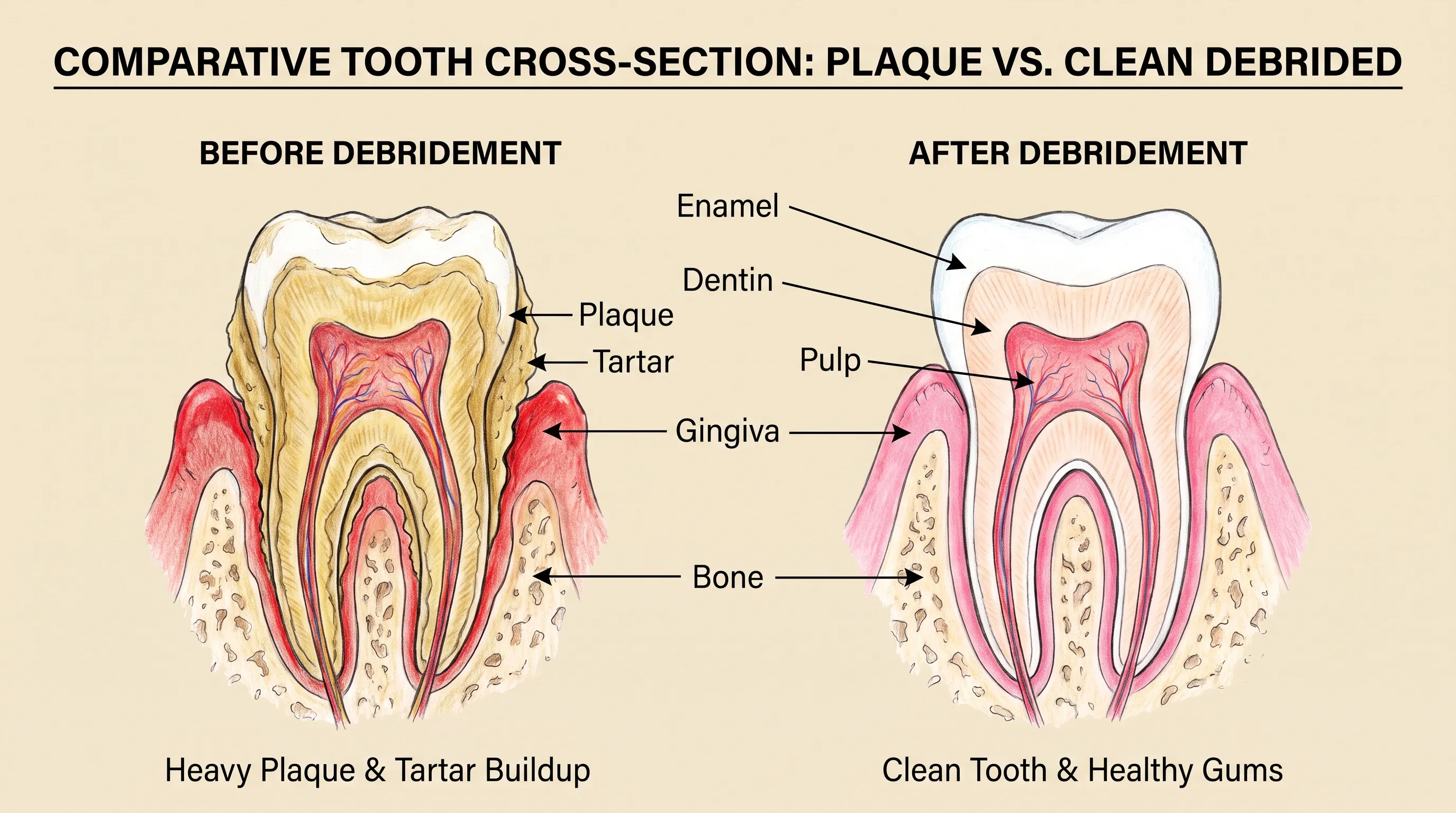
There is a distinct difference between routine dental cleaning and debridement. A routine cleaning, or prophylaxis, is preventive. It is performed on patients with healthy gums or mild gingivitis, where the buildup is minimal and mostly supragingival (above the gum line). Debridement, however, is therapeutic. It is indicated when there is such a significant amount of calculus that the dentist cannot visualize the tooth surfaces or measure the gum pockets accurately. Without debridement, a proper diagnosis of periodontal health is impossible. Therefore, understanding what is dental debridement involves recognizing it as a diagnostic and therapeutic prerequisite rather than just a cleaning service.
The necessity of this procedure often stems from a lapse in oral hygiene routines, but it can also be influenced by systemic factors. Conditions such as diabetes, dry mouth (xerostomia), and certain medications can accelerate the rate at which plaque calcifies. Additionally, some individuals produce saliva with higher mineral content, making them more prone to rapid tartar formation regardless of their brushing habits. Recognizing these risk factors helps patients understand why they might need debridement even if they believe they are maintaining adequate oral hygiene. The National Institute of Dental and Craniofacial Research (NIDCR) notes that systemic diseases like diabetes can lower resistance to gum infections.
Signs You May Need Dental Debridement
Identifying the need for professional intervention is crucial for preventing the progression of oral disease. While only a dental professional can definitively diagnose the need for debridement, there are several telltale signs that suggest your oral health has reached a point where standard cleaning is insufficient. Being aware of these symptoms can help you seek timely care and understand what is dental debridement in the context of your specific condition.
One of the most obvious signs is visible tartar buildup. If you notice yellow, brown, or black hard deposits on your teeth, particularly near the gum line or between teeth, this is calculus. Unlike soft plaque, which is white and fuzzy, tartar is hard and rough. If this buildup is extensive, covering large portions of the tooth surface, it likely extends below the gum line, necessitating debridement. Another significant indicator is persistent bad breath (halitosis) or a bad taste in the mouth that does not resolve with brushing or mouthwash. This odor is caused by the volatile sulfur compounds produced by the anaerobic bacteria thriving in the deep pockets of tartar.
Gum inflammation is another critical warning sign. Healthy gums are pink, firm, and do not bleed during brushing or flossing. If your gums are red, swollen, tender, or bleed easily, you may be suffering from gingivitis or periodontitis. When heavy calculus pushes against the gum tissue, it creates a physical irritant that triggers an immune response, leading to chronic inflammation. In advanced cases, you might notice gum recession, where the gums pull away from the teeth, exposing the roots. This exposure not only leads to sensitivity but also creates deeper pockets where bacteria can accumulate, further complicating the situation. The Cleveland Clinic highlights that bleeding gums are a primary symptom of gum disease that should not be ignored.
Pain or discomfort while chewing can also indicate the need for debridement. As tartar builds up, it can cause the gums to detach from the teeth, forming pockets that trap food and bacteria. This can lead to acute infections or abscesses. Additionally, if you have not visited a dentist in several years, it is highly probable that you will require debridement. Over time, even with good home care, small amounts of plaque can harden and accumulate in hard-to-reach areas, eventually forming a massive shield of calculus that requires professional removal.
Understanding these signs helps demystify what is dental debridement by linking it to tangible symptoms. It is not an arbitrary procedure but a targeted response to specific oral health challenges. If you experience any of these symptoms, scheduling a consultation with your dentist is the best course of action. Early intervention can prevent the need for more invasive treatments such as gum surgery or tooth extraction.
The Step-by-Step Debridement Procedure
Knowing what to expect during the procedure can significantly reduce anxiety. The dental debridement process is methodical and prioritizes patient comfort. While techniques may vary slightly depending on the dentist and the severity of the case, the general workflow remains consistent. Here is a detailed breakdown of the steps involved, providing a clear picture of what is dental debridement in practice.
Initial Examination and Assessment
Before any instruments touch your teeth, the dentist or hygienist will conduct a thorough examination. This includes reviewing your medical history, discussing any medications you are taking, and assessing your current oral health. They will use a small mirror and a probe to visually inspect the teeth and gums. However, if heavy calculus is present, this initial exam may be limited. The primary goal at this stage is to determine the extent of the buildup and plan the debridement strategy. X-rays may be taken to evaluate bone levels and detect any decay hidden beneath the tartar.
Anesthesia and Comfort Measures
Contrary to popular belief, debridement does not have to be a painful experience. For patients with significant buildup, especially below the gum line, local anesthesia is commonly used. The dentist will apply a topical gel to numb the gums before injecting a local anesthetic. This ensures that the tissues are completely numb, eliminating pain during the scaling process. Some offices also offer nitrous oxide (laughing gas) or oral sedatives for patients with high dental anxiety. Discussing your comfort preferences with your provider beforehand is essential to tailor the experience to your needs.
Mechanical Removal of Calculus
The core of the procedure involves the removal of plaque and tartar using specialized instruments. There are two main types of tools used:
- Ultrasonic Scalers: These devices use high-frequency vibrations to break up large chunks of tartar. They also emit a water spray that cools the tip and washes away debris. The ultrasonic scaler is highly efficient for removing bulk calculus and is often the first step in the debridement process.
- Hand Scalers and Curettes: After the bulk removal, the hygienist uses manual instruments to scrape away smaller deposits and smooth the tooth surfaces. These tools allow for precise cleaning, especially in tight spaces and deep pockets where the ultrasonic tip might not reach effectively.
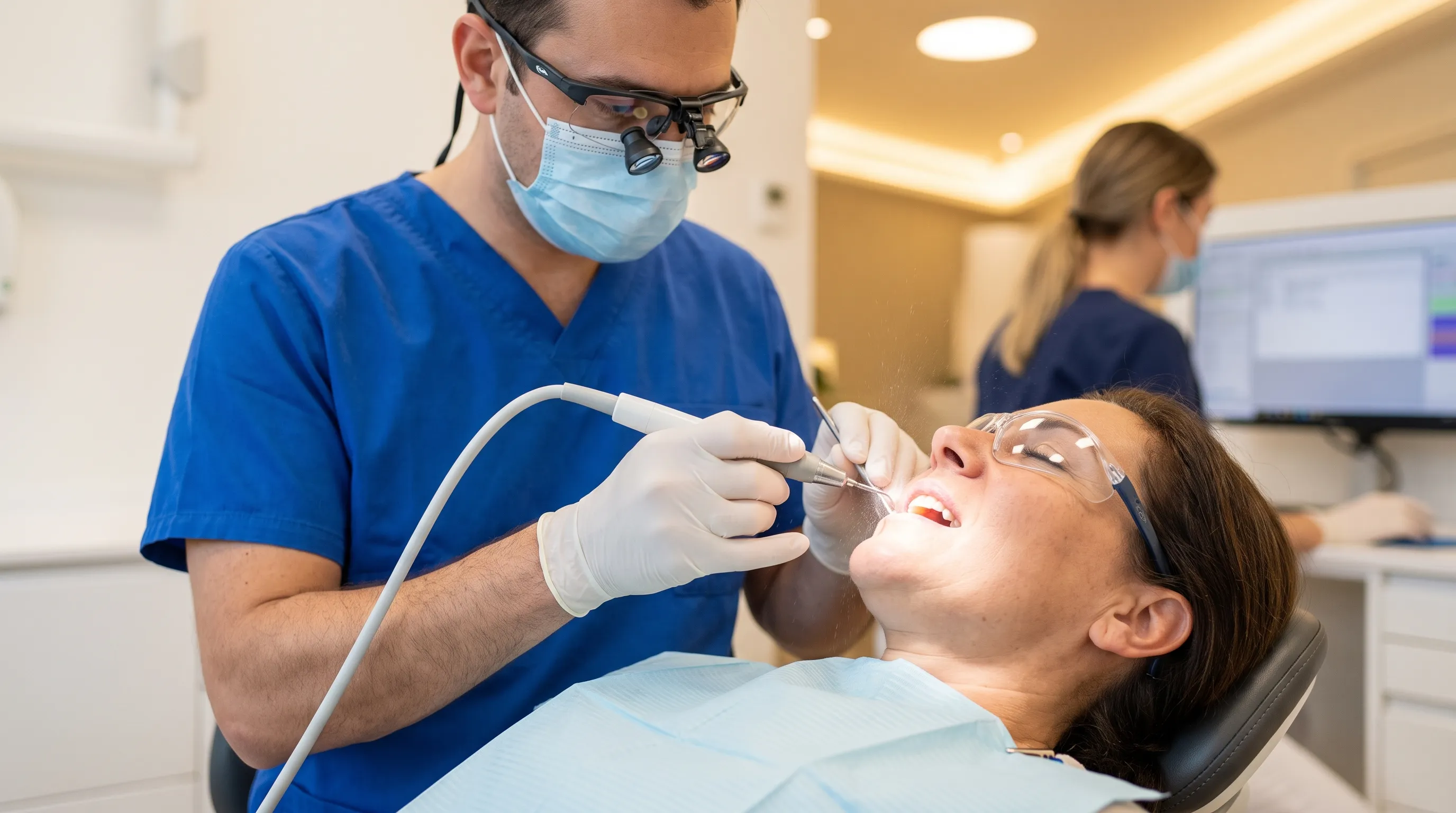
During this phase, you may hear scraping sounds and feel vibrations, but you should not feel pain due to the anesthesia. The hygienist will work systematically, quadrant by quadrant, ensuring that all surfaces are addressed. This stage is labor-intensive and may take longer than a regular cleaning, depending on the amount of buildup.
Polishing and Fluoride Treatment
Once the calculus is removed, the teeth are polished using a rotating brush and a gritty paste. This step removes any remaining surface stains and smooths the enamel, making it more difficult for plaque to adhere in the future. Following polishing, a fluoride treatment may be applied. Fluoride helps strengthen the enamel and reduces sensitivity, which is common after debridement. The fluoride can be applied as a gel, foam, or varnish, and you will be asked to avoid eating or drinking for a short period to allow maximum absorption.
Post-Procedure Evaluation
After the debridement is complete, the dentist will re-examine the teeth and gums. Now that the obstruction is gone, they can accurately measure pocket depths and assess the health of the gingiva. This evaluation determines the next steps in your treatment plan, which may include further periodontal therapy, restorative work, or a schedule for regular maintenance cleanings. Understanding what is dental debridement includes recognizing that it is often the first step in a broader treatment journey, not necessarily the final destination.
Comparing Debridement with Other Dental Cleanings
Confusion often arises between the various types of dental cleanings. To clarify what is dental debridement, it is helpful to compare it with other common procedures. Each type of cleaning serves a specific purpose based on the patient's oral health status.
| Feature | Routine Prophylaxis | Scaling and Root Planing (SRP) | Full Mouth Debridement |
|---|---|---|---|
| Purpose | Preventive maintenance | Treatment of periodontitis | Diagnostic preparation |
| Target Area | Above gum line (supragingival) | Below gum line (subgingival) | Both above and below gum line |
| Patient Status | Healthy gums or mild gingivitis | Moderate to severe periodontitis | Heavy calculus blocking exam |
| Anesthesia | Usually not required | Local anesthesia required | Local anesthesia often required |
| Frequency | Every 6 months | As needed, followed by maintenance | One-time preliminary procedure |
Routine Prophylaxis: This is the standard "cleaning" most people receive twice a year. It removes plaque and tartar from the crown of the tooth (above the gum line). It is suitable for patients with healthy gums and no bone loss.
Scaling and Root Planing (SRP): Often referred to as a "deep cleaning," SRP is a therapeutic procedure for patients diagnosed with periodontitis. It involves cleaning deep into the gum pockets and smoothing the root surfaces to encourage gum reattachment. While debridement removes the bulk material to allow for an exam, SRP is a targeted treatment for infected pockets.
Full Mouth Debridement: This is the procedure in question. It is performed when the buildup is so severe that a proper assessment cannot be made. It is essentially a "gross debridement" to clear the field. After debridement, the dentist may determine that SRP is necessary for specific areas, or that a routine prophylaxis is sufficient if the gums are healthy once the tartar is gone.
Understanding these distinctions is vital. Many patients assume they need a deep cleaning when they actually need debridement first, or vice versa. Your dentist will determine the appropriate code and procedure based on clinical findings. Asking what is dental debridement in relation to your specific diagnosis helps ensure you receive the correct treatment and understand the associated costs.
Recovery and Aftercare Tips
The success of dental debridement depends not only on the procedure itself but also on how well you care for your mouth afterward. The days following debridement are crucial for healing and preventing rapid re-accumulation of plaque. Here are essential aftercare tips to ensure optimal recovery.
Managing Sensitivity and Discomfort
It is normal to experience some tooth sensitivity and gum tenderness after debridement. The removal of tartar exposes parts of the tooth that may have been covered for years, making them sensitive to temperature changes. To manage this:
- Use a desensitizing toothpaste containing potassium nitrate or stannous fluoride.
- Avoid extremely hot or cold foods and beverages for the first few days.
- Take over-the-counter pain relievers like ibuprofen or acetaminophen if recommended by your dentist.
- Rinse with warm salt water (1/2 teaspoon of salt in a cup of warm water) several times a day to soothe inflamed gums and promote healing.
Oral Hygiene Practices
Maintaining strict oral hygiene is non-negotiable after debridement. Your gums are healing, and the tooth surfaces are clean, making them vulnerable to new plaque formation.
- Brushing: Continue brushing twice a day with a soft-bristled toothbrush. Be gentle around the gum line to avoid irritating the healing tissue.
- Flossing: Floss daily to remove plaque between teeth. If traditional floss is difficult to use due to tenderness, consider using a water flosser or interdental brushes.
- Antimicrobial Mouthwash: Your dentist may prescribe an antimicrobial mouthwash, such as chlorhexidine, to reduce bacterial load during the healing phase. Use it as directed, typically for no more than two weeks, as prolonged use can stain teeth.
Dietary Adjustments
For the first 24 to 48 hours, stick to a soft diet. Avoid hard, crunchy, or sticky foods that could irritate the gums or get stuck in the healing pockets. Foods like yogurt, mashed potatoes, smoothies, and soups are excellent choices. Also, avoid sugary snacks and drinks, as sugar feeds the bacteria that cause plaque.
Follow-Up Appointments
Debridement is often part of a multi-step treatment plan. It is crucial to attend all follow-up appointments. Your dentist needs to re-evaluate your gum health after the initial healing period (usually 4-6 weeks) to determine if further treatment, such as scaling and root planing, is necessary. Skipping these appointments can lead to a recurrence of periodontal issues.
By adhering to these aftercare guidelines, you maximize the benefits of the procedure. Understanding what is dental debridement includes recognizing that it is a partnership between the dentist and the patient. The dentist clears the path, but the patient must maintain it.
Cost and Insurance Considerations
Financial concerns are a significant barrier for many patients seeking dental care. Understanding the cost implications of debridement is essential for planning your treatment. The cost of dental debridement varies widely based on geographic location, the complexity of the case, and the dental practice's fee structure.
On average, full mouth debridement can range from $150 to $350 without insurance. This cost is separate from the subsequent cleaning or periodontal therapy that may be required. If additional procedures like scaling and root planing are needed, the total cost can increase significantly, potentially reaching $1,000 to $3,000 for the entire quadrant or full mouth treatment.
Insurance Coverage
Most dental insurance plans cover debridement, but the extent of coverage depends on your specific policy. Debridement is often classified under "basic" or "major" services. Basic services typically cover 70-80% of the cost after the deductible is met, while major services may cover 50%. It is important to note that insurance companies often require pre-authorization for debridement, especially if it is billed alongside other periodontal treatments.
To maximize your benefits:
- Check Your Annual Maximum: Ensure you have enough remaining benefits in your annual maximum to cover the procedure.
- Understand Your Deductible: Know how much you need to pay out-of-pocket before insurance kicks in.
- Ask for a Pre-Treatment Estimate: Your dentist can submit a pre-treatment estimate to your insurance company to determine exactly what will be covered.
For patients without insurance, many dental offices offer payment plans or financing options like CareCredit. Additionally, dental schools often provide reduced-cost services performed by students under the supervision of experienced faculty. Exploring these options can make necessary care more accessible.
Frequently Asked Questions
Is dental debridement painful?
Dental debridement is generally not painful because dentists use local anesthesia to numb the area. Patients may feel pressure or vibration from the ultrasonic tools, but sharp pain is usually prevented. Post-procedure sensitivity is common but manageable with over-the-counter pain relievers.
How long does dental debridement take?
The duration depends on the severity of the buildup. A standard debridement can take between 30 to 45 minutes. However, if significant tartar accumulation exists below the gum line, the procedure may be split into multiple visits, each lasting up to an hour.
What is the difference between cleaning and debridement?
A regular dental cleaning (prophylaxis) removes plaque and tartar from above the gum line. Debridement is a more intensive procedure that removes heavy buildup both above and below the gum line, often required when standard cleaning is impossible due to excessive calculus.
Does insurance cover dental debridement?
Most dental insurance plans cover debridement if it is deemed medically necessary for treating periodontal disease. It is often categorized under basic or major services depending on the provider. Patients should verify their specific benefits and deductibles with their insurance carrier.
Can dental debridement reverse gum disease?
Debridement can halt the progression of gingivitis and early periodontitis by removing the bacterial source. While it cannot regenerate lost bone or gum tissue in advanced stages, it creates a clean environment that allows gums to heal and reattach to the teeth.
How often should I have dental debridement?
Debridement is not a routine procedure. It is performed only when necessary due to heavy buildup. Most patients will not need it again if they maintain good oral hygiene and attend regular cleanings. However, patients with a history of periodontal disease may require more frequent monitoring and specialized cleanings.
Conclusion
Understanding what is dental debridement is a vital component of maintaining long-term oral health. It is not merely a cleaning but a crucial therapeutic intervention that removes the barriers preventing proper dental care and diagnosis. By eliminating heavy plaque and calculus buildup, debridement allows your dentist to assess your true oral health status and implement effective treatment plans for gum disease and other conditions.
While the prospect of undergoing debridement may seem daunting, the benefits far outweigh the temporary discomfort. It halts the progression of gum disease, reduces the risk of tooth loss, and improves overall oral hygiene. With advancements in dental technology and anesthesia, the procedure is more comfortable and efficient than ever before. Remember, the key to avoiding the need for future debridement lies in consistent daily oral hygiene practices and regular professional check-ups. The World Health Organization (WHO) recommends regular dental visits and good oral hygiene as fundamental to preventing oral diseases.
If you suspect you have significant tartar buildup or have been advised by your dentist to undergo this procedure, do not delay. Early intervention is the best strategy for preserving your natural teeth and ensuring a healthy, confident smile. Take charge of your oral health today by scheduling a consultation and asking your dentist specifically about what is dental debridement and how it applies to your unique situation. Your journey to optimal oral health begins with clearing the path, one step at a time.
How we work
Researched and drafted with AI assistance, then reviewed by a human editor against the cited sources.
This article is general health information, not medical advice. Consult a qualified healthcare professional about your own situation.