Bone Broth for Acid Reflux: A Soothing Remedy or Hidden Trigger?

Key points
- Glycine: This amino acid has anti-inflammatory properties and helps stimulate the production of stomach acid, which might seem counterintuitive for reflux sufferers. However, adequate stomach acid is necessary for proper digestion and preventing bacterial overgrowth, which can contribute to bloating and pressure on the LES. Glycine also supports the synthesis of bile salts, aiding in fat digestion.
- Proline: Proline is essential for the synthesis of collagen and helps maintain the structural integrity of the gut wall. It works synergistically with glycine to support tissue repair.
- Glutamine: Perhaps the most critical amino acid for gut health, glutamine is the primary fuel source for the cells lining the intestines. It helps repair "leaky gut," a condition where the intestinal barrier becomes permeable, allowing toxins and undigested food particles to enter the bloodstream. While leaky gut is not directly synonymous with acid reflux, systemic inflammation resulting from intestinal permeability can exacerbate gastrointestinal symptoms, including reflux [4].
Acid reflux, commonly known as heartburn, is a pervasive condition that affects millions of individuals worldwide. Characterized by a burning sensation in the chest caused by stomach acid flowing back into the esophagus, it can disrupt sleep, impair quality of life, and lead to more serious complications like gastroesophageal reflux disease (GERD) if left unmanaged [1]. For those seeking relief, the journey often involves a complex navigation of dietary restrictions, medication, and lifestyle changes. Among the myriad of natural remedies touted in wellness circles, bone broth has emerged as a prominent contender. Proponents claim it heals the gut lining, reduces inflammation, and provides essential nutrients without triggering reflux. However, skeptics argue that its richness or preparation methods might exacerbate symptoms. This comprehensive guide delves deep into the science, benefits, and potential pitfalls of using bone broth for acid reflux, offering evidence-based insights to help you make an informed decision about incorporating this ancient remedy into your digestive health routine.
The relationship between diet and digestive health is intricate. What soothes one person’s stomach may irritate another’s. Bone broth, made by simmering animal bones and connective tissue for extended periods, is rich in collagen, gelatin, and amino acids. These components are celebrated for their ability to support intestinal integrity. But when it comes to the sensitive mechanics of the lower esophageal sphincter (LES) and acid regulation, the details matter immensely. In this article, we will explore whether bone broth for acid reflux is a genuine therapeutic tool or a misunderstood trigger. We will examine the nutritional profile of bone broth, its impact on the gut microbiome, proper preparation techniques to minimize acidity, and practical tips for integrating it into a GERD-friendly diet. By understanding the nuances, you can harness the potential healing powers of bone broth while avoiding common mistakes that could worsen your symptoms.
Understanding Acid Reflux and the Role of Diet
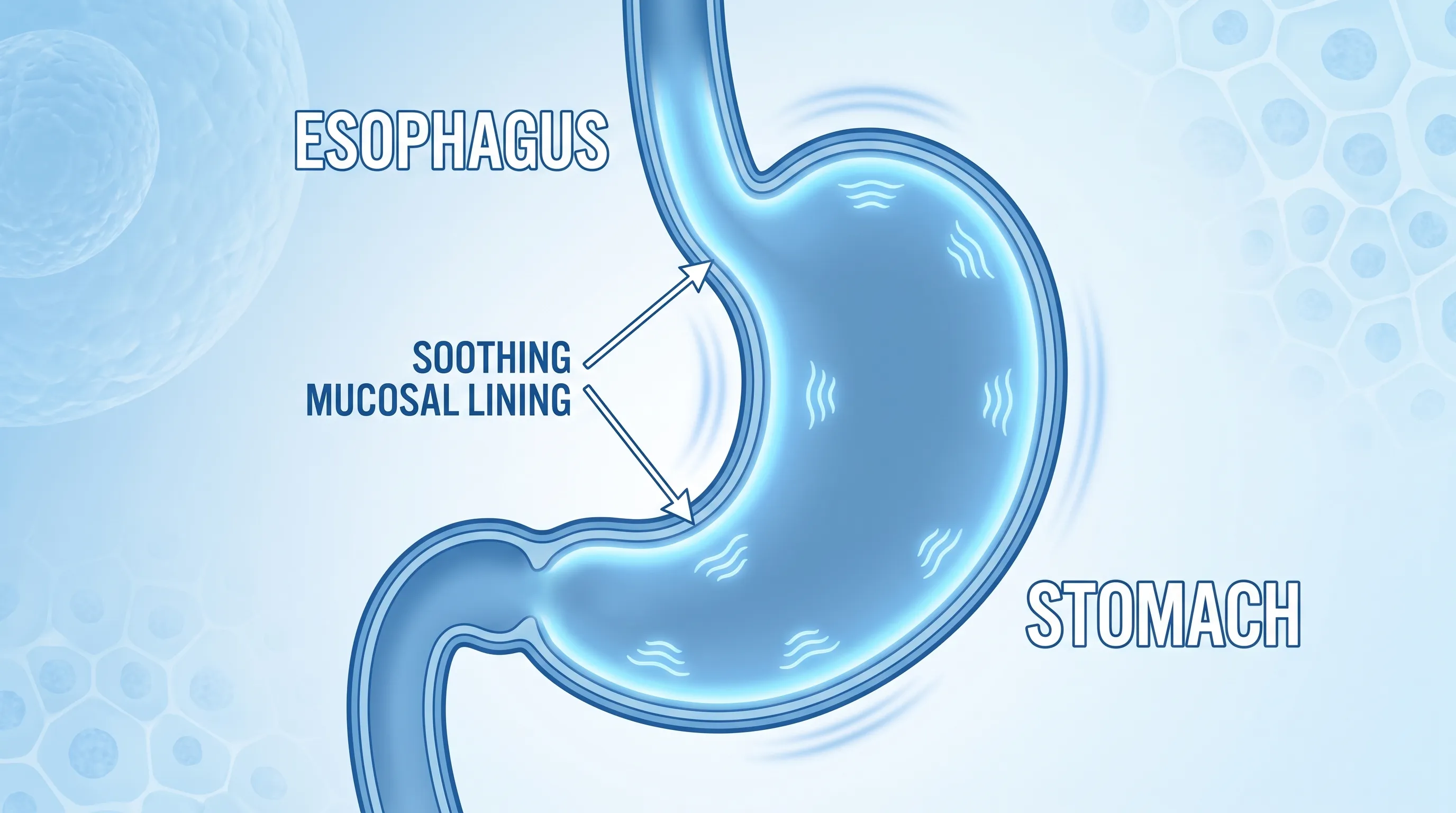
To appreciate how bone broth for acid reflux might work, it is first essential to understand the underlying mechanisms of acid reflux itself. Acid reflux occurs when the lower esophageal sphincter (LES), a ring of muscle at the bottom of the esophagus, weakens or relaxes abnormally. This allows stomach acid to flow backward into the esophagus, causing irritation and the characteristic burning sensation. While occasional reflux is common, chronic acid reflux, or GERD, indicates a persistent dysfunction that can damage the esophageal lining over time [2].
Free calculatorBMI CalculatorCalculate Body Mass IndexOpen the calculatorDiet plays a pivotal role in managing acid reflux. Certain foods are known to trigger symptoms by relaxing the LES, increasing stomach acid production, or delaying gastric emptying. Common triggers include spicy foods, citrus fruits, tomatoes, chocolate, caffeine, alcohol, and high-fat meals. Conversely, a diet focused on low-acid, easily digestible, and anti-inflammatory foods can help alleviate symptoms and promote healing. This is where the conversation around bone broth for acid reflux gains traction. Unlike many heavy, fatty meals that slow digestion, properly prepared bone broth is liquid, nutrient-dense, and generally easy to digest. However, not all bone broths are created equal, and the method of preparation can significantly influence its impact on reflux.

The digestive system is not just a mechanical processor of food; it is a complex ecosystem influenced by the gut microbiome, inflammation levels, and the integrity of the mucosal lining. Chronic inflammation in the gut can exacerbate reflux symptoms by increasing sensitivity to acid and impairing normal motility. Therefore, dietary interventions that reduce inflammation and support gut healing are particularly valuable for individuals with GERD. Bone broth is often praised for these exact properties, containing compounds that may help repair the gut lining and modulate the immune response. But does this translate to tangible relief for acid reflux? Let’s examine the scientific basis.
The Nutritional Profile of Bone Broth
Bone broth is essentially a stock made by simmering bones, often with added connective tissues like tendons and ligaments, for an extended period, typically ranging from 12 to 48 hours. This long cooking process extracts valuable nutrients from the bones and tissues, resulting in a rich, flavorful liquid. The primary components of interest for digestive health are collagen, gelatin, and specific amino acids.
Collagen and Gelatin
Collagen is the most abundant protein in the human body, providing structure to skin, bones, tendons, and ligaments. When collagen is heated in water, it breaks down into gelatin. Gelatin is a hydrophilic substance, meaning it attracts water. In the digestive tract, gelatin can help bind water and support the mucosal lining of the stomach and intestines. This protective layer is crucial for preventing irritation from stomach acid. For individuals with acid reflux, a healthy mucosal lining can reduce the sensitivity of the esophagus and stomach to acid exposure. While direct studies linking gelatin consumption to reduced reflux episodes are limited, the general principle of supporting mucosal integrity is well-established in gastroenterology [3].
Amino Acids: Glycine, Proline, and Glutamine
Bone broth is particularly rich in three amino acids: glycine, proline, and glutamine. Each plays a unique role in digestive health.
- Glycine: This amino acid has anti-inflammatory properties and helps stimulate the production of stomach acid, which might seem counterintuitive for reflux sufferers. However, adequate stomach acid is necessary for proper digestion and preventing bacterial overgrowth, which can contribute to bloating and pressure on the LES. Glycine also supports the synthesis of bile salts, aiding in fat digestion.
- Proline: Proline is essential for the synthesis of collagen and helps maintain the structural integrity of the gut wall. It works synergistically with glycine to support tissue repair.
- Glutamine: Perhaps the most critical amino acid for gut health, glutamine is the primary fuel source for the cells lining the intestines. It helps repair "leaky gut," a condition where the intestinal barrier becomes permeable, allowing toxins and undigested food particles to enter the bloodstream. While leaky gut is not directly synonymous with acid reflux, systemic inflammation resulting from intestinal permeability can exacerbate gastrointestinal symptoms, including reflux [4].
The presence of these nutrients makes bone broth for acid reflux an attractive option for those looking to address the root causes of digestive distress rather than just masking symptoms. By supporting the structural health of the digestive tract, bone broth may help create a more resilient system that is less prone to irritation.
How Bone Broth May Help Alleviate Acid Reflux Symptoms
While individual experiences vary, there are several theoretical mechanisms by which bone broth for acid reflux could provide relief. These benefits are largely derived from its ability to support gut healing, reduce inflammation, and improve overall digestive function.
Healing the Gut Lining
One of the primary arguments for using bone broth in digestive disorders is its potential to heal the gut lining. The gelatin in bone broth coats the digestive tract, providing a soothing effect that may protect the esophagus and stomach from acidic irritation. This coating action can be particularly beneficial for individuals with esophagitis, an inflammation of the esophagus caused by frequent acid exposure. By promoting the repair of the mucosal barrier, bone broth may reduce the frequency and severity of heartburn episodes.
Reducing Inflammation
Chronic inflammation is a key driver of many digestive issues, including GERD. The amino acids in bone broth, particularly glycine and arginine, have potent anti-inflammatory effects. By reducing systemic and local inflammation in the gut, bone broth may help calm the digestive system and reduce hypersensitivity to acid. This anti-inflammatory action can also support the health of the LES, potentially improving its function and preventing acid backflow.
Improving Digestion and Gastric Emptying
Efficient digestion is crucial for preventing reflux. When food sits in the stomach for too long, it increases the pressure on the LES, making it more likely to open and allow acid to escape. Bone broth is easily digestible and can help stimulate the production of digestive enzymes and stomach acid, ensuring that food is broken down effectively. Improved gastric emptying reduces the likelihood of bloating and pressure buildup, two common triggers for acid reflux. Furthermore, the warm temperature of bone broth can have a calming effect on the digestive muscles, promoting relaxation and regular motility.
Potential Risks and Triggers: When Bone Broth Might Worsen Reflux
Despite its potential benefits, bone broth for acid reflux is not a one-size-fits-all solution. For some individuals, certain aspects of bone broth can actually trigger or worsen symptoms. Understanding these risks is crucial for safe consumption.
High Fat Content
Fat is a known trigger for acid reflux because it relaxes the LES and delays gastric emptying. Traditional bone broth recipes often involve simmering bones with marrow, which releases significant amounts of fat into the broth. If this fat is not skimmed off, the resulting broth can be high in lipids, potentially triggering reflux in sensitive individuals. To mitigate this risk, it is essential to chill the broth after cooking and remove the solidified fat layer before reheating and consuming [1].
Acidity from Preparation Ingredients
Many bone broth recipes call for the addition of apple cider vinegar or lemon juice to help extract minerals from the bones. While this is effective for nutrient extraction, it increases the acidity of the final product. For individuals with severe acid sensitivity or erosive esophagitis, even a mildly acidic broth can cause irritation. Those using bone broth for acid reflux should consider omitting acidic additives or using them sparingly. Alternatively, extending the cooking time can help extract minerals without the need for added acid.
Histamine Intolerance
Long-simmered bone broth is high in histamines, biogenic amines that are formed during the fermentation and aging process of proteins. Some individuals have histamine intolerance, a condition where the body cannot break down histamines efficiently. Symptoms of histamine intolerance can mimic those of acid reflux, including heartburn, nausea, and abdominal pain. If you suspect histamine intolerance, you may find that bone broth exacerbates your symptoms. In such cases, shorter cooking times or alternative collagen sources may be more appropriate.
Sodium Content
Commercial bone broths or heavily seasoned homemade versions can be high in sodium. Excessive salt intake can lead to fluid retention and increased blood pressure, which may indirectly affect digestive health. Additionally, high sodium levels can irritate the stomach lining in some people. It is advisable to keep bone broth low in sodium, especially when using it as a therapeutic remedy for bone broth for acid reflux.
How to Prepare GERD-Friendly Bone Broth
To maximize the benefits and minimize the risks of bone broth for acid reflux, preparation method is key. Here is a step-by-step guide to making a reflux-friendly version at home.
Choosing the Right Bones
Opt for bones with less marrow, such as knucklebones, feet, or wings, rather than marrow-heavy bones like femurs. Chicken feet and turkey necks are excellent sources of collagen without excessive fat. If using beef bones, choose joint bones over marrow bones. You can also add skinless chicken carcasses for a lighter broth.
Minimizing Acidity
Skip the apple cider vinegar or lemon juice. Instead, rely on a longer simmering time (24-48 hours for beef, 12-24 hours for chicken) to extract nutrients. While vinegar helps, it is not strictly necessary, especially if you are sensitive to acid. Use filtered water to ensure purity.
Skimming the Fat
After simmering, strain the broth and let it cool in the refrigerator. Once chilled, the fat will solidify on top. Remove this layer completely with a spoon. This step is critical for creating a low-fat broth that is less likely to trigger reflux. You can repeat this process if necessary to ensure minimal fat content.
Keeping Seasonings Mild
Avoid spicy herbs, garlic, and onions, which are common reflux triggers. Instead, use gentle herbs like thyme, parsley, and bay leaves. Keep salt to a minimum, or use sea salt sparingly. Ginger, known for its anti-nausea and anti-inflammatory properties, can be added in small amounts for additional digestive support.
| Ingredient | Standard Recipe | GERD-Friendly Adjustment | Reason |
|---|---|---|---|
| Bones | Marrow bones, mixed cuts | Knucklebones, feet, wings | Lower fat content, high collagen |
| Acidifier | Apple cider vinegar (2 tbsp) | None or very small amount | Reduces acidity of final broth |
| Vegetables | Onions, garlic, carrots | Carrots, celery, parsley | Avoids common triggers (onion/garlic) |
| Fat | Left in broth | Skimmed off after chilling | Prevents LES relaxation |
| Simmer Time | 12-24 hours | 24-48 hours | Compensates for lack of acidifier |
Integrating Bone Broth into a GERD Diet Plan
Incorporating bone broth for acid reflux into your daily routine requires strategic planning. It should not replace meals but rather serve as a supportive element of a broader digestive health strategy.
Timing Matters
Drink bone broth between meals rather than with large meals. Consuming liquids with meals can dilute stomach acid and increase stomach volume, potentially worsening reflux. A cup of warm bone broth as a mid-morning or mid-afternoon snack can provide nutrients without overloading the digestive system. Avoid drinking it within three hours of bedtime to prevent nighttime reflux [2].
Start Small
Begin with a small serving, such as 4-6 ounces, to assess your tolerance. If you experience no adverse effects, you can gradually increase the amount to one cup per day. Pay attention to your body’s signals. If you notice increased heartburn or bloating, reduce the frequency or adjust the preparation method.
Combine with Other GERD-Friendly Foods
Pair bone broth with other low-acid, easily digestible foods. For example, use it as a base for soups with lean proteins like chicken breast and non-acidic vegetables like zucchini and green beans. Avoid combining it with known triggers like tomato sauce, citrus, or spicy seasonings.
Lifestyle Synergy
Bone broth is most effective when combined with other lifestyle modifications for GERD. Maintain a healthy weight, eat smaller, more frequent meals, avoid lying down after eating, and elevate the head of your bed. Stress management techniques, such as meditation and deep breathing, can also improve digestive function and reduce reflux episodes. Remember that bone broth for acid reflux is part of a holistic approach, not a standalone cure.
Frequently Asked Questions
Is bone broth good for acid reflux?
Bone broth can be beneficial for acid reflux due to its high collagen and gelatin content, which may help heal the gut lining and reduce inflammation. However, it must be prepared correctly without acidic ingredients like vinegar or tomatoes, and consumed in moderation to avoid triggering symptoms in sensitive individuals. The key is to ensure it is low in fat and mild in flavor.
Does bone broth increase stomach acid?
Bone broth itself does not significantly increase stomach acid production. In fact, the amino acids glycine and glutamine found in bone broth may help regulate gastric function. However, adding acidic components during preparation or consuming it in large volumes can potentially exacerbate reflux symptoms in some people. It supports healthy acid levels for digestion but does not cause hyperacidity.
When is the best time to drink bone broth for GERD?
The best time to drink bone broth for GERD is between meals or as a light snack, rather than during large meals. Avoid consuming it immediately before lying down or going to bed. Drinking it warm but not hot can also help soothe the esophagus without irritating the lining. Ideally, consume it at least two to three hours before bedtime.
Can bone broth make heartburn worse?
Yes, bone broth can make heartburn worse if it is too fatty, too salty, or prepared with acidic ingredients like apple cider vinegar or wine. High fat content can relax the lower esophageal sphincter, allowing acid to escape into the esophagus. It is crucial to skim excess fat and keep seasoning mild to prevent this.
How much bone broth should I drink for acid reflux?
Start with a small amount, such as half a cup (4 ounces) per day, to see how your body reacts. If tolerated well, you can gradually increase to one cup daily. Listening to your body is key, as individual tolerance levels for volume and richness vary significantly among GERD patients. Consistency is more important than quantity.
Conclusion
The question of whether bone broth for acid reflux is a helpful remedy or a potential trigger does not have a simple yes or no answer. It depends largely on individual physiology, the severity of reflux, and, most importantly, how the broth is prepared and consumed. For many, the high content of collagen, gelatin, and healing amino acids offers a promising avenue for supporting gut health, reducing inflammation, and repairing the mucosal lining. These benefits can indirectly alleviate reflux symptoms by improving overall digestive function and resilience.
However, the pitfalls are real. High fat content, added acids, and histamines can turn this soothing elixir into a trigger for heartburn. By following the guidelines outlined in this article—skimming fat, avoiding acidic additives, keeping seasonings mild, and consuming it in moderation—you can harness the benefits of bone broth while minimizing the risks. It is a tool, not a magic bullet, and works best as part of a comprehensive GERD management plan that includes dietary adjustments, lifestyle changes, and medical guidance when necessary.
As with any dietary change, listen to your body. Start slowly, observe your symptoms, and adjust accordingly. If you find that bone broth for acid reflux provides relief, it can become a comforting and nutritious staple in your wellness routine. If it aggravates your symptoms, do not despair; there are many other dietary strategies to explore. Always consult with a healthcare provider or a registered dietitian for personalized advice, especially if you have severe or chronic GERD. Your journey to digestive health is unique, and with the right knowledge and tools, you can find the balance that works best for you.
References:
[1] Mayo Clinic. Gastroesophageal reflux disease (GERD). mayoclinic.org
[2] Cleveland Clinic. Gastroesophageal Reflux Disease (GERD). my.clevelandclinic.org
[3] National Institutes of Health (NIH). Office of Dietary Supplements - Dietary Supplements for Bone Health. ods.od.nih.gov
[4] National Center for Biotechnology Information (NCBI). Glutamine and the Gastrointestinal Tract. ncbi.nlm.nih.gov
How we work
Researched and drafted with AI assistance, then reviewed by a human editor against the cited sources.
This article is general health information, not medical advice. Consult a qualified healthcare professional about your own situation.