Can Coffee Cause Cavities? The Truth About Your Daily Brew and Dental Health

For millions of people around the world, the day does not truly begin until the first sip of coffee touches their lips. It is a ritual ingrained in our culture, a source of comfort, energy, and social connection. From the rich aroma of freshly ground beans to the warm embrace of a latte, coffee is more than just a beverage; it is a lifestyle. However, as we prioritize our overall health, monitoring our caffeine intake and sugar consumption, a pressing question often arises in dental offices and online forums alike: can coffee cause cavities?
The relationship between our favorite brew and our oral health is complex. It is not a simple matter of yes or no. While coffee is often blamed for unsightly stains that dull our brightest smiles, its role in the development of dental caries (cavities) is nuanced. To understand whether your morning cup is contributing to tooth decay, we must look beyond the bean itself and examine the additives, the acidity, and the biological processes occurring in your mouth. This comprehensive guide will dissect the science behind coffee and dental health, offering evidence-based insights to help you enjoy your daily grind without compromising your smile.
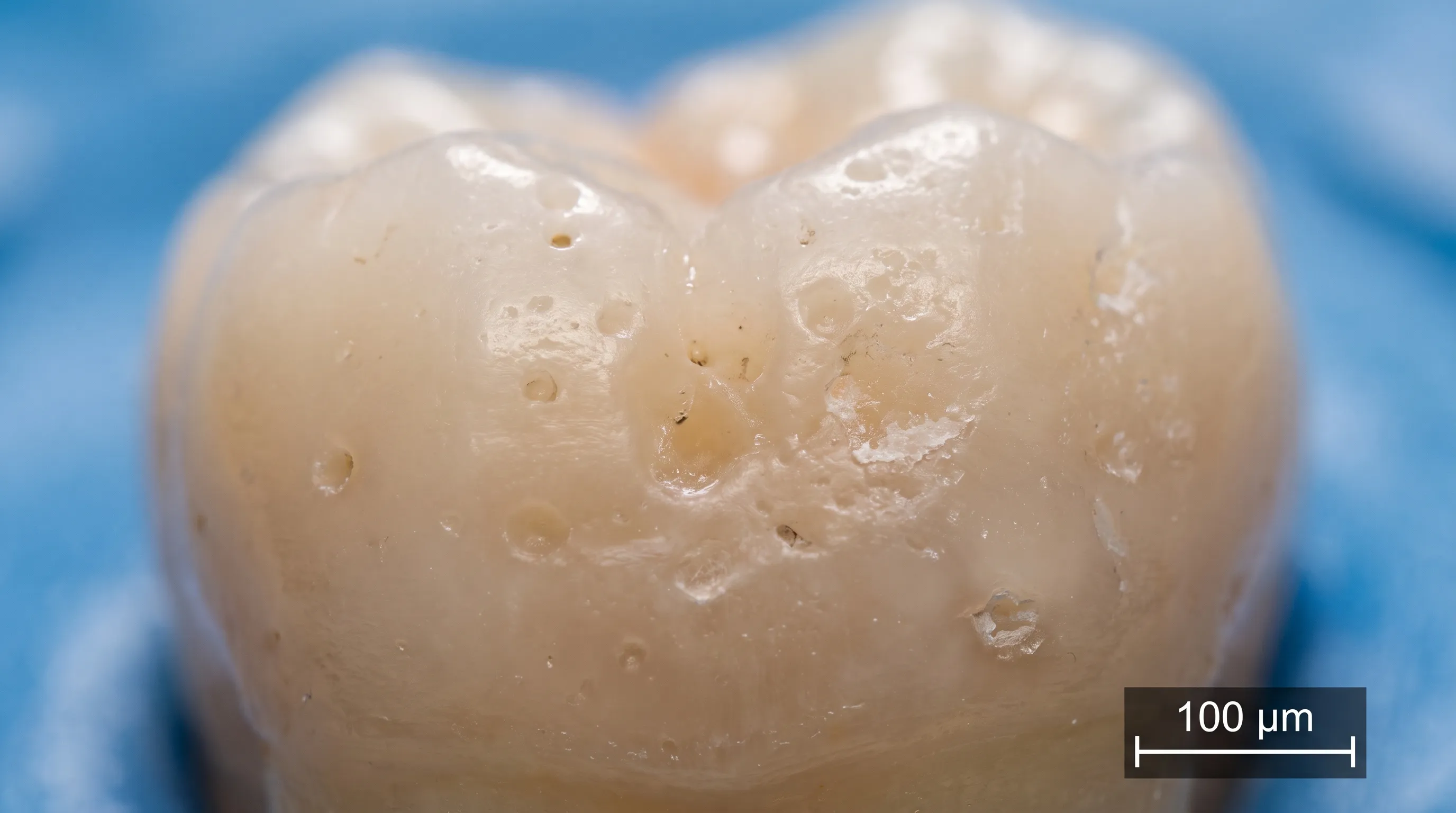
The Science of Cavity Formation
To determine if coffee is a culprit, we must first understand how cavities form. Tooth decay is not caused by a single factor but rather by a perfect storm of biological interactions. At the heart of this process is dental plaque, a sticky, colorless film of bacteria that constantly forms on our teeth. These bacteria, particularly Streptococcus mutans and Lactobacillus, thrive on fermentable carbohydrates—primarily sugars and starches.
Free calculatorCaffeine Half-Life CalculatorCaffeine metabolism calculatorOpen the calculatorWhen you consume sugary foods or drinks, these bacteria metabolize the sugars and produce acids as byproducts. These acids attack the tooth enamel, the hard, outer layer of the tooth. Enamel is the hardest substance in the human body, but it is not impervious to chemical erosion. When the pH level in the mouth drops below 5.5, a process called demineralization begins. Minerals like calcium and phosphate are leached out of the enamel structure. Over time, if this acidic environment persists and the enamel is not given time to repair itself through remineralization (aided by saliva and fluoride), the enamel weakens, breaks down, and eventually forms a hole, or cavity.
Therefore, the key drivers of cavities are:
- Presence of Bacteria: Plaque accumulation.
- Food Source: Sugars and fermentable carbs.
- Acid Production: Lowering of oral pH.
- Time: Frequency and duration of acid exposure.
With this framework in mind, we can now evaluate where coffee fits into this destructive cycle. When asking can coffee cause cavities, we are essentially asking if coffee provides the fuel (sugar) or the environment (acid) necessary for this process to accelerate. According to the Centers for Disease Control and Prevention (CDC), limiting sugary drinks and snacks is one of the most effective ways to prevent tooth decay.
Acidity Levels in Coffee and Enamel Erosion
One of the primary concerns regarding coffee and dental health is its acidity. Pure black coffee typically has a pH level ranging from 4.85 to 5.10. While this is less acidic than soda (which can have a pH as low as 2.5) or fruit juices, it is still acidic enough to potentially impact tooth enamel, especially with frequent exposure.
Understanding pH and Oral Health
The pH scale measures how acidic or basic a substance is, ranging from 0 to 14. A pH of 7 is neutral. Anything below 7 is acidic. The critical threshold for tooth enamel demineralization is generally considered to be around pH 5.5. Since black coffee hovers just below or near this threshold, it possesses the potential to soften enamel. However, the risk is not solely determined by the pH level but also by the buffering capacity of saliva.
Saliva plays a crucial role in maintaining oral health. It helps neutralize acids, wash away food particles, and provide minerals like calcium and phosphate to repair early enamel damage. For most individuals with healthy salivary flow, the occasional cup of black coffee is easily managed by the mouth's natural defense systems. The issue arises when coffee consumption is constant throughout the day, creating a sustained acidic environment that saliva cannot fully neutralize.
Direct Erosion vs. Cavity Formation
It is important to distinguish between dental erosion and cavities. Dental erosion is the loss of tooth structure due to chemical dissolution by acids not of bacterial origin. Coffee can contribute to erosion. Cavities (dental caries), on the other hand, are caused by bacterial activity. While erosion weakens the tooth and makes it more susceptible to cavities, coffee alone, without sugar, does not feed the bacteria that cause decay. Therefore, while black coffee can erode enamel over time, it is not a direct cause of cavities in the same way that sugary soda is. This distinction is vital when evaluating the claim that can coffee cause cavities directly. More information on the effects of acid on teeth can be found via the Mayo Clinic.
The Hidden Danger: Additives and Sugar
If black coffee is relatively low-risk for cavities, why do dentists often warn coffee drinkers? The answer lies almost exclusively in what we add to our cups. For many, coffee is merely a vehicle for sugar, cream, flavored syrups, and whipped topping. This transformation turns a low-risk beverage into a high-risk cocktail for tooth decay.
The Sugar Connection
Sugar is the primary fuel for cavity-causing bacteria. A typical flavored latte or frappuccino can contain upwards of 30 to 50 grams of sugar, which is equivalent to eating several candy bars. When you sip on a sugary coffee drink, you are bathing your teeth in a sugar solution. The bacteria in your plaque feast on this sugar, producing large amounts of acid that rapidly demineralize enamel.
Moreover, the consistency of sugary coffee drinks matters. Thick, creamy beverages tend to coat the teeth and linger in the crevices longer than thin liquids. This prolonged contact time increases the duration of acid production by bacteria. If you are sipping a sweetened iced coffee over the course of two hours, you are subjecting your teeth to continuous acid attacks, significantly increasing the likelihood of decay. In this context, the answer to can coffee cause cavities becomes a resounding yes, but it is the added sugar, not the coffee itself, that is the primary offender. The World Health Organization (WHO) strongly recommends reducing free sugar intake to lower the risk of dental caries.
Flavored Syrups and Creamers
Beyond granulated sugar, flavored syrups and commercial creamers often contain hidden sugars and acidic additives. Vanilla, caramel, and hazelnut syrups are concentrated sources of sucrose and high-fructose corn syrup. Non-dairy creamers, while convenient, often contain thickeners and sugars that can adhere to tooth surfaces. Even "sugar-free" syrups can be problematic if they are acidic, although they do not feed bacteria in the same way. The combination of acidity from the coffee and the syrup, plus the sugar content, creates a dual threat to enamel integrity.
Comparative Analysis: Coffee vs. Other Beverages
To better understand the risk profile of coffee, it is helpful to compare it with other common beverages. This comparison highlights that while coffee has risks, it is often far less damaging than other popular drinks.
| Beverage | Approximate pH Level | Sugar Content (per 12oz) | Cavity Risk Factor | Enamel Erosion Risk |
|---|---|---|---|---|
| Black Coffee | 4.85 - 5.10 | 0g | Low (if no sugar) | Moderate |
| Cola Soda | 2.5 - 2.7 | 39g | Very High | Very High |
| Orange Juice | 3.3 - 4.2 | 26g | High | High |
| Sweetened Latte | 5.0 - 6.0 | 20-40g | High | Moderate |
| Water | 7.0 | 0g | None | None |
| Green Tea | 7.0 - 10.0 | 0g | Low | Low |
As illustrated in the table above, black coffee is significantly less acidic than soda and fruit juice. Its cavity risk is low provided no sugar is added. However, once sugar is introduced, as in a sweetened latte, the cavity risk jumps to "High," comparable to fruit juice, due to the bacterial fermentation of the added sugars. This data reinforces the idea that when we ask can coffee cause cavities, we must specify the type of coffee. Black coffee is a mild acid risk; sugary coffee is a major decay risk.
Staining vs. Decay: Clearing the Confusion
A common misconception is that stained teeth are unhealthy teeth. Coffee is notorious for causing extrinsic staining. The chromogens in coffee—intense pigment molecules—attach to the enamel, particularly if the enamel is rough or has micro-cracks. Tannins, another compound in coffee, enhance the adherence of these pigments.
While yellow or brown teeth may look unappealing, staining itself does not equal decay. You can have heavily stained teeth with zero cavities, and pristine white teeth with significant decay. However, there is a correlation. The same factors that make enamel prone to staining (roughness, erosion, thinning) can also make it more vulnerable to decay. If coffee acidity has eroded the smooth, protective layer of enamel, the underlying dentin is more exposed. Dentin is yellower and softer than enamel, making it both more prone to staining and easier for bacteria to penetrate. Thus, while staining is cosmetic, it can be an indicator of underlying enamel weakness that could lead to the question: can coffee cause cavities indirectly by compromising the tooth's defensive barrier?
Protective Factors in Coffee
Surprisingly, coffee is not entirely the villain in the story of oral health. Recent research suggests that black coffee may have some protective properties against dental disease, specifically regarding gum health and certain bacteria.
Antibacterial Properties
Some studies indicate that components in coffee, such as caffeine and trigonelline, possess antibacterial properties. These compounds may inhibit the growth of Streptococcus mutans, the primary bacteria responsible for cavities. By reducing the bacterial load in the mouth, black coffee could theoretically lower the risk of plaque formation. However, this benefit is only present in black coffee without sugar. Adding sugar negates any antibacterial advantage by providing a feast for the very bacteria coffee might otherwise suppress.
Polyphenols and Antioxidants
Coffee is rich in polyphenols, powerful antioxidants that can help combat inflammation. Periodontal disease (gum disease) is linked to systemic inflammation and can lead to tooth loss. Some evidence suggests that the anti-inflammatory effects of coffee polyphenols may support gum health. Healthy gums provide a tight seal around the teeth, preventing bacteria from entering the root system. Therefore, moderate consumption of black coffee might contribute to overall oral health, even if it poses a slight risk of enamel erosion due to acidity. Research on polyphenols and oral health is supported by findings from the National Institutes of Health (NIH).
Actionable Strategies to Protect Your Teeth
Knowing the risks and benefits allows you to make informed choices. You do not need to give up coffee to maintain a healthy smile. Instead, adopt strategies to mitigate the risks. Here are practical, evidence-based tips to enjoy your coffee while protecting your teeth.
1. Limit Sipping Time
One of the worst habits for dental health is sipping coffee slowly over several hours. This keeps the teeth in a constant state of acid exposure. Instead, try to drink your coffee within a shorter timeframe, such as 15–20 minutes. This limits the duration of the acid attack and gives your saliva time to neutralize the pH levels afterward.
2. Rinse with Water
After finishing your coffee, swish your mouth with plain water. This simple act helps wash away residual acids and sugars, restoring the oral pH balance more quickly. It is a highly effective, zero-effort strategy to protect enamel. Keep a glass of water nearby and alternate sips if you must drink slowly.
3. Avoid Brushing Immediately
It may seem counterintuitive, but you should not brush your teeth immediately after drinking coffee. Because the acid softens the enamel, brushing right away can actually scrub away the weakened mineral layer, accelerating erosion. Wait at least 30 to 60 minutes after consuming acidic beverages before brushing. This allows saliva to remineralize and harden the enamel again.
4. Choose Your Additives Wisely
If you must sweeten your coffee, consider alternatives to refined sugar. Xylitol, a natural sugar alcohol, is non-cariogenic, meaning bacteria cannot ferment it to produce acid. In fact, xylitol can help reduce cavity-causing bacteria. Alternatively, use small amounts of milk or cream. As mentioned earlier, dairy products contain calcium and casein, which can help buffer acidity and support remineralization. Avoid sugary syrups and flavored powders whenever possible.
5. Use a Straw
For iced coffee, using a straw can help direct the liquid past the front teeth, minimizing contact with the enamel. Position the straw towards the back of the mouth to further reduce exposure. While this won't protect all teeth, it can significantly reduce staining and acid exposure on the most visible surfaces.

6. Maintain Rigorous Oral Hygiene
Regardless of your coffee habits, a strong foundation of oral hygiene is essential. Brush twice a day with fluoride toothpaste. Fluoride is critical because it integrates into the enamel structure, making it more resistant to acid attacks. Floss daily to remove plaque between teeth, where coffee residues and food particles often get trapped. Regular dental check-ups every six months allow your dentist to monitor for early signs of erosion or decay and provide professional cleanings to remove stubborn stains. The Cleveland Clinic emphasizes the importance of fluoride and regular dental visits in preventing cavities.
The Role of Saliva and Hydration
Coffee is a mild diuretic, meaning it can increase urine production and potentially lead to dehydration if fluid intake is not balanced. Dry mouth (xerostomia) is a significant risk factor for cavities. Saliva is the mouth's natural defense mechanism; it washes away food, neutralizes acids, and fights infection. When you are dehydrated, saliva production decreases, leaving teeth more vulnerable to the acids in coffee and other foods.
To counteract this, ensure you are drinking plenty of water throughout the day. For every cup of coffee, aim to drink at least one glass of water. This not only keeps you hydrated but also helps maintain optimal saliva flow. Chewing sugar-free gum after drinking coffee can also stimulate saliva production, providing an extra layer of protection against acid erosion and decay.
Frequently Asked Questions
Does black coffee cause cavities?
Black coffee itself is unlikely to directly cause cavities because it contains negligible sugar. However, its acidic nature (pH around 5.0) can weaken tooth enamel over time, making teeth more susceptible to decay if oral hygiene is poor. Without sugar to feed bacteria, the risk of cavity formation is significantly lower than with sweetened beverages.
Is coffee worse for teeth than soda?
Generally, soda is worse for teeth than plain black coffee. Most sodas contain high amounts of added sugars and often have a lower pH (higher acidity), particularly colas which contain phosphoric acid. This combination creates a highly cariogenic (cavity-causing) environment. Black coffee lacks the sugar that fuels decay-causing bacteria, though both beverages are acidic.
How can I drink coffee without damaging my teeth?
To minimize damage, drink coffee quickly rather than sipping it over hours to reduce acid exposure time. Rinse your mouth with water immediately after finishing your cup. Avoid adding sugar or sugary syrups. Wait at least 30 minutes before brushing your teeth to allow enamel to re-harden after acid exposure. Using a straw can also help bypass teeth.
Does adding milk to coffee protect teeth?
Yes, adding milk can offer some protection. Milk contains calcium and casein, proteins that can help neutralize acids and support remineralization of tooth enamel. Additionally, milk dilutes the concentration of coffee's acidic compounds. However, if you add sugar along with the milk, the protective effect may be offset by the increased risk of bacterial growth.
Why do my teeth feel sensitive after drinking coffee?
Sensitivity after drinking coffee is often a sign of enamel erosion or exposed dentin. The acids in coffee can temporarily soften enamel, and if you already have thinning enamel or receding gums, the temperature and acidity can trigger nerve responses. It may also indicate existing cavities or cracks. If sensitivity persists, consult a dentist.
Conclusion
So, can coffee cause cavities? The answer is a nuanced conditional. Black coffee, in isolation, is not a primary cause of cavities. It lacks the sugar required to fuel the bacteria that create decay. However, its acidity can contribute to enamel erosion, which weakens the tooth's defenses and makes it more vulnerable to decay in the long run. The real danger lies in the additives. When coffee is loaded with sugar, syrups, and creamy additives, it becomes a potent driver of tooth decay, rivaling even soda in its potential to harm your smile.
The key to enjoying coffee without compromising your dental health lies in moderation and mindful habits. By choosing black coffee or limiting sugar, rinsing with water, waiting to brush, and maintaining excellent oral hygiene, you can mitigate the risks. Your daily brew does not have to be the enemy of your teeth. With the right approach, you can savor every sip while keeping your smile bright, strong, and cavity-free. Remember, your dentist is your best partner in this journey; regular check-ups ensure that any early signs of erosion or decay are caught and treated before they become serious problems. Enjoy your coffee, but respect your teeth.
How we work
Researched and drafted with AI assistance, then reviewed by a human editor against the cited sources.
This article is general health information, not medical advice. Consult a qualified healthcare professional about your own situation.