Does Coffee Cause Acne? The Science Behind Your Daily Brew and Clear Skin

You wake up, grind fresh beans, and pour that first aromatic cup to jumpstart your day. It is a ritual shared by millions worldwide, offering a comforting blend of energy and flavor. Yet, if you have struggled with persistent breakouts or are actively managing acne-prone skin, you have likely found yourself scrolling through forums and dermatology boards, wondering: does coffee cause acne? The short answer, backed by extensive clinical research and dermatological consensus, is that coffee itself does not directly cause acne. However, the complete picture is far more nuanced. Your daily brew interacts with complex hormonal pathways, metabolic responses, and dietary habits that can either support clear skin or trigger frustrating flare-ups depending on how you prepare and consume it. Understanding the precise biological mechanisms behind caffeine, additives, and skin health empowers you to make informed choices without sacrificing your favorite morning ritual.
The Core Question: Separating Myth from Medical Reality
The relationship between diet and dermatology has been a subject of intense scientific scrutiny for decades. When evaluating whether does coffee cause acne, researchers look beyond surface-level correlations and dive into physiological pathways involving endocrine function, immune response, and sebaceous gland activity. The overwhelming consensus from peer-reviewed literature, including studies published by the Journal of the American Academy of Dermatology (JAAD), is that pure coffee is not a primary causative agent for acne vulgaris. Instead, coffee serves as a delivery system for multiple compounds that can modulate inflammation, hormone levels, and insulin sensitivity.
Free calculatorCaffeine Half-Life CalculatorCaffeine metabolism calculatorOpen the calculatorAcne develops through a well-established tetrad: follicular hyperkeratinization, increased sebum production, colonization by Cutibacterium acnes, and inflammatory response. Any dietary factor that influences these four pillars can potentially impact skin clarity. When researchers isolate black coffee, they find minimal to no direct correlation with new acne formation. In fact, coffee contains polyphenols and chlorogenic acids that demonstrate anti-inflammatory and antioxidant properties. The confusion arises because many commercial coffee beverages are loaded with dairy, refined sugars, artificial flavorings, and high-calorie syrups. These additives, rather than the coffee bean itself, drive the inflammatory and hormonal cascades that dermatologists associate with breakout cycles.
To navigate this effectively, patients must differentiate between pure coffee and the modern coffeehouse experience. Understanding how each component interacts with your unique biology allows for personalized dietary strategies that support both energy levels and skin health.

The Cortisol Connection: How Caffeine Influences Skin Health
Caffeine is a central nervous system stimulant, but its physiological impact extends far beyond temporary alertness. One of the most significant pathways through which caffeine influences dermatological outcomes involves the hypothalamic-pituitary-adrenal (HPA) axis. When evaluating whether does coffee cause acne, understanding cortisol dynamics provides crucial clinical context.
Understanding the Stress Response
Caffeine directly stimulates the adrenal glands, leading to increased secretion of cortisol and adrenaline. A single large cup of coffee containing approximately 200 milligrams of caffeine can more than double the body's acute stress response. While this mechanism is entirely normal and typically short-lived in healthy individuals, chronic or excessive consumption can lead to sustained cortisol elevation. Elevated cortisol levels have a well-documented impact on the sebaceous glands. These glands express functional receptors for cortisol and androgens. When stress hormones circulate at higher concentrations, they upregulate sebum production. Excess oil creates an environment where pore-clogging debris accumulates more readily, providing an ideal breeding ground for acne-associated bacteria. For individuals already experiencing hormonal acne, even moderate caffeine spikes can tip the balance toward increased breakout frequency.
Research published in dermatological literature consistently highlights this cortisol-sebum pathway. Clinical trials involving young adults demonstrate that higher perceived stress levels correlate with increased acne severity, largely mediated by HPA-axis activation. This does not mean that moderate coffee drinking will automatically ruin your complexion, but it does underscore the importance of monitoring your cumulative stress load. If you combine high caffeine intake with demanding work schedules, inadequate recovery time, or poor nutritional balance, the compound effect on your skin becomes much more pronounced.
Sleep Disruption and Inflammatory Pathways
Another critical aspect of the cortisol connection involves circadian rhythm disruption. Caffeine has a biological half-life of approximately five to six hours, meaning that half of the caffeine consumed at noon remains active in your bloodstream late into the afternoon. Consuming coffee later in the day interferes with sleep architecture, particularly reducing deep slow-wave sleep and REM cycles. Poor sleep quality triggers a secondary cortisol release during nighttime and early morning hours, creating a vicious cycle of hormonal imbalance.
Sleep deprivation independently elevates systemic inflammation markers, including C-reactive protein and interleukin-6. Inflammatory cytokines exacerbate acne by weakening the skin's barrier function, impairing wound healing, and sensitizing follicular keratinocytes. The Medical News Today analysis of multiple clinical studies confirms that individuals with chronic sleep disturbances experience significantly higher rates of inflammatory acne lesions. By limiting caffeine intake to before mid-afternoon and prioritizing seven to nine hours of restorative sleep, coffee drinkers can neutralize this indirect trigger and maintain hormonal equilibrium.
Glycemic Load and Insulin Spikes: The Sugar-Coffee Synergy
When people ask does coffee cause acne, they are often unknowingly asking about what they add to their coffee. The glycemic impact of modern coffee beverages represents one of the most potent dietary acne triggers available. Understanding insulin dynamics and IGF-1 signaling provides a clear roadmap for dietary modifications that yield visible skin improvements.
High-Glycemic Additives and IGF-1 Pathways
Pure black coffee has a glycemic index of zero and does not trigger insulin release. However, the addition of refined sugar, caramel syrup, chocolate drizzle, or sweetened creamers transforms a neutral beverage into a high-glycemic load stimulus. Rapid glucose absorption causes a sharp spike in blood sugar, prompting the pancreas to release substantial amounts of insulin. This insulin surge is not merely a metabolic event; it acts as a potent signaling molecule for the skin.
Elevated insulin levels directly stimulate insulin-like growth factor 1 (IGF-1) production in the liver. IGF-1 is extensively studied in dermatology for its role in acne pathogenesis. It accelerates keratinocyte proliferation, leading to hyperkeratinization and clogged pores. Simultaneously, IGF-1 upregulates androgen receptor sensitivity, further amplifying sebum output. Clinical studies consistently demonstrate that high-glycemic diets correlate with increased acne severity, particularly in adolescents and young adults. When these sugary additives are paired with daily coffee consumption, the cumulative glycemic load can become a primary driver of persistent breakouts.
How Blood Sugar Fluctuations Trigger Breakouts
Beyond IGF-1, blood sugar instability creates additional inflammatory cascades that compromise skin health. Repeated glucose spikes and subsequent crashes promote oxidative stress through advanced glycation end-products (AGEs). AGEs accumulate in the dermis, degrading collagen and elastin fibers while promoting low-grade inflammation. This chronic inflammatory state impairs the skin's ability to regulate microbial balance, allowing opportunistic pathogens to thrive within pilosebaceous units.
Furthermore, insulin resistance frequently accompanies chronic high-glycemic dietary patterns. Early-stage insulin resistance manifests as compensatory hyperinsulinemia, meaning the body must produce even more insulin to maintain normal glucose levels. This creates a self-perpetuating cycle of hormone-driven oil production. Patients who experience frequent breakouts alongside afternoon fatigue or intense sugar cravings often benefit from adopting a lower-glycemic coffee routine. Eliminating liquid sugars and artificial sweeteners, which can still provoke insulin responses through cephalic phase stimulation, represents one of the most effective dietary interventions for acne management.
Dairy and Additives: The Real Culprits in Your Cup
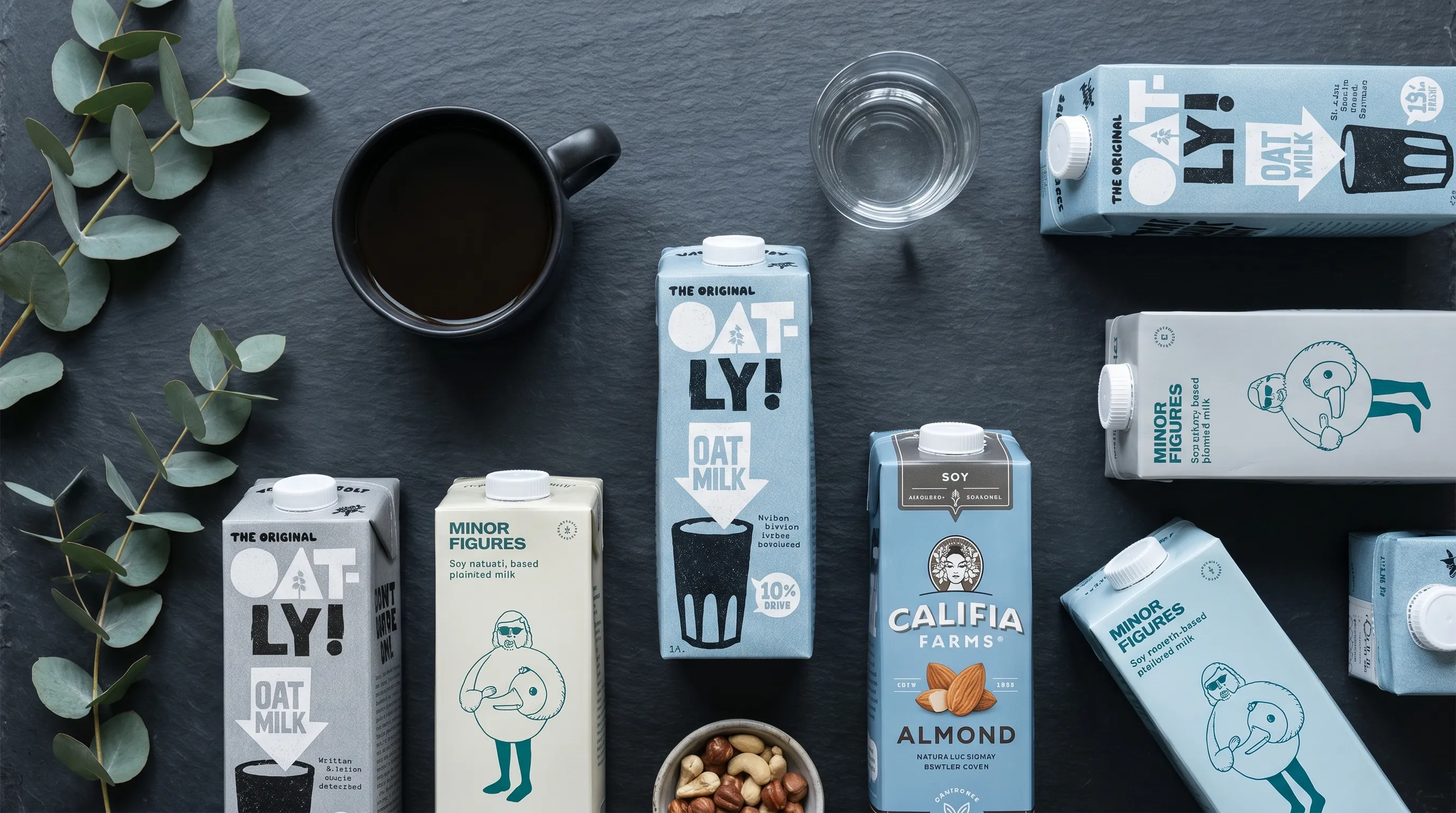
If pure caffeine and black coffee demonstrate minimal direct correlation with acne formation, why do so many individuals report clearer skin after eliminating coffee drinks from their routines? The answer lies in dairy products and commercial additives. Extensive epidemiological research identifies milk consumption as one of the strongest dietary predictors of acne severity.
The Science Behind Milk and Acne
The Nurses' Health Study II, a landmark longitudinal investigation involving over 47,000 women, established a robust correlation between higher milk intake and increased teenage acne prevalence. This association persists across multiple independent studies and remains consistent even after controlling for genetic predispositions and baseline dietary patterns. The mechanism involves bovine hormones and growth factors naturally present in cow's milk. These compounds, including IGF-1, dihydrotestosterone precursors, and bioactive peptides, survive pasteurization and enter human circulation upon consumption. Once absorbed, they interact with human endocrine pathways, stimulating sebaceous activity and follicular keratinization.
Dairy proteins, particularly casein and whey, also demonstrate distinct impacts on skin health. Whey protein isolates, commonly found in flavored coffee creamers and protein-fortified lattes, rapidly spike insulin and IGF-1 levels, sometimes more aggressively than dietary sugars alone. For individuals with genetic susceptibility to hormonal acne, even modest dairy consumption can trigger inflammatory responses within the pilosebaceous units. Dermatologists frequently recommend a four-to-six-week elimination trial to assess individual tolerance, with many patients experiencing measurable reductions in lesion count and erythema after removing milk from their coffee routine.
Skim vs. Whole Milk: What the Research Shows
Interestingly, the acne risk associated with dairy varies significantly based on fat content. Clinical data reveals that skimmed or low-fat milk correlates more strongly with acne severity than whole milk. This counterintuitive finding stems from manufacturing processes. When fat is removed from milk to create skim varieties, manufacturers often adjust the formulation by increasing whey protein concentration and modifying processing temperatures to maintain texture. These modifications concentrate the bioactive compounds that drive IGF-1 elevation. Additionally, skim milk has a higher glycemic impact than whole milk due to altered carbohydrate-protein ratios, further exacerbating insulin-mediated sebum production.
Understanding this distinction helps patients make nuanced dietary choices. While reducing dairy intake generally supports clearer skin, switching from skim milk to a modest amount of whole milk or transitioning entirely to unsweetened plant-based alternatives yields the most consistent clinical improvements. The key lies in eliminating concentrated whey proteins and reducing overall dairy-derived IGF-1 exposure.
Syrups, Creamers, and Inflammatory Fats
Beyond dairy, commercial coffee culture relies heavily on non-dairy creamers and flavored syrups. Many non-dairy creamers contain partially hydrogenated oils, high-fructose corn syrup, and artificial emulsifiers. These ingredients disrupt gut microbiota diversity, increase intestinal permeability, and promote systemic inflammation. The gut-skin axis represents a rapidly evolving field in dermatology, with growing evidence that intestinal dysbiosis directly correlates with acne severity. Inflammatory lipids and synthetic additives in coffee creamers compromise microbial balance, reducing the production of short-chain fatty acids that normally regulate cutaneous immunity.
Furthermore, artificial sweeteners, while zero-calorie, can still influence metabolic pathways. Emerging research suggests that non-nutritive sweeteners may alter insulin sensitivity through gut-brain signaling mechanisms. Individuals seeking to manage acne should prioritize whole, minimally processed coffee preparations and avoid liquid flavorings that introduce inflammatory fats and glycemic disruptors into their daily routine.
Hormonal Variability: Estrogen, Ethnicity, and Individual Responses
Human endocrinology is profoundly individualized, which explains why dietary triggers manifest differently across populations. When exploring whether does coffee cause acne, researchers have identified fascinating variations in estrogen metabolism based on caffeine intake and ethnic background. Estrogen plays a vital role in maintaining skin barrier integrity, regulating sebum composition, and supporting collagen synthesis. Disruptions in estrogen balance frequently manifest as menstrual-related acne, jawline breakouts, or persistent inflammatory lesions.
A comprehensive clinical study involving 250 women of reproductive age examined how daily caffeine consumption influenced endogenous estrogen levels. The results demonstrated significant ethnic variability. Participants of Asian descent who consumed approximately 200 milligrams of caffeine daily exhibited measurable increases in circulating estrogen concentrations. In contrast, white participants demonstrated slight decreases in estrogen levels under identical consumption patterns. These variations highlight the complexity of cytochrome P450 enzyme systems, particularly CYP1A2, which governs caffeine metabolism and interacts with estrogen clearance pathways.
For individuals with estrogen-dominant conditions or specific genetic polymorphisms affecting hormone clearance, caffeine intake may require personalized calibration. Those experiencing cyclical breakouts synchronized with menstrual phases might benefit from tracking caffeine consumption alongside hormonal fluctuations. Adjusting intake during the luteal phase, when progesterone rises and estrogen fluctuates, can help mitigate premenstrual acne exacerbations. Recognizing these individualized responses empowers patients to move beyond generic dietary guidelines and adopt precision-based lifestyle strategies.
Surprising Dermatological Benefits of Coffee for the Skin
While examining whether does coffee cause acne, it is equally important to acknowledge the dermatological advantages associated with coffee consumption and topical application. The scientific literature increasingly supports coffee as a functional beverage with measurable cutaneous benefits when consumed responsibly and paired with appropriate skincare protocols.
Antioxidants and Anti-Inflammatory Compounds
Coffee is one of the richest dietary sources of polyphenols, particularly chlorogenic acid, caffeic acid, and hydroxycinnamic acids. These compounds exhibit potent antioxidant capacity, neutralizing free radicals generated by ultraviolet radiation, environmental pollutants, and metabolic stress. Clinical research demonstrates that regular moderate coffee consumption reduces systemic oxidative stress markers, which indirectly supports skin resilience and accelerates tissue repair. The anti-inflammatory properties of coffee polyphenols help modulate pro-inflammatory cytokine production, potentially reducing erythema and calming reactive skin types.
A comprehensive review published in PMC/NIH Research details how coffee extracts demonstrate significant antimicrobial, photoprotective, and wound-healing properties. When integrated into a balanced diet, these bioactive compounds contribute to overall skin homeostasis rather than detract from it. Patients with inflammatory skin conditions often report improved complexion stability after switching from sugary, dairy-laden coffee drinks to high-quality black coffee consumed alongside antioxidant-rich whole foods.
Topical Applications and Rosacea Protection
Beyond internal consumption, coffee-derived compounds are increasingly formulated into advanced cosmeceuticals. Topical caffeine application demonstrates vasoconstrictive properties that temporarily reduce puffiness and improve microcirculation around the orbital region. Additionally, coffee extracts enhance barrier function by supporting ceramide synthesis and reducing transepidermal water loss. These formulations are particularly beneficial for individuals managing post-inflammatory hyperpigmentation and compromised moisture retention.
Furthermore, large-scale epidemiological data reveals a protective association between caffeinated coffee intake and rosacea development. A JAMA Dermatology cohort study tracking over 82,000 participants across 1.1 million person-years demonstrated that higher caffeinated coffee consumption correlated with significantly reduced rosacea risk. While rosacea and acne represent distinct pathophysiological conditions, this inverse association underscores coffee's complex immunomodulatory effects. The anti-inflammatory and vascular-stabilizing properties of coffee compounds likely contribute to this protective mechanism, reinforcing that moderate consumption aligns with long-term dermatological wellness.
Practical Strategies for Acne-Prone Coffee Drinkers
Translating research into daily practice requires intentional habit modification. Dermatologists emphasize that you do not need to eliminate coffee entirely to achieve clear skin. Instead, optimizing preparation methods, timing, and complementary lifestyle factors allows patients to enjoy their daily ritual while minimizing breakout risk.
Optimizing Your Coffee Routine
Begin by auditing your current coffee preparation. If you routinely add dairy milk, switch to unsweetened almond, oat, or coconut milk. Verify ingredient labels to ensure the product contains no added sugars or inflammatory emulsifiers. If you prefer sweetness, consider minimal amounts of stevia or monk fruit extract, which demonstrate negligible glycemic impact. Consume caffeine before 2 PM to protect sleep architecture and prevent nocturnal cortisol elevation. Stay adequately hydrated by pairing each cup of coffee with a glass of filtered water, counteracting mild diuretic effects that can concentrate toxins and dehydrate the epidermal barrier. Monitor personal tolerance by maintaining a symptom journal for four weeks, noting breakout frequency, energy levels, and digestive comfort.
Alternative Beverages and Lifestyle Adjustments
If you discover high sensitivity to caffeine's cortisol-stimulating effects, consider transitioning to green tea. Green tea contains significantly less caffeine and is rich in L-theanine, an amino acid that promotes calm alertness without HPA-axis activation. L-theanine synergizes with catechins to reduce systemic inflammation and support skin barrier function. Alternatively, matcha provides concentrated antioxidants with sustained energy release that minimizes insulin fluctuations. Complement your beverage choices with a whole-foods dietary pattern emphasizing omega-3 fatty acids, zinc-rich seeds, and fiber-dense vegetables. These nutrients directly modulate androgen activity, support keratinocyte turnover, and enhance cutaneous immunity.
Regular physical activity further optimizes metabolic flexibility, improving insulin sensitivity and promoting healthy cortisol clearance through exercise-induced endorphin release. When combined with consistent sleep hygiene and targeted topical skincare containing non-comedogenic moisturizers and gentle chemical exfoliants, optimized coffee consumption becomes a sustainable component of comprehensive acne management.
| Coffee Additive / Preparation Method | Glycemic Impact | Acne Risk Factor | Dermatologist Recommendation |
|---|---|---|---|
| Black Coffee | None | None | Excellent; high in antioxidants |
| Whole Milk | Low-Moderate | Moderate | Use sparingly; monitor tolerance |
| Skim Milk | Low | High | Avoid; concentrates IGF-1 triggers |
| Sugary Syrups | Very High | Very High | Eliminate completely |
| Unsweetened Almond/Oat Milk | None-Low | None-Low | Ideal alternative for most patients |
| Commercial Powder Creamers | High | High | Avoid; contains inflammatory fats |
Frequently Asked Questions
Does black coffee cause acne?
No, current dermatological research indicates that black coffee does not directly cause acne. The primary acne triggers associated with coffee consumption are additives like dairy, sugar, and syrups, as well as the indirect effects of excessive caffeine on cortisol and sleep.
Can caffeine make existing acne worse?
Yes, caffeine can indirectly worsen existing breakouts by stimulating cortisol production. Elevated stress hormones can increase sebum (oil) production from sebaceous glands and promote inflammation, which may exacerbate acne in sensitive individuals.
Does switching to plant-based milk in coffee help clear skin?
Switching to unsweetened plant-based milks like almond, oat, or coconut can significantly reduce acne risk for many people. Dairy, particularly skim milk, contains hormones and bioactive compounds that elevate IGF-1 levels, a well-documented trigger for acne pathogenesis.
How does sugar in coffee affect acne?
Added sugars and syrups cause rapid blood glucose spikes, leading to increased insulin production. High insulin levels stimulate androgen activity and boost IGF-1, both of which accelerate keratinocyte proliferation and sebum production, directly contributing to clogged pores and breakouts.
Is it safe to drink coffee if I have acne-prone skin?
Absolutely. Most individuals with acne-prone skin can safely enjoy coffee in moderation (1-3 cups daily) by avoiding high-glycemic additives and dairy. Black coffee or drinks made with unsweetened plant milks, combined with early-day consumption to protect sleep, are generally well-tolerated.
Key Takeaways
The scientific consensus regarding whether does coffee cause acne is unequivocal: pure coffee does not initiate acne formation. The relationship between your morning cup and skin clarity is mediated entirely by secondary factors, primarily caffeine-induced cortisol elevation, sleep disruption, and the high-glycemic, hormone-altering impact of dairy and sugar additives. By understanding these physiological mechanisms, patients can transform a potential breakout trigger into a supportive daily habit. Prioritize black coffee or unsweetened plant-based alternatives, eliminate refined sugars, consume caffeine early in the day, and maintain comprehensive sleep hygiene. Coupled with evidence-based topical skincare and a nutrient-dense diet, moderate coffee consumption aligns seamlessly with clear, resilient skin. Dermatological wellness is rarely about absolute elimination; it is about strategic optimization, mindful consumption, and honoring your body's unique metabolic responses.
How we work
Researched and drafted with AI assistance, then reviewed by a human editor against the cited sources.
This article is general health information, not medical advice. Consult a qualified healthcare professional about your own situation.