Sinus Pain in Teeth Remedy: Effective Relief for Maxillary Sinusitis Discomfort

Waking up with a throbbing ache in your upper jaw can be alarming, especially when you haven't eaten anything particularly cold or sweet. You might immediately suspect a cavity or a dental emergency, but the culprit could be hiding higher up in your head. This phenomenon, known as referred pain, occurs when inflammation in the maxillary sinuses puts pressure on the nerves of the upper teeth. Finding an effective sinus pain in teeth remedy is crucial not just for comfort, but for correctly addressing the root cause of your distress. Unlike typical toothaches that require a drill and filling, sinus-related dental pain responds best to treatments that reduce congestion and inflammation.
Understanding the distinction between dental pathology and sinus pressure is the first step toward relief. Many patients spend hundreds of dollars on unnecessary dental procedures because they mistake sinusitis for a tooth infection. By recognizing the specific patterns of sinus pain—such as bilateral discomfort that worsens when bending over—you can save time, money, and physical stress. This comprehensive guide explores evidence-based strategies to alleviate this unique type of pain, ranging from simple home interventions to medical treatments. We will delve into the anatomy behind the pain, practical DIY remedies, and when it is essential to seek professional help. Whether you are dealing with seasonal allergies, a cold, or chronic sinusitis, these insights will help you navigate your path to recovery with confidence and clarity.
Understanding the Connection Between Sinuses and Teeth
To effectively treat sinus pain in teeth, one must first understand the anatomical relationship between the nasal cavities and the oral structure. The human skull contains several pairs of sinuses, which are air-filled spaces that help humidify and filter the air we breathe. The most relevant to dental pain are the maxillary sinuses. These are the largest of the paranasal sinuses and are located directly behind the cheekbones, extending from the side of the nose to the eye socket. Crucially, the floor of the maxillary sinus sits just millimeters above the roots of the upper posterior teeth, specifically the premolars and molars (Cleveland Clinic).
Free calculatorWater Intake CalculatorCalculate daily water needsOpen the calculator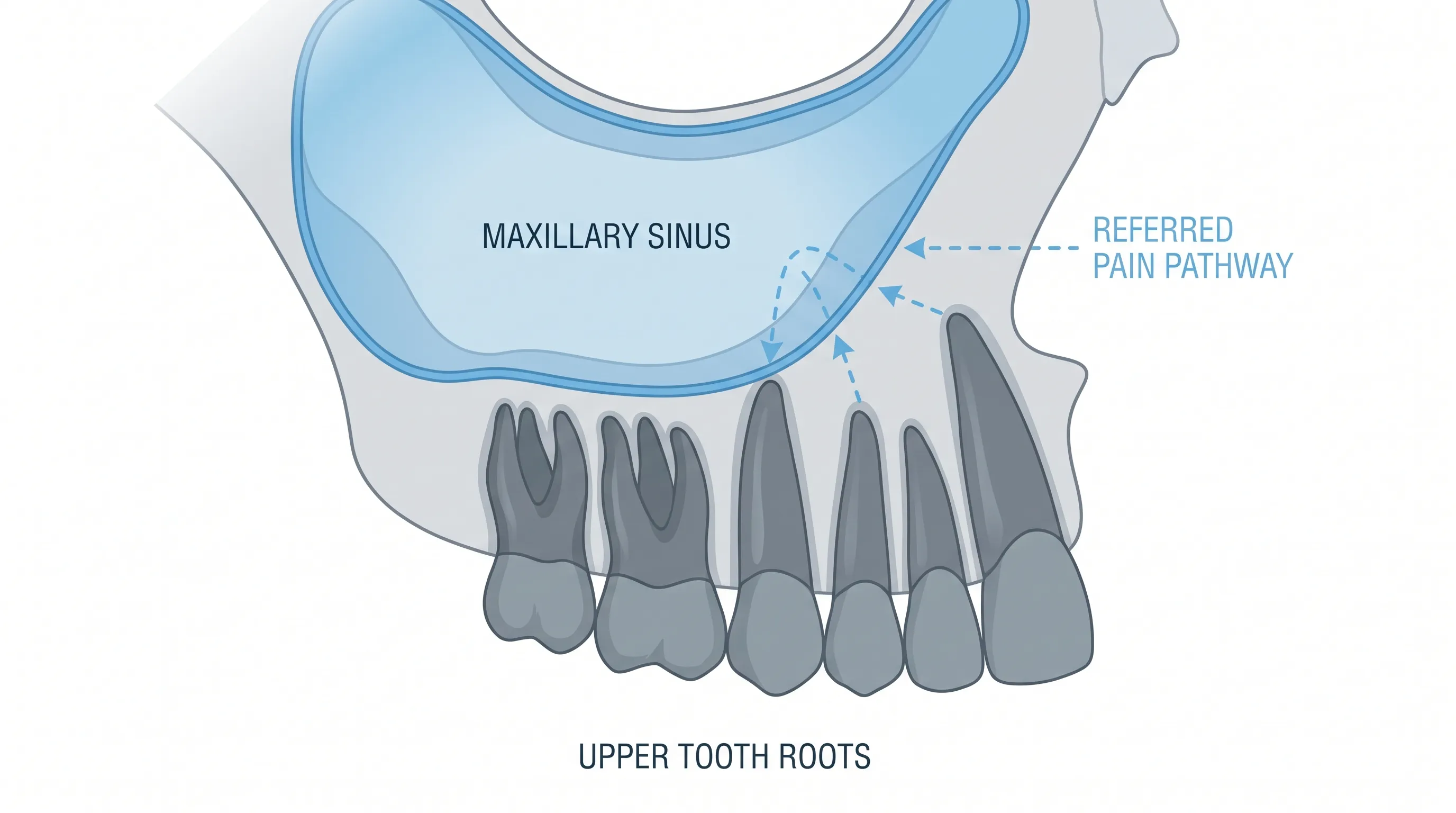
When the lining of the maxillary sinus becomes inflamed due to infection, allergies, or environmental irritants, it swells and fills with mucus. This accumulation creates increased pressure within the confined space of the sinus cavity. Because the nerve endings that supply sensation to the upper teeth (branches of the trigeminal nerve) run very close to, and sometimes even penetrate, the sinus floor, this pressure is transmitted directly to the teeth. The brain interprets this pressure signal as pain originating from the teeth themselves, a phenomenon known as referred pain. This is why a sinus pain in teeth remedy must focus on decompressing the sinus rather than treating the tooth structure.
The severity of the pain often correlates with the degree of sinus inflammation. In cases of acute sinusitis, the pain can be sharp and intense, mimicking a severe toothache. In chronic sinusitis, the discomfort may be a dull, persistent ache that fluctuates with changes in weather or body position. It is also important to note that while upper teeth are commonly affected, lower teeth are rarely involved in sinus issues because they are anatomically distant from the maxillary sinuses. If you are experiencing pain in your lower jaw, it is highly probable that the issue is dental in origin, such as periodontal disease or an abscess, rather than sinus-related.
Furthermore, the density of the bone between the sinus and the tooth roots varies among individuals. Some people have very thin bone layers, making them more susceptible to feeling sinus pressure as tooth pain. Others may have thicker bone, providing a buffer that reduces referred pain. This anatomical variability explains why two people with the same level of sinus congestion may experience vastly different levels of dental discomfort. Recognizing this biological nuance helps in tailoring a sinus pain in teeth remedy that is appropriate for your specific sensitivity levels.
Distinguishing Sinus Pain from Dental Issues
One of the most challenging aspects of managing facial pain is accurately diagnosing its source. Misdiagnosis can lead to ineffective treatments and prolonged suffering. While both sinusitis and dental problems can cause significant discomfort, there are distinct characteristics that can help you differentiate between the two. Identifying these signs early allows you to choose the right sinus pain in teeth remedy and avoid unnecessary dental interventions.
Key Symptoms of Sinus-Related Tooth Pain
Sinus-related tooth pain has a specific presentation pattern. First, it is typically bilateral, meaning it affects multiple teeth on both the left and right sides of the upper jaw. It is uncommon for a sinus infection to cause pain in just one isolated tooth unless there is a pre-existing dental issue in that specific location. Second, the pain is often positional. You may notice that the ache intensifies when you bend over, jump, or lie down flat. This is because changing your head position alters the distribution of fluid and pressure within the sinuses. Third, sinus tooth pain is usually accompanied by other systemic symptoms of sinusitis, such as nasal congestion, post-nasal drip, facial tenderness, headache, and sometimes a low-grade fever. If you press on your cheeks or forehead and feel tenderness, it is a strong indicator of sinus involvement (Mayo Clinic).
Signs of a Primary Dental Problem
In contrast, dental pain is usually localized to a single tooth or a specific area of the gum. It does not typically change with head position. Instead, dental pain is often triggered by thermal stimuli, such as drinking ice water or eating hot soup, or by sweet foods. If you have a cracked tooth or deep decay, the pain may be sharp and instantaneous upon stimulation. Additionally, dental issues may present with visible signs such as swelling of the gums, a pimple-like bump on the gum line (abscess), or visible discoloration of the tooth. Bad breath that persists despite good oral hygiene can also be a sign of a dental infection rather than sinusitis.
Comparison Table: Sinus Pain vs. Dental Pain
| Feature | Sinus-Related Tooth Pain | Primary Dental Pain |
|---|---|---|
| Location | Multiple upper back teeth, often bilateral | Single tooth or localized area |
| Triggers | Bending over, jumping, lying down | Hot, cold, sweet, chewing pressure |
| Associated Symptoms | Congestion, facial pressure, headache | Gum swelling, visible decay, bad breath |
| Duration | Fluctuates with sinus condition | Persistent or worsening over time |
| Response to Meds | Improves with decongestants/antihistamines | Requires dental treatment/painkillers |
By carefully observing these differences, you can make a more informed decision about whether to visit an ENT specialist or a dentist. If you are unsure, it is always safer to consult a healthcare provider who can perform a physical examination and possibly order imaging studies like X-rays or CT scans to confirm the diagnosis. However, for many mild cases, trying a conservative sinus pain in teeth remedy at home can provide clarity; if the pain resolves as your congestion clears, the cause was likely sinus-related.
Top Home Remedies for Immediate Relief
When sinus pressure is causing dental agony, immediate relief is the priority. Fortunately, there are several effective, non-invasive home remedies that can help reduce inflammation, drain mucus, and alleviate pain. These methods are widely recommended by health experts and can be easily integrated into your daily routine. Implementing these strategies consistently can significantly reduce the severity and duration of your symptoms.
Steam Inhalation and Humidification
One of the most effective ways to relieve sinus pressure is through steam inhalation. Warm, moist air helps to thin the thick mucus blocking the sinus passages, allowing it to drain more easily. This reduction in volume decreases the pressure on the nerve endings surrounding the upper teeth. You can achieve this by taking a hot shower and breathing in the steam deeply through your nose. Alternatively, you can boil water, pour it into a large bowl, and lean over it with a towel draped over your head to trap the steam. Be careful to keep your face at a safe distance to avoid burns. Adding a few drops of eucalyptus or peppermint oil can enhance the decongestant effect, as these essential oils have natural anti-inflammatory properties. Using a cool-mist humidifier in your bedroom at night can also prevent the air from drying out your nasal passages, which is particularly helpful during winter months or in dry climates (CDC).
Nasal Irrigation with Saline Solution
Nasal irrigation, often performed with a neti pot or squeeze bottle, is a cornerstone of sinus care. This process involves flushing the nasal cavities with a saline solution to remove mucus, allergens, and bacteria. By clearing out the debris, you reduce the inflammatory response and allow the sinuses to breathe. It is crucial to use distilled, sterile, or previously boiled water to prepare the saline solution to prevent the risk of infection. Tap water should never be used directly. Regular irrigation can provide significant relief from sinus pressure and, consequently, the associated tooth pain. Many users report immediate alleviation of facial pressure after a thorough rinse (FDA).

Warm Compresses
Applying a warm compress to the face can help soothe pain and promote drainage. The heat increases blood flow to the area, which can help reduce muscle tension and ease the throbbing sensation in the teeth. Soak a clean washcloth in warm water, wring it out, and place it over your nose, cheeks, and eyes for 10 to 15 minutes. You can repeat this several times a day. The warmth helps to loosen the mucus and provides a comforting distraction from the pain. For some individuals, alternating between warm and cold compresses can be even more effective, as the cold can help numb acute pain while the heat promotes drainage.
Hydration and Dietary Adjustments
Staying well-hydrated is essential for thinning mucus. When you are dehydrated, mucus becomes thick and sticky, making it harder to drain and increasing pressure. Aim to drink at least eight glasses of water a day. Herbal teas, such as ginger or chamomile, can also be soothing and provide additional anti-inflammatory benefits. On the dietary front, avoiding inflammatory foods like dairy, sugar, and processed carbohydrates may help reduce mucus production for some people. Spicy foods containing capsaicin, such as chili peppers, can act as natural decongestants by temporarily opening up nasal passages. Incorporating these dietary tweaks can support your overall efforts to find a sinus pain in teeth remedy that works holistically.
Medical Treatments and Over-the-Counter Solutions
While home remedies are excellent for mild cases, moderate to severe sinusitis may require medical intervention. Over-the-counter (OTC) medications and prescription treatments can target the underlying inflammation and infection more aggressively. Knowing when to escalate your treatment plan is key to preventing complications and ensuring rapid relief.
Decongestants and Antihistamines
Oral decongestants, such as pseudoephedrine, work by narrowing the blood vessels in the nasal passages, which reduces swelling and opens up the airways. This can provide quick relief from pressure and pain. However, they should be used with caution, especially by individuals with high blood pressure or heart conditions. Nasal spray decongestants can also be effective but should not be used for more than three consecutive days to avoid rebound congestion, a condition where the nasal passages become more swollen after the medication wears off. If your sinusitis is allergy-driven, antihistamines can block the histamine response that causes inflammation and mucus production. Non-drowsy formulations are preferred for daytime use to maintain alertness (NIAID).
Pain Relievers and Anti-Inflammatories
Non-steroidal anti-inflammatory drugs (NSAIDs) like ibuprofen or naproxen are highly effective for reducing both pain and inflammation. They target the prostaglandins that cause swelling in the sinus lining, thereby reducing the pressure on the teeth. Acetaminophen can help with pain but does not reduce inflammation. It is important to follow the recommended dosage instructions and consult a healthcare provider if you have any underlying health conditions or are taking other medications. For severe pain, a combination of an NSAID and a decongestant may be recommended by a pharmacist or doctor.
Prescription Medications
If your symptoms persist for more than 10 days or are accompanied by a high fever, you may have a bacterial sinus infection. In such cases, a doctor may prescribe antibiotics. It is crucial to complete the full course of antibiotics even if you start feeling better, to ensure the infection is fully eradicated. For chronic sinusitis, corticosteroid nasal sprays may be prescribed to reduce long-term inflammation. In rare cases where structural issues like a deviated septum or nasal polyps contribute to recurrent sinusitis, surgical intervention may be necessary to improve drainage and prevent future episodes of sinus pain in teeth (AAO-HNS).
Preventive Strategies for Long-Term Sinus Health
Preventing sinusitis is the best way to avoid the discomfort of sinus-related tooth pain. By adopting healthy habits and managing risk factors, you can reduce the frequency and severity of sinus flare-ups. Prevention focuses on maintaining clear nasal passages, boosting immune function, and minimizing exposure to irritants.
Managing Allergies Effectively
Allergies are a leading cause of chronic sinus inflammation. If you suffer from seasonal or perennial allergies, working with an allergist to identify triggers and develop a management plan is essential. This may include avoidance strategies, such as keeping windows closed during high pollen seasons, using HEPA filters in your home, and washing bedding frequently. Regular use of prescribed allergy medications can keep inflammation in check and prevent the cascade of events that leads to sinus pressure and tooth pain. Immunotherapy, or allergy shots, may be an option for those with severe allergies that do not respond to other treatments.
Boosting Immune Function
A strong immune system is your first line of defense against viral and bacterial infections that cause sinusitis. Ensure you are getting enough sleep, eating a balanced diet rich in fruits and vegetables, and exercising regularly. Vitamin C and zinc supplements may help support immune health, although evidence varies. Stress management is also important, as chronic stress can weaken the immune response. Practices such as mindfulness, yoga, or meditation can help keep stress levels in check.
Environmental Controls
Avoiding environmental irritants such as tobacco smoke, strong chemical fumes, and pollution can protect your sinus lining. If you smoke, quitting is one of the best things you can do for your sinus and overall health. Secondhand smoke is also harmful, so try to avoid environments where smoking occurs. In dry environments, using a humidifier can keep the nasal mucosa moist and less susceptible to irritation and infection. Regular cleaning of HVAC systems and replacing filters can also improve indoor air quality.
When to Seek Professional Help
While many cases of sinus pain can be managed at home, there are red flags that indicate the need for professional medical attention. Ignoring these signs can lead to serious complications, including the spread of infection to the eyes, brain, or bones. Knowing when to seek help is a critical component of responsible self-care.
Warning Signs of Complications
If you experience severe headache that does not respond to pain medication, vision changes, swelling around the eyes, or confusion, seek emergency care immediately. These could be signs of a serious infection spreading beyond the sinuses. High fever (over 102°F or 39°C), stiff neck, or shortness of breath are also urgent symptoms. Additionally, if you have had sinus symptoms for more than 10 days without improvement, or if symptoms improve and then suddenly worsen, you may have a secondary bacterial infection that requires antibiotics (CDC).
Consulting Specialists
For recurring sinus issues, consulting an Ear, Nose, and Throat (ENT) specialist is advisable. They can perform a thorough examination, including nasal endoscopy, to look for structural abnormalities or polyps. If dental pain persists despite successful treatment of sinusitis, a visit to the dentist is necessary to rule out underlying dental pathology. Sometimes, sinus and dental issues coexist, requiring a coordinated approach between both specialists. Do not hesitate to seek a second opinion if you feel your concerns are not being addressed adequately.
Frequently Asked Questions
How can I tell if my tooth pain is from sinuses or a dental problem?
Sinus-related tooth pain typically affects multiple upper back teeth on both sides of the mouth and worsens with head movement or bending over. Dental pain is usually localized to a single tooth, may be sensitive to hot or cold temperatures, and persists regardless of head position. If you have other sinus symptoms like congestion or facial pressure, it is likely sinus-related.
What is the fastest way to relieve sinus pressure in teeth?
The fastest relief often comes from combining steam inhalation to loosen mucus with over-the-counter decongestants to reduce swelling. Applying a warm compress to the face can also provide immediate soothing effects. Hydration and nasal irrigation are also highly effective for rapid symptom management.
Can a sinus infection cause pain in lower teeth?
It is rare for a sinus infection to cause pain in the lower teeth. The maxillary sinuses are located directly above the upper jaw, so inflammation primarily affects the upper molars and premolars. Lower tooth pain is almost always indicative of a dental issue such as cavities, gum disease, or an abscess.
How long does sinus tooth pain last?
Sinus tooth pain typically lasts as long as the underlying sinus infection or inflammation persists. For acute sinusitis, this is usually 7 to 10 days. If symptoms persist beyond 10 days or worsen after initial improvement, it may indicate a bacterial infection requiring medical attention.
Is it safe to use a neti pot for sinus tooth pain?
Yes, using a neti pot is safe and effective for relieving sinus pressure, provided you use distilled, sterile, or previously boiled water. Tap water can contain microorganisms that may cause serious infections. Proper hygiene and correct technique are essential to avoid ear discomfort or further irritation.
Conclusion
Dealing with sinus pain in teeth can be a confusing and uncomfortable experience, but understanding the underlying mechanisms empowers you to take control of your health. By recognizing the distinct signs of sinus-related referred pain—such as bilateral upper tooth ache and positional worsening—you can avoid unnecessary dental treatments and focus on effective relief strategies. From simple home remedies like steam inhalation and nasal irrigation to targeted medical interventions, there are numerous ways to alleviate this discomfort. Remember that hydration, humidity, and anti-inflammatory measures are your allies in reducing sinus pressure.
However, vigilance is key. If your symptoms persist, worsen, or are accompanied by severe warning signs, do not hesitate to seek professional medical advice. A collaborative approach involving both ENT specialists and dentists may be necessary for complex cases. By prioritizing preventive care, managing allergies, and maintaining a healthy lifestyle, you can reduce the likelihood of future episodes. Ultimately, finding the right sinus pain in teeth remedy is about listening to your body, applying evidence-based solutions, and knowing when to call in the experts. With the right knowledge and tools, you can navigate sinus challenges with confidence and restore your comfort and well-being.
How we work
Researched and drafted with AI assistance, then reviewed by a human editor against the cited sources.
This article is general health information, not medical advice. Consult a qualified healthcare professional about your own situation.