Why Do I Wake Up With a Stuffy Nose: Causes, Science & Proven Relief

You roll over in bed, reach for a tissue, and realize it is happening again. Another morning spent clearing your airways, dealing with heavy breathing, and feeling like you have started the day with a persistent head cold. If you have ever wondered why do i wake up with a stuffy nose, you are far from alone. Nocturnal and morning nasal congestion affects millions of adults worldwide, yet it is frequently dismissed as a minor annoyance rather than a clinical symptom with specific physiological triggers. Understanding the exact mechanisms behind this phenomenon is the first step toward reclaiming your sleep quality, your energy levels, and your overall respiratory health. This comprehensive guide explores the medical science, environmental triggers, and evidence-based interventions that explain why do i wake up with a stuffy nose and, more importantly, how to stop it for good.
Understanding the Science Behind Morning Nasal Congestion
To effectively address morning nasal obstruction, it is crucial to first examine the physiological changes your body undergoes during sleep. The human respiratory system operates on a delicate balance of blood flow, mucosal secretions, and autonomic nervous system regulation. When you transition from an upright, daytime state to a horizontal sleeping position, several immediate shifts occur. The question of why do i wake up with a stuffy nose is rarely tied to a single factor; instead, it is usually the result of overlapping anatomical and circadian processes working against you.
Free calculatorSleep CalculatorCalculate sleep cyclesOpen the calculatorGravity and Blood Pooling in Nasal Tissues
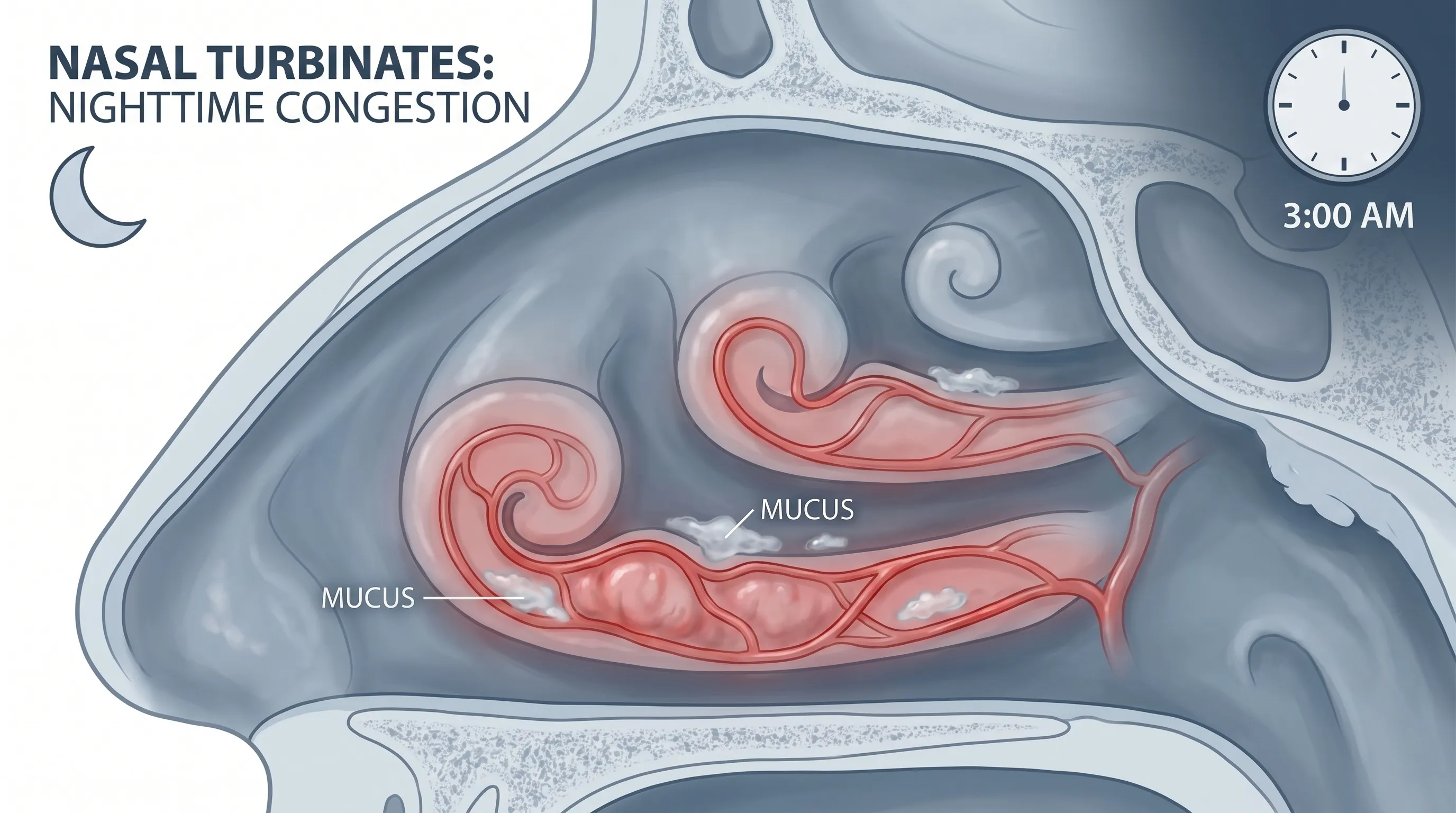
One of the most significant contributors to nighttime nasal congestion is the effect of gravity on your vascular system. The inside of your nose contains highly vascularized structures called nasal turbinates. These bony ridges are lined with soft tissue rich in blood vessels and mucous membranes. Their primary function is to warm, humidify, and filter the air you breathe. During the day, when you are standing or sitting upright, gravity assists venous drainage from the head and neck, keeping the turbinates relatively decongested.
When you lie down to sleep, hydrostatic pressure increases in the vessels of the nasal mucosa. Blood naturally pools in the turbinates, causing them to engorge and swell. This physiological response can reduce the nasal airway diameter by up to thirty percent in healthy individuals. For people already predisposed to inflammation or allergies, this additional swelling is enough to trigger a noticeable sensation of blockage. The body also experiences a natural nighttime dip in cortisol, an anti-inflammatory hormone. Lower cortisol levels combined with increased vascular engorgement create a perfect storm for morning stuffiness.
The Autonomic Nasal Cycle
Another fascinating yet often overlooked factor is the nasal cycle. Controlled by the autonomic nervous system, this is a normal physiological process where congestion alternates between the left and right nostrils every two to six hours. This cycle regulates airflow and ensures that one side of the nose remains moist and functional while the other side recovers. During waking hours, you rarely notice this shift because your body automatically compensates with subtle adjustments in breathing patterns.
At night, however, the nasal cycle becomes much more apparent, especially if you tend to sleep predominantly on one side or if the bedroom environment contains mild irritants. When the congested phase of the cycle coincides with your sleep position or coincides with peak allergen exposure, you may wake up feeling completely obstructed. Understanding why do i wake up with a stuffy nose requires recognizing that your body is simply following its natural autonomic rhythms, which become exaggerated under certain environmental or medical conditions.
Common Medical Causes of Nocturnal Congestion
While gravity and the nasal cycle play foundational roles, persistent morning congestion is frequently driven by underlying medical conditions. Identifying whether your symptoms stem from allergies, anatomical variations, or gastrointestinal factors is essential for targeted treatment. The Mayo Clinic and leading immunology organizations emphasize that chronic nasal obstruction is rarely isolated and often serves as a primary indicator of broader health patterns.
Allergic and Nonallergic Rhinitis
Rhinitis, the inflammation of the nasal mucous membrane, is the most common driver of nighttime and morning congestion. According to the American Academy of Allergy, Asthma & Immunology (AAAAI), allergic rhinitis occurs when your immune system misidentifies harmless airborne particles as threats. This triggers the production of Immunoglobulin E (IgE) antibodies, which bind to mast cells and cause the release of histamine, leukotrienes, and other inflammatory mediators. The result is vasodilation, increased mucus production, sneezing, and tissue swelling.
Perennial allergic rhinitis, which occurs year-round, is particularly notorious for causing morning stuffiness. Indoor allergens such as dust mite feces, pet dander, mold spores, and cockroach debris accumulate in bedding, carpets, and mattresses. During eight hours of uninterrupted sleep, you inhale these particles continuously, leading to a peak inflammatory response by morning. Nonallergic rhinitis, also known as vasomotor rhinitis, presents similarly but is not mediated by IgE antibodies. Instead, it is triggered by environmental changes, strong odors, temperature fluctuations, and air pollution. Both conditions share identical symptoms of nasal stuffiness, but their underlying pathways differ, requiring distinct management strategies.
Environmental Irritants and Dry Air
Modern indoor environments often contribute significantly to respiratory irritation. Central heating during winter and air conditioning during summer strip moisture from the air, frequently dropping indoor humidity levels below thirty percent. When nasal membranes become dry, they respond by producing thicker mucus and initiating an inflammatory repair process. This paradoxical reaction can leave you waking up with a parched, crusty, and completely congested airway.
Additionally, bedrooms are frequently exposed to volatile organic compounds (VOCs) from cleaning products, synthetic fragrances, and off-gassing from new furniture. Tobacco smoke residue and car exhaust particles that cling to clothing also act as potent irritants. When you breathe these substances in overnight, the cilia lining your nasal passages become impaired, reducing their ability to clear mucus effectively. The stagnation of thickened secretions directly answers the question of why do i wake up with a stuffy nose in climate-controlled or poorly ventilated spaces.
Anatomical Factors: Deviated Septum and Nasal Polyps
Structural abnormalities within the nasal cavity can severely compromise nighttime airflow. A deviated septum occurs when the thin wall separating your nostrils is displaced to one side. While many people live with mild deviations asymptomatically, a pronounced deviation restricts airflow on the narrower side. When combined with nighttime vascular engorgement, the affected side can become completely blocked, forcing mouth breathing and exacerbating morning dryness and congestion.
Nasal polyps, which are soft, painless, noncancerous growths on the lining of the nasal passages or sinuses, represent another anatomical culprit. They typically develop in response to chronic inflammation from allergies, recurrent infections, or asthma. Because polyps occupy physical space within the nasal cavity, they obstruct normal drainage and airflow. Unlike temporary swelling, polyps do not resolve with positional changes or humidity adjustments. If your congestion feels constant rather than cyclical, structural evaluation by an ear, nose, and throat (ENT) specialist is highly recommended.
GERD and Silent Reflux
Gastroesophageal reflux disease (GERD) is traditionally associated with heartburn and esophageal burning, but laryngopharyngeal reflux (LPR), commonly called silent reflux, frequently manifests primarily as respiratory symptoms. When you lie flat, stomach acid can travel past the lower and upper esophageal sphincters, reaching the back of the throat, larynx, and even the posterior nasal passages. This acidic micro-aspiration irritates the delicate mucosa, triggering a defensive inflammatory response.
The nasal tissues react to acid exposure by swelling and producing excess mucus to neutralize the pH imbalance. Because this process occurs gradually throughout the night, many patients wake up with significant post-nasal drip, throat clearing, and a persistently stuffy nose. The Mayo Clinic explicitly lists GERD as a common but frequently overlooked cause of nasal congestion. Elevating the head of the bed and avoiding late meals can dramatically reduce these nocturnal reflux episodes.
How Lifestyle and Medications Contribute
Beyond physiological and anatomical factors, your daily habits, dietary choices, and prescription medications play a substantial role in determining your nighttime nasal patency. Modifying these variables often yields rapid, noticeable improvements in morning breathing without the need for invasive procedures or long-term pharmaceutical regimens.
The Alcohol and Red Wine Effect
The American Academy of Otolaryngology highlights alcohol as a potent vasodilator and a direct trigger for nonallergic rhinitis. When consumed, especially within two to three hours of bedtime, alcohol relaxes smooth muscle and widens blood vessels throughout the body, including those in the nasal turbinates. This vascular dilation leads to immediate tissue swelling and increased mucus secretion.
Red wine is particularly problematic due to its high content of histamines, tyramine, and sulfites. Histamines are the exact chemical mediators responsible for allergic congestion. Consuming them directly through wine bypasses immune triggers but achieves the same physiological result: swollen nasal passages. If you consistently experience morning congestion on nights you consume alcohol, eliminating evening drinks or switching to low-histamine beverages often resolves the issue entirely.
Prescription Medications and Side Effects
Several widely prescribed medications list nasal congestion as a known adverse effect. Alpha-blockers and certain blood pressure medications alter vascular tone, sometimes leading to compensatory nasal engorgement. Erectile dysfunction drugs like sildenafil and tadalafil are potent vasodilators that can cause nasal stuffiness in up to fifteen percent of users. Certain antidepressants, particularly SSRIs, and anticonvulsants have also been linked to rhinitis-like symptoms.
If you suspect your medication is the culprit, never discontinue use abruptly. Instead, document your symptom timing and discuss alternatives with your prescribing physician. Sometimes, adjusting the dosage time to the morning or switching to a pharmacologically equivalent drug with a different receptor profile can eliminate the side effect without compromising your primary treatment goals. Understanding why do i wake up with a stuffy nose sometimes requires a comprehensive medication review by a qualified pharmacist or physician.
Sleep Apnea and Breathing Disruptions
Obstructive sleep apnea (OSA) and nasal congestion share a bidirectional relationship. According to the National Heart, Lung, and Blood Institute (NHLBI), OSA occurs when the upper airway repeatedly collapses during sleep, causing breathing interruptions. Chronic nasal obstruction forces mouth breathing, which alters jaw positioning and increases pharyngeal collapsibility, thereby worsening sleep apnea severity. Conversely, the turbulent airflow and negative intrathoracic pressure associated with OSA can irritate and swell the nasal mucosa.
Patients with untreated OSA often report severe morning dry mouth, throat pain, and nasal blockage upon waking. Because sleep apnea carries significant cardiovascular and metabolic risks, persistent congestion accompanied by loud snoring, daytime fatigue, or witnessed breathing pauses warrants immediate clinical evaluation. Continuous positive airway pressure (CPAP) therapy often includes heated humidification, which simultaneously treats apnea and resolves nasal congestion by maintaining optimal mucosal hydration.
Proven Strategies for Morning Relief
Addressing chronic morning congestion requires a multifaceted approach that targets environmental exposures, physiological triggers, and underlying inflammation. The following evidence-based protocols are recommended by leading allergy, immunology, and ENT organizations to restore healthy nighttime breathing.
Optimizing Your Sleep Environment
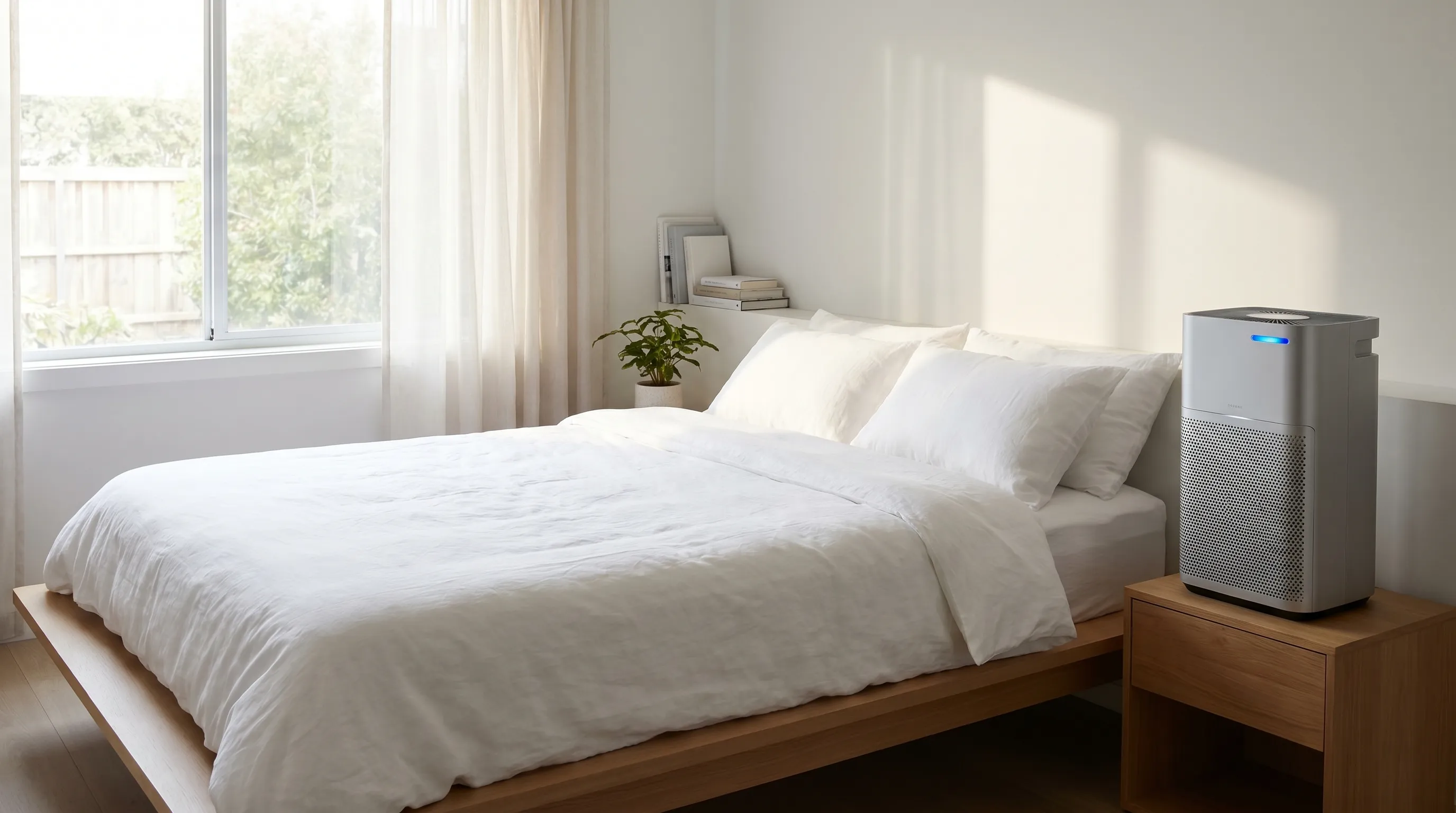
Creating an allergen-minimized bedroom is the most impactful first step. Dust mites are microscopic arthropods that thrive in warm, humid environments and feed on shed human skin cells. To significantly reduce their population, wash all bed linens, pillowcases, and blankets weekly in water heated to at least one hundred thirty degrees Fahrenheit (54°C). Encase mattresses and pillows in certified allergen-impermeable zippered covers. Remove heavy drapes, wall-to-wall carpeting, and decorative items that trap particulate matter.
Maintain indoor humidity between forty and fifty percent using a hygrometer and a cool-mist humidifier. Humidity levels below thirty percent dry out mucous membranes, while levels above sixty percent promote mold and dust mite proliferation. Place a high-efficiency particulate air (HEPA) purifier in the bedroom to capture airborne allergens, pet dander, and microscopic irritants. Run the purifier continuously at a low, quiet setting during sleep hours.
Evidence-Based Nasal Treatments and Routines
Topical therapies remain the cornerstone of rhinitis management. Intranasal corticosteroid sprays, such as fluticasone, mometasone, and budesonide, are universally recommended by the AAAAI as first-line treatments. Unlike oral antihistamines that primarily target sneezing and itching, nasal corticosteroids penetrate the mucosa and suppress the underlying inflammatory cascade, reducing tissue swelling and restoring normal airflow. Consistency is critical; these sprays typically require daily use for one to two weeks before reaching full therapeutic effect.
Pre-sleep saline irrigation is another highly effective intervention. Isotonic or hypertonic saline rinses physically flush allergens, thick mucus, and environmental irritants from the nasal cavity. The mechanical action also improves ciliary function and restores the optimal pH of the mucous membrane. Use a sterile saline packet mixed with distilled or previously boiled water. Irrigate thirty minutes before lying down to allow complete drainage. Avoid over-the-counter topical decongestant sprays for longer than three consecutive days to prevent rebound congestion and mucosal damage.
When to Seek Professional Medical Care
While home management strategies resolve the majority of cases, certain clinical presentations require specialized evaluation. Consult an ENT specialist or board-certified allergist if your symptoms persist beyond three weeks despite consistent environmental and pharmacological interventions. Seek immediate care if you experience unilateral nasal obstruction, frequent epistaxis (nosebleeds), loss of smell, severe facial pressure, fever, or visual disturbances. These symptoms may indicate chronic sinusitis, fungal infections, or structural abnormalities requiring imaging, endoscopy, or surgical intervention. A sleep study may also be ordered if OSA is suspected.
Comparison of Treatment Options
Understanding the differences between over-the-counter remedies, prescription therapies, and lifestyle modifications helps patients make informed, effective choices. The following table outlines the clinical applications, benefits, and limitations of common interventions for nocturnal nasal congestion.
| Treatment Modality | Primary Mechanism | Best For | Duration of Use | Potential Side Effects |
|---|---|---|---|---|
| Intranasal Corticosteroid Sprays | Reduces mucosal inflammation & immune response | Allergic & nonallergic rhinitis, chronic congestion | Long-term (daily maintenance) | Mild nasal dryness, occasional epistaxis |
| Saline Nasal Rinses | Mechanical clearance of allergens & mucus; improves hydration | Dry air irritation, mild allergies, post-nasal drip | Unlimited, as needed | None if sterile water is used; minor stinging if hypertonic |
| Oral Antihistamines (2nd gen) | Blocks H1 histamine receptors systemically | Seasonal allergies, sneezing, itchy eyes | As needed or daily | Mild drowsiness, dry mouth, urinary retention |
| Topical Decongestant Sprays | Rapid vasoconstriction of nasal blood vessels | Acute, short-term severe blockage | Maximum 3 days | Rebound congestion (rhinitis medicamentosa) |
| Allergen-Proof Bedding Covers | Physical barrier against dust mites & pet dander | Perennial allergic rhinitis, bedroom triggers | Long-term (years) | None; requires regular laundering of outer sheets |
| CPAP with Humidifier | Positive airway pressure + heated moisture | OSA with secondary nasal obstruction | Long-term nightly | Initial adaptation period, skin irritation from mask |
Frequently Asked Questions
Why does my nose get stuffier at night but clear up during the day?
Nasal congestion often worsens at night due to gravity causing increased blood flow to the head and nasal turbinates. When you lie flat, blood pools in the nasal tissues, causing them to swell. During the day, upright posture allows gravity to drain fluid and reduce swelling. Additionally, the body's circadian rhythm influences inflammation levels and cortisol production, which naturally drops at night, making you more sensitive to irritants.
Can my mattress or pillows cause morning nasal congestion?
Yes. Mattresses, pillows, and bedding are prime habitats for dust mites, pet dander, and mold spores. According to the American Academy of Allergy, Asthma & Immunology (AAAAI), perennial allergic rhinitis is frequently triggered by these indoor allergens. Prolonged exposure throughout the night leads to histamine release, resulting in significant morning stuffiness. Washing bedding weekly in hot water and using allergen-proof covers can dramatically reduce this effect.
Is drinking wine before bed making my nose stuffy in the morning?
Absolutely. The American Academy of Otolaryngology notes that alcohol consumption, particularly red wine, is a well-documented trigger for non-allergic rhinitis. Alcohol causes vasodilation, which widens the blood vessels in your nasal passages and increases swelling. Red wine also contains histamines and sulfites that can directly irritate nasal mucous membranes, leading to pronounced congestion upon waking.
How long can I safely use over-the-counter decongestant nasal sprays?
Decongestant nasal sprays containing oxymetazoline or phenylephrine should never be used for more than three consecutive days. Prolonged use leads to a condition called rhinitis medicamentosa, or rebound congestion, where the nasal tissues become dependent on the medication and swell even more once the spray wears off. For long-term relief, nasal corticosteroid sprays are recommended under medical supervision.
When should I see a doctor for chronic morning nasal congestion?
You should consult an ENT specialist or allergist if your congestion persists for more than 10-14 days without improvement, is accompanied by facial pain, fever, thick discolored mucus, frequent nosebleeds, or loud snoring with breathing pauses during sleep. Chronic symptoms may indicate underlying issues like nasal polyps, a deviated septum, obstructive sleep apnea, or untreated gastroesophageal reflux disease (GERD) that require professional diagnosis and targeted treatment.
Conclusion
Persistent morning nasal congestion is rarely a random occurrence or an inevitable part of aging. It is a measurable physiological response to gravity, environmental exposures, inflammatory pathways, and sometimes underlying anatomical or systemic conditions. When you stop asking why do i wake up with a stuffy nose as a vague complaint and start analyzing it as a specific clinical puzzle, you unlock highly effective, targeted solutions. By optimizing your sleep environment, utilizing evidence-based nasal therapies, monitoring lifestyle triggers like evening alcohol consumption, and recognizing when to seek specialized care, you can consistently wake up breathing freely. Prioritize nasal health, maintain consistency with your treatment routine, and consult qualified medical professionals for persistent symptoms to ensure your nights remain restful and your mornings start with clear, unrestricted breathing.
For further reading on clinical guidelines for rhinitis management and sleep-related breathing disorders, visit authoritative sources such as the Mayo Clinic nasal congestion overview, the AAAAI rhinitis guidelines), the ENT Health rhinitis resource, and the NHLBI sleep apnea information. Always consult with a licensed healthcare provider before initiating new treatments or altering prescription regimens.
How we work
Researched and drafted with AI assistance, then reviewed by a human editor against the cited sources.
This article is general health information, not medical advice. Consult a qualified healthcare professional about your own situation.