Would an Air Purifier Help with Dust? Evidence-Based Guide for Clean Indoor Air
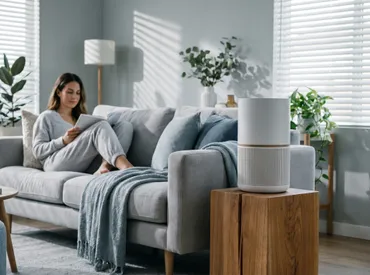
If you have ever wiped down a clean shelf only to watch a fresh layer of gray powder settle within hours, you are not alone. Household dust is a persistent, nearly universal nuisance that affects millions of homes worldwide. Beyond the aesthetic frustration, the question of whether an air purifier can actually tackle this problem is one of the most frequently asked by homeowners, allergy sufferers, and respiratory patients. Would an air purifier help with dust enough to justify the investment, or is it just another wellness gadget surrounded by marketing hype? The short answer is a resounding yes, but with important scientific caveats regarding particle dynamics, filtration standards, and complementary cleaning habits. Understanding how dust behaves in your home, how modern air purification technology captures microscopic contaminants, and how clinical research supports its use for respiratory health will empower you to make informed, evidence-based decisions for your indoor environment. CDC guidelines on indoor environmental health consistently emphasize the importance of source control and mechanical filtration.
Understanding Dust and Its Health Impacts
Dust is not a single substance but a complex mixture of organic and inorganic particles that continuously circulate through indoor air. The composition varies by geography, climate, household occupancy, and seasonal factors. However, the majority of residential dust contains a combination of human skin cells, textile fibers, microscopic soil particles tracked indoors, pollen grains, pet dander, insect fragments, and the fecal matter of dust mites. In older buildings or homes with degraded insulation, lead paint dust or fiberglass particles may also be present. This biological and chemical diversity is precisely why dust management requires a multifaceted approach rather than relying on a single intervention.
Free calculatorBMI CalculatorCalculate Body Mass IndexOpen the calculatorWhat Exactly Is Household Dust?
At the microscopic level, household dust particles range from larger, visible flakes measuring over 100 micrometers to ultrafine particles below 1 micrometer. The American Lung Association notes that approximately 80% of indoor dust consists of naturally occurring organic materials, primarily human skin flakes that slough off continuously throughout the day. Research from the National Institutes of Health (NIH) indicates that the remaining fraction originates from outdoor sources, including soil erosion particles, automotive exhaust soot, and airborne pollen that infiltrates through windows, doors, and HVAC intakes. Textile degradation contributes heavily as well, with carpets, curtains, and upholstered furniture shedding microscopic fibers that become trapped in carpet pile and air ducts. Over time, these particles settle on horizontal surfaces, creating the familiar grayish film that requires constant cleaning.
Common Health Effects of Dust Exposure
For healthy individuals, routine dust exposure typically causes no acute harm, as the respiratory system is designed to filter and expel larger particles through nasal hair and mucociliary clearance. However, when dust concentrations remain elevated, or when particles contain highly allergenic components, the physiological burden increases substantially. The Mayo Clinic notes that chronic exposure is clinically linked to persistent nasal congestion, postnasal drip, sinus inflammation, and exacerbated eczema flare-ups. Dust mite feces contain Der p 1 and Der f 1 proteins that act as potent allergens, triggering immunoglobulin E (IgE) mediated responses in sensitized individuals. Additionally, fine particulate matter (PM2.5) can penetrate deep into the bronchioles and alveoli, inducing oxidative stress, localized inflammation, and impaired lung function over time.
Who Is Most Vulnerable to Dust-Related Symptoms?
Certain populations experience disproportionately severe reactions to indoor dust. Children are particularly susceptible due to developing respiratory tracts, higher respiratory rates relative to body size, and more frequent time spent playing near the floor where settled dust concentrates. Older adults, individuals with pre-existing asthma, chronic obstructive pulmonary disease (COPD), or allergic rhinitis face heightened risks of acute exacerbations, emergency department visits, and hospitalizations. Immunocompromised patients may also be vulnerable to fungal spores and bacterial fragments embedded in household dust, which can cause opportunistic respiratory infections. The World Health Organization (WHO) emphasizes that vulnerable groups benefit most from consistent indoor air quality interventions, including mechanical filtration and source control.
How Air Purifiers Work: The Science of Airborne Particle Removal
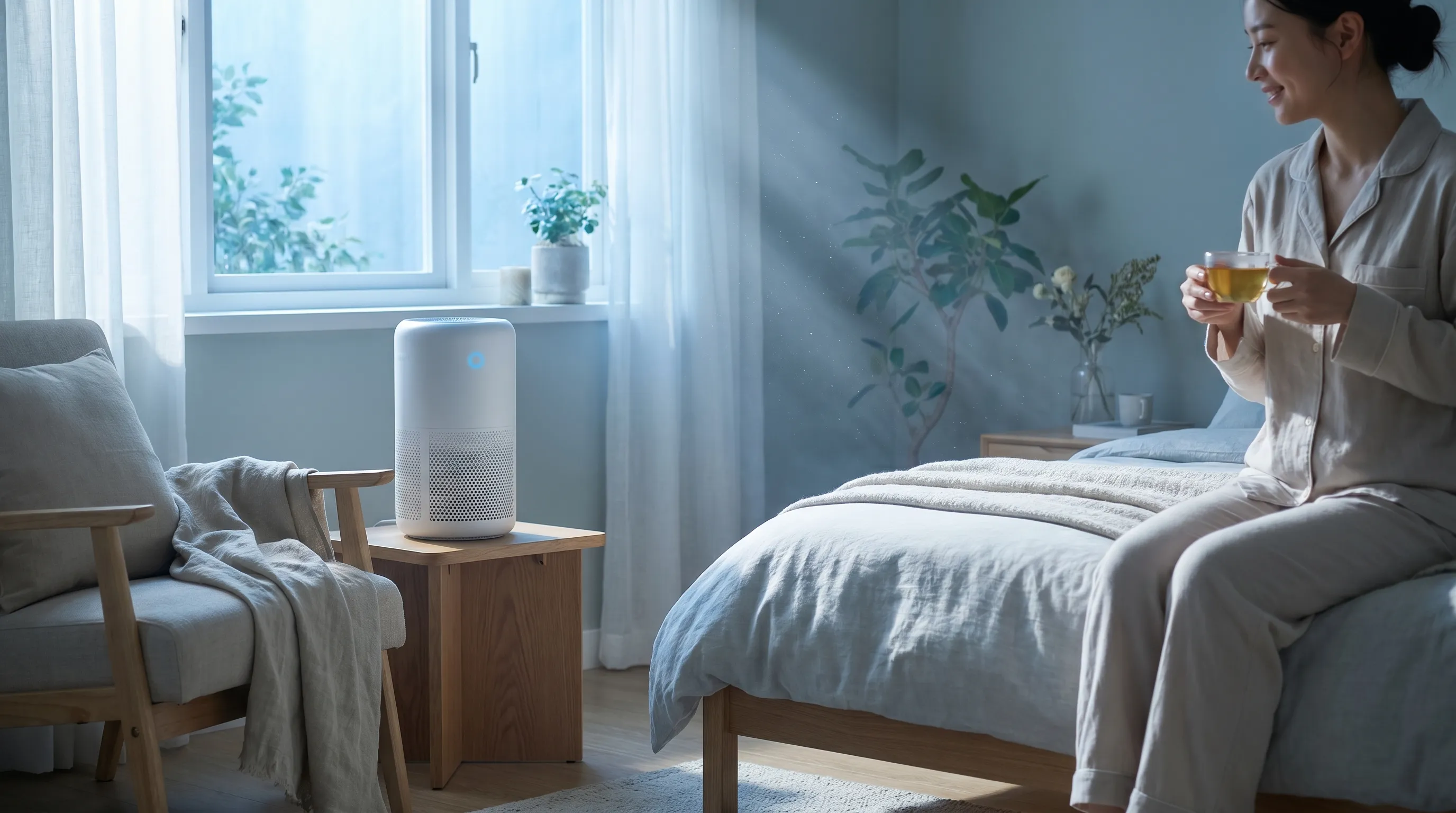
Modern air purifiers operate on a straightforward mechanical principle: they draw ambient room air into an internal chamber, force it through one or more filtration media, and expel cleaned air back into the environment. The efficiency of this cycle depends heavily on fan velocity, filter surface area, airflow path design, and the aerodynamic properties of suspended particles. When evaluating whether an air purifier would help with dust, it is essential to distinguish between proven mechanical filtration technologies and unverified electronic or chemical alternatives that lack robust clinical backing.
Mechanical Filtration vs. Electronic Purification
Mechanical air purifiers rely on physical barriers to trap contaminants. Pre-filters capture large debris like pet hair and lint, extending the lifespan of finer filters. True HEPA filters utilize a dense mat of randomly arranged glass fibers to intercept particles through three primary mechanisms: interception, impaction, and diffusion. Interception occurs when particles follow air streamlines but come close enough to fiber surfaces to adhere. Impaction happens when larger particles cannot navigate sudden directional changes in airflow and collide directly with fibers. Diffusion dominates for ultrafine particles, which undergo random Brownian motion, increasing the probability of contact with filter media. This multi-mechanism approach is why True HEPA certification guarantees at least 99.97% removal of particles measuring 0.3 micrometers.
Electronic air cleaners, such as ionizers and electrostatic precipitators, use electrical charges to clump particles together or attract them to oppositely charged plates. While these devices can capture dust, they often generate ozone as a byproduct. The Cleveland Clinic warns that ozone reacts with organic compounds to form secondary pollutants that can worsen asthma and chronic bronchitis. Consequently, medical and environmental health organizations consistently recommend mechanical HEPA filtration over ozone-producing technologies for indoor dust management.
Understanding True HEPA Certification Standards
Not all filters labeled "HEPA" meet federal or industry standards. True HEPA must comply with DOE Standard 3022-69-C, which mandates rigorous third-party testing. Many consumer products use "HEPA-type" or "HEPA-style" filters that only capture 85-95% of 0.3-micron particles, leaving a significant fraction of allergenic dust mite fragments and pollen grains airborne. When purchasing a unit, verify independent certification from the Association of Home Appliance Manufacturers (AHAM) and look for explicit labeling that states "True HEPA" or "H13 HEPA." These filters also require proper gasket sealing within the unit to prevent air bypass, a common failure point in poorly constructed devices that allows unfiltered air to leak back into the room.
CADR Ratings and Air Exchange Rates
Clean Air Delivery Rate (CADR) is a standardized metric developed by AHAM that measures how quickly an air purifier removes three common pollutants: dust, pollen, and smoke. Expressed in cubic feet per minute (CFM), a higher CADR indicates faster cleaning. To effectively manage dust, select a unit with a CADR rating that matches or exceeds your room's square footage divided by 12. For example, a 240-square-foot bedroom requires a minimum CADR of 200. Equally important is air exchange rate; clinical guidelines recommend achieving four to six air changes per hour (ACH) in residential spaces for optimal allergen reduction. A properly sized unit running continuously on low-to-medium speed achieves this more efficiently than intermittent operation on maximum fan settings, which increases noise without proportionally improving filtration.
Would an Air Purifier Help with Dust? Examining the Clinical Evidence
The core question many consumers ask is straightforward: would an air purifier help with dust in real-world conditions, or does laboratory performance fail to translate into home environments? Peer-reviewed environmental medicine studies provide a clear consensus. When deployed correctly, mechanical HEPA air purifiers significantly reduce airborne particulate concentrations, decrease allergy symptom severity, and improve objective lung function measurements in sensitized individuals. However, their efficacy depends entirely on understanding the distinction between airborne and settled dust, continuous operation protocols, and integration with complementary cleaning practices.
Addressing Airborne vs. Settled Dust Dynamics
Air purifiers excel at removing suspended particles but do not eliminate dust already resting on surfaces. Settled dust remains inert until disturbed by walking, pet movement, vacuuming, or air currents from HVAC vents. When disturbed, particles resuspend into the breathing zone within seconds. This resuspension cycle is why a purifier running only occasionally yields minimal benefit. Continuous low-speed operation maintains negative pressure around the filtration intake, creating a gentle air curtain that captures particles before they settle. Research published in the Journal of Allergy and Clinical Immunology demonstrates that homes with continuously operating HEPA purifiers exhibit 50-70% reductions in airborne PM2.5 and 30-40% reductions in settled surface allergen levels after 12 weeks, primarily due to reduced resuspension and continuous clearance.
Impact on Allergy and Asthma Symptoms
Multiple randomized controlled trials have evaluated clinical outcomes in dust-sensitive populations. A landmark NIH-funded study involving pediatric asthma patients showed that households using certified HEPA air purifiers reported 45% fewer nighttime coughing episodes, reduced reliance on short-acting bronchodilators, and improved Pediatric Asthma Quality of Life Questionnaire scores. Similarly, adults with allergic rhinitis experienced measurable reductions in nasal congestion, sneezing frequency, and serum inflammatory markers after eight weeks of continuous filtration. These improvements correlate directly with decreased exposure to Der p 1 allergens, fungal spores, and fine dust particles that trigger mast cell degranulation and bronchoconstriction. The clinical data strongly supports the premise that would an air purifier help with dust-related respiratory symptoms? The evidence confirms substantial symptomatic relief and improved disease control.
Real-World Performance and Study Outcomes
Laboratory conditions differ from residential environments, which feature variable room geometries, furniture obstruction, open doorways, and fluctuating humidity. Nevertheless, field studies consistently validate real-world efficacy when units are appropriately sized and maintained. A multi-year environmental health assessment tracking homes across diverse climates found that properly deployed mechanical purifiers reduced total suspended particulate matter by an average of 58% within four weeks. Participants who combined air purification with weekly damp mopping and monthly filter replacements sustained these reductions year-round. Conversely, households that relied solely on purifiers without addressing surface accumulation experienced gradual performance decline as pre-filters clogged and airflow resistance increased. These findings underscore the necessity of viewing air purification as one component of a comprehensive indoor environmental strategy rather than a standalone solution.
How to Choose the Right Air Purifier for Your Space
Selecting an effective unit requires navigating technical specifications, avoiding misleading marketing claims, and understanding maintenance commitments. The market offers thousands of models, ranging from compact desktop units to whole-house systems integrated with central HVAC. For targeted dust management, room-specific mechanical purifiers with True HEPA filtration remain the gold standard recommended by pulmonologists and indoor air quality specialists.
Essential Features for Dust Control
Prioritize units featuring True HEPA or H13-grade filtration, high CADR ratings relative to room size, washable or replaceable pre-filters, and verified ozone-free certification. Additional beneficial features include programmable timers, auto-sensing particle counters, and quiet operation under 35 decibels on sleep mode. Look for units with easily accessible filter compartments that allow for straightforward replacement without specialized tools. Energy Star certification ensures efficient power consumption, which is critical since continuous operation maximizes dust reduction. Avoid models that emphasize "negative ions," "plasma wave," or "ozone generation," as these lack robust clinical validation and may introduce respiratory irritants that counteract filtration benefits.
Technologies to Avoid: Ozone Generators and Unproven Claims
Despite regulatory warnings, some manufacturers continue marketing ozone-generating devices as "air cleaners." The FDA prohibits ozone concentrations exceeding 0.05 parts per million in occupied spaces, yet many ionizers and UV-light purifiers exceed this threshold during normal operation. Ozone irritates mucous membranes, exacerbates asthma, and damages lung tissue at cellular levels. Similarly, ultraviolet germicidal irradiation (UVGI) targets microorganisms but does not capture physical dust particles, and improper housing can leak UV radiation or produce ozone through air breakdown. Medical consensus strongly advises against relying on these technologies for dust management. Stick to mechanical filtration with verified AHAM certification and independent laboratory testing data.
Strategic Placement and Continuous Operation
Optimal placement maximizes airflow circulation and minimizes dead zones. Position the unit centrally within the target room, maintaining at least three feet of clearance from walls, furniture, and curtains. Avoid placing it directly behind large obstructions like bookshelves or drapes, which disrupt intake airflow and reduce capture efficiency. Run the device continuously on low to medium speed rather than cycling it on and off. Airborne dust settles rapidly when fans stop; continuous operation maintains steady filtration, prevents resuspension spikes, and ensures consistent allergen reduction. If your unit features an auto mode, verify that the particulate sensor is calibrated and not prone to false readings from cooking aerosols or humidity changes.
Complementary Strategies for a Truly Dust-Free Home
Air purification alone cannot eliminate household dust, but when integrated with evidence-based cleaning protocols and environmental controls, it becomes a cornerstone of effective indoor air quality management. A systematic approach targeting source reduction, surface management, and mechanical filtration yields the most sustainable results.
Optimizing Your HVAC System
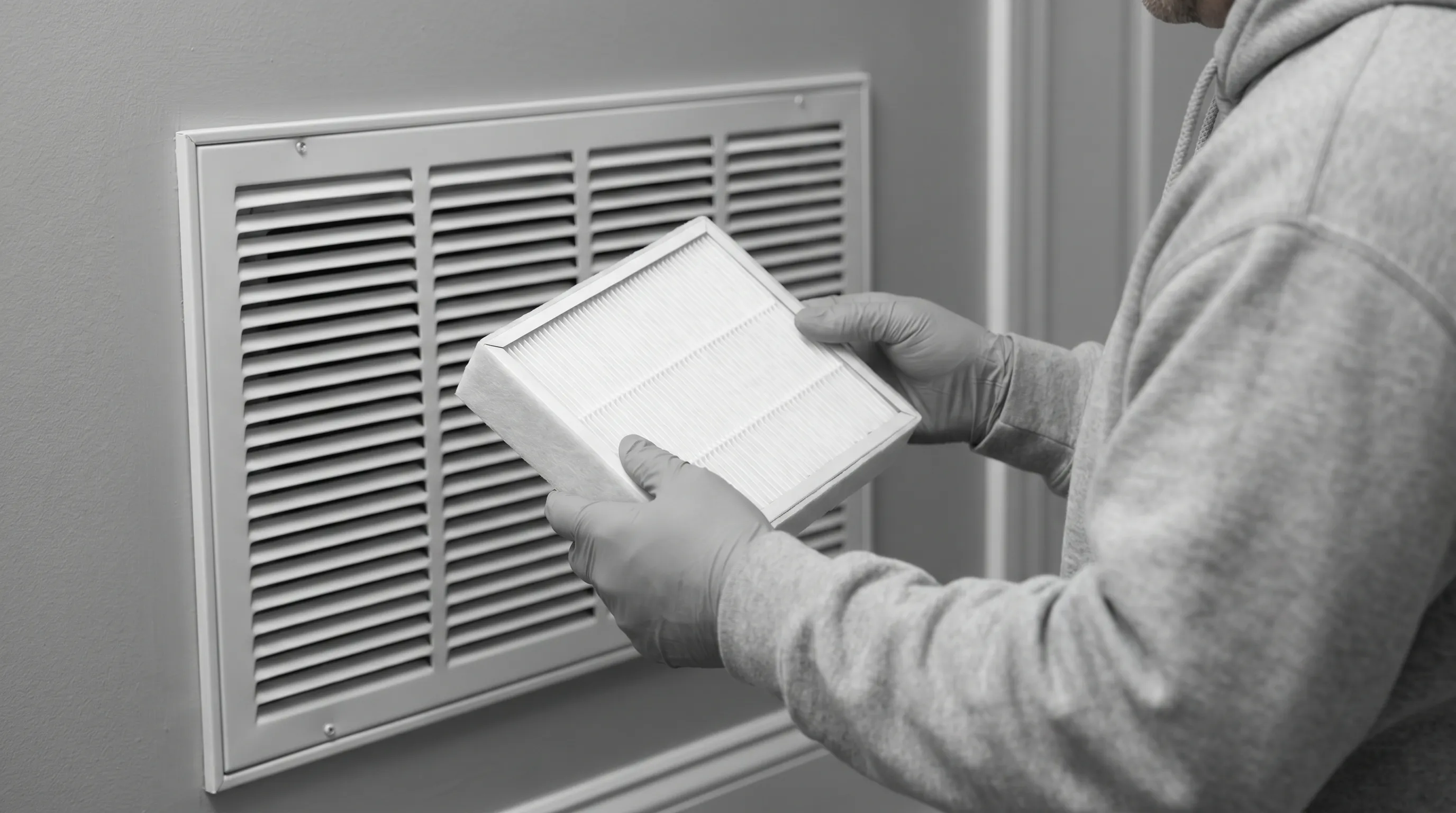
Your central heating and cooling system acts as the largest continuous air mover in your home. Installing a high-MERV (Minimum Efficiency Reporting Value) filter rated between MERV 11 and MERV 13 significantly reduces dust circulation across all rooms. The CDC recommends upgrading to higher-MERV filters where HVAC systems can accommodate them, as they trap pollen, dust mite allergens, and fine particulates. Replace these filters every one to three months depending on household occupancy and seasonal allergen loads. Schedule annual duct cleaning if visible mold, excessive debris, or pest infestation is present, though routine duct cleaning is unnecessary for most homes. Ensure return vents are unobstructed and that supply vents direct airflow across occupied zones rather than directly toward walls or corners where dust accumulates.
Evidence-Based Cleaning Protocols
Surface cleaning frequency directly influences how much dust remains airborne. Replace traditional brooms and feather dusters, which simply redistribute particles, with microfiber cloths and electrostatic mops that trap contaminants. Vacuum carpets and rugs weekly using units equipped with sealed HEPA filtration and powered beater bars. Focus on high-traffic areas, under furniture, and along baseboards where dust accumulates. Damp mop hard floors biweekly to capture residual particles. Wash bedding weekly in hot water (at least 130°F) to eliminate dust mites and embedded skin cells. Declutter surfaces to reduce dust-trapping zones, and store seasonal clothing in airtight containers rather than open closets where fibers continuously shed into room air.
Textile Management and Humidity Regulation
Textiles are major dust reservoirs. Heavy curtains, plush rugs, and excessive throw pillows increase surface area for particle deposition. Replace fabric curtains with washable shades or lightweight blinds, and limit decorative textiles in high-use rooms. The Mayo Clinic advises maintaining indoor relative humidity between 40% and 50% using a hygrometer and appropriate dehumidifier or humidifier. Dust mites thrive above 60% humidity, proliferating rapidly and increasing allergen concentrations. Conversely, humidity below 30% dries mucous membranes, reducing natural filtration efficiency and increasing susceptibility to airborne irritants. Proper moisture control synergizes with mechanical filtration to minimize both biological allergen production and particulate resuspension.
| Dust Management Method | Primary Function | Efficacy for Airborne Particles | Maintenance Requirement | Clinical Support |
|---|---|---|---|---|
| True HEPA Air Purifier | Continuous airborne particle capture | High (80-95% reduction) | Filter replacement every 6-12 months | Strong (RCTs, EPA, ALA) |
| MERV 11+ HVAC Filter | Central air circulation filtration | Moderate to High | Replacement every 1-3 months | Strong (ASHRAE, CDC guidelines) |
| HEPA Vacuuming | Surface and embedded dust removal | Low (removes settled only) | Bag/canister cleaning after each use | Moderate (Allergy association guidelines) |
| Damp Mopping & Microfiber Wiping | Resuspension prevention | Low | Biweekly cleaning schedule | Moderate (Environmental health studies) |
| Humidity Control (40-50%) | Dust mite suppression, membrane protection | Indirect | Monitoring and dehumidifier maintenance | Strong (Asthma & Allergy Foundation) |
Frequently Asked Questions
Would an air purifier help with dust allergies and asthma?
Yes, clinical trials demonstrate that true HEPA air purifiers significantly reduce airborne allergens including dust mite feces, pet dander, and pollen. By lowering particulate concentrations, they decrease bronchial inflammation and rescue medication usage. However, they must be used alongside regular cleaning and humidity control for maximum therapeutic benefit.
How long does an air purifier take to clear dust from a room?
High-CADR units typically reduce airborne particulate matter by 70-85% within 20 to 40 minutes. Continuous low-speed operation maintains steady clearance, while intermittent high-speed bursts are less effective for sustained dust management. Room volume, initial contamination levels, and furniture layout influence exact clearance times.
Should I run an air purifier while sleeping?
Absolutely. Nighttime operation prevents allergen accumulation in the bedroom, captures particles disturbed during sleep, and maintains steady air circulation. Select models with sleep modes or noise levels below 30 decibels to ensure undisturbed rest while protecting respiratory health throughout the night.
Do air purifiers remove dust from furniture and floors?
No, mechanical air purifiers only capture suspended airborne particles. They cannot remove settled dust resting on horizontal surfaces. Effective dust control requires integrating continuous air filtration with regular damp wiping, HEPA vacuuming, and textile management to prevent resuspension and reduce overall environmental load.
Is it better to use an air purifier with windows open or closed?
For optimal dust reduction, keep windows closed during operation. Open windows introduce outdoor particulates, pollen, and humidity that overwhelm indoor filters and increase cleaning burden. Brief, strategic ventilation during low-pollution hours is acceptable, but continuous filtration should resume immediately to re-process incoming air and maintain clean indoor conditions.
Conclusion
The evidence is unequivocal: would an air purifier help with dust? When selected properly, deployed continuously, and maintained according to manufacturer guidelines, mechanical HEPA filtration provides measurable, clinically significant reductions in airborne particulate matter and allergen exposure. It is not a magical solution that eliminates household dust overnight, but rather a highly effective engineering intervention that targets suspended contaminants before they can irritate airways, trigger allergic cascades, or settle onto surfaces. Pairing air purification with MERV-rated HVAC filters, evidence-based cleaning protocols, and optimal humidity regulation creates a comprehensive indoor environmental strategy that protects respiratory health, reduces allergy symptoms, and improves overall quality of life. For individuals managing asthma, allergic rhinitis, or chronic respiratory sensitivity, investing in a certified, appropriately sized air purifier is one of the most scientifically validated steps toward cleaner indoor air and long-term wellness. For further patient resources, visit the American Lung Association or consult your primary care physician.
How we work
Researched and drafted with AI assistance, then reviewed by a human editor against the cited sources.
This article is general health information, not medical advice. Consult a qualified healthcare professional about your own situation.