Pericoronitis Home Cure: Evidence-Based Relief for Wisdom Tooth Inflammation

Wisdom tooth eruption rarely follows a perfectly smooth path. For millions of adults, the partial emergence of third molars creates a vulnerable gingival pocket known as an operculum, where food debris, plaque, and pathogenic bacteria easily accumulate. When this localized environment becomes inflamed, painful, and occasionally infected, the condition is medically classified as pericoronitis. Navigating the discomfort of swollen gums, jaw stiffness, and radiating pain requires a strategic, evidence-based approach. Fortunately, many mild to moderate flare-ups can be effectively managed through a structured pericoronitis home cure that prioritizes gentle hygiene, targeted antimicrobial rinses, and consistent anti-inflammatory care. This comprehensive guide explores clinically supported self-care protocols, explains the underlying physiology of gum flap inflammation, and provides actionable steps to safely reduce discomfort while monitoring for signs that necessitate professional dental intervention. Whether you are experiencing a sudden onset of tenderness behind your molars or managing recurrent irritation, understanding how to properly care for the operculum can prevent complications and promote optimal oral healing.
What Is Pericoronitis? Understanding the Condition
Pericoronitis is a localized inflammatory condition that occurs when the gingival tissue covering a partially erupted tooth becomes irritated, swollen, and occasionally infected. The term itself derives from the Greek words "peri" (around), "coron" (crown), and "itis" (inflammation), accurately describing the clinical presentation. It most frequently affects the mandibular third molars, commonly referred to as lower wisdom teeth, due to their angulated eruption patterns and limited space within the jaw arch. When a tooth fails to fully emerge through the gingiva, a flap of gum tissue remains draped over the tooth crown, creating a protected microenvironment where oral bacteria thrive.
Free calculatorWater Intake CalculatorCalculate daily water needsOpen the calculatorThe Anatomy of the Operculum and Its Vulnerability
The operculum is not a pathological structure; it is a natural consequence of incomplete tooth eruption. This gingival flap attaches loosely to the underlying alveolar bone and partially covers the occlusal surface of the emerging molar. Because it lacks a firm, keratinized seal, it acts as a mechanical trap for food particles, salivary proteins, and desquamated epithelial cells. The space beneath the flap is notoriously difficult to clean with standard toothbrushing techniques. Within hours of eating, a biofilm of Streptococcus mutans, Prevotella intermedia, and Peptostreptococcus begins to colonize this stagnant niche, contributing to periodontal disease progression. As bacterial metabolites accumulate, the localized immune system responds with vasodilation, increased capillary permeability, and neutrophil recruitment. The resulting inflammation manifests as erythema, edema, and tenderness. Without intervention, the biofilm matures into dental calculus, further cementing the inflammatory cycle and compromising the periodontal attachment.
Why Impacted Wisdom Teeth Trigger Chronic Inflammation
The mechanical dynamics of a partially impacted third molar significantly exacerbate tissue irritation. Upper wisdom teeth may occasionally bite directly onto the lower operculum during mastication, causing traumatic compression that accelerates swelling and ulceration. This opposing-tooth trauma is a primary catalyst for recurrent pericoronitis, transforming a manageable irritation into a cyclical inflammatory disorder. Additionally, limited oral clearance in the retromolar region means that natural salivary flushing is less effective at removing debris. Hormonal fluctuations, systemic stress, sleep deprivation, and transient immunosuppression can further tip the balance, allowing commensal oral flora to become opportunistic pathogens. Recognizing these biomechanical and microbial triggers is essential for implementing a pericoronitis home cure that addresses both symptom relief and underlying etiological factors.
Recognizing the Early Warning Signs and Symptoms
Accurate self-assessment distinguishes routine eruption tenderness from active pericoronitis. Early recognition allows individuals to initiate conservative management before inflammation escalates into a clinically significant infection. The progression typically follows a predictable pattern, beginning with localized discomfort and potentially advancing to functional impairment.
Localized Oral Indicators of Active Flare-Ups
The earliest clinical manifestation is usually a dull, throbbing ache centered around the distal aspect of the second molar or directly over the partially erupted wisdom tooth. The gingival tissue appears visibly swollen, reddened, and glossy due to interstitial fluid accumulation. Gentle pressure with a tongue or fingertip reveals marked tenderness, and in some cases, slight bleeding occurs when manipulating the flap. A persistent foul taste or halitosis develops as anaerobic bacteria metabolize trapped proteins into volatile sulfur compounds. Patients frequently report a sensation of something being "stuck" behind the molar, even after rigorous rinsing. The affected area may feel warm to the touch, indicating localized hyperemia and increased metabolic activity as immune cells combat microbial colonization. These localized signs constitute the foundational presentation of early-stage inflammation that responds favorably to targeted oral care.
Systemic Signals That Require Immediate Attention
When the bacterial load overwhelms the local immune barrier, inflammation extends beyond the gingival margins into adjacent musculature and fascial planes. Trismus, or reduced mouth opening, emerges as the masseter and pterygoid muscles react defensively to inflammation. Swelling may become visible externally along the mandibular border or cheek. Systemic involvement introduces additional red flags: low-grade fever, malaise, cervical lymphadenopathy (tender, swollen lymph nodes beneath the jaw), and occasionally dysphagia or odynophagia if swelling tracks posteriorly. Purulent exudate, characterized by yellow-green discharge with a distinctly putrid odor, signals suppuration and active tissue breakdown. At this juncture, the clinical picture transitions from localized gingivitis to a spreading odontogenic infection. Monitoring these systemic indicators is critical for determining when home management transitions from appropriate to insufficient. Prompt dental evaluation becomes mandatory if symptoms compromise airway safety, swallowing mechanics, or daily functional capacity.
Evidence-Based Strategies for a Pericoronitis Home Cure
Implementing a structured pericoronitis home cure requires shifting from reactive symptom suppression to proactive microbial control and tissue support. The following protocols leverage pharmacological principles, mechanical debridement techniques, and physiological healing pathways to restore equilibrium to the inflamed operculum.
Therapeutic Saltwater and Alkaline Rinses for Microbial Management
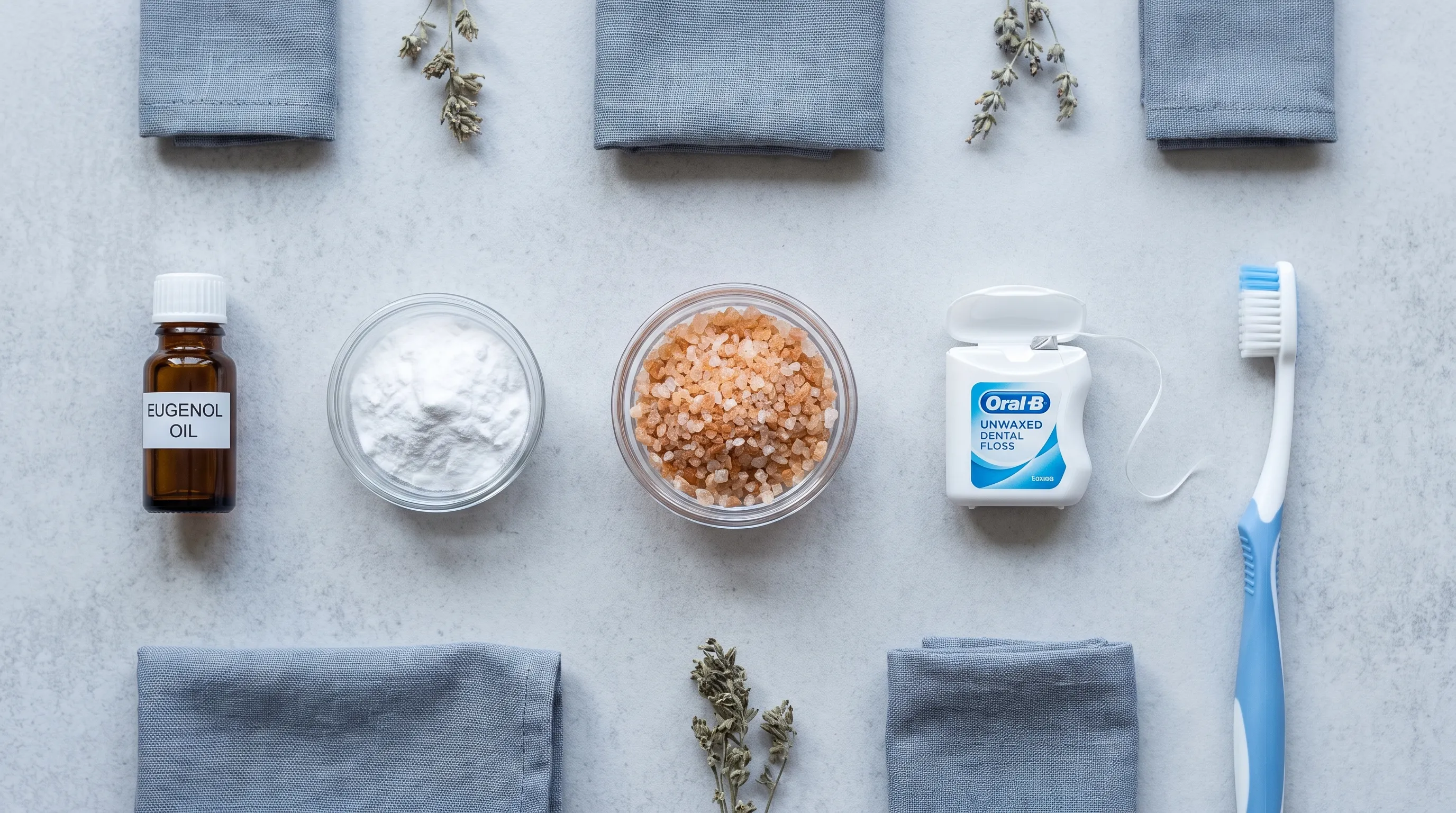
Warm saline irrigation remains the cornerstone of conservative periodontal therapy and is widely endorsed in oral hygiene guidelines. A hypertonic solution creates an osmotic gradient that draws excess fluid out of edematous tissues, naturally reducing swelling and discomfort. More importantly, the alkaline environment temporarily shifts oral pH above the threshold where acidophilic pathogens thrive, while the mechanical flushing action dislodges loosely adherent food debris and immature biofilm. To prepare a therapeutic rinse, dissolve one-half teaspoon of non-iodized sea salt or fine table salt into eight ounces of lukewarm distilled or filtered water. The temperature should be comfortable but not hot, typically between 98°F and 104°F, to avoid vasodilation-induced pain. Swish vigorously for thirty seconds, directing the liquid toward the posterior quadrant, then spit. Repeat this protocol four to six times daily, especially after meals and before bedtime. For enhanced debridement, a mild baking soda adjunct (one-eighth teaspoon) can be added to increase the buffering capacity, neutralizing bacterial acids and promoting a healing microenvironment. Clinical studies consistently demonstrate that consistent saline irrigation reduces gingival index scores and accelerates epithelial repair in partially erupted molars.
Clove Oil, Eugenol, and Natural Antimicrobial Adjuncts
Syzygium aromaticum, commonly known as clove, contains eugenol, a phenolic compound with extensively documented antimicrobial and analgesic properties. Eugenol temporarily blocks voltage-gated sodium channels in nociceptive nerve endings, providing localized pain relief while simultaneously disrupting bacterial cell membranes and inhibiting biofilm formation. When selecting a pericoronitis home cure involving botanical agents, purity and dilution are paramount. Never apply raw essential oil directly to mucosal tissue, as its caustic nature can induce chemical burns and delay healing. Instead, mix one drop of pharmaceutical-grade clove oil with one teaspoon of carrier oil such as olive or coconut oil. Using a clean cotton swab or micro-applicator, gently dab the diluted solution onto the inflamed operculum, avoiding excessive saturation. Hold for thirty to sixty seconds, then rinse lightly. This targeted application can be repeated two to three times daily during acute flare-ups. Research published in dental pharmacology journals confirms that eugenol-based preparations effectively reduce pain scores and bacterial counts comparable to mild topical anesthetics, without the associated systemic side effects. Always perform a patch test on the inner forearm before intraoral use to rule out hypersensitivity reactions.
Over-the-Counter Pain Management and Anti-Inflammatory Protocols
When mechanical debridement and topical agents are insufficient for comfort, systemic anti-inflammatory medications become a necessary component of care. Nonsteroidal anti-inflammatory drugs (NSAIDs) such as ibuprofen or naproxen inhibit cyclooxygenase enzymes, reducing prostaglandin synthesis and directly attenuating both pain perception and vascular permeability in the gingival tissues, aligning with standard dental pain management recommendations. A typical adult regimen involves 200 to 400 milligrams of ibuprofen every six to eight hours with food, not exceeding 1,200 milligrams daily without medical supervision. Acetaminophen serves as an effective alternative for individuals with gastrointestinal contraindications to NSAIDs, though it lacks significant anti-inflammatory activity and primarily addresses pain signaling. Topical benzocaine gels provide temporary numbing but should be used sparingly due to the rare risk of methemoglobinemia and mucosal irritation. Always consult a pharmacist or healthcare provider if managing comorbid conditions, pregnancy, or concurrent medication use. Pharmacological support bridges the gap between microbial reduction and tissue regeneration, ensuring adequate rest and comfort during the acute phase.
Precision Oral Hygiene During Active Flare-Ups
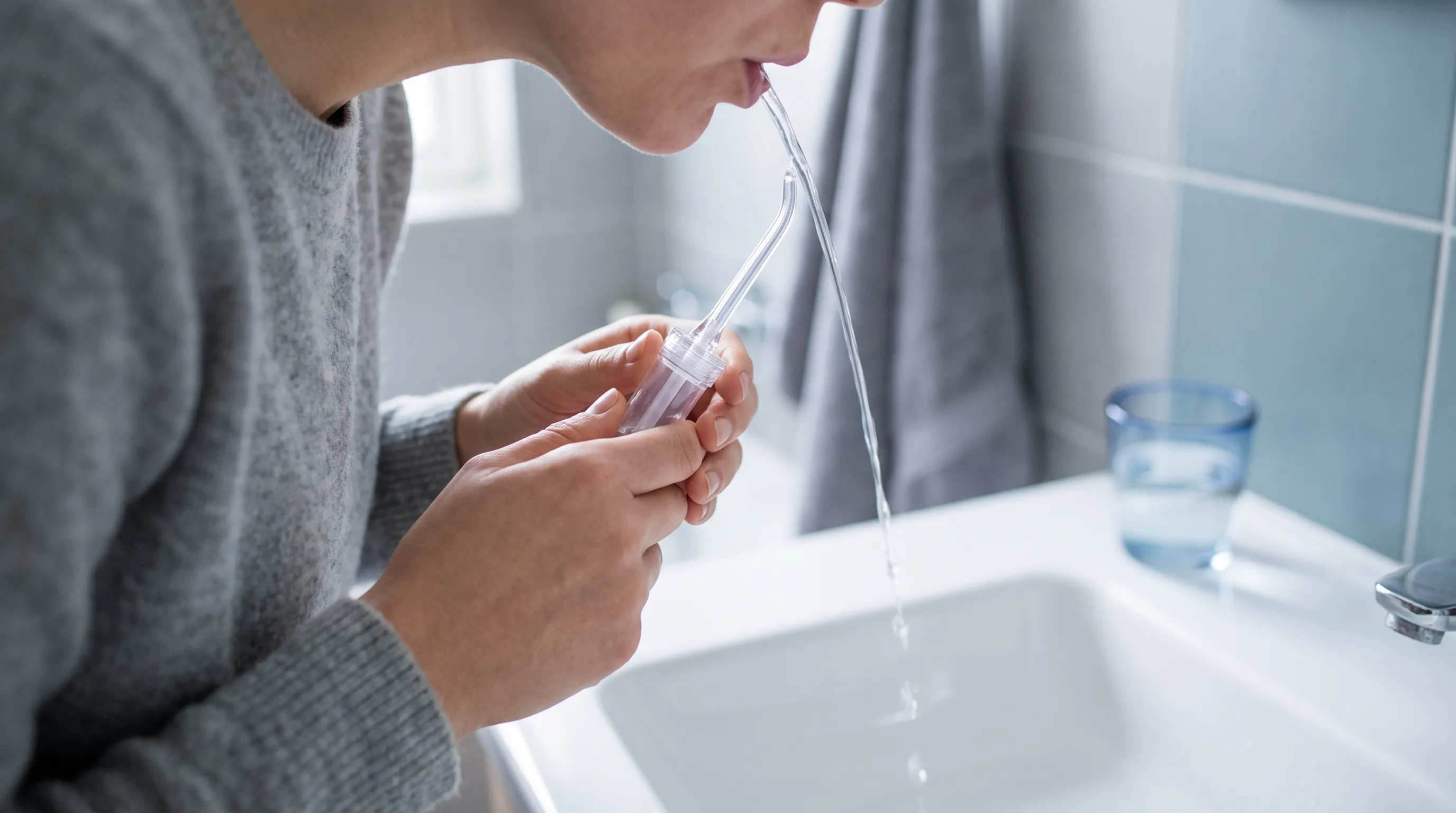
Maintaining plaque control around an inflamed wisdom tooth requires technique modification rather than forceful brushing. Aggressive scrubbing traumatizes fragile capillaries, exacerbates edema, and potentially drives bacteria deeper into the gingival crevice. Replace standard brushing with a soft-bristled, small-headed toothbrush designed for sensitive gingival margins. Employ the modified Bass technique to gently angle bristles toward the gum line, apply minimal pressure, and execute gentle vibratory motions for two minutes. Interdental cleaning shifts from standard floss to tapered interdental brushes or water flossers equipped with a soft gum tip. When irrigating, direct the stream parallel to the tooth surface rather than perpendicularly into the flap, which can force debris apically. Tongue scraping and thorough cheek brushing reduce overall oral bacterial load, indirectly lowering the pathogenic potential near the affected quadrant. Consistency in these refined hygiene practices prevents biofilm maturation, making a pericoronitis home cure significantly more effective over the long term.
Step-by-Step Daily Protocol for Managing Gum Flap Inflammation
Successful resolution of opercular inflammation relies on structured routine rather than sporadic intervention. The following protocol integrates mechanical cleaning, chemical decontamination, and physiological support into a reproducible daily framework.
Morning Routine for Optimal Plaque Control
Begin upon waking with a gentle, room-temperature saline rinse to clear overnight bacterial proliferation and stagnant salivary proteins. Follow with a thorough two-minute brush using fluoride toothpaste, paying particular attention to the distal surfaces of the second and third molars without aggressive scraping. Utilize a curved-tip irrigation syringe or water flosser on the lowest pressure setting to flush the retromolar space. Finish with a brief eugenol-cotton swab application if tenderness persists, then avoid eating or drinking acidic substances for thirty minutes to allow mucosal stabilization. Hydration should commence immediately with room-temperature water to stimulate salivary flow, nature's primary antimicrobial defense. This morning sequence establishes a clean baseline, preventing bacterial accumulation from compounding throughout the day.
Evening Care and Overnight Healing Optimization
Evening hygiene focuses on comprehensive debris removal and sustained anti-inflammatory support. Repeat the saline irrigation post-dinner to eliminate trapped food particles. Brush meticulously, followed by a second saline flush. If prescribed or recommended, apply a pea-sized amount of OTC oral gel containing eugenol or a mild anti-inflammatory agent to the affected area before sleep. Sleep positioning plays an underappreciated role in recovery; elevate the head with an additional pillow to reduce venous congestion in the facial and mandibular regions, minimizing nocturnal throbbing and morning swelling. Avoid lying flat on the affected side, which increases localized hydrostatic pressure and exacerbates edema. Maintaining a consistent humidity level in the bedroom prevents mucosal dryness, which compromises the epithelial barrier. By implementing this structured pericoronitis home cure consistently, patients typically observe progressive symptom attenuation within three to five days.
Dietary Modifications and Lifestyle Adjustments for Recovery
Nutritional intake and daily habits directly influence inflammatory pathways and tissue regeneration speed. Strategic dietary adjustments reduce mechanical irritation, lower systemic inflammatory markers, and provide essential cofactors for mucosal repair.
Anti-Inflammatory Nutrition and Strategic Hydration
Prioritize soft, nutrient-dense foods that require minimal mastication. Incorporate omega-3-rich sources such as salmon, flaxseed oil, or chia seeds to modulate prostaglandin production and reduce cytokine-mediated swelling. Vitamin C from bell peppers, kiwi, or fortified beverages supports collagen synthesis and capillary integrity. Zinc-rich foods like pumpkin seeds or legumes enhance epithelial migration and wound closure. Maintain consistent hydration with lukewarm water, herbal teas like chamomile or peppermint, and clear broths to ensure optimal salivary viscosity and mucosal moisture. Avoid carbonated beverages, citrus juices, and highly acidic foods that lower oral pH and irritate exposed dentin or inflamed tissue. Alcohol acts as a mucosal dehydrant and vasodilator, intensifying throbbing and delaying cellular repair, and should be eliminated entirely during active flare-ups.
Habits and Substances That Delay Healing
Tobacco use, in any form, severely compromises gingival recovery. Nicotine induces peripheral vasoconstriction, reducing oxygen delivery and nutrient transport to inflamed tissues while impairing neutrophil chemotaxis. Vaping aerosols contain irritants that disrupt the oral microbiome and increase oxidative stress in gingival cells. Stress management techniques such as diaphragmatic breathing, guided meditation, or light walking help lower cortisol levels, which otherwise suppress local immune function and prolong inflammatory responses. Adequate sleep (seven to nine hours) supports growth hormone release and cytokine regulation. Chewing gum, particularly hard or sticky varieties, should be avoided as repetitive mechanical loading traumatizes the operculum. By eliminating inflammatory triggers and optimizing systemic conditions, individuals create an internal environment where a pericoronitis home cure can function at peak efficiency.
Clinical Interventions vs Conservative Management
Understanding the distinction between self-management and professional treatment ensures appropriate escalation. The following table compares key parameters of home-based care versus clinical dental interventions for opercular inflammation.
| Management Approach | Primary Mechanism | Effectiveness for Mild Cases | Typical Timeframe for Relief | Associated Risks |
|---|---|---|---|---|
| Saline/Alkaline Rinses | Osmotic fluid reduction, pH buffering, mechanical flushing | High | 24–72 hours | None when properly diluted |
| Eugenol Application | Sodium channel blockade, bacterial membrane disruption | Moderate-High | 1–4 hours per dose | Mucosal irritation if undiluted |
| NSAID Therapy | COX inhibition, prostaglandin reduction | High | 30–60 minutes per dose | GI upset, renal strain if misused |
| Professional Irrigation | Ultrasonic debridement, subgingival plaque removal | Very High | Immediate to 24 hours | Requires clinical visit |
| Operculectomy | Surgical removal of recurrent gum flap | Definitive | Post-op recovery 3–7 days | Bleeding, infection, recurrence if wisdom tooth remains |
When to Escalate Care: Red Flags That Demand Professional Dental Intervention
Home management has defined boundaries. Recognizing when conservative care transitions to inadequate prevents preventable complications. Persistent or worsening symptoms beyond five to seven days indicate that the biofilm has matured into a calcified or deeply embedded state that rinses and topical agents cannot disrupt. Fever exceeding 100.4°F signals systemic dissemination, requiring clinical evaluation and possibly antibiotic therapy. Progressive trismus that limits mouth opening to less than two fingers compromises airway safety and indicates deep fascial involvement. Facial swelling that extends below the mandibular border or toward the neck, difficulty swallowing, or voice changes require immediate emergency dental or medical attention. Global oral health guidelines emphasize that delayed treatment for dental infections can lead to life-threatening complications. A dentist will utilize specialized irrigation techniques, possibly combined with chlorhexidine gluconate rinses or targeted antibiotic courses, to eradicate resistant pathogens. In cases of recurrent pericoronitis, extraction of the offending third molar or surgical operculectomy provides permanent resolution. Relying exclusively on self-care when red flags emerge risks abscess formation, cellulitis, or Ludwig's angina. A timely professional assessment ensures that the transition from inflammation to healing remains safe and scientifically grounded.
Frequently Asked Questions
Can a pericoronitis home cure completely eliminate the infection without seeing a dentist?
Mild, early-stage pericoronitis can often be resolved with diligent home management, including saline rinses, meticulous plaque removal, and anti-inflammatory protocols. However, moderate to severe cases, especially those involving trapped debris deep under the operculum, spreading swelling, or systemic fever, typically require professional dental irrigation, debridement, or surgical evaluation. A pericoronitis home cure is highly effective for symptom control and preventing escalation, but it does not replace clinical intervention when bacterial proliferation exceeds the oral immune response.
How long does it take for home remedies to start reducing pericoronitis pain and swelling?
With consistent application of a structured pericoronitis home cure, most individuals experience noticeable pain relief within 24 to 48 hours, while significant swelling reduction typically occurs over three to five days. Consistency is critical; rinsing after every meal, maintaining strict oral hygiene, and utilizing anti-inflammatory agents must be maintained daily. If symptoms worsen after 72 hours or fail to improve within a week, professional dental assessment is necessary to prevent progression to a deeper odontogenic infection.
Is it safe to use clove oil directly on inflamed gum tissue for wisdom tooth pain?
Clove oil contains eugenol, a naturally occurring compound with proven analgesic, anti-inflammatory, and antimicrobial properties. While effective, it must be heavily diluted to prevent chemical burns or tissue necrosis on delicate gingival mucosa. Apply only one to two drops of diluted clove oil on a cotton swab, gently press against the affected operculum for 30 to 60 seconds, and avoid direct, prolonged contact. Never use undiluted essential oil on open gum lesions, and discontinue immediately if burning intensifies or mucosal peeling occurs.
What dietary changes accelerate healing during a wisdom tooth gum flare-up?
Healing is significantly optimized by shifting to a soft, nutrient-dense diet rich in omega-3 fatty acids, vitamin C, zinc, and antioxidants. Foods like salmon, bone broth, steamed vegetables, papaya, and plain yogurt support tissue repair and reduce inflammatory cytokine production. Avoid crunchy, spicy, highly acidic, or sugary foods that mechanically irritate the gum flap or feed oral pathogens. Maintain consistent hydration with lukewarm water, and eliminate smoking and alcohol, both of which severely impair gingival microcirculation and delay mucosal recovery.
When does pericoronitis require emergency dental care instead of home management?
Immediate professional intervention is required if you experience trismus (inability to open the mouth wider than two fingers), fever above 100.4°F (38°C), facial or neck swelling, difficulty swallowing or breathing, foul-tasting pus discharge, or rapidly intensifying throbbing pain unresponsive to over-the-counter medication. These symptoms indicate that the localized infection has progressed to a deeper fascial space, potentially causing cellulitis or a dental abscess. Delaying treatment in these scenarios can lead to serious systemic complications, making prompt dental evaluation non-negotiable.
Conclusion
Navigating wisdom tooth inflammation does not require panic or invasive procedures when early signs are addressed correctly. A well-executed pericoronitis home cure combines physiological understanding, meticulous hygiene, and evidence-based soothing techniques to restore gingival equilibrium. By implementing consistent saline irrigation, targeted botanical support, and strategic lifestyle modifications, most individuals achieve meaningful symptom relief and prevent complications. However, recognizing the boundaries of self-care remains paramount. When inflammation progresses beyond localized tenderness into functional impairment, systemic illness, or persistent discomfort, professional dental evaluation ensures that underlying anatomical factors are addressed definitively. Oral health is intrinsically linked to overall well-being, and proactive management of eruptive challenges protects both local tissues and systemic immunity. Commit to the structured protocols outlined here, monitor your symptoms diligently, and partner with dental professionals when conservative measures reach their limit. Sustainable comfort and long-term periodontal health depend on informed, consistent action.
How we work
Researched and drafted with AI assistance, then reviewed by a human editor against the cited sources.
This article is general health information, not medical advice. Consult a qualified healthcare professional about your own situation.