Understanding the Cost of Osseous Surgery: A Complete Financial Guide

When gum disease progresses beyond what routine cleanings can manage, periodontists often recommend a targeted surgical intervention known as osseous surgery. This procedure addresses deep periodontal pockets and damaged alveolar bone that harbor harmful bacteria and threaten long-term tooth retention. While the clinical benefits of pocket reduction and bone contouring are well-documented, many patients delay treatment because they lack clarity about the financial investment required. Understanding the cost of osseous surgery involves navigating insurance classifications, geographic pricing variations, surgical complexity, and long-term financial planning. By breaking down each component of the billing structure, exploring coverage options, and comparing treatment alternatives, you can make a confident, evidence-based decision about your periodontal health. This guide provides a transparent, research-backed overview of everything you need to know before scheduling a periodontal procedure.
What Is Osseous Surgery and Why Is It Needed?
Osseous surgery, clinically referred to as periodontal pocket reduction surgery or flap surgery with osseous recontouring, is a specialized procedure designed to treat advanced periodontitis. When chronic inflammation destroys the bone and connective tissue supporting your teeth, bacteria form deep pockets that cannot be reached by conventional scaling and root planing alone. A periodontist makes a small incision in the gum tissue, lifts a protective flap to expose the underlying bone and root surfaces, and meticulously removes calculus deposits and infected granulation tissue. The hallmark of osseous surgery is the careful reshaping of irregular or cratered bone to eliminate ledges and pockets that would otherwise trap plaque. Once debrided, the tissue is sutured back into place, creating a healthier, more maintainable environment.
Free calculatorHeadache Location ChartIdentify headache types by locationOpen the calculatorThe decision to proceed with surgical intervention follows a strict diagnostic protocol. Clinical probing depths greater than five millimeters, persistent bleeding, radiographic evidence of bone loss, and lack of response to non-surgical therapy are primary indicators. Research consistently demonstrates that early surgical intervention significantly improves clinical attachment levels and reduces the rate of progressive alveolar bone destruction. Without proper intervention, periodontal disease follows a predictable destructive pathway that ultimately compromises tooth stability and increases the risk of systemic complications such as cardiovascular inflammation, diabetes exacerbation, and adverse pregnancy outcomes.
Understanding Periodontal Disease Progression
Periodontitis begins as gingivitis, a reversible inflammatory response to microbial biofilm accumulation along the gingival margin, a process extensively documented by the National Institutes of Health. If left unmanaged, the inflammation extends into the periodontal ligament and supporting bone, triggering osteoclast-mediated bone resorption. Over time, the junctional epithelium migrates apically, forming deep periodontal pockets. These anaerobic environments harbor pathogenic species such as Porphyromonas gingivalis, Tannerella forsythia, and Treponema denticola. As the host immune response attempts to contain the infection, chronic tissue breakdown accelerates, creating a vicious cycle of bone loss and pocket deepening. Diagnostic tools including full-mouth periodontal charting, bitewing and periapical radiographs, and microbiological testing help clinicians determine disease severity and surgical necessity.
Goals of Osseous Surgery
The primary objectives are threefold: bacterial elimination, pocket depth reduction, and bone recontouring. By gaining direct access to root surfaces and alveolar architecture, clinicians can thoroughly debride areas inaccessible to ultrasonic scalers. Bone reshaping eliminates vertical defects, craters, and reverse architecture that trap plaque and impede healing. Reducing pocket depths below four millimeters restores a biologically maintainable environment, allowing routine hygiene measures and professional maintenance visits to control microbial recolonization. Successful outcomes correlate strongly with patient compliance, smoking cessation, and controlled systemic health markers.
Breaking Down the Cost of Osseous Surgery
Transparency in dental pricing remains a challenge due to fragmented insurance networks, regional fee variations, and case-specific clinical requirements. However, analyzing national billing data and clinical studies provides a reliable baseline for financial planning. The cost of osseous surgery is typically calculated per quadrant, with most treatment plans addressing two or four sextants depending on disease distribution. Patients frequently express frustration when quoted a single flat rate that does not reflect the true scope of periodontal destruction or necessary adjunctive procedures.
National averages indicate a baseline range of $1,000 to $1,800 per quadrant for standard osseous recontouring without bone grafting or regenerative materials. When complex cases require additional interventions such as guided tissue regeneration, enamel matrix protein application, or autogenous bone harvesting, the cost of osseous surgery can rise to $2,500 or more per quadrant. Full-mouth rehabilitation involving all four quadrants typically ranges from $4,000 to $7,500, depending on material selection, anesthesia level, and provider specialization. These figures reflect current dental fee surveys and should be adjusted for local economic conditions.
National Average Pricing Ranges
Dental economic reports consistently show that periodontal surgical procedures fall into the higher tier of specialty dental care due to the advanced training required and the clinical complexity involved. Standard Current Dental Terminology (CDT) codes used for billing include D4260 (osseous surgery, per quadrant) and D4261 (osseous surgery including intentional tooth exposure). National fee guides suggest median charges of $1,200 to $1,650 per quadrant for D4260, while D4261 procedures average $1,800 to $2,200. Metropolitan areas and academic dental centers often report premiums of twenty to thirty percent above the median, whereas rural practices may offer rates closer to the lower threshold. Understanding these baselines empowers patients to evaluate quotes objectively and recognize fair market pricing.
Factors That Influence the Final Bill
Multiple clinical and administrative variables impact your final out-of-pocket expenditure. Disease severity dictates the number of quadrants requiring surgery and the extent of bone recontouring needed. The presence of furcation involvement on molars increases surgical time and technical difficulty, often necessitating additional debridement and specialized instrumentation. Adjunctive biologic materials such as demineralized freeze-dried bone allograft, barrier membranes, or recombinant growth factors carry separate material fees that range from $300 to $800 per site. Sedation preferences also affect pricing; intravenous moderate sedation typically adds $600 to $1,200, while oral conscious sedation ranges from $150 to $350. Post-operative supplies, custom surgical stents, and specialized antimicrobial rinses contribute additional line items that require careful review before signing financial agreements.
Geographic Location and Provider Expertise
Regional economic factors heavily influence dental fee schedules. Practices operating in high-cost urban centers with elevated rent, specialized equipment requirements, and competitive salary expectations naturally adjust their pricing accordingly. Board-certified periodontists with advanced fellowship training and decades of surgical experience often command premium fees reflecting their clinical outcomes and complication management expertise. Conversely, general dentists offering surgical services may present lower baseline quotes but might lack the specialized instrumentation or periodontal-specific protocols that optimize long-term stability. Evaluating credentials, reviewing clinical outcome data, and verifying surgical case volumes should accompany cost comparisons to ensure you are balancing affordability with clinical excellence.
Insurance Coverage and Financial Assistance
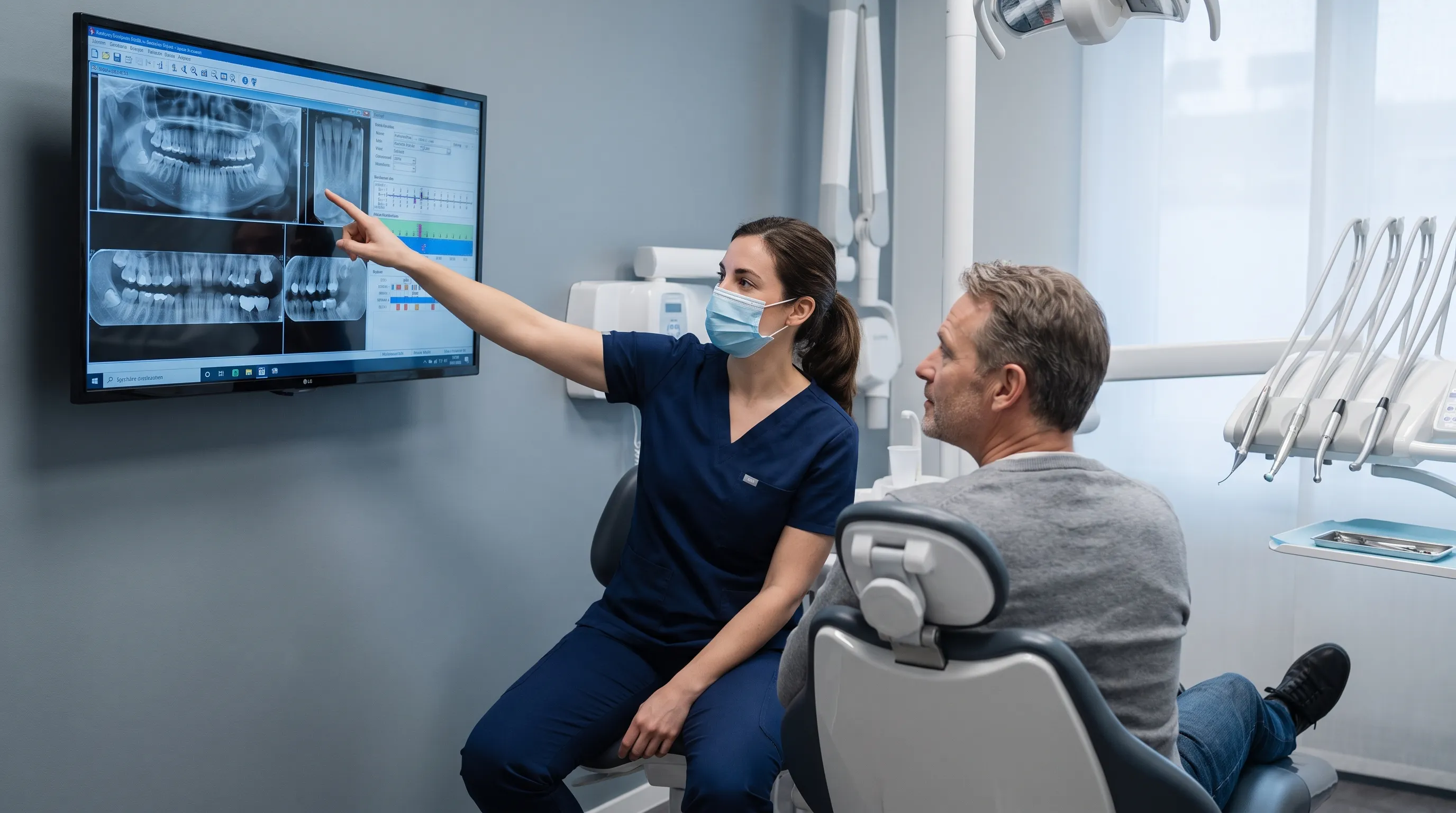
Navigating dental and medical insurance for periodontal surgery requires understanding classification systems, annual limits, and medical necessity criteria. Most standard dental plans categorize osseous surgery as a major restorative or surgical benefit, typically covering fifty to eighty percent after deductible satisfaction. However, the annual maximum reimbursement, frequently capped between $1,500 and $3,000, severely limits coverage for multi-quadrant treatment. Patients must carefully review their plan documents, verify pre-authorization requirements, and confirm in-network provider status before proceeding.
Medical insurance rarely covers periodontal procedures unless the condition directly complicates a covered medical treatment, such as pre-cardiac surgery clearance, organ transplant protocols, or management of severe diabetes-related complications. In these scenarios, thorough documentation linking periodontal infection to systemic risk becomes essential for successful medical claims submission. Cross-coding with medical diagnostic codes under specific circumstances may unlock alternative reimbursement pathways, though approval remains highly variable by payer and region.
How Dental and Medical Insurance Classify the Procedure
Dental insurers use standardized benefit categories where osseous surgery falls under periodontal treatment codes rather than basic preventive or minor restorative tiers. This classification reflects the advanced nature of the procedure and the long-term maintenance requirements. Pre-treatment estimates, commonly called pre-determinations, allow insurers to adjudicate expected coverage before surgery begins, preventing unexpected denials. Providing recent radiographs, periodontal probing charts, and documented failed response to scaling and root planing strengthens your pre-authorization submission. Medical insurers evaluate claims differently, often requiring International Classification of Diseases (ICD) codes that establish periodontal disease as a contributing factor to systemic health deterioration.
Out-of-Pocket Payment Strategies
When insurance coverage proves insufficient, strategic financial planning becomes essential. Health Savings Accounts (HSAs) and Flexible Spending Accounts (FSAs) allow you to use pre-tax dollars for eligible periodontal treatments, effectively reducing your net cost by your marginal tax rate. Many periodontal offices offer cash-pay discounts ranging from ten to fifteen percent when patients settle balances upfront, eliminating credit card processing fees and administrative billing overhead. Staging treatment across calendar years can maximize annual insurance maximums, allowing coverage to reset for subsequent quadrants. Budgeting for a comprehensive treatment plan rather than isolated quadrants often yields better clinical outcomes and reduces long-term maintenance expenses.
Dental Savings Plans and Financing Options
Alternative to traditional insurance, dental savings or membership programs provide discounted fee schedules directly from participating providers for an annual subscription fee. These plans typically offer twenty to fifty percent reductions on surgical procedures without annual caps, claim forms, or waiting periods. Medical financing platforms like CareCredit, Sunbit, or LendingClub Dental offer promotional interest-free periods for qualified applicants, enabling patients to spread payments over twelve, eighteen, or twenty-four months. Always scrutinize deferred interest terms, as failure to pay the full balance within the promotional window often triggers retroactive annual percentage rates exceeding twenty-five percent. Reading the fine print and aligning payment timelines with your income schedule prevents financial strain during the healing phase.
Osseous Surgery vs. Alternative Treatments
Periodontal therapy exists along a spectrum of invasiveness, cost, and long-term efficacy. While osseous surgery represents the gold standard for managing deep pockets and bone irregularities, alternative modalities continue to evolve. Laser-assisted periodontal therapy, enamel matrix protein applications, and advanced regenerative protocols offer varying degrees of tissue repair and pocket reduction. Understanding how these alternatives compare clinically and financially helps patients make informed choices aligned with their disease stage, budget, and maintenance capacity.
Laser Therapy and Deep Cleaning
Scaling and root planing remains the foundational non-surgical intervention, averaging $300 to $500 per quadrant and effectively managing early to moderate periodontitis. However, pockets exceeding five millimeters frequently exhibit persistent subgingival pathogens that resist conventional debridement. Laser therapy, utilizing specific wavelengths such as Nd:YAG or diode systems, targets infected epithelium and reduces bacterial load with minimal bleeding and faster initial healing. While laser adjuncts cost an additional $200 to $600 per quadrant, clinical evidence suggests they do not consistently replace osseous surgery for severe cases with significant bone loss. The cost of osseous surgery remains justified when anatomical correction is required to establish maintainable pocket depths that lasers alone cannot achieve.
Bone Grafting and Guided Tissue Regeneration
When vertical bone defects exceed standard recontouring capabilities, regenerative techniques become necessary. Guided tissue regeneration utilizes barrier membranes to selectively exclude epithelial migration while allowing periodontal ligament and bone cells to repopulate the defect. Bone grafting materials, whether synthetic, xenogeneic, or allogeneic, provide scaffolding for new bone formation. These procedures significantly increase the cost of osseous surgery due to material costs, extended surgical time, and specialized technical requirements. However, successful regeneration preserves natural teeth that would otherwise require extraction and subsequent implant placement, ultimately offering superior cost-benefit ratios over a patient's lifetime.
Cost-Benefit Analysis Over Time
Evaluating periodontal treatment requires a longitudinal perspective rather than short-term cost minimization. While delaying surgery or opting for repeated cleanings may reduce immediate expenses, progressive bone loss inevitably leads to tooth mobility, extraction, and prosthetic replacement. Dental implants average $3,000 to $5,000 per tooth, plus potential grafting and sinus lift procedures. Retaining natural dentition through timely surgical intervention preserves proprioception, maintains alveolar ridge volume, and sustains optimal masticatory function. Investing in definitive periodontal therapy often proves more economical than the cumulative expenses of extractions, partial dentures, bridges, and implant rehabilitation.
| Treatment Option | Average Cost per Quadrant | Clinical Indication | Expected Longevity | Insurance Coverage Level |
|---|---|---|---|---|
| Scaling & Root Planing | $300–$500 | Gingivitis to moderate periodontitis (pockets ≤4mm) | 3–5 years with maintenance | 80–100% |
| Laser-Assisted Therapy | $500–$800 | Adjunct to non-surgical therapy, early pocket reduction | 2–4 years | 50–80% (varies) |
| Osseous Surgery | $1,000–$1,800 | Advanced periodontitis (pockets ≥5mm, bone defects) | 8–12+ years with maintenance | 50–80% |
| Regenerative Surgery | $2,000–$3,000 | Vertical bone defects, furcation involvement | 10–15+ years | 50–70% (material limits) |
Preparing for the Procedure and Post-Op Care
Optimizing surgical outcomes requires meticulous preparation and disciplined post-operative management. The pre-surgical phase involves comprehensive diagnostics, medical clearance for patients with complex health conditions, and detailed informed consent discussions. Post-operative care focuses on infection prevention, inflammation management, and gradual tissue adaptation to new anatomical contours. Following clinical protocols closely minimizes complications, accelerates healing, and maximizes the return on your financial investment.
Pre-Surgical Consultation and Diagnostics
Your periodontist will conduct a thorough medical history review, identifying conditions such as uncontrolled diabetes, cardiovascular disease, bleeding disorders, or medications that affect clotting and healing. Pre-operative radiographs, cone-beam computed tomography (CBCT) when indicated, and microbiological assessments guide surgical planning. Patients should disclose all supplements and prescription medications, particularly anticoagulants, bisphosphonates, or immunosuppressants that influence surgical protocols. Smoking cessation at least two weeks prior to surgery dramatically improves vascular perfusion and reduces infection risk. Practicing gentle but effective home oral hygiene before the procedure reduces baseline bacterial load and facilitates faster post-operative recovery.
Managing Pain, Swelling, and Healing
Following surgery, mild to moderate discomfort is normal for forty-eight to seventy-two hours. Cold compresses applied intermittently to the facial aspect reduce edema, while prescribed analgesics manage pain without interfering with coagulation. Antibiotic therapy may be indicated for extensive procedures or immunocompromised patients. Dietary modifications emphasize soft, lukewarm foods that avoid mechanical irritation of surgical sites for the first ten to fourteen days. Chlorhexidine gluconate rinses prescribed twice daily control plaque accumulation when brushing is temporarily restricted near sutured areas. Avoiding vigorous rinsing, straws, smoking, and strenuous activity prevents clot disruption and dry socket complications.

Long-Term Maintenance to Prevent Recurrence
Periodontal disease is chronic and requires lifelong management, according to the CDC. Following osseous surgery, periodontal maintenance visits every three months remain essential for professional debridement, microbial monitoring, and early intervention. Home care routines should transition to soft-bristled or electric toothbrushes, water flossers for interproximal cleansing, and targeted antimicrobial rinses as directed. Lifestyle modifications including smoking cessation, glycemic control, stress management, and nutritional optimization support periodontal immunity and reduce inflammatory burden. Documenting clinical stability at maintenance visits reinforces the value of your initial investment and prevents costly disease reactivation.
How to Negotiate and Budget for Your Procedure
Financial preparedness empowers patients to proceed confidently without compromising clinical standards. Understanding billing structures, requesting transparent estimates, and comparing provider quotes using standardized metrics protects you from unexpected expenses while ensuring you receive evidence-based care. Periodontal treatment represents an investment in systemic health, masticatory function, and long-term financial stability.
Questions to Ask Your Periodontist
Request a detailed explanation of the proposed treatment plan, including specific CDT codes, anticipated surgical time, and expected healing timeline. Inquire about the necessity of adjunctive procedures, sedation options, and material selections that influence pricing. Ask how many similar cases the clinician performs annually, what success metrics they track, and how they manage potential complications such as post-operative sensitivity, recession, or delayed healing. Clarify whether the quoted price includes all surgical fees, facility charges, follow-up visits, and suture removal appointments.
Getting a Transparent Cost Estimate
Ask for a written, itemized financial breakdown before signing consent forms. This document should list diagnostic fees, surgical procedure codes, material costs, anesthesia charges, laboratory fees, and post-operative visit expenses. Verify whether the estimate accounts for potential intraoperative findings that may necessitate additional interventions. Request a pre-determination submission from the office to your insurance carrier and keep records of all correspondence. Transparent practices willingly explain each line item and provide realistic expectations based on your clinical findings.
Comparing Quotes Without Compromising Quality
When evaluating multiple providers, ensure you are comparing equivalent treatment scopes. A significantly lower quote may reflect reduced anesthesia protocols, generic materials, limited follow-up care, or less experienced surgical teams. Verify board certification in periodontics, review patient testimonials focusing on long-term outcomes rather than pricing, and confirm the clinic utilizes sterile processing standards and digital radiography. Prioritize providers who emphasize comprehensive diagnosis, evidence-based protocols, and transparent communication over marketing discounts. Investing in qualified clinical expertise ultimately reduces complication rates, preserves treatment longevity, and maximizes the value of your healthcare expenditure.
Frequently Asked Questions
How long does it take to recover from osseous surgery?
Initial tissue healing typically progresses within seven to ten days, with suture removal scheduled at one to two weeks post-procedure. Complete epithelial maturation and gingival stabilization require four to six weeks. Underlying bone remodeling and final attachment adaptation continue for three to six months. Most patients resume normal daily activities within three days, though strenuous exercise should be avoided for at least one week to prevent bleeding and delayed wound closure.
Does dental insurance cover the full cost of osseous surgery?
Complete coverage is exceptionally rare due to annual maximum limits and percentage-based reimbursement tiers. Most plans cover fifty to eighty percent after deductible satisfaction, but the annual cap frequently restricts full multi-quadrant treatment within a single benefit year. Submitting pre-authorization, utilizing HSA/FSA funds, and staging treatment across calendar years can maximize available benefits. Always verify coverage specifics with your insurer before treatment commences.
Can osseous surgery be performed under general anesthesia?
Local anesthesia remains the standard, but intravenous sedation or general anesthesia is available for highly anxious patients or extensive multi-quadrant procedures. Oral sedation offers mild anxiety reduction at a lower cost, while monitored anesthesia care involves an anesthesia professional and increases the overall expense. Your periodontist will evaluate your medical history, anxiety level, and surgical complexity to recommend the safest and most comfortable protocol.
Are there any hidden fees I should expect?
Comprehensive quotes should include surgical fees, anesthesia, bone graft materials if required, barrier membranes, prescription medications, post-operative supplies, and follow-up visits. Some practices charge separately for surgical stents, advanced imaging, or specialized antimicrobial therapies. Always request an itemized breakdown and clarify whether additional findings during surgery will incur supplementary charges before consenting to treatment.
What happens if I delay or skip osseous surgery?
Progressive periodontitis leads to irreversible alveolar bone loss, tooth mobility, and eventual exfoliation or extraction. Delaying treatment allows pathogenic bacteria to establish deeper niches that become increasingly difficult to eradicate, raising the cost and complexity of future interventions. Systemic inflammation also escalates, potentially worsening cardiovascular, diabetic, and immunologic conditions. Timely surgical intervention preserves natural dentition, reduces long-term expenses, and supports overall health stability.
Conclusion
Navigating the cost of osseous surgery requires balancing clinical necessity with financial planning, but the long-term benefits far outweigh short-term expenditures when managed strategically. By understanding pricing variables, leveraging insurance benefits, exploring financing options, and prioritizing qualified clinical expertise, you can secure optimal periodontal outcomes without compromising your financial well-being. Proactive periodontal care preserves natural dentition, reduces systemic inflammatory burden, and eliminates the exponentially higher costs associated with tooth replacement therapies. Partner with a board-certified periodontist, request transparent financial documentation, and commit to rigorous maintenance protocols to ensure your investment yields lasting oral health returns.
For additional clinical resources and evidence-based treatment guidelines, refer to authoritative organizations such as the American Academy of Periodontology and the American Dental Association, alongside global health standards from the World Health Organization. Always consult with a licensed periodontist to receive personalized diagnostic evaluations and financial planning tailored to your unique clinical needs.
How we work
Researched and drafted with AI assistance, then reviewed by a human editor against the cited sources.
This article is general health information, not medical advice. Consult a qualified healthcare professional about your own situation.