Appendicitis vs Gas Pain: How to Tell the Difference and When to Seek Emergency Care

Key points
- Mild to moderate abdominal cramping
- A sensation of fullness or pressure
- Intermittent discomfort that fluctuates with meals or body position
- Mild nausea in some individuals
Waking up in the middle of the night with a sharp or cramping sensation in your abdomen is a universal experience that instantly shifts you from relaxation to alarm. Whether you have been battling chronic digestive issues or simply ate a heavier-than-usual meal, the sudden onset of lower abdominal discomfort can leave you second-guessing whether you need to call a doctor or simply wait for the feeling to pass. The dilemma of distinguishing between a benign digestive upset and a potentially life-threatening surgical emergency is incredibly common, especially when trying to figure out if you are dealing with appendicitis vs intestinal gas. Both conditions can cause significant discomfort in the same general region, yet their underlying causes, progression timelines, and required treatments could not be more different. Understanding the subtle clinical cues that separate these two experiences is not just about comfort; it is about safeguarding your health and preventing avoidable complications. In this comprehensive guide, we will break down the anatomical differences, symptom progression, diagnostic pathways, and evidence-based management strategies so you can confidently navigate abdominal pain and make informed decisions about your next steps.
Understanding the Core Differences: What Is Appendicitis vs Gas Pain?
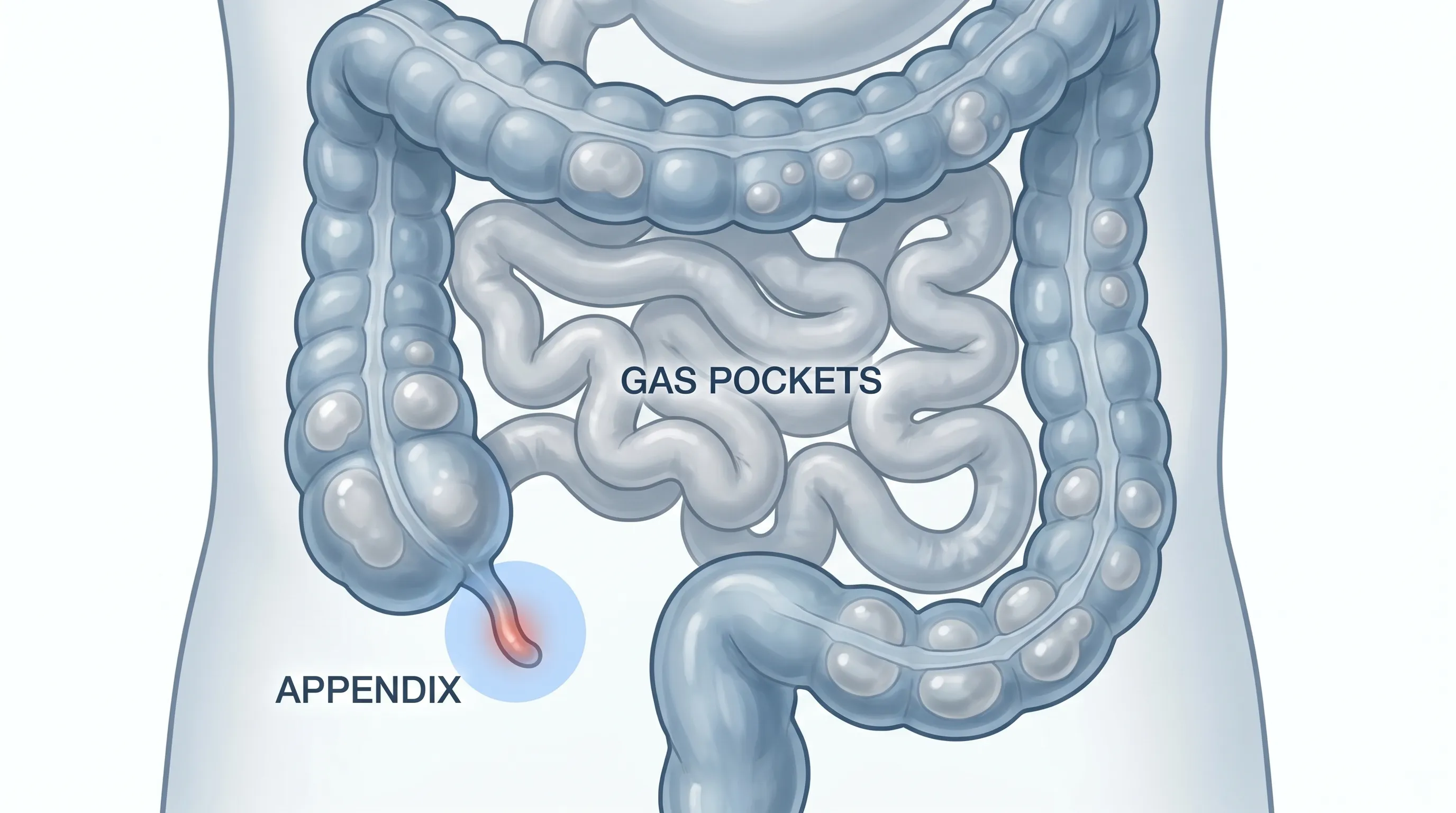
When evaluating abdominal discomfort, the first step is recognizing that not all stomach pain originates from the same physiological mechanism. Trapped intestinal gas occurs when excess air accumulates in the digestive tract due to swallowed air during eating, carbonated beverages, or the fermentation of undigested carbohydrates by gut bacteria. This buildup creates pressure against the intestinal walls, leading to cramping, bloating, and sharp, moving discomfort that frequently shifts location as the gas travels through the colon.
Free calculatorHigh-Fiber Foods ChartChart of high-fiber foods for digestive healthOpen the calculatorAppendicitis, on the other hand, is an acute inflammatory condition of the vermiform appendix, a small, finger-shaped pouch attached to the beginning of the large intestine. The condition typically begins when the appendiceal opening becomes obstructed by hardened stool, lymphoid tissue swelling, infection, or, in rare cases, parasites or tumors. Once blocked, the appendix swells, filling with mucus and bacteria, which rapidly escalates into localized inflammation. If left untreated, the compromised blood flow can lead to tissue necrosis, perforation, and spillage of infected material into the abdominal cavity.
The reason people frequently struggle with appendicitis vs gas pain stems from the shared nerve pathways that supply both the intestines and the appendix. The visceral peritoneum covering the appendix sends pain signals to the central nervous system via the T10 spinal nerve roots. These signals are initially perceived as a vague, poorly localized ache around the umbilicus or mid-abdomen, which mirrors the sensation of generalized intestinal distension caused by gas, as outlined in neurogastroenterology literature. Only as inflammation progresses and irritates the parietal peritoneum lining the abdominal wall does the pain migrate to its classic, localized position.
The Anatomy Behind the Discomfort
The human digestive system is a highly coordinated network where sensory feedback plays a crucial role in signaling distress. The small intestine and colon are densely packed with mechanoreceptors and chemoreceptors that detect stretching, pressure, and chemical irritation. When gas accumulates, it stretches the intestinal lumen, triggering smooth muscle contractions known as peristalsis in an attempt to expel the excess air. These contractions create rhythmic, wave-like cramps that often ease after burping or passing flatus.
In contrast, the appendix lacks significant muscular layers and cannot expel an obstruction through peristalsis. When blocked, the trapped secretions and bacterial proliferation cause a rapid inflammatory cascade. The surrounding tissue becomes edematous, and the nerve endings become hypersensitive to movement, touch, and pressure. This fundamental anatomical difference explains why appendicitis pain behaves so differently from routine digestive discomfort.
Why These Two Conditions Feel So Similar
The overlap in early-stage symptoms is precisely what makes the comparison of appendicitis vs gas so clinically relevant. Both conditions can present with:
- Mild to moderate abdominal cramping
- A sensation of fullness or pressure
- Intermittent discomfort that fluctuates with meals or body position
- Mild nausea in some individuals
Because these symptoms are so common in everyday digestive health, many people dismiss early appendicitis as a passing stomach bug or food-related bloating. However, careful observation of symptom trajectory reveals crucial differences that separate the two conditions long before medical imaging is even considered.
Recognizing Appendicitis: Symptoms, Triggers, and Progression
Understanding how appendicitis develops and presents is the most critical step in protecting your health. The classic progression follows a predictable timeline that, when recognized early, allows for swift intervention before complications arise.
Classic Signs That Demand Immediate Attention
Appendicitis rarely presents as isolated pain. It is typically part of a broader clinical picture that includes systemic and localized indicators. Medical professionals look for the following hallmark signs:
- Periumbilical pain migrating to the right lower quadrant: The most recognized pattern begins near the belly button and shifts downward and rightward over 12 to 24 hours.
- Rebound tenderness: Pain that intensifies when pressure is released rather than when applied, indicating peritoneal irritation.
- Guarding and rigidity: Involuntary tightening of abdominal muscles to protect the inflamed area.
- Fever and elevated temperature: Usually low-grade initially, but rising above 100.4°F (38°C) as inflammation worsens.
- Loss of appetite and persistent nausea: Nearly universal in appendicitis but rarely severe enough to cause continuous vomiting early on.
- Pain worsening with coughing, walking, or sudden movement: A direct result of parietal peritoneum involvement.
If you notice these symptoms appearing together, the balance of probability shifts heavily away from simple digestive gas.
How Appendicitis Pain Evolves Over Time
The timeline of appendiceal inflammation is medically significant. Within the first 6 hours, patients often describe a dull, crampy discomfort that comes and goes. By hours 12 to 24, the pain typically becomes constant, sharper, and firmly localized. After 36 hours, if the appendix has not been treated, the risk of perforation increases dramatically. At this stage, the pain may temporarily subside as the pressurized organ ruptures, but this relief is quickly followed by severe, widespread abdominal pain, high fever, rapid heart rate, and signs of systemic infection, as noted in CDC surgical guidelines.
Recognizing this progression is essential when evaluating appendicitis vs gas. Gas discomfort does not steadily intensify over days, nor does it lead to fever, peritoneal signs, or systemic inflammatory markers. Instead, gas-related pain typically peaks, resolves with bowel movements or dietary adjustments, and does not follow a strict anatomical migration pattern.
Decoding Gas Pain: Causes, Characteristics, and Relief
Gas is a natural byproduct of digestion, but when it accumulates beyond comfortable levels, it transforms into a highly noticeable and often painful experience. Understanding why it happens and how it behaves provides crucial context for differentiating it from surgical emergencies.
Dietary and Lifestyle Triggers of Excess Gas
Intestinal gas primarily consists of nitrogen, oxygen, carbon dioxide, hydrogen, and methane. The composition and volume depend heavily on dietary habits and gut microbiome activity. Common triggers include:
- High-FODMAP foods: Fermentable oligosaccharides, disaccharides, monosaccharides, and polyols found in beans, lentils, broccoli, cabbage, dairy, and certain artificial sweeteners. Clinical nutrition research supports the link between FODMAPs and bloating.
- Carbonated beverages and chewing gum: Introduce excess swallowed air directly into the stomach.
- Eating too quickly or talking while eating: Increases aerophagia (air swallowing).
- Sedentary behavior: Reduces natural intestinal motility, allowing gas to pool.
- Gut dysbiosis or SIBO: Small intestinal bacterial overgrowth or imbalances in microbiome composition can dramatically increase fermentation and gas production.
These factors are highly variable and often correlate directly with recent meals, stress levels, and digestive enzyme efficiency.
How to Tell If It’s Just Trapped Wind
Gas pain tends to exhibit predictable, reassuring patterns. When evaluating your symptoms, look for these characteristics:
- Shifting location: The discomfort moves throughout the abdomen, often rising toward the chest or traveling along the colon.
- Temporary relief with posture changes: Lying on your left side, adopting a knee-to-chest position, or walking can help gas migrate toward the rectum.
- Reduction after passing flatus or burping: The most reliable indicator that the discomfort was caused by trapped air.
- No systemic symptoms: Gas does not cause fever, chills, persistent vomiting, or significant heart rate changes.
- Mild, crampy quality: Rather than a sharp, localized, or tearing sensation, gas typically feels like internal pressure that waxes and wanes.
When trying to determine if you are experiencing appendicitis vs gas, pay close attention to how the pain responds to natural digestive processes. If movement, heat, or bathroom visits consistently reduce the discomfort, gas is the most likely culprit.
The Critical Showdown: Appendicitis vs Gas Comparison Chart
A side-by-side evaluation helps visualize the clinical distinctions that separate routine digestive discomfort from acute surgical pathology. The following table summarizes the most important differentiating factors:
| Feature | Appendicitis | Intestinal Gas Pain |
|---|---|---|
| Primary Location | Starts near navel, migrates firmly to lower right abdomen | Diffuse, shifting, often throughout mid/lower abdomen |
| Pain Quality | Sharp, constant, intensifies steadily | Crampy, intermittent, pressure-like |
| Duration | Worsens over 12-48 hours without relief | Peaks and resolves within hours or after bowel movements |
| Response to Movement | Severely worsens with walking, coughing, or bouncing | Often improves with walking or position changes |
| Associated Symptoms | Fever, nausea, loss of appetite, rebound tenderness | Bloating, flatulence, belching, mild cramping |
| Response to Home Remedies | No relief from OTC meds, heat, or passing stool | Noticeable relief with heat, movement, simethicone, or dietary adjustment |
| Risk Level | Medical emergency requiring prompt evaluation | Benign, self-limiting, manageable at home |
Understanding this comparison is invaluable when deciding whether to monitor your symptoms or seek professional care. The distinction between appendicitis vs gas ultimately hinges on symptom stability, progression, and the presence of inflammatory signs.
When to Stop Waiting and Seek Emergency Medical Care
Abdominal pain should never be dismissed outright, especially when warning signs emerge that point toward an acute condition. Recognizing the threshold between self-care and emergency intervention can literally save your life.
Red Flags That Can’t Be Ignored
You should seek immediate medical evaluation if your discomfort is accompanied by any of the following:
- Pain that localizes to the lower right quadrant and intensifies steadily over several hours
- Inability to keep fluids down or persistent nausea/vomiting
- Fever above 100.4°F (38°C) with chills or sweating
- Abdominal rigidity, guarding, or extreme tenderness to light touch
- Pain that spikes when you cough, jump, or ride over bumps in a vehicle
- Rapid heart rate, dizziness, or feeling faint
- Complete inability to pass gas or have a bowel movement (suggesting possible obstruction)
These indicators align with established clinical guidelines for acute abdominal assessment and warrant prompt emergency department evaluation.
Why Early Intervention Prevents Life-Threatening Complications
The appendix is a closed-loop organ once obstructed. As internal pressure builds, blood flow to the tissue diminishes, leading to ischemia and eventual necrosis. If the wall ruptures, intestinal bacteria spill into the sterile peritoneal cavity, causing peritonitis, abscess formation, or sepsis. Studies consistently show that early appendectomy within the first 24 hours significantly reduces postoperative complications, hospital stay duration, and infection rates, according to NIH surgical databases. Waiting to see if symptoms resolve can transform a straightforward laparoscopic procedure into a complex, high-risk surgery requiring open intervention and extended antibiotic therapy.
When evaluating appendicitis vs gas, it is always better to err on the side of caution. Emergency clinicians prefer to evaluate and rule out surgical causes than to manage the consequences of delayed care.
Home Remedies and Diagnostic Pathways for Clarity
If your symptoms lean toward gas, safe, evidence-based interventions can provide rapid relief. If uncertainty remains, understanding the clinical diagnostic process helps you prepare for medical evaluation.
Safe Steps to Alleviate Mild Digestive Discomfort
When gas is suspected, focus on gentle, non-invasive strategies:
- Apply moderate heat: A warm heating pad relaxes intestinal smooth muscle and encourages gas movement.
- Practice targeted positioning: The wind-relieving pose (Apanasana), where you draw your knees toward your chest while lying flat, uses gentle compression to expel trapped air.
- Stay hydrated: Warm water or herbal teas like peppermint, ginger, or chamomile support natural peristalsis.
- Avoid trigger foods temporarily: Eliminate carbonation, artificial sweeteners, and high-fiber vegetables until symptoms resolve.
- Consider OTC options cautiously: Simethicone breaks up gas bubbles, while probiotics support long-term microbiome balance. Always follow label instructions and consult a pharmacist if taking other medications.
Never apply aggressive abdominal massage or take laxatives if appendicitis remains a possibility, as these can worsen inflammation or mask critical diagnostic signs.
What Doctors Do to Confirm the Diagnosis
Clinical evaluation for suspected appendicitis follows a structured protocol designed to differentiate it from gas, gastroenteritis, ovarian cysts, urinary tract infections, and other conditions. The process typically includes:
- Comprehensive physical examination: Assessment of McBurney’s point, rebound tenderness, psoas sign, obturator sign, and Rovsing’s sign.
- Blood work: Complete blood count (CBC) to detect elevated white blood cells, and C-reactive protein (CRP) to measure systemic inflammation.
- Urinalysis: Rules out kidney stones or urinary tract infections.
- Pregnancy testing: Essential for females of reproductive age to exclude ectopic pregnancy.
Imaging, Blood Work, and Clinical Examinations Explained
Modern diagnostic algorithms heavily utilize the Alvarado score, a standardized clinical tool that weighs migration of pain, nausea, anorexia, right lower quadrant tenderness, rebound pain, fever, leukocytosis, and left shift. Based on this scoring system, clinicians determine whether imaging is necessary. Ultrasound is often preferred for children, pregnant individuals, and thin adults, while contrast-enhanced CT scans offer superior visualization for complex adult cases. MRI may be utilized in pregnancy when CT is contraindicated.
Understanding these pathways empowers patients to ask informed questions and actively participate in their care. When navigating the uncertainty of appendicitis vs gas, knowing what to expect reduces anxiety and streamlines the diagnostic process.

Prevention and Long-Term Digestive Health
While appendicitis cannot be directly prevented through lifestyle modifications, maintaining a resilient digestive system reduces the frequency and severity of gas-related discomfort while supporting overall gastrointestinal health.
Building a Gut-Friendly Lifestyle
The foundation of long-term digestive wellness rests on consistent, evidence-based habits:
- Eat mindfully: Chew thoroughly, pace your meals, and avoid drinking large volumes of liquids during meals to reduce swallowed air and improve enzymatic breakdown.
- Incorporate regular physical activity: Even moderate walking stimulates intestinal motility, preventing gas pooling and supporting healthy transit times.
- Manage stress effectively: Chronic stress alters gut-brain signaling, slows digestion, and increases visceral sensitivity, making normal gas production feel intensely painful.
- Prioritize sleep hygiene: Poor sleep disrupts circadian rhythms that regulate digestive enzyme release and microbiome balance.
Dietary Shifts That Reduce Recurrent Gas and Bloating
If you frequently struggle with gas pain, systematic dietary adjustments often yield dramatic improvements:
- Implement a low-FODMAP trial: Under guidance from a registered dietitian, temporarily restrict highly fermentable carbohydrates, then systematically reintroduce them to identify personal triggers. Monash University FODMAP guidelines are widely referenced for this protocol.
- Balance fiber intake: Increase soluble fiber (oats, psyllium, chia seeds) gradually while monitoring tolerance, rather than consuming large amounts of insoluble fiber abruptly.
- Stay hydrated consistently: Adequate water intake supports stool softening and smooth intestinal transit, reducing fermentation stagnation.
- Utilize digestive enzymes cautiously: Alpha-galactosidase supplements can assist with bean and cruciferous vegetable digestion, while lactase enzymes help lactose-intolerant individuals avoid excessive fermentation.
By proactively optimizing digestive function, you reduce the likelihood of confusing chronic bloating with acute abdominal emergencies and build a physiological buffer that keeps routine discomfort minimal. This proactive approach complements your ability to accurately assess appendicitis vs gas whenever discomfort arises.
Frequently Asked Questions
Can appendicitis start as just mild gas or bloating?
Yes, early appendicitis can closely mimic mild digestive discomfort. The initial inflammation often triggers a vague, crampy sensation near the navel that feels remarkably similar to trapped gas or food-related indigestion. However, true appendicitis pain follows a predictable intensification pattern over 12 to 48 hours and rarely resolves with belching, passing stool, or over-the-counter digestive aids.
How can I tell if my right-sided stomach pain is appendicitis vs gas?
Gas pain is typically mobile, fluctuates with meals, and improves with posture changes or bowel movements. Appendicitis pain migrates to and locks in the lower right quadrant, worsens steadily, and intensifies with coughing, walking, or gentle pressure release. Accompanying symptoms like fever, persistent nausea, loss of appetite, and localized tenderness strongly indicate appendicitis rather than simple gas.
Should I take laxatives or painkillers when I suspect appendicitis vs gas pain?
Medical professionals strongly advise against using laxatives, enemas, or strong opioid pain relievers when appendicitis is a possibility. These interventions can mask diagnostic symptoms, increase intestinal pressure, and raise the risk of appendiceal rupture. If you are uncertain, stick to clear fluids, rest in a comfortable position, and seek prompt clinical evaluation rather than attempting aggressive self-treatment.
Does pressing on the stomach help differentiate appendicitis vs gas?
Yes, a technique known as rebound tenderness testing is a classic clinical differentiator. When you press gently on the lower right abdomen and quickly release your hand, a sharp spike in pain suggests peritoneal irritation consistent with appendicitis. Gas discomfort typically feels like internal pressure that may briefly increase during application but does not cause severe, localized rebound pain upon release.
How long can you safely wait before going to the hospital for abdominal pain?
If your discomfort is mild, shifts location, and improves with digestion, monitoring for 12 to 24 hours is generally reasonable. However, if pain localizes to the lower right quadrant, steadily worsens, is accompanied by fever, persistent nausea, or inability to tolerate fluids, seek emergency care immediately. Delaying evaluation for suspected appendicitis significantly increases the risk of perforation, severe infection, and complicated surgical outcomes.
Conclusion
Navigating abdominal discomfort requires a balance of careful observation, practical self-care, and timely medical intervention. The distinction between appendicitis vs gas ultimately comes down to symptom behavior, progression, and the presence of systemic warning signs. Gas-related discomfort is typically transient, responsive to dietary and positional adjustments, and accompanied by familiar digestive cues like bloating and flatulence. Appendicitis, by contrast, follows a relentless trajectory of localized pain, inflammatory markers, and functional decline that demands immediate clinical attention. By familiarizing yourself with the anatomical mechanisms, recognizing red-flag symptoms early, and avoiding interventions that could mask serious conditions, you empower yourself to make safer, more informed health decisions. Trust your instincts, prioritize professional evaluation when in doubt, and commit to long-term digestive habits that keep your gastrointestinal system resilient and functioning optimally. Your health is always worth the extra caution.
For additional authoritative information on abdominal pain and digestive health, refer to these trusted resources:
- Mayo Clinic - Appendicitis Symptoms & Causes
- Cleveland Clinic - Gas in the Digestive Tract
- National Health Service (NHS) - Appendicitis Overview
- NCBI Bookshelf - Acute Appendicitis Pathophysiology
- WHO - Gastrointestinal Disease Guidelines
How we work
Researched and drafted with AI assistance, then reviewed by a human editor against the cited sources.
This article is general health information, not medical advice. Consult a qualified healthcare professional about your own situation.