Diarrhea After Fasting: Causes, Prevention, and Relief

Key points
- Digestive Rest: Your stomach and intestines get a break from processing food, which can decrease stomach acid production. During this resting phase, parietal cells in the gastric mucosa reduce hydrochloric acid output, and chief cells scale back pepsinogen secretion. This natural downregulation helps preserve the gastric lining and reduces metabolic demand on the enteric nervous system. However, the abrupt return to eating requires a rapid upregulation of these digestive secretions. If the acid-base balance and enzyme reserves are not quickly restored, partially digested food may pass into the small intestine prematurely, contributing to malabsorption and osmotic shifts.
- Slower Gut Motility: The movement of your intestines (peristalsis) may slow down. However, eating again can trigger a strong gastrocolic reflex, prompting a bowel movement. Peristaltic waves, which are coordinated muscle contractions that propel food through the gastrointestinal tract, enter a "migrating motor complex" (MMC) pattern during fasting. This pattern sweeps residual debris and bacteria through the gut every 90 to 120 minutes. When food finally enters the stomach, the sudden mechanical distension and hormonal signals (like cholecystokinin and gastrin) override the MMC and trigger a robust gastrocolic reflex. In a rested gut, this reflex can be exaggerated, accelerating colonic transit time and reducing water absorption in the large intestine.
- Gut Microbiome Shifts: The bacteria in your gut may change in composition due to a lack of nutrients, temporarily altering digestion when you resume eating. The human gut houses trillions of microorganisms that thrive on dietary fibers, proteins, and complex carbohydrates. During fasting, substrate availability drops dramatically, causing certain bacterial populations to downregulate or shift toward mucus-layer degradation for survival. This ecological transition can temporarily reduce short-chain fatty acid production, particularly butyrate, which is vital for colonocyte health and water regulation. When food is reintroduced, the microbiome requires 24 to 72 hours to fully rebound, and the temporary dysbiosis can manifest as gas, bloating, or loose stools.
- Bile Concentration: Your liver continues to produce bile, which helps digest fats. During a fast, bile can build up in the gallbladder. Eating a meal, especially a fatty one, can cause a large release of bile, which can irritate the colon and cause diarrhea. Bile acids are synthesized from cholesterol and stored in the gallbladder until a meal triggers their release into the duodenum. Without regular gallbladder emptying, bile becomes highly concentrated and supersaturated. Upon refeeding, a bolus release of these potent acids can overwhelm the ileum's capacity for enterohepatic recirculation. Excess bile acids spill into the colon, where they stimulate fluid and electrolyte secretion and accelerate motility—a condition known as bile acid malabsorption or bile acid diarrhea.
- Metabolic Switch: On longer fasts, your body may enter ketosis, burning fat for fuel. This metabolic shift can sometimes affect digestion. As glycogen stores deplete, the body transitions to hepatic ketogenesis, producing beta-hydroxybutyrate and acetoacetate. This metabolic flexibility influences gut motility and gut-brain axis signaling. Ketone bodies themselves have mild neuromodulatory effects that can alter enteric nerve sensitivity. Additionally, the shift away from glucose metabolism can temporarily impact mucosal energy utilization, potentially affecting the tight junctions that maintain intestinal barrier integrity. While generally adaptive, this transition can heighten gut sensitivity during the refeeding window.
Fasting has become popular for its potential health benefits, from weight loss to spiritual observances like Ramadan. But what happens when you break a fast, only to be met with an urgent trip to the bathroom? If you’ve experienced diarrhea after fasting, you’re not alone. This guide explores why it happens, how to prevent it, and how to find relief. While fasting can promote autophagy, insulin sensitivity, and cellular repair, the gastrointestinal tract requires a careful transition back to regular eating. The sudden shift from a resting digestive state to active digestion can overwhelm the gut's enzymatic capacity and motility patterns, leading to loose stools, cramping, and urgency. Understanding the underlying physiology, recognizing individual risk factors, and implementing evidence-based refeeding strategies are essential to maintaining digestive harmony. Whether you are practicing time-restricted feeding, engaging in prolonged water fasting, or observing religious fasts, knowing how to support your gut through the refeeding window can prevent uncomfortable setbacks and help you reap the full benefits of your fasting protocol.
Understanding Fasting and Its Effects on Your Digestive System
Fasting is the voluntary abstinence from food for a set period. This can range from intermittent fasting (e.g., the 16/8 method) to longer fasts of 24 hours or more for religious, medical, or therapeutic reasons.
Free calculatorCaffeine Half-Life CalculatorCaffeine metabolism calculatorOpen the calculatorWhen you fast, your digestive system undergoes several profound physiological adaptations that prepare the body for energy conservation while simultaneously altering baseline gastrointestinal function. These shifts are highly regulated by neuroendocrine pathways, circadian biology, and local gut signaling molecules. The transition from the fed state to the fasted state triggers a cascade of changes that directly impact how your body will respond when nutrients are finally reintroduced.
When you fast, your digestive system undergoes several changes:
- Digestive Rest: Your stomach and intestines get a break from processing food, which can decrease stomach acid production. During this resting phase, parietal cells in the gastric mucosa reduce hydrochloric acid output, and chief cells scale back pepsinogen secretion. This natural downregulation helps preserve the gastric lining and reduces metabolic demand on the enteric nervous system. However, the abrupt return to eating requires a rapid upregulation of these digestive secretions. If the acid-base balance and enzyme reserves are not quickly restored, partially digested food may pass into the small intestine prematurely, contributing to malabsorption and osmotic shifts.
- Slower Gut Motility: The movement of your intestines (peristalsis) may slow down. However, eating again can trigger a strong gastrocolic reflex, prompting a bowel movement. Peristaltic waves, which are coordinated muscle contractions that propel food through the gastrointestinal tract, enter a "migrating motor complex" (MMC) pattern during fasting. This pattern sweeps residual debris and bacteria through the gut every 90 to 120 minutes. When food finally enters the stomach, the sudden mechanical distension and hormonal signals (like cholecystokinin and gastrin) override the MMC and trigger a robust gastrocolic reflex. In a rested gut, this reflex can be exaggerated, accelerating colonic transit time and reducing water absorption in the large intestine.
- Gut Microbiome Shifts: The bacteria in your gut may change in composition due to a lack of nutrients, temporarily altering digestion when you resume eating. The human gut houses trillions of microorganisms that thrive on dietary fibers, proteins, and complex carbohydrates. During fasting, substrate availability drops dramatically, causing certain bacterial populations to downregulate or shift toward mucus-layer degradation for survival. This ecological transition can temporarily reduce short-chain fatty acid production, particularly butyrate, which is vital for colonocyte health and water regulation. When food is reintroduced, the microbiome requires 24 to 72 hours to fully rebound, and the temporary dysbiosis can manifest as gas, bloating, or loose stools.
- Bile Concentration: Your liver continues to produce bile, which helps digest fats. During a fast, bile can build up in the gallbladder. Eating a meal, especially a fatty one, can cause a large release of bile, which can irritate the colon and cause diarrhea. Bile acids are synthesized from cholesterol and stored in the gallbladder until a meal triggers their release into the duodenum. Without regular gallbladder emptying, bile becomes highly concentrated and supersaturated. Upon refeeding, a bolus release of these potent acids can overwhelm the ileum's capacity for enterohepatic recirculation. Excess bile acids spill into the colon, where they stimulate fluid and electrolyte secretion and accelerate motility—a condition known as bile acid malabsorption or bile acid diarrhea.
- Metabolic Switch: On longer fasts, your body may enter ketosis, burning fat for fuel. This metabolic shift can sometimes affect digestion. As glycogen stores deplete, the body transitions to hepatic ketogenesis, producing beta-hydroxybutyrate and acetoacetate. This metabolic flexibility influences gut motility and gut-brain axis signaling. Ketone bodies themselves have mild neuromodulatory effects that can alter enteric nerve sensitivity. Additionally, the shift away from glucose metabolism can temporarily impact mucosal energy utilization, potentially affecting the tight junctions that maintain intestinal barrier integrity. While generally adaptive, this transition can heighten gut sensitivity during the refeeding window.
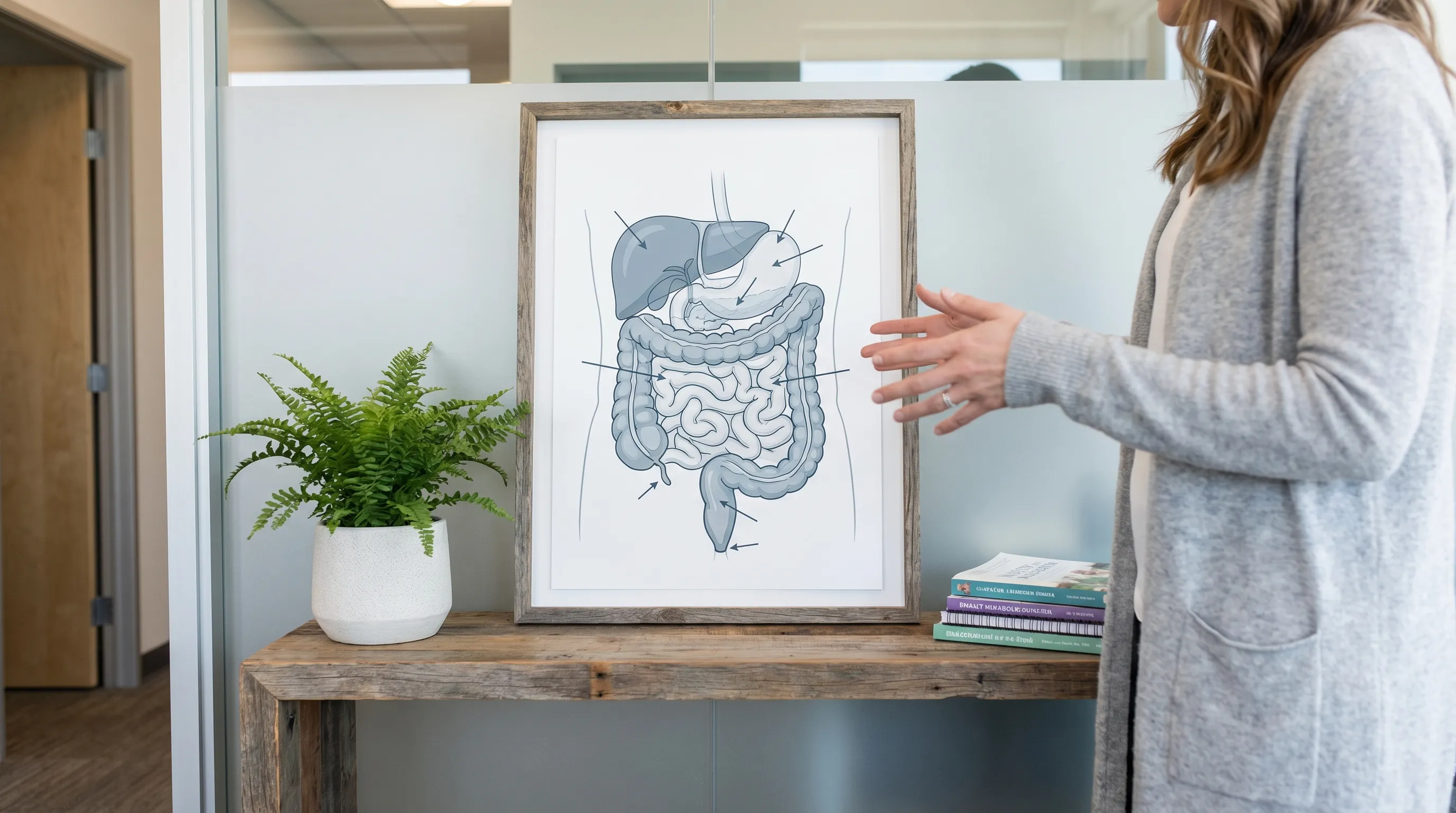
These changes mean that when you finally eat, your digestive system might react strongly, sometimes resulting in diarrhea. The gut operates on a delicate balance of neural, hormonal, and microbial signals. Disrupting this equilibrium through abrupt caloric reintroduction can overwhelm compensatory mechanisms, leading to rapid transit, poor fluid reabsorption, and mucosal irritation. Recognizing these physiological realities allows individuals to design gentler, more effective refeeding protocols that align with the body's natural recovery timeline.
Why Do Some People Experience Diarrhea After Fasting?
Diarrhea is defined as having three or more loose, watery stools in a day. It happens when the digestive system moves contents too quickly or secretes extra fluid. Here are common reasons this occurs after fasting:
- Rapid Refeeding: A large meal after a prolonged fast can overwhelm your gut, leading to poor absorption of water and nutrients. When the stomach and small intestine are suddenly flooded with macronutrients, the digestive tract cannot produce sufficient enzymes or maintain optimal pH levels to break them down efficiently. This results in undigested particles drawing water into the intestinal lumen through osmosis, rapidly increasing stool volume and liquidity.
- Overeating: Fasting increases appetite, and overeating can trigger dumping syndrome, where food moves too quickly through the digestive tract. Early dumping syndrome occurs when hyperosmolar food boluses rapidly enter the small intestine, triggering a massive release of serotonin and vasoactive intestinal peptide. This causes fluid shifts into the bowel, vasodilation, and accelerated transit. Late dumping syndrome, occurring 1-3 hours post-meal, involves reactive hypoglycemia but can also perpetuate rapid gut emptying.
- High-Sugar or High-Carb Meals: Simple sugars and refined carbs can draw water into your intestines (an osmotic effect), causing watery stools. Fructose and certain artificial carbohydrates lack dedicated transporters or require specific enzymatic breakdown that may be temporarily downregulated during fasting. Unabsorbed sugars reach the colon, where gut bacteria ferment them, producing hydrogen gas, short-chain fatty acids, and osmotic pressure that pulls water into the stool.
- High-Fat Meals: Fatty foods trigger a significant release of bile. Excess bile in the colon acts as a laxative, leading to diarrhea. Dietary fats stimulate cholecystokinin release, which contracts the gallbladder. If the terminal ileum cannot efficiently reabsorb the surge of bile salts, they pass into the colon. Bile acids irritate colonic mucosa, stimulate chloride secretion, and inhibit sodium absorption, resulting in secretory diarrhea that persists until bile pools are depleted or recirculated.
- Food Sensitivities: Fasting can temporarily reduce the enzymes needed to digest certain foods, like lactase for dairy. Breaking a fast with milk or cheese may cause diarrhea if you have a latent lactose intolerance. Lactase enzyme expression on the brush border of enterocytes can decrease during periods of nutrient deprivation. Additionally, the rapid influx of lactose without adequate lactase activity creates a pronounced osmotic gradient, leading to classic symptoms of cramping, bloating, and watery stools.
- Caffeine and Artificial Sweeteners: Caffeine stimulates bowel movements, while artificial sweeteners (like sorbitol and sucralose) found in sugar-free drinks can have a laxative effect on an empty stomach. Caffeine acts as an adenosine receptor antagonist and increases colonic motor activity within minutes. Artificial sweeteners like sugar alcohols (polyols) are poorly absorbed in the small intestine and exert a direct osmotic effect. On an empty or rested gut, their laxative threshold is significantly lowered, causing rapid fluid shifts.
- Changes in Gut Bacteria: An altered gut microbiome from fasting might struggle to process the sudden influx of nutrients, leading to gas or diarrhea. Microbial populations adapt their metabolic pathways based on substrate availability. A sudden dietary shift can favor gas-producing or inflammatory bacterial strains temporarily, disrupting the delicate balance of the intestinal environment. This transient dysbiosis impairs carbohydrate metabolism and water regulation until microbial diversity stabilizes.
- Heightened Gastrocolic Reflex: The natural reflex that signals your colon to empty after eating can be more pronounced after a fast, pushing contents through quickly. The gastrocolic reflex is mediated by the vagus nerve and gastrointestinal hormones like gastrin and motilin. After prolonged fasting, enteric sensitivity to these signals is heightened, and the colon's inhibitory tone is reduced, leading to an exaggerated urge to defecate shortly after eating.
- Length of Fast: The longer the fast, the more significant the digestive changes. Breaking a multi-day fast requires more care than breaking a 16-hour intermittent fast. Extended fasting leads to mucosal thinning, reduced villus height, and downregulation of digestive enzyme gene expression. The longer the fast, the longer the physiological "rehabilitation" period needed to restore full absorptive capacity and motility control.
- Pre-existing Conditions: Individuals with conditions like Irritable Bowel Syndrome (IBS) may find that irregular eating patterns trigger their symptoms, including diarrhea. IBS patients often exhibit visceral hypersensitivity, altered brain-gut signaling, and baseline dysmotility. The stress of fasting, coupled with abrupt refeeding, can easily cross the threshold for symptom flare-ups. Similarly, those with microscopic colitis, inflammatory bowel disease (IBD) in remission, or small intestinal bacterial overgrowth (SIBO) are highly susceptible to post-fasting diarrhea due to compromised mucosal barriers or existing microbial imbalances.
"Suddenly introducing a large meal after a long fast can overwhelm your digestive system. During fasting, your digestive tract may slow down and produce fewer enzymes. It’s crucial to ease back into eating gradually to give your body time to readjust." — Dr. Aisha Rahman, Gastroenterologist
This clinical observation underscores the importance of pacing and macronutrient selection. The gastrointestinal epithelium turns over completely every 3 to 5 days, making it highly responsive to dietary changes but also vulnerable to abrupt metabolic shifts. Patients often underestimate the time required for pancreatic exocrine function, gallbladder contraction coordination, and intestinal enzyme activity to return to baseline. Implementing a structured refeeding protocol not only prevents diarrhea but also minimizes gastrointestinal distress and supports long-term digestive resilience.
Common Scenarios of Post-Fasting Diarrhea
After Intermittent Fasting
People new to intermittent fasting (IF) may experience digestive changes. Breaking the fast with a large, high-fat, or fiber-rich meal can cause loose stools. Consuming coffee during the fasting window is another common trigger. The 16/8 method typically aligns well with circadian biology, but beginners often misinterpret "fasting" as a license to consume zero calories yet still drink black coffee, green tea, or electrolyte mixes that can stimulate colonic motility. Furthermore, many IF practitioners rush to eat exactly at their feeding window's opening, ignoring hunger cues and satiety signals. The combination of caffeine on an empty stomach, rapid eating pace, and heavy meals creates a perfect storm for postprandial diarrhea. Over time, the gut typically adapts to the time-restricted schedule, and symptoms subside as enzyme production and motility patterns synchronize with the eating window. However, during the initial 2 to 6 weeks of adaptation, digestive sensitivity remains heightened.
After Extended Water Fasting or Cleanses
On fasts lasting 24 hours or more, the digestive system becomes less active. Reintroducing solid food too quickly can easily lead to "refeeding diarrhea." High-sugar juices used in cleanses can also cause osmotic diarrhea. Refeeding after a very long fast (over 5 days) should be done with medical supervision to avoid the more serious refeeding syndrome. Extended water fasting induces profound autophagy, significant glycogen depletion, and marked downregulation of digestive enzyme secretion. The intestinal mucosa undergoes adaptive changes to conserve energy, including reduced surface area and thinner mucus layers. When breaking a prolonged fast, the priority shifts from macronutrient replenishment to cellular and electrolyte stabilization. Juice cleanses, often marketed as "detox" tools, are particularly problematic because they deliver concentrated fructose without fiber, rapidly overwhelming intestinal transporters and causing severe osmotic shifts. Clinical guidelines recommend starting with clear liquids, progressing to broths and soft-cooked vegetables, and monitoring phosphate, potassium, and magnesium levels closely during multi-day fast refeeding.
During Ramadan or Religious Fasting
The pattern of eating large meals before dawn and after sunset can challenge the digestive system. Heavy, spicy, or rich foods at Iftar, combined with potential dehydration, can lead to diarrhea. Ramadan fasting involves abstaining from both food and water during daylight hours, which can span 10 to 18 hours depending on geography and season. The absence of fluid intake during fasting hours often leads to mild dehydration, concentrating gastric acids and altering mucosal defense mechanisms. At sunset, traditional Iftar meals frequently feature dates, fried pastries, heavy meats, and spiced curries—all consumed quickly to replenish energy. The abrupt hydration and caloric load, paired with circadian rhythm disruption, frequently disrupt colonic water absorption. Additionally, sleep fragmentation during Ramadan alters cortisol and melatonin cycles, which directly influence gut motility and permeability.

A traditional and wise practice is to break the fast with something light, like dates and water, before having a larger meal. This approach aligns perfectly with physiological principles: natural sugars in dates provide quick glucose to stabilize blood levels without overwhelming osmotic gradients, while water initiates gentle gastric distension. Waiting 20 to 30 minutes allows the gastrocolic reflex to activate moderately and gives pancreatic enzymes time to mobilize. Incorporating warm, hydrating soups like lentil or chicken broth further prepares the gut for solid foods while replenishing sodium and potassium lost during the fasting hours.
Fasting for Medical Procedures
Fasting is often required before surgery or tests like a colonoscopy. While colonoscopy prep is designed to cause diarrhea, a standard pre-surgery fast usually doesn't. However, stress or the abrupt reintroduction of food can occasionally cause an upset stomach. Pre-procedural fasting guidelines, typically 6 to 8 hours for solids and 2 hours for clear liquids, are designed to minimize aspiration risk during anesthesia. The short duration rarely causes significant physiological adaptation. However, the anxiety surrounding medical procedures activates the hypothalamic-pituitary-adrenal (HPA) axis, releasing cortisol and adrenaline. These stress hormones inhibit digestive secretions, reduce splanchnic blood flow, and alter gut motility patterns. When patients resume eating post-procedure, the combination of residual anesthesia effects, stress-induced dysmotility, and sudden caloric intake can temporarily disrupt bowel habits. Colonoscopy prep diarrhea is pharmacologically induced via osmotic or stimulant laxatives to clear the bowel entirely, which is fundamentally different from fasting-induced diarrhea but highlights the gut's sensitivity to rapid fluid and electrolyte shifts.
How to Prevent & Manage Diarrhea After Fasting
Post-fasting diarrhea is usually temporary, and you can take steps to prevent it. Implementing a structured, phased approach to refeeding allows your gastrointestinal tract to safely transition from a fasted to a fed state without triggering inflammatory or osmotic responses. The following evidence-based strategies focus on pacing, macronutrient selection, hydration, and nervous system regulation to optimize digestive recovery.
1. Break Your Fast Gently
Start with a small, light snack to wake up your digestive system. Good options include:
- A glass of room-temperature water. Hydration at room temperature avoids sudden thermal shock to the gastric mucosa and supports gentle mucosal perfusion. Adding a pinch of unrefined sea salt can help restore sodium balance lost during fasting.
- Warm vegetable or bone broth. Bone broth contains gelatin, amino acids like glycine and glutamine, and trace minerals that support intestinal barrier repair and provide gentle caloric energy without taxing pancreatic function.
- A small portion of easily digestible fruit like watermelon. Watermelon has high water content, natural electrolytes, and easily absorbed simple sugars that replenish liver glycogen without overwhelming transport mechanisms.
- A small serving of yogurt or kefir (if you tolerate dairy). Fermented dairy introduces live cultures and partially hydrolyzed proteins, which are easier to digest than whole milk while seeding the gut with beneficial lactobacillus and bifidobacterium strains.
- A few bites of soft protein like eggs or fish. Softly scrambled eggs or steamed white fish provide high-quality amino acids in a low-fat, easily digestible matrix that stimulates gentle enzyme release without triggering aggressive bile production.
Wait 20-30 minutes after your initial snack before eating a larger meal. This pause allows the cephalic phase of digestion to activate fully, giving the stomach and small intestine time to adjust pH levels, secrete appropriate enzymes, and prepare the intestinal brush border for nutrient absorption.
2. Avoid Trigger Foods at First
When you first refeed, avoid or limit:
- Greasy, Fatty Foods: (e.g., fried food, burgers, creamy sauces). High dietary fat requires significant bile secretion and pancreatic lipase activity, which may be temporarily suppressed post-fast. Excess fat can also delay gastric emptying initially, then trigger rapid intestinal transit once bile release catches up.
- Spicy Foods: (e.g., chili, hot sauce). Capsaicin stimulates transient receptor potential vanilloid 1 (TRPV1) receptors in the gut, which can heighten visceral sensitivity and increase secretory activity, exacerbating loose stools.
- High-Fiber Raw Vegetables: A large raw salad can be hard to digest. Opt for cooked vegetables instead. Raw cellulose requires extensive mechanical and enzymatic breakdown. Cooking breaks down plant cell walls, making nutrients more accessible and reducing the osmotic load on the colon.
- Sugary Meals and Desserts: These can cause an osmotic effect. Concentrated sucrose or fructose creates steep concentration gradients that pull fluid into the intestinal lumen, accelerating transit and diluting digestive enzymes.
- Dairy Products: Especially if you have any sensitivity to lactose. Even individuals without diagnosed lactose intolerance may experience temporary lactose malabsorption after prolonged fasting due to downregulated brush border lactase expression.
Instead, choose gut-friendly options like bone broth, cooked vegetables, lean protein, or foods from the BRAT diet (Bananas, Rice, Applesauce, Toast), which are known to help firm up stool. Modern clinical nutrition has expanded on BRAT by recommending easily digestible proteins (poached chicken, white fish), well-cooked grains (white rice, oatmeal), and probiotic-rich foods to provide balanced macronutrients while minimizing colonic irritation.
3. Rehydrate Smartly
Diarrhea causes fluid and electrolyte loss. Proper rehydration is not just about drinking water; it's about restoring the precise balance of sodium, potassium, chloride, and bicarbonate needed for cellular function and intestinal fluid homeostasis.
- Drink water slowly and consistently. Gulping large volumes rapidly can trigger gastric distension, nausea, and reflex bowel movements. Sip steadily throughout the refeeding period to maintain steady hydration.
- Consider an electrolyte solution, oral rehydration salts, or coconut water. World Health Organization (WHO) oral rehydration solution (ORS) uses a precise glucose-to-sodium ratio (approximately 1:1) to activate sodium-glucose cotransporters in the small intestine, maximizing water absorption even during diarrhea. Natural alternatives like coconut water provide potassium and magnesium but may need sodium supplementation to achieve optimal rehydration balance.
- Broth is an excellent source of both fluids and electrolytes. Homemade bone or vegetable broths provide bioavailable minerals, amino acids, and gentle hydration without artificial additives or excessive sugars found in commercial sports drinks.
4. Mind Your Pace and Portions
Eat slowly, chew thoroughly, and start with small portions. This prevents overwhelming your system and helps your brain register fullness, preventing overeating. The act of chewing stimulates salivary amylase production, which initiates carbohydrate breakdown before food even reaches the stomach. Thorough mastication reduces particle size, increasing the surface area for gastric and pancreatic enzymes to act upon. Eating slowly allows time for leptin and cholecystokinin signals to reach the hypothalamus, preventing the caloric overshoot that commonly triggers dumping syndrome and rapid intestinal transit. Aim for 20-30 chews per bite and pause halfway through meals to assess satiety cues.
5. Consider Food and Beverage Temperature
Extremely cold or hot foods can sometimes trigger cramps in a sensitive stomach. Opt for lukewarm or room-temperature options initially. Temperature extremes can cause reflexive smooth muscle spasms in the gastrointestinal tract, disrupting coordinated peristaltic waves. Cold beverages, in particular, can temporarily reduce splanchnic blood flow and slow enzymatic activity, while excessively hot foods may irritate a temporarily thinned gastric mucosa. Maintaining moderate temperatures supports optimal enzyme kinetics and smooth muscle function during digestive recovery.
6. Listen to Your Body
Keep a food journal to identify patterns. You may find that certain foods consistently cause trouble or that a shorter fasting window works better for you. Tracking meal composition, timing, portion sizes, and bowel habits reveals individualized triggers that generic fasting guidelines cannot address. Note sleep quality, stress levels, and hydration status alongside dietary intake, as these factors profoundly influence gut-brain axis signaling. If diarrhea persists despite gentle refeeding, consider adjusting fasting duration, experimenting with different macronutrient ratios, or consulting a healthcare provider to rule out underlying malabsorption disorders.
Managing Diarrhea After Fasting: Home Remedies and Treatments
If you still experience diarrhea, here’s how to manage it: Effective post-fasting diarrhea management focuses on symptom relief, mucosal healing, and gradual restoration of normal digestive function. The goal is to support the gut's intrinsic recovery mechanisms while preventing complications like dehydration or electrolyte imbalances.
- Rehydrate Aggressively: This is the most critical step. Drink plenty of fluids with electrolytes (water, broth, oral rehydration solutions). Herbal teas like ginger or peppermint can also be soothing. Ginger contains bioactive compounds like gingerol and shogaol that reduce gastrointestinal inflammation, alleviate nausea, and promote healthy motility without accelerating transit time. Peppermint acts as a natural antispasmodic, relaxing colonic smooth muscle and reducing cramping. Avoid caffeine, alcohol, and high-sugar juices during active diarrhea, as they exacerbate fluid loss and mucosal irritation.
- Follow the BRAT Diet: Stick to bland, binding foods like bananas, white rice, applesauce, and toast to help firm up your stool. These foods are low in fiber, fat, and protein, reducing digestive demand while providing gentle carbohydrates. Bananas offer pectin and resistant starch that absorb excess fluid, while white rice and toast act as gentle bulking agents. Applesauce contains cooked pectin, which slows gastric emptying and binds loose stool. While modern nutrition advises against prolonged BRAT-only diets due to limited protein and micronutrients, short-term use during acute post-fasting diarrhea provides necessary digestive rest.
- Incorporate Probiotics: Probiotics from yogurt, kefir, or a supplement can help restore balance to your gut microbiome. Consult a healthcare provider for advice on supplements. Specific strains like Saccharomyces boulardii, Lactobacillus rhamnosus GG, and Bifidobacterium longum have strong clinical evidence for reducing diarrhea duration and restoring microbial diversity. S. boulardii is particularly valuable as a non-bacterial yeast probiotic that survives stomach acid and produces short-chain fatty acids to nourish colonocytes. Consistent probiotic use during the 3-5 days following refeeding can accelerate microbiome stabilization.
- Use OTC Medications Cautiously: Over-the-counter anti-diarrheal medications like loperamide (Imodium) can provide short-term relief but should be used sparingly. Do not use them if you have a fever or bloody stool. Loperamide acts on opioid receptors in the gut wall to decrease peristalsis and increase anal sphincter tone, effectively slowing transit and allowing more time for water absorption. However, masking symptoms without addressing the underlying cause can delay recovery or trap pathogens if an infection is present. Bismuth subsalicylate (Pepto-Bismol) offers anti-inflammatory and antimicrobial properties and can be useful for mild osmotic or inflammatory diarrhea.
- Gradually Reintroduce Fiber: Start with low-fiber foods and slowly add more fiber back into your diet over the next day or two as your digestion normalizes. Soluble fiber (found in oats, psyllium, chia seeds, and apples) absorbs water and forms a gel-like consistency that firms stool and supports beneficial bacteria. Insoluble fiber (found in whole grains, nuts, and raw vegetables) should be introduced last, as it adds bulk and stimulates motility. Begin with 1-2 servings of soluble fiber daily, monitoring tolerance before progressing to mixed fiber sources. Rushing fiber reintroduction is a common cause of recurrent loose stools.
For a visual guide, search for videos from registered dietitians on how to safely break a fast.

When Should You Be Concerned?
While usually temporary, you should seek medical attention if you experience: Post-fasting diarrhea is typically self-limiting and resolves within 24 to 72 hours with proper hydration and dietary modification. However, persistent or severe symptoms warrant clinical evaluation to rule out underlying pathology, complications, or metabolic disturbances.
- Signs of severe dehydration: Dizziness, rapid heartbeat, confusion, or inability to urinate. Dehydration progresses from mild thirst to orthostatic hypotension, tachycardia, and altered mental status. Electrolyte imbalances, particularly hypokalemia or hyponatremia, can cause cardiac arrhythmias or neuromuscular weakness. If you cannot maintain oral hydration due to vomiting or severe diarrhea, intravenous fluid therapy may be necessary.
- Prolonged diarrhea: Lasting more than 2-3 days. Acute diarrhea typically resolves within 14 days, but symptoms persisting beyond 3 days post-refeeding suggest ongoing malabsorption, dysbiosis, or an unrelated gastrointestinal condition. Chronic diarrhea lasting over 4 weeks requires comprehensive evaluation, including stool studies, inflammatory markers, and possible endoscopic assessment.
- Severe abdominal pain or cramping. While mild postprandial cramping can accompany rapid refeeding, severe, localized, or unrelenting pain may indicate intestinal ischemia, pancreatitis, bowel obstruction, or an acute inflammatory flare. Pain that radiates to the back, worsens with movement, or is accompanied by abdominal rigidity demands immediate medical evaluation.
- Blood in your stool (red or black). Hematochezia (bright red blood) or melena (black, tarry stool) indicates mucosal bleeding, which is not a normal consequence of fasting. This could signal inflammatory bowel disease, peptic ulceration, hemorrhoidal bleeding exacerbated by straining, or more serious gastrointestinal pathology.
- A fever over 100.4°F (38°C). Fever suggests an infectious or systemic inflammatory process rather than simple osmotic or functional diarrhea. Bacterial gastroenteritis, parasitic infections, or systemic inflammatory responses require targeted medical management, including possible antibiotic therapy.
- Symptoms of Refeeding Syndrome: After a very prolonged fast (several days), watch for fatigue, muscle weakness, or swelling. This is a medical emergency. Refeeding syndrome occurs when rapid carbohydrate intake triggers a massive insulin surge, driving phosphate, potassium, and magnesium into cells. The resulting hypophosphatemia, hypokalemia, and hypomagnesemia can cause cardiac failure, respiratory compromise, neurological deficits, and death. Medical supervision with slow caloric advancement (starting at 10-20 calories per kilogram daily) and proactive electrolyte supplementation is essential for fasts exceeding 5-7 days.
Gastroenterologists may recommend diagnostic testing such as a comprehensive stool panel, celiac serology, breath testing for SIBO, or colonoscopy if red flags are present. Early intervention prevents complications and ensures that fasting remains a safe, sustainable practice.
Conclusion
Diarrhea after fasting can be an uncomfortable side effect, but it's often preventable. The key is to transition back to eating gradually and mindfully.
- Common causes include overeating, rich foods, sugar, and changes in gut bacteria.
- Prevent issues by breaking your fast gently with small, easy-to-digest foods.
- If you get diarrhea, focus on hydration, electrolytes, and bland foods.
- Listen to your body and seek medical advice for severe or persistent symptoms.
Fasting should support your well-being, not work against it. By approaching refeeding with care, you can enjoy the benefits of fasting without the digestive distress. Integrating physiological awareness with practical dietary strategies transforms the refeeding window from a potential source of discomfort into an opportunity for mindful nourishment. Whether fasting for metabolic health, weight management, or spiritual practice, respecting the gastrointestinal system's adaptive timeline ensures sustainable results and long-term digestive resilience.
Frequently Asked Questions
How long does diarrhea after fasting typically last?
Post-fasting diarrhea usually resolves within 24 to 48 hours after adjusting your diet and maintaining proper hydration. The duration depends on the length of your fast, what you ate to break it, and your baseline digestive health. If symptoms persist beyond 3 days despite dietary modifications and adequate fluid intake, it may indicate an underlying condition such as food intolerance, dysbiosis, or a gastrointestinal infection that requires medical evaluation.
Should I continue fasting if I get diarrhea after my last fast?
It is generally advisable to pause or modify your fasting protocol until your digestive system stabilizes. Continuing to fast repeatedly while experiencing chronic diarrhea can exacerbate electrolyte depletion, impair nutrient absorption, and lead to persistent microbiome imbalances. Consider shortening your fasting window (e.g., shifting from 20:4 to 16:8), prioritizing gentler refeeding strategies, and focusing on gut-healing foods before resuming longer fasting periods. Always prioritize digestive health over fasting milestones.
Can I take probiotics before or during a fast to prevent diarrhea?
Yes, taking specific probiotic strains before or during fasting can support gut resilience, particularly for prolonged fasts. Strains like Lactobacillus rhamnosus GG and Bifidobacterium lactis have demonstrated efficacy in maintaining intestinal barrier function and modulating immune responses. However, probiotics are not a substitute for proper refeeding practices. They work best when combined with gradual dietary transitions and adequate hydration. Consult your healthcare provider for personalized strain recommendations, especially if you have immune-compromising conditions or a history of severe dysbiosis.
Why do I only get diarrhea when I break a fast with coffee?
Coffee is a known gastrointestinal stimulant that increases colonic motor activity and gastric acid secretion. When consumed on an empty or recently fasted stomach, caffeine rapidly triggers the gastrocolic reflex and relaxes the ileocecal valve, allowing faster transit of intestinal contents. Additionally, coffee contains chlorogenic acids and other compounds that stimulate bile production and enhance intestinal fluid secretion. If coffee consistently causes post-fast diarrhea, try switching to a small, light meal first, opting for half-caffeinated versions, or transitioning to herbal teas like ginger or rooibos to ease into your feeding window.
Is post-fasting diarrhea a sign that my gut is detoxing?
No, diarrhea after fasting is not a sign of "detoxification" in a clinical or physiological sense. The liver and kidneys are the body's primary detoxification organs, and they function continuously without requiring bowel flushing. Loose stools following a fast are typically the result of osmotic shifts, rapid transit time, bile acid malabsorption, or temporary microbiome adjustments. Viewing diarrhea as a natural cleansing process can lead to dangerous delays in rehydration or medical care. Instead, recognize it as your digestive system signaling the need for a slower, more balanced approach to refeeding.
Additional Resources
- Mayo Clinic – Intermittent Fasting: What is it, and how does it work?: An overview of fasting schedules and potential side effects.
- Cleveland Clinic – How to Break a Fast Safely: Practical tips on what to eat after fasting.
- CDC – Diarrhea: Symptoms, Causes & Treatment: Medical perspective on managing diarrhea.
Disclaimer: This article is for informational purposes only. Consult your doctor before starting any fasting regimen, especially if you have underlying health conditions.
How we work
Researched and drafted with AI assistance, then reviewed by a human editor against the cited sources.
This article is general health information, not medical advice. Consult a qualified healthcare professional about your own situation.