Pain Around Big Toe Joint: Causes, Treatments, and Relief Strategies
Key points
- Articular Cartilage: A smooth, slippery tissue that covers the ends of the bones, allowing them to glide over each other without friction.
- Sesamoid Bones: Two small, pea-shaped bones embedded in the tendons under the big toe joint. They act as pulleys for the tendons and help bear weight.
- Ligaments: Strong bands of tissue that connect bones to other bones, providing stability to the joint.
- Tendons: Fibrous tissues that connect muscles to bones, enabling movement.
Imagine waking up in the middle of the night with a throbbing, fiery sensation in your foot. Even the weight of a bedsheet feels unbearable. Or perhaps you notice a gradual stiffness every morning, making it difficult to push off while walking, accompanied by a hard bump on the top of your foot. For millions of people, pain around big toe joint is not just a minor inconvenience; it is a debilitating condition that affects mobility, exercise habits, and overall quality of life.
The big toe, medically known as the hallux, plays a critical role in human biomechanics. It bears significant weight during standing and provides the necessary leverage for walking, running, and balancing. When the joint at the base of the big toe—the first metatarsophalangeal (MTP) joint—becomes compromised, the ripple effects can be felt throughout the entire kinetic chain, potentially leading to knee, hip, and back pain.
Understanding the root cause of pain around big toe joint is the first step toward effective treatment. Is it the sudden, explosive pain of gout? The progressive stiffness of arthritis? The structural deformity of a bunion? Or the acute sprain known as turf toe? Each condition requires a distinct approach to management and healing. In this comprehensive guide, we will explore the primary causes of big toe joint pain, examine risk factors, and provide evidence-based strategies for relief and prevention, ensuring you have the knowledge to take control of your foot health.
Understanding the Anatomy of the Big Toe Joint
To comprehend why pain around big toe joint occurs, it is essential to understand the complex anatomy of the area. The first MTP joint is where the first metatarsal bone (the long bone in the foot) meets the proximal phalanx (the first bone of the big toe). This joint is designed to handle substantial forces, particularly during the "push-off" phase of gait.
Free calculatorFoot Reflexology ChartFoot reflexology points and corresponding organsOpen the calculatorSeveral structures work together to ensure smooth movement:
- Articular Cartilage: A smooth, slippery tissue that covers the ends of the bones, allowing them to glide over each other without friction.
- Sesamoid Bones: Two small, pea-shaped bones embedded in the tendons under the big toe joint. They act as pulleys for the tendons and help bear weight.
- Ligaments: Strong bands of tissue that connect bones to other bones, providing stability to the joint.
- Tendons: Fibrous tissues that connect muscles to bones, enabling movement.
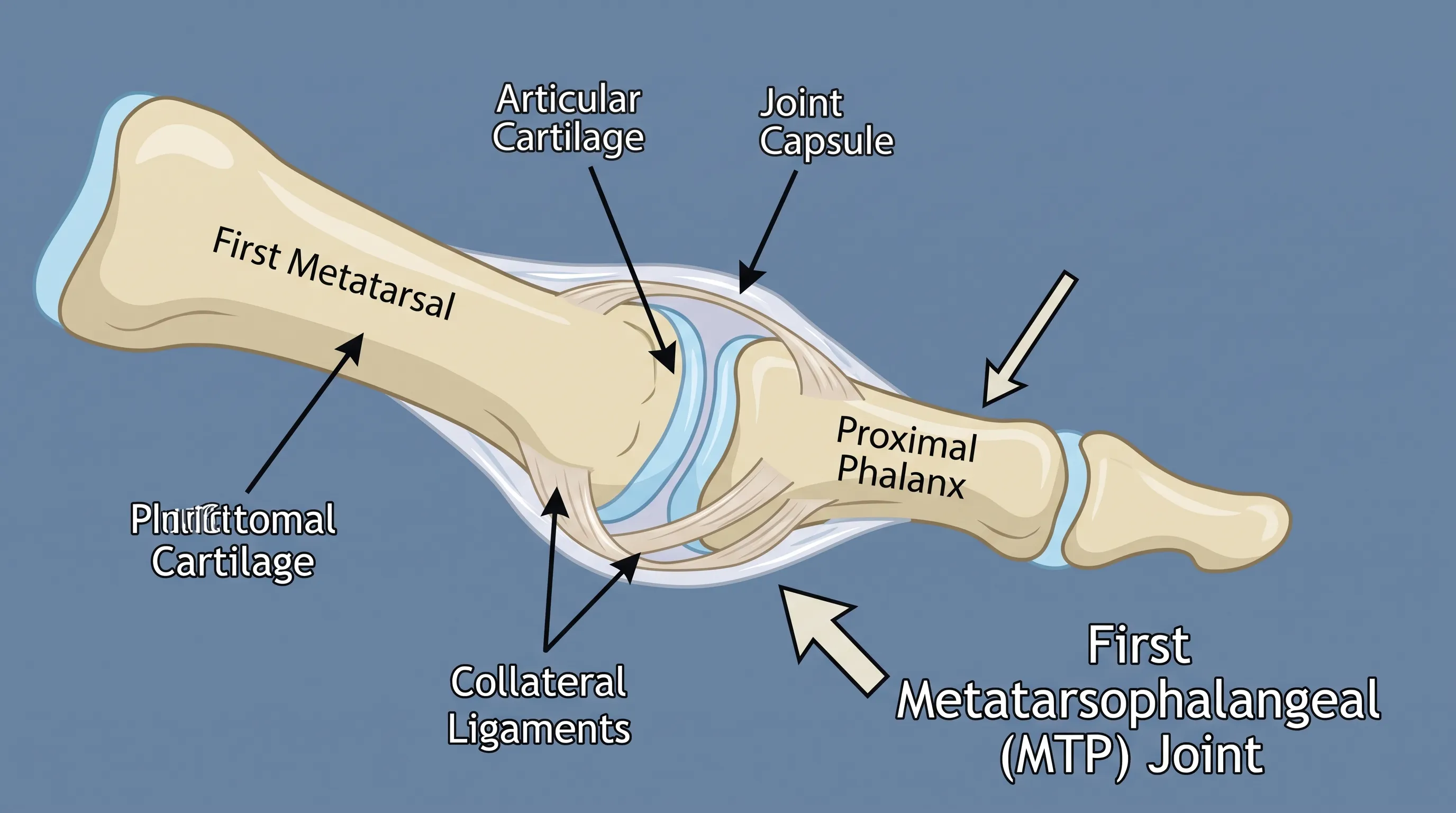
When any of these components are damaged, inflamed, or degenerated, the result is pain around big toe joint. The specific nature of the pain—whether it is sharp, dull, throbbing, or stiff—often provides clues to the underlying diagnosis. For instance, damage to the cartilage typically leads to arthritis, while inflammation of the soft tissues may indicate a sprain or systemic condition like gout.
Gout: The Sudden Onset of Intense Pain
Gout is perhaps the most well-known cause of acute pain around big toe joint. It is a common and complex form of arthritis that can affect anyone, but it is more prevalent in men and post-menopausal women. According to the National Institute of Arthritis and Musculoskeletal and Skin Diseases (NIAMS), gout is characterized by sudden, severe attacks of pain, swelling, redness, and tenderness in one or more joints, most often in the big toe.
The Role of Uric Acid Crystals
The primary culprit behind gout is hyperuricemia, a condition where there is too much uric acid in the body. Uric acid is a waste product formed from the breakdown of purines, substances found naturally in the body and in certain foods. When uric acid levels are high, needle-shaped urate crystals can form in the joint. These crystals trigger an intense inflammatory response, leading to the hallmark symptoms of a gout flare.
It is important to note that not everyone with high uric acid levels develops gout. However, genetic factors play a significant role. Researchers have identified dozens of genes, including SLC2A9 and ABCG2, that influence how the body processes and excretes uric acid. If you have a family history of gout, your risk is significantly higher.
Recognizing a Gout Flare
A gout attack often begins suddenly, frequently at night. The affected joint becomes exquisitely tender, warm, and swollen. The skin over the joint may appear shiny and red. Without treatment, a flare can last from a few days to two weeks. Recurrent flares can lead to chronic gout, where hard deposits called tophi form under the skin, potentially causing permanent joint damage.
Risk Factors and Triggers
Several factors increase the likelihood of developing gout:
- Diet: Consuming foods high in purines, such as red meat, organ meats (liver, kidney), and certain seafoods (anchovies, sardines, mussels), can raise uric acid levels. Alcohol, particularly beer, and beverages sweetened with fructose are also strong triggers.
- Medical Conditions: Obesity, hypertension, metabolic syndrome, diabetes, and chronic kidney disease are all associated with higher uric acid levels.
- Medications: Certain drugs, including diuretics (water pills) and low-dose aspirin, can increase uric acid retention.
Treatment and Management
The good news is that gout is highly treatable. As stated by NIAMS, "With early diagnosis, treatment, and lifestyle changes, gout is one of the most controllable forms of arthritis." Acute flares are typically managed with nonsteroidal anti-inflammatory drugs (NSAIDs) like ibuprofen, colchicine, or corticosteroids. For long-term management, medications that lower uric acid levels, such as allopurinol, may be prescribed. Lifestyle modifications, including weight loss, hydration, and dietary changes, are crucial for preventing future attacks. For more detailed information on gout management, visit the Mayo Clinic's guide on Gout.
Hallux Rigidus: Degenerative Arthritis of the Big Toe
While gout strikes suddenly, hallux rigidus develops gradually. The term "hallux rigidus" translates from Latin as "stiff big toe." It is a form of degenerative arthritis that affects the first MTP joint, leading to pain and stiffness. This condition is common in adults between the ages of 30 and 60, although it can occur earlier in some cases.
Pathophysiology and Progression
Hallux rigidus occurs when the articular cartilage covering the ends of the bones in the big toe joint wears away. As the cartilage deteriorates, the joint space narrows, and the bones may rub against each other. In response to this friction, the body may grow extra bone, forming bone spurs (osteophytes) on the top of the foot. These spurs further limit movement and cause pain, especially when wearing shoes.
The condition progresses through stages:
- Early Stage: Pain and stiffness occur mainly during activity, such as walking or running. Swelling may be present, and symptoms often worsen in cold, damp weather.
- Moderate Stage: Pain becomes more constant. A hard bump develops on the top of the foot, and the range of motion in the big toe decreases significantly.
- Advanced Stage: Pain is present even at rest. The big toe becomes very stiff, and walking may require a limp to avoid bending the toe. This altered gait can lead to secondary pain in the knee, hips, and lower back.
Risk Factors
Several factors contribute to the development of hallux rigidus:
- Foot Anatomy: An abnormal foot structure, such as a long or elevated first metatarsal bone, can place excessive stress on the big toe joint.
- Injury: Previous trauma to the big toe, such as stubbing it or spraining the joint, can damage the cartilage and initiate the arthritic process.
- Overuse: Activities that involve repeated stooping, squatting, or pushing off on the big toe can accelerate wear and tear.
- Genetics: A family history of hallux rigidus suggests a genetic predisposition, possibly related to inherited foot types.
Diagnosis and Treatment
Diagnosis is typically made through a physical examination and X-rays, which reveal the loss of joint space and the presence of bone spurs. Treatment focuses on relieving pain and improving function. Non-surgical options include wearing shoes with a stiff sole or rocker bottom to reduce bending of the toe, using orthotic inserts, and taking NSAIDs. In severe cases, surgical options such as cheilectomy (removal of bone spurs) or joint fusion (arthrodesis) may be considered. Learn more about treatment options at the American Academy of Orthopaedic Surgeons.
Bunions (Hallux Valgus): Structural Deformity and Pain
Bunions, medically known as hallux valgus, are another leading cause of pain around big toe joint. Unlike hallux rigidus, which primarily affects the top of the joint, bunions involve a lateral deviation of the big toe toward the second toe. This misalignment creates a prominent bony bump on the medial (inner) side of the foot at the base of the big toe.
Causes and Contributing Factors
Bunions are largely considered a genetic condition, resulting from faulty foot mechanics. People with flat feet, excessively flexible ligaments, or abnormal bone structure are more prone to developing bunions. However, environmental factors play a significant role in exacerbating the condition. Wearing tight, narrow, or high-heeled shoes forces the toes into an unnatural position, increasing pressure on the MTP joint and accelerating the deformity.
Symptoms and Complications
The most obvious sign of a bunion is the bony bump on the side of the foot. Other symptoms include:
- Redness, inflammation, and swelling around the big toe joint.
- Pain or soreness, especially when wearing shoes.
- Corns or calluses where the first and second toes overlap.
- Restricted movement of the big toe.
If left untreated, bunions can lead to chronic pain, difficulty finding comfortable footwear, and secondary issues like hammertoes (curvature of the second toe).
Management and Self-Care
According to the NHS UK, conservative management is the first line of defense. Key recommendations include:
- Footwear: Wear wide shoes with a low heel and soft sole. Avoid pointed toes and high heels.
- Padding: Use bunion pads or moleskin to protect the bump from rubbing against shoes.
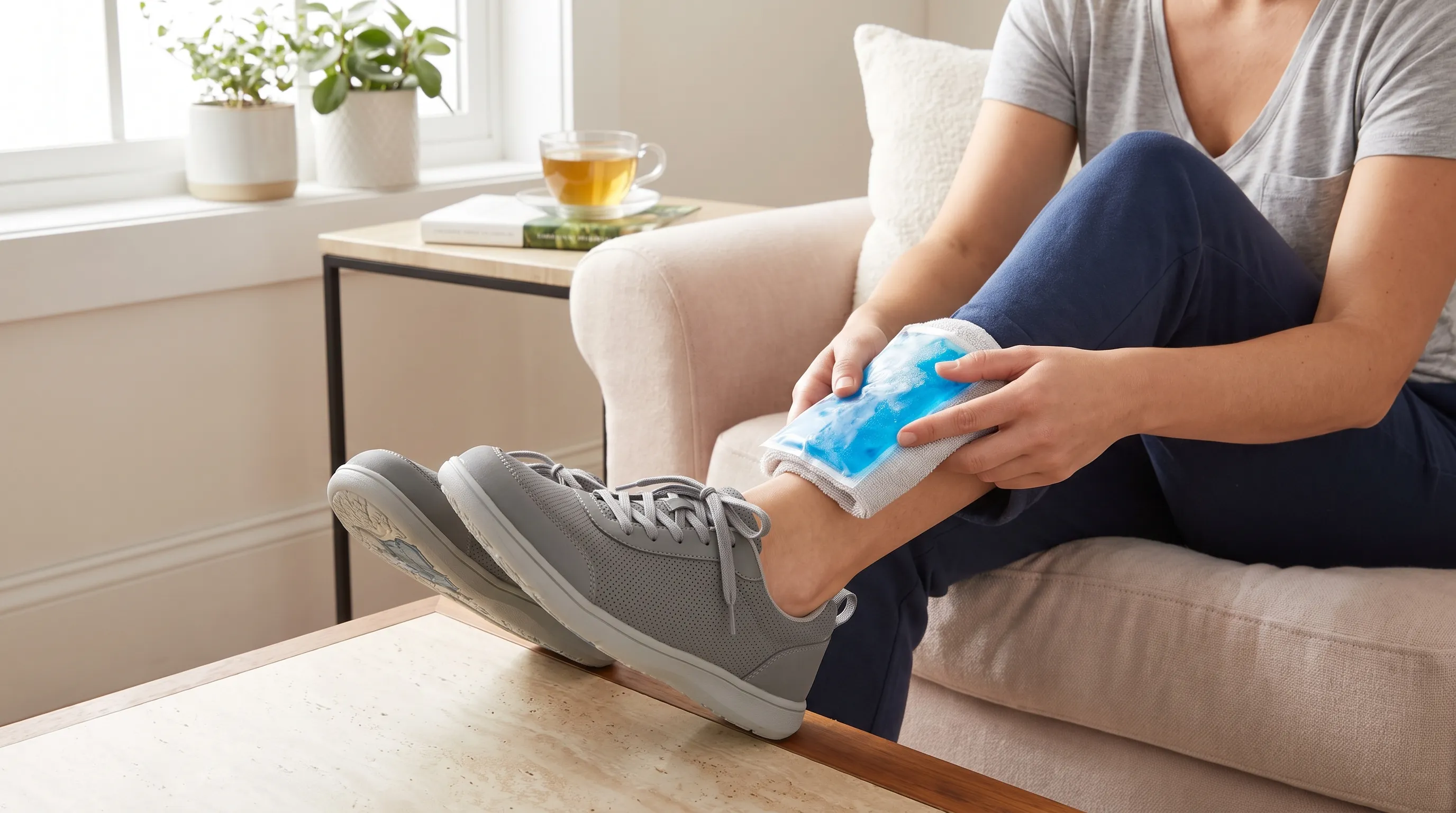
- Ice: Apply ice packs to the bunion for up to 5 minutes to reduce inflammation.
- Medication: Over-the-counter pain relievers like paracetamol or ibuprofen can help manage pain.
- Weight Management: Losing weight can reduce the stress on the foot joints.
Surgery (osteotomy) is an option for severe cases where pain persists despite conservative measures. The procedure involves cutting and realigning the bone, but recovery can be lengthy, and there is a risk of recurrence.
Turf Toe: Acute Injury and Sprain
Not all pain around big toe joint is caused by chronic conditions or systemic diseases. Turf toe is an acute sprain of the MTP joint, resulting from hyperextension of the big toe. This injury is common in sports that involve running, jumping, and sudden stops on hard or artificial surfaces.
Mechanism of Injury
Turf toe occurs when the big toe is forcibly bent upward, stretching or tearing the ligaments and soft tissues under the joint. This can happen when an athlete pushes off with the foot planted firmly on the ground, or when another player lands on the back of their heel. The name "turf toe" originated from its prevalence among football players on artificial turf, with studies showing that over 80% of injuries occur on these surfaces. However, it is also seen in soccer, basketball, ballet, and martial arts.
Symptoms and Severity
Symptoms of turf toe include:
- Pain and tenderness at the base of the big toe.
- Swelling and bruising.
- Limited range of motion.
- A popping sound at the time of injury (in severe cases).
Turf toe is graded based on severity:
- Grade 1: Stretching of the ligaments with mild pain and swelling.
- Grade 2: Partial tearing of the ligaments with moderate pain, swelling, and bruising.
- Grade 3: Complete tearing of the ligaments with severe pain, significant swelling, bruising, and instability of the joint.
Treatment and Recovery
Initial treatment follows the RICE protocol: Rest, Ice, Compression, and Elevation. Taping the toe to limit movement or wearing a stiff-soled shoe can help protect the joint during healing. Physical therapy may be required to restore strength and flexibility. Severe Grade 3 injuries may require surgical repair. Prevention strategies include wearing appropriate footwear with adequate support and avoiding excessive hyperextension during athletic activities. For more details on sports injuries, refer to the Cleveland Clinic's overview of Turf Toe.
Comparative Overview of Big Toe Conditions
To help distinguish between these common causes of pain around big toe joint, the following table summarizes their key characteristics:
| Feature | Gout | Hallux Rigidus | Bunions (Hallux Valgus) | Turf Toe |
|---|---|---|---|---|
| Primary Cause | Uric acid crystals | Cartilage degeneration | Structural deformity | Ligament sprain |
| Onset | Sudden, often at night | Gradual | Gradual | Sudden (after injury) |
| Key Symptom | Intense pain, redness, heat | Stiffness, bone spur on top | Bony bump on side, toe deviation | Pain with hyperextension |
| Common Age | 40+ (Men), Post-menopause (Women) | 30-60 | Any age, worsens with age | Athletes/Active individuals |
| Risk Factors | Diet, genetics, kidney disease | Foot anatomy, injury, overuse | Genetics, tight shoes | Artificial turf, sports |
| Treatment Focus | Lower uric acid, anti-inflammatories | Pain relief, maintain motion | Footwear modification, padding | Rest, immobilization |
Practical Advice for Managing Big Toe Joint Pain
Regardless of the specific diagnosis, several general strategies can help alleviate pain around big toe joint and prevent further damage. These evidence-based tips focus on reducing inflammation, improving biomechanics, and promoting overall foot health.
1. Optimize Your Footwear
Footwear is the most critical external factor influencing big toe health. Choose shoes with a wide toe box that allows your toes to spread naturally. Avoid high heels and pointed toes, which compress the forefoot and increase pressure on the MTP joint. Look for shoes with a stiff sole or rocker bottom if you have hallux rigidus, as this reduces the need for the toe to bend during walking.
2. Apply Ice and Heat Therapy
Ice is effective for reducing acute inflammation and pain, particularly after activity or during a gout flare. Apply an ice pack wrapped in a towel to the affected area for 15-20 minutes several times a day. For chronic stiffness associated with hallux rigidus, warm soaks or heating pads may help loosen the joint before activity.
3. Maintain a Healthy Weight
Excess body weight places additional stress on the feet, exacerbating pain in the big toe joint. Losing even a small amount of weight can significantly reduce the load on the MTP joint, slowing the progression of arthritis and reducing pain.
4. Dietary Modifications for Gout Prevention
If gout is a concern, dietary changes are essential. Limit intake of high-purine foods such as red meat, organ meats, and certain seafood. Reduce alcohol consumption, especially beer. Stay well-hydrated to help flush uric acid from the body. Incorporate low-fat dairy products, cherries, and coffee, which may have protective effects against gout.
5. Use Orthotics and Padding
Custom orthotics or over-the-counter inserts can correct biomechanical imbalances and redistribute pressure away from the big toe joint. Bunion pads, toe spacers, and silicone sleeves can protect sensitive areas and improve alignment. Consult a podiatrist for personalized recommendations.
6. Modify Activities
Avoid activities that place excessive stress on the big toe, such as running on hard surfaces, squatting, or high-impact sports, until the pain subsides. Low-impact exercises like swimming, cycling, or elliptical training can maintain fitness without aggravating the joint.
Frequently Asked Questions
What is the most common cause of sudden pain in the big toe joint?
The most common cause of sudden, intense pain in the big toe joint is gout. Gout is a form of inflammatory arthritis caused by the buildup of uric acid crystals in the joint. It often strikes at night, causing severe pain, redness, swelling, and warmth. While other conditions like turf toe or infection can cause sudden pain, gout is distinct for its rapid onset and intensity.
Can bunions cause pain in the big toe joint even without surgery?
Yes, bunions (hallux valgus) frequently cause pain around the big toe joint due to the misalignment of the toe and the resulting pressure on the joint. The bony bump can become inflamed, red, and tender, especially when wearing tight shoes. Conservative treatments like wearing wide shoes, using bunion pads, and taking anti-inflammatory medications can help manage the pain without immediate need for surgery.
How is hallux rigidus different from a bunion?
Hallux rigidus and bunions are both conditions affecting the big toe joint but present differently. Hallux rigidus is degenerative arthritis characterized by stiffness and loss of motion in the joint, often accompanied by bone spurs on the top of the foot. In contrast, a bunion involves the big toe leaning toward the second toe, creating a bony bump on the side of the foot. While both cause pain, hallux rigidus primarily limits movement, whereas bunions primarily cause structural deformity and side-of-foot pain.
Is turf toe only common in professional athletes?
No, turf toe is not limited to professional athletes. While it is highly prevalent in sports like football, soccer, and basketball due to hyperextension of the big toe, it can affect anyone who participates in activities that involve repetitive pushing off or jumping. Dancers, martial artists, and even recreational runners can develop turf toe, especially if they wear flexible footwear on hard or artificial surfaces.
When should I see a doctor for big toe joint pain?
You should see a doctor if the pain is severe, persists for more than a few days, or interferes with your ability to walk. Immediate medical attention is recommended if you have a fever, which could indicate an infection, or if the joint is hot and red, suggesting gout or septic arthritis. Additionally, if you have diabetes or poor circulation, any foot pain or injury warrants prompt professional evaluation to prevent complications.
Conclusion
Pain around big toe joint is a multifaceted issue that can stem from various causes, including gout, hallux rigidus, bunions, and turf toe. Each condition has unique characteristics, risk factors, and treatment pathways. Gout requires management of uric acid levels and dietary changes; hallux rigidus benefits from maintaining joint motion and reducing stress; bunions need proper footwear and possibly surgical correction; and turf toe requires rest and protection during healing.
Early diagnosis and intervention are key to preventing long-term damage and maintaining mobility. By understanding the underlying cause of your pain and adopting appropriate self-care strategies, you can effectively manage symptoms and improve your quality of life. If you experience persistent or severe pain around big toe joint, consult a healthcare professional or podiatrist for a comprehensive evaluation and personalized treatment plan. Your feet carry you through life—treat them with the care they deserve.
How we work
Researched and drafted with AI assistance, then reviewed by a human editor against the cited sources.
This article is general health information, not medical advice. Consult a qualified healthcare professional about your own situation.