Carpal Tunnel vs Tendonitis: Symptoms, Causes & Evidence-Based Treatments
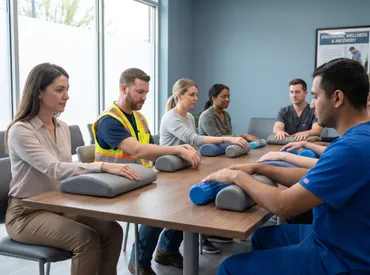
Wrist pain is one of the most common musculoskeletal complaints encountered in both clinical and occupational settings, yet distinguishing between its underlying causes remains a frequent challenge for patients and healthcare providers alike. When discomfort, stiffness, or tingling develops in the hand and forearm, the two most likely culprits are nerve compression and tendon inflammation. Understanding the distinction between carpal tunnel vs tendonitis is essential for selecting the right treatment pathway, avoiding unnecessary procedures, and implementing effective self-care strategies. Both conditions share overlapping symptoms and frequently affect similar demographic groups, which is why misdiagnosis is surprisingly common without proper clinical assessment. This comprehensive guide breaks down the anatomical differences, diagnostic markers, evidence-based interventions, and long-term prevention strategies for these prevalent wrist disorders, empowering you to make informed decisions about your hand health and daily comfort.
Understanding the Anatomical Framework of Wrist Pain
The human wrist is a remarkably complex biomechanical structure composed of eight small carpal bones arranged in two rows, multiple ligaments, tendons, blood vessels, and the critical median nerve. This tightly packed arrangement allows for exceptional mobility while providing the stability needed for gripping, typing, lifting, and fine motor tasks. However, this anatomical efficiency also creates a vulnerable environment where minor changes in tissue volume or pressure can trigger significant pain and functional impairment. The flexor tendons that bend the fingers and thumb pass through the wrist alongside the median nerve within a confined space known as the carpal tunnel. Above this tunnel, the extensor tendons responsible for straightening the hand and fingers run through separate synovial sheaths along the back of the wrist. When either compartment experiences repetitive stress, trauma, or systemic inflammation, the resulting swelling has nowhere to go, leading to mechanical compression, friction, and tissue irritation.
Free calculatorFoot Reflexology ChartFoot reflexology points and corresponding organsOpen the calculatorWhy Misdiagnosis Frequently Occurs
The confusion between carpal tunnel vs tendonitis stems primarily from symptom overlap. Both conditions manifest as localized discomfort, aching during activity, morning stiffness, and reduced grip strength. Patients often report difficulty opening jars, typing for extended periods, or carrying groceries, regardless of whether the underlying pathology involves nerve entrapment or tendon degeneration. Without diagnostic imaging or specialized physical tests, the clinical presentation can appear nearly identical. Additionally, occupational risk factors heavily influence both conditions, as workers in manufacturing, construction, administrative roles, and creative industries frequently subject their wrists to repetitive motions, sustained gripping, or awkward postures. This shared environmental exposure further blurs the diagnostic line, making patient history, symptom timing, and targeted examination techniques crucial for accurate identification.
Carpal Tunnel Syndrome Explained
Carpal tunnel syndrome (CTS) occurs when the median nerve becomes compressed as it passes through the narrow carpal tunnel at the base of the palm. This nerve is responsible for providing sensation to the thumb, index finger, middle finger, and half of the ring finger, while also controlling the thenar muscles that enable thumb opposition and pinch strength. Compression typically results from increased pressure within the tunnel due to swelling of the surrounding tendons, fluid retention, or structural narrowing from repetitive trauma. The condition is rarely caused by acute injury alone and more commonly develops as a gradual, progressive disorder influenced by genetics, systemic health factors, and occupational demands. According to the National Institute of Neurological Disorders and Stroke, CTS affects approximately three to six percent of adults in the general population, with higher prevalence observed in women and individuals over the age of fifty.
Pathophysiology and Nerve Compression Mechanisms
The median nerve travels from the brachial plexus in the shoulder, down the arm, and into the wrist, where it is vulnerable at the flexor retinaculum. This thick band of connective tissue forms the roof of the carpal tunnel, preventing the tendons from bowstringing during hand movements. When the synovial lining around the flexor tendons becomes inflamed (tenosynovitis), it swells within the rigid tunnel space, reducing room for the nerve. Prolonged pressure impairs blood flow to the nerve fibers, leading to demyelination, slowed signal transmission, and eventual axonal damage if left untreated. Contributing factors include diabetes, thyroid dysfunction, pregnancy-related fluid retention, rheumatoid arthritis, obesity, and certain medications that alter tissue composition or fluid balance Mayo Clinic. Genetic predisposition also plays a significant role, with some individuals naturally possessing narrower carpal tunnels that predispose them to early compression.
Classic Symptoms and Warning Signs
Early-stage CTS typically presents with intermittent tingling, numbness, or a burning sensation in the thumb and first three fingers, often worsening at night or upon waking. Patients frequently report shaking out their hands to relieve discomfort, a phenomenon known as the flick sign. As compression progresses, symptoms become more constant, extending into the forearm and accompanied by noticeable weakness in the thumb's opposing muscles. Dropping objects, difficulty buttoning clothing, and reduced fine motor control are common functional complaints. A key diagnostic clue is the distribution of numbness, which strictly avoids the little finger since that digit is innervated by the ulnar nerve. Pain may radiate proximally toward the shoulder in advanced cases, often mimicking cervical radiculopathy, which requires careful differential assessment.
Wrist Tendonitis Breakdown
Wrist tendonitis refers to inflammation or degeneration of the tendons that connect forearm muscles to the bones of the hand and wrist. Unlike nerve compression, tendonitis primarily affects movement rather than sensation, though referred pain can sometimes cause tingling if swelling is severe enough to press on adjacent structures. The condition commonly involves the flexor carpi radialis, flexor carpi ulnaris, extensor carpi ulnaris, or the abductor pollicis longus and extensor pollicis brevis tendons. Repetitive overuse is the primary driver, with microtrauma accumulating faster than the tissue can repair itself, leading to collagen disruption, disorganized fiber alignment, and chronic pain. Modern research distinguishes between acute tendonitis, which presents with classic inflammatory markers like warmth and swelling, and tendinopathy, which involves degenerative changes with minimal active inflammation but significant mechanical dysfunction Cleveland Clinic.
Inflammation and Tendon Degeneration Pathways
Healthy tendons consist of tightly packed collagen fibers that transmit muscular force to bone with remarkable efficiency. When subjected to sudden increases in activity volume, poor biomechanics, or inadequate recovery, the extracellular matrix begins to break down. Fibroblasts within the tendon produce disorganized type III collagen instead of the stronger type I fibers, reducing tensile strength and increasing stiffness. Over time, neovascularization occurs as the body attempts to repair damaged tissue by growing new, fragile blood vessels that lack proper neural regulation. These newly formed vessels are often accompanied by pain-signaling nerves, explaining why chronic tendon issues remain tender despite prolonged rest. Contributing factors include poor warm-up routines, inadequate hydration, nutritional deficiencies in vitamin C, zinc, and collagen-supporting amino acids, and abrupt changes in training or work intensity.
Types of Wrist Tendonitis Affecting Daily Function
Different tendons are susceptible based on movement patterns. Flexor tendonitis typically develops in individuals who perform heavy gripping, weightlifting, or repetitive wrist flexion, such as rock climbers, mechanics, or keyboard users who press keys with excessive force. Extensor tendonitis is common among tennis players, golfers, and workers who frequently extend their wrists while bearing load. De Quervain tenosynovitis specifically targets the tendons on the thumb side of the wrist, causing sharp pain during thumb movement, grasping, or making a fist. It is frequently observed in new parents lifting infants, crafters, and smartphone users who constantly swipe and type Cleveland Clinic. Each variant produces localized tenderness along the affected tendon's path, pain during resisted movement, and sometimes audible crepitus or grating sensations during wrist motion.
Direct Comparison: Carpal Tunnel vs Tendonitis
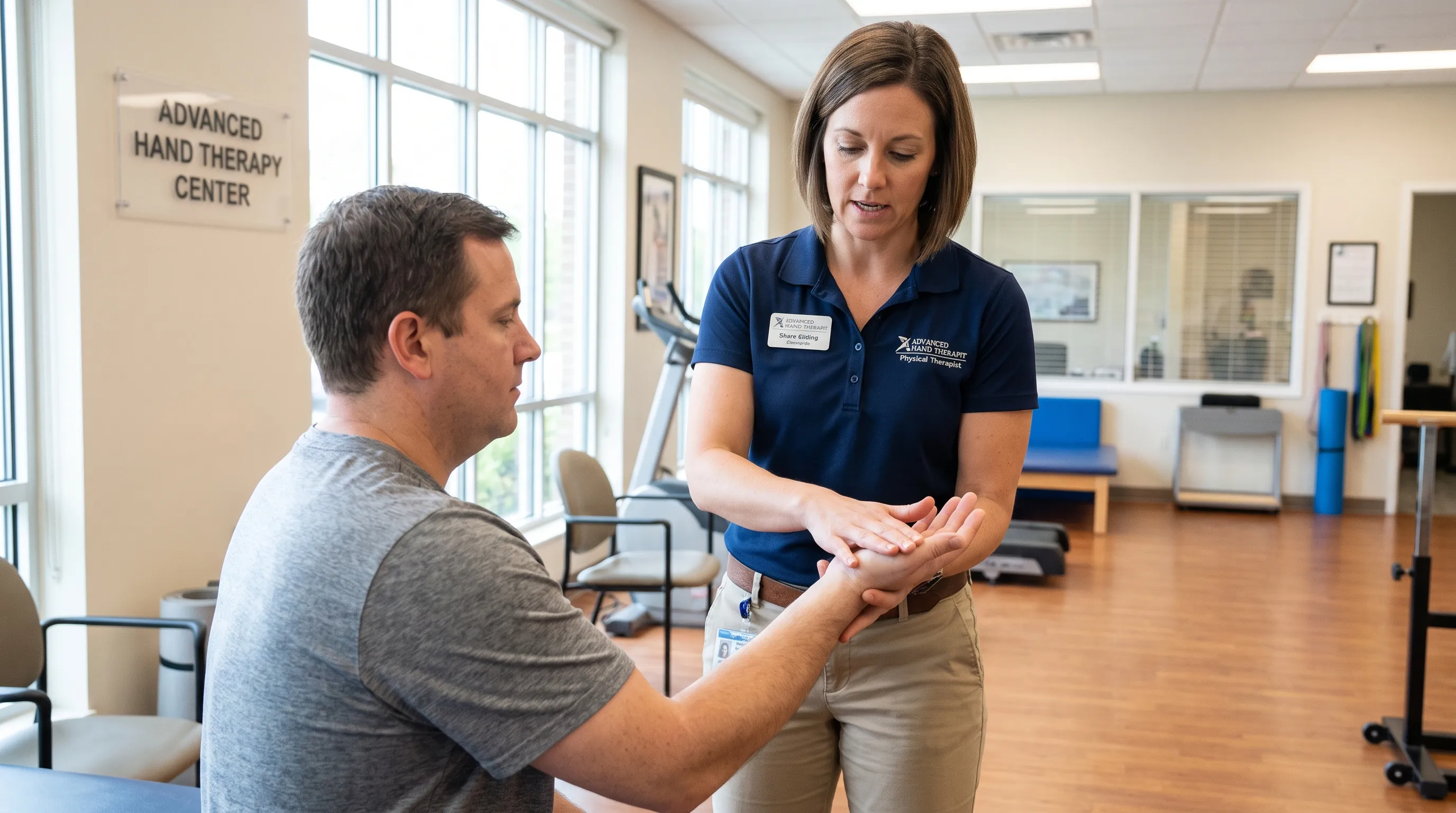
Distinguishing carpal tunnel vs tendonitis requires evaluating symptom quality, timing, and response to specific movements. While both conditions cause discomfort, their underlying mechanisms dictate different clinical presentations. The following table outlines the most reliable differentiating factors used by orthopedic specialists and hand therapists.
| Feature | Carpal Tunnel Syndrome | Wrist Tendonitis |
|---|---|---|
| Primary Symptom | Numbness, tingling, burning in thumb/index/middle fingers | Aching, stiffness, sharp pain during movement |
| Sensory Distribution | Mediates specific nerve dermatome; spares little finger | Follows tendon pathway; localized to affected area |
| Pain Timing | Worsens at night, during static hand positions | Worsens with specific movements or resisted contraction |
| Strength Impact | Thenar muscle weakness, reduced pinch strength | Pain-limited grip strength without true nerve weakness |
| Palpation Findings | Tenderness over carpal tunnel, positive Tinel sign at wrist | Tenderness directly over tendon sheath, pain with stretch |
| Response to Splinting | Significant relief with neutral-position wrist brace | Moderate relief; may require activity modification instead |
Symptom Overlap and Key Differentiators
The most reliable way to differentiate carpal tunnel vs tendonitis at home is to assess symptom patterns during specific activities. Numbness that awakens you from sleep and improves when you dangle your arm or shake your hand strongly suggests nerve involvement. Conversely, pain that appears predictably when you lift, twist, or extend your wrist, and remains sharp rather than tingling, points toward tendon irritation. Another useful test is the Durkan compression test, where direct pressure over the carpal tunnel reproduces symptoms within thirty seconds, versus resisted wrist extension or flexion which elicits pain in tendonitis cases. It is important to remember that chronic inflammation can eventually cause secondary nerve compression, making early intervention critical for preventing dual pathology.
Clinical Examination and Diagnostic Nuances
Healthcare providers rely on a combination of provocative tests to isolate the affected structure, following standardized clinical pathways outlined by the Mayo Clinic. The Phalen test, Phalen maneuver, and reverse Phalen evaluate carpal tunnel susceptibility, while Finkelstein test specifically identifies De Quervain tenosynovitis. Muscle atrophy at the base of the thumb, diminished two-point discrimination, and delayed sensory recovery after pinching are hallmark signs of advanced CTS. In contrast, tendonitis typically presents with localized warmth, visible swelling along the tendon path, and palpable thickening or nodules. Range of motion remains largely intact in early tendonitis, whereas CTS patients often maintain full mobility but report functional clumsiness. Understanding these distinctions ensures targeted treatment rather than generic rest protocols.
Diagnostic Pathways: Getting an Accurate Assessment
When symptoms persist beyond a few weeks or interfere with daily tasks, professional evaluation becomes necessary. Primary care physicians, occupational medicine specialists, and orthopedic hand surgeons utilize standardized protocols to confirm the diagnosis and rule out cervical spine involvement, peripheral neuropathy, or systemic arthritis. Diagnostic accuracy significantly impacts treatment success, particularly when considering surgical referrals or corticosteroid injections.
Physical Examinations and Functional Testing
Clinical evaluation begins with a thorough history focusing on occupational exposures, symptom progression, medical comorbidities, and previous injuries. Physical testing includes sensory mapping, motor strength grading, and specific provocative maneuvers. Electromyography (EMG) and nerve conduction velocity (NCV) studies remain the gold standard for confirming median nerve compression severity and distinguishing mild demyelination from axonal loss. These tests measure how quickly electrical signals travel through the nerve, with delayed conduction across the carpal tunnel confirming entrapment, per NIH guidelines. Ultrasound imaging has emerged as a highly effective adjunct, allowing visualization of nerve swelling, cross-sectional area measurements, and tendon structure abnormalities without radiation exposure. Magnetic resonance imaging (MRI) is rarely required but proves valuable when evaluating for ganglion cysts, space-occupying lesions, or complex anatomical variations.
Evidence-Based Treatment Strategies
Management of wrist pain should follow a stepwise approach, prioritizing conservative interventions before advancing to invasive procedures. Research consistently demonstrates that early intervention yields better functional outcomes, shorter recovery times, and reduced healthcare costs. The treatment algorithm differs slightly depending on whether the primary driver is neural compression or tendon degeneration, though many strategies overlap effectively for both.
First-Line Conservative Management
For carpal tunnel vs tendonitis management, initial therapy focuses on symptom relief, inflammation reduction, and biomechanical optimization. Nighttime wrist splinting in a neutral position prevents flexion or extension during sleep, reducing carpal tunnel pressure and allowing tendons to rest without mechanical strain. Activity modification involves identifying and eliminating repetitive triggers, using ergonomic tools, and implementing structured micro-breaks every thirty minutes during repetitive tasks. Physical therapy introduces graded loading, nerve gliding exercises, and tendon sliding protocols to restore mobility and prevent adhesions. Nonsteroidal anti-inflammatory drugs (NSAIDs) provide short-term pain relief for acute tendonitis but offer limited benefit for pure nerve compression, making patient education about medication limitations essential. Corticosteroid injections into the carpal tunnel or tendon sheath can provide rapid, temporary relief, particularly during pregnancy or acute flare-ups, though repeated use may weaken surrounding tissues Mayo Clinic.

Medical Interventions and Advanced Therapies
When conservative measures plateau, extracorporeal shockwave therapy (ESWT), iontophoresis, and platelet-rich plasma (PRP) injections represent emerging options for chronic tendinopathy, particularly when structural degeneration outpaces inflammatory resolution. For carpal tunnel, ultrasound-guided hydrodissection injects sterile fluid around the compressed nerve to separate it from surrounding adhesions and reduce mechanical friction, showing promising results in clinical trials. Occupational hand therapists utilize custom orthotics, paraffin wax therapy, and desensitization techniques for patients with chronic pain hypersensitivity. Pharmacological approaches may include neuropathic pain modulators like gabapentin or pregabalin for severe nerve pain, while tendon conditions often benefit from topical diclofenac gel, which delivers localized anti-inflammatory action with minimal systemic absorption.
Surgical Options and Recovery Expectations
Surgical intervention for CTS typically involves open or endoscopic carpal tunnel release, which cuts the transverse carpal ligament to expand the tunnel and relieve median nerve pressure. Endoscopic approaches offer faster initial recovery but carry slightly higher revision rates in certain anatomical variations, whereas open release provides direct visualization and remains the standard for severe cases. Tendon surgery is reserved for refractory tendinopathy, partial tears, or De Quervain cases unresponsive to injection therapy, often involving tenosynovectomy to remove thickened synovial tissue or tendon realignment to reduce friction. Postoperative rehabilitation begins within days of surgery, focusing on edema control, scar mobilization, and gradual loading. Most patients return to light duties within two to four weeks, with full strength recovery occurring around three to six months. Success rates exceed ninety percent for properly selected candidates, emphasizing the importance of accurate preoperative diagnosis Cleveland Clinic.
Daily Life Modifications and Ergonomic Prevention
Long-term wrist health depends on sustainable habit changes, workspace optimization, and consistent mobility maintenance. Whether addressing carpal tunnel vs tendonitis, prevention strategies revolve around reducing mechanical load, improving posture, and supporting tissue resilience through targeted lifestyle interventions. Employers and individuals alike benefit from evidence-based ergonomic guidelines that address keyboard placement, tool design, and movement variability CDC.
Workspace Optimization and Tool Selection
Ergonomic adjustments begin with proper seated posture: feet flat on the floor, thighs parallel to the ground, back supported, and shoulders relaxed. The keyboard should sit at elbow height or slightly below, allowing wrists to remain in a neutral, straight alignment without bending up or down. Split keyboards, vertical mice, and contoured trackpads reduce ulnar and radial deviation, decreasing repetitive strain on both tendons and nerves. Wrist rests should only support the palm, never the underside of the wrist itself, to avoid direct carpal tunnel compression. For manual laborers, padded grips, vibration-dampening gloves, and tool-balancing techniques distribute force more evenly across the hand and forearm, minimizing localized stress concentrations.
Daily Stretches and Strengthening Routines
Incorporating targeted exercises into your daily routine maintains tissue elasticity and prevents chronic stiffness. Begin each morning with tendon gliding exercises: make a straight hand, then a hook fist, full fist, and tabletop position, holding each for three to five seconds while repeating ten cycles. Nerve gliding sequences involve extending the arm, flexing the wrist backward, and gently tilting the head away from the affected side, promoting median nerve mobility through the brachial plexus. Strengthening should focus on forearm extensors using light resistance bands, performing wrist extensions and radial/ulnar deviations with controlled tempo to build endurance without overloading healing tissue. Consistency matters more than intensity; performing these routines for ten to fifteen minutes daily yields greater long-term benefits than aggressive, infrequent sessions.
When to Seek Professional Care
Despite diligent self-management, certain red flags warrant immediate medical attention. Sudden severe pain following trauma, visible deformity, loss of pulse in the hand, progressive weakness causing functional incapacity, or symptoms accompanied by fever and redness suggest alternative pathologies requiring urgent evaluation. Additionally, persistent numbness lasting beyond three months, noticeable thenar muscle wasting, or pain that disrupts sleep despite conservative interventions indicates the need for specialist referral, as recommended by the Mayo Clinic. Early diagnostic testing prevents irreversible nerve damage and chronic tendinopathy, ensuring treatment remains within the conservative window whenever possible. Occupational health programs, certified hand therapists, and sports medicine physicians offer multidisciplinary support for patients navigating recovery and return-to-work transitions.
Frequently Asked Questions
Can carpal tunnel and tendonitis occur at the same time?
Yes, it is entirely possible to experience both conditions simultaneously. Repetitive wrist motions or underlying systemic conditions like rheumatoid arthritis can trigger tendon inflammation that subsequently compresses the median nerve within the carpal tunnel. Clinical evaluation is necessary to distinguish primary nerve compression from secondary tendon-related swelling, as treatment protocols must address both structures for optimal recovery.
How long does it take to recover from wrist tendonitis?
Recovery timelines vary based on severity, but mild to moderate wrist tendonitis typically improves within four to six weeks with consistent conservative treatment, including activity modification, targeted stretching, and anti-inflammatory measures. Chronic or untreated cases may require three to six months of structured rehabilitation, emphasizing gradual loading over prolonged rest.
Is surgery always required for carpal tunnel syndrome?
No, surgery is reserved for severe, progressive cases or when conservative treatments fail after three to six months. Most patients achieve significant symptom relief with ergonomic adjustments, nighttime wrist splinting, physical therapy, and corticosteroid injections before considering surgical intervention. Early diagnosis greatly reduces the likelihood of needing operative procedures.
What is the fastest way to reduce wrist inflammation naturally?
The most effective natural approach combines rest, cold therapy, and gentle mobility exercises. Applying ice packs for fifteen minutes several times daily, elevating the affected arm, and incorporating anti-inflammatory foods like omega-3 fatty acids and turmeric can accelerate tissue recovery. Avoiding complete immobilization is crucial, as controlled movement stimulates collagen alignment and prevents joint stiffness.
When should I see a doctor for wrist pain?
Seek medical evaluation if wrist pain persists beyond two weeks despite home care, causes nighttime waking, leads to noticeable weakness or muscle wasting, results in frequent dropping of objects, or is accompanied by numbness, tingling, or radiating pain into the forearm or fingers. Early assessment ensures accurate diagnosis and prevents long-term functional impairment.
Conclusion
Navigating the complexities of wrist discomfort requires a clear understanding of the fundamental differences between carpal tunnel vs tendonitis, recognizing that nerve compression and tendon inflammation demand distinct management strategies. While symptom overlap frequently creates diagnostic uncertainty, careful attention to symptom distribution, movement-related pain patterns, and response to specific tests enables accurate identification. Evidence consistently demonstrates that early intervention, ergonomic optimization, and consistent therapeutic exercise yield superior long-term outcomes compared to passive waiting or generic pain management. Patients who prioritize posture correction, workspace modification, and graded mobility routines significantly reduce their risk of chronic disability, regardless of whether they are recovering from acute tendon irritation or managing progressive nerve compression. For individuals experiencing persistent discomfort, consulting a certified hand therapist or orthopedic specialist ensures personalized guidance aligned with your specific biomechanical profile and occupational demands. Remember that hand health is not merely about treating pain; it is about preserving the functional independence required for daily life, professional success, and long-term musculoskeletal wellness. By implementing the strategies outlined in this guide and remaining proactive about wrist care, you can maintain strength, mobility, and comfort for years to come.
How we work
Researched and drafted with AI assistance, then reviewed by a human editor against the cited sources.
This article is general health information, not medical advice. Consult a qualified healthcare professional about your own situation.