Foods to Avoid After Cataract Surgery: A Complete Recovery Diet Guide

Undergoing cataract surgery is a highly successful and routine procedure, yet many patients feel uncertain about how to properly nourish their bodies during the critical recovery window. While the operation itself typically lasts less than an hour, the physiological healing process extends over several weeks as the delicate ocular tissues stabilize and adapt to the new intraocular lens. During this period, your dietary choices play a surprisingly pivotal role in modulating inflammation, accelerating cellular repair, and preventing avoidable complications. If you have recently been scheduled for the procedure or are currently navigating your postoperative weeks, understanding the food not to eat after cataract surgery is just as important as adhering to your eye drop schedule. By making informed nutritional decisions, you actively support your body's natural healing cascade, reduce discomfort, and help ensure the long-term clarity and comfort of your restored vision.
Understanding Cataract Surgery and the Healing Process
Cataract surgery remains one of the most frequently performed and clinically successful procedures worldwide. According to the National Eye Institute, approximately nine out of ten patients experience significantly improved vision following the operation. The surgery involves removing the clouded natural lens and replacing it with a clear, artificial intraocular lens. While the physical incision is remarkably small—often requiring no stitches—the internal ocular environment still undergoes significant trauma that must heal properly.
Free calculatorA1C CalculatorA1C to average blood glucoseOpen the calculatorThe Biological Phases of Ocular Recovery
Healing after cataract surgery follows a predictable three-stage biological timeline: inflammation, proliferation, and remodeling. Immediately following the procedure, your eye triggers an acute inflammatory response. This is a necessary phase where immune cells migrate to the surgical site to clear cellular debris and initiate repair. During the first seventy-two hours, you may experience mild discomfort, light sensitivity, and a sensation of grittiness. The National Eye Institute notes that while most patients feel noticeably better within one to two days, complete tissue stabilization typically requires up to eight weeks.
The proliferation phase begins around day four, characterized by rapid cellular multiplication and the formation of new connective tissue. This stage demands substantial nutritional resources, particularly high-quality proteins, vitamins, and trace minerals. Finally, the remodeling phase can last for months as collagen fibers reorganize to strengthen the surgical incision site and surrounding structures. Understanding these phases clarifies why systemic nutrition matters so profoundly. Every nutrient you consume either fuels these reparative processes or creates metabolic stress that diverts energy away from healing.
Why Postoperative Nutrition Extends Beyond the Operating Room
Many patients mistakenly believe that because cataract surgery occurs in the eye, only topical treatments influence recovery. This perspective overlooks the fact that ocular tissues are highly vascularized and deeply integrated with your overall systemic health. The microcirculation delivering oxygen and nutrients to the cornea, sclera, and anterior chamber relies entirely on your cardiovascular and metabolic systems. Poor dietary choices create systemic inflammation, oxidative stress, and impaired microvascular flow, all of which directly hinder local wound healing. Recognizing the connection between what you place on your plate and how quickly your eye recovers empowers you to take an active, evidence-based role in your postoperative care.
Debunking Myths vs. Medical Reality
One of the most common sources of confusion for surgical patients involves dietary restrictions. After gastrointestinal, bariatric, or oral surgeries, patients receive explicit instructions regarding texture modifications, fasting windows, or strict food eliminations. Cataract surgery operates under an entirely different physiological paradigm.
Clarifying the Myth of Strict Prohibited Foods
Based on comprehensive reviews from authoritative institutions like the Mayo Clinic, there is no universally mandated list of foods that are strictly forbidden after cataract surgery. You do not need to follow a liquid diet, avoid chewing hard foods, or restrict your intake to bland, low-residue meals. The surgical site does not interact with your digestive tract, meaning normal oral intake remains safe from day one. However, the absence of strict prohibitions should not be misinterpreted as permission to disregard nutritional quality. The focus shifts from restriction to optimization, emphasizing metabolic support rather than elimination.
The Real Clinical Objective: Inflammation Modulation
When medical professionals discuss dietary guidance during recovery, they are primarily addressing systemic inflammation and oxidative balance. The human body maintains a finite capacity to manage cellular stress. Consuming highly processed, nutrient-depleted foods forces your liver and kidneys to work overtime to detoxify additives, stabilize blood sugar, and clear inflammatory cytokines. This metabolic burden leaves fewer resources available for ocular tissue repair. Therefore, identifying the food not to eat after cataract surgery is less about avoiding specific ingredients out of fear and more about strategically minimizing dietary factors that exacerbate the inflammatory response, compromise hydration, or interfere with prescribed medications.
The Definitive Guide to Food Not to Eat After Cataract Surgery
While you can generally resume normal eating immediately after your procedure, certain categories of food and beverages should be deliberately limited during the critical first two to four weeks. Understanding the physiological rationale behind each restriction helps you make sustainable, health-supportive choices without feeling deprived.
Alcohol: Dehydration, Interactions, and Healing Delays
Alcohol consumption warrants careful attention during the immediate postoperative period. First and foremost, alcohol acts as a diuretic, pulling fluid from your body and exacerbating dehydration. The National Eye Institute explicitly lists excessive alcohol consumption as a modifiable risk factor for cataract development, and its negative effects extend well into the recovery window. Dehydration directly compromises the tear film, intensifying the dry eye symptoms that frequently accompany cataract surgery. Furthermore, alcohol can interact unpredictably with postoperative medications, including antibiotic drops and oral analgesics, potentially reducing their efficacy or amplifying side effects like drowsiness. For optimal recovery, it is strongly recommended to abstain from alcoholic beverages for at least seven to ten days following surgery. If you choose to resume consumption, limit intake to one standard drink occasionally and pair it with substantial water intake to mitigate dehydrating effects.
High-Sodium and Processed Foods: Blood Pressure and Fluid Balance
Processed snacks, canned soups, fast food meals, and packaged deli meats are notoriously high in sodium. Excessive dietary sodium triggers fluid retention, elevates systemic blood pressure, and increases vascular resistance. While elevated blood pressure may seem unrelated to a microscopic eye incision, ocular microvasculature is highly sensitive to hemodynamic changes. Sustained hypertension can impair the delivery of oxygenated blood to healing tissues and increase intraocular fluid fluctuations, potentially delaying the stabilization of your new lens. Additionally, heavily processed foods are stripped of the essential antioxidants and phytonutrients your body desperately needs during the proliferation phase. By swapping high-sodium convenience items for freshly prepared, whole-food alternatives, you support stable circulation and reduce unnecessary fluid shifts around the surgical site.
Sugary Foods and Refined Carbohydrates: Glycation and Impaired Repair
The relationship between dietary sugar and postoperative healing is particularly critical for individuals with prediabetes or type 2 diabetes, though it affects all patients. When you consume large quantities of added sugars or refined carbohydrates, your blood glucose spikes, prompting a surge of insulin. Chronically elevated glucose levels accelerate the formation of advanced glycation end products (AGEs), which stiffen collagen fibers and impair cellular flexibility. In the context of cataract recovery, this translates to slower corneal wound closure, prolonged redness, and increased susceptibility to postoperative inflammation. Refined carbohydrates like white bread, pastries, and sugary beverages also lack the fiber and micronutrients necessary for steady energy delivery. Prioritizing low-glycemic carbohydrates ensures stable blood sugar, reduces inflammatory cytokine production, and creates an internal environment conducive to rapid tissue regeneration.
Pro-Inflammatory Fats and Processed Meats: Cytokine Production
Trans fats, hydrogenated oils, and excessive saturated fats found in fried foods, commercially baked goods, and heavily processed meats trigger systemic inflammation through well-documented metabolic pathways. These fats increase the production of pro-inflammatory markers like C-reactive protein (CRP) and interleukin-6, which prolong the acute inflammatory phase of healing. Prolonged inflammation can manifest as persistent eye swelling, discomfort, or delayed visual clarity stabilization. Instead of completely eliminating fats, which are necessary for vitamin absorption, focus on shifting your fat profile. Replace inflammatory industrial seed oils with whole-food sources of monounsaturated and omega-3 fatty acids that actively resolve inflammation and support cell membrane integrity.
Excessive Natural Blood Thinners and Herbal Supplements
While garlic, ginger, ginkgo biloba, ginseng, and high-dose vitamin E supplements offer numerous health benefits, they possess mild anticoagulant and antiplatelet properties. In the immediate days following surgery, your surgical team wants to ensure the microscopic corneal incisions seal completely without excessive bleeding or bruising. Consuming large medicinal doses of these natural blood thinners during the first week can theoretically increase bleeding risk or interfere with platelet aggregation. This does not mean you must avoid culinary garlic or ginger entirely; rather, patients should refrain from taking concentrated supplement forms until cleared by their surgeon. Always maintain a complete, transparent inventory of all over-the-counter vitamins and herbal products with your healthcare provider before your procedure.
Nutrient-Dense Foods to Embrace for Ocular Recovery
Knowing what to limit is only half the equation. Actively incorporating healing-promoting nutrients dramatically accelerates your recovery trajectory and supports long-term ocular health.
Eye-Healthy Vitamins and Powerful Antioxidants
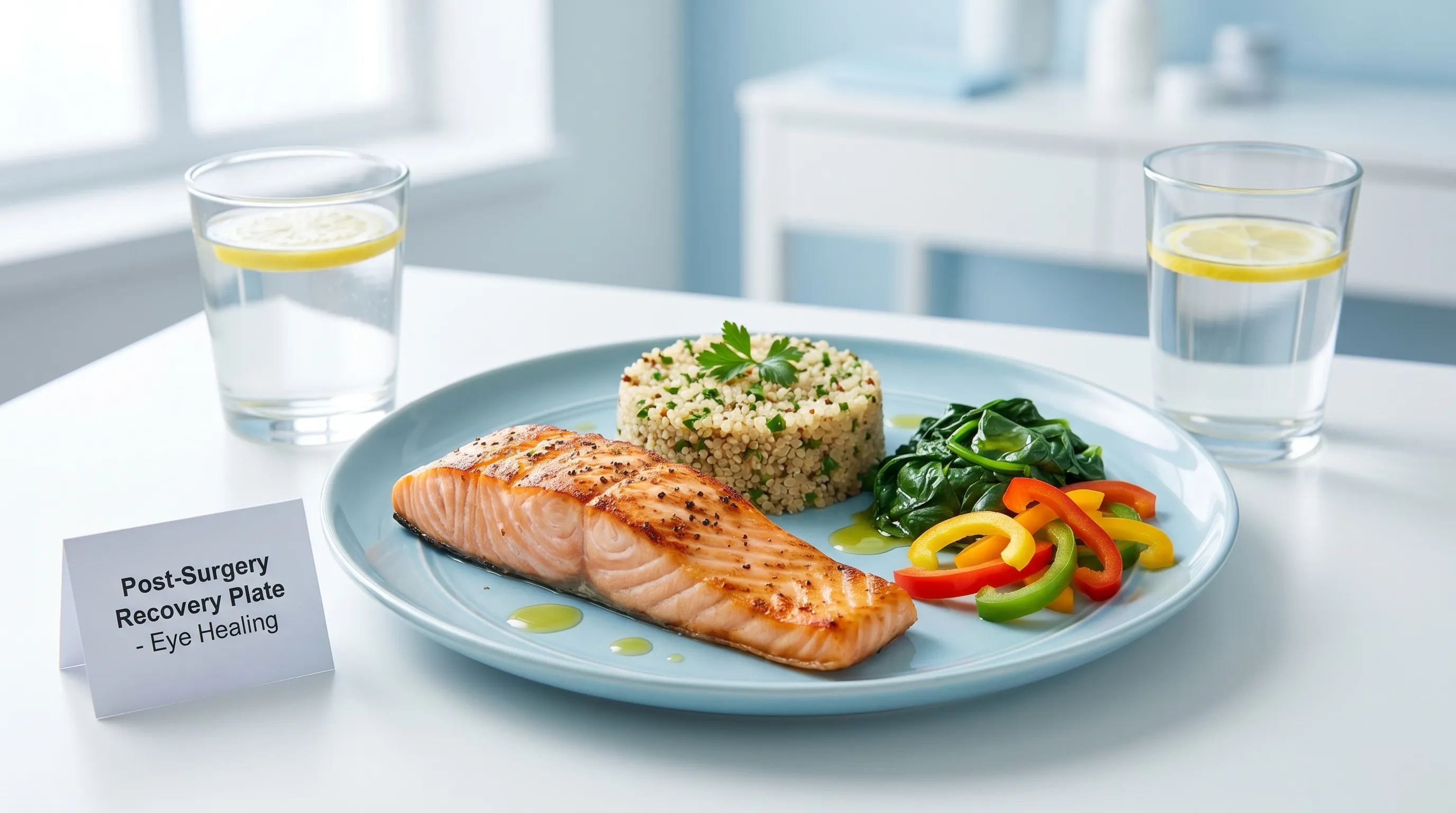
Antioxidants neutralize free radicals generated by surgical stress and environmental exposure. The NHS and NEI both emphasize the importance of fruits and vegetables during recovery. Vitamin C, abundant in citrus fruits, bell peppers, and strawberries, plays a direct role in collagen synthesis, which strengthens the surgical wound matrix. Vitamin E, found in almonds, sunflower seeds, and avocados, protects cell membranes from oxidative damage. Additionally, carotenoids like lutein and zeaxanthin, heavily concentrated in dark leafy greens such as kale, spinach, and collards, accumulate in the macula and lens area, filtering harmful blue light and supporting cellular resilience as your vision continues to refine.
Omega-3 Fatty Acids for Tear Film Stability and Comfort
Dry eye syndrome affects a significant percentage of patients following cataract surgery due to temporary corneal nerve disruption and the frequent use of preservative-containing eye drops. Omega-3 fatty acids, particularly EPA and DHA, integrate into the lipid layer of the tear film, reducing evaporation and improving ocular surface lubrication. Fatty fish like salmon, mackerel, and sardines are excellent primary sources, while flaxseeds, chia seeds, and walnuts provide plant-based alpha-linolenic acid (ALA). Consistent omega-3 intake throughout the recovery period can significantly reduce gritty sensations, burning, and fluctuating vision caused by unstable tears.
Lean Proteins and Zinc for Structural Tissue Repair
Amino acids are the fundamental building blocks required for cellular regeneration. High-quality lean proteins such as skinless poultry, eggs, legumes, and tofu supply the essential amino acids necessary for keratinocyte migration and collagen cross-linking at the incision site. Zinc, a trace mineral heavily concentrated in the eye, acts as a cofactor for over three hundred enzymatic reactions involved in immune function and tissue remodeling. Foods rich in zinc include lean beef, pumpkin seeds, lentils, and chickpeas. Ensuring adequate protein and zinc intake prevents muscle catabolism during the low-activity recovery window and directly fuels the structural rebuilding of compromised ocular tissues.
| Dietary Category | Foods to Limit During Recovery | Optimal Alternatives for Healing |
|---|---|---|
| Fats & Oils | Trans fats, hydrogenated vegetable oils, deep-fried foods | Extra virgin olive oil, avocado, fatty fish, raw nuts |
| Carbohydrates | White bread, sugary cereals, pastries, soda | Quinoa, oats, sweet potatoes, whole grain bread |
| Proteins | Processed deli meats, bacon, heavily breaded fried meats | Grilled chicken, wild-caught fish, tofu, lentils |
| Vegetables/Fruits | Canned fruit in syrup, heavily salted veggie mixes | Fresh spinach, bell peppers, berries, carrots, broccoli |
| Beverages | Alcohol, sugary energy drinks, excessive caffeine | Water, herbal teas, coconut water, electrolyte beverages |
Special Considerations for Diabetic Patients and Chronic Conditions
Metabolic health profoundly influences surgical outcomes. Patients managing chronic conditions must integrate their baseline dietary requirements with their postoperative healing needs.
Blood Sugar Management and Wound Healing
For individuals with diabetes, tight glycemic control is non-negotiable during the cataract recovery phase. Hyperglycemia impairs neutrophil function, reduces blood flow to peripheral microvasculature, and delays fibroblast activity, all of which are critical for wound closure. The American Diabetes Association and ophthalmic guidelines agree that maintaining target blood glucose ranges significantly reduces the risk of postoperative infection and macular edema. Diabetic patients should monitor their levels more frequently during the first month, prioritize low-glycemic meals rich in fiber and protein, and coordinate closely with both their endocrinologist and surgical team. Avoiding rapid carbohydrate fluctuations helps maintain a stable internal environment where the surgical incision can heal efficiently without metabolic interference.
Navigating Blood Thinners and Pre-Existing Conditions
Many patients requiring cataract surgery are also prescribed anticoagulant medications such as warfarin, aspirin therapy, or direct oral anticoagulants (DOACs) due to cardiovascular history. Dietary management in this context requires careful coordination. While sudden dietary changes do not typically negate prescription blood thinners, drastic increases or decreases in vitamin K-rich foods (like kale or broccoli) can influence the efficacy of medications like warfarin. Consistency is key. Maintain a steady, moderate intake of leafy greens rather than eliminating them or suddenly consuming massive quantities. Your surgeon will provide specific preoperative instructions regarding which medications to pause and when to resume, but your baseline diet should remain stable and predictable to avoid dangerous coagulation fluctuations.

Integrating Nutrition with Postoperative Lifestyle Guidelines
Dietary optimization works synergistically with behavioral modifications during recovery. The NHS provides clear postoperative directives: avoid rubbing the eye, refrain from heavy lifting, keep water out of the eye, and protect against bright light. Pairing these physical precautions with strategic nutritional habits creates a comprehensive healing protocol.
Hydration Strategies to Combat Post-Surgical Dryness
One of the most common complaints following cataract surgery is persistent dryness and scratchiness. The procedure temporarily disrupts corneal nerve feedback, which normally stimulates basal tear production. Systemic hydration directly supports mucous membrane lubrication and tear gland function. Aim to consume at least sixty-four to eighty ounces of water daily, adjusting for body weight and climate. Limit excessive caffeine, as it acts as a mild diuretic and can contribute to fluid depletion. Incorporate hydrating foods like cucumbers, watermelon, celery, and citrus fruits to complement your water intake. Adequate hydration ensures your prescribed antibiotic and anti-inflammatory eye drops distribute evenly across the ocular surface, maximizing their therapeutic effectiveness while minimizing localized irritation.
Timing Meals Around Medication Schedules and Activity Restrictions
Postoperative routines often involve administering eye drops every four to six hours alongside oral analgesics like acetaminophen or ibuprofen. Taking nonsteroidal anti-inflammatory drugs (NSAIDs) on an empty stomach can cause gastrointestinal irritation, while taking them with a balanced meal minimizes discomfort and supports steady drug absorption. Structure your daily meals to align with your drop and medication schedule. For example, pair your morning eye drops and breakfast together to establish a consistent routine. Because you will be restricted from bending over, lifting heavy objects, or engaging in vigorous exercise, your caloric expenditure may temporarily decrease. Adjust portion sizes slightly to match your reduced activity level, focusing on nutrient density rather than caloric surplus to prevent unwanted weight gain while supplying essential healing substrates. Listen to your body's hunger cues and prioritize small, frequent meals if larger portions feel overwhelming during the initial recovery days.
Frequently Asked Questions
Is it safe to eat spicy foods immediately after my cataract procedure?
Yes, consuming moderately spicy foods is generally safe after cataract surgery since the procedure does not involve the digestive tract. However, extremely spicy meals can sometimes trigger facial flushing, sweating, or sinus drainage, which may cause temporary discomfort or make you want to rub your eyes reflexively. If you notice increased tearing or facial warmth after eating hot peppers, scale back the heat level temporarily until your incisions fully seal and your surgeon gives you clearance to resume all normal activities.
Can coffee or energy drinks interfere with my eye drop absorption?
Caffeine itself does not directly block the absorption of topical ophthalmic medications. However, excessive caffeine acts as a systemic stimulant and diuretic, which can elevate blood pressure temporarily and contribute to dehydration. Dehydrated ocular surfaces absorb and retain topical solutions less effectively. To maximize the efficacy of your prescribed healing drops, limit coffee intake to one or two cups daily, avoid sugary energy drinks entirely, and drink a full glass of water with each caffeinated beverage to maintain optimal tear film and tissue hydration.
How long does it take for dietary changes to actually impact my healing?
Nutritional interventions begin influencing cellular processes within hours of consumption, but measurable impacts on tissue repair typically become noticeable within three to five days of consistent dietary optimization. Antioxidant levels, hydration status, and reduced inflammatory markers support the proliferation phase, which usually peaks during the first two weeks. While you will not see overnight miracles, maintaining an anti-inflammatory, nutrient-dense diet throughout the full eight-week healing period provides the sustained biochemical support necessary for complete collagen remodeling and long-term visual stability.
Should I take multivitamins or eye-specific supplements after surgery?
While whole foods remain the superior delivery system for nutrients, a high-quality multivitamin or specific eye-health supplement containing vitamins C and E, zinc, lutein, and zeaxanthin may provide additional support, particularly if your dietary intake is inconsistent. However, you must never begin new supplement regimens without consulting your ophthalmologist first. High-dose antioxidants can interact with certain medications, and unverified herbal blends may contain ingredients that interfere with coagulation or healing. Your surgical team can recommend clinically validated formulations tailored to your specific recovery needs.
What are the warning signs that my diet or recovery might be causing complications?
While diet alone rarely causes acute surgical complications, poor nutritional habits can exacerbate underlying issues. Contact your surgeon immediately if you experience sudden vision loss, severe or worsening pain that does not respond to approved pain relievers, intense redness that increases after the first few days, or a sudden onset of new floaters and flashing lights. These symptoms indicate potential infection, inflammation spikes, or retinal changes that require urgent clinical evaluation. Maintaining a supportive diet is preventive, but it never replaces professional medical oversight when warning signs emerge.
Conclusion
Navigating the weeks following cataract surgery requires a holistic approach that seamlessly integrates prescribed medical treatments with intelligent lifestyle modifications. When evaluating the food not to eat after cataract surgery, remember that the goal is not to induce fear around eating but to strategically eliminate dietary factors that promote inflammation, disrupt hydration, or burden your metabolic system. By temporarily limiting alcohol, processed high-sodium snacks, refined sugars, and pro-inflammatory fats, you create an internal environment optimized for rapid tissue repair and comfort. Simultaneously, embracing a vibrant plate filled with leafy greens, lean proteins, omega-3 rich fish, and antioxidant-dense fruits provides the raw materials your eyes desperately need to rebuild and stabilize. Always coordinate your nutritional choices with your surgeon's specific instructions, maintain strict hygiene practices, and attend all scheduled follow-up appointments. With patience, proper care, and evidence-based nourishment, you can confidently support your journey toward clear, comfortable, and enduring vision.
How we work
Researched and drafted with AI assistance, then reviewed by a human editor against the cited sources.
This article is general health information, not medical advice. Consult a qualified healthcare professional about your own situation.