Natural Eye Drops: A Guide to Safe and Soothing Eye Relief

Key points
- Grittiness or a feeling of sand in the eye
- Redness and inflammation of the conjunctiva
- Burning or stinging sensations, particularly later in the day
- Blurred vision that temporarily improves after blinking
- Excessive watering as the eyes attempt a compensatory reflex to counteract surface dryness
- Light sensitivity (photophobia) and difficulty wearing contact lenses comfortably for extended periods
In an era where holistic health solutions are increasingly popular, many people are seeking gentle, chemical-free ways to soothe dry, irritated, or tired eyes. Natural eye drops, which utilize plant-derived ingredients and fewer synthetic additives, have emerged as a popular alternative to conventional options. This shift reflects a broader consumer desire for transparency, sustainability, and formulations that work in harmony with the body's natural physiology rather than masking symptoms with aggressive pharmaceuticals. As digital lifestyles and environmental stressors continue to strain our vision, understanding how these products work, what they contain, and how to integrate them safely into a daily routine is more important than ever. This guide explores what natural eye drops are, their benefits, common ingredients, and how to use them safely to support long-term ocular comfort and health.

Understanding Common Eye Issues
Our eyes are protected by a tear film, a complex, three-layered coating of oil, water, and mucus that keeps the eye surface smooth, clear, and comfortable. The tear film is composed of an outer lipid layer that prevents evaporation, a middle aqueous layer that provides oxygen and nutrients, and an inner mucin layer that helps tears adhere evenly to the cornea. When any component of this delicate balance is disrupted, it can lead to common issues like dry eye syndrome, also known as keratoconjunctivitis sicca.
Free calculatorLab Values Reference ChartComplete reference chart for medical lab valuesOpen the calculatorSymptoms of dry eye and other minor irritations include:
- Grittiness or a feeling of sand in the eye
- Redness and inflammation of the conjunctiva
- Burning or stinging sensations, particularly later in the day
- Blurred vision that temporarily improves after blinking
- Excessive watering as the eyes attempt a compensatory reflex to counteract surface dryness
- Light sensitivity (photophobia) and difficulty wearing contact lenses comfortably for extended periods
Factors like prolonged screen time (digital eye strain), aging, hormonal changes (especially menopause), contact lens use, certain medications (antihistamines, antidepressants, isotretinoin), autoimmune conditions (Sjögren's syndrome, rheumatoid arthritis), and dry indoor environments can significantly contribute to these symptoms. Notably, when we stare at digital screens, our blink rate drops by up to 60%, which disrupts tear film renewal and accelerates surface dehydration. While conventional eye drops are effective, some contain preservatives like benzalkonium chloride (BAK) or vasoconstrictors (e.g., tetrahydrozoline) that can cause cumulative irritation, damage the corneal epithelium with frequent use, or lead to rebound hyperemia with long-term reliance. This clinical reality has led many patients and practitioners to seek gentler, preservative-free, and naturally inspired alternatives that support the ocular surface without introducing potential toxins.
What Are Natural Eye Drops?
Natural eye drops are sterile ophthalmic solutions or suspensions that use naturally derived ingredients, minimal artificial chemicals, and often forgo traditional synthetic preservatives to alleviate eye discomfort. Their primary goal is to gently soothe, lubricate, and restore the ocular surface by either mimicking the biochemical composition of natural tears or harnessing the therapeutic properties of purified botanical and mineral extracts. Unlike medicated drops designed to constrict blood vessels or treat active infections, natural lubricants focus on homeostasis, barrier repair, and symptomatic relief.
Key characteristics often include:
- Preservative-Free: Many natural formulations come in single-use, unit-dose vials or proprietary multi-dose valve systems to completely avoid preservatives like BAK, which have been shown to disrupt goblet cell density and worsen surface inflammation in frequent users.
- Natural Active Ingredients: They feature substances like high-molecular-weight hyaluronic acid, herbal extracts (eyebright, chamomile, bilberry), purified natural oils, or isotonic saline derived from natural mineral sources.
- Balanced Formulation: They are meticulously pH-balanced (typically between 6.5 and 7.8) and isotonic to match the eye's natural osmolarity (~300 mOsm/L), preventing stinging and minimizing disruption to corneal nerves.
It is crucial to remember that "natural" does not automatically mean "safe" or "regulated" for ocular use. The eye is a highly sensitive, avascular tissue with a compromised blood-ocular barrier, making it uniquely vulnerable to contaminants and improperly sterilized compounds. Always use products explicitly labeled for ophthalmic use, manufactured in FDA-registered facilities, and cleared for sterility and pyrogenicity. Never substitute cosmetic-grade botanical oils or homemade infusions for medical-grade ophthalmic solutions, as these can introduce bacteria, fungi, or particulate matter that may cause severe keratitis or corneal ulcers.
Why Choose Natural Eye Drops?
Many people opt for natural eye drops for several clinically and lifestyle-driven reasons:
- Avoiding Harsh Chemicals: They provide a safer long-term alternative to redness-relieving drops containing vasoconstrictors, which can cause rebound hyperemia, tachyphylaxis, and chronic conjunctival staining when used beyond recommended timeframes.
- Gentle on Sensitive Eyes: Preservative-free, naturally inspired formulas are ideal for individuals with ocular surface disease (OSD), meibomian gland dysfunction, or those requiring frequent instillations (more than 4–6 times daily) for chronic dry eye.
- Soothing Ingredients with Multi-Mechanism Action: Natural lubricants and anti-inflammatory botanicals can provide gentle, effective relief by simultaneously hydrating, stabilizing the tear film, and reducing neurogenic inflammation on the corneal surface.
- Holistic Approach & Patient Compliance: They align with a preference for clean wellness products, often resulting in higher patient satisfaction and adherence to treatment regimens because they lack the stinging or residue associated with synthetic thickeners.
- Compatibility with Other Therapies: Natural drops can often be safely integrated alongside prescription treatments (like cyclosporine or lifitegrast), warm compress routines, and omega-3 supplementation, acting as a synergistic foundation rather than a conflicting agent.
Common Types of Natural Eye Drops and Ingredients
Natural eye drops are available in various formulations, each with unique ingredients, viscosity profiles, and targeted therapeutic benefits. Understanding the differences helps patients select the most appropriate product for their specific tear film deficiency type (aqueous-deficient, evaporative, or mixed).
Preservative-Free Artificial Tears
These are the most common type of natural eye drop and serve as the foundational treatment for mild to moderate dry eye. While called "artificial," they are designed to closely mimic the biochemical composition of natural tears using a sterile, pyrogen-free aqueous base combined with electrolytes (sodium, potassium, chloride, bicarbonate) and plant-derived or fermentation-produced lubricants such as carboxymethylcellulose (CMC), hydroxypropyl methylcellulose (HPMC), polyethylene glycol (PEG), propylene glycol, and vegetable-derived glycerin. Because they lack preservatives, they are typically packaged in single-use, blow-fill-seal vials or advanced multi-dose bottles with one-way filtration valves that prevent microbial ingress without chemical additives. This allows for safe, frequent application without the cumulative toxicity associated with BAK. Higher viscosity formulations may cause temporary blurred vision upon instillation, making them better suited for evening use or severe deficiency, while thinner formulations are preferred for daytime clarity.
Hyaluronic Acid (HA) Eye Drops
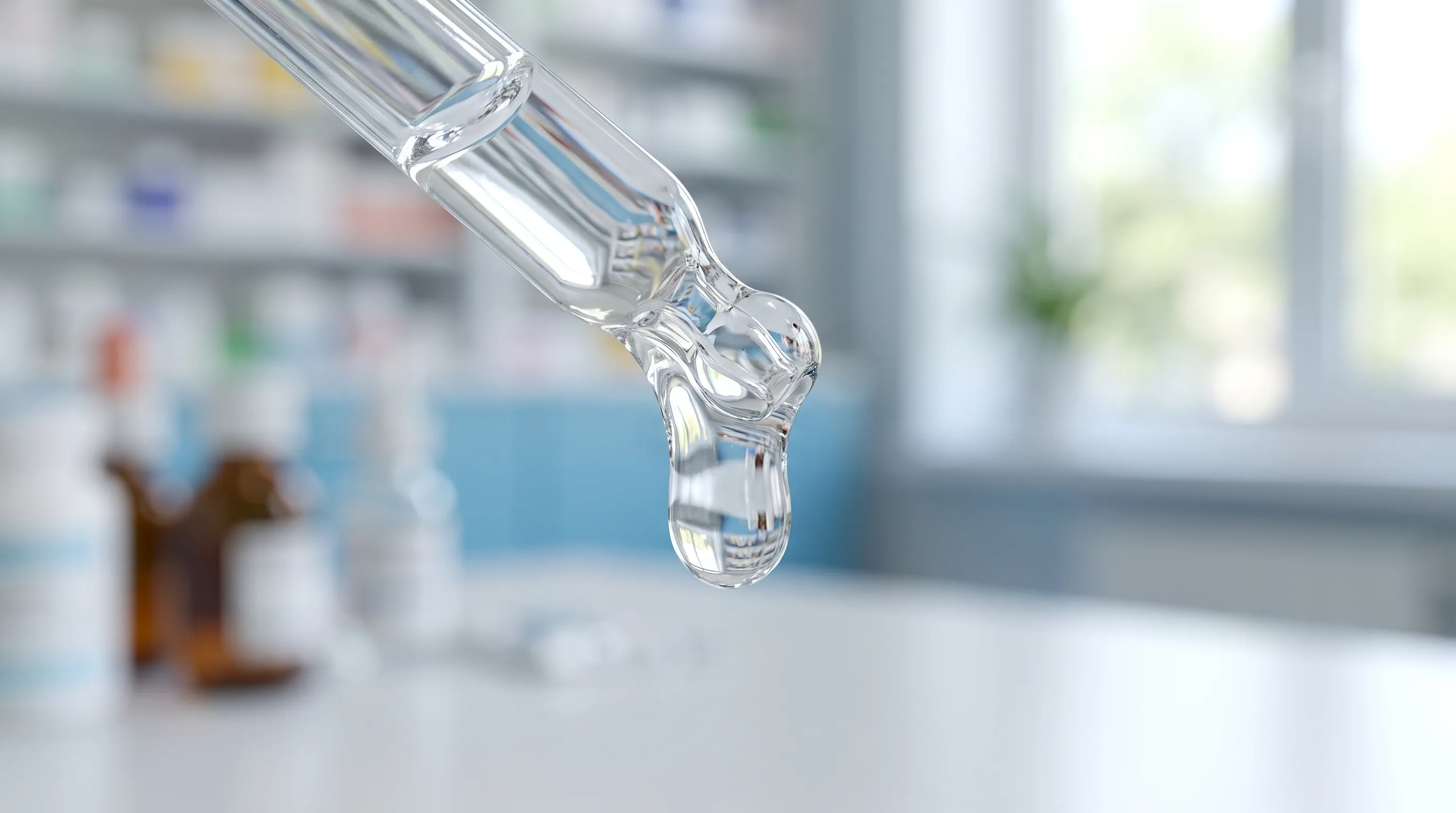
Hyaluronic acid is a naturally occurring glycosaminoglycan found in high concentrations in the human vitreous humor, corneal stroma, and synovial fluid. It is renowned for its extraordinary water-binding capacity, holding up to 1,000 times its weight in moisture. In ophthalmology, HA-based drops act as mucoadhesive lubricants that form a stable, elastic, protective moisture cushion on the epithelial surface. Clinical studies demonstrate that HA not only extends tear film breakup time (TBUT) but also promotes corneal epithelial cell migration, accelerates wound healing post-surgery (such as LASIK or PRK), and exhibits mild anti-inflammatory properties by scavenging reactive oxygen species. Formulations vary by molecular weight: low-molecular-weight HA penetrates deeper for cellular repair, while high-molecular-weight HA provides longer surface retention and superior lubrication. Cross-linked HA variants offer extended-release hydration, often recommended for moderate to severe dry eye, contact lens discomfort, and chronic ocular surface disease.
Herbal and Botanical Extract Eye Drops
These drops incorporate standardized plant extracts known in traditional and modern phytotherapy for their soothing, antioxidant, and mild anti-inflammatory properties. Rigorous extraction processes (CO2 supercritical, cold-press, or hydro-alcoholic) ensure potency while removing potential allergens and irritants.
- Euphrasia (Eyebright): Rich in iridoid glycosides and tannins, this traditional European herbal remedy has been used for centuries to reduce conjunctival inflammation, soothe itching, and alleviate allergic conjunctivitis. Modern preparations use sterile, filtered extracts to ensure ocular safety.
- Chamomile (Matricaria chamomilla): Contains chamazulene, bisabolol, and flavonoids that modulate inflammatory cytokines and soothe irritation related to environmental allergens, smoke, or prolonged screen exposure. Often formulated in ultra-diluted, sterile aqueous solutions.
- Calendula (Marigold): Extracts from Calendula officinalis contain triterpenoids and carotenoids with demonstrated anti-inflammatory, antimicrobial, and wound-healing properties. Frequently used in post-procedural care or mild blepharitis support. It is important to note that botanical eye drops should always be commercially manufactured under GMP standards. DIY herbal infusions lack sterility and proper filtration, posing severe risks of microbial keratitis.
Homeopathic Eye Drops
Homeopathic eye drops utilize highly diluted natural substances (such as belladonna, euphrasia, or silica) suspended in a sterile, preservative-free saline or purified water base. The active ingredients are serially diluted and succussed according to homeopathic pharmacopeia standards (typically in X or C potencies). From a conventional medical perspective, the active molecules are present at or below Avogadro's number, meaning these drops function primarily as gentle, preservative-free lubricants with potential placebo-mediated symptomatic relief. While their efficacy beyond basic hydration remains debated in evidence-based ophthalmology, many patients with mild, non-specific eye fatigue report subjective comfort improvements. These products are generally safe due to their dilution but should not replace medically indicated treatments for progressive or infectious conditions.
Castor Oil Eye Drops
Sterile, ophthalmic-grade castor oil eye drops are gaining substantial clinical traction for treating evaporative dry eye and meibomian gland dysfunction (MGD), which accounts for up to 86% of dry eye cases. The tear film's outer lipid layer is produced by the meibomian glands; when these glands are obstructed or inflamed, tears evaporate prematurely, causing rapid dryness. Pharmaceutical-grade castor oil emulsions contain purified ricinoleic acid that integrates into the lipid layer, reducing surface tension and significantly slowing tear evaporation. Peer-reviewed studies indicate that regular use improves tear film stability, increases lipid layer thickness, and reduces corneal fluorescein staining. These drops are typically thicker, may cause transient visual blurring, and are ideally administered 1–2 times daily or at bedtime. They should generally not be used while wearing soft contact lenses due to oil deposition on the lens matrix.
Manuka Honey Eye Drops
Medical-grade, sterilized Manuka honey (sourced from New Zealand's Leptospermum scoparium tree) is utilized in specialized ophthalmic formulations for its unique non-peroxide antibacterial, anti-inflammatory, and osmotic properties. The primary active compound, methylglyoxal (MGO), demonstrates broad-spectrum activity against common ocular pathogens and biofilms. Clinical trials have shown efficacy in managing moderate dry eye, recurrent blepharitis, and post-surgical ocular surface inflammation by reducing bacterial load on the eyelid margin, calming neurogenic inflammation, and promoting epithelial regeneration. The higher osmolarity of honey-based solutions may cause a temporary, mild stinging or warming sensation upon application, which typically subsides within 10–15 seconds. These products carry UMF/MGO certification guarantees and are contraindicated in individuals with severe bee product allergies. They must never be substituted with culinary honey, which lacks medical sterilization and poses severe infection risks.
Saline Solution
A simple sterile saline solution (0.9% sodium chloride) serves as a physiological rinse and hydrator for the ocular surface. While it perfectly matches the eye's natural tonicity and effectively flushes out dust, allergens, and environmental pollutants, it lacks mucoadhesive polymers, lipids, or hygroscopic agents found in true artificial tears. Consequently, saline provides immediate but short-lived hydration and does not treat underlying dry eye pathology. While sterile commercial saline is highly recommended for allergy seasons or post-irritant exposure, homemade saline mixtures carry an unacceptable risk of Acanthamoeba or bacterial contamination due to non-sterile water sources and improper mixing. Always use factory-sealed, preservative-free ophthalmic saline for rinsing purposes.
How to Choose the Right Natural Eye Drops for Your Needs
Navigating the crowded marketplace of over-the-counter eye lubricants requires a strategic approach tailored to your specific symptoms and lifestyle. Start by identifying your primary dry eye subtype. If you experience morning dryness, gritty sensations, or have a history of autoimmune conditions, an aqueous-deficient profile is likely, making hyaluronic acid or high-viscosity CMC-based drops your best option. If your dryness worsens in windy environments, after prolonged screen use, or is accompanied by eyelid heaviness and crusty lashes, evaporative dry eye or MGD is probable; in this case, castor oil emulsions or lipid-restoring formulations will yield better outcomes.
Always scrutinize the ingredient label. Prioritize products explicitly marked "preservative-free" if you intend to use them more than four times daily. Check for viscosity levels: low-viscosity drops are ideal for daytime wear under screens or while driving, while medium-to-high viscosity options excel for nighttime repair or severe surface disruption. Verify regulatory compliance by looking for FDA-registered manufacturing facilities, sterile single-dose packaging, or validated multi-dose filter technology. Additionally, consider compatibility with your routine. Contact lens wearers should seek drops explicitly labeled as lens-compatible (usually containing lubricating polymers like povidone or CMC without oil components) and remove lenses before applying thicker botanical or lipid-based solutions. Finally, be wary of "cooling" drops containing menthol or high-concentration camphor, which may provide a temporary refreshing sensation but can trigger reflex tearing and exacerbate long-term dryness in sensitive individuals.
Complementary Lifestyle Strategies to Support Natural Eye Care
While natural eye drops provide targeted symptomatic relief, they are most effective when integrated into a comprehensive ocular wellness protocol. Environmental modifications play a critical role in preventing tear film disruption. Using a humidifier in dry or air-conditioned spaces helps maintain ambient humidity between 40–60%, significantly reducing evaporative stress. Positioning computer monitors slightly below eye level encourages partial eyelid closure, minimizing exposed surface area and reducing evaporation. Implementing the 20-20-20 rule (looking at something 20 feet away for 20 seconds every 20 minutes) actively restores natural blink frequency and meibomian gland expression.
Dietary and physiological interventions further support ocular surface health. Omega-3 fatty acids (EPA and DHA) from wild-caught fish or high-quality algae oil supplements help modulate meibomian gland inflammation and improve the quality of the lipid layer. Warm compress therapy applied to the eyelids for 10–15 minutes daily liquefies congealed meibum, facilitating proper gland drainage and reducing evaporative dry eye severity. Gentle eyelid hygiene using sterile, hypoallergenic wipes or diluted tea tree oil solutions (under professional guidance) can manage Demodex mite overgrowth and anterior blepharitis, which frequently coexist with dry eye. Adequate hydration, quality sleep, and minimizing exposure to cigarette smoke or direct airflow from car vents complete a holistic foundation that enhances the efficacy of natural lubricants.
How to Use Natural Eye Drops Safely
Proper application ensures maximum therapeutic benefit, extends product shelf life, and prevents sight-threatening contamination. Since many natural drops come in single-use preservative-free vials or specialized valve bottles, the technique requires slight adjustments compared to conventional multi-dose containers.
- Wash Your Hands: Begin with thorough handwashing using mild soap and warm water. Dry with a lint-free towel to remove all potential pathogens before handling the vial or bottle.
- Avoid Contamination: Never let the dropper tip, vial opening, or nozzle touch your eye, eyelashes, eyelid, or any surface (countertops, clothing, fingers). Contact is the primary vector for introducing staphylococcal or fungal organisms into the solution.
- Check Expiration & Integrity: Inspect single-use vials for cloudiness, discoloration, or crystallization. Discard any compromised units. Multi-dose preservative-free bottles typically have a 90-day discard period after opening, regardless of remaining volume.
- Create a Pocket: Tilt your head back slightly and look toward the ceiling. Using your non-dominant hand, gently pull down the lower eyelid to form a small conjunctival pouch.
- Instill One Drop: Hold the bottle or vial inverted, 1–2 inches above the eye, and gently squeeze to release exactly one drop into the pocket. The eye can only hold approximately 30 microliters; excess will simply spill out and waste product.
- Close and Press: Gently close your eyelid (avoid forceful squeezing, which pumps medication into the nasolacrimal duct and systemic circulation). Place a clean finger over the nasolacrimal duct at the inner canthus for 60–90 seconds. This "punctal occlusion" increases local absorption, prolongs contact time, and minimizes systemic side effects or bitter aftertaste.
- Wait Between Drops: If using multiple ocular products (e.g., artificial tears followed by a glaucoma medication), wait a minimum of 5–10 minutes between applications to prevent the second drop from washing away the first.
For a helpful trick on how to get drops out of difficult preservative-free bottles or flexible single-dose units without crushing them excessively, watch the guide below:
When to See a Doctor
While natural eye drops are excellent for managing mild to moderate, environmentally triggered symptoms, they are not a substitute for professional medical evaluation or a cure for progressive ocular pathology. Self-treatment can sometimes delay the diagnosis of sight-threatening conditions. Consult an ophthalmologist or optometrist promptly if you experience:
- Severe, persistent, or worsening eye pain that does not resolve with rest
- Sudden or significant changes in visual acuity, persistent blurriness, or halos around lights
- Signs of active infection, including thick yellow/green discharge, extreme hyperemia, photophobia, or crusted eyelids
- Corneal injury, foreign body sensation that persists after rinsing, or chemical exposure
- Unilateral symptoms accompanied by headache, nausea, or jaw pain
- Dry eye symptoms that fail to improve after 1–2 weeks of consistent, proper over-the-counter lubricant use
Eye care professionals utilize advanced diagnostic tools such as tear osmolarity testing, meibography (imaging of the meibomian glands), non-invasive tear breakup time (NIBUT), and lissamine green staining to pinpoint the exact etiology of surface disease. Depending on the findings, they may recommend prescription immunomodulators (cyclosporine, lifitegrast), anti-inflammatory short courses, punctal occlusion plugs, intense pulsed light (IPL) therapy, or in-office meibomian gland expression procedures. Integrating natural lubricants into a professionally supervised treatment plan ensures comprehensive management while avoiding the pitfalls of chronic self-medication.
Disclaimer: This article is for informational purposes only and does not constitute medical advice. Always consult with a qualified eye care professional for any health concerns or before starting a new treatment.
Resources & Further Reading
- American Academy of Ophthalmology (AAO): What Is Dry Eye? – An overview of dry eye causes, symptoms, and treatments. Learn more at aao.org
- National Eye Institute (NEI): Dry Eye – In-depth information on dry eye disease from a leading research institute. Read more at nei.nih.gov
- Mayo Clinic: Dry Eyes – A comprehensive patient guide covering home remedies and medical treatments. Visit MayoClinic.org
Frequently Asked Questions
Can I use natural eye drops while wearing contact lenses?
It depends entirely on the specific formulation. Preservative-free artificial tears containing lubricating polymers like carboxymethylcellulose, hyaluronic acid, or povidone are generally labeled as contact-lens compatible and can be used safely to refresh lenses without causing protein buildup or clouding. However, lipid-based drops (like castor oil), thicker ointments, or botanical preparations should never be used while lenses are in place, as oils and suspended particulates can coat the lens material, reduce oxygen permeability, and cause blurred vision. Always remove lenses, apply the drop, wait at least 15 minutes, and reinsert them, or switch to drops explicitly approved for daily lens wear.
How long are preservative-free single-use vials safe to use after opening?
True single-use vials are designed for one-time, immediate use. Once the seal is broken, the solution is exposed to airborne microorganisms and begins to degrade rapidly. If you only use half the vial, the remaining half should be discarded within 12–24 hours if stored properly, but most eye care professionals strongly recommend discarding the unused portion immediately to eliminate contamination risk. Never attempt to reseal, tape, or refrigerate a partially used vial for future applications. If you require multiple daily doses, consider switching to a validated preservative-free multi-dose bottle with a built-in one-way filtration system, which typically remains safe for 90 days after initial opening.
Are natural eye drops safe for children and pregnant women?
Many preservative-free artificial tears and saline solutions are considered safe for pediatric and maternal use because they act locally and lack systemic absorption or harsh preservatives. However, physiological changes during pregnancy (hormonal fluctuations affecting the meibomian glands) and the delicate nature of pediatric tear films require careful product selection. Avoid formulations containing herbal extracts, essential oils, or menthol unless explicitly cleared by a pediatric ophthalmologist or obstetric provider. Always verify that the product is sterile, free of BAK, and specifically indicated for sensitive eyes. Consultation with your healthcare provider ensures the chosen drop aligns with developmental or gestational safety profiles.
Can I mix different natural eye drop brands together in the same bottle?
Absolutely not. Mixing different brands, formulations, or types of eye drops is strongly discouraged and poses serious health risks. Each product is manufactured with specific pH levels, osmolarity, viscosity, and sterility protocols. Combining them alters these parameters, potentially causing corneal stinging, epithelial disruption, or chemical instability. Furthermore, introducing one solution into another bottle breaks the sterile seal, creating a breeding ground for bacteria and fungi. If your treatment plan requires multiple drop types, use each from its original container and space applications at least 5–10 minutes apart to ensure proper absorption and prevent washout.
Do natural eye drops treat the underlying cause of dry eye or just mask symptoms?
Most natural eye drops function primarily as symptomatic relief and ocular surface support rather than curative treatments for chronic dry eye disease. They restore the tear film temporarily, hydrate the cornea, reduce friction during blinking, and may provide mild anti-inflammatory benefits (especially HA and certain botanicals). However, they do not reverse meibomian gland atrophy, correct autoimmune-driven lacrimal gland dysfunction, or permanently resolve neurotrophic keratitis. Long-term management of dry eye requires addressing root causes through lifestyle modifications, warm compresses, prescription immunomodulators, omega-3 supplementation, and in-office procedures. Natural drops are best viewed as a foundational, daily maintenance therapy that works synergistically with targeted medical interventions to achieve sustained comfort.
Conclusion
Natural eye drops offer a gentle, scientifically backed, and increasingly accessible approach to managing dry eye symptoms and ocular surface irritation. By prioritizing preservative-free formulations, leveraging the hydration power of hyaluronic acid, stabilizing lipid layers with ophthalmic-grade oils, and utilizing purified botanical extracts, these products align closely with the body's innate physiology. While they are highly effective for daily lubrication, allergy-related itching, and mild evaporative or aqueous deficiencies, they are not a standalone cure for chronic or pathological dry eye disease. The most successful outcomes occur when patients combine high-quality, properly stored lubricants with professional diagnostic guidance, consistent eyelid hygiene, environmental modifications, and dietary support. Always read labels carefully, adhere to strict hygiene practices, and recognize when symptoms warrant an in-person examination. With informed selection and responsible use, natural eye drops can serve as a cornerstone of a sustainable, holistic eye care routine that preserves comfort, clarity, and long-term ocular health.
How we work
Researched and drafted with AI assistance, then reviewed by a human editor against the cited sources.
This article is general health information, not medical advice. Consult a qualified healthcare professional about your own situation.