Eye Gel for Dry Eyes: Comprehensive Guide to Ingredients, Application & Relief

If you have ever woken up with gritty, burning eyes that feel as though sandpaper has been rubbed across your eyelids, you are experiencing one of the most pervasive yet frequently misunderstood ocular conditions. Dry eye disease affects millions of individuals across all demographics, yet many people continue to rely solely on standard watery drops that provide only fleeting comfort. When symptoms intensify, especially during nighttime or in arid environments, a thicker, longer-acting formulation becomes essential. This is precisely where an eye gel for dry eyes transitions from being a simple comfort measure to a clinically backed therapeutic intervention. Understanding the physiological mechanisms behind tear film instability, recognizing how different lubricating polymers interact with the ocular surface, and mastering proper application techniques can dramatically transform your daily comfort. The information that follows provides a comprehensive, evidence-based breakdown of how these specialized formulations work, which active ingredients deliver the most reliable hydration, and how to integrate them safely into your daily routine for sustainable relief.
Understanding the Science Behind Dry Eye Disease and Lubricating Gels
Dry eye disease, often abbreviated clinically as DED, is far more complex than a simple lack of moisture on the surface of the eye. It represents a multifactorial pathology involving tear film instability, tear hyperosmolarity, inflammation of the ocular surface, and neurosensory abnormalities. According to data from the National Eye Institute, approximately sixteen million Americans struggle with this condition, and prevalence rises sharply after the age of fifty due to natural age-related reductions in tear production and changes in gland function. Women are disproportionately affected, experiencing dry eye at nearly twice the rate of men. Hormonal fluctuations during menopause, pregnancy, and oral contraceptive use significantly alter meibomian gland secretions and aqueous tear production, a relationship frequently documented by the Mayo Clinic, creating a perfect storm for chronic ocular surface dehydration.
Free calculatorLab Values Reference ChartComplete reference chart for medical lab valuesOpen the calculatorThe Three-Layer Tear Film and Its Vulnerabilities
To fully grasp why standard artificial tears sometimes fall short, you must first understand the delicate architecture of the natural tear film. Healthy vision depends on a remarkably thin but highly structured liquid coating composed of three distinct layers. The innermost layer consists of mucins, which are gel-forming glycoproteins secreted by conjunctival goblet cells. Mucins act as a hydrophilic bridge, ensuring that tears spread evenly across the hydrophobic corneal epithelium. The middle aqueous layer, produced by the lacrimal glands, supplies water, oxygen, electrolytes, and essential antimicrobial proteins to the cornea. The outermost lipid layer is secreted by the meibomian glands in the eyelids and serves as an evaporation barrier, preventing rapid moisture loss into the surrounding environment.
When any of these layers malfunction, the tear film destabilizes. Evaporative dry eye, the most common subtype, occurs when meibomian gland dysfunction compromises the lipid barrier, causing tears to break up prematurely. Aqueous-deficient dry eye arises when the lacrimal glands fail to produce sufficient watery volume. Both pathways lead to hyperosmolarity, where salt concentrations in the remaining tear fluid rise dangerously, triggering inflammatory cascades that damage corneal cells and compromise visual acuity.
How Lubricating Gels Address Tear Instability
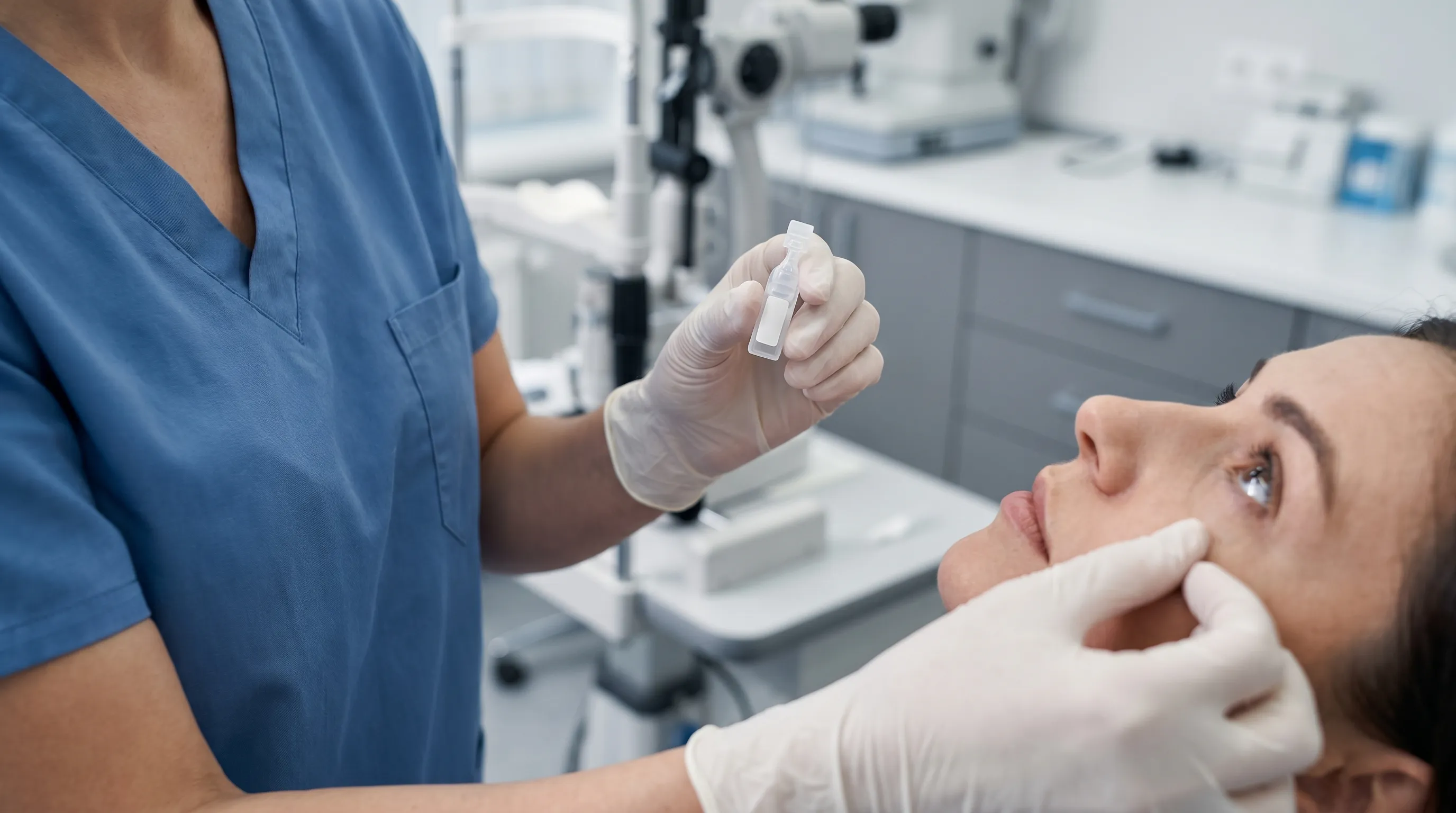
An eye gel for dry eyes intervenes at the structural level by artificially reinforcing the compromised tear film. Unlike low-viscosity drops that drain quickly through the nasolacrimal duct or evaporate within minutes, gels contain high-molecular-weight polymers that form a cohesive, mucoadhesive matrix over the conjunctiva and cornea. This thicker barrier directly reduces tear film breakup time (TBUT), a critical clinical metric that ophthalmologists use to measure ocular surface health. By slowing evaporation and physically shielding epithelial cells from desiccation stress, these formulations interrupt the inflammatory feedback loop that perpetuates dry eye progression. The American Academy of Ophthalmology specifically recommends thicker lubricating gels or ointments for patients experiencing moderate to severe symptoms or overnight dryness, emphasizing that their prolonged contact time delivers sustained hydration when standard drops cannot maintain adequate coverage.
Core Active Ingredients in Modern Ophthalmic Gels
The therapeutic efficacy of any ocular lubricant hinges on its active ingredients. Pharmaceutical companies and compounding pharmacies utilize a carefully selected roster of polymers and humectants that have been rigorously tested in randomized controlled trials published in peer-reviewed journals such as Cornea and The Ocular Surface. Each compound interacts with the tear film through slightly different biochemical mechanisms, making ingredient awareness essential for selecting the most appropriate product.
Carbomer-Based Polymers: The Mucoadhesive Foundation
Carbomer 940 and 980 are cross-linked polyacrylic acid polymers frequently utilized in ophthalmic formulations. When dissolved in saline solution, carbomer molecules swell and create a pseudoplastic gel matrix. What makes carbomer particularly valuable is its mucoadhesive property. The polymer chains physically entangle with the mucin layer on the ocular surface, allowing the formulation to remain suspended over the cornea for extended periods. Clinical studies consistently demonstrate that carbomer-based products significantly improve corneal staining scores and subjective comfort ratings in patients with moderate aqueous deficiency. The viscosity adjusts dynamically with blinking, providing smooth lubrication during eyelid movement while maintaining a protective reservoir between blinks.
Hypromellose and Cellulose Derivatives
Hypromellose, also known as hydroxypropyl methylcellulose, is a semi-synthetic polymer derived from cellulose. It has been a staple in ophthalmology for decades due to its exceptional safety profile and predictable rheological properties. When applied topically, hypromellose increases the viscosity of the tear film and forms a hydrophilic film that reduces surface tension on the cornea. It does not penetrate ocular tissues but instead acts as a mechanical lubricant and moisture retainer. Patients with mild to moderate dryness often tolerate hypromellose exceptionally well, though individuals requiring intensive overnight coverage may benefit more from higher-concentration formulations or alternative polymers like carbomer or sodium hyaluronate.
Hyaluronic Acid: The Modern Gold Standard
Sodium hyaluronate has revolutionized dry eye management in recent years. Naturally present in human connective tissues, hyaluronic acid is a glycosaminoglycan renowned for its extraordinary water-binding capacity. A single hyaluronic acid molecule can retain up to one thousand times its weight in water, making it an unparalleled humectant for ocular therapy. When formulated as an ophthalmic gel, hyaluronic acid not only provides immediate lubrication but also promotes corneal epithelial wound healing. Research supported by the National Institutes of Health indicates that hyaluronate gels reduce inflammatory cytokine expression on the ocular surface, accelerate tear film stabilization, and significantly outperform placebo saline in long-term symptom management. For patients whose dry eye stems from surgical recovery, such as post-LASIK or cataract extraction, hyaluronic acid gels are frequently prescribed to accelerate epithelial regeneration.
Preservative-Free vs. Preserved Formulations
The inclusion of preservatives like benzalkonium chloride (BAK) in multi-dose bottles extends shelf life by inhibiting microbial growth. However, prolonged exposure to BAK can disrupt the lipid layer, damage conjunctival goblet cells, and exacerbate dry eye inflammation. The American Academy of Ophthalmology explicitly advises that patients who apply artificial tears or gels more than six times daily should exclusively use preservative-free options. Single-dose vials eliminate preservative exposure entirely, while modern multi-dose containers now utilize innovative valve-based filter systems that maintain sterility without chemical additives. If you have known sensitivities or require frequent dosing, prioritizing preservative-free packaging is a medically necessary precaution.
Clinical Comparison: Gels, Drops, and Ointments
Choosing the right lubricant requires understanding how viscosity correlates with therapeutic duration and visual impact. Many patients assume thicker is always better, but inappropriate product selection can interfere with daytime activities or fail to address specific underlying mechanisms.
| Feature | Artificial Tear Drops | Lubricating Eye Gels | Ophthalmic Ointments |
|---|---|---|---|
| Viscosity | Low, watery consistency | Medium-thick, viscous flow | High, petroleum or lanolin-based |
| Duration of Action | 15 to 30 minutes | 2 to 4 hours | 4 to 8 hours |
| Primary Active Ingredients | Electrolytes, light polymers | Carbomer, hypromellose, hyaluronate | Mineral oil, petrolatum, white wax |
| Blurred Vision Impact | Minimal, clears instantly | Moderate, clears in 10-15 minutes | Significant, may last 30-60 minutes |
| Ideal Use Case | Daytime maintenance, mild dryness | Moderate/severe symptoms, bedtime use | Severe nocturnal exposure, corneal protection |
| Contact Lens Compatibility | Yes (preservative-free only) | No, must remove lenses | No, incompatible with lenses |
When to Choose a Gel Over Other Options
Standard drops excel at providing immediate, lightweight relief for occasional dryness triggered by brief screen sessions or temporary environmental shifts. However, when tear film instability becomes chronic or when patients report persistent morning discomfort, an eye gel for dry eyes becomes the superior therapeutic choice. The thicker consistency bridges the gap between the fleeting hydration of drops and the heavy occlusion of ointments. Gels remain fluid enough to spread smoothly with each blink while depositing a resilient moisture reservoir that prevents overnight corneal desiccation. This makes them particularly effective for individuals living in dry climates, frequent air travelers, or those managing autoimmune conditions like Sjögren syndrome, where baseline tear production is severely compromised.
Step-by-Step Application Guide for Optimal Results
Proper administration directly influences therapeutic outcomes. Even the most advanced polymer formulation will fail to deliver sustained relief if applied incorrectly or contaminated during handling. Mastering sterile technique ensures maximum bioavailability on the ocular surface while minimizing infection risk.
Preparing for Application
Begin by washing your hands thoroughly with mild soap and warm water for at least twenty seconds. Dry your hands completely with a clean, lint-free towel to prevent fiber transfer to the applicator or eye. If you use single-dose vials, twist off the cap cleanly without touching the inner rim. For squeeze tube formulations, ensure the nozzle remains clean and capped when not in use. Position yourself in front of a mirror with adequate lighting, and tilt your head backward until your eyes face the ceiling.
The Proper Technique
Using your non-dominant hand, gently pull your lower eyelid downward to create a small conjunctival pocket. With your dominant hand, hold the tube or vial approximately one inch above the eye to prevent accidental corneal contact. Squeeze the container gently to dispense a thin strip of gel, roughly half an inch in length, directly into the lower eyelid pocket. Avoid touching the applicator to your eyelashes, skin, or eyelid margin, as this transfers skin flora and compromises sterility. Release your eyelid slowly and blink gently two to three times to distribute the gel across the cornea. Close your eyes without squeezing them shut for one to two minutes, allowing the polymer matrix to adhere properly to the tear film.
Managing Temporary Blurred Vision
It is completely normal to experience hazy or blurred vision immediately after application. The increased optical density of the gel temporarily scatters incoming light. Resist the urge to rub your eyes, as friction disrupts the newly formed lubricating layer and introduces contaminants. Instead, keep your eyes gently closed and allow gravity and blinking to naturally integrate the product into your tear film. The cloudiness typically resolves within ten to fifteen minutes. If you plan to use an eye gel for dry eyes before driving or operating machinery, schedule application at least twenty minutes in advance to guarantee clear vision and safe performance.
Safety Guidelines, Precautions, and Medical Oversight
While ocular lubricants are widely available without a prescription, they are not entirely risk-free. Understanding contraindications, drug interactions, and proper storage protocols protects the integrity of your ocular surface and prevents avoidable complications.
Contact Lens Considerations
Soft and rigid gas permeable contact lenses act as hydrophilic sponges that readily absorb topical medications. Applying a gel or ointment while lenses are inserted causes the product to become trapped between the lens and cornea. This not only clouds vision and creates significant discomfort but also creates an environment conducive to bacterial proliferation. Always remove lenses prior to application. If you wear daily disposable lenses, reapply fresh pairs only after the blurred vision has completely resolved. For extended wear or ortho-k lenses, consult your optometrist, as certain polymers may interact with specialized lens materials.
Interactions with Other Eye Medications
Many dry eye patients concurrently use prescription therapies such as topical corticosteroids, immunomodulators like cyclosporine, or antibiotic drops for concurrent infections. The rule of thumb is to separate instillations by at least ten to fifteen minutes. Applying a viscous gel immediately before a liquid medication creates a physical barrier that prevents proper corneal penetration of the active pharmaceutical ingredient. Always administer watery drops first, wait the recommended interval, then apply the gel. This sequencing ensures optimal absorption while maximizing lubricant retention.
Single-Use Vials and Contamination Prevention
If you opt for preservative-free single-dose containers, discard them immediately after one use. Reusing an opened vial introduces environmental bacteria and significantly increases the risk of microbial keratitis, a serious corneal infection that can threaten vision. Store unopened vials at room temperature, away from direct sunlight and excessive humidity. Check expiration dates regularly, and never apply lubricants that appear cloudy, discolored, or separated, as these indicate formulation breakdown or contamination.
When to Consult an Ophthalmologist
OTC lubricants manage symptoms effectively, but they do not cure underlying etiologies. If your discomfort persists beyond two weeks of consistent, correctly administered use, or if you experience severe photophobia, sudden vision changes, thick yellow discharge, or intense eye pain, discontinue self-treatment and seek professional evaluation. Chronic dry eye may mask meibomian gland dysfunction, autoimmune disorders, or undiagnosed corneal abrasions that require targeted prescription interventions. The Cleveland Clinic emphasizes that persistent ocular surface inflammation necessitates comprehensive slit-lamp examination to tailor long-term management strategies appropriately.
Complementary Lifestyle and Environmental Strategies
Ocular hydration does not exist in a vacuum. Environmental conditions, behavioral habits, and nutritional status profoundly influence tear film stability. Integrating an eye gel for dry eyes into a broader management protocol yields significantly better long-term outcomes than relying on lubricants alone.
Optimizing Indoor Climate
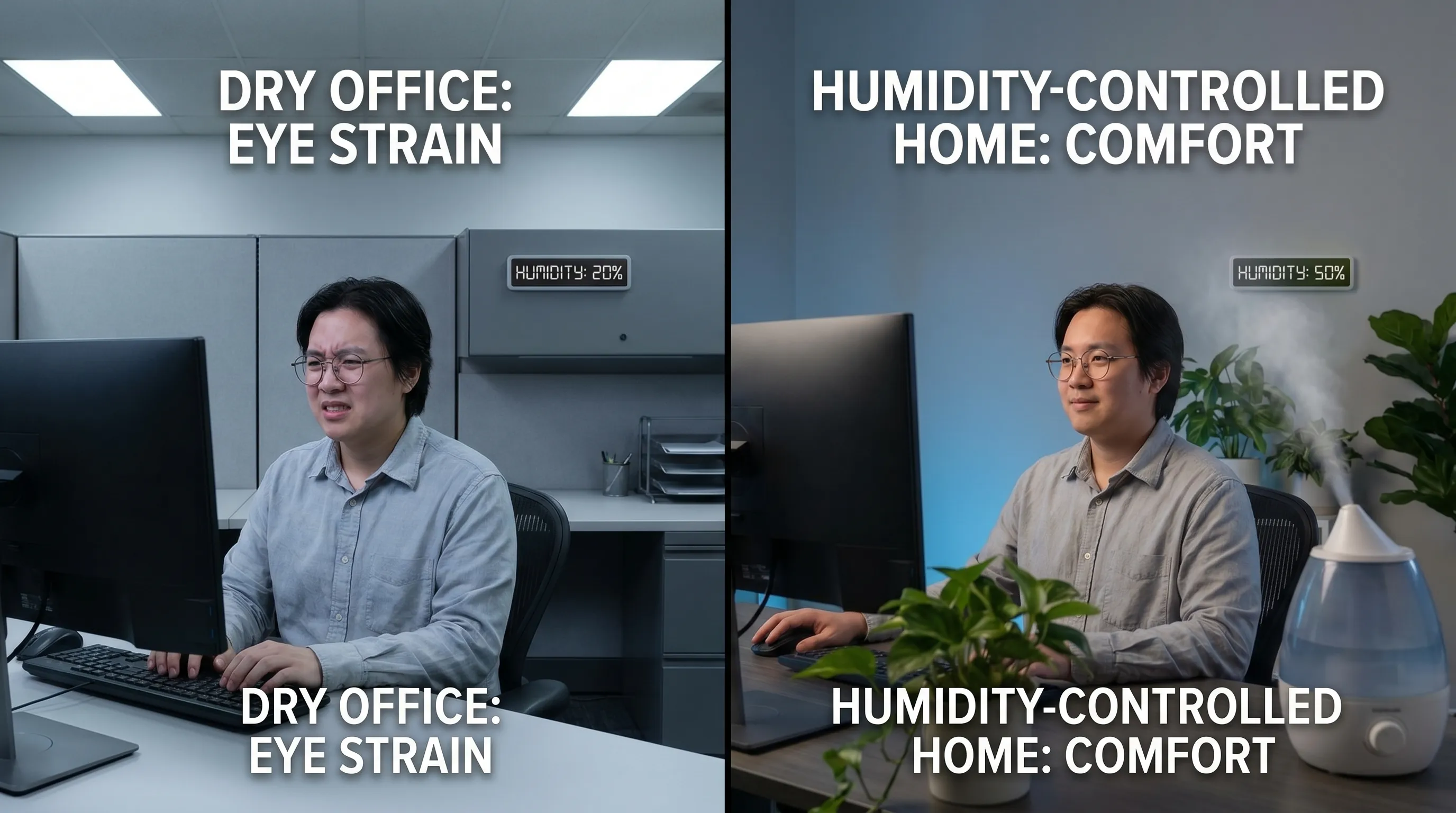
Heated air during winter and aggressive air conditioning in summer strip ambient humidity from indoor environments, accelerating tear evaporation. Maintain relative humidity between forty and sixty percent using a cool-mist humidifier, especially in bedrooms where overnight symptom control is critical. Direct vents away from your face while driving or sleeping, as concentrated airflow creates localized microclimates that desiccate the ocular surface within minutes.
Screen Hygiene and Blink Exercises
Digital eye strain severely exacerbates dry eye by reducing blink rate by up to sixty percent during sustained screen focus. Incomplete blinking leaves portions of the cornea exposed and un-lubricated. Implement the twenty-twenty-twenty rule: every twenty minutes, shift your gaze to an object twenty feet away for at least twenty seconds. Incorporate deliberate full blinks every minute to ensure the meibomian glands fully express lipid secretions across the eyelid margin. Adjust monitor positioning so the screen sits slightly below eye level, encouraging a partially closed eyelid posture that naturally reduces the exposed surface area and minimizes evaporative loss.
Nutritional Support and Omega-3 Fatty Acids
Systemic inflammation directly impacts ocular surface health. Omega-3 polyunsaturated fatty acids, particularly eicosapentaenoic acid (EPA) and docosahexaenoic acid (DHA), demonstrate anti-inflammatory properties that improve meibomian gland lipid quality and stabilize the tear film, as detailed by the NIH Office of Dietary Supplements. While research continues to evaluate optimal dosing, incorporating high-quality fish oil supplements or consuming fatty fish like salmon, sardines, and mackerel two to three times weekly supports comprehensive dry eye management. Stay adequately hydrated by drinking sufficient water daily, as systemic dehydration manifests quickly through reduced aqueous tear production.
Frequently Asked Questions
Can I use an eye gel for dry eyes while wearing contact lenses?
No, lubricating eye gels and ointments are not recommended for use with contact lenses. Their thicker consistency can trap debris, cloud the lens surface, and potentially cause discomfort or damage. Always remove contacts before application, wait at least ten to fifteen minutes before reinserting, and use only preservative-free drops specifically approved for contact lens wear.
How long does it take for eye gel to start working?
Most patients experience immediate lubrication upon application, with peak moisture retention occurring within the first hour. Because of their higher viscosity, eye gels for dry eyes provide sustained relief that typically lasts several hours, especially when applied before sleep. Consistent use over one to two weeks yields the most significant improvement in ocular surface hydration and symptom reduction.
What is the difference between preserved and preservative-free eye gels?
Preserved formulations contain additives like benzalkonium chloride (BAK) to prevent bacterial contamination in multi-dose bottles. However, frequent use of preservatives can disrupt the tear film and irritate sensitive eyes. Preservative-free options come in single-use vials or specialized bottles and are strongly recommended if you need to apply treatment more than four to six times daily or have known preservative sensitivity.
Why do eye gels cause temporary blurred vision?
The blurred vision occurs because of the gel's high viscosity. Thicker polymers spread across the corneal surface and temporarily alter the way light refracts through the eye. This effect is completely harmless and usually clears within ten to fifteen minutes as the product disperses into the tear film and absorbs or drains through the punctum.
How often should I use an eye gel for moderate to severe dry eye?
Clinical guidelines typically recommend applying lubricating eye gels one to two times daily, with the primary dose administered right before bedtime. This maximizes overnight corneal protection. If daytime symptoms persist, you can pair nighttime gel use with preservative-free artificial tear drops during waking hours, but always maintain a ten-minute interval between different ocular medications.
Key Takeaways
Managing chronic ocular surface discomfort requires a strategic, multi-layered approach that extends beyond quick symptom suppression. An eye gel for dry eyes represents a clinically validated therapeutic tool designed to reinforce tear film stability, reduce evaporative loss, and protect the cornea during vulnerable periods like nighttime or environmental stress. By understanding the distinct roles of active polymers like carbomer, hypromellose, and hyaluronic acid, you can make informed choices aligned with your specific symptom profile and lifestyle demands. Proper application technique, strict adherence to preservative-free protocols when frequent dosing is required, and proactive environmental modifications collectively create a sustainable foundation for ocular comfort. Always remember that over-the-counter lubricants manage symptoms but do not replace comprehensive medical evaluation. If dryness persists, interferes with daily activities, or accompanies pain and visual changes, consult an ophthalmologist or optometrist promptly. Early intervention prevents progression to severe inflammation, corneal scarring, and vision impairment, ensuring your eyes remain resilient, well-hydrated, and functionally protected for the long term.
How we work
Researched and drafted with AI assistance, then reviewed by a human editor against the cited sources.
This article is general health information, not medical advice. Consult a qualified healthcare professional about your own situation.