Does Nicotine Make You Poop? The Complete Gastrointestinal Guide

The relationship between nicotine consumption and gastrointestinal function has been a topic of scientific inquiry and patient curiosity for decades. If you have ever noticed an urgent need to use the restroom shortly after a cigarette, a vape session, or even a nicotine gum, you are experiencing a documented physiological response. But what exactly is happening inside your digestive tract, and is this effect beneficial or potentially harmful? Understanding how nicotine interacts with your gut can help you manage bowel habits more effectively, make informed decisions about nicotine replacement, and recognize when to seek professional medical guidance. Whether you are a current user considering cessation, someone curious about the mechanisms behind nicotine-induced motility, or simply trying to navigate digestive changes during a lifestyle shift, this comprehensive guide breaks down the science, delivery methods, and practical strategies you need to know. By examining peer-reviewed research and clinical observations, we can separate fact from fiction and address the core question: does nicotine make you poop, and what does it mean for your long-term digestive wellness?
The Science Behind Nicotine and Your Digestive System
Nicotine is a highly bioactive alkaloid that crosses biological membranes with remarkable speed. Once absorbed into the bloodstream, whether through pulmonary alveoli, oral mucosa, or transdermal patches, it rapidly reaches the central and peripheral nervous systems. However, its most direct impact on bowel function occurs through the enteric nervous system, often referred to as the "second brain" of the gastrointestinal tract. This complex network of over 100 million neurons operates semi-independently to regulate digestion, absorption, and elimination, as detailed by the Cleveland Clinic's overview of the enteric nervous system. When nicotine enters this system, it acts as an exogenous agonist, binding to nicotinic acetylcholine receptors (nAChRs) that are densely concentrated along the colonic musculature and the myenteric plexus.
Free calculatorHigh-Fiber Foods ChartChart of high-fiber foods for digestive healthOpen the calculator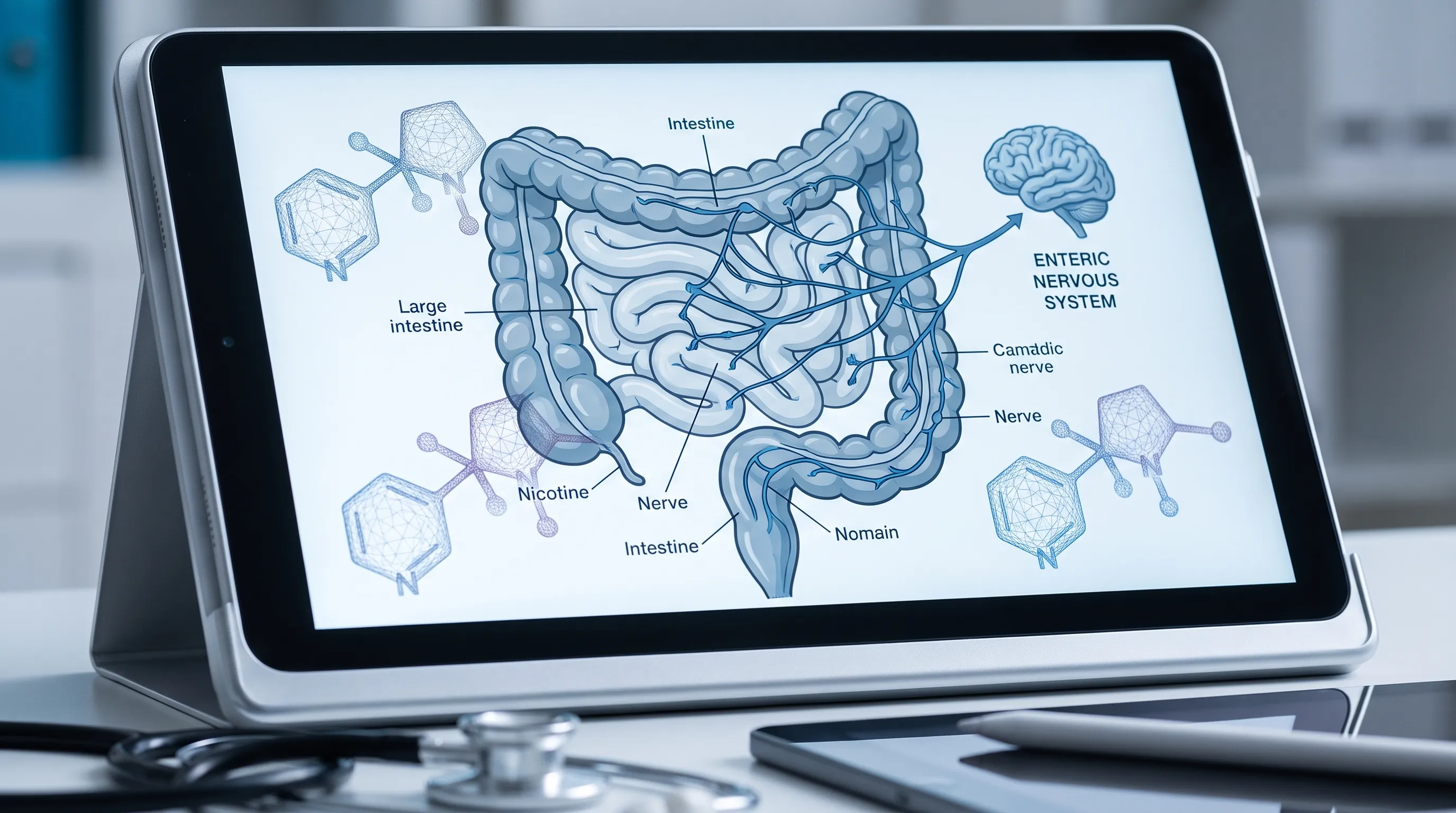
How Nicotine Interacts with the Enteric Nervous System
The enteric nervous system relies on a delicate balance of neurotransmitters to coordinate the rhythmic contractions known as peristalsis. Under normal conditions, acetylcholine released from parasympathetic nerve terminals binds to muscarinic and nicotinic receptors to initiate muscle contraction and propel fecal matter toward the rectum. Nicotine mimics acetylcholine by binding to the alpha-4-beta-2 nicotinic receptor subtypes, which triggers a cascade of intracellular calcium release. This calcium influx stimulates the smooth muscle layers of the colon, effectively jump-starting contraction waves that might otherwise be sluggish or delayed. Clinical studies, including research from the National Institutes of Health on colonic motility, have consistently demonstrated that nicotine administration significantly reduces colonic transit time in both smokers and non-smokers exposed to controlled nicotine doses. The effect is dose-dependent, meaning higher concentrations typically produce stronger and faster contractions, which explains why some individuals experience urgent bowel movements after using high-strength e-liquids or traditional cigarettes.
The Role of Acetylcholine and Gut Motility
Acetylcholine is the primary excitatory neurotransmitter of the gastrointestinal tract, responsible for stimulating both secretory activity and motor function. When nicotine artificially elevates cholinergic signaling, it disrupts the natural feedback loops that regulate digestion. This disruption can temporarily override the body's intrinsic pacing mechanisms, leading to accelerated transit. Additionally, nicotine influences the release of other neuromodulators such as serotonin and dopamine, both of which play secondary roles in gut-brain communication. Serotonin, in particular, is heavily involved in initiating the defecation reflex by signaling rectal distension to the spinal cord. By amplifying serotonergic pathways indirectly, nicotine can lower the threshold for what your body perceives as a need to evacuate, even when stool volume is relatively low. This neurochemical cascade is a primary reason why many users report sudden, urgent bowel movements shortly after nicotine intake. Understanding this mechanism clarifies that the phenomenon is not merely psychological or habit-driven, but a direct pharmacological effect on neuromuscular junctions throughout the colon, as explained in the Mayo Clinic's guide to gut motility.
Short-Term Effects: Why You Might Need to Run to the Bathroom
The immediate gastrointestinal response to nicotine is often the most noticeable effect for regular users. Within minutes of inhalation or absorption, blood nicotine levels spike, triggering a rapid chain of neurochemical events. For many, this translates into a sudden increase in bowel urgency, cramping, or a noticeable change in stool consistency. These acute symptoms are usually temporary, but they can significantly impact daily routines, social situations, and overall comfort. Recognizing the timeline and physiological triggers of these short-term effects can help individuals anticipate changes and implement proactive management strategies.
The Morning Routine Phenomenon
A significant portion of nicotine consumers report that their first intake of the day consistently triggers a bowel movement. This has led to widespread cultural beliefs that smoking or vaping acts as a morning laxative. Physiologically, this aligns with the body's natural circadian rhythms. Upon waking, the gastrocolic reflex is already primed to stimulate colonic motility in preparation for breakfast and daily activity, according to NIH literature on digestive rhythms. Adding nicotine to this naturally heightened state creates a synergistic effect that dramatically accelerates transit. Studies indicate that fasting nicotine administration produces a more pronounced cholinergic response because baseline digestive activity is already shifting from the quiescent overnight state to active daytime processing. Consequently, the morning dose often produces the strongest urge to defecate. While some view this as a convenient routine, gastroenterologists caution against relying on an addictive stimulant to regulate natural rhythms, as long-term dependence can mask underlying digestive irregularities and complicate cessation efforts.
Rapid Transit Time Explained
Transit time refers to the duration it takes for ingested material to move from the mouth to the rectum. In healthy adults, this process typically spans 24 to 72 hours, allowing sufficient time for water absorption and nutrient extraction. Nicotine drastically compresses this window by stimulating segmental and propulsive contractions in the descending and sigmoid colon. When transit occurs too quickly, the colon has less opportunity to reabsorb water from the fecal bolus, which can result in looser stool consistency or even mild diarrhea in susceptible individuals. Furthermore, rapid transit can disrupt the absorption of certain medications and fat-soluble vitamins. For individuals managing irritable bowel syndrome (IBS), particularly the diarrhea-predominant subtype (IBS-D), nicotine-induced acceleration can exacerbate existing symptoms and trigger painful cramping, as noted by CDC guidelines on digestive health conditions. Monitoring your personal transit patterns and adjusting nicotine intake accordingly can mitigate discomfort while maintaining digestive balance.
Does Nicotine Make You Poop? Delivery Methods Matter
Not all nicotine products interact with the digestive system identically. The route of administration, absorption rate, peak plasma concentration, and accompanying chemical compounds significantly influence how the gut responds. Understanding these differences is crucial for anyone asking does nicotine make you poop, because the delivery vehicle dictates both the intensity and duration of the effect. Whether you are using combustible tobacco, electronic vaporization systems, or pharmaceutical-grade replacement therapies, each method carries distinct gastrointestinal implications that merit careful consideration.
Cigarettes and Traditional Smoking
Combustible cigarettes deliver nicotine alongside thousands of chemical additives, tar, carbon monoxide, and particulate matter. While nicotine drives the primary cholinergic stimulation, other compounds in cigarette smoke can paradoxically inhibit gut motility by inducing mucosal irritation and altering local blood flow. Some users experience immediate laxative effects, while others report delayed emptying or chronic constipation due to long-term vascular damage in the mesenteric arteries that supply the intestines. Additionally, chronic smoking reduces overall oxygenation to the intestinal mucosa, which can impair cellular repair and nutrient absorption. The acute laxative response is typically most pronounced with traditional cigarettes because inhalation allows for rapid pulmonary absorption, delivering nicotine to the brain and enteric nervous system within 7 to 10 seconds. However, the long-term gastrointestinal risks, including increased susceptibility to peptic ulcers, gastroesophageal reflux disease (GERD), and colorectal inflammation, far outweigh any temporary bowel benefits, as outlined in the CDC report on tobacco and digestive disease.
Vaping, E-Liquids, and Nicotine Salts
The popularity of electronic nicotine delivery systems has introduced new variables to the nicotine-digestion equation. Vaping eliminates combustion, but the aerosolized nicotine salts and freebase nicotine still reach the bloodstream rapidly, often producing motility effects comparable to traditional cigarettes. However, the absence of carbon monoxide and heavy tar deposits means the vascular and mucosal impacts are somewhat reduced. That said, high-concentration nicotine salts can trigger sharper, more sudden colonic contractions, leading to urgent bowel movements or abdominal cramping in sensitive individuals. Some vapers also report that specific flavoring agents, particularly those containing menthol or cinnamon derivatives, can independently stimulate or irritate gastrointestinal receptors. If you are wondering does nicotine make you poop when delivered via vaporization, the answer depends heavily on concentration, inhalation depth, and individual receptor sensitivity. Lowering nicotine milligram strength or switching to pH-balanced freebase formulations can significantly moderate acute bowel stimulation. For more on how vaporization impacts health, see the CDC's overview of e-cigarettes.
Patches, Gum, and Nicotine Replacement Therapy (NRT)
Pharmaceutical nicotine replacement products are designed to provide steady, controlled dosing without the rapid spikes associated with inhalation. Transdermal patches release nicotine gradually over 16 to 24 hours, resulting in stable plasma concentrations that typically do not trigger sudden laxative effects. However, some patch users report mild morning bowel urgency as their body adjusts to continuous cholinergic stimulation. Nicotine gum and lozenges deliver the alkaloid through the oral mucosa, producing intermediate absorption rates. These products can occasionally cause mild gastrointestinal upset, including hiccups, jaw discomfort, and occasional bowel changes, particularly if chewed too vigorously or swallowed improperly. When evaluating NRT for bowel management, it is important to recognize that while these products avoid the toxic combustion byproducts of smoking, they still activate enteric receptors and can temporarily alter stool frequency. Gastroenterologists often recommend NRT during cessation precisely because it provides a predictable, manageable nicotine level that allows the digestive system to recalibrate gradually rather than experiencing abrupt withdrawal-induced constipation. Learn more about safe cessation strategies at the Mayo Clinic's guide to nicotine replacement therapy.
Long-Term Consequences of Chronic Nicotine Use on Gut Health
While acute stimulation might seem convenient, prolonged nicotine exposure fundamentally alters gastrointestinal physiology in ways that extend far beyond temporary bowel movements. Chronic use disrupts homeostasis, damages protective barriers, and introduces systemic inflammation that can manifest as persistent digestive dysfunction. Recognizing these long-term consequences is essential for making informed health decisions and understanding why relying on nicotine as a digestive aid is both unsustainable and clinically dangerous.
Gut Microbiome Alterations and Dysbiosis
The human gut houses trillions of microorganisms that play critical roles in immune function, vitamin synthesis, and metabolic regulation. Emerging research from the National Institutes of Health on nicotine and the gut microbiome indicates that chronic nicotine exposure significantly shifts the composition of this microbial ecosystem, reducing beneficial Bifidobacterium and Lactobacillus populations while promoting pro-inflammatory taxa. This state of dysbiosis compromises the intestinal mucosal barrier, allowing bacterial endotoxins to leak into systemic circulation and trigger low-grade inflammation. Over time, microbial imbalance correlates with increased bloating, irregular bowel habits, impaired nutrient absorption, and heightened sensitivity to dietary triggers. Furthermore, a disrupted microbiome weakens the production of short-chain fatty acids like butyrate, which are essential for colonocyte health and regular motility. Consequently, individuals who depend on nicotine for bowel stimulation often find their natural peristalsis deteriorating, creating a vicious cycle where they require increasingly higher doses to achieve the same effect while underlying gut health continues to decline.
Risk of Inflammatory Bowel Disease Complications
The relationship between nicotine and inflammatory bowel disease (IBD) presents one of the most clinically complex paradoxes in modern gastroenterology. Epidemiological studies have historically shown that nicotine exposure appears to suppress symptoms of ulcerative colitis, leading some researchers to investigate transdermal nicotine as an adjunct therapy. However, this temporary anti-inflammatory effect masks a far more dangerous reality for Crohn's disease and overall intestinal integrity. Chronic nicotine use increases the risk of strictures, fistulas, and post-surgical complications in Crohn's patients. It also impairs mucosal healing, reduces the efficacy of biologic therapies, and heightens the risk of colorectal malignancies. Long-term use compromises vascular perfusion to the intestinal wall, accelerating tissue degeneration and reducing the colon's ability to recover from daily mechanical stress, as detailed by the Mayo Clinic on smoking and IBD outcomes. Medical consensus strongly discourages using nicotine as a therapeutic agent for any bowel condition due to its well-documented systemic toxicity and unpredictable long-term outcomes.

Practical Strategies for Managing Nicotine-Induced Bowel Changes
Whether you are actively using nicotine products, transitioning to cessation, or simply trying to stabilize your digestive routine, implementing evidence-based lifestyle interventions can significantly improve bowel regularity and overall gut comfort. These strategies are designed to work synergistically with your body's natural rhythms while minimizing reliance on external chemical stimulation.
Hydration, Fiber, and Dietary Optimization
The foundation of consistent bowel health rests on adequate fluid intake and structured fiber consumption. Water acts as the primary solvent that softens stool and facilitates smooth passage through the colon, while dietary fiber provides the bulk necessary to trigger natural peristaltic contractions. Aim for a minimum of 2.5 to 3 liters of water daily, adjusting upward if you experience frequent nicotine-induced urgency that depletes electrolytes. Incorporate a balanced mix of soluble fiber (oats, apples, chia seeds) to absorb excess intestinal water and insoluble fiber (whole grains, leafy vegetables, nuts) to add structural volume. Start gradually, increasing fiber intake by 5 grams per week to prevent initial bloating, following Cleveland Clinic recommendations for optimal digestion. If you notice does nicotine make you poop more intensely after meals, try consuming high-fiber foods earlier in the day and reserving lighter, easily digestible options for evening hours to align with your body's natural digestive slowdown during rest periods.
Timing Your Intake and Establishing Routine
Circadian rhythm regulation plays a pivotal role in bowel function. By aligning your nicotine consumption with your established bathroom routine, you can reduce unexpected urgency and train your enteric nervous system toward predictable patterns. Consider scheduling intake after a meal rather than during fasting windows, as the combined gastrocolic reflex and nicotine stimulation will produce a more synchronized effect. Maintain a consistent morning routine: drink warm water, consume a fiber-rich breakfast, and allow 10 to 15 minutes for natural evacuation before introducing nicotine. This sequence respects physiological pacing rather than forcing artificial stimulation. Additionally, keeping a detailed symptom log that tracks intake timing, meal composition, stress levels, and bowel characteristics can reveal personal triggers and help you optimize your schedule for maximum comfort and minimal disruption.
When to Consult a Gastroenterologist
Persistent bowel changes, chronic abdominal pain, blood in stool, unexplained weight loss, or sudden alterations that last beyond several weeks warrant immediate professional evaluation. While nicotine is a known stimulant, it can also mask underlying pathologies such as microscopic colitis, celiac disease, or early-stage neoplasms. A qualified gastroenterologist can perform targeted diagnostic testing, including colonoscopy, stool calprotectin assays, and comprehensive microbiome profiling, to rule out serious conditions and develop personalized management plans. If you are actively attempting nicotine cessation and experiencing severe constipation, your physician may recommend temporary osmotic laxatives, prescription motility agents, or structured fiber supplementation to ease the transition without compromising long-term colon health. Follow the CDC guidelines on recognizing digestive warning signs and screening to stay proactive about your health. Never self-prescribe chronic laxative use or rely on nicotine indefinitely to compensate for unresolved gastrointestinal dysfunction.
Myths vs. Facts: Separating Evidence from Anecdote
Navigating online forums and anecdotal testimonials often leaves individuals confused about what is scientifically valid and what remains speculation. Below is a clear, clinically supported comparison that addresses the most common misconceptions surrounding nicotine and digestive function.
| Claim | Scientific Reality | Clinical Guidance |
|---|---|---|
| Nicotine is a safe natural laxative for constipation | False. While it stimulates short-term motility, chronic use damages vascular supply and disrupts microbiome balance. | Use FDA-approved stool softeners, polyethylene glycol, or prescription prokinetics under medical supervision. |
| The laxative effect is purely psychological | False. Nicotine binds directly to enteric nAChR receptors, triggering measurable calcium-mediated muscle contractions. | Recognize physiological stimulation but avoid dependency; retrain natural bowel rhythms through diet and routine. |
| Vaping causes fewer bowel changes than smoking | Partially true. Absent combustion toxins reduce mucosal irritation, but nicotine concentration still dictates motility response. | Monitor strength (mg/mL) and adjust dosage if urgency or cramping becomes disruptive to daily activities. |
| Quitting nicotine permanently ruins digestion | False. Temporary withdrawal-related constipation typically resolves within 2 to 6 weeks as cholinergic receptors normalize. | Support transition with hydration, soluble fiber, and gentle movement to restore independent peristalsis safely. |
| Nicotine improves ulcerative colitis long-term | Misleading. Short-term symptom suppression masks long-term cancer risk, impaired healing, and disease progression. | Follow evidence-based IBD treatment protocols involving mesalamine, biologics, and dietary modifications. |

Frequently Asked Questions
Does nicotine make you poop, or is it just the ritual?
Nicotine directly stimulates bowel movements by binding to nicotinic acetylcholine receptors in the enteric nervous system, which increases colonic motility. While the psychological routine of smoking or vaping can play a minor role, the physiological effect of nicotine on gut contraction is well-documented in clinical research.
How long does the laxative effect of nicotine last?
The acute stimulatory effect typically begins within 5 to 15 minutes of ingestion or inhalation and peaks around 30 minutes. The laxative effect usually subsides within 1 to 2 hours as nicotine is metabolized by the liver into cotinine. Regular users may experience tolerance, reducing the intensity of the response over time.
Can switching from smoking to vaping change my bowel habits?
Yes. Because vaping delivers nicotine without many of the additional toxins found in cigarette smoke, some users report altered bowel patterns. The nicotine dose and delivery speed still stimulate gut motility, but the absence of carbon monoxide and other combustion byproducts can change overall gastrointestinal signaling.
Does nicotine help with chronic constipation?
While nicotine can temporarily increase colon contractions, it is absolutely not a safe or sustainable treatment for chronic constipation. Long-term nicotine use damages vascular health, alters the gut microbiome, and can worsen conditions like irritable bowel syndrome. Gastroenterologists recommend fiber optimization, hydration, and FDA-approved laxatives instead.
Will quitting nicotine cause severe digestive changes?
Quitting often leads to temporary constipation or irregular bowel movements due to the sudden removal of cholinergic stimulation. This typically resolves within 2 to 6 weeks as the enteric nervous system readjusts. Increasing dietary fiber, drinking ample water, and gentle physical activity can significantly ease the transition. For additional support, visit the CDC's quit-smoking resources.
Conclusion
Understanding how nicotine influences gastrointestinal motility reveals a complex interplay between neurochemical stimulation, delivery methods, and long-term physiological adaptation. While the immediate answer to whether nicotine makes you poop is undeniably yes, relying on this effect for bowel regulation introduces significant risks that outweigh any temporary convenience. Chronic use disrupts microbiome balance, compromises vascular integrity, and can exacerbate underlying inflammatory conditions. By shifting toward hydration, structured fiber intake, circadian-aligned routines, and professional medical guidance, individuals can restore natural digestive function and reduce dependency on chemical stimulation. Whether you are navigating active use, preparing for cessation, or simply seeking to optimize gut health, prioritizing sustainable, evidence-based strategies ensures lasting comfort and systemic wellness. Your digestive system is remarkably resilient when given the right nutritional foundation and consistent care. Make informed choices, listen to your body's natural signals, and consult healthcare providers whenever persistent changes disrupt your quality of life.
How we work
Researched and drafted with AI assistance, then reviewed by a human editor against the cited sources.
This article is general health information, not medical advice. Consult a qualified healthcare professional about your own situation.