Is It Dangerous to Sleep with a Blocked Nose? Risks, Remedies & Guidance

Waking up to a persistently blocked nose during the night is a frustratingly common experience that millions of people navigate regularly. Whether triggered by seasonal allergies, a lingering viral infection, dry indoor air, or underlying anatomical variations, nighttime nasal congestion disrupts the natural rhythm of restorative sleep. Many individuals instinctively switch to mouth breathing, assuming the body will simply compensate without consequence. Yet, medical professionals consistently emphasize that understanding the physiological cascade behind a stuffy nose is crucial for long-term wellness. Patients and caregivers frequently ask whether ignoring this discomfort carries hidden health consequences, and the scientific consensus points toward measurable impacts on respiratory, cardiovascular, and neurological function. This comprehensive guide examines the medical reality behind the question, exploring the short-term inconveniences and long-term risks associated with chronic nasal obstruction during rest, while providing evidence-based strategies to restore clear airways and protect sleep quality, as outlined by global health authorities like the World Health Organization.
Understanding Nasal Congestion During Sleep
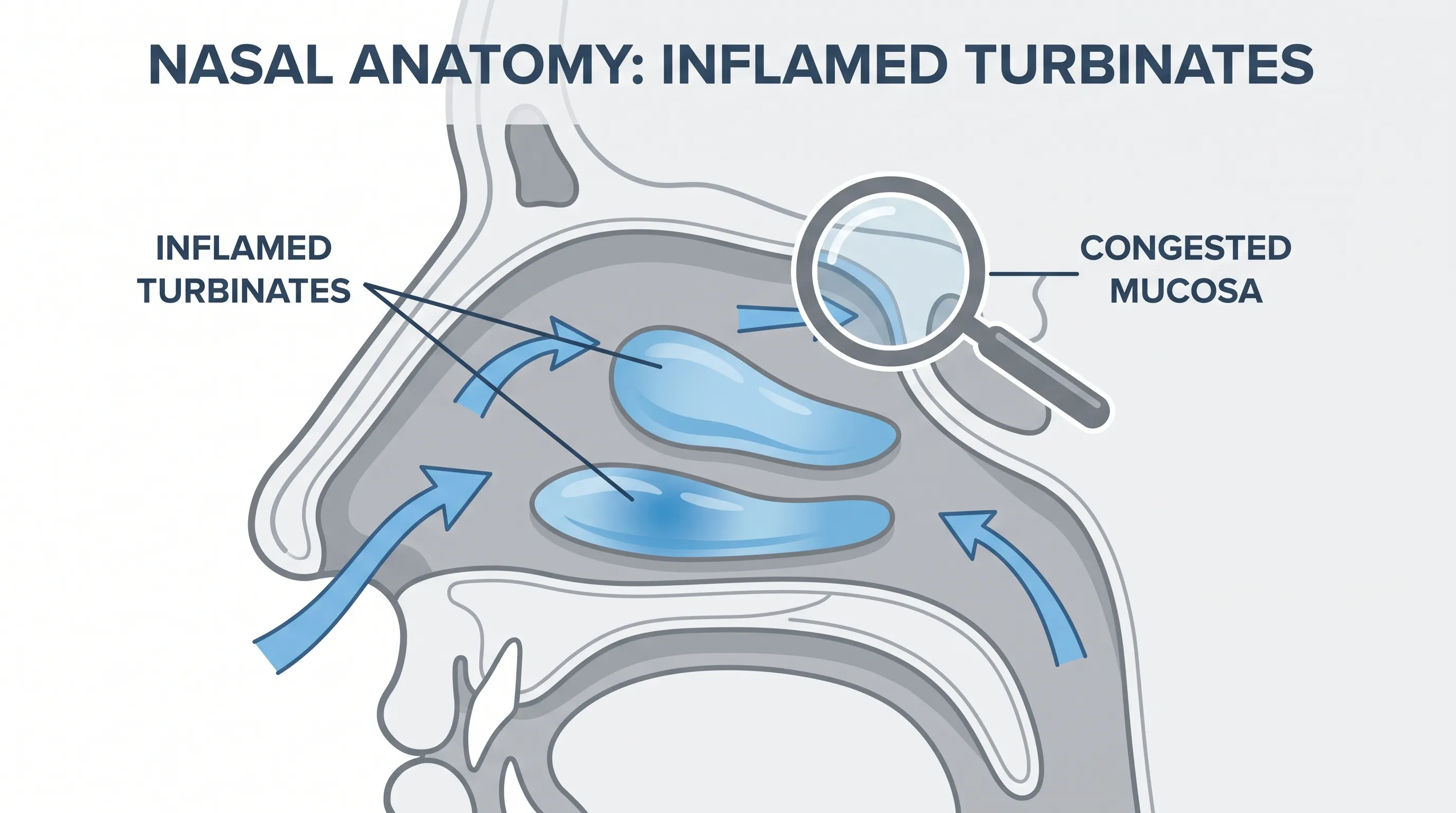
Nasal congestion occurs when the blood vessels and mucous membranes lining the nasal passages become swollen and inflamed, narrowing the airway and increasing mucus production. During sleep, several physiological and environmental factors converge to exacerbate this condition. The nasal cavity contains turbinates—curved bony structures covered in mucosa—that warm, humidify, and filter inhaled air. When these tissues swell, airflow resistance increases, forcing a shift from nasal to oral respiration. This transition may seem trivial, but it fundamentally alters the biomechanics of breathing and compromises multiple protective respiratory functions.
Free calculatorSleep CalculatorCalculate sleep cyclesOpen the calculatorThe Physiology of a Stuffy Nose
The nasal lining is highly vascularized and innervated, making it exceptionally responsive to allergens, pathogens, temperature shifts, and hormonal fluctuations. Exposure to dust mites, pollen, pet dander, or viral antigens triggers mast cell degranulation, releasing histamine and prostaglandins. These inflammatory mediators cause vasodilation and increased vascular permeability, leading to tissue edema and thick mucus secretion. Additionally, the nasal cycle—a natural autonomic rhythm where one nasal passage alternates between congestion and decongestion every four to six hours—becomes more pronounced during illness or allergic flares. Research published by the American Rhinologic Society confirms that this physiological cycling ensures continuous mucociliary clearance, but when inflammation disrupts the balance, both sides can become simultaneously obstructed. The compromised mucociliary escalator fails to effectively trap and remove pathogens, creating a feedback loop that prolongs swelling and delays recovery.
Why Nasal Obstruction Worsens at Night
Circadian rhythms play a pivotal role in nasal congestion severity. Cortisol levels naturally decline in the evening, reducing systemic anti-inflammatory activity, while histamine secretion peaks during nighttime hours. Lying horizontally further compounds the issue by redistributing blood flow toward the upper body, increasing hydrostatic pressure in the nasal venous sinuses. Gravity also hinders mucus drainage, allowing secretions to pool in the posterior nasopharynx and irritate the throat. Dry indoor air from heating or air conditioning strips moisture from the nasal epithelium, triggering compensatory swelling as the mucosa attempts to rehydrate incoming air. Studies from the National Institutes of Health highlight that indoor humidity below 40 percent significantly impairs mucociliary clearance velocity, making nighttime congestion particularly stubborn without environmental intervention.

Is It Dangerous to Sleep with a Blocked Nose? The Medical Perspective
When evaluating whether it is dangerous to sleep with a blocked nose, clinicians differentiate between transient discomfort and chronic physiological strain. Short-lived congestion from a common cold typically resolves without lasting harm. However, persistent obstruction initiates a cascade of compensatory mechanisms that, over time, can degrade multiple health domains. The transition from nasal to oral breathing eliminates critical filtration, humidification, and nitric oxide delivery that the nasal cavity normally provides. Understanding this distinction is essential for patients wondering if they should tolerate nighttime stuffiness or seek active management.
Short-Term Risks and Sleep Disruption
Even a single night of significant nasal obstruction fragments sleep architecture. The brain responds to elevated airway resistance with micro-arousals—brief awakenings that prevent progression into deep, slow-wave sleep and rapid eye movement cycles. These disruptions reduce melatonin secretion, impair memory consolidation, and elevate cortisol levels upon waking. Patients frequently report morning headaches, dry throat, and reduced cognitive sharpness after nights of heavy congestion. Guidelines from the CDC document that even mild nasal resistance can decrease sleep efficiency by up to twenty percent, translating to chronic sleep debt when experienced repeatedly. While not immediately life-threatening, these short-term deficits accumulate rapidly, compromising immune function, emotional regulation, and daytime performance.
Long-Term Consequences of Chronic Mouth Breathing
When patients continuously ask if it is dangerous to sleep with a blocked nose, they often underestimate the structural and functional remodeling that occurs with prolonged mouth breathing. The nasal passages produce nitric oxide, a vasodilator that optimizes oxygen uptake in the lungs and regulates blood pressure. Bypassing this mechanism forces the lower respiratory tract to operate less efficiently, increasing respiratory rate and cardiac workload. Chronic oral respiration also dries the oral mucosa, altering the microbiome and reducing protective saliva flow. Over months and years, this environment promotes enamel erosion, periodontal disease, and halitosis. Clinical resources from the Cleveland Clinic detail how sustained mouth breathing during developmental windows can alter craniofacial growth patterns, leading to elongated facial structure, dental crowding, and high-arched palates, as corroborated by peer-reviewed orthodontic literature.
Impact on Cardiovascular and Metabolic Health
The systemic effects of sustained nasal obstruction extend far beyond the respiratory tract. Repeated nocturnal hypoxia and increased negative intrathoracic pressure from struggling against a narrowed airway elevate sympathetic nervous system activity. This triggers episodic blood pressure spikes, endothelial dysfunction, and inflammatory cytokine release. Longitudinal studies from the European Respiratory Journal demonstrate that individuals with chronic nasal congestion exhibit higher resting heart rates and increased risk profiles for hypertension, even after adjusting for body mass index and age. Furthermore, fragmented sleep impairs glucose metabolism by reducing insulin sensitivity and increasing ghrelin production while suppressing leptin. When patients consistently wonder whether it is dangerous to sleep with a blocked nose, cardiovascular and metabolic specialists point to these cascading effects as compelling evidence for proactive management rather than passive acceptance.
Key Complications Associated With Nasal Obstruction
Beyond immediate discomfort and systemic strain, untreated nighttime nasal congestion serves as a catalyst for several secondary conditions that significantly diminish quality of life. Recognizing these complications helps patients differentiate between benign stuffiness and clinically relevant obstruction requiring targeted intervention.
Sleep-Disordered Breathing and Apnea
Nasal congestion does not create anatomical obstruction in the lower airway, but it acts as a critical threshold trigger for sleep-disordered breathing. Increased upper airway resistance forces the pharyngeal muscles to work harder to maintain patency, making collapse more likely in susceptible individuals. When nasal airflow drops below a functional minimum, the negative pressure generated during inspiration draws soft tissues inward, precipitating snoring, upper airway resistance syndrome, or full obstructive sleep apnea events. Clinical trials indicate that treating underlying rhinitis or anatomical deviations can reduce apnea-hypopnea index scores by thirty to fifty percent in mild to moderate cases. For those questioning whether it is dangerous to sleep with a blocked nose, the intersection with sleep apnea highlights a clear pathway to measurable morbidity if left unaddressed.
Dry Mouth, Dental Issues, and Bad Breath
Saliva serves as the oral cavity’s primary defense mechanism, containing antimicrobial peptides, buffering acids, and supplying calcium and phosphate for enamel repair. Chronic nasal obstruction forces sustained mouth breathing, which accelerates evaporative fluid loss and creates a xerostomic environment. Within weeks, patients notice persistent morning dryness, sticky mouthfeel, and compromised taste sensation. Over time, the lack of salivary clearance allows cariogenic bacteria like Streptococcus mutans to proliferate, dramatically increasing caries formation and gingival inflammation. Volatile sulfur compounds produced by anaerobic metabolism cause chronic halitosis that resists routine hygiene. The Mayo Clinic consistently emphasizes that nasal airway optimization should be considered a foundational component of preventive dental care.
Daytime Fatigue, Brain Fog, and Mood Changes
Sleep quality directly dictates next-day neurological function. When congestion repeatedly triggers arousals, glymphatic clearance—the brain’s waste-removal system active during deep sleep—becomes inefficient. Accumulated beta-amyloid and metabolic byproducts contribute to cognitive sluggishness, impaired executive function, and emotional volatility. Patients often describe this as brain fog, characterized by difficulty concentrating, forgetfulness, and slowed reaction times. Furthermore, chronic sleep fragmentation alters neurotransmitter balance, reducing serotonin and dopamine availability while elevating stress hormones. Research published in The Lancet Neurology correlates persistent poor sleep with higher incidence of depressive and anxiety disorders. Addressing the root cause of nighttime airway restriction frequently yields rapid improvements in mood stability and cognitive performance.
| Symptom Category | Nasal Breathing (Healthy Airway) | Chronic Mouth Breathing (Obstructed Airway) | Clinical Implications |
|---|---|---|---|
| Oxygen Exchange | Optimized via nasal nitric oxide production | Reduced efficiency, higher respiratory rate | Increased cardiac strain, potential hypoxia |
| Sleep Architecture | Stable progression through NREM/REM cycles | Fragmented sleep, frequent micro-arousals | Daytime fatigue, impaired memory consolidation |
| Oral Environment | Adequate saliva production, neutral pH | Xerostomia, bacterial overgrowth, acidic pH | Dental caries, periodontal disease, halitosis |
| Upper Airway Resistance | Low, minimal muscular compensation | High, pharyngeal instability | Snoring, UARS, obstructive sleep apnea risk |
| Systemic Inflammation | Regulated immune response | Elevated cytokines, sympathetic activation | Hypertension risk, metabolic dysregulation |
Who Is Most at Risk? Special Populations to Consider
Certain demographics experience heightened vulnerability to the complications of nasal obstruction due to physiological, developmental, or hormonal factors. Tailoring management strategies to these groups ensures safer outcomes and prevents preventable complications.
Infants and Young Children
Neonates and toddlers are obligate nasal breathers for the first six to twelve months of life. Their anatomical proportions include smaller nasal passages, relatively larger tongues, and underdeveloped oropharyngeal structures. When infants develop congestion from viral rhinitis or milk reflux, they cannot voluntarily switch to mouth breathing effectively, leading to severe feeding difficulties, dehydration, and respiratory distress. Pediatric guidelines from the American Academy of Pediatrics warn that untreated nasal blockage in this age group can trigger apneic pauses, failure to thrive, and disrupted neurodevelopment. Gentle suctioning, humidity optimization, and pediatrician-approved saline drops remain first-line interventions. Parents frequently ask whether it is dangerous to sleep with a blocked nose in early childhood, and medical guidelines emphasize that while brief colds are manageable, persistent obstruction requires prompt evaluation to rule out adenoid hypertrophy or choanal atresia.
Pregnant Women
Hormonal fluctuations during gestation significantly impact nasal mucosal vascularization. Elevated estrogen and progesterone levels increase blood volume and capillary permeability, frequently causing pregnancy rhinitis. Studies indicate that nearly one in three pregnant women experience new-onset nasal congestion that peaks during the third trimester. Poor sleep quality during pregnancy correlates with higher rates of gestational hypertension, preeclampsia, and preterm delivery. Because many pharmacological decongestants cross the placental barrier, obstetric guidelines prioritize non-pharmacological interventions. Elevating the head of the bed, using sterile saline irrigation, and maintaining optimal bedroom humidity are consistently recommended. Clinicians stress that addressing nocturnal obstruction during pregnancy is not merely a comfort measure but a protective strategy for maternal-fetal health.
Individuals with Preexisting Respiratory Conditions
Patients managing asthma, chronic obstructive pulmonary disease, or allergic sinusitis face compounded risks when nighttime nasal congestion develops. Upper airway inflammation often triggers lower airway bronchoconstriction through the nasobronchial reflex, worsening nocturnal wheezing and cough. Additionally, reduced nasal filtration allows unconditioned, allergen-laden air to directly reach hypersensitive bronchial tissue, increasing exacerbation frequency. The Global Initiative for Asthma explicitly includes rhinitis management in comprehensive treatment protocols, noting that intranasal corticosteroids can reduce asthma symptom scores by up to forty percent. For individuals with structural variations like a deviated septum, enlarged turbinates, or nasal polyps, congestion rarely resolves spontaneously. These patients benefit most from targeted imaging, allergy testing, and, when appropriate, minimally invasive surgical correction to restore unobstructed airflow.
Evidence-Based Strategies to Relieve Nighttime Congestion
Effective management requires a multi-modal approach targeting inflammation, mucus clearance, environmental triggers, and anatomical limitations. Patients who implement consistent routines typically experience marked improvement within two to four weeks. Understanding the mechanism behind each intervention ensures proper application and maximizes therapeutic benefit.
Immediate Relief Techniques for Better Sleep
Several non-invasive methods provide rapid, clinically validated relief. Sleeping with the head elevated on a wedge pillow reduces venous pooling in the nasal sinuses and encourages gravitational drainage of secretions. A sterile isotonic saline spray administered thirty minutes before bedtime hydrates the mucosa, thins viscous mucus, and temporarily reduces edema. For mechanical obstruction, external nasal strips or internal silicone dilators physically lift the nasal valve, increasing cross-sectional airflow by up to forty percent. Warm compresses applied across the nasal bridge promote vasodilation in surrounding tissues and enhance parasympathetic relaxation. Patients should avoid prolonged use of topical decongestant sprays containing oxymetazoline or phenylephrine, as rebound congestion from rhinitis medicamentosa typically develops after five to seven consecutive days. When evaluating whether it is dangerous to sleep with a blocked nose, implementing these safe, immediate strategies prevents escalation while preserving mucosal integrity, per Mayo Clinic treatment guidelines.
Environmental Adjustments and Bedroom Hygiene
Optimizing the sleep environment directly impacts nasal airway patency. Maintaining indoor humidity between forty and fifty percent using a cool-mist humidifier prevents mucosal drying without encouraging dust mite or mold proliferation. Regularly washing bedding in hot water at or above 130 degrees Fahrenheit eliminates allergenic proteins from dust mites and pet dander. Removing carpets, heavy drapes, and decorative pillows from the bedroom minimizes particulate accumulation. Air purifiers equipped with HEPA filters capture microscopic irritants that trigger histamine release. Patients with allergic rhinitis should shower before bed to rinse pollen from hair and skin, reducing nocturnal allergen transfer. Seasonal transitions often correlate with pressure changes that exacerbate sinus swelling, making preemptive environmental adjustments essential. When individuals question whether it is dangerous to sleep with a blocked nose during high-allergen periods, environmental control consistently proves as effective as pharmacological intervention.
Medical Interventions and When to Consult a Specialist
When conservative measures fail to restore comfortable breathing, targeted medical therapies become necessary. Intranasal corticosteroids like fluticasone, mometasone, and budesonide reduce inflammatory mediators at the receptor level, typically requiring three to five days for full efficacy. Antihistamine nasal sprays such as azelastine provide rapid symptom control for histamine-driven congestion. Oral leukotriene receptor antagonists may benefit patients with concurrent asthma and rhinitis. Anatomical abnormalities like septal deviation or turbinate hypertrophy often require otolaryngology evaluation. Imaging studies and nasal endoscopy allow precise mapping of obstruction sites. Minimally invasive procedures, including radiofrequency turbinate reduction, septoplasty, or functional endoscopic sinus surgery, permanently restore airflow in appropriate candidates. Patients experiencing frequent sinus infections, recurrent epistaxis, or suspected sleep apnea should undergo comprehensive polysomnography and specialist assessment. Medical literature consistently demonstrates that early intervention prevents irreversible tissue remodeling and secondary systemic complications.

Frequently Asked Questions
Is occasional nighttime congestion harmful?
Occasional nasal congestion from mild viral infections or temporary allergen exposure rarely causes long-term damage. The respiratory system compensates efficiently through short-term mouth breathing, and symptoms typically resolve within one to two weeks. However, even brief episodes can disrupt sleep architecture, so implementing gentle relief measures like saline irrigation and head elevation remains advisable to protect cognitive function and next-day productivity.
Can chronic nasal congestion cause permanent facial changes?
In adults, facial bone structure is fully developed, so chronic mouth breathing does not alter skeletal anatomy. However, in children and adolescents whose craniofacial bones are still growing, sustained nasal obstruction frequently contributes to adenoid facies—a clinical presentation featuring elongated facial proportions, dental malocclusion, and narrow palatal arches. Early intervention by pediatric ENT specialists and orthodontists can guide normal developmental trajectories and prevent irreversible structural adaptations.
Are over-the-counter decongestant sprays safe for long-term use?
Topical decongestants containing alpha-adrenergic agonists provide rapid relief by constricting dilated blood vessels, but prolonged use disrupts natural vascular regulation. After five to seven consecutive days, patients typically experience rebound vasodilation worse than the original congestion, a condition known as rhinitis medicamentosa. Medical guidelines strongly recommend limiting these products to short-term use and transitioning to intranasal corticosteroids or saline therapy for sustained management without dependency or mucosal damage.
How does nasal congestion affect exercise performance?
Nasal obstruction significantly impairs respiratory efficiency during physical activity by reducing nitric oxide delivery, increasing airway resistance, and forcing compensatory mouth breathing. Athletes frequently report premature fatigue, elevated heart rates, and decreased endurance when training with chronic congestion. Studies in sports medicine journals indicate that treating underlying rhinitis can improve VO2 max metrics, optimize oxygen saturation, and enhance recovery times by stabilizing autonomic nervous system responses and reducing systemic inflammation.
Should I use essential oils or aromatherapy for relief?
While certain volatile compounds like eucalyptus, peppermint, and tea tree oil demonstrate mild decongestant and anti-inflammatory properties in laboratory settings, clinical evidence for their efficacy during sleep remains limited. Improper concentration or application can irritate the nasal mucosa, trigger bronchospasm in sensitive individuals, or disrupt sleep through strong sensory stimulation. If used, essential oils should be highly diluted, applied to a diffuser at a distance from the bed, and discontinued if irritation occurs. Patients with asthma, chronic rhinosinusitis, or pediatric concerns should consult a physician before incorporating aromatic therapies into their nightly routine.
Conclusion
Understanding whether it is dangerous to sleep with a blocked nose requires looking beyond temporary discomfort and recognizing the interconnected physiological consequences of compromised airway function. While occasional congestion resolves without lasting harm, chronic nasal obstruction systematically disrupts sleep architecture, diminishes oxygen exchange efficiency, strains cardiovascular and metabolic systems, and compromises oral and respiratory health. Evidence-based management—combining environmental optimization, targeted pharmacotherapy, mechanical airway support, and timely specialist consultation—effectively restores nasal patency and protects long-term wellness. Prioritizing clear nighttime breathing is not merely a comfort strategy; it is a foundational component of preventive medicine that safeguards cognitive performance, immune resilience, and systemic health. By addressing nasal obstruction proactively, individuals can transform fragmented nights into restorative rest and safeguard their body’s natural healing processes.
How we work
Researched and drafted with AI assistance, then reviewed by a human editor against the cited sources.
This article is general health information, not medical advice. Consult a qualified healthcare professional about your own situation.