Oyster Zinc: The Ultimate Guide to Nature's Most Potent Immune & Growth Mineral

Nature has provided a remarkable solution to one of humanity’s most persistent micronutrient needs: the oyster. When it comes to supporting immune resilience, cellular repair, and metabolic efficiency, no other food rivals the mineral density found in shellfish. At the center of this nutritional phenomenon is oyster zinc, a highly bioavailable trace mineral that plays a foundational role in over 300 enzymatic reactions throughout the human body. While modern dietary trends often overlook traditional seafood, returning to evidence-based nutritional wisdom reveals that incorporating this powerhouse mineral source can profoundly impact long-term health outcomes. From enhancing the body’s natural defense mechanisms to accelerating tissue regeneration, the physiological benefits of zinc are extensively documented by leading health institutions. Understanding how to safely harness these benefits requires a clear grasp of daily requirements, absorption dynamics, and practical dietary integration strategies.
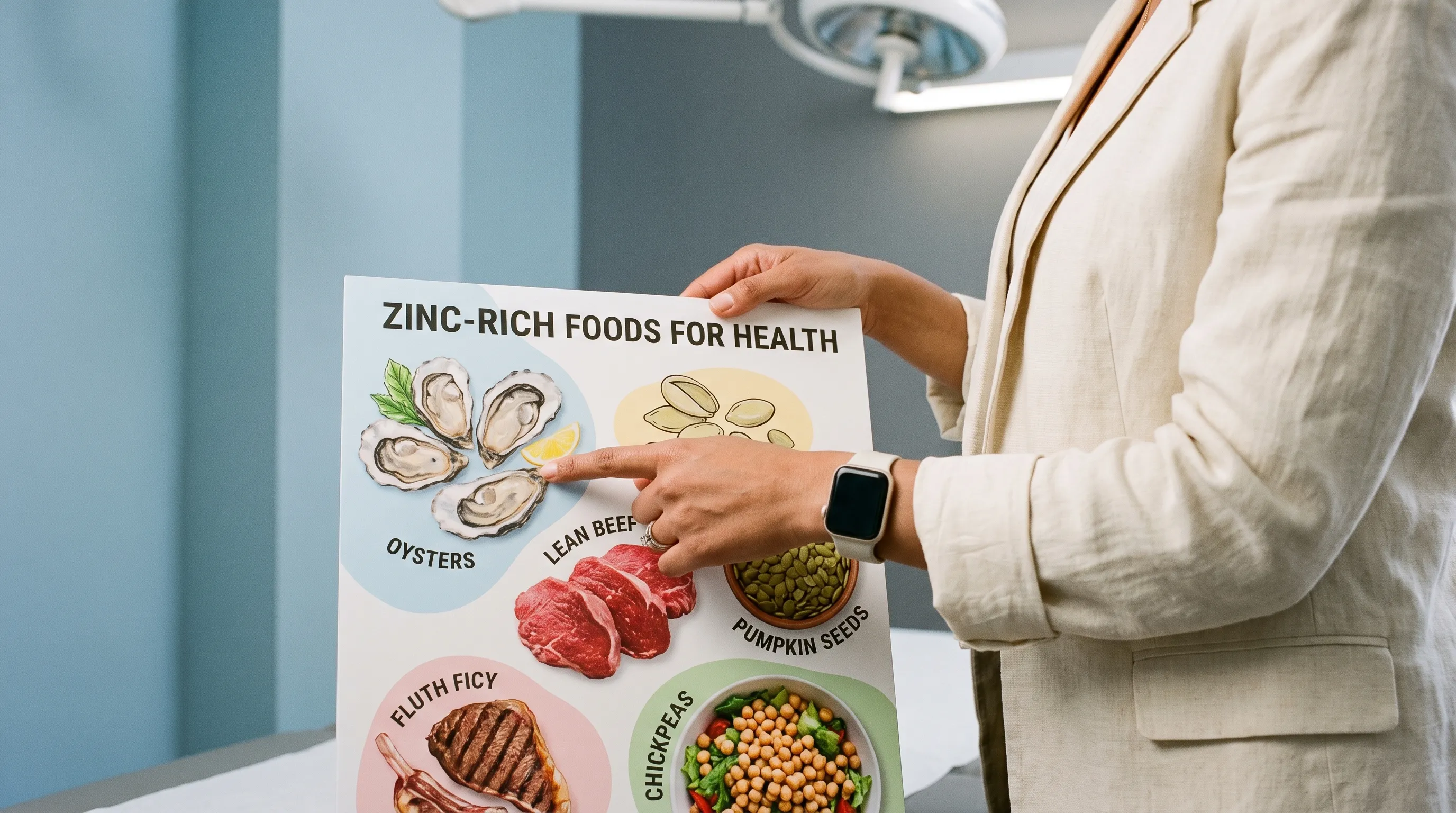
Zinc is classified as an essential trace mineral, meaning the human body cannot synthesize it internally and must rely entirely on dietary intake. Despite its trace status, zinc operates at the cellular level as a critical regulatory element for genetic expression, immune modulation, and structural protein synthesis. Research from the National Institutes of Health Office of Dietary Supplements consistently highlights that even mild zinc insufficiency can compromise lymphocyte function, slow tissue repair, and impair neurological signaling. Yet, despite its vital role, zinc deficiency remains one of the most widespread micronutrient gaps globally, particularly in regions with limited access to diverse animal proteins. By examining how oyster zinc delivers unprecedented concentration and superior absorption, we can develop more effective, sustainable approaches to maintaining optimal mineral status without relying solely on synthetic supplementation.
What Is Zinc and Why Does Your Body Need It?
Zinc functions as a biochemical catalyst and structural cofactor in pathways that govern cellular replication, protein folding, and antioxidant defense. Approximately two-thirds of the total zinc in the human body is stored within skeletal muscle and bone tissue, while the remainder circulates in blood plasma and intracellular compartments, primarily bound to proteins like albumin and transferrin. In healthy adults, serum zinc concentrations typically range between 80 and 120 micrograms per deciliter, with levels dipping below 70 mcg/dL in women and 74 mcg/dL in men serving as clinical indicators of inadequate status. Because the body lacks a dedicated zinc storage system, daily replenishment through diet or targeted supplementation is necessary to sustain homeostasis.
Free calculatorBMI CalculatorCalculate Body Mass IndexOpen the calculatorThe biological demand for zinc escalates during periods of rapid physiological change. Pregnancy, lactation, infancy, and adolescence all trigger increased requirements to support tissue expansion, neurological maturation, and hormonal regulation. According to the NIH Office of Dietary Supplements, the Recommended Dietary Allowance for adult men is 11 milligrams per day, while adult women require 8 milligrams daily. These values shift upward during reproductive phases, with pregnant teens needing 12 milligrams and breastfeeding women requiring 12 to 13 milligrams to account for maternal-fetal transfer and milk production. Establishing a clear baseline prevents both deficiency-related complications and excessive intake that could disrupt mineral balance.
The Biochemical Role of Zinc in Cellular Health
At the molecular level, zinc stabilizes cellular membranes, regulates gene transcription through zinc finger proteins, and modulates inflammatory cytokine production. It acts as a structural component in superoxide dismutase, a primary antioxidant enzyme that neutralizes reactive oxygen species before they can damage cellular organelles. Without adequate oyster zinc or alternative dietary sources, oxidative stress accelerates, compromising mitochondrial efficiency and increasing susceptibility to chronic inflammation. Clinical observations confirm that maintaining optimal zinc status reduces the duration and severity of respiratory infections, supports gastrointestinal barrier integrity, and preserves neurological signaling pathways responsible for cognitive clarity and emotional regulation.
Daily Requirements and Upper Intake Limits
While meeting the RDA is crucial for preventing deficiency, consistently exceeding safe thresholds introduces new physiological challenges. The Tolerable Upper Intake Level for adults aged 19 and older is established at 40 milligrams per day. This limit exists because chronic zinc overload competes with copper and iron for intestinal absorption, potentially triggering secondary deficiencies that manifest as anemia, neurological dysfunction, and compromised cardiovascular health. The upper limit applies specifically to supplemental forms and concentrated dietary sources consumed in excess, not to naturally varied meals. Understanding how to calculate cumulative zinc intake across whole foods, fortified products, and dietary supplements ensures long-term safety while maximizing therapeutic benefits.
Oyster Zinc: The Nutritional Powerhouse
When evaluating mineral density across all known food groups, oysters stand in a category of their own. The USDA FoodData Central database confirms that eastern oysters provide between 32 and 78 milligrams of zinc per 3-ounce cooked portion, representing an extraordinary surplus that easily fulfills multiple days’ worth of physiological demand. Raw Pacific oysters deliver a more moderate 5 to 10 milligrams per serving, still positioning them as superior to most conventional protein sources. This remarkable concentration explains why nutritional scientists consistently reference oyster zinc as the gold standard for dietary mineral optimization.
The superior performance of oyster zinc extends beyond raw milligram content. Animal-derived zinc exists in a highly bioavailable form that bypasses the absorption inhibitors commonly found in plant-based diets. Phytates, which are naturally abundant in legumes, seeds, and whole grains, bind tightly to zinc molecules in the gastrointestinal tract, creating insoluble complexes that the body cannot absorb. Oysters circumvent this limitation entirely, delivering zinc in a protein-bound state that intestinal transporters readily recognize and assimilate. For individuals managing digestive inflammation or following restrictive dietary patterns, this absorption advantage can mean the difference between clinical deficiency and robust physiological function.
Comparative Zinc Content: Oysters vs. Other Foods
Understanding how oyster zinc compares to alternative sources helps contextualize its nutritional supremacy. While fortified cereals, lean red meats, and pumpkin seeds contribute meaningfully to daily intake, their concentrations pale in comparison to shellfish. A standard 3-ounce serving of cooked beef provides approximately 7 milligrams of zinc, while half a cup of canned chickpeas delivers roughly 1.5 milligrams. Fortified breakfast cereals may contain 15 milligrams per serving, but bioavailability remains variable depending on processing methods and accompanying ingredients. The following table illustrates these differences clearly:
| Food Source | Serving Size | Approximate Zinc Content | Bioavailability | Notes |
|---|---|---|---|---|
| Cooked Eastern Oysters | 3 oz | 32-78 mg | Very High | Highest natural dietary source |
| Raw Pacific Oysters | 3 oz | 5-10 mg | High | Lower than cooked eastern variety |
| Beef Chuck Roast (Cooked) | 3 oz | 7 mg | Moderate-High | Reliable meat source |
| Chicken Breast (Cooked) | 3 oz | 2.4 mg | Moderate | Lean but lower zinc density |
| Fortified Breakfast Cereal | 3/4 cup | 15 mg | Variable | Phytate-free but synthetic form |
| Pumpkin Seeds | 1 oz | 2.2 mg | Moderate-Low | High phytate content |
This comparison underscores why healthcare providers often recommend targeted seafood consumption for patients recovering from surgery, managing autoimmune conditions, or addressing clinically documented deficiencies. While oysters may not serve as a daily staple for most households, strategic inclusion can rapidly correct mineral gaps without relying on high-dose synthetic supplements.
Bioavailability and Absorption Rates of Oyster Zinc
The human digestive system prioritizes nutrient absorption based on molecular structure and intestinal transporter availability. Zinc enters enterocytes through ZIP transporters, which exhibit higher affinity for zinc bound to amino acids like histidine and cysteine. Oyster zinc naturally exists in these optimal protein-bound configurations, resulting in absorption rates that consistently exceed 40 percent under normal physiological conditions. In contrast, plant-derived zinc absorption typically ranges from 10 to 30 percent due to phytate interference, fiber competition, and oxalate binding. Soaking, fermenting, or germinating grains and legumes can partially degrade phytates, but the process remains inconsistent and does not fully match the efficiency of animal-sourced minerals.
How Much Oyster Zinc Do You Actually Get Per Serving?
Real-world nutritional intake depends on preparation methods, cooking duration, and individual portion sizes. Steaming or grilling oysters for short periods preserves zinc integrity, as the mineral remains heat-stable and does not degrade at standard culinary temperatures. However, discarding cooking liquid or over-boiling can lead to minor losses through leaching into broth or water. Most consumers obtain their full zinc benefit by eating oysters whole with accumulated juices intact. Because a single serving can deliver over 700 percent of the daily requirement for adult women, portion control becomes a practical consideration rather than an urgent deficiency concern. Tracking cumulative intake across a seven-day cycle, rather than daily, provides a more accurate assessment of mineral adequacy.
Proven Health Benefits of Consuming Oyster Zinc
The physiological advantages of maintaining optimal zinc status extend across multiple organ systems. Decades of peer-reviewed research, including comprehensive reviews from the Harvard T.H. Chan School of Public Health, consistently demonstrate that adequate zinc intake supports immune surveillance, accelerates epithelial regeneration, stabilizes neurological signaling, and enhances sensory perception. When sourced primarily from nutrient-dense foods like oysters, these benefits manifest alongside complementary trace minerals such as selenium, copper, and iodine, creating a synergistic nutritional profile that isolated supplements cannot replicate.

Boosting Immune Function and Fighting Infections
Zinc operates as a primary regulator of innate and adaptive immunity. It facilitates thymulin activation, which governs T-lymphocyte differentiation, and modulates macrophage phagocytosis, enabling the body to identify and neutralize pathogens more efficiently. Research from Harvard T.H. Chan School of Public Health confirms that even mild zinc insufficiency reduces lymphocyte proliferation, delays neutrophil migration to infection sites, and weakens cytokine signaling cascades. By maintaining consistent oyster zinc intake through strategic dietary inclusion, individuals can reinforce their immunological barriers, reduce the frequency of seasonal respiratory illnesses, and shorten recovery periods when infections do occur.
Accelerating Wound Healing and Tissue Repair
Collagen synthesis requires zinc-dependent enzymes that cross-link fibrous proteins into structurally sound connective tissue. Zinc also regulates matrix metalloproteinases, which remodel damaged extracellular matrices during the proliferative phase of wound healing. Historical medical texts document the use of zinc oxide in wound salves since ancient Greek times, reflecting a long-standing clinical recognition of its regenerative properties. Modern dermatological studies confirm that topical and dietary zinc applications accelerate epithelial closure, reduce infection risk in surgical incisions, and improve scar tissue quality. For patients recovering from trauma, surgery, or chronic ulcerative conditions, prioritizing zinc-rich nutrition supports faster, more resilient recovery.
Supporting Healthy Growth and Development
Rapid cellular division during fetal development, infancy, and adolescence creates extraordinary zinc demands. Deficiencies during these critical windows correlate with stunted linear growth, delayed pubertal maturation, and compromised neurological development. The NIH ODS Consumer Fact Sheet emphasizes that zinc insufficiency in infants contributes to reduced appetite, recurrent diarrhea, and impaired motor skill acquisition. Ensuring adequate dietary zinc through age-appropriate foods, including gradual introduction of finely minced seafood after pediatric consultation, supports structural development, cognitive maturation, and metabolic programming that influences lifelong health trajectories.
Enhancing Taste, Smell, and Sensory Function
Gustin, a salivary protein responsible for taste bud maintenance and olfactory receptor function, requires zinc as an essential cofactor. When zinc levels decline, individuals frequently report metallic dysgeusia, diminished appetite, or altered odor perception. Healthline notes that zinc-dependent enzymes directly regulate neural pathways connecting sensory receptors to the gustatory cortex. Restoring optimal zinc status through consistent dietary intake typically reverses these sensory disruptions within weeks, improving dietary enjoyment and nutritional compliance. For older adults experiencing age-related sensory decline, strategic oyster consumption or targeted zinc therapy can significantly enhance quality of life.
Fueling DNA and Protein Synthesis
Every cellular replication cycle depends on accurate DNA transcription and precise protein assembly. Zinc stabilizes nucleic acid structures, facilitates RNA polymerase activity, and ensures ribosomal fidelity during translation. Without sufficient zinc, cells experience increased mutation susceptibility, delayed protein folding, and compromised cellular turnover. These molecular disruptions manifest clinically as hair thinning, brittle nails, sluggish metabolism, and prolonged fatigue. Prioritizing oyster zinc in a balanced nutritional framework provides the foundational minerals required for sustained cellular regeneration, tissue maintenance, and metabolic efficiency across all life stages.
Recognizing Zinc Deficiency: Symptoms and At-Risk Populations
Zinc deficiency rarely presents as a sudden acute condition but rather develops gradually through inadequate intake, impaired absorption, or increased physiological losses. Because symptoms overlap with numerous other micronutrient deficiencies and chronic conditions, clinical suspicion and targeted laboratory testing remain essential for accurate diagnosis. Understanding who faces the greatest risk enables proactive dietary adjustments before complications escalate into systemic health challenges.
Clinical Signs of Inadequate Zinc Levels
Early indicators often include subtle sensory changes, such as reduced taste sensitivity or unexplained appetite suppression. As deficiency progresses, individuals commonly experience frequent respiratory or gastrointestinal infections, delayed wound closure, persistent diarrhea, and unexplained hair shedding. Dermatological manifestations may include acrodermatitis-like rashes around the mouth, extremities, and perianal region. Neurologically, low zinc correlates with depressed mood, irritability, and cognitive fog due to disrupted neurotransmitter synthesis. Recognizing these interconnected symptoms allows healthcare providers to implement targeted nutritional interventions before structural damage becomes irreversible.
Who Is Most Likely to Experience a Deficiency?
Certain populations face inherently higher zinc demands or reduced absorption capacity. Individuals with inflammatory bowel diseases, celiac disease, or chronic gastrointestinal inflammation experience compromised intestinal permeability and reduced transporter efficiency. Patients undergoing bariatric surgery or gastric bypass procedures lose critical absorptive surface area, necessitating lifelong mineral monitoring and targeted supplementation. Strict vegetarians and vegans must strategically combine plant proteins, soak grains, and incorporate fermented foods to overcome phytate interference. Pregnant and lactating women require elevated intake to support fetal development and milk synthesis, while older infants relying exclusively on breast milk after six months require complementary zinc-rich foods. Additionally, individuals managing sickle cell disease or chronic alcoholism experience accelerated urinary zinc excretion, further depleting reserves and increasing vulnerability to deficiency-related complications.
Practical Guide to Incorporating Oyster Zinc Into Your Diet
Maximizing the nutritional benefits of oyster zinc requires thoughtful sourcing, safe preparation, and strategic meal planning. While the mineral content remains stable across cooking methods, food safety protocols ensure that consumers receive optimal nutritional value without exposing themselves to bacterial or environmental contaminants. Implementing practical guidelines transforms theoretical nutritional knowledge into sustainable daily habits.
Selecting, Storing, and Preparing Fresh Oysters Safely
Freshness and storage conditions directly impact mineral retention and food safety quality. Live oysters should exhibit tightly closed shells or close promptly when tapped, indicating viability and proper handling. Store raw oysters at temperatures between 33 and 40 degrees Fahrenheit, ideally on ice with drainage to prevent bacterial proliferation in standing water. Always discard oysters with cracked shells or foul odors, as these indicate spoilage and potential pathogen contamination. When preparing, rinse shells under cold running water, use a dedicated shucking knife with a cut-resistant glove, and separate meat from liquor carefully to preserve zinc-rich juices. Cross-contamination prevention remains essential; clean all surfaces, utensils, and hands immediately after handling raw shellfish.
Balancing Oyster Zinc with Other Nutrient-Rich Foods
While oyster zinc delivers exceptional concentration, relying exclusively on one food group creates nutritional imbalances. Pair oysters with copper-rich foods like cashews, dark leafy greens, and organ meats to prevent competitive mineral absorption. Incorporate vitamin C-dense vegetables such as bell peppers and citrus to enhance overall micronutrient assimilation. For individuals managing cholesterol or purine concerns, limiting oyster frequency to once or twice monthly while supplementing zinc through lean poultry, eggs, and fortified cereals maintains adequate intake without metabolic strain. Dietary variety ensures that zinc operates synergistically with B vitamins, magnesium, and selenium, amplifying cellular defense mechanisms and metabolic efficiency.
Cooking Methods That Preserve Zinc Content
Zinc remains highly heat-stable, meaning standard culinary techniques do not degrade its molecular structure. Grilling, steaming, roasting, or incorporating oysters into broths all preserve mineral integrity. Avoid prolonged boiling that leaches minerals into discardable water, and refrain from excessive charbroiling that may generate harmful polycyclic aromatic hydrocarbons. Quick-searing or gentle steaming maintains optimal texture while securing zinc delivery. For individuals uncomfortable consuming raw shellfish, lightly poaching in broth with ginger, garlic, and lemon provides a safe, nutrient-dense alternative that supports digestion and enhances palatability.
Safety Considerations and Potential Risks
Nutritional optimization requires balancing adequacy with safety. While food-based zinc rarely triggers toxicity, understanding physiological thresholds prevents unintended complications that can arise from overconsumption or improper supplement stacking. Establishing mindful consumption patterns ensures long-term health without disrupting mineral equilibrium.
Understanding the Tolerable Upper Intake Level
The established 40 milligram daily upper limit for adults exists to prevent competitive inhibition of copper and iron absorption. Chronic zinc excess reduces ceruloplasmin synthesis, impairs hematopoiesis, and may trigger gastrointestinal distress including nausea, vomiting, abdominal cramping, and chronic diarrhea. Headaches and metallic taste disturbances frequently accompany prolonged overconsumption. Because oyster zinc can deliver over 300 percent of daily requirements in a single serving, individuals who consume shellfish regularly should avoid concurrent high-dose zinc supplementation unless specifically prescribed by a qualified healthcare provider. Monitoring intake through dietary logging prevents accidental threshold breaches while maintaining physiological benefits.
Interactions with Iron, Copper, and Medications
Zinc competes with divalent cations at the intestinal brush border, meaning simultaneous consumption of high-dose iron or copper supplements reduces absorption efficiency for all involved minerals. Separate supplement administration by at least two hours to optimize utilization. Certain medications, including thiazide diuretics, proton pump inhibitors, and ACE inhibitors, alter gastric pH or urinary excretion rates, indirectly affecting zinc status. Antibiotics like tetracycline and quinolones bind directly to zinc, reducing both drug efficacy and mineral absorption. Consulting a pharmacist or registered dietitian when managing chronic conditions ensures medication-nutrient harmony without compromising therapeutic outcomes.
Phytates and Plant-Based Diet Considerations
Individuals following vegetarian or vegan dietary patterns face unique challenges due to phytate-mediated zinc binding. Soaking, sprouting, fermenting, and using yeast-based leavening partially degrade phytates, improving mineral availability. Combining plant proteins with acidic marinades like lemon juice or apple cider vinegar further enhances intestinal transporter recognition. While oyster zinc remains unavailable to those avoiding animal products, understanding absorption mechanics allows plant-focused individuals to optimize legume, seed, and whole grain consumption. Strategic meal composition, combined with periodic laboratory monitoring, ensures adequate zinc status without requiring excessive supplementation or compromising dietary ethics.
Frequently Asked Questions
How much zinc do you get from eating oysters?
A single 3-ounce serving of cooked eastern oysters delivers approximately 32 to 78 milligrams of zinc, representing 300 to 700 percent of the adult Recommended Dietary Allowance. Raw Pacific oysters provide 5 to 10 milligrams per serving. This exceptional concentration makes oyster zinc the most efficient dietary source for rapidly meeting physiological requirements without relying on synthetic supplements.
Can eating too many oysters cause zinc toxicity?
Toxicity primarily occurs from high-dose supplementation rather than food consumption, but regularly consuming large oyster portions alongside zinc supplements can exceed the 40 milligram daily upper limit. Chronic excess disrupts copper and iron absorption, causing gastrointestinal distress, headaches, and metabolic imbalances. Moderation and tracking cumulative weekly intake prevent threshold violations while preserving immune and regenerative benefits.
Is zinc from oysters better absorbed than plant-based zinc?
Absolutely. Animal-derived oyster zinc exists in highly bioavailable protein-bound forms that intestinal transporters readily assimilate. Plant sources contain phytates that chelate zinc molecules, reducing absorption rates by up to 60 percent. While soaking, fermenting, or sprouting improves plant zinc availability, animal-sourced minerals consistently demonstrate superior utilization rates across clinical studies and nutritional assessments.
Who is at the highest risk for zinc deficiency?
Individuals with inflammatory bowel disease, celiac disease, or gastrointestinal surgical history face impaired absorption. Pregnant and breastfeeding women experience elevated physiological demands. Strict vegetarians and vegans navigate phytate barriers, while older infants exclusively breastfed past six months require complementary mineral-rich foods. Chronic alcohol users and patients with sickle cell disease also experience accelerated urinary zinc excretion, increasing vulnerability to deficiency-related symptoms.
How often should you eat oysters for optimal zinc intake?
Most healthy adults benefit from consuming oysters once or twice monthly as part of a diversified dietary pattern. Because a single serving easily surpasses daily requirements, frequent consumption offers diminishing returns while increasing cost and food safety considerations. Balancing shellfish intake with lean meats, legumes, seeds, and fortified foods ensures consistent mineral coverage, optimal bioavailability, and sustainable nutritional habits over time.
Conclusion
Oyster zinc represents nature’s most efficient delivery system for a trace mineral that governs immune resilience, tissue regeneration, neurological clarity, and metabolic stability. With concentrations that dwarf alternative food sources and bioavailability that bypasses common dietary inhibitors, oysters offer unparalleled nutritional value for individuals seeking to optimize physiological function. Understanding daily requirements, recognizing deficiency indicators, and implementing strategic consumption practices ensures that this powerful mineral supports long-term health without disrupting mineral equilibrium. By integrating oyster zinc thoughtfully into a balanced, varied diet, you can harness its cellular benefits while respecting safety thresholds and nutritional synergy. Whether you are recovering from illness, managing a demanding lifestyle, or simply prioritizing preventive wellness, prioritizing evidence-based zinc intake lays the foundation for sustained vitality and robust physiological resilience.
How we work
Researched and drafted with AI assistance, then reviewed by a human editor against the cited sources.
This article is general health information, not medical advice. Consult a qualified healthcare professional about your own situation.