Purple Grapes: Evidence-Based Health Benefits, Nutrition, and Daily Integration

The modern wellness landscape is saturated with superfood trends, yet some of the most scientifically validated nutritional powerhouses have been cultivated for thousands of years. Among these, purple grapes stand out as a remarkably accessible, evidence-backed fruit that supports multiple physiological systems simultaneously. Far beyond their sweet, refreshing taste, purple grapes deliver a complex matrix of vitamins, minerals, dietary fiber, and potent plant compounds that actively modulate inflammation, protect cellular structures, and support metabolic balance. Understanding how these botanical elements interact within the human body transforms them from a casual snack into a strategic dietary tool for long-term vitality.
Clinical nutrition research consistently highlights the cardiovascular and neuroprotective properties of purple grapes, largely attributed to their rich polyphenolic profile. Unlike isolated supplements, the synergistic combination of fiber, natural hydration, antioxidants, and phytonutrients in whole fruit creates a biological environment where each component enhances the others. This article explores the biochemical mechanisms behind these benefits, examines peer-reviewed findings on systemic health impacts, and provides actionable, scientifically grounded strategies for integrating purple grapes into your daily nutrition regimen without compromising dietary goals or safety protocols. Whether you are optimizing heart health, supporting cognitive function, or simply seeking a nutrient-dense, low-calorie snack, understanding the evidence behind purple grapes empowers you to make informed, sustainable dietary choices that align with your long-term wellness objectives and World Health Organization dietary guidelines.
The Nutritional Profile of Purple Grapes
Evaluating any food through a clinical lens begins with understanding its foundational macronutrient and micronutrient composition. A single cup of raw purple grapes, weighing approximately one hundred fifty grams, delivers a carefully balanced nutritional matrix that supports cellular metabolism, tissue repair, and sustained energy production. The caloric density remains modest, typically ranging between one hundred to one hundred ten calories, making it an efficient vehicle for delivering essential micronutrients without contributing to excessive energy intake. This balance is particularly valuable in weight management protocols and metabolic health optimization.
Free calculatorA1C CalculatorA1C to average blood glucoseOpen the calculatorMacronutrients and Fiber Content
The primary macronutrients in purple grapes consist almost entirely of carbohydrates, with negligible amounts of fat and protein. The carbohydrate fraction is predominantly composed of naturally occurring sugars, specifically glucose and fructose, which are rapidly absorbed but naturally buffered by the fruit's fiber content. Approximately one gram of dietary fiber is present per cup, including both soluble and insoluble fractions. The soluble fiber forms a gel-like substance in the gastrointestinal tract, which slows carbohydrate digestion, moderates postprandial glucose excursions, and supports bile acid excretion, indirectly influencing lipid profiles. Insoluble fiber adds structural bulk to stool, promoting regular intestinal transit times and reducing colonic exposure to potential irritants. While the absolute fiber quantity may seem modest compared to legumes or cruciferous vegetables, the fiber in purple grapes operates in concert with polyphenols to create a prebiotic environment that selectively feeds beneficial gut microbiota strains such as Bifidobacterium and Lactobacillus.
Vitamins and Essential Minerals
Purple grapes serve as a reliable dietary source of several critical vitamins and minerals. They contain moderate levels of vitamin C, a water-soluble antioxidant that supports collagen synthesis, enhances non-heme iron absorption, and regenerates oxidized vitamin E molecules within cellular membranes. Vitamin K, primarily in the K1 form (phylloquinone), is present in meaningful concentrations and plays an indispensable role in the hepatic synthesis of coagulation factors, particularly factors II, VII, IX, and X. Adequate vitamin K intake also supports proper calcium deposition in bone tissue, reducing vascular calcification risk. For comprehensive details on micronutrient bioavailability and daily reference intakes, clinicians recommend reviewing the NIH Office of Dietary Supplements. Additionally, purple grapes provide potassium, an essential electrolyte that maintains cellular resting membrane potential, facilitates neuromuscular transmission, and counteracts sodium-induced blood pressure elevation. Trace minerals including copper, manganese, and iron contribute to mitochondrial electron transport, antioxidant enzyme cofactor activity, and oxygen transport mechanisms, respectively.
Phytonutrients and Antioxidant Powerhouses
The defining nutritional characteristic of purple grapes lies in their dense concentration of plant-derived secondary metabolites. Anthocyanins, the flavonoid pigments responsible for the deep violet and crimson hues, exhibit exceptional free radical scavenging capabilities. These compounds cross the blood-brain barrier and accumulate in neural tissue, where they mitigate oxidative stress markers and modulate neuroinflammatory pathways. Resveratrol, a stilbenoid polyphenol concentrated in grape skins, has been extensively studied for its ability to activate sirtuin pathways involved in cellular longevity, enhance endothelial nitric oxide production for vasodilation, and inhibit platelet aggregation. Quercetin, kaempferol, and catechins further expand the antioxidant network, providing synergistic protection against lipid peroxidation and protein glycation. The collective action of these phytonutrients establishes a robust biochemical defense system that adapts to environmental stressors and metabolic fluctuations.
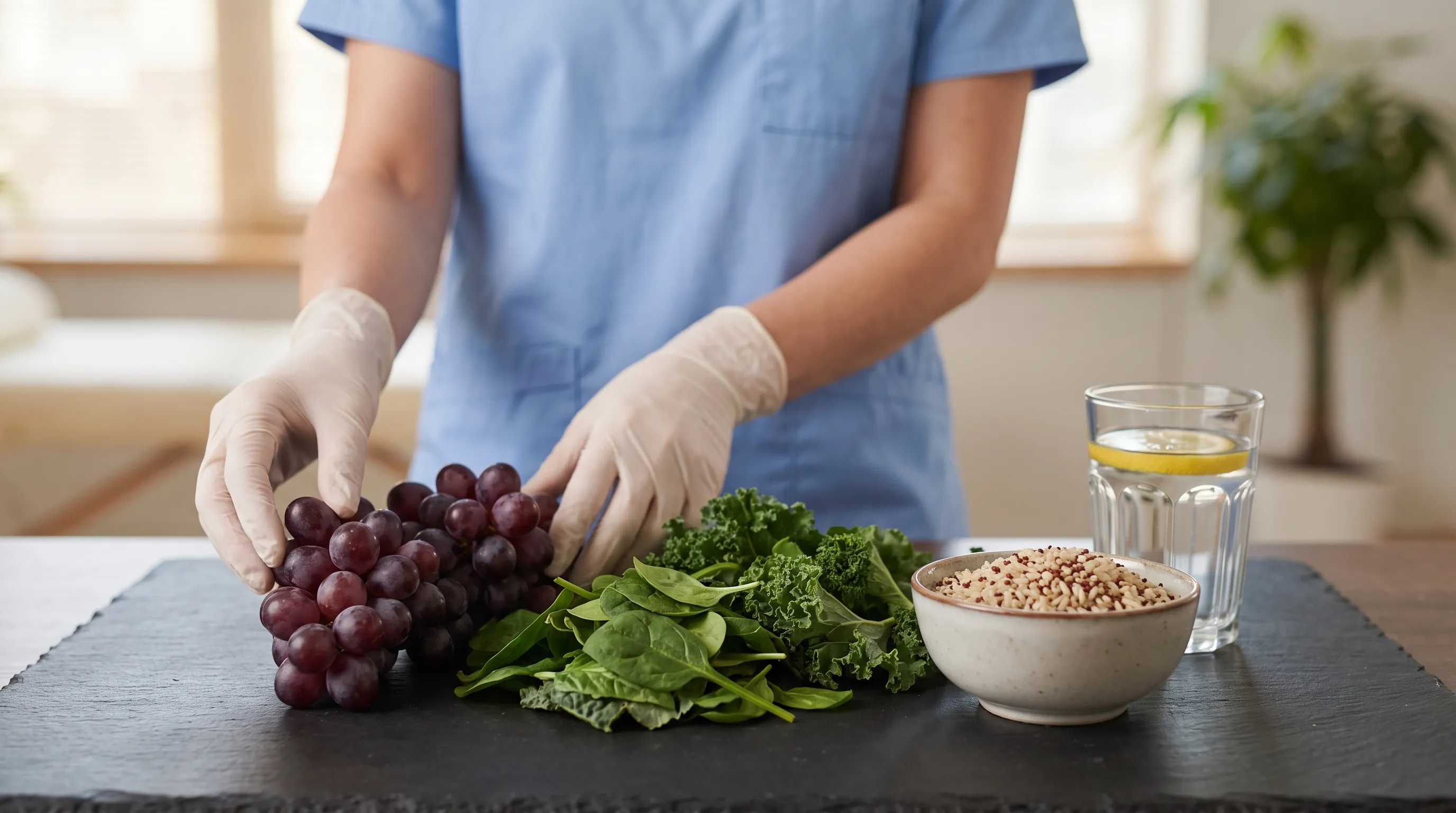
Evidence-Based Health Benefits of Purple Grapes
Translating nutritional data into tangible physiological outcomes requires examining how specific bioactive compounds interact with human systems over time. Decades of epidemiological studies, randomized controlled trials, and mechanistic laboratory research converge to demonstrate that consistent, moderate consumption of purple grapes correlates with measurable improvements across multiple health domains. The following sections detail the most rigorously validated benefits, emphasizing clinical relevance and biological plausibility.
Cardiovascular Support and Blood Pressure Regulation
Cardiovascular disease remains the leading global cause of mortality, making dietary interventions for endothelial health critically important. The flavonoid-rich profile of purple grapes directly influences vascular function by enhancing endothelial nitric oxide synthase activity, which increases the bioavailability of nitric oxide, a potent endogenous vasodilator. Clinical trials consistently report that daily intake of grape-derived polyphenols improves flow-mediated dilation, a gold-standard metric for arterial elasticity and endothelial integrity. The Cleveland Clinic emphasizes that dietary polyphenols significantly improve vascular elasticity and reduce systemic cardiovascular risk. The potassium content further supports hemodynamic stability by promoting natriuresis, the renal excretion of sodium, which reduces intravascular volume and decreases peripheral vascular resistance. Additionally, resveratrol and procyanidins inhibit the oxidation of low-density lipoprotein cholesterol, preventing the formation of highly atherogenic oxidized LDL particles that initiate plaque development within arterial walls. These combined mechanisms establish purple grapes as a functional food with demonstrable cardioprotective properties.
Cognitive Health and Neuroprotective Effects
Neurodegenerative conditions and age-related cognitive decline share common pathological pathways, including chronic neuroinflammation, oxidative protein aggregation, and mitochondrial dysfunction. Anthocyanins from purple grapes have been shown to modulate microglial activation, reducing the secretion of pro-inflammatory cytokines such as interleukin-6 and tumor necrosis factor-alpha within the central nervous system. Human intervention studies utilizing standardized grape polyphenol extracts demonstrate significant improvements in working memory, processing speed, and executive function after sustained supplementation periods ranging from twelve to sixteen weeks. The proposed mechanism involves enhanced cerebral blood flow through vasodilatory pathways, coupled with upregulated brain-derived neurotrophic factor expression, which supports synaptic plasticity and neuronal survival. Research from the National Institute on Aging confirms that antioxidant-rich dietary patterns are strongly correlated with delayed cognitive decline and preserved neural connectivity. Furthermore, the inhibition of acetylcholinesterase by certain grape flavonoids preserves acetylcholine availability, a neurotransmitter essential for learning, memory consolidation, and attention regulation. These findings position purple grapes as a practical dietary component for maintaining cognitive resilience across the lifespan.
Anti-Inflammatory and Immune System Modulation
Chronic low-grade inflammation serves as a foundational driver of metabolic syndrome, autoimmune dysregulation, and accelerated tissue aging. Purple grapes exert multi-targeted anti-inflammatory effects through the suppression of nuclear factor kappa B signaling, a master transcriptional regulator of inflammatory gene expression. Resveratrol and quercetin inhibit cyclooxygenase-2 and 5-lipoxygenase enzymes, reducing prostaglandin and leukotriene synthesis, respectively, which are primary mediators of pain, swelling, and tissue damage. Simultaneously, these compounds enhance the activity of regulatory T cells, which maintain immune homeostasis and prevent inappropriate immune responses against self-antigens. The vitamin C and trace mineral content further support leukocyte function, facilitating phagocytic activity and pathogen clearance. Regular incorporation of purple grapes into an anti-inflammatory dietary pattern creates a systemic environment that favors tissue repair, reduces symptom burden in inflammatory conditions, and optimizes immune responsiveness to novel pathogens.
Digestive Health and Gut Microbiome Balance
The gastrointestinal tract hosts trillions of microorganisms that actively metabolize dietary components into bioactive short-chain fatty acids, neurotransmitters, and immunomodulatory molecules. The polyphenols and fiber in purple grapes undergo limited absorption in the upper gastrointestinal tract, allowing them to reach the colon intact where they serve as selective substrates for beneficial bacterial fermentation. Studies demonstrate that grape polyphenols increase the relative abundance of Akkermansia muciniphila and Faecalibacterium prausnitzii, two keystone species associated with intact intestinal barrier function and reduced metabolic endotoxemia. The National Institute of Diabetes and Digestive and Kidney Diseases (NIH) highlights how targeted dietary polyphenols directly modulate gut microbiota composition to strengthen intestinal barrier integrity. The resulting butyrate production strengthens tight junction proteins between epithelial cells, preventing systemic leakage of bacterial lipopolysaccharides that trigger inflammatory cascades. Additionally, the natural acidity and organic acid profile of purple grapes create a favorable luminal pH environment that suppresses pathogenic overgrowth while supporting mucosal healing. This microbiome-directed mechanism highlights how purple grapes contribute to comprehensive digestive resilience.
How to Incorporate Purple Grapes Into Your Daily Diet
Understanding the biochemical value of a food is only half the equation; translating that knowledge into consistent, practical dietary habits requires strategic implementation. Purple grapes offer remarkable versatility, but their integration into daily nutrition should follow evidence-based principles that maximize nutrient retention, optimize digestive comfort, and align with individual metabolic requirements. The following frameworks provide clinically validated methods for incorporating this fruit into sustainable eating patterns.
Smart Storage and Preparation Tips
Post-harvest handling significantly influences the preservation of heat-sensitive and oxidation-prone nutrients. Purple grapes should be stored at refrigeration temperatures between thirty-two and thirty-six degrees Fahrenheit, ideally within ventilated containers that maintain moderate humidity without promoting condensation. Washing should occur immediately prior to consumption to prevent surface moisture from accelerating enzymatic degradation and microbial growth. A mild saline or diluted vinegar solution effectively removes agricultural residues, wax coatings, and surface contaminants without stripping the natural waxy bloom that protects anthocyanins from oxidative damage. Freezing presents an excellent long-term preservation method; spread grapes in a single layer on a baking sheet until solid, then transfer to airtight containers to prevent freezer burn. Frozen grapes maintain polyphenol integrity for up to ten months and can be directly added to smoothies, baked goods, or consumed as a chilled, dessert-like alternative to ice cream.
Culinary Uses Beyond Snacking
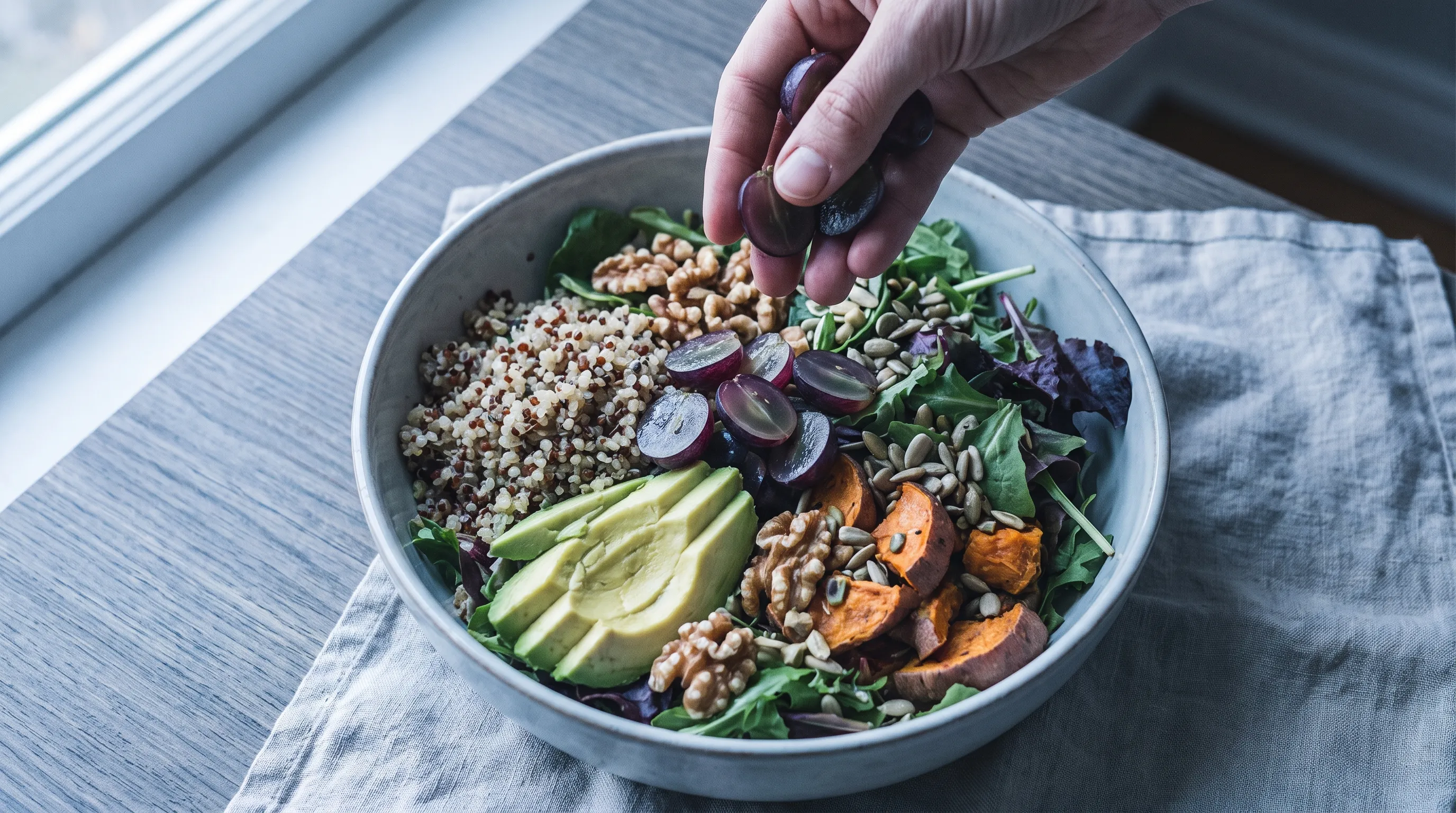
While convenient as a standalone snack, purple grapes elevate nutritional profiles when strategically paired within structured meals. Incorporating them into mixed green salads introduces contrasting sweet and acidic notes while delivering hydration and antioxidant density. Tossing quartered grapes with toasted walnuts, arugula, and a vinaigrette based on extra virgin olive oil enhances fat-soluble nutrient absorption and creates a balanced macronutrient distribution. Roasting purple grapes at high temperatures caramelizes natural sugars, concentrating flavor and transforming them into a versatile compote or chutney that pairs effectively with lean proteins like chicken, salmon, or tofu. This thermal process does degrade heat-labile vitamins but preserves and even bioactivates certain polyphenols, making roasted grape preparations nutritionally distinct yet highly valuable. Blending grapes into overnight oats, grain bowls, or fermented beverages introduces natural sweetness without refined sugars while contributing prebiotic fiber to the fermentative matrix.
Pairing with Other Nutrient-Dense Foods
Nutrient synergy dictates that the health impact of purple grapes multiplies when consumed alongside complementary foods. Combining them with fermented dairy such as Greek yogurt or kefir introduces probiotic strains that work synergistically with grape-derived prebiotics, amplifying short-chain fatty acid production in the colon. Adding seeds rich in alpha-linolenic acid, such as chia, flax, or hemp, provides anti-inflammatory omega-3 fatty acids that work in tandem with grape polyphenols to downregulate systemic inflammation pathways. Pairing grapes with lean protein sources slows gastric emptying, creating a more gradual release of natural sugars into the bloodstream and preventing reactive hypoglycemia. For individuals managing glucose metabolism, consuming purple grapes alongside foods containing healthy fats and high-quality protein establishes a glycemic buffer that supports sustained energy without compromising metabolic control.
Purple Grapes vs. Other Fruit Varieties: A Comparative Analysis
Dietary optimization requires understanding how different fruits compare across nutritional, metabolic, and practical dimensions. While all whole fruits contribute valuable phytonutrients and fiber, purple grapes occupy a distinct position due to their specific anthocyanin density, glycemic response profile, and culinary adaptability. Evaluating these variables through clinical metrics allows consumers to make informed selections aligned with their physiological needs.
Nutrient Density Comparison
| Nutrient / Metric | Purple Grapes (1 Cup) | Red Apples (1 Medium) | Blueberries (1 Cup) | Cherries (1 Cup) |
|---|---|---|---|---|
| Calories | 104 kcal | 95 kcal | 84 kcal | 87 kcal |
| Total Carbohydrates | 27 g | 25 g | 21 g | 22 g |
| Dietary Fiber | 1.4 g | 4.4 g | 3.6 g | 2.9 g |
| Natural Sugars | 23 g | 19 g | 15 g | 18 g |
| Anthocyanins | 145-200 mg | 20-40 mg | 590 mg | 120-160 mg |
| Vitamin C | 16 mg | 14 mg | 14 mg | 15 mg |
| Potassium | 288 mg | 195 mg | 114 mg | 256 mg |
The table above illustrates that while purple grapes excel in potassium and anthocyanin delivery, they contain less dietary fiber than apples or berries. This structural difference means grapes should be consumed alongside higher-fiber foods to optimize digestive transit and glycemic stability. However, the rapid absorption kinetics of grape carbohydrates, combined with their polyphenol content, make them highly effective for post-exercise glycogen replenishment and immediate antioxidant delivery. Blueberries surpass grapes in total anthocyanin concentration, but grapes provide a broader spectrum of stilbenoids like resveratrol, creating complementary rather than competitive nutritional profiles.
Glycemic Index and Blood Sugar Impact
The glycemic index of purple grapes ranges from forty-three to fifty-nine, placing them in the low-to-moderate category. This classification reflects the natural fructose-glucose ratio and the moderating influence of fiber and organic acids on carbohydrate digestion. Mayo Clinic dietary guidance outlines how low-GI fruits are metabolized more efficiently and help maintain stable insulin levels. Clinical monitoring demonstrates that consuming whole grapes produces a flattened glucose response curve compared to fruit juices or dried grape products, where fiber is removed and sugars are concentrated. The presence of resveratrol and quercetin further modulates hepatic glucose production by activating AMP-activated protein kinase pathways, which enhance insulin sensitivity at the cellular receptor level. Individuals with insulin resistance or type two diabetes should prioritize whole grape consumption over derivatives, maintain portion sizes between half and one cup per sitting, and pair servings with protein or fat to further attenuate postprandial glucose elevation. This strategic approach ensures metabolic compatibility while preserving access to the fruit's antioxidant benefits.
Potential Side Effects and Dietary Considerations
Despite their exceptional nutritional profile and broad safety record, purple grapes are not without physiological limitations. Understanding potential contraindications, interaction risks, and individual tolerance thresholds ensures that dietary integration remains both effective and sustainable over the long term. Medical professionals emphasize that whole foods operate within complex biological systems, and contextual factors such as existing health conditions, medication regimens, and genetic predispositions influence individual responses.
Portion Control and Caloric Awareness
Natural sugars, while metabolically distinct from added sweeteners, still contribute to total caloric intake. Consuming excessive quantities of purple grapes can inadvertently increase daily carbohydrate load, potentially disrupting energy balance in individuals pursuing strict weight management or ketogenic metabolic states. Standard dietary guidelines recommend two to three cups of whole fruit daily as part of a varied plant-based pattern, with purple grapes accounting for no more than one daily serving. Exceeding this threshold may introduce mild digestive discomfort, including bloating or increased bowel frequency, due to fructose malabsorption in individuals with limited intestinal transport capacity. Practicing mindful portioning, utilizing smaller serving dishes, and integrating grapes into structured meals rather than consuming them passively throughout the day supports both satiety regulation and nutritional optimization.
Allergies, Intolerances, and Pesticide Concerns
True immunoglobulin E-mediated allergy to purple grapes is rare but documented, typically manifesting as oral allergy syndrome characterized by lip tingling, throat irritation, or localized urticaria. Cross-reactivity with other members of the Vitaceae family or pollen-based sensitizations may exacerbate symptoms. Non-immune fructose intolerance presents more commonly, particularly in individuals with hereditary fructose intolerance or irritable bowel syndrome, where unabsorbed fructose undergoes bacterial fermentation in the colon, generating gas and osmotic shifts. Additionally, grapes frequently appear on environmental monitoring lists for surface pesticide residues due to their thin skins and agricultural cultivation practices. Selecting certified organic varieties, implementing thorough washing protocols, or opting for domestically grown grapes from regions with stricter agricultural regulations minimizes exposure to synthetic residues. The benefits of whole fruit consumption consistently outweigh residue risks for the general population, but informed sourcing enhances long-term safety.
Medication Interactions and Safety Guidelines
The bioactive compounds in purple grapes can influence pharmacokinetic pathways, particularly those involving hepatic cytochrome P450 enzymes and intestinal P-glycoprotein transporters. Moderate consumption typically remains safe, but individuals taking anticoagulants, antiplatelet medications, or cytochrome inhibitors should maintain consistent daily intake to avoid fluctuations in vitamin K status or drug metabolism rates. Grape-derived polyphenols may exhibit mild synergistic effects with antihypertensive medications, potentially enhancing blood pressure reduction and necessitating periodic monitoring to prevent hypotension. Pregnant or breastfeeding individuals should adhere to standard dietary fruit guidelines, ensuring grapes are thoroughly washed to prevent foodborne pathogen exposure. Patients are strongly advised to review Mayo Clinic drug interaction resources when combining polyphenol-rich diets with anticoagulants, antihypertensives, or cytochrome-metabolized drugs to ensure therapeutic safety.
Frequently Asked Questions
Are purple grapes high in natural sugar and suitable for low-carb diets?
Purple grapes contain approximately 16 grams of sugar per cup, which is naturally occurring fructose and glucose. While they are not strictly keto-friendly due to their carbohydrate density, their low-to-moderate glycemic index and high fiber and polyphenol content mean they do not cause rapid blood sugar spikes in healthy individuals. Portion control of half to one cup per day allows most people to enjoy them without disrupting metabolic health.
Do you need to eat the seeds to get the full benefits of purple grapes?
Grape seeds contain highly concentrated polyphenols, including proanthocyanidins and resveratrol, which contribute to antioxidant and anti-inflammatory effects. However, most of the beneficial anthocyanins and vitamins reside in the skin. If consuming seeds whole is uncomfortable, you can choose seedless varieties without sacrificing significant nutritional value, or blend whole grapes including skins into smoothies to extract the phytonutrients.
Can purple grapes interact with prescription blood thinners or heart medications?
Purple grapes contain vitamin K, which plays a role in blood coagulation. While the amount in a standard serving is modest, individuals taking warfarin should maintain consistent daily vitamin K intake rather than suddenly increasing consumption. Additionally, polyphenols in grapes may mildly inhibit certain CYP450 liver enzymes, potentially affecting the metabolism of some cardiovascular drugs. Always consult a physician before making substantial dietary changes.
What is the best way to wash and store purple grapes to preserve nutrients?
Wash grapes in a 1:3 vinegar-to-water solution or plain running water immediately before eating to remove surface residues. Store unwashed grapes in a ventilated container lined with a paper towel in the refrigerator crisper drawer at 32 to 36 degrees Fahrenheit. This method slows respiration and moisture loss, preserving anthocyanins and vitamin C for up to ten days. Freezing is also effective for extending shelf life and maintaining antioxidant capacity.
How do purple grapes compare to red or green grapes nutritionally?
Purple grapes typically contain higher concentrations of anthocyanins and certain flavonoids responsible for their deep pigmentation, which correlate with stronger antioxidant and anti-inflammatory activity. Red grapes contain moderate levels, while green or white grapes have the lowest anthocyanin content but still provide essential hydration, fiber, and baseline vitamins. For maximum phytonutrient intake, incorporating a mix of colors, with emphasis on purple varieties, is ideal.
Conclusion
Purple grapes represent a remarkably efficient convergence of flavor, accessibility, and scientifically validated physiological support. Their unique polyphenolic architecture, combined with essential micronutrients and dietary fiber, positions them as a functional food capable of modulating inflammation, protecting cardiovascular and neural tissues, and fostering a resilient gut microbiome. Unlike isolated supplements, the whole fruit matrix ensures that antioxidants, vitamins, and structural fibers operate synergistically, mirroring the evolutionary dietary patterns that shaped human metabolic resilience. Integrating purple grapes into daily nutrition does not require extreme dietary overhauls; rather, it calls for mindful portioning, strategic food pairing, and proper storage techniques that preserve their delicate bioactive compounds.
As with all evidence-based dietary interventions, consistency and contextual awareness yield the most sustainable outcomes. Pairing purple grapes with lean proteins, healthy fats, and diverse plant foods creates a nutritional ecosystem that supports long-term metabolic health, cognitive clarity, and systemic balance. The CDC reinforces that diverse, whole-plant diets remain the most effective long-term strategy for chronic disease prevention. Individuals managing chronic conditions or taking prescription medications should consult healthcare providers to align dietary changes with therapeutic goals, ensuring safety and efficacy. By embracing the science behind this ancient fruit, you equip yourself with a practical, research-backed tool for enhancing everyday wellness. Let purple grapes become a regular, intentional component of your nutritional strategy, and experience the cumulative benefits that only whole, plant-derived foods can deliver.
How we work
Researched and drafted with AI assistance, then reviewed by a human editor against the cited sources.
This article is general health information, not medical advice. Consult a qualified healthcare professional about your own situation.