Cost for Crown Lengthening: A Comprehensive Guide to Pricing, Insurance, and Value

Understanding the financial implications of dental procedures is a crucial step in maintaining optimal oral health. When a dentist recommends crown lengthening, patients often have immediate questions about the necessity of the procedure and, inevitably, the price tag attached to it. The cost for crown lengthening is not a one-size-fits-all figure; it varies based on a multitude of factors including geographic location, the specialist performing the procedure, and the specific clinical needs of the patient. This comprehensive guide aims to demystify the pricing structures associated with this common periodontal procedure, helping you make an informed decision about your dental care.
Crown lengthening is a surgical procedure used to expose more of the tooth's structure by reshaping the gum tissue and, in some cases, the underlying bone. According to the American Academy of Periodontology, while it is frequently performed for cosmetic reasons to correct a "gummy smile," it is often a medical necessity to save a tooth that has decayed below the gumline or to provide enough structure for a dental crown to adhere properly. Ignoring the need for this procedure can lead to further complications, including tooth loss, which ultimately incurs much higher costs down the line. Therefore, understanding the cost for crown lengthening is not just about budgeting; it is about evaluating the long-term value of preserving your natural teeth.
In this article, we will delve deep into the average costs, break down the factors that influence pricing, explore insurance coverage nuances, and compare the expense of crown lengthening against alternative treatments. By the end of this read, you will have a clear roadmap for navigating the financial aspects of this essential dental service, ensuring that you are prepared for both the clinical and economic sides of your treatment journey.
Understanding Crown Lengthening and Its Necessity
Before dissecting the cost for crown lengthening, it is vital to understand exactly what the procedure entails and why it might be recommended for you. Crown lengthening is not merely a cosmetic tweak; it is a precise surgical intervention performed by a periodontist or a general dentist with advanced surgical training. The primary goal is to adjust the level of the gum tissue around the tooth to expose more of the clinical crown.
Free calculatorBMI CalculatorCalculate Body Mass IndexOpen the calculator
There are two main categories of crown lengthening: functional and cosmetic. Functional crown lengthening is required when a tooth is broken, severely decayed, or worn down below the gumline. In these cases, there is insufficient tooth structure above the gum to support a restoration like a filling or a crown. If a dentist attempts to place a crown on a tooth with insufficient structure, the restoration may fail, leak bacteria, or cause further decay. By surgically removing gum tissue and sometimes bone, the dentist creates a stable foundation for the new crown. This is a critical step in saving a natural tooth that might otherwise need extraction, as detailed by the Mayo Clinic.
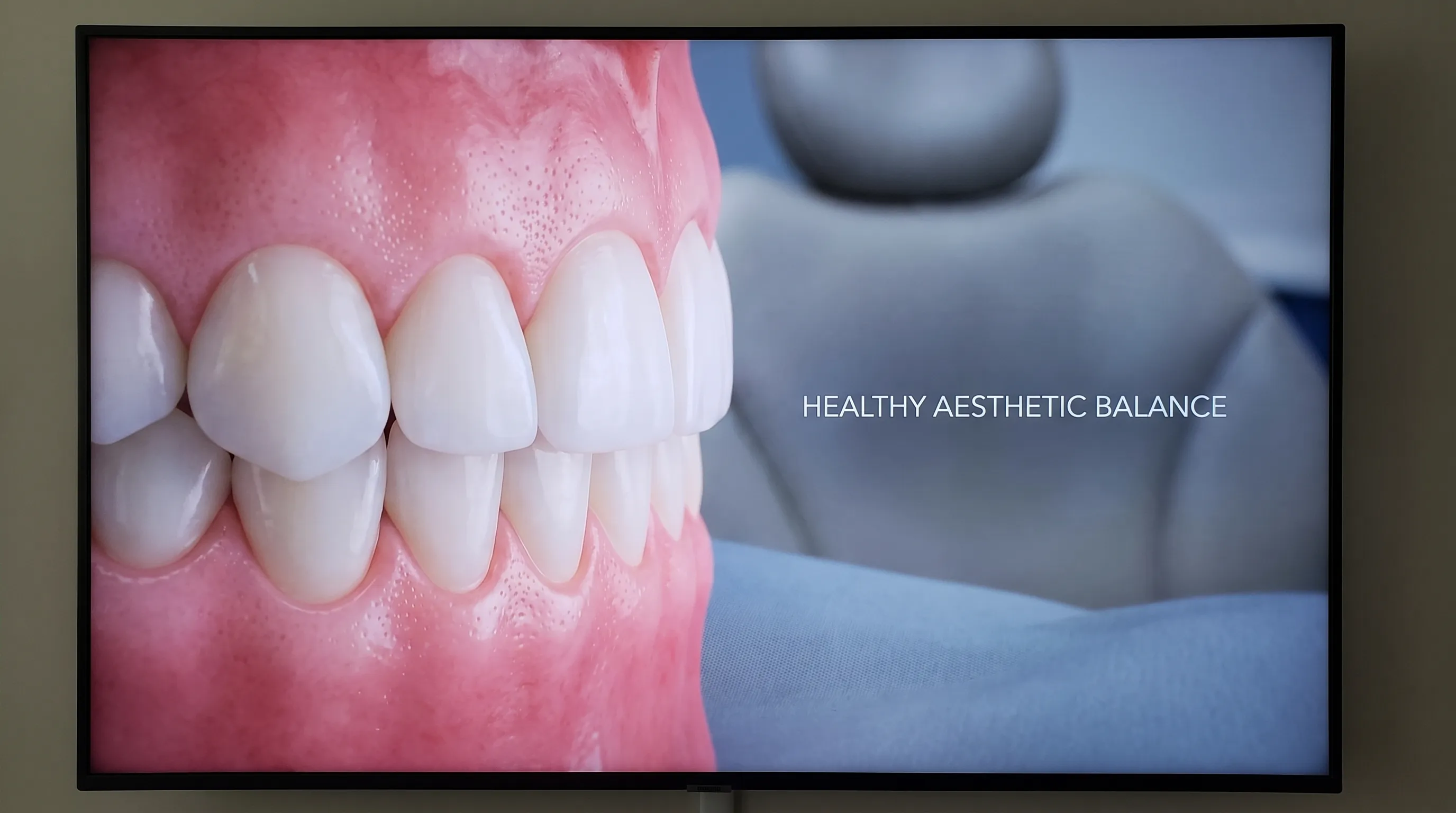
Cosmetic crown lengthening, on the other hand, is performed to improve the aesthetics of the smile. Some individuals have a "gummy smile," where excessive gum tissue covers a significant portion of the teeth, making them appear short or square. Reshaping the gum line can create a more balanced, symmetrical, and attractive smile. While the motivation is different, the surgical process is similar, though cosmetic cases may not always require bone removal.
The necessity of the procedure directly impacts the cost for crown lengthening. Functional cases often involve more complex surgical maneuvers, such as osseous recontouring (reshaping the bone), which can increase the time and skill required, thereby influencing the final bill. Understanding whether your procedure is medically necessary or elective is the first step in determining how insurance companies will view the claim and how much you might expect to pay out-of-pocket.
Breakdown of Costs: What Influences the Price?
The cost for crown lengthening can vary widely, typically ranging from $500 to $1,500 per tooth. However, this range is a general estimate, and several specific factors can push the price higher or lower. Understanding these variables can help you anticipate the final bill and discuss payment options with your provider.
Geographic Location and Practice Overhead
One of the most significant determinants of dental costs is geographic location. Dental practices in major metropolitan areas or regions with a high cost of living generally charge more for procedures than those in rural areas or smaller towns. This difference is largely due to the higher overhead costs associated with running a practice in expensive cities, including rent, staff salaries, and utilities. For example, the cost for crown lengthening in New York City or San Francisco may be at the upper end of the spectrum, while the same procedure in the Midwest might be considerably more affordable.
Specialist vs. General Dentist
Who performs the procedure also affects the price. Periodontists are specialists who have completed additional years of training focused specifically on the supporting structures of the teeth, including gums and bone. Because of their specialized expertise, periodontists often charge higher fees than general dentists. However, for complex cases involving significant bone removal or multiple teeth, a periodontist’s expertise can ensure better outcomes and fewer complications. If your general dentist refers you to a specialist, expect the cost for crown lengthening to reflect that specialized care.
Complexity of the Procedure
Not all crown lengthening procedures are created equal. A simple gingivectomy, which involves only the removal of soft gum tissue, is less expensive than a procedure that requires osteoplasty (removal of bone). Bone removal is a more invasive and time-consuming process that requires precise instrumentation to ensure the biological width of the tooth is maintained. If your tooth has decayed deep below the bone level, the surgeon must remove bone to expose enough tooth structure. This added complexity increases the surgical time and resources used, thereby increasing the cost for crown lengthening.
Number of Teeth Treated
The total cost will obviously depend on how many teeth require treatment. Many dental offices offer a discounted rate if multiple teeth are treated in the same session. For instance, if you are undergoing crown lengthening for four front teeth to correct a gummy smile, the per-tooth cost might be lower than if you were treating a single molar. Always ask if there are package deals or multi-tooth discounts available when discussing the cost for crown lengthening with your provider.
Anesthesia and Sedation Options
Most crown lengthening procedures are performed under local anesthesia, which is typically included in the base price. However, if you have dental anxiety or if the procedure is extensive, you may opt for conscious sedation or general anesthesia. These services are billed separately and can add several hundred dollars to the total bill. The type of anesthesia chosen is a personal preference but is a key factor in the overall cost for crown lengthening.
Insurance Coverage and Financial Assistance
Navigating dental insurance can be confusing, especially when it comes to surgical procedures like crown lengthening. Understanding how your insurance plan interacts with the cost for crown lengthening can save you significant money.
Medical Necessity vs. Cosmetic Purpose
Insurance companies distinguish sharply between medically necessary procedures and cosmetic ones. If your dentist documents that crown lengthening is required to restore a damaged tooth, prevent further decay, or prepare for a necessary crown, insurance is more likely to cover a portion of the cost. This is typically categorized under "major restorative" or "periodontal" benefits. Conversely, if the procedure is solely for aesthetic improvement, such as correcting a gummy smile without any functional impairment, insurance will likely deny the claim, leaving you responsible for the full cost for crown lengthening.
Annual Maximums and Deductibles
Most dental insurance plans have an annual maximum benefit, often ranging from $1,000 to $2,000. Crown lengthening, being a major procedure, can consume a significant portion of this maximum. Additionally, you may need to meet a deductible before insurance begins to pay. It is crucial to check your remaining annual benefit before scheduling the procedure. If you are close to your max, you might consider splitting the treatment across two calendar years to maximize your benefits, although this depends on the urgency of the dental issue.
Percentage Coverage
Even if covered, insurance rarely pays 100% of the cost for crown lengthening. Typical coverage for major procedures is around 50% after the deductible is met. This means if the procedure costs $1,000, insurance might pay $500, and you would be responsible for the remaining $500 plus any deductible amount. Always request a pre-treatment estimate from your dentist, which they can submit to your insurance company to get a precise breakdown of expected coverage.
Financing and Payment Plans
If insurance coverage is limited or non-existent, many dental offices offer financing options. Third-party financing companies like CareCredit allow patients to pay for dental work over time, often with interest-free periods if paid off within a specific timeframe. Some practices also offer in-house payment plans. Discussing these options upfront can make the cost for crown lengthening more manageable and prevent financial stress during your recovery.
Comparing Crown Lengthening to Alternatives
When faced with the cost for crown lengthening, patients often wonder if there are cheaper or less invasive alternatives. While crown lengthening is the gold standard for exposing tooth structure, other options exist, though they come with their own trade-offs.
Deep Margin Elevation
Deep margin elevation is a restorative technique where the dentist builds up the tooth structure using composite resin to bring the margin of the decay or fracture above the gumline. This avoids surgery entirely. However, this technique is technically challenging and not suitable for all cases, particularly those where the decay is too deep or the biological width is violated. While it may seem cheaper initially, if the restoration fails due to poor isolation or moisture control, the long-term costs could exceed the initial cost for crown lengthening.
Orthodontic Extrusion
Orthodontic extrusion involves using braces or clear aligners to slowly pull the tooth out of the socket, exposing more structure. This is a non-surgical alternative that preserves bone and gum tissue. However, it is a lengthy process, taking several months, and requires orthodontic treatment costs in addition to the eventual restoration. For patients who are already undergoing orthodontic treatment, this might be a viable option, but for others, the time and cumulative cost may make the cost for crown lengthening a more efficient choice.
Tooth Extraction and Implant
In severe cases where crown lengthening is not feasible or the tooth is structurally compromised beyond repair, extraction may be recommended. While extraction itself is cheaper than crown lengthening, replacing the missing tooth with a dental implant is significantly more expensive. An implant can cost between $3,000 and $6,000, far exceeding the cost for crown lengthening and a crown. Therefore, saving the natural tooth through crown lengthening is often the most cost-effective long-term strategy, as noted by the National Institute of Dental and Craniofacial Research.
| Procedure | Average Cost Range | Invasiveness | Recovery Time | Longevity/Outcome |
|---|---|---|---|---|
| Crown Lengthening | $500 - $1,500 per tooth | Moderate (Surgical) | 2-6 weeks | High (Preserves natural tooth) |
| Deep Margin Elevation | $200 - $500 per tooth | Low (Restorative) | Minimal | Variable (Depends on technique) |
| Orthodontic Extrusion | $2,000 - $5,000+ | Low (Non-surgical) | Several months | High (Preserves tissue) |
| Extraction + Implant | $3,000 - $6,000+ | High (Surgical) | 3-6 months | Very High (Replace missing tooth) |
This table illustrates that while crown lengthening has an upfront cost, it is often more economical than replacement options and less time-consuming than orthodontic alternatives.
The Procedure: What to Expect During Treatment
Knowing what happens during the procedure can alleviate anxiety and help you understand the value behind the cost for crown lengthening. The procedure is typically performed in a single visit, lasting between 30 minutes to an hour, depending on the number of teeth involved.
Preparation and Anesthesia
Upon arrival, the dentist or periodontist will review your medical history and take any necessary X-rays to assess the bone levels. The area will be numbed using local anesthesia. If you have opted for sedation, you will be monitored throughout the procedure to ensure your comfort and safety. You should feel pressure but no pain during the surgery.
Surgical Reshaping
The surgeon makes small incisions in the gum tissue to separate it from the tooth. If bone removal is necessary, specialized instruments are used to carefully reshape the bone around the tooth root. This step is critical to ensure that the new gum line will remain stable and not grow back over the tooth. The precision required in this step is a major contributor to the cost for crown lengthening, as it demands high skill to avoid damaging adjacent teeth or nerves.
Suturing and Dressing
Once the desired amount of tooth structure is exposed, the gum tissue is sutured back into place. Sometimes, a periodontal dressing is applied to protect the site during the initial healing phase. The sutures are typically removed after one to two weeks. Post-operative instructions will include guidelines on diet, oral hygiene, and pain management.
Recovery and Follow-Up
Recovery is generally straightforward. Patients may experience some swelling and mild discomfort for a few days, which can be managed with ice packs and over-the-counter pain medication. Soft foods are recommended for the first week. It is important to keep the area clean to prevent infection. Follow-up appointments are scheduled to monitor healing and remove sutures. The full healing process, where the gum tissue stabilizes, can take up to three months, after which the final crown or restoration can be placed.
Maximizing Value: Tips for Managing Costs
While you cannot always control the base price, there are strategies to manage the cost for crown lengthening effectively.
Get Multiple Consultations
Do not hesitate to seek second opinions. Different dentists may have different treatment plans. One might suggest crown lengthening, while another might propose orthodontic extrusion. Comparing these options and their associated costs can help you choose the most financially and clinically appropriate path.
Ask About Cash Discounts
Some dental offices offer a discount for patients who pay in cash or check at the time of service. This saves the practice credit card processing fees and administrative billing costs, and they may pass these savings on to you. Always ask if a self-pay discount is available when discussing the cost for crown lengthening.
Utilize Flexible Spending Accounts (FSA) or Health Savings Accounts (HSA)
If you have an FSA or HSA, crown lengthening is typically an eligible expense. Using pre-tax dollars from these accounts effectively reduces the real cost of the procedure by your marginal tax rate. This is a smart financial move that can save you 20-30% on the cost for crown lengthening depending on your tax bracket.
Prioritize Preventive Care
The best way to avoid the high cost for crown lengthening is to prevent the need for it. Regular dental check-ups, cleanings, and prompt treatment of cavities can prevent decay from reaching the sub-gingival level. Maintaining good oral hygiene prevents gum disease, which can also necessitate periodontal surgery. Investing in preventive care is far cheaper than reactive surgical interventions.
Frequently Asked Questions
What is the average cost for crown lengthening per tooth?
The average cost for crown lengthening typically ranges from $500 to $1,500 per tooth. This variation depends on factors such as the complexity of the case, whether bone removal is required, the geographic location of the dental practice, and the specialist's fee. Simple soft tissue procedures are on the lower end, while complex bony surgeries are on the higher end.
Does dental insurance cover crown lengthening?
Dental insurance often covers crown lengthening if it is deemed medically necessary for restorative purposes, such as preparing a tooth for a crown or treating decay below the gumline. Coverage is usually subject to your plan's major restorative or periodontal benefits, which often cover 50% of the cost after the deductible. Cosmetic crown lengthening is rarely covered. Always verify with your provider and get a pre-treatment estimate.
Why is crown lengthening so expensive?
The cost reflects the specialized training of the periodontist or oral surgeon, the use of advanced surgical equipment, and the precision required to reshape gum and bone tissue without damaging the tooth structure. It is a surgical procedure that requires significant expertise to ensure the biological width is maintained and the outcome is stable. The cost for crown lengthening also includes overhead costs for the facility and staff.
Is crown lengthening painful?
During the procedure, patients are numbed with local anesthesia, so they should not feel pain. Afterward, some discomfort, swelling, and sensitivity are normal but can be managed with over-the-counter pain relievers and proper post-operative care. Most patients report that the recovery is easier than expected, and the relief from having a restored tooth outweighs the temporary discomfort.
How long does it take to heal after crown lengthening?
Initial healing of the gum tissue usually takes about two weeks, at which point sutures are removed. However, complete healing and stabilization of the gum line, which is necessary before placing a final permanent crown, can take anywhere from three to six months. This waiting period ensures that the gum tissue does not recede further after the crown is placed, protecting your investment.
Can I finance the cost for crown lengthening?
Yes, many dental offices offer financing options through third-party providers like CareCredit, which allow you to pay for the procedure over time. Some plans offer interest-free periods if the balance is paid within a specific timeframe. Additionally, you can use Health Savings Accounts (HSA) or Flexible Spending Accounts (FSA) to pay for the procedure with pre-tax dollars, effectively reducing the overall cost.
Conclusion
The cost for crown lengthening is an investment in your oral health and the longevity of your natural teeth. While the price tag may seem significant, ranging from $500 to $1,500 per tooth, it is often far more economical than the alternatives, such as tooth extraction and implant placement. By understanding the factors that influence pricing, navigating insurance coverage effectively, and exploring financing options, you can manage the financial aspect of this procedure with confidence.
Whether required for functional restoration or cosmetic enhancement, crown lengthening is a highly effective procedure that can save teeth and improve smiles. Do not let cost deter you from seeking necessary treatment; instead, use the information provided here to advocate for yourself, ask the right questions, and find a payment solution that works for your budget. Remember, preserving your natural teeth is one of the best things you can do for your long-term health and wallet. Schedule a consultation with your dentist or periodontist today to get a personalized estimate and take the first step toward a healthier, more confident smile.
How we work
Researched and drafted with AI assistance, then reviewed by a human editor against the cited sources.
This article is general health information, not medical advice. Consult a qualified healthcare professional about your own situation.