Tummy Lift Without Surgery: Non-Invasive Options for a Flatter Abdomen

Achieving a flat, toned abdomen is a common aesthetic goal for many individuals, yet the journey to get there is often fraught with confusion, misinformation, and frustration. For decades, the gold standard for addressing significant abdominal sagging and excess fat was surgical abdominoplasty, commonly known as a tummy tuck. While effective, this invasive procedure comes with substantial risks, including scarring, long recovery times, and high costs. In recent years, however, the landscape of body contouring has shifted dramatically. Advances in medical technology and a deeper understanding of human physiology have paved the way for effective alternatives. Today, achieving a tummy lift without surgery is not just a marketing promise but a tangible reality for millions of people seeking safer, less invasive solutions.
The desire for a non-surgical approach stems from a modern preference for minimal downtime and natural-looking results. Many individuals find themselves with stubborn pockets of fat that resist diet and exercise, or with skin that has lost elasticity due to aging, weight fluctuations, or pregnancy. These concerns do not always warrant the extreme measure of surgery. Instead, they call for targeted, evidence-based interventions that work with the body’s natural processes. From cryolipolysis to radiofrequency skin tightening, the options are diverse and increasingly sophisticated. This comprehensive guide explores the science behind these treatments, compares their efficacy, and provides actionable lifestyle strategies to maximize your results. Whether you are looking to shed a few inches or tighten loose skin, understanding the nuances of a tummy lift without surgery is the first step toward making an informed decision about your body and your health.
Understanding the Anatomy of the Abdomen
To effectively address abdominal concerns, it is crucial to understand what constitutes the "tummy." The abdomen is a complex structure composed of skin, subcutaneous fat, muscle fascia, and internal organs. When people seek a flatter stomach, they are usually dealing with one or a combination of three distinct issues: excess subcutaneous fat, weakened abdominal muscles, and loose or sagging skin.
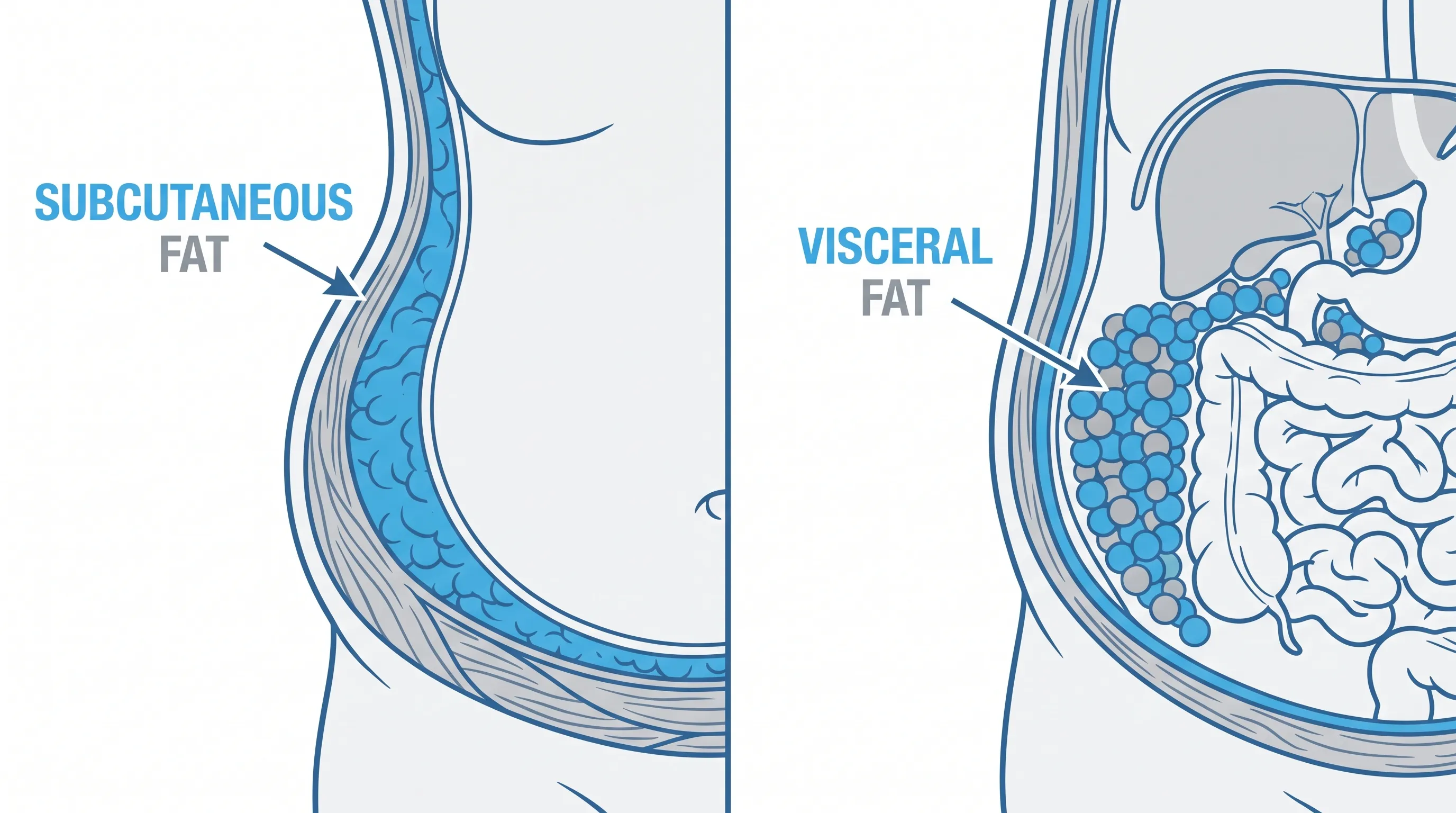
Free calculatorSleep CalculatorCalculate sleep cyclesOpen the calculatorSubcutaneous fat is the layer of fat located directly beneath the skin. This is the pinchable fat that often accumulates around the waistline. It is distinct from visceral fat, which is stored deeper within the abdominal cavity, surrounding the internal organs. While visceral fat poses significant health risks such as heart disease and type 2 diabetes, subcutaneous fat is primarily an aesthetic concern. Non-surgical body contouring treatments are specifically designed to target subcutaneous fat cells, leaving visceral fat untouched. Therefore, if your abdominal protrusion is due to visceral fat, no amount of external treatment will yield results without significant lifestyle changes involving diet and cardiovascular exercise. You can read more about the differences between fat types on the Mayo Clinic website.
The second component is the muscular structure. The rectus abdominis, often referred to as the "six-pack" muscles, can become separated or weakened, a condition known as diastasis recti, which is common after pregnancy. While non-surgical treatments cannot repair severe muscle separation, targeted exercises and certain energy-based devices can help tone and strengthen the underlying muscle wall, contributing to a firmer appearance.
Finally, skin elasticity plays a pivotal role. As we age, our production of collagen and elastin decreases, leading to skin that hangs loosely rather than snapping back into place. Weight loss can also exacerbate this issue. A true tummy lift without surgery must address not just the volume of fat but also the quality and tightness of the skin envelope. Understanding which of these factors is predominant in your case is essential for choosing the right treatment path.
Non-Surgical Fat Reduction Technologies
The most prominent category of non-surgical abdominal treatments focuses on reducing the number of fat cells in specific areas. Unlike weight loss, which shrinks fat cells, these technologies destroy fat cells, which are then naturally eliminated by the body’s lymphatic system. Once destroyed, these cells do not regenerate, offering a permanent solution for the treated area, provided a stable weight is maintained.
Cryolipolysis (CoolSculpting)
Cryolipolysis, widely known by the brand name CoolSculpting, is perhaps the most recognized non-invasive fat reduction treatment. FDA-cleared since 2010, this procedure uses controlled cooling to freeze and destroy fat cells. The science behind it is fascinating: fat cells are more sensitive to cold than surrounding tissues like skin, muscle, and nerves. When exposed to precise temperatures, fat cells undergo apoptosis, or programmed cell death, without damaging the adjacent structures.
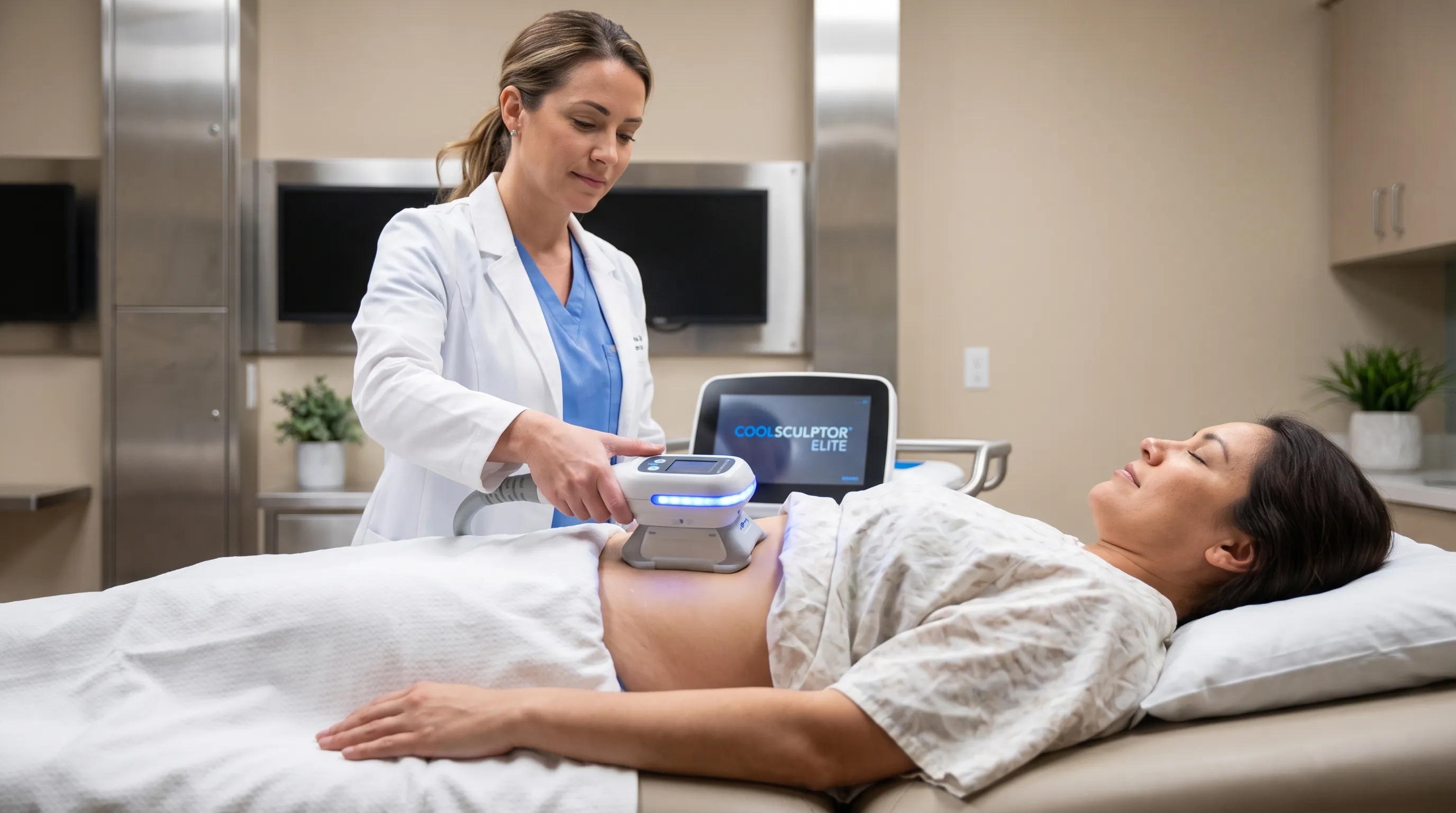
During a session, an applicator is placed on the target area, suctioning the tissue in and delivering controlled cooling. Patients typically feel intense cold initially, followed by numbness. The procedure lasts about an hour per area. According to clinical studies, cryolipolysis can reduce fat layer thickness by up to 25% in the treated area. Results are not immediate; it takes time for the body to process and eliminate the dead cells. Most patients begin to see changes after three weeks, with peak results appearing after two to three months. For those seeking a tummy lift without surgery, CoolSculpting is an excellent option for stubborn pockets of fat that do not respond to diet.
You can learn more about the mechanism and safety profile of CoolSculpting from authoritative sources like Healthline's guide on CoolSculpting.
Laser Lipolysis
Laser lipolysis, such as SculpSure or iDose, uses laser energy to heat and destroy fat cells. Unlike cryolipolysis, which freezes fat, laser treatments use thermal energy. The heat disrupts the fat cell membranes, causing them to leak their contents, which are then metabolized by the body. One advantage of laser lipolysis is that the heat can also stimulate collagen production, offering a mild skin-tightening benefit alongside fat reduction. Sessions are typically shorter than CoolSculpting, often lasting only 25 minutes. However, multiple sessions may be required to achieve comparable results. This method is particularly suitable for individuals who are sensitive to cold or prefer a warmer sensation during treatment.
High-Intensity Focused Ultrasound (HIFU)
High-Intensity Focused Ultrasound, or HIFU, delivers focused ultrasound energy to specific depths beneath the skin. This energy creates thermal coagulation points that destroy fat cells while simultaneously stimulating the body’s natural healing response to produce new collagen. HIFU is versatile because it can be adjusted to target different layers of tissue. It is effective for both fat reduction and skin tightening, making it a dual-action treatment. While it may cause some temporary discomfort due to the heat and pressure, it requires no downtime. Patients often report a gradual improvement in skin texture and contour over several months.
Skin Tightening and Contouring Solutions
For many individuals, especially those who have lost significant weight or experienced pregnancy, fat reduction alone is insufficient. Loose, hanging skin can obscure the results of fat loss and prevent the smooth, toned look desired. In these cases, skin tightening technologies are essential components of a tummy lift without surgery regimen.
Radiofrequency (RF) Therapy
Radiofrequency therapy uses electromagnetic energy to heat the deep layers of the skin, known as the dermis. This heat stimulates fibroblasts, the cells responsible for producing collagen and elastin. As collagen rebuilds, the skin becomes thicker, firmer, and more elastic. Popular RF devices include Thermage and Morpheus8. Thermage uses monopolar RF to deliver heat uniformly, while Morpheus8 combines RF with microneedling to deliver energy even deeper into the tissue. For more information on how radiofrequency affects skin aging, refer to resources from the American Academy of Dermatology.
RF treatments are generally painless, feeling like a warm massage. Multiple sessions are usually required, spaced a month apart, to build cumulative collagen production. Results develop gradually over three to six months. RF is particularly effective for mild to moderate skin laxity. It is important to note that RF cannot remove excess skin like a surgical excision, but it can significantly improve the texture and tightness of the skin, providing a smoother contour.
Microneedling with RF
Combining microneedling with radiofrequency enhances the efficacy of both treatments. Tiny needles create micro-channels in the skin, allowing RF energy to bypass the epidermis and reach the deeper dermal layers directly. This controlled injury triggers a robust healing response, leading to significant collagen remodeling. For abdominal skin that has lost elasticity, this combination can offer noticeable tightening and improvement in skin quality. It is a more aggressive option than standard RF but remains non-surgical with minimal downtime, typically involving redness for a day or two.
Muscle Toning and Strengthening Treatments
A flat abdomen is not just about low fat and tight skin; it also requires strong underlying muscles. Traditional exercise is the primary way to build muscle, but new technologies offer supplemental support for those struggling to engage their core effectively.
High-Intensity Electromagnetic Technology (HIEMT)
Devices like Emsculpt use High-Intensity Electromagnetic Technology to induce supramaximal muscle contractions. These contractions are far more intense than what can be achieved through voluntary exercise. A single 30-minute session can simulate thousands of sit-ups or squats. This process not only builds muscle mass but also triggers lipolysis, or fat breakdown, in the surrounding area due to the intense metabolic demand of the muscles.
HIEMT is FDA-cleared for strengthening, toning, and firming the abdominal muscles. It is ideal for individuals who are already fit but want defined abs, or for those who have weak core muscles due to sedentary lifestyles. It is not a weight-loss tool, but rather a muscle-building adjunct. When combined with fat reduction treatments, HIEMT can provide a comprehensive tummy lift without surgery effect by addressing both volume and structure.
Lifestyle Factors: The Foundation of Success
While technological advancements are impressive, they are not magic wands. The success of any non-surgical tummy lift depends heavily on lifestyle factors. Without a healthy foundation, results may be short-lived or less pronounced. Diet, hydration, and exercise are the pillars upon which these treatments rest.
Nutrition and Diet
A balanced diet is critical for maintaining results. Since non-surgical treatments destroy fat cells, gaining weight after treatment can cause remaining fat cells to expand, negating the benefits. Focus on a diet rich in whole foods, lean proteins, healthy fats, and fiber. Reduce intake of processed sugars and refined carbohydrates, which contribute to visceral fat accumulation and inflammation. Anti-inflammatory foods such as berries, leafy greens, and fatty fish can also support skin health and collagen production. The CDC offers guidelines on maintaining a healthy diet to support overall well-being.
Hydration is equally important. Water helps flush out the dead fat cells eliminated by treatments like CoolSculpting. Dehydrated skin also appears looser and less elastic. Aim for at least eight glasses of water a day, and consider incorporating herbal teas that support digestion and reduce bloating.
Exercise and Core Strength
Regular physical activity boosts metabolism and helps maintain a stable weight. Cardiovascular exercises like running, swimming, or cycling burn calories and reduce overall body fat, including visceral fat. Strength training, particularly core-focused exercises like planks, leg raises, and Pilates, strengthens the abdominal wall. A strong core pulls the abdomen in, creating a flatter profile. Combining HIEMT treatments with a consistent exercise routine can amplify muscle definition and endurance.
Sleep and Stress Management
Often overlooked, sleep and stress management play a crucial role in abdominal health. Chronic stress elevates cortisol levels, a hormone that promotes fat storage in the abdominal area. Poor sleep disrupts hunger hormones, leading to increased appetite and cravings. Prioritizing seven to nine hours of quality sleep and practicing stress-reduction techniques like meditation or yoga can support your body’s ability to maintain a toned midsection. Learn more about the impact of sleep on health from the National Institutes of Health (NIH).
Comparing Treatment Options
Choosing the right treatment can be overwhelming given the variety of options available. The following table compares the most popular non-surgical methods for a tummy lift without surgery, helping you identify which might align best with your goals.
| Treatment Type | Primary Mechanism | Best For | Downtime | Sessions Needed | Time to Results |
|---|---|---|---|---|---|
| CoolSculpting | Freezing fat cells | Stubborn subcutaneous fat pockets | None | 1-3 per area | 3 weeks - 3 months |
| Laser Lipolysis | Heating fat cells | Fat reduction + mild skin tightening | Minimal | 2-4 | 6-12 weeks |
| Radiofrequency | Collagen stimulation | Loose skin, mild laxity | None | 3-6 | 3-6 months |
| HIEMT (Emsculpt) | Muscle contraction | Muscle toning, definition | None | 4-6 | 2-4 weeks |
| HIFU | Ultrasound energy | Fat reduction + skin tightening | Minimal | 1-3 | 2-3 months |
It is important to consult with a board-certified dermatologist or plastic surgeon to determine the best combination of treatments for your specific anatomy. Many providers recommend combining modalities, such as using CoolSculpting for fat reduction followed by RF for skin tightening, to achieve a comprehensive result.
Risks and Considerations
While non-surgical options are safer than surgery, they are not without risks. Common side effects include temporary redness, swelling, bruising, and numbness. Rare but serious complications can occur. For instance, paradoxical adipose hyperplasia (PAH) is a rare side effect of CoolSculpting where treated fat cells enlarge instead of shrink. This condition requires surgical correction. Therefore, choosing a qualified, experienced provider is paramount.
Additionally, non-surgical treatments are not suitable for everyone. They are best for individuals who are within 10-15 pounds of their ideal weight. They are not weight-loss solutions for obesity. Pregnant women, individuals with certain medical conditions like hernias in the treatment area, or those with implanted electronic devices should avoid these treatments. Always disclose your full medical history during your consultation. The Cleveland Clinic provides detailed information on who is a good candidate for these procedures.
Frequently Asked Questions
Can you really get a tummy lift without surgery?
Yes, while non-surgical methods cannot remove excess skin like a surgical abdominoplasty, they can significantly reduce fat and tighten skin through technologies like CoolSculpting, radiofrequency, and ultrasound, combined with lifestyle changes. These methods offer a viable alternative for those with mild to moderate concerns.
How long does it take to see results from non-surgical tummy lifts?
Results vary by treatment. For fat reduction treatments like CoolSculpting, visible changes may appear in three weeks, with optimal results after two to three months. Skin tightening treatments may require multiple sessions over several months, with results continuing to improve as collagen builds.
Is CoolSculpting safe for everyone?
CoolSculpting is FDA-cleared and generally safe for most people. However, it is not recommended for individuals with cryoglobulinemia or cold urticaria. A consultation with a qualified provider is essential to determine suitability and rule out contraindications.
What is the difference between visceral and subcutaneous fat?
Subcutaneous fat lies just under the skin and is the type targeted by non-surgical contouring. Visceral fat surrounds internal organs and is more closely linked to metabolic health issues; it is best reduced through diet and exercise, not external devices.
Can exercise alone replace a tummy lift?
Exercise strengthens core muscles and burns calories, which can flatten the stomach. However, it may not remove stubborn localized fat pockets or tighten loose skin as effectively as combined non-surgical treatments and targeted therapies. A holistic approach yields the best results.
Conclusion
Achieving a flatter, more toned abdomen is a multifaceted journey that extends beyond the operating room. The advent of non-invasive technologies has democratized body contouring, offering safe and effective alternatives for those seeking a tummy lift without surgery. From the freezing power of CoolSculpting to the collagen-boosting warmth of radiofrequency, these treatments address specific concerns such as stubborn fat and loose skin with minimal downtime. However, technology is only part of the equation. Sustainable results require a commitment to a healthy lifestyle, including balanced nutrition, regular exercise, and adequate rest.
By understanding the anatomy of the abdomen and the mechanisms of various treatments, you can make informed decisions that align with your body’s needs and your aesthetic goals. Whether you choose to undergo a series of laser treatments, invest in muscle-toning sessions, or simply refine your diet and exercise routine, the path to a confident midsection is accessible. Remember, consistency is key. Consult with healthcare professionals to create a personalized plan, and embrace the journey toward a healthier, more vibrant you. With the right combination of science and self-care, a toned abdomen is well within reach.
How we work
Researched and drafted with AI assistance, then reviewed by a human editor against the cited sources.
This article is general health information, not medical advice. Consult a qualified healthcare professional about your own situation.