Red Light Therapy Fat Loss: Science, Protocols, and Realistic Expectations

Key points
- Peak wavelengths (should explicitly state 630nm/660nm red and 800nm/850nm NIR)
- Irradiance at 6-12 inches (minimum 40 mW/cm² for therapeutic efficacy)
- Power density consistency across the treatment surface
- Medical-grade certifications and FDA clearance for intended use
- Cooling mechanisms to maintain diode efficiency during extended sessions
- Transparent third-party testing documentation and clinical collaboration references
The quest for sustainable, science-backed approaches to body composition optimization has led to a surge of interest in non-invasive technologies, with photobiomodulation emerging as one of the most clinically studied modalities available today. As fitness enthusiasts, medical professionals, and wellness advocates continue to search for methods that enhance metabolic function without the downtime or risks of surgical interventions, red light therapy fat loss has captured significant attention across both research laboratories and consumer wellness markets. Unlike traditional weight-loss strategies that rely heavily on caloric restriction or high-intensity cardiovascular stress, this approach operates at the cellular level, targeting mitochondrial efficiency, adipocyte behavior, and localized tissue remodeling. Understanding how this technology functions, what peer-reviewed studies actually demonstrate, and how to integrate it safely into a comprehensive health protocol requires a careful examination of the underlying biology, optimal treatment parameters, and realistic outcome expectations.
When exploring red light therapy fat loss, it is essential to separate evidence-based physiological mechanisms from marketing hyperbole. The scientific foundation rests on photobiomodulation therapy (PBMT), a non-invasive intervention that utilizes specific wavelengths of light to stimulate cellular metabolism, reduce localized inflammation, and enhance tissue recovery. As outlined by the Cleveland Clinic, low-level light exposure can influence adipose tissue dynamics, but the effects are highly dependent on dosage, wavelength selection, treatment consistency, and individual metabolic baselines. By examining clinical trials, cellular pathways, and practical implementation strategies, individuals can make informed decisions about whether this modality aligns with their body composition goals. This comprehensive guide breaks down the science, outlines actionable protocols, and provides a realistic framework for integrating light-based therapies into a holistic approach to metabolic health and sustainable fat reduction.
How Red Light Therapy Interacts With Fat Cells
At its core, the biological mechanism behind red light therapy fat loss revolves around the interaction between photons and cellular chromophores, primarily cytochrome c oxidase within the mitochondrial electron transport chain. When specific wavelengths of red and near-infrared light penetrate the skin, they are absorbed by these light-sensitive molecules, triggering a cascade of biochemical events that fundamentally alter cellular energy production and signaling pathways. This process, known as photobiomodulation, does not burn or destroy fat tissue through thermal damage. Instead, it modulates cellular behavior, encouraging adipocytes to release stored triglycerides and improving the metabolic environment necessary for sustained lipid oxidation.
Free calculatorTDEE CalculatorCalculate Total Daily Energy ExpenditureOpen the calculatorThe Photobiomodulation Mechanism
The foundation of light-induced cellular response begins at the subatomic level. Photons from red (630-660nm) and near-infrared (800-850nm) diodes penetrate the stratum corneum and reach the dermal and subdermal layers where adipose tissue resides. Upon reaching the mitochondria, these photons are absorbed by cytochrome c oxidase, a critical enzyme in the respiratory chain. Research from the National Institutes of Health demonstrates that this absorption displaces inhibitory nitric oxide molecules bound to the enzyme, restoring optimal electron flow and increasing adenosine triphosphate (ATP) synthesis by up to 70% in some cellular environments. Elevated ATP levels provide cells with the energy required to execute complex physiological processes, including lipid mobilization, protein synthesis, and membrane repair. In the context of adipose tissue, enhanced mitochondrial efficiency shifts the local metabolic environment away from energy storage and toward energy expenditure, creating conditions that favor gradual fat reduction over time.
Mitochondrial ATP Production and Cellular Metabolism
Beyond immediate ATP generation, sustained photobiomodulation influences broader metabolic regulation. Adipocytes are metabolically active endocrine organs that secrete hormones like leptin, adiponectin, and inflammatory cytokines. When mitochondrial function improves through consistent light exposure, adiponectin production typically increases, which enhances systemic insulin sensitivity and promotes fatty acid oxidation in skeletal muscle and liver tissue. A study published in the Journal of Clinical Medicine highlights that improved mitochondrial respiration within fat cells correlates with reduced oxidative stress markers and a shift toward a more metabolically favorable phenotype. This means that red light therapy fat loss is not merely about shrinking individual cells, but rather optimizing the hormonal and biochemical signaling that governs how the body stores, mobilizes, and utilizes energy. Over time, this systemic shift supports more efficient caloric processing and reduces the likelihood of rapid fat re-accumulation in treated areas.
Adipocyte Transient Pores and Lipid Release
One of the most frequently studied mechanisms in clinical body-composition research is the formation of transient pores in the adipocyte membrane following targeted light exposure. Peer-reviewed investigations indicate that specific photon energy levels cause reversible structural changes in lipid bilayers, allowing stored triglycerides, free fatty acids, and glycerol to leak into the interstitial space. Once released, these lipids enter the lymphatic and circulatory systems, where they are processed and ultimately oxidized for energy or excreted. Importantly, the cells themselves remain viable and functional, avoiding the inflammatory response typically associated with liposuction or cryolipolysis. This pore-formation phenomenon explains why patients often report gradual inch loss without significant weight fluctuation on the scale. The body's natural clearance mechanisms require proper hydration, movement, and nutritional support to efficiently process the mobilized lipids, making lifestyle integration a critical component of any successful red light therapy fat loss protocol. More detailed research on this cellular response can be reviewed at the NCBI National Library of Medicine.
Clinical Evidence and Research Findings
Translating cellular mechanisms into measurable clinical outcomes requires rigorous human trials, standardized dosing protocols, and objective body-composition measurements. Over the past decade, multiple randomized controlled trials have investigated the efficacy of low-level light therapy for reducing circumference measurements, decreasing adipose volume, and improving skin texture. The findings consistently point to a statistically significant effect when treatments are administered correctly, though the magnitude of results depends heavily on individual factors such as baseline body fat percentage, metabolic health, and adherence to protocol.
Key Human Trials on Body Composition
A landmark double-blind study published in Obesity (Surgical & Medical) evaluated participants receiving targeted red light exposure twice weekly for six weeks. Subjects experienced an average reduction of 0.8 to 1.2 inches in waist circumference, with ultrasound imaging confirming measurable decreases in subcutaneous fat thickness. Importantly, these changes occurred without alterations in diet or exercise, demonstrating that light exposure alone can influence localized adipose dynamics. However, when researchers combined photobiomodulation with moderate caloric restriction and resistance training, the results were substantially amplified. Participants in the synergistic group reported up to 2.3 times greater circumference reduction, improved lean mass retention, and enhanced metabolic markers such as fasting insulin and HDL cholesterol. These findings underscore that red light therapy fat loss functions optimally as a metabolic catalyst rather than an isolated intervention. For comprehensive clinical context, practitioners frequently reference treatment guidelines published by the Mayo Clinic alongside peer-reviewed dermatology research.
Wavelength Specificity and Penetration Depth
The efficacy of any photobiomodulation protocol hinges on wavelength selection, as different photon energies penetrate tissue at varying depths. Red light (630-660nm) primarily targets the dermal and upper subcutaneous layers, making it ideal for addressing superficial fat deposits, cellulite dimpling, and skin laxity. Near-infrared light (800-850nm) bypasses the epidermis and reaches deeper muscular tissue, joint structures, and visceral adipose regions. Clinical data suggests that devices combining both spectrums yield the most comprehensive results, as they simultaneously address surface-level lipid mobilization and deeper metabolic signaling. A comparative analysis of irradiance levels across multiple studies indicates that a minimum output of 50-100 milliwatts per square centimeter (mW/cm²) is necessary to achieve therapeutic photonic density at the target tissue depth. Lower-output devices may provide superficial skin benefits but often fail to deliver sufficient joules to meaningfully influence adipocyte behavior. When evaluating clinical evidence, it is crucial to scrutinize device specifications and ensure they meet the dosimetry parameters established in peer-reviewed literature.
Limitations and Areas Requiring Further Study
Despite promising outcomes, several limitations persist within the current research landscape. Many commercial trials lack long-term follow-up periods, making it difficult to determine how sustained fat reduction remains after treatment cessation. Additionally, variability in device calibration, treatment distance, and session duration introduces inconsistencies across studies. The scientific community continues to investigate optimal treatment windows, ideal patient selection criteria, and the precise role of lymphatic clearance in long-term efficacy. Researchers at leading metabolic institutes emphasize that red light therapy fat loss should be viewed as a complementary modality that enhances traditional lifestyle interventions rather than replacing them. Future studies incorporating metabolic tracking, continuous glucose monitoring, and standardized photonic delivery systems will help refine clinical guidelines and establish more predictable outcome parameters.
Optimal Treatment Protocols for Maximum Results
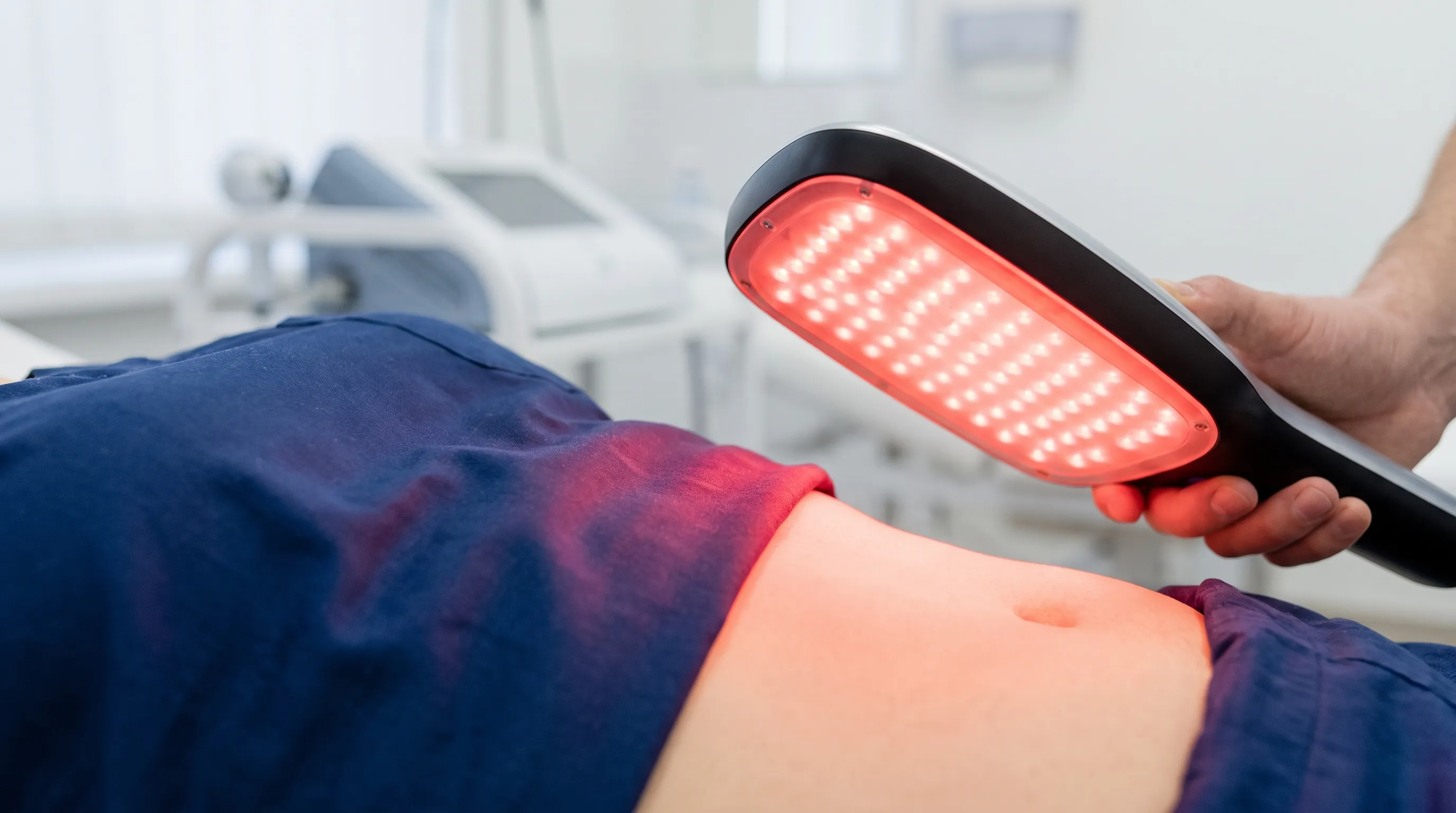
Achieving consistent outcomes requires more than simply purchasing a panel and sitting beneath it. Photobiomodulation follows the Arndt-Schulz principle, which states that biological stimulation occurs within a specific dosage range, while excessive or insufficient exposure yields diminished returns. Understanding irradiance, joule calculations, treatment frequency, and environmental factors transforms theoretical benefits into measurable results.
Ideal Wavelengths and Irradiance
For targeted red light therapy fat loss, clinical protocols recommend wavelengths between 630-660nm for superficial adipose layers and 800-850nm for deeper tissue penetration. Effective devices typically deliver irradiance levels ranging from 40 to 100 mW/cm² at a standardized treatment distance of 6 to 12 inches. Dosage is calculated by multiplying irradiance (mW/cm²) by exposure time (seconds), then dividing by 1000 to obtain joules per square centimeter. Research indicates that a therapeutic window of 40-60 J/cm² optimally stimulates mitochondrial activity without inducing photoinhibition. Devices marketed with vague specifications or unrealistic power claims often fail to deliver sufficient photon density to reach subcutaneous fat layers. Always verify manufacturer documentation, third-party testing reports, and clinical validation data before committing to long-term use.
Session Duration and Frequency Guidelines
Consistency is the most critical variable in photobiomodulation success. Most clinical studies demonstrate optimal outcomes with 3 to 5 sessions weekly, each lasting 10 to 20 minutes per targeted area. Daily use may exceed therapeutic thresholds, potentially triggering mitochondrial downregulation or temporary cellular fatigue. Conversely, sporadic weekly sessions often fail to accumulate sufficient biological stimulus to initiate sustained lipid mobilization. Treatment cycles typically span 6 to 12 weeks, followed by a maintenance phase of 1 to 2 sessions weekly. Patients should maintain consistent distance measurements, ensure direct skin exposure (clothing blocks photon penetration), and avoid applying reflective or occlusive topical agents immediately before sessions. Tracking circumference measurements, photographic documentation, and subjective energy levels helps refine personal protocols and identify plateau periods.
Pre-Treatment Preparation and Post-Treatment Care
Maximizing lipid clearance and metabolic responsiveness requires strategic preparation and recovery practices. Hydration plays a pivotal role in lymphatic transport; consuming 16 to 24 ounces of water before and after each session supports efficient glycerol and free fatty acid processing. Gentle dynamic movement, such as walking or light resistance exercises, within two hours post-treatment enhances circulatory flow and encourages mobilized lipids to enter oxidative pathways. Avoiding high-sugar meals or alcohol immediately following sessions prevents insulin spikes that may redirect released fatty acids back into storage rather than utilization. Some practitioners recommend mild dry brushing or foam rolling to further stimulate interstitial fluid drainage, though evidence remains observational. Integrating these supportive habits transforms isolated light exposure into a cohesive metabolic optimization strategy.
Combining Red Light Therapy Fat Loss With Diet and Exercise
No technological intervention operates in biological isolation. The human body functions as an integrated system where cellular signaling, hormonal regulation, and energy partitioning continuously adapt to environmental inputs. When strategically aligned, red light therapy fat loss amplifies the physiological adaptations triggered by proper nutrition, resistance training, and circadian alignment.
Macronutrient Timing and Caloric Balance
A moderate caloric deficit remains the foundation of sustainable fat reduction, but macronutrient composition significantly influences how mobilized lipids are processed. Prioritizing adequate protein intake (1.6 to 2.2 grams per kilogram of body weight) preserves lean muscle tissue during energy restriction, ensuring that weight loss primarily reflects adipose reduction rather than catabolic muscle breakdown. Distributing carbohydrate intake around training sessions maintains glycogen stores, which supports ATP regeneration and prevents metabolic adaptation from stalling progress. Healthy fats from omega-3 sources, avocados, and olive oil support cellular membrane integrity and hormonal balance, creating a physiological environment where released triglycerides can be efficiently oxidized. Research from Harvard Medical School and the CDC's guidelines on healthy weight management consistently emphasize that sustainable fat loss depends on dietary consistency, not extreme restriction.
Exercise Protocols That Enhance Lipid Mobilization
Physical activity serves as the mechanical and metabolic catalyst that transforms stored energy into functional movement. Resistance training stimulates muscle protein synthesis and increases basal metabolic rate through enhanced lean tissue mass. When combined with photobiomodulation, muscle recovery accelerates, allowing for higher training frequency and improved performance metrics. Low-to-moderate intensity steady-state cardio (LISS) such as brisk walking or cycling optimizes fatty acid oxidation pathways, particularly when performed in a fasted or low-glycogen state. High-intensity interval training (HIIT) improves mitochondrial density and insulin sensitivity, creating a systemic environment where released lipids are rapidly directed toward energy production, in direct alignment with World Health Organization recommendations for structured aerobic and muscle-strengthening activity. Timing workouts within 2 to 4 hours post-light exposure may leverage the enhanced ATP availability and reduced inflammatory signaling, though individual tolerance should guide programming decisions.
Sleep Optimization and Circadian Rhythm Alignment
Cellular repair, hormonal regulation, and metabolic clearance peak during deep sleep stages. Photobiomodulation influences melatonin pathways and reduces oxidative stress, both of which support restorative rest. Maintaining a consistent sleep schedule, minimizing blue light exposure before bedtime, and optimizing bedroom temperature enhances natural growth hormone release and leptin sensitivity. Sleep deprivation elevates cortisol and ghrelin levels, creating hormonal conditions that promote visceral fat accumulation and impair glucose metabolism. By prioritizing 7 to 9 hours of quality sleep, individuals create the internal environment necessary for sustained body composition improvements. The synergy between light exposure, movement, nutrition, and recovery forms a comprehensive framework where red light therapy fat loss transitions from isolated treatment to integrated metabolic optimization.
Safety, Side Effects, and Medical Contraindications
While generally recognized as non-invasive and well-tolerated, photobiomodulation is not universally appropriate for all populations. Understanding dosage limits, ocular protection requirements, and physiological contraindications ensures safe implementation and minimizes adverse reactions.
Understanding Thermal vs. Non-Thermal Effects
Unlike laser or radiofrequency treatments that rely on controlled thermal injury to stimulate tissue remodeling, red light therapy operates entirely through non-thermal photonic stimulation. This distinction eliminates risks of burns, scarring, or prolonged inflammation, making it suitable for repeated long-term use. However, certain high-output devices may generate mild warmth due to diode operation, which is unrelated to the therapeutic photon output. Users should maintain proper ventilation, follow manufacturer distance guidelines, and avoid covering treatment areas with heat-retaining materials during sessions. Monitoring skin response and discontinuing use if irritation develops remains a standard safety precaution.
Eye Safety and Protective Measures
Although red and near-infrared wavelengths lack the high-energy photons associated with ultraviolet radiation, direct retinal exposure to intense LED arrays can cause temporary visual discomfort or afterimages. Most clinical protocols recommend wearing FDA-cleared protective goggles designed for specific wavelength ranges, particularly when treating facial or neck regions. Brief, indirect exposure during torso or limb treatments typically requires minimal intervention, but prolonged staring at illuminated diodes should be avoided. Individuals with pre-existing retinal conditions or photosensitive disorders must consult an ophthalmologist before initiating regular use.
Who Should Avoid This Treatment
Certain medical conditions warrant medical supervision or complete avoidance. Patients with active malignancies, untreated thyroid dysfunction, or photosensitivity disorders linked to medications (such as tetracyclines or psoralens) should avoid unsupervised photobiomodulation. Pregnant individuals lack sufficient clinical safety data, warranting precautionary avoidance over abdominal regions. Those with implanted electronic devices should verify electromagnetic interference specifications, though LED-based systems generally emit minimal electromagnetic fields. Always disclose device usage to healthcare providers, particularly when managing metabolic, endocrine, or autoimmune conditions. Comprehensive safety guidelines are available through peer-reviewed dermatology publications and medical resources like the Cleveland Clinic.

Choosing Between Professional and At-Home Devices
The market offers an overwhelming variety of photobiomodulation equipment, ranging from clinical-grade full-body arrays to compact desktop panels. Understanding power output, treatment area coverage, warranty standards, and third-party testing helps consumers align device selection with specific goals and budgets.
Clinical vs. At-Home Panels: A Comparison
Professional systems typically deliver higher irradiance (100-150+ mW/cm²), larger treatment footprints, and calibrated dosimetry suitable for medical settings. They enable shorter session durations and broader anatomical coverage, making them ideal for intensive protocols. At-home units prioritize convenience, affordability, and user-friendly interfaces, though they often require longer exposure times to achieve equivalent photon delivery. The key differentiator lies in power density consistency and manufacturing quality control. Reputable consumer brands publish spectral output reports, third-party safety certifications, and clinical collaboration data. Evaluating return policies, customer support responsiveness, and real-world performance reviews prevents investment in underpowered or poorly calibrated systems.
Key Specifications to Evaluate Before Purchase
When selecting equipment for red light therapy fat loss, prioritize verifiable metrics over marketing terminology. Essential specifications include:
- Peak wavelengths (should explicitly state 630nm/660nm red and 800nm/850nm NIR)
- Irradiance at 6-12 inches (minimum 40 mW/cm² for therapeutic efficacy)
- Power density consistency across the treatment surface
- Medical-grade certifications and FDA clearance for intended use
- Cooling mechanisms to maintain diode efficiency during extended sessions
- Transparent third-party testing documentation and clinical collaboration references
| Feature | Clinical-Grade Devices | At-Home Consumer Panels |
|---|---|---|
| Irradiance Output | 100-150+ mW/cm² | 40-80 mW/cm² |
| Treatment Coverage | Full-body or targeted arrays | 1-2 foot panels or localized devices |
| Session Duration | 8-12 minutes | 15-20 minutes |
| Cost Range | $3,000-$10,000+ | $200-$1,200 |
| Best For | Rapid protocols, supervised treatment | Daily consistency, lifestyle integration |
Evaluating these parameters ensures alignment between device capabilities and individual protocol requirements. Investing in transparent, well-documented technology maximizes the likelihood of achieving sustainable red light therapy fat loss outcomes while minimizing financial risk.
Frequently Asked Questions
Does red light therapy fat loss actually work for everyone?
Clinical evidence shows red light therapy can reduce localized fat and improve body composition, but results vary based on baseline metabolism, consistency of use, and lifestyle habits. It is not a standalone weight-loss solution.
How many sessions per week are needed for noticeable results?
Most clinical protocols recommend 3 to 5 sessions weekly for 4 to 12 weeks. Consistency, proper dosing (typically 40-60 Joules/cm²), and combining treatment with nutrition and movement optimize outcomes.
Are there any risks or side effects associated with red light therapy?
Red light therapy is non-thermal and generally safe. Mild temporary redness, dry skin, or fatigue can occur. Individuals with photosensitivity disorders, active malignancies, or certain thyroid conditions should consult a physician before use.
Can red light therapy replace diet and exercise for weight management?
No. Red light therapy supports fat mobilization and cellular recovery but does not replace the caloric deficit and metabolic adaptations driven by proper nutrition and physical activity. It works best as a complementary intervention.
What is the best wavelength for targeting adipose tissue?
Wavelengths between 630nm and 660nm (visible red) effectively target superficial fat layers and skin tissue, while 800nm to 850nm (near-infrared) penetrates deeper into muscle and connective tissue. Combined panels offer the most comprehensive approach.
How long until visible inch loss occurs?
Most users report measurable circumference reductions between weeks 4 and 8 when adhering to consistent protocols. Ultrasound measurements often confirm tissue changes before they become visibly apparent on the exterior. Hydration, movement, and caloric management significantly influence the timeline.
Conclusion
Integrating photobiomodulation into a comprehensive wellness strategy offers a scientifically grounded approach to optimizing cellular metabolism, enhancing lipid clearance, and supporting sustainable body composition improvements. The physiological mechanisms behind red light therapy fat loss operate at the mitochondrial level, where enhanced ATP production, transient adipocyte pore formation, and reduced oxidative stress collectively shift the metabolic environment toward efficient energy utilization. Clinical trials consistently demonstrate that proper wavelength selection, adequate dosimetry, and consistent application yield measurable circumference reductions and improved skin texture, particularly when combined with balanced nutrition, strategic physical activity, and prioritized recovery protocols.
However, realistic expectations remain essential. This technology functions as a metabolic enhancer rather than a miracle solution, requiring dedication to holistic lifestyle practices to maximize long-term results. Device selection should prioritize transparency, third-party validation, and appropriate irradiance levels over marketing claims. Safety considerations, including ocular protection and medical contraindication screening, ensure responsible implementation. As research continues to refine dosimetry standards and clarify long-term outcomes, photobiomodulation stands as a legitimate, non-invasive tool within the broader spectrum of metabolic health optimization.
By understanding the cellular pathways, adhering to evidence-based treatment parameters, and maintaining consistency with nutrition and movement, individuals can leverage red light therapy fat loss to enhance their overall wellness trajectory. Consulting healthcare professionals before initiating new protocols, tracking objective measurements, and prioritizing sustainable habits remain the cornerstone of lasting body composition success. With proper implementation, this modality transitions from experimental intervention to a reliable component of modern, science-backed health optimization.
How we work
Researched and drafted with AI assistance, then reviewed by a human editor against the cited sources.
This article is general health information, not medical advice. Consult a qualified healthcare professional about your own situation.