Post Pregnancy Tummy Tuck: A Comprehensive Guide to Abdominoplasty After Childbirth

Key points
- Stable Weight: You should be within 10-15 pounds of your ideal body weight. Significant weight loss after surgery can lead to loose skin again, while weight gain can stretch the repaired muscles and skin.
- Completed Family Planning: While it is possible to have children after a tummy tuck, subsequent pregnancies can undo the surgical results by re-stretching the skin and separating the muscles again. Most surgeons advise waiting until you are done having children.
- Good General Health: Chronic conditions like uncontrolled diabetes, heart disease, or bleeding disorders can increase surgical risks. A thorough medical evaluation is mandatory.
- Non-Smoker: Smoking restricts blood flow and significantly impairs healing, increasing the risk of tissue necrosis (death) and poor scarring. Surgeons typically require patients to quit smoking at least four to six weeks before and after surgery.
Motherhood is a transformative journey that brings immense joy, but it also leaves physical marks that diet and exercise alone often cannot erase. For many women, the postpartum period involves navigating changes in body composition, including stubborn pockets of fat, loose hanging skin, and weakened abdominal muscles. These changes, while badges of honor for some, can cause significant physical discomfort and emotional distress for others. This is where the concept of a post pregnancy tummy tuck, medically known as abdominoplasty, becomes a viable option for restoration and renewal.
Understanding the nuances of this procedure is crucial before making such a significant decision. It is not merely a cosmetic enhancement; for many mothers, it is a reconstructive necessity that addresses functional issues like diastasis recti, a condition where the abdominal muscles separate during pregnancy. This comprehensive guide delves deep into the realities of undergoing a post pregnancy tummy tuck, exploring the medical indications, the surgical process, recovery expectations, and the long-term benefits. By arming yourself with evidence-based information, you can approach this journey with confidence, clarity, and realistic expectations.
Understanding the Postpartum Abdomen: Why Diet and Exercise Aren't Always Enough
Pregnancy places extraordinary demands on the human body. Over nine months, the abdominal wall stretches to accommodate a growing fetus, leading to physiological changes that vary significantly from woman to woman. While some individuals bounce back quickly, others face persistent challenges that defy traditional fitness regimes. To understand why a post pregnancy tummy tuck is sought after, we must first understand the anatomy of the postpartum abdomen.
Free calculatorDosage CalculatorCalculate medication dosageOpen the calculatorThe Role of Diastasis Recti
One of the most common conditions affecting postpartum women is diastasis recti abdominis. During pregnancy, the linea alba, the connective tissue that joins the left and right sides of the rectus abdominis muscles, stretches and thins. In many cases, this tissue does not snap back into place after delivery, leaving a gap between the muscles. This separation causes the abdomen to bulge outward, creating a "pooch" that remains even when the individual is at a healthy weight. According to the Cleveland Clinic, this condition is prevalent and can persist long after childbirth.
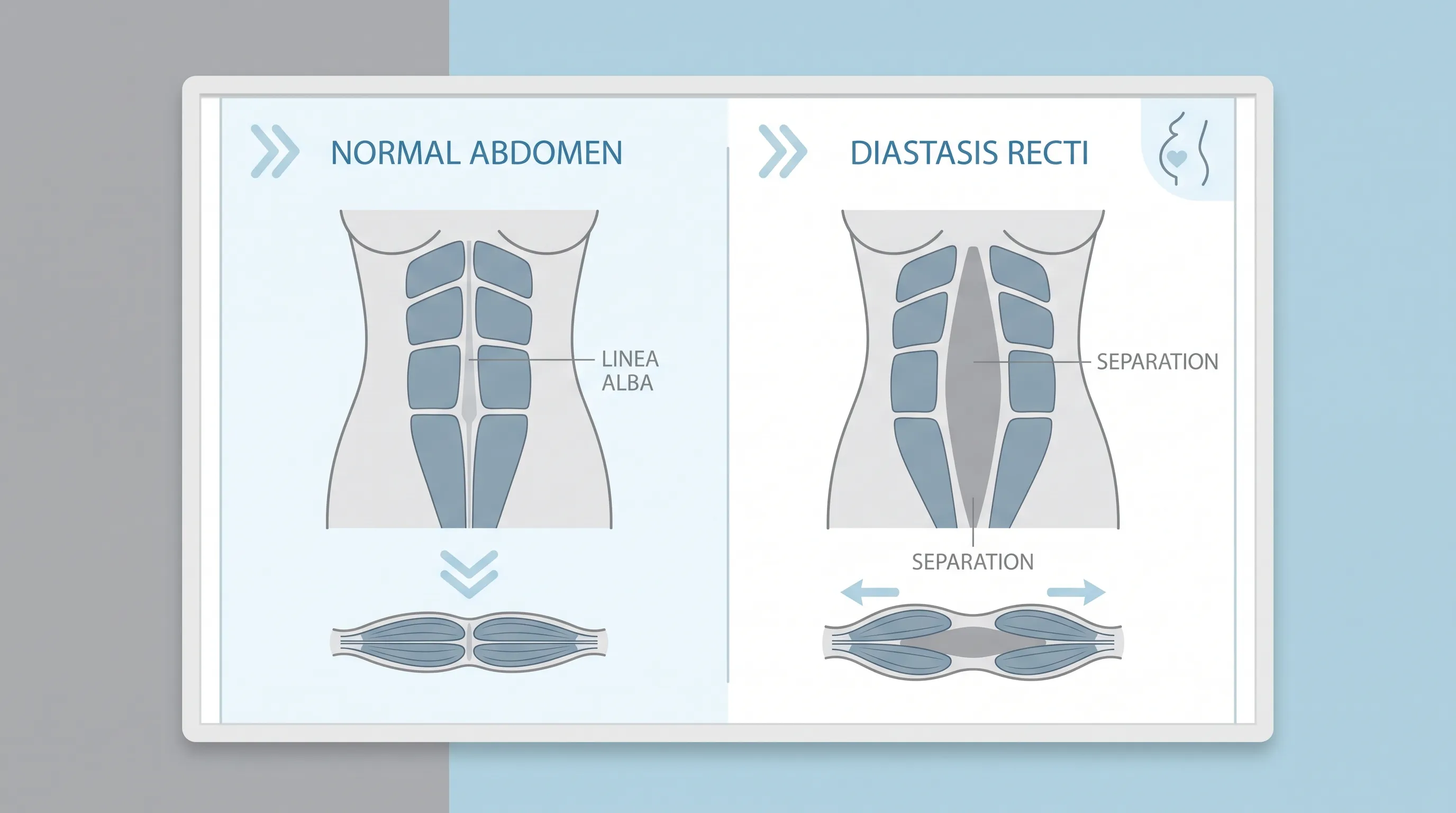
Diastasis recti is not just a cosmetic issue; it is a functional impairment. The abdominal muscles play a critical role in core stability, posture, and supporting the lower back. When these muscles are separated, women often experience chronic lower back pain, poor posture, and even pelvic floor dysfunction. No amount of crunches or planks can close this gap; in fact, improper exercise can worsen the separation. This is where surgical intervention becomes medically relevant. A post pregnancy tummy tuck includes a procedure called plication, where the surgeon sutures the separated muscles back together, restoring the structural integrity of the core.
Skin Laxity and Stretch Marks
Beyond muscle separation, the skin undergoes massive expansion. Elastic fibers in the dermis can break under the tension of rapid growth, resulting in stretch marks (striae gravidarum). After delivery, if the skin lacks sufficient elasticity to retract, it hangs loosely. This excess skin can cause hygiene issues, rashes, and irritation, particularly in the folds beneath the apron of skin. Furthermore, stretch marks located below the belly button are often removed entirely during a tummy tuck, as this section of skin is excised. While stretch marks above the belly button remain, they may appear less prominent due to the tightening of the surrounding skin.
Is a Post Pregnancy Tummy Tuck Right for You?
Determining candidacy for abdominoplasty is a critical step. It is not a procedure to be taken lightly, nor is it a substitute for weight loss. Ideal candidates for a post pregnancy tummy tuck share specific characteristics that predict successful outcomes and minimal complications.
Medical and Physical Criteria
To be considered a good candidate, you should generally meet the following criteria:
- Stable Weight: You should be within 10-15 pounds of your ideal body weight. Significant weight loss after surgery can lead to loose skin again, while weight gain can stretch the repaired muscles and skin.
- Completed Family Planning: While it is possible to have children after a tummy tuck, subsequent pregnancies can undo the surgical results by re-stretching the skin and separating the muscles again. Most surgeons advise waiting until you are done having children.
- Good General Health: Chronic conditions like uncontrolled diabetes, heart disease, or bleeding disorders can increase surgical risks. A thorough medical evaluation is mandatory.
- Non-Smoker: Smoking restricts blood flow and significantly impairs healing, increasing the risk of tissue necrosis (death) and poor scarring. Surgeons typically require patients to quit smoking at least four to six weeks before and after surgery.
Psychological Readiness
Equally important is psychological preparedness. Body contouring surgery can boost self-esteem, but it is not a cure for body dysmorphia or depression. Candidates should have realistic expectations, understanding that the goal is improvement, not perfection. The scars are permanent, although they fade over time, and the recovery process requires patience and support.
Types of Abdominoplasty Procedures
Not all tummy tucks are created equal. The type of procedure recommended depends on the extent of skin laxity, muscle separation, and fat distribution. Your surgeon will evaluate your anatomy to determine the most appropriate technique.
Full Abdominoplasty
The full tummy tuck is the most common procedure for postpartum women. It addresses the entire abdominal wall, from the pubic bone to the ribcage. The surgeon makes a horizontal incision between the pubic hairline and the navel, typically extending from hip to hip. Another incision is made around the belly button to free it from the surrounding skin. The skin is lifted, the underlying muscles are tightened via plication, excess skin is trimmed, and the belly button is repositioned. This comprehensive approach corrects diastasis recti and removes significant amounts of excess skin.
Mini Abdominoplasty
A mini tummy tuck is less invasive and targets only the area below the belly button. It involves a shorter incision and does not usually involve moving the belly button or extensive muscle repair. This option is suitable for women with mild skin laxity and minimal muscle separation confined to the lower abdomen. However, for most mothers who have carried a baby to term, a mini tummy tuck is often insufficient because it does not address the upper abdominal muscles or the umbilicus.
Extended Abdominoplasty
For women who have experienced massive weight loss in addition to pregnancy, an extended tummy tuck may be necessary. This procedure extends the incision further around the hips and sometimes to the back to remove excess skin from the flanks (love handles). It provides a more comprehensive contouring of the torso.
Combination with Liposuction
Liposuction is frequently combined with a post pregnancy tummy tuck to refine the contours of the waist, hips, and flanks. While a tummy tuck removes skin and tightens muscles, liposuction removes localized fat deposits. This combination, often part of a "Mommy Makeover," creates a more harmonious and balanced silhouette. However, combining procedures increases surgical time and requires careful management of fluid balance and safety protocols.
The Surgical Journey: What to Expect
Undergoing surgery is a major event. Knowing what to expect at each stage can alleviate anxiety and help you prepare effectively.
Pre-Operative Consultation and Preparation
Your journey begins with a consultation with a board-certified plastic surgeon. During this visit, the surgeon will review your medical history, perform a physical examination, and discuss your goals. This is the time to ask questions and view before-and-after photos of previous patients.

You will receive detailed instructions on how to prepare for surgery. This may include stopping certain medications (like aspirin or anti-inflammatories) that can increase bleeding, arranging for someone to drive you home after the procedure, and preparing your recovery space at home. Lab tests may be ordered to ensure you are fit for anesthesia.
The Procedure Day
On the day of surgery, you will arrive at the surgical facility. A post pregnancy tummy tuck is typically performed under general anesthesia, meaning you will be asleep throughout the procedure. The surgery usually takes between two to five hours, depending on the complexity and whether other procedures are being performed simultaneously.
Once the anesthesia takes effect, the surgeon makes the planned incisions. The skin is separated from the abdominal wall up to the ribs, exposing the vertical muscles. The surgeon then tightens these muscles with permanent sutures. The skin flap is pulled down, excess skin is cut away, and the remaining skin is stitched into place. Drains may be placed to remove excess fluid, and dressings are applied.
Recovery and Aftercare: The Road to Healing
Recovery from a post pregnancy tummy tuck is a gradual process that requires dedication and patience. While experiences vary, there is a general timeline that most patients follow.
The First Week: Rest and Pain Management
The first few days are the most challenging. You will likely experience soreness, swelling, and tightness in the abdomen. Pain medication prescribed by your surgeon will help manage discomfort. It is crucial to rest but also to walk gently around the house to promote circulation and prevent blood clots. You will need to sleep in a slightly bent position (often using pillows under your knees) to reduce tension on the incision site. Drain care, if applicable, will be part of your daily routine.
Weeks 2-4: Gradual Return to Activity
By the second week, many patients feel significantly better. Swelling begins to subside, and energy levels improve. You may be able to return to desk work if your job is not physically demanding. However, heavy lifting and strenuous activity are still prohibited. Compression garments must be worn continuously to support the healing tissues and minimize swelling.
Months 1-3: Resuming Normal Life
Around the six-week mark, most patients are cleared to resume exercise, starting with low-impact activities and gradually increasing intensity. The incisions will still be red and raised, but they will begin to fade. Numbness in the abdominal skin is common and may take several months to resolve as nerves regenerate.
Long-Term Healing
Full maturation of scars can take up to a year or more. They will transition from red to pink, and eventually to a faint white line. Maintaining a stable weight and healthy lifestyle is essential to preserving your results. Sun protection is vital for the scar area to prevent hyperpigmentation.
Risks, Complications, and Safety Considerations
Like any major surgery, a post pregnancy tummy tuck carries risks. Being informed about potential complications allows you to make a safer decision and recognize warning signs early. The Mayo Clinic outlines several key risks associated with abdominoplasty.
Common Risks
- Infection: Although rare with proper sterile technique and antibiotics, infections can occur. Signs include increased redness, warmth, fever, and pus discharge.
- Bleeding and Hematoma: Accumulation of blood under the skin may require drainage.
- Poor Wound Healing: Smokers and individuals with diabetes are at higher risk for delayed healing or wound separation.
- Scarring: Scars are permanent. While surgeons place them discreetly, some individuals may develop hypertrophic or keloid scars.
- Seroma: Fluid accumulation under the skin is a common complication, often managed with drains or aspiration.
Rare but Serious Complications
- Deep Vein Thrombosis (DVT): Blood clots in the legs can travel to the lungs (pulmonary embolism), which is life-threatening. Early ambulation and compression stockings help mitigate this risk.
- Necrosis: Loss of skin tissue due to poor blood supply, more common in smokers.
- Anesthesia Risks: Adverse reactions to anesthesia are rare but possible.
Choosing a board-certified plastic surgeon who operates in an accredited facility significantly reduces these risks. Always disclose your full medical history and follow pre-and post-operative instructions meticulously.
Cost and Insurance Coverage
Financial planning is a significant aspect of deciding on a post pregnancy tummy tuck. Costs vary widely based on geographic location, surgeon expertise, facility fees, and anesthesia costs.
Breakdown of Costs
| Expense Category | Estimated Range (USD) | Notes |
|---|---|---|
| Surgeon's Fee | $4,000 - $8,000 | Varies by experience and region |
| Anesthesia Fees | $1,000 - $2,000 | Based on duration of surgery |
| Facility Fees | $1,500 - $3,000 | Hospital vs. outpatient center |
| Post-Op Garments | $100 - $300 | Essential for recovery |
| Medications & Labs | $200 - $500 | Prescriptions and pre-op tests |
| Total Estimated Cost | $6,800 - $13,800+ | Does not include combined procedures |
Insurance Coverage
Generally, insurance companies classify abdominoplasty as a cosmetic procedure and do not cover it. However, there are exceptions. If you have documented medical issues such as severe diastasis recti causing chronic back pain, or recurrent skin infections under the abdominal apron (intertrigo), your insurer might cover a portion of the procedure, specifically the muscle repair or panniculectomy (removal of hanging skin). It is essential to check with your provider and have your surgeon submit a letter of medical necessity if applicable.
Alternatives and Non-Surgical Options
For those not ready for surgery or who do not meet the criteria, non-surgical alternatives exist, though they offer more modest results.
Non-Invasive Body Contouring
Technologies like radiofrequency, ultrasound, and laser treatments can tighten skin slightly and reduce small fat pockets. Examples include Thermage, Ultherapy, and CoolSculpting. These treatments require multiple sessions and are best for mild laxity. They cannot repair diastasis recti or remove significant amounts of loose skin.
Physical Therapy for Diastasis Recti
Specialized physical therapy can help strengthen the core and improve the function of the abdominal muscles. While it may not fully close the gap, it can reduce the bulge and alleviate back pain. This is a recommended first step for many women before considering surgery.
Frequently Asked Questions
How long after giving birth should I wait before getting a tummy tuck?
Most board-certified plastic surgeons recommend waiting at least six months to one year after childbirth. This allows your body to heal, your weight to stabilize, and gives time for any natural muscle tightening to occur. If you are breastfeeding, you should wait until you have completely stopped nursing for at least three to six months to ensure hormonal levels have normalized and milk production has ceased.
Can a tummy tuck fix diastasis recti?
Yes, repairing diastasis recti is one of the primary functional benefits of a post pregnancy tummy tuck. During the procedure, the surgeon sutures the separated abdominal muscles back together along the midline. This not only flattens the abdomen but also restores core strength and stability, which can alleviate back pain associated with the condition.
Will a tummy tuck remove my C-section scar?
In many cases, yes. During a full abdominoplasty, the surgeon makes an incision low on the abdomen, typically from hip bone to hip bone. This incision is placed strategically so that it can often excise the existing C-section scar. The new scar will be lower and flatter, designed to be easily hidden by underwear or swimwear bottoms.
Is a tummy tuck considered weight loss surgery?
No, a tummy tuck is a body contouring procedure, not a weight loss solution. While it removes excess skin and some fat, it is intended for individuals who are already at or near their ideal body weight but struggle with loose skin and muscle separation that diet and exercise cannot fix. Significant weight fluctuations after surgery can compromise results.
What is the difference between a mini tummy tuck and a full tummy tuck?
A mini tummy tuck addresses only the area below the belly button and involves a smaller incision and no muscle repair. It is suitable for minor skin laxity. A full tummy tuck addresses the entire abdomen, includes muscle repair (plication) for diastasis recti, and repositions the belly button. For most post-pregnancy patients, a full tummy tuck is required to address both skin and muscle issues.
Conclusion
A post pregnancy tummy tuck is a powerful tool for restoring both the form and function of the abdomen after the rigors of childbirth. It offers a solution for diastasis recti, excess skin, and stubborn fat that resist conventional methods. However, it is a major surgical undertaking that requires careful consideration, realistic expectations, and a commitment to recovery.
By choosing a qualified, board-certified plastic surgeon and adhering to pre-and post-operative guidelines, you can maximize your safety and satisfaction. Remember that this procedure is about enhancing your quality of life and confidence, not achieving an impossible standard of perfection. Take the time to research, consult, and reflect on your goals. With the right approach, a post pregnancy tummy tuck can be a transformative step toward reclaiming your body and your sense of self.
How we work
Researched and drafted with AI assistance, then reviewed by a human editor against the cited sources.
This article is general health information, not medical advice. Consult a qualified healthcare professional about your own situation.