Can Braces Cause Headaches? Understanding Orthodontic Pain and Relief

Starting a journey toward a straighter smile is an exciting milestone, but it often comes with unexpected side effects that can dampen the enthusiasm. Among the most common complaints from new brace wearers and those undergoing routine adjustments is the onset of persistent, dull, or sometimes sharp head pain. If you have recently visited the orthodontist and left with a throbbing sensation behind your eyes or temples, you are likely asking yourself: can braces cause headaches? The short answer is yes, but understanding the mechanism behind this pain is crucial for effective management and peace of mind.
Orthodontic treatment works by applying continuous, controlled pressure to your teeth, which stimulates bone remodeling and allows teeth to shift into their desired positions. This biological process, while beneficial for long-term oral health, triggers an inflammatory response in the periodontal ligaments—the tissues connecting your teeth to the jawbone. This inflammation is not isolated to the mouth; due to the complex network of nerves in the face and head, particularly the trigeminal nerve, pain signals can radiate outward, manifesting as tension headaches or even triggering migraines in susceptible individuals [1].
It is essential to distinguish between normal orthodontic discomfort and symptoms that may require professional intervention. While mild to moderate head pain is a typical part of the adjustment period, severe or prolonged headaches could indicate issues with bite alignment, temporomandibular joint (TMJ) strain, or other underlying conditions. This comprehensive guide delves deep into the relationship between orthodontics and head pain, offering evidence-based strategies to alleviate discomfort, practical tips for daily management, and clear indicators of when to seek further medical advice. By understanding the root causes and adopting proactive care routines, you can navigate your braces journey with greater comfort and confidence.
The Biological Mechanism: Why Orthodontic Pressure Leads to Head Pain
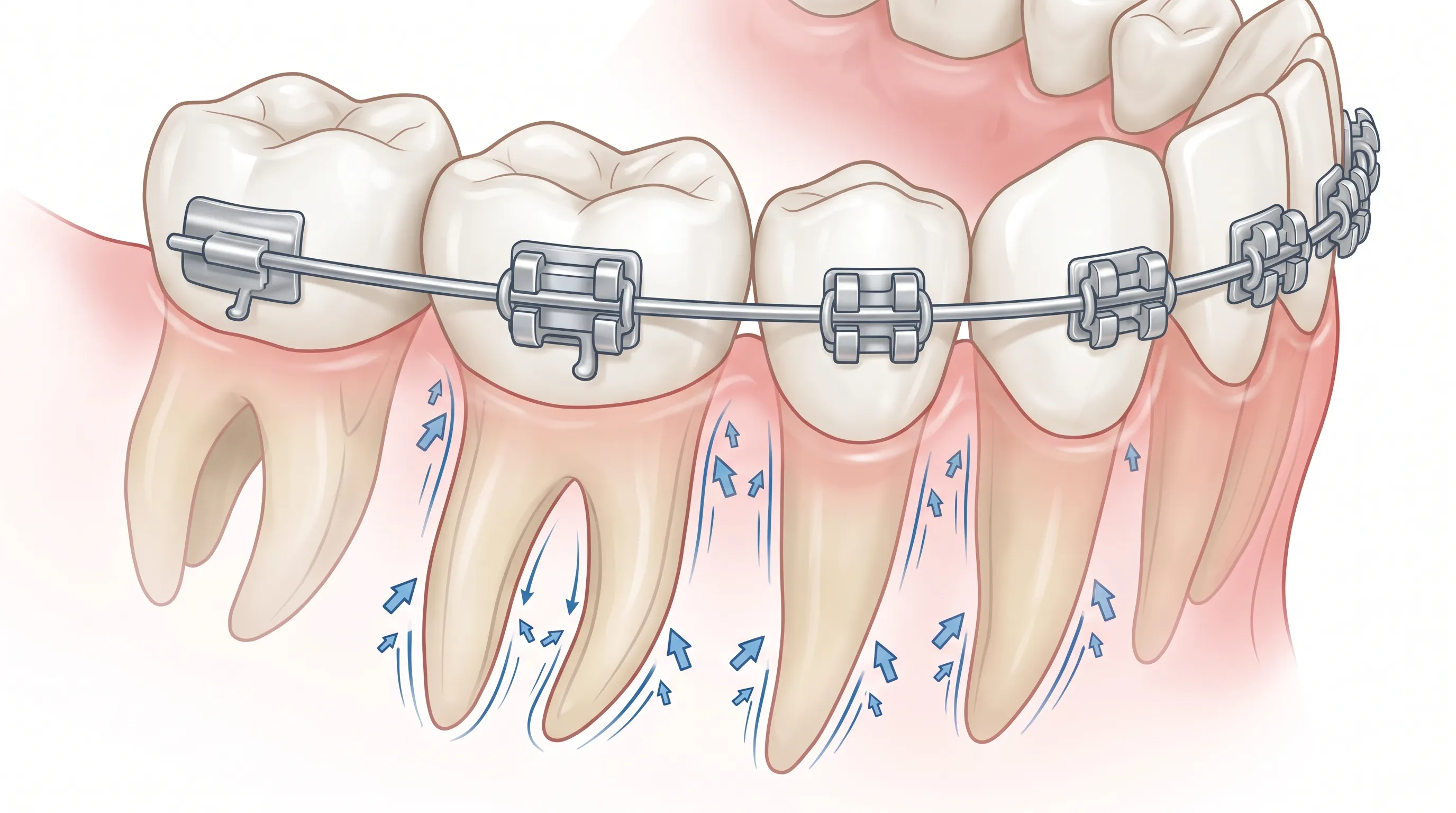
To understand why you might be experiencing head pain, it is necessary to look at the anatomy of the mouth and its connection to the nervous system. The question "can braces cause headaches" is rooted in the physiological response of your body to foreign objects and mechanical force. When braces are first placed or tightened, the archwires exert force on the brackets bonded to your teeth. This force is transmitted to the roots of the teeth and the surrounding alveolar bone.
Free calculatorHeadache Location ChartIdentify headache types by locationOpen the calculatorThe Role of the Periodontal Ligament
The periodontal ligament (PDL) is a specialized connective tissue that acts as a shock absorber for your teeth. When pressure is applied via braces, the PDL on one side of the tooth is compressed, while on the other side, it is stretched. This compression restricts blood flow, leading to a localized area of sterile inflammation. The body responds by releasing prostaglandins and other inflammatory mediators. These chemicals sensitize nerve endings, sending pain signals to the brain. Because the nerves supplying the teeth are branches of the trigeminal nerve—the largest cranial nerve responsible for sensation in the face—these pain signals can be perceived not just in the teeth, but throughout the face, head, and neck [2].
Referred Pain and the Trigeminal Nerve
Referred pain is a phenomenon where pain is perceived at a location other than the site of the painful stimulus. In the context of orthodontics, the dense network of sensory fibers in the jaw and teeth shares pathways with nerves serving the head and neck. Consequently, the brain may interpret the intense signals from the shifting teeth as a headache. This is similar to how heart attack pain can be felt in the left arm. The trigeminal nerve has three main branches: the ophthalmic (eye/forehead), maxillary (upper jaw/cheek), and mandibular (lower jaw/chin). Since braces affect both the upper and lower jaws, stimulation of the maxillary and mandibular branches can easily radiate pain to the forehead and temples, areas typically associated with tension headaches [3].
Muscle Tension and Guarding
Another significant factor is muscle guarding. When your teeth are sore, you may unconsciously change the way you hold your jaw or chew. You might avoid biting down fully or clench your jaw slightly to stabilize the teeth. This altered biomechanics places extra strain on the masseter and temporalis muscles, which are primary muscles used for chewing. Over time, this sustained tension can lead to myofascial pain, contributing significantly to the development of tension-type headaches. Understanding this chain reaction helps clarify that the headache is not just about the teeth moving, but about the entire musculoskeletal system of the head and neck adapting to new forces [4].
Types of Headaches Associated with Braces Treatment
Not all head pain is created equal, and identifying the specific type of headache you are experiencing can help tailor your relief strategy. When patients ask, "can braces cause headaches," they are often experiencing one of several distinct types of pain patterns. Recognizing these can help in communicating effectively with your healthcare providers.
Tension-Type Headaches
The most common form of head pain associated with orthodontic treatment is the tension-type headache. These are often described as a constant band-like pressure around the forehead or the back of the head and neck. They result primarily from the muscle tension discussed earlier. As the jaw muscles work harder to cope with the soreness of the teeth, they become fatigued and tight. This tension radiates upward, causing a dull, aching sensation. Tension headaches from braces are usually bilateral (affecting both sides of the head) and are often worse in the evening after a day of chewing and talking [5].
Temporomandibular Joint (TMJ) Related Pain
The temporomandibular joints connect your jawbone to your skull. Orthodontic treatment aims to correct malocclusion (bad bite), but during the process, the bite is in a state of flux. If the braces alter the way your upper and lower teeth meet, even temporarily, it can place uneven stress on the TMJ. This can lead to TMJ disorder symptoms, including clicking or popping sounds, jaw locking, and pain that radiates to the ears and temples. TMJ-related headaches are often more severe and may be accompanied by facial pain or difficulty opening the mouth wide. It is crucial to monitor these symptoms, as persistent TMJ issues may require adjustment of the orthodontic plan [6].
Migraine Triggers
For individuals with a history of migraines, the physical stress and pain of orthodontic adjustments can serve as a potent trigger. Migraines are neurological events characterized by severe, throbbing pain, often on one side of the head, accompanied by sensitivity to light and sound, nausea, and visual disturbances. The inflammatory response and the sudden change in sensory input from the mouth can disrupt the nervous system's stability, precipitating a migraine episode. If you are a migraine sufferer, it is vital to inform your orthodontist beforehand so they can take steps to minimize abrupt changes in pressure [7].
| Headache Type | Primary Cause | Typical Symptoms | Duration |
|---|---|---|---|
| Tension-Type | Muscle strain from jaw guarding | Dull, band-like pressure around forehead/neck | Few hours to few days |
| TMJ-Related | Bite misalignment during treatment | Pain near ears, clicking jaw, temple pain | Variable, persists until bite stabilizes |
| Migraine | Neurological trigger from pain/stress | Throbbing one-sided pain, nausea, light sensitivity | 4 to 72 hours |
| Sinus-Like | Upper jaw pressure affecting sinus floor | Pressure under eyes, congestion feeling | Few days post-adjustment |
The Impact of Bite Changes and Jaw Alignment
One of the primary goals of orthodontics is to achieve a harmonious bite, where the upper and lower teeth fit together correctly. However, the path to this ideal occlusion involves a period of instability. During this phase, the question "can braces cause headaches" becomes particularly relevant because the jaw is constantly searching for a comfortable resting position.
Malocclusion Correction Process
Malocclusion, or bad bite, includes conditions like overbite, underbite, crossbite, and open bite. Correcting these issues requires moving teeth in three dimensions. As teeth shift, the points of contact between the upper and lower arches change. Initially, this may result in fewer teeth touching or uneven contact, forcing the jaw muscles to work harder to find a stable position. This muscular effort generates heat and lactic acid, leading to fatigue and pain. Over time, as the teeth move into their final positions, the bite stabilizes, and the muscle strain typically decreases. However, during the active movement phase, headaches are a common byproduct of this realignment [8].
The Role of Elastics and Rubber Bands
Many orthodontic treatments involve the use of elastics (rubber bands) to correct the relationship between the upper and lower jaws. These elastics exert significant force to pull the jaw forward, backward, or sideways. The introduction of elastics often coincides with an increase in head and jaw pain. This is because the force is not just moving teeth but actively repositioning the jaw itself. Patients who are inconsistent with wearing their elastics may experience fluctuating pain levels, as the jaw is subjected to intermittent, unpredictable forces. Consistent wear, as prescribed, helps the tissues adapt more smoothly, potentially reducing the severity of headaches over time.
Sleep Bruxism and Nighttime Grinding
Braces can sometimes exacerbate or trigger sleep bruxism, the involuntary grinding or clenching of teeth during sleep. The presence of brackets and wires provides new surfaces for the teeth to grind against, and the discomfort may lead to subconscious clenching as a coping mechanism. Nighttime grinding places immense pressure on the teeth, jaw joints, and surrounding muscles, often resulting in waking up with a severe headache. If you suspect you are grinding your teeth, your orthodontist may recommend a night guard or adjust your treatment plan to mitigate this issue [9].
Effective Strategies for Managing Braces-Induced Headaches
While headaches are a common side effect, they are manageable. Adopting a proactive approach to pain management can significantly improve your quality of life during treatment. Here are several evidence-based strategies to help alleviate discomfort.
Pharmacological Relief
Over-the-counter (OTC) pain relievers are the first line of defense against orthodontic pain. Non-steroidal anti-inflammatory drugs (NSAIDs) like ibuprofen (Advil, Motrin) and naproxen (Aleve) are particularly effective because they target the inflammation in the periodontal ligaments, addressing the root cause of the pain rather than just masking it. Acetaminophen (Tylenol) is also an option for pain relief but lacks anti-inflammatory properties. It is generally recommended to take these medications preemptively, about an hour before your adjustment appointment, to blunt the peak pain response. However, long-term daily use of NSAIDs should be discussed with your doctor, as they can have gastrointestinal side effects [10].
Cold and Heat Therapy
Temperature therapy can provide significant relief. Applying an ice pack to the outside of the jaw for 10-15 minutes can numb the area and reduce inflammation, particularly in the first 24-48 hours after an adjustment. Conversely, after the initial acute phase, applying a warm compress to the jaw and neck muscles can help relax tension and improve blood flow, alleviating tension headaches. Some patients find alternating between cold and heat to be particularly effective. Ensure that ice packs are wrapped in a cloth to prevent skin damage.
Dietary Adjustments
What you eat plays a crucial role in managing braces-related pain. During the first few days after an adjustment, switch to a soft-food diet to minimize the workload on your jaw muscles. Foods like yogurt, smoothies, mashed potatoes, soups, and scrambled eggs are excellent choices. Avoid hard, crunchy, or chewy foods that require vigorous chewing, as this will exacerbate muscle tension and headache pain. Cutting food into small pieces and chewing slowly can also reduce strain. Staying hydrated is equally important, as dehydration can worsen headaches.
Relaxation Techniques and Stress Management
Since stress can amplify pain perception and contribute to muscle tension, incorporating relaxation techniques into your daily routine is beneficial. Deep breathing exercises, progressive muscle relaxation, and mindfulness meditation can help lower overall stress levels and reduce the frequency of tension headaches. Gentle jaw stretches and massage can also relieve muscle tightness. Place your fingertips on your temples or jaw muscles and apply gentle circular pressure. Massaging the neck and shoulders can also help, as tension in these areas often contributes to head pain.

When to Seek Professional Help: Red Flags and Complications
While most headaches associated with braces are benign and self-limiting, there are situations where professional evaluation is necessary. Knowing when to escalate your concerns can prevent complications and ensure your treatment stays on track. If you find yourself repeatedly wondering, "can braces cause headaches of this severity?", it may be time to call your orthodontist.
Persistent or Severe Pain
If your headache persists for more than a week after an adjustment, or if the pain is severe enough to interfere with daily activities, sleep, or eating, it is not considered normal. Persistent pain could indicate that the wire is too tight, a bracket is misplaced, or there is an underlying issue with the TMJ that needs addressing. Your orthodontist may need to adjust the wire, remove certain elements, or refer you to a specialist for further evaluation.
Signs of Infection or Trauma
Headaches accompanied by fever, swelling of the gums or face, pus discharge, or extreme sensitivity to hot and cold could indicate an infection or abscess. Additionally, if a wire breaks and pokes into the cheek or gum, it can cause local trauma and inflammation that radiates as head pain. In such cases, immediate attention is required to prevent further complications. Use orthodontic wax to cover sharp edges temporarily until you can see your orthodontist.
Neurological Symptoms
Although rare, if your headache is accompanied by neurological symptoms such as vision changes, dizziness, numbness, or weakness in other parts of the body, seek immediate medical attention. These symptoms are unlikely to be caused directly by braces but could indicate a separate, serious medical condition such as a migraine variant, sinus infection, or other neurological issue. It is always better to err on the side of caution and rule out non-orthodontic causes.
Bite Interference
If you feel that your teeth are hitting each other in a way that feels unnatural or causes immediate sharp pain upon closing your mouth, this is known as bite interference. This can cause significant muscle strain and headaches. Your orthodontist can identify these high spots and adjust the brackets or wire to restore a comfortable bite. Do not ignore this sensation, as prolonged bite interference can lead to long-term TMJ problems.
Long-Term Outlook: Will the Headaches Go Away?
For most patients, the answer to "can braces cause headaches" is a temporary yes. The good news is that this side effect is usually transient. As your teeth move into their new positions and your jaw muscles adapt to the changing bite, the frequency and intensity of headaches typically diminish. Most patients report that the worst pain occurs after the initial placement and the first few adjustments. Subsequent adjustments tend to be less painful as the tissues become accustomed to the process.
Adaptation and Habituation
The human body is remarkably adaptable. Over time, the periodontal ligaments remodel, and the bone density adjusts to support the teeth in their new locations. The muscles of mastication also strengthen and adapt to the new bite pattern. This process of habituation means that what felt overwhelming in the first month often becomes a minor inconvenience by the sixth month. Many patients eventually forget they even have braces, except when they are cleaning them.
The End Result: Improved Oral Health
It is important to keep the end goal in mind. Correcting malocclusion not only improves the aesthetics of your smile but also enhances oral function and health. A proper bite reduces the risk of tooth wear, gum disease, and TMJ disorders in the long run. Therefore, the temporary discomfort of headaches is a small price to pay for lifelong benefits. Maintaining open communication with your orthodontist ensures that any excessive pain is managed promptly, allowing you to stay on track toward a healthy, beautiful smile.
Alternative Options for Sensitive Patients
If you find that traditional metal braces cause unbearable headaches despite all management efforts, discuss alternative options with your orthodontist. Clear aligners, such as Invisalign, apply force differently and may be gentler on the muscles and joints for some patients. Ceramic braces are another option, though they function similarly to metal ones. In some cases, slowing down the rate of tooth movement by extending the time between adjustments can help reduce pain levels. Every patient is unique, and your orthodontist can tailor the treatment plan to your pain tolerance and physiological response.
Frequently Asked Questions
How long do headaches from braces typically last?
Headaches associated with braces usually occur within the first few days after an adjustment or initial placement. They typically subside within 3 to 7 days as the teeth and surrounding tissues adapt to the new pressure. If headaches persist beyond a week or become severe, it is advisable to consult your orthodontist.
Can braces cause migraines in people who already suffer from them?
Yes, for individuals prone to migraines, the stress and physical tension caused by orthodontic adjustments can act as a trigger. The referred pain from the teeth and jaw muscles may exacerbate existing migraine conditions. Managing stress and using prescribed migraine medication as directed by a doctor can help mitigate this risk [7].
Is there a difference in headache frequency between metal braces and clear aligners?
While both methods apply pressure to move teeth, clear aligners like Invisalign often provide a more gradual and continuous force, which some patients report results in less acute pain compared to the sharp pressure spikes experienced after tightening metal braces. However, individual pain tolerance varies significantly.
What over-the-counter medications are safe for braces-related headaches?
Non-steroidal anti-inflammatory drugs (NSAIDs) such as ibuprofen (Advil, Motrin) or naproxen (Aleve) are commonly recommended because they reduce both pain and inflammation in the gums and periodontal ligaments. Acetaminophen (Tylenol) can help with pain but does not reduce inflammation. Always follow dosage instructions and consult a healthcare provider if you have underlying health conditions [10].
When should I be concerned that my braces are causing damage rather than just normal pain?
You should contact your orthodontist if you experience severe, unmanageable pain, loose brackets or wires poking the cheek, signs of infection such as fever or swelling, or if the headache is accompanied by vision changes or dizziness. These could indicate an issue with the appliance fit or an unrelated medical condition.
Conclusion
Navigating the world of orthodontics involves patience and resilience, and understanding the link between your treatment and physical sensations is key to a smoother experience. So, can braces cause headaches? Absolutely, but this is largely a temporary and manageable side effect of the powerful biological processes working to align your smile. The pressure applied to your teeth triggers inflammation and muscle tension, which can radiate through the trigeminal nerve, resulting in tension headaches, TMJ-related pain, or even migraines in susceptible individuals.
By recognizing the signs, employing effective pain management strategies such as NSAIDs, cold therapy, and dietary adjustments, and maintaining open communication with your orthodontist, you can minimize discomfort and stay focused on your goal. Remember that this phase is transient. As your teeth settle and your bite stabilizes, the headaches will likely fade, leaving you with a healthier, more confident smile. If pain becomes severe or persistent, do not hesitate to seek professional advice to ensure your treatment remains safe and effective. Your journey to a perfect smile is worth the temporary effort, and with the right knowledge, you can manage every step with confidence.
References:
[1] National Institute of Dental and Craniofacial Research. (n.d.). Braces. NIH. nidcr.nih.gov [2] Cleveland Clinic. (2022). Trigeminal Neuralgia. my.clevelandclinic.org [3] Cleveland Clinic. (2022). Trigeminal Neuralgia. my.clevelandclinic.org [4] Mayo Clinic. (2023). Temporomandibular disorders. mayoclinic.org [5] American Migraine Foundation. (n.d.). Tension-Type Headache. americanmigrainefoundation.org [6] National Institute of Dental and Craniofacial Research. (2018). TMJ Disorders. nidcr.nih.gov [7] Mayo Clinic. (2023). Migraine. mayoclinic.org [8] American Association of Orthodontists. (n.d.). Malocclusion (Bad Bite). aaoinfo.org [9] American Academy of Sleep Medicine. (n.d.). Bruxism (Teeth Grinding). aasm.org [10] Mayo Clinic. (2023). NSAIDs: Do they increase the risk of heart attack and stroke? mayoclinic.org
How we work
Researched and drafted with AI assistance, then reviewed by a human editor against the cited sources.
This article is general health information, not medical advice. Consult a qualified healthcare professional about your own situation.